
Key Takeaways
Why Rental Coverage Feels Confusing (And How to Clear It Up Fast)
After an accident, most people are focused on one thing: getting back on the road. But figuring out whether your policy actually covers a rental — and for how long — can feel like decoding a contract you signed years ago and never thought about again.
Here's the reassuring truth: the process is more predictable than it feels in the moment. Rental reimbursement coverage works within defined rules, and once you know those rules, you can move quickly and confidently. This guide walks you through exactly what to do, in the right order, so you're not making expensive guesses.
Before diving in, it helps to understand what rental reimbursement actually is. It's an optional add-on coverage — not something built into every auto policy by default. If you're not sure whether you have it, that's the first thing to check. Our guide on how rental reimbursement works and what it pays breaks down the limits, exclusions, and whether it's worth adding if you don't have it yet.
Also worth knowing upfront: if another driver caused the accident, their liability coverage — not yours — may be responsible for your rental costs. That's a different path, and we'll cover both.
What You'll Need Before You Start
Getting a rental car through an active claim requires a few key pieces of information. Having these ready before you call your insurer will save you time and reduce back-and-forth.
What you will need
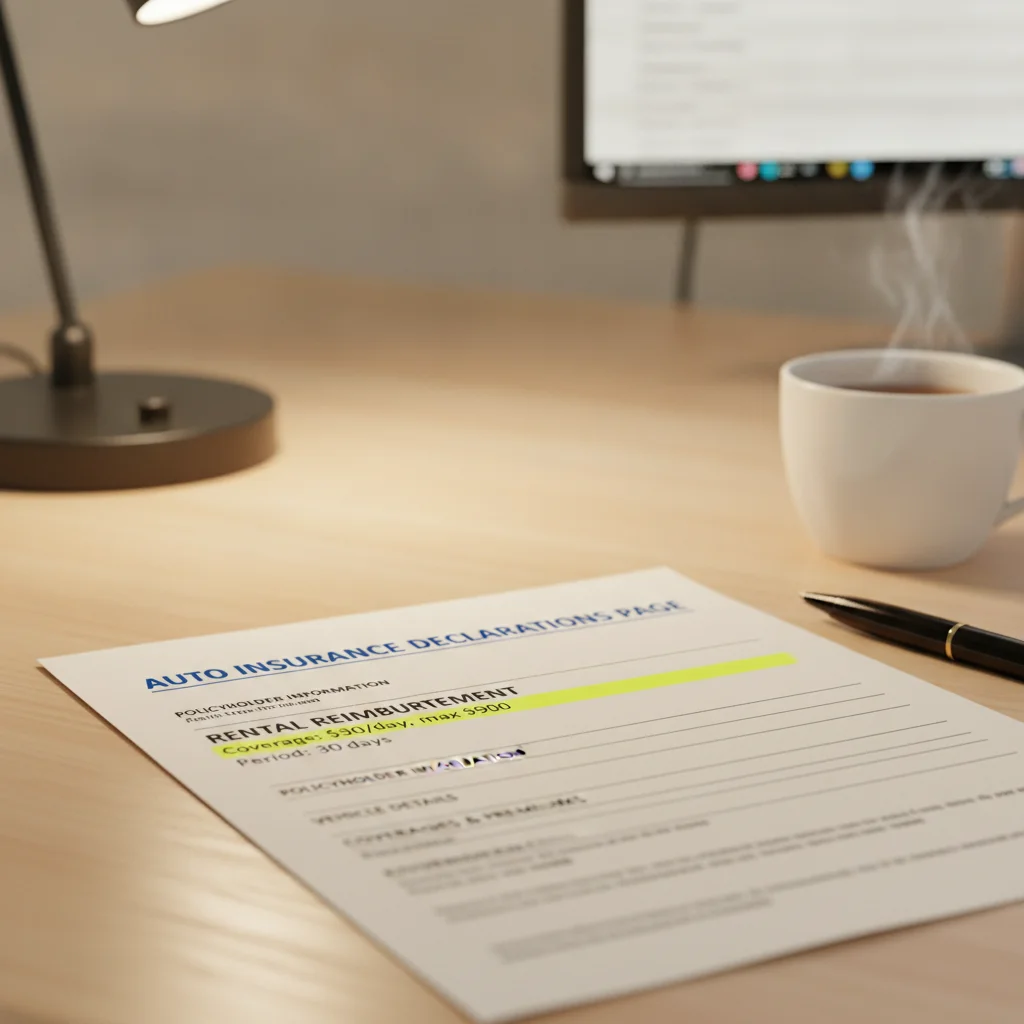
Auto Insurance Declarations Page
Confirms whether you have rental reimbursement coverage and shows your exact daily and total dollar limits.
Insurer's Claims App or Online Portal
Allows you to check claim status, view coverage details, and in some cases request a rental directly through preferred vendors.
Credit Card with Rental Car Benefits
Some credit cards offer secondary rental coverage or waive collision damage waivers — useful backup if your policy limits are low.
Repair Shop Estimate
Provides the projected repair timeline so you can gauge how many rental days you'll need against your coverage limit.
Receipts Folder or Expense Tracking App
Keeps rental receipts organized for reimbursement submission — essential if you're paying upfront and being reimbursed later.
Step-by-Step: Getting a Rental While Your Claim Is Processed
Follow these steps in order. Each one builds on the last, and skipping ahead — especially to the rental counter before confirming coverage — can leave you with unexpected out-of-pocket costs.
Confirm Your Rental Reimbursement Coverage Before Anything Else
Log into your insurer's app or portal, or pull out your declarations page, and look specifically for rental reimbursement or transportation expense coverage. You're looking for two numbers:
- Daily limit — the maximum your insurer will pay per day (commonly $30–$50/day)
- Total limit or day cap — either a total dollar amount or a maximum number of days (often 30 days)
If you can't find this information yourself, call your insurer's claims line directly. This five-minute call will tell you exactly what you're entitled to and prevent surprises at the rental counter.
File Your Claim (or Confirm Your Existing Claim Is Active)
Rental reimbursement coverage only activates once a claim has been filed and accepted. If you haven't filed yet, do that first — by phone, app, or online portal. If you already filed, confirm with your adjuster that:
- The claim is active and not pending investigation
- Rental coverage has been approved as part of your claim
- There are no holds or disputes that would delay rental authorization
Ask for your claim number in writing (email or text confirmation). You'll need this at the rental counter and for any reimbursement submissions.
Ask Your Insurer About Preferred Rental Partners
Many insurers have direct billing arrangements with national rental companies like Enterprise, Hertz, or National. When you use a preferred partner, your insurer pays the rental company directly — up to your daily limit — and you pay any amount over that limit at pickup.
This is far simpler than paying out of pocket and submitting receipts for reimbursement. Ask your insurer:
- Which rental companies they have direct billing with
- Whether they can set up the reservation on your behalf
- What documentation to bring to the rental counter
Pick Up the Rental Car and Review the Agreement Carefully
At the rental counter, provide your claim number, your insurer's direct billing authorization (if applicable), your driver's license, and a credit card. Before signing anything, review the rental agreement for:
- Daily rate — confirm it falls within your insurer's daily cap
- Add-on insurance options — your auto policy may already cover the rental (see our article on what liability coverage transfers to rentals), so you may not need to purchase the rental company's collision damage waiver
- Fuel policy — choose the option that fits how you'll use the car; fuel charges are typically not covered by rental reimbursement
Track Your Rental Days Against Your Coverage Limit
Starting from day one of your rental, keep a simple count of how many days you've used versus how many your policy covers. If your policy covers 30 days and the repair shop estimates 25 days, you have a cushion — but if the estimate is 28 days, you're close to the edge.
Stay in contact with your repair shop throughout the process. Ask for updated timelines every few days. If the repair is running long, alert your adjuster early so you can discuss options before your coverage expires.
Return the Rental and Submit Documentation
Return the rental car as soon as your vehicle is available for pickup — not a day later. Coverage ends when your car is ready, and any extra rental days after that are your responsibility.
If you paid for any portion of the rental out of pocket, submit itemized receipts to your insurer right away. Include:
- Final rental invoice showing daily rate, total days, and charges
- Your claim number on all submitted documents
- Any other transportation receipts if your policy covers broader transportation expenses
Don't Rent Before Your Claim Is Authorized
Showing up at a rental counter before your insurer has confirmed coverage can leave you paying the full bill yourself. Even if you have rental reimbursement on your policy, coverage only activates once a claim is open and the rental is authorized. Confirm authorization — ideally in writing — before you go.
When the Other Driver Is at Fault
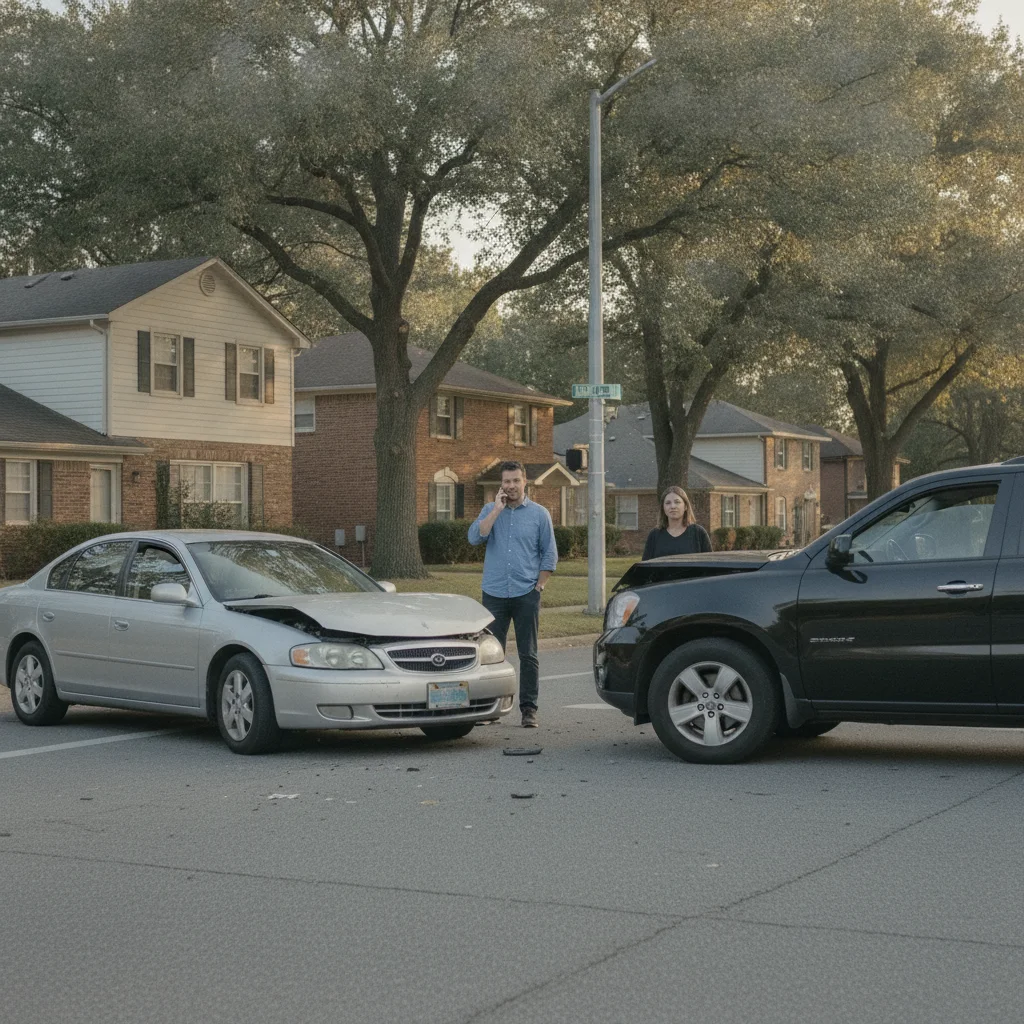
If another driver caused the accident, the rental equation changes. Their bodily injury and property damage liability coverage should cover your transportation costs during repairs — meaning you may not need to touch your own rental reimbursement coverage at all.
In practice, here's how it usually works:
- You file a third-party claim with the at-fault driver's insurer.
- That insurer assigns an adjuster who evaluates the damage to your vehicle.
- Once liability is accepted, the at-fault insurer typically arranges or reimburses a rental for the duration of repairs.
The catch: if the at-fault driver's insurer disputes liability or the process drags on, you may choose to use your own rental reimbursement coverage in the meantime to avoid waiting. Your insurer can later seek reimbursement from the at-fault party through a process called subrogation.
For a deeper look at how your own liability coverage interacts with rental vehicles — including what transfers when you're the one renting — see our article on liability coverage for rental cars.
Using Your Own Coverage While Waiting for Fault Determination
If the at-fault driver's insurer is slow to accept liability, you don't have to sit without transportation. You can activate your own rental reimbursement coverage in the meantime. Your insurer will pursue reimbursement from the at-fault party later through subrogation — and your deductible typically doesn't apply to rental reimbursement coverage.
Keep Communication With Your Adjuster Proactive
Don't wait for your adjuster to reach out to you about rental coverage updates. A quick check-in call every few days keeps you informed and signals that you're tracking the timeline. Adjusters handle many claims simultaneously, and a polite nudge often keeps yours moving.
What Happens When Your Coverage Runs Out Mid-Repair
One of the most stressful moments in the claims process is when your rental reimbursement days run out — but your car still isn't back. This happens more often than most people expect, especially when parts are on backorder or repair shops are backed up.
Here's what to know:
- Your insurer won't automatically extend the coverage. Once you've hit your policy's day limit or dollar cap, you're responsible for the remaining rental cost unless you negotiate an exception.
- Ask your adjuster about extensions early. If the repair is taking longer because of insurer-related delays — for example, a slow adjuster inspection — some insurers will extend coverage as a goodwill measure. It's worth asking directly.
- Body shop delays due to parts availability are generally not the insurer's problem. That's a hard reality, but knowing it helps you plan.
If you don't currently have rental reimbursement on your policy, it's worth understanding the full financial picture before your next renewal. Our article on filing a claim without rental reimbursement coverage walks through the real-world costs and how drivers handle the gap.
Your Coverage Has a Hard Stop Date
Rental reimbursement coverage ends when your vehicle is repaired and available — or when you hit your policy's day or dollar limit, whichever comes first. There is no automatic extension. If you anticipate going over your limit, contact your adjuster before that day arrives, not after. Acting early gives you options; acting late usually doesn't.
If you travel frequently and are wondering whether a travel insurance policy with rental coverage might be a smarter fit than a standalone add-on, our comparison of rental reimbursement vs. travel insurance with rental coverage can help you decide.
After the Repair: Closing Out the Rental Correctly
Returning the rental car is the final step, but doing it correctly matters — especially for reimbursement claims where you paid upfront and are waiting for a check.
A few things to keep in mind:
- Return the car promptly. Coverage ends when your vehicle is repaired and available for pickup, not when you actually go get it. Don't delay the return and expect coverage to continue.
- Submit receipts immediately. If you've been paying out of pocket and submitting for reimbursement, send documentation to your insurer as soon as you have it. Delays in submitting can slow your reimbursement check.
- Review the final rental bill carefully. Rental companies sometimes add fees for fuel, optional insurance, or upgrades that your auto insurer won't cover. Make sure you're not submitting charges that will be rejected.

For broader context on how claims wrap up — including what the adjuster's final sign-off looks like — our guide on filing a comprehensive claim covers the full arc from report to resolution. And if you want to explore all the optional protections available beyond rental reimbursement, our optional add-ons coverage hub is a good next stop.

All claims are backed by peer-reviewed research. Sources on request.