Key Takeaways
Rental Reimbursement Coverage
Rental reimbursement coverage is an optional add-on to your auto insurance policy that pays for a temporary replacement vehicle while your own car is being repaired after a covered claim. It kicks in after accidents, theft, or other covered losses — not for routine maintenance or mechanical breakdowns. The policy pays up to a set daily dollar limit for a set number of days, whichever runs out first.
Coverage is triggered only when a covered peril under your collision or comprehensive policy is the cause of loss. Standalone mechanical breakdown or wear-and-tear repairs are explicitly excluded.
What Rental Reimbursement Coverage Actually Does
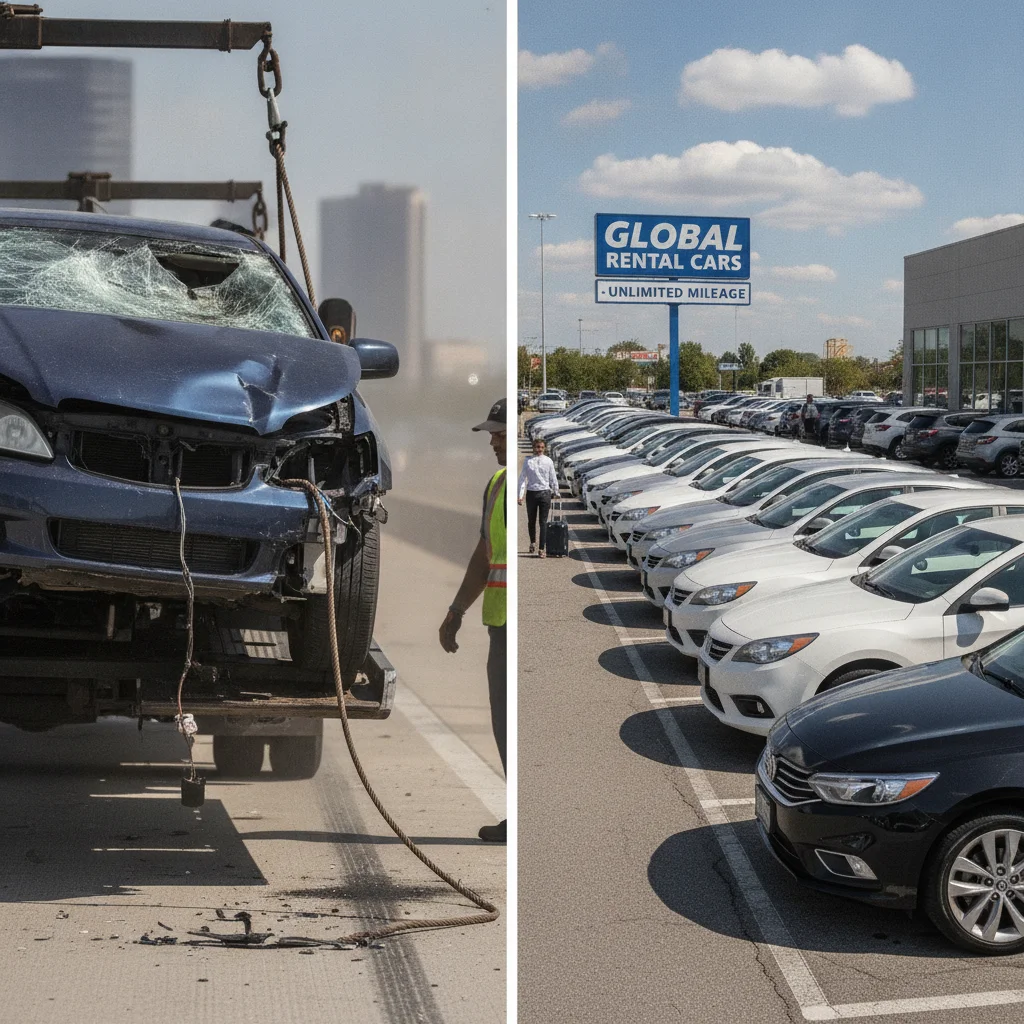
Here's the short version: your car gets damaged in a covered accident, it goes to a body shop, and you need wheels in the meantime. Rental reimbursement coverage foots the bill for a temporary replacement — up to the limits printed on your declarations page.
The key word is covered. The coverage piggybacks on an underlying claim. If your collision coverage or comprehensive coverage pays for the repair, rental reimbursement can activate. If there's no underlying covered claim — say, your check-engine light came on or your brakes need replacing — the rental reimbursement endorsement does nothing.

This is the most common misconception I hear. Drivers assume rental reimbursement is a general transportation benefit. It isn't. It's a narrow, claim-triggered benefit. That's not a knock against it — it's just important to know what you're buying before you rely on it.
For a broader look at every optional add-on available on a standard auto policy, see our guide to optional car insurance coverages.
Rental Reimbursement Is Not Rental Car Insurance
These are two separate products that are frequently confused. Rental reimbursement pays for a rental vehicle while your own car is being repaired. Rental car insurance (or a collision damage waiver) protects the rental vehicle itself if it's damaged while in your possession. Your personal auto policy's collision and comprehensive coverage may extend to a rental car — but that's a different question altogether.
State Regulations Can Affect Your Coverage
A handful of states have minimum standards for rental reimbursement endorsements, including requirements around how quickly the benefit must begin after a claim is filed. If you're in a state with strong consumer protection laws — such as California or New York — check whether your insurer's policy meets or exceeds state minimums. Your state's Department of Insurance website is the authoritative source.
How the Limits Work — and Where They Run Out
Every rental reimbursement policy has two caps that work together:
- Daily limit: The maximum the insurer pays per calendar day of rental. Common amounts are $30, $40, or $50 per day.
- Total per-claim limit: The maximum payout for the entire rental period on a single claim. Typical totals range from $900 to $1,500.
Whichever cap is hit first ends the benefit. Run the math: a $40/day policy with a $900 total pays for a maximum of 22.5 days. If your repair takes 30 days — not unusual for major structural damage or parts backorders — you're covering 7–8 days out of pocket.
12 days
Average auto collision repair time
According to Enterprise Rent-A-Car fleet data, the average collision repair takes approximately 12 days, with complex structural damage often exceeding 20 days.
$55–$80/day
Average daily rental car cost (mid-size)
Car rental rates from major U.S. agencies averaged $55–$80 per day for mid-size vehicles in 2023–2024, frequently exceeding standard policy daily limits of $30–$50.
$5–$15/mo
Typical rental reimbursement premium cost
Most major insurers price rental reimbursement endorsements between $5 and $15 per month, making it one of the lowest-cost optional coverages available.
~6 in 100
Drivers filing collision claims annually
The Insurance Research Council estimates roughly 6 out of every 100 insured drivers file a collision claim in any given year, meaning the coverage activates with meaningful regularity.
22 days
Maximum rental days on a $40/day, $900 policy
A common base-tier rental reimbursement policy ($40/day, $900 max) exhausts its total benefit in just 22.5 days — less than many major repairs take.
The daily cap is where most people get caught off guard. Mid-size and full-size rental cars at major agencies average $60–$80 per day before taxes and fees. A $30/day policy leaves a significant gap. When you're shopping coverage, look at what rentals actually cost in your city — not a national average — and choose a daily limit that reflects reality.
Some insurers offer tiered packages: basic ($30/day, $900 max), standard ($40/day, $1,200 max), and enhanced ($50/day, $1,500 max). The premium difference between tiers is usually only $2–$4 per month. That's worth paying for the higher tier if you'd struggle to cover an out-of-pocket rental gap.
Book Early to Stay Within Your Daily Cap
Rental rates spike after major weather events and during summer holidays — the same times when comprehensive claims peak. As soon as your claim is accepted, book your rental immediately. Reserve a compact or economy class vehicle to stay within your policy's daily limit and avoid paying the difference out of pocket.
Ask Your Adjuster About Repair Delay Extensions
If a parts shortage or shop backlog pushes your repair past your policy's day limit, call your adjuster and document the cause in writing. Some insurers have goodwill provisions for documented shop delays beyond the insured's control. You won't always get an extension, but you won't get one if you don't ask.
What Triggers Coverage — and What Doesn't
Coverage triggers are determined by the underlying claim type. Here's how it breaks down:
| Cause of Loss | Underlying Coverage | Rental Reimbursement Eligible? |
|---|---|---|
| At-fault collision | Collision | Yes |
| Not-at-fault collision | Collision (or at-fault driver's liability) | Yes (your policy or theirs) |
| Vehicle theft | Comprehensive | Yes |
| Weather damage (hail, flood) | Comprehensive | Yes |
| Hit-and-run damage | Collision or uninsured motorist | Yes |
| Engine or transmission failure | None (mechanical) | No |
| Routine maintenance | None | No |
| Tire replacement | None (unless road hazard rider) | No |
One nuance worth knowing: if the other driver is at fault and they carry liability insurance, their policy's property damage liability should cover your rental directly. You wouldn't need to use your own rental reimbursement benefit at all. This is good news for your claim record — you don't file with your own insurer. But it depends on the at-fault driver being insured and cooperative, which isn't always the case.
See our piece on what happens when you file a claim without rental reimbursement to understand the financial exposure when neither your policy nor the other driver's policy covers the gap.
How Rental Reimbursement Interacts With Other Coverage
Rental reimbursement doesn't exist in a vacuum. It overlaps with — and sometimes duplicates — coverage you may already have elsewhere.
The Other Driver's Liability Policy
As mentioned above, if another driver causes the accident, their bodily injury and property damage liability policy should cover your rental while your vehicle is being repaired. This is called a "loss of use" claim. You deal directly with their insurer. Your rental reimbursement sits unused, which is perfectly fine — you're made whole either way.
Credit Card Rental Coverage
Many premium credit cards include rental car coverage as a cardholder benefit. However, that coverage typically protects the rental vehicle itself (collision damage waiver equivalent) — not your personal car while it's being repaired. These are different products solving different problems. Don't confuse them. For a breakdown of how liability transfers between your personal policy and a rental car, see our explainer on liability coverage for rental cars.
Dealership Loaner Programs
Some dealerships provide loaner vehicles when your car is in for covered repairs. This can be a free substitute — but it's not guaranteed, it's often limited to the dealer's own make, and wait lists for loaners can stretch a week or more. Rental reimbursement gives you the flexibility to go to any licensed rental agency and get moving immediately.
“Rental reimbursement is what I call a 'sleep at night' coverage. It's cheap, it's concrete, and when you need it, you know exactly what it does. Compare that to some of the more exotic endorsements out there — this one earns its premium.”
— J. Robert Passmore, Personal Lines Policy Expert, American Property Casualty Insurance Association
Who Should Actually Buy This Coverage
I'll be direct: this coverage isn't for everyone. But for the right driver, it's one of the cheapest meaningful protections on the policy.
The drivers who benefit most:
- Single-car households — no backup transportation if your only vehicle is in the shop.
- Long-distance commuters — missing work because you can't get there is a real financial loss; $5–$10/month to prevent it is rational.
- Drivers in hail or high-theft areas — comprehensive claims are more frequent, so the benefit activates more often.
- People who can't comfortably front $500–$1,500 out of pocket — even if reimbursement from an at-fault party eventually comes through, you may need to pay upfront while the claim processes.
The drivers who likely don't need it:
- Multi-car households where a second vehicle is readily available.
- Drivers with flexible work arrangements who can work remotely during a repair period.
- Drivers who carry low coverage limits on an older vehicle and plan to self-insure smaller losses.
If you're uncertain, compare rental reimbursement to travel insurance with rental coverage — especially if you travel frequently and already carry a travel policy.

How to File a Rental Reimbursement Claim Without Losing Money
The process matters as much as the coverage itself. Missteps during the claims process can cost you days of reimbursement or leave you holding a bill you expected insurance to cover.
- File the underlying claim first. You can't activate rental reimbursement until your insurer has accepted the primary claim. Call your insurer immediately after an accident or covered loss, and specifically mention you need rental reimbursement activated.
- Confirm the rental start date is authorized. Ask your claims adjuster what date rental coverage begins. Some insurers only start the clock once your vehicle has been dropped at the repair shop — not the date of the accident.
- Book within your daily limit. Check your declarations page for your daily cap. Search for vehicles priced at or below that cap so you have no out-of-pocket gap. Economy and compact cars are usually within most limits.
- Keep every receipt. Some policies reimburse you directly rather than billing the rental agency. Even when the insurer bills the agency, keep your own records as backup.
- Track the repair timeline. Know how many days of coverage remain. If a repair is running long due to parts delays, contact your adjuster — some insurers will extend the benefit in legitimate cases of shop backlog.
- Return the rental promptly after your car is ready. The rental benefit ends when your vehicle is available, even if you don't pick it up immediately. Extra days after your car is ready typically won't be covered.
Book Early to Stay Within Your Daily Cap
Rental rates spike after major weather events and during summer holidays — the same times when comprehensive claims peak. As soon as your claim is accepted, book your rental immediately. Reserve a compact or economy class vehicle to stay within your policy's daily limit and avoid paying the difference out of pocket.
Ask Your Adjuster About Repair Delay Extensions
If a parts shortage or shop backlog pushes your repair past your policy's day limit, call your adjuster and document the cause in writing. Some insurers have goodwill provisions for documented shop delays beyond the insured's control. You won't always get an extension, but you won't get one if you don't ask.
Cost vs. Benefit: Is It Worth Adding to Your Policy?
Rental reimbursement is one of the few optional coverages where the math is relatively easy to run. The average cost is $5–$15 per month depending on your state, insurer, and the tier you select. That's $60–$180 per year.
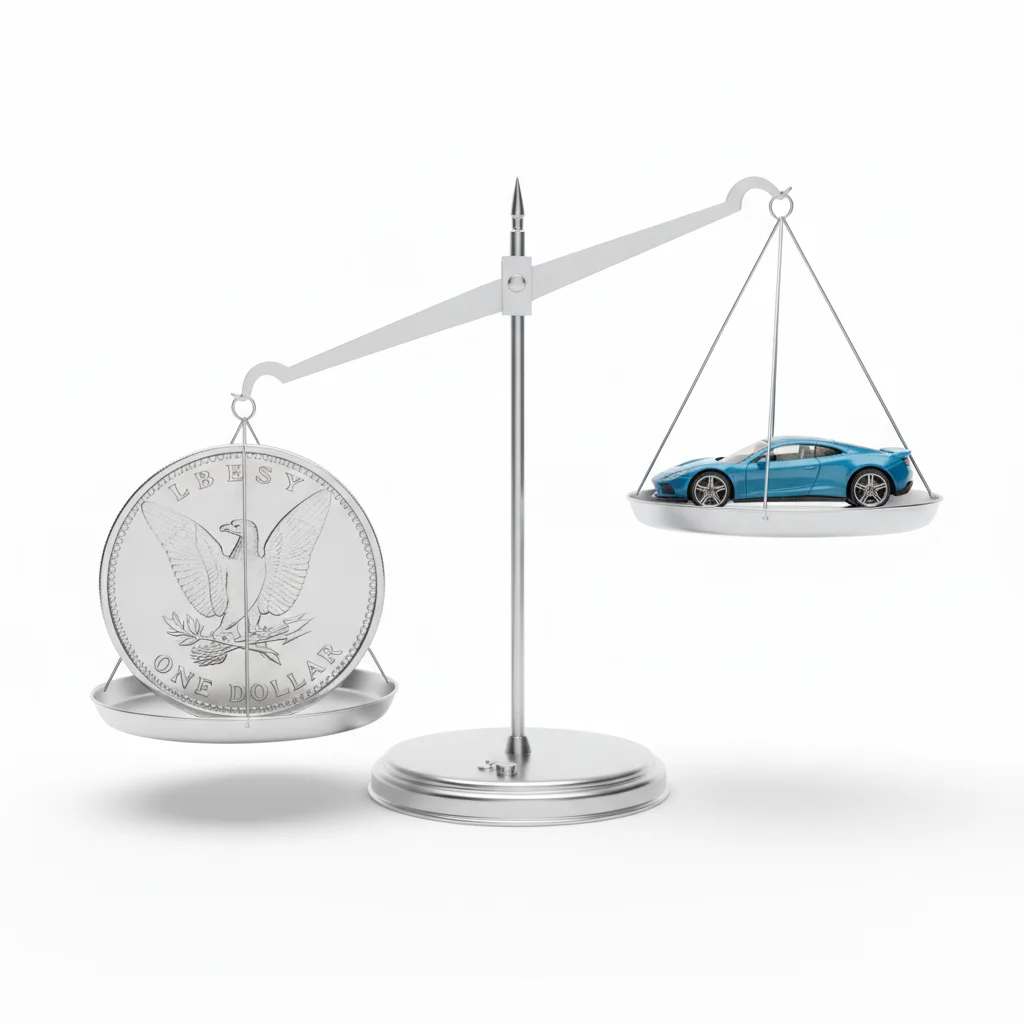
The average collision repair in the U.S. takes 12 days. A mid-range rental at $55/day for 12 days costs $660 — well above what most drivers pay annually for the coverage. A single activation more than pays for several years of premiums.
The counterargument: if you go 10 years without filing a collision or comprehensive claim, you've paid $600–$1,800 in premiums for a benefit you never used. That's how insurance works. The question isn't whether you'll use it — it's whether the risk of not having it is worth the premium.
For most single-vehicle households, the answer is yes. The coverage is cheap, the exposure is real, and the benefit pays out quickly when you need it.
Before finalizing your policy, ask your insurer about bundling discounts — some carriers reduce optional endorsement costs when paired with comprehensive and collision coverage on the same policy. Also check whether your employer offers car insurance benefits through group plans, which sometimes include rental reimbursement at reduced rates.
Rental Reimbursement Is Not Rental Car Insurance
These are two separate products that are frequently confused. Rental reimbursement pays for a rental vehicle while your own car is being repaired. Rental car insurance (or a collision damage waiver) protects the rental vehicle itself if it's damaged while in your possession. Your personal auto policy's collision and comprehensive coverage may extend to a rental car — but that's a different question altogether.
State Regulations Can Affect Your Coverage
A handful of states have minimum standards for rental reimbursement endorsements, including requirements around how quickly the benefit must begin after a claim is filed. If you're in a state with strong consumer protection laws — such as California or New York — check whether your insurer's policy meets or exceeds state minimums. Your state's Department of Insurance website is the authoritative source.

All claims are backed by peer-reviewed research. Sources on request.