Key Takeaways
Why This Situation Is More Common Than You'd Think
About one in eight drivers on U.S. roads is uninsured, according to the Insurance Research Council. In some states, that number climbs closer to one in five. So if you've been hit by a driver who hands you a blank stare instead of an insurance card, you're not in an unusual situation — even though it feels like one.
The good news is that if you have uninsured motorist (UM) coverage on your own policy, you have a real path forward. You won't be chasing an uninsured driver through small claims court hoping they have assets worth pursuing. Instead, you file with your own insurer, and they step in to cover what the at-fault driver's nonexistent policy should have paid. To understand exactly how that coverage is structured and why it's worth keeping on your policy, see our guide to how UM/UIM coverage works.
This article walks you through the claims process step by step — what to do at the scene, how to document everything, and how to work through your insurer's process without feeling lost.
What You Need Before You File
Before you pick up the phone to call your insurer, it helps to have your documentation in order. UM claims are adjudicated similarly to any other claim — your insurer's adjuster will look at fault, damage, and injury — but since the other driver's insurer isn't involved, the burden of proof rests more heavily on the records you provide.
What you will need
If you were involved in a hit-and-run rather than an identifiable uninsured driver, the documentation requirements are slightly different — you'll generally need a police report and may need to show physical contact between vehicles. See our guide to hit-and-run claims for how that process differs.
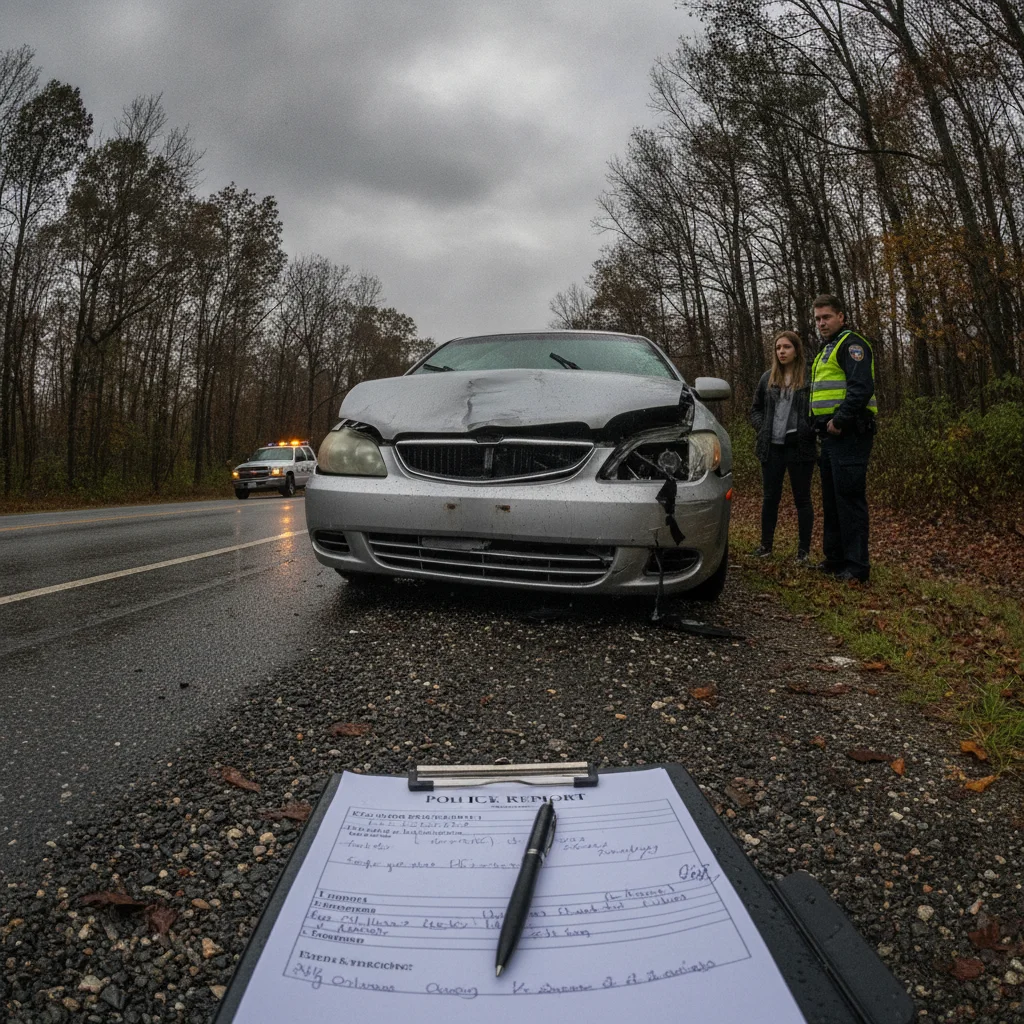
Police Report
Officially documents the accident and confirms the other driver's lack of insurance — required by most insurers to process a UM claim.
Smartphone Camera
Used to photograph vehicle damage, the accident scene, license plates, and any visible injuries immediately after the accident.
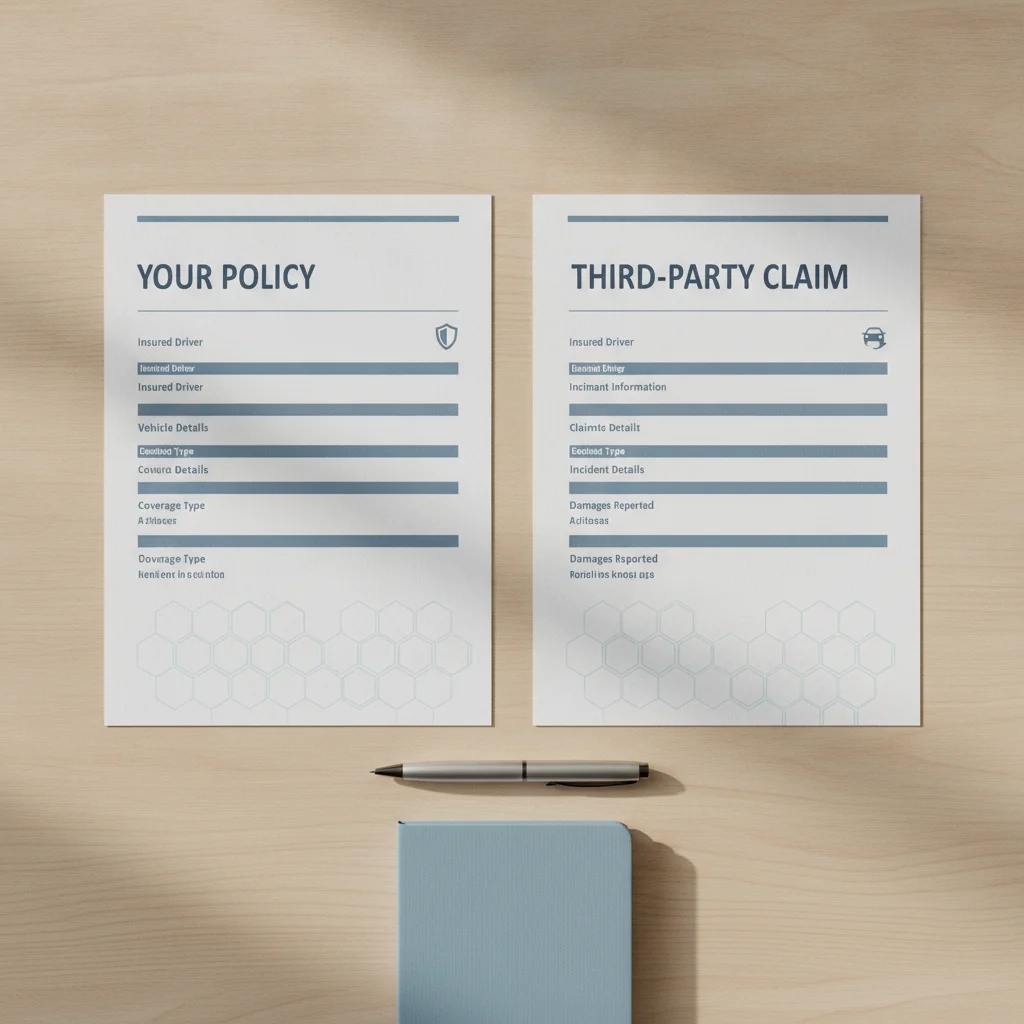
Your Insurance Policy / Declarations Page
Confirms your UM coverage limits, deductible amounts, and any policy-specific reporting deadlines.
Medical Records and Bills
Supports your bodily injury claim by documenting the nature, extent, and cost of injuries sustained in the accident.
Witness Contact Information
Provides third-party corroboration of the accident and the other driver's fault — strengthens your claim if disputed.
Written Incident Log
A personal written account of the accident details, created as soon as possible, to ensure accuracy during the claims process.
The Step-by-Step Filing Process
Once you've confirmed the other driver is uninsured and you have your basic documentation together, here's how to move through the claims process. Take it one step at a time — it's manageable when you break it down.
Confirm the Other Driver Is Uninsured at the Scene
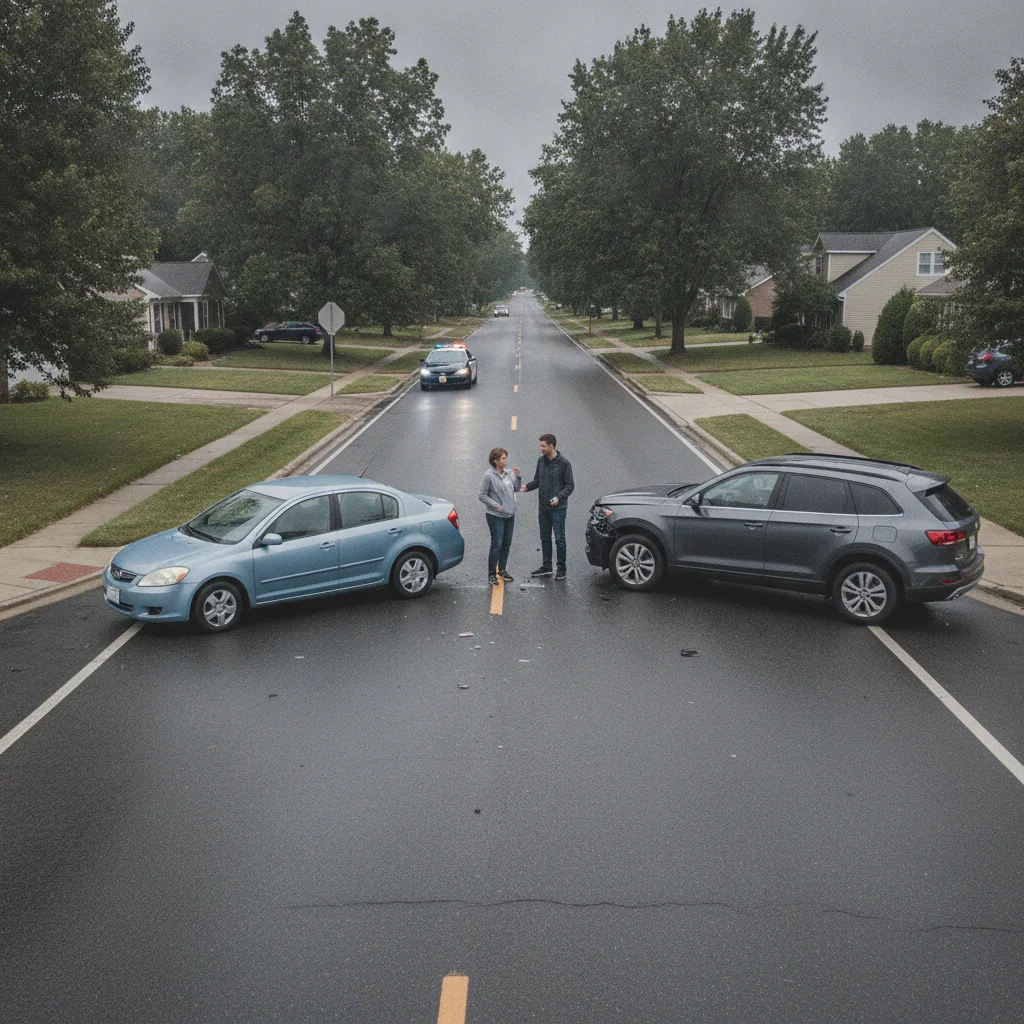
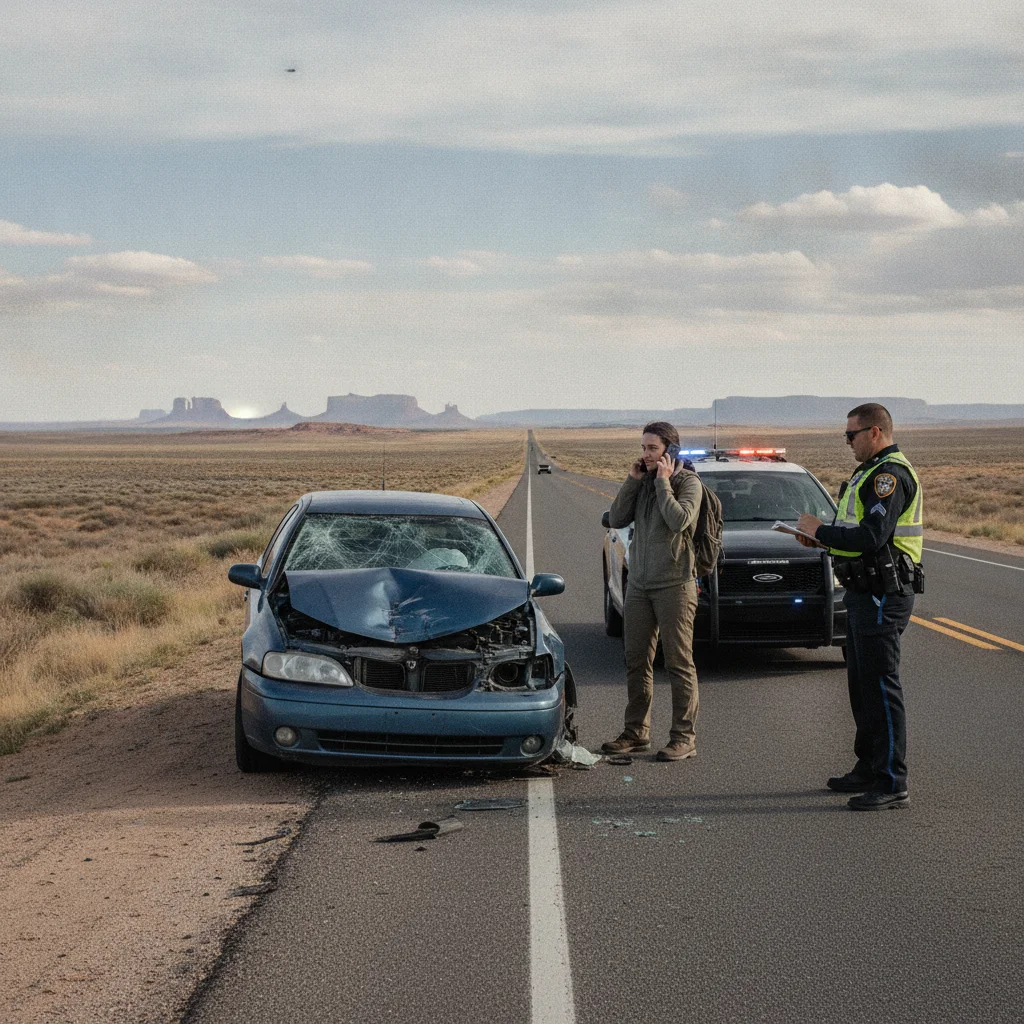
At the scene, exchange information with the other driver as you would in any accident. Specifically, ask for their insurance card. If they cannot produce one, are carrying an expired card, or admit they have no coverage, document that fact immediately. Take a photo of their driver's license and any documents they do provide.
Do not let the driver leave the scene before the police arrive. A police report is essential for a UM claim — it's the official record that documents the other driver's lack of coverage and establishes fault.
Document Everything at the Scene
Before vehicles are moved (if it's safe to do so), photograph the following:
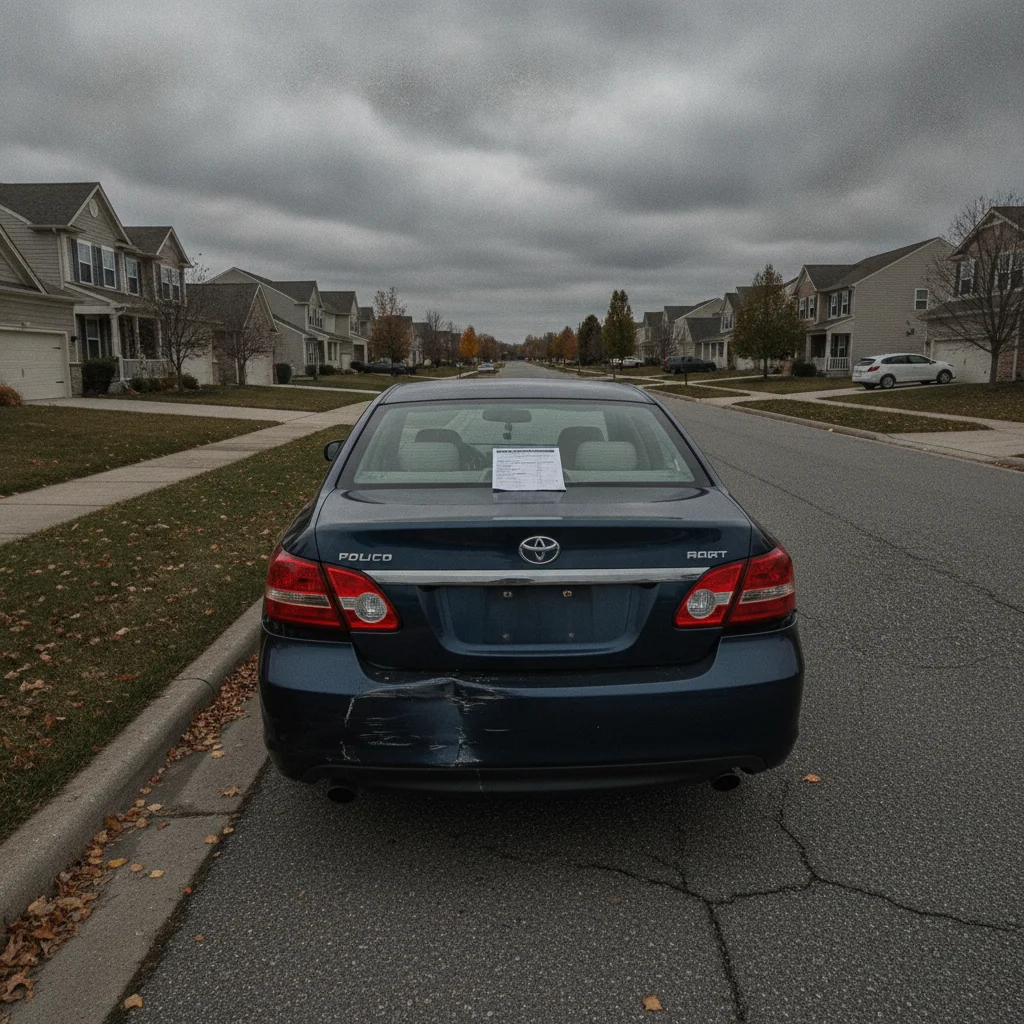
- All vehicle damage from multiple angles
- The overall accident scene, including road conditions, traffic signals, and skid marks
- The other driver's license plate
- Any visible injuries to yourself or passengers
Also collect contact information from any witnesses. Their accounts may be important if the other driver later disputes fault or the circumstances of the accident.
Seek Medical Attention Promptly
If you or any passengers are injured, get medical care as soon as possible — ideally on the same day as the accident. This isn't just about your health. Prompt medical documentation creates a clear record connecting your injuries to the accident, which is critical for your bodily injury claim under UMBI coverage.
Even if you feel fine immediately after the accident, consider being evaluated. Adrenaline can mask pain, and some injuries — particularly soft tissue injuries — don't become symptomatic for 24 to 72 hours.
Report the Accident to Your Insurer Immediately
Call your insurance company to report the accident as soon as reasonably possible — ideally the same day. Most policies require prompt notification, and some states have strict reporting windows for UM claims. When you call:
- Tell the agent the other driver is uninsured and that you intend to file a UM claim
- Provide the police report number
- Describe the accident briefly without speculating about fault
- Ask about next steps, timelines, and any forms you need to complete
Submit Your Claim Documentation
Your insurer will ask you to formally submit your claim, either online, via their app, or by mail. Gather and submit all relevant documentation, including:
- The police report (or the report number if the full report isn't yet available)
- Photos from the accident scene
- Medical records and bills
- Proof of any lost wages if you missed work due to injuries
- Witness contact information
- A written description of the accident
The more complete your submission, the smoother the adjuster's review will be. Missing documentation is the most common reason claims take longer than they should.
Cooperate With the Adjuster — Carefully
Once your claim is assigned to an adjuster, they will contact you to schedule a vehicle inspection and may request a recorded statement. You're generally required by your policy to cooperate, but cooperation doesn't mean rushing through the process unprepared.
Before giving a recorded statement, review your written account of the accident. Answer questions truthfully and specifically — stick to what you directly observed and experienced. Avoid guessing about speeds, exact distances, or fault if you're not certain.
For the vehicle inspection, make sure your car is accessible and that you haven't had repairs started yet. If repairs have already begun, provide photos and estimates from before work started.
Review and Negotiate the Settlement Offer
Once your adjuster has completed their review, they'll issue a settlement offer covering vehicle damage, medical expenses, lost wages, and potentially pain and suffering, depending on your policy. Review this offer carefully before accepting.
If the offer seems low, you have the right to negotiate. Provide additional documentation — medical records, repair estimates, wage loss statements — to support a higher amount. If you and your insurer can't agree, most UM policies include an arbitration clause as an alternative to litigation.
Do not accept any settlement until you have a complete picture of your medical situation. Ongoing treatment, future medical costs, or delayed-onset symptoms should all be factored in before you sign.
If you're weighing whether to file through your own policy or pursue the at-fault driver directly, our article on filing directly with your insurer vs. going through the at-fault driver's policy can help you think through the trade-offs.
What UM Coverage Actually Pays For
One of the most common sources of confusion with UM claims is understanding the scope of what can be recovered. Your policy's UM coverage typically breaks into two components:
- Uninsured Motorist Bodily Injury (UMBI): Covers medical expenses, lost wages, pain and suffering, and other injury-related costs for you and your passengers.
- Uninsured Motorist Property Damage (UMPD): Covers damage to your vehicle. Note that not all states require insurers to offer UMPD, and some policies include a separate deductible for this portion.
It's worth reviewing your declarations page now — before you ever need to file — to understand your coverage limits and whether you have both components. If your vehicle damage isn't covered under UMPD, your collision coverage (if you carry it) may serve as a fallback, though your deductible will apply.
If you end up without a rental vehicle while your car is being repaired, that's another gap worth knowing about. See what happens if you file without rental reimbursement coverage for a realistic picture of the financial impact.
Check Your Coverage Limits Now
It's worth reviewing your UM coverage limits before you ever need to file a claim. Many drivers carry the state minimum, which may not fully cover serious injuries or significant vehicle damage. Increasing your UM limits is usually inexpensive relative to the protection it provides.
Keep a Claims Folder From Day One
Start a dedicated folder — digital or physical — the moment an accident happens. Include photos, the police report, medical records, correspondence with your insurer, and notes from every phone call. A well-organized file speeds up the adjuster's review and gives you leverage if the claim is disputed.
Common Pitfalls and How to Avoid Them
Filing a UM claim is straightforward in principle, but there are a few places where things can go sideways. Here's what to watch for:
Waiting Too Long to File
Every state has a statute of limitations for UM claims, and most insurers have their own prompt-reporting requirements written into the policy. Missing either deadline can give your insurer grounds to deny the claim entirely. When in doubt, report the accident the same day it happens.
Giving a Recorded Statement Without Preparation
Your insurer will likely ask for a recorded statement. You are generally required to cooperate, but you don't need to give a statement the same day you call in the accident. Take time to review your notes and any documentation first. Stick to what you know and don't speculate about fault or injuries that are still being evaluated.
Settling Too Quickly on Injury Claims
Some injuries — especially soft tissue injuries like whiplash — don't fully manifest for days or weeks. Once you accept a settlement, you typically can't go back and ask for more. Wait until you have a clear picture of your medical situation before agreeing to any injury settlement amount.
Assuming Your Rates Will Spike
Many drivers avoid filing UM claims because they fear a premium increase. In most states, insurers are prohibited from raising your rates for a UM claim when you were not at fault. That said, policies vary, so ask your insurer directly before making your decision.
Don't Accept a Lowball Offer Quickly
Insurers may issue an initial offer that doesn't fully account for ongoing medical treatment or future costs. You are not obligated to accept the first offer. Take time to review it against your actual expenses, and don't hesitate to submit additional documentation or negotiate.
Watch Your State's Filing Deadline
UM claims are subject to statutes of limitations that vary by state — typically ranging from one to three years from the date of the accident. Your policy may also have its own prompt-reporting requirement that is stricter. Missing either deadline could result in a denied claim, regardless of fault.
Your Insurer Is Not a Neutral Party
When you file a UM claim, your own insurer effectively steps into the shoes of the uninsured driver's nonexistent insurer. That means they have a financial interest in limiting the payout. Be thorough, document everything, and don't assume that because they're your insurer they're automatically working in your favor on the settlement amount.
For comparison, the process for a comprehensive claim — which also runs through your own insurer — has a similar structure but applies to non-collision events. Our guide to filing a comprehensive claim walks through how that works if you ever need it.
After the Claim: What to Expect
Once your claim is submitted and documented, your insurer will assign an adjuster who will evaluate the damage, review your medical records (if applicable), and work toward a settlement offer. Here's what the typical timeline looks like:
- Days 1–3: Claim acknowledgment and adjuster assignment.
- Days 3–10: Vehicle inspection and damage estimate.
- Weeks 2–6+: Medical records review and injury valuation (this phase takes longer if treatment is ongoing).
- Settlement offer: Issued once all damages are documented. You can negotiate if the offer seems low.
If you're dissatisfied with your insurer's settlement offer, most UM policies include an arbitration clause that allows disputes to be resolved without going to court. Review your policy or ask your insurer about the arbitration process before signing anything.
It also helps to know what your state's UM laws say. Some states require stacked UM coverage, others limit how UM benefits interact with your health insurance, and a few mandate that UMPD be offered. A quick call to your state's department of insurance can clarify the rules that apply to your situation.
Getting hit by an uninsured driver is genuinely frustrating — but the claims process, once you know the steps, is less daunting than it feels in the immediate aftermath. With the right documentation and a clear sense of what your UM coverage includes, you can move through this with confidence. For more on what your legal options look like if you choose to pursue the driver directly instead of — or in addition to — filing a UM claim, see what happens if the other driver has no insurance.

All claims are backed by peer-reviewed research. Sources on request.