Key Takeaways
Our Verdict
No single roadside assistance source wins for every driver. Insurer add-ons make sense for low-mileage commuters who want a safety net at minimal cost. AAA justifies its annual fee for frequent drivers, road-trippers, or anyone who values a broad service network and travel perks. Automaker plans are a no-brainer while they last — maximize that window, then reassess before the coverage expires.
| Best for | Recommended |
|---|---|
| Budget-conscious drivers who rarely travel far from home | Insurer Add-On |
| High-mileage drivers, road-trippers, or multi-car households | AAA Membership |
| New car owners within the first 3–5 years of ownership | Automaker Plan |
| EV owners needing charge-specific or flatbed towing services | AAA or Automaker Plan |
Why Your Roadside Assistance Source Matters More Than You Think
Most drivers assume roadside assistance is roadside assistance — a truck shows up, solves the problem, end of story. That's not how it works. The source of your coverage determines who dispatches the truck, how fast they arrive, how far they'll tow you, and whether you'll owe money on the spot. Those differences become painfully real at 11 p.m. on a rural highway.
There are three primary sources of roadside assistance available to most American drivers: your auto insurer (as an optional add-on), the American Automobile Association (AAA), and your vehicle's manufacturer warranty program. Each operates on a fundamentally different business model, which shapes both the service quality and the hidden limitations buried in the fine print.
Before we break each one down, one rule applies universally: if you have multiple plans active simultaneously, you can only invoke one per incident. There is no stacking. So paying for two sources redundantly wastes money — which makes choosing the right one for your situation a genuinely important financial decision. For a broader look at optional coverages worth paying for, see our full guide to optional car insurance add-ons.
Insurer Roadside Assistance Add-Ons: Cheap but Limited
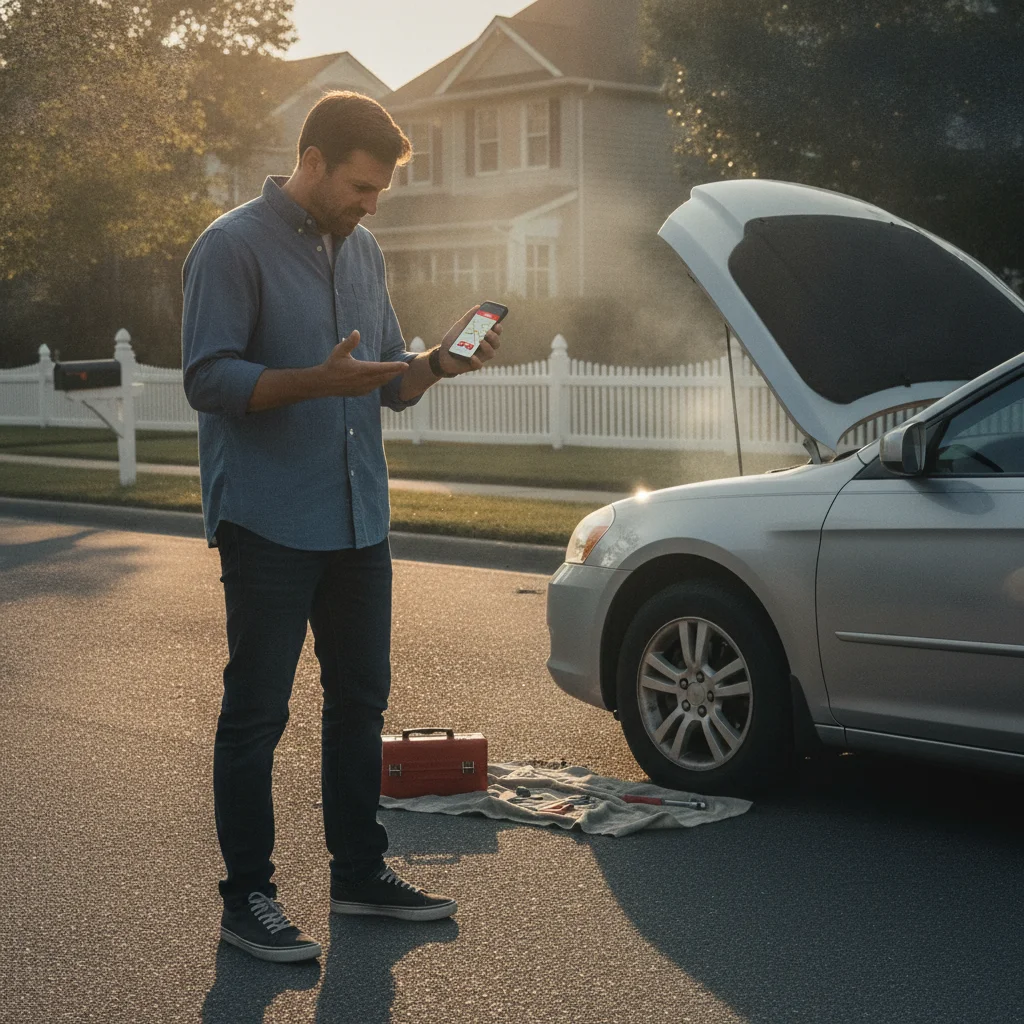
Nearly every major auto insurer — State Farm, GEICO, Progressive, Allstate — sells roadside assistance as a policy endorsement. The typical cost runs between $5 and $15 per vehicle per year, making it the least expensive option on this list by a wide margin. That price point draws a lot of buyers in without them reading the details.
What Insurer Plans Actually Cover
Standard insurer roadside add-ons typically include towing, battery jump-starts, flat tire changes (with your spare), lockout service, fuel delivery, and winching. But coverage is often constrained by:
- Towing distance caps: Many policies cover only 10–15 miles of towing. If your preferred mechanic is 25 miles away, you pay the difference — often at $5–$10 per mile.
- Service frequency limits: Some insurers cap you at 3–4 incidents per policy year before they start questioning whether to renew your policy.
- Deductibles or co-pays: A handful of insurers apply a small deductible, or require you to pay out-of-pocket and submit for reimbursement — meaning you front the cash when you're already stressed.
- Claim tracking: Using your insurer's roadside service creates a record on your claims history, which can influence renewal pricing even if it doesn't technically raise your rate.
The Claims History Problem
This is the detail dealers and agents rarely mention. Some insurers treat roadside assistance calls as soft claims. Enough of them and your insurer may flag you as a higher-risk customer. That's a real consideration for anyone who commutes long distances or drives an older vehicle prone to minor breakdowns.
For a granular look at what the fine print actually says about dispatch limits, fuel caps, and lockout restrictions, this breakdown of standard policy fine print is worth reading before you assume you're covered.
$300–$600
Average market cost for a 100-mile tow
AAA internal data and industry estimates suggest a single long-distance tow quickly exceeds annual membership costs at Plus or Premier tier.
35M+
Active AAA members in the U.S.
AAA's 2023 annual report confirms over 35 million members, supporting one of the largest roadside dispatch networks in North America.
$5–$15
Typical annual cost of insurer roadside add-on
Major insurers including GEICO, State Farm, and Progressive offer roadside endorsements well below $20 per vehicle per year.
60%
New car buyers unaware their plan is still active
Industry surveys suggest a majority of new vehicle owners never register or activate their manufacturer roadside assistance plan within the first year.
AAA Membership: The Gold Standard With a Real Price Tag
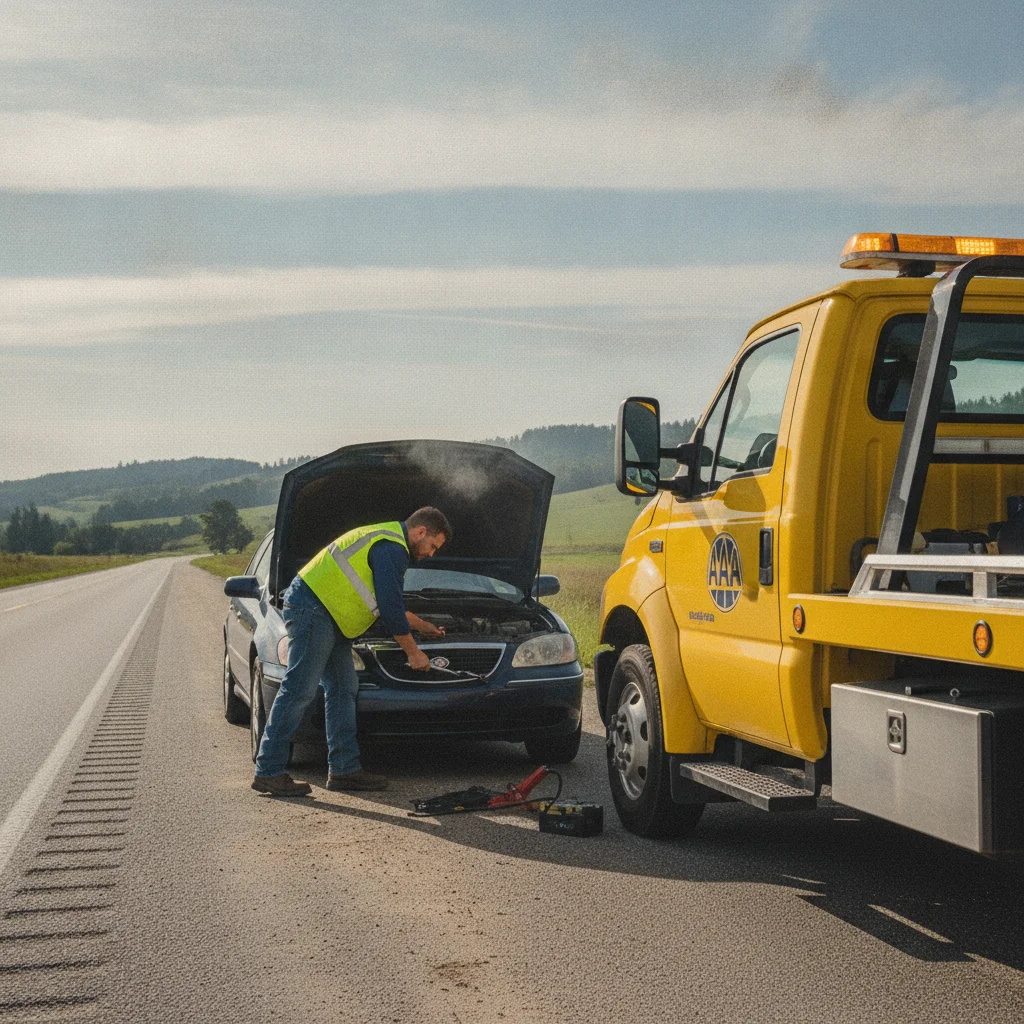
AAA has been in the roadside assistance business since 1902, and their network shows it. With over 35 million members and contracts with tens of thousands of service providers nationwide, AAA typically delivers faster dispatch times and more consistent service quality than the alternatives — especially in rural or low-traffic areas where insurer networks are thin.
Membership Tiers and What They Cost
AAA operates through regional clubs (AAA Carolinas, AAA Northeast, etc.), so pricing varies slightly, but the national averages are:
- Classic: $60–$80/year. 5-mile tow, 4 service calls annually.
- Plus: $90–$130/year. 100-mile tow, 4 service calls, additional travel benefits.
- Premier: $140–$180/year. 200-mile tow, priority dispatch, enhanced travel perks.
The membership covers the member, not the vehicle — a meaningful distinction. If you're driving a friend's car or a rental and something goes wrong, your AAA membership travels with you. That's something insurer add-ons and automaker plans cannot match.
Where AAA Outperforms the Competition
At the Plus or Premier tier, AAA's towing distance alone makes the membership worthwhile for anyone who drives more than 15,000 miles annually. A 100-mile tow at market rates would cost $350–$600. One incident like that and the membership has paid for itself. Beyond towing, AAA offers:
- Battery testing and on-site replacement (often at a discount)
- Trip planning and travel insurance products
- Discounts at hotels, rental car companies, and retail partners
- 24/7 dispatch with real-time tracking in most regions
For EV drivers, AAA has invested in mobile charging trucks in many metro markets — though coverage is still inconsistent in rural areas. If you own an electric vehicle, cross-reference AAA's EV service availability in your region before deciding. See also what EV-specific roadside assistance should include.
Upgrade Your AAA Tier Before a Long Trip
If you're an existing AAA Classic member, you can upgrade to Plus or Premier at any time — not just at renewal. Doing so a week before a major road trip gives you the 100- or 200-mile tow coverage for the entire trip. The prorated cost difference is minimal compared to a single long-haul tow bill.
Set a Calendar Alert for Your Manufacturer Plan Expiry
Your automaker's roadside plan expires on a specific date or mileage milestone, whichever comes first. Set a reminder 90 days before that window closes so you can shop for a replacement without a gap in coverage. Many drivers don't discover the plan expired until they're already on the side of the road.
Automaker Roadside Assistance: Best Value You Already Have
If you bought a new vehicle in the last five years, you almost certainly have manufacturer-provided roadside assistance and may not have activated it. This is free money being left on the table every day.
What Automaker Plans Typically Include
Most major brands include roadside assistance as part of their new vehicle warranty package. Coverage periods vary:
- Toyota: 2 years/unlimited miles via Toyota's Safety Connect or the basic warranty
- Ford: 5 years/60,000 miles (tied to Powertrain warranty terms)
- Chevrolet/GM: 5 years/60,000 miles via OnStar Roadside Assistance
- BMW: 4 years/50,000 miles with BMW Roadside Assistance
- Tesla: 4 years/50,000 miles, with flatbed tow priority to protect the battery pack
Services typically mirror the insurer add-on list — towing, jump-starts, flat tire changes, lockout, and fuel delivery — but towing distances are often more generous, and many automakers dispatch their own certified service network to protect warranty claims.
The Certified Pre-Owned Angle
CPO buyers frequently inherit a portion of the original roadside assistance coverage, plus some manufacturers add CPO-specific benefits on top. This is one of the most underutilized advantages of buying certified used. Most CPO buyers overlook exactly what's bundled into their program, including loaner cars and trip interruption coverage.
The Key Limitation: Vehicle-Tied Coverage
Unlike AAA, automaker plans are attached to the VIN, not to you. If you borrow a family member's car, rent a vehicle, or have a breakdown in a second car you own, the manufacturer plan is useless. And once the coverage window closes — often at the 3-year or 60,000-mile mark — there's no renewal option. You need a plan B ready before that day arrives.
Insurer Add-Ons Can Quietly Affect Your Claims Record
Using your insurer's roadside assistance line creates a service record that some carriers treat as a soft claim. Accumulate enough of them and your insurer may flag your policy at renewal — even though roadside calls rarely trigger rate increases directly. If you expect to need frequent assistance, AAA's standalone model keeps those calls completely separate from your insurance profile.
Automaker Coverage Doesn't Transfer to Your Next Vehicle
When you trade in or sell a vehicle, the manufacturer roadside plan stays with the car — it doesn't move to your replacement vehicle. Buyers who trade in frequently and assume continuous coverage often find themselves in a gap period. Always confirm your new vehicle's coverage status before canceling any supplemental plan.
Side-by-Side Comparison: All Three Options at a Glance
Here's how the three roadside assistance sources stack up across the criteria that actually matter when you're stranded.
| Criterion | Insurer Add-On | AAA Membership | Automaker Plan | |
|---|---|---|---|---|
| Annual Cost | $5–$15/vehicle | $60–$180/member | Free (bundled) | |
| Towing Distance | 10–15 miles typical | 5–200 miles by tier | Varies; often generous | |
| Coverage Portability | Tied to vehicle on policy | Follows the member | Tied to the VIN | |
| Coverage Expiration | Renews with policy | Annual renewal | 3–5 years / mileage limit | |
| Claims History Impact | Possible soft claim record | No impact on insurance | No impact on insurance | |
| EV-Specific Service | Rarely specialized | Expanding in metro areas | Brand-certified; strongest | |
| Service Network Size | Varies by insurer | 35M+ members, nationwide | Brand-certified providers | |
| Additional Perks | None | Travel discounts, DMV help | Loaner car (some brands) |
The table above makes the tradeoffs clear. Insurer add-ons win on price. AAA wins on network breadth and portability. Automaker plans win on value per dollar — but only while the coverage window is open and only for that specific vehicle.
Choosing the Right Plan for Your Specific Situation
There is no universally correct answer here. The right roadside assistance source depends on three variables: how much you drive, how old your vehicle is, and whether you frequently drive vehicles other than your own.
Low-Mileage Commuters
If you drive under 10,000 miles a year, stay close to home, and own a reliable late-model vehicle, an insurer add-on is a defensible choice. The cost is minimal, the risk of a dramatic breakdown is lower, and you're unlikely to hit the towing distance cap if something goes wrong near home. Just know what you're getting and understand the real cost of going without any coverage at all.
High-Mileage Drivers and Road-Trippers
Anyone logging 15,000+ miles annually, traveling through remote areas, or regularly driving long highway stretches should take AAA Plus or Premier seriously. The extended tow range alone offsets the membership cost in a single incident. Multi-car households also benefit — one AAA membership covers the member regardless of which vehicle they're in.
New or CPO Vehicle Owners
Use what you already have. Automaker plans are included in the purchase price, the service network is brand-certified, and the coverage terms are often generous. Avoid paying for a redundant plan on top of manufacturer coverage — that's a waste of premium dollars during the years your car is covered. Reassess 6–12 months before your manufacturer plan expires and transition to AAA or an insurer add-on at that point.
EV Owners
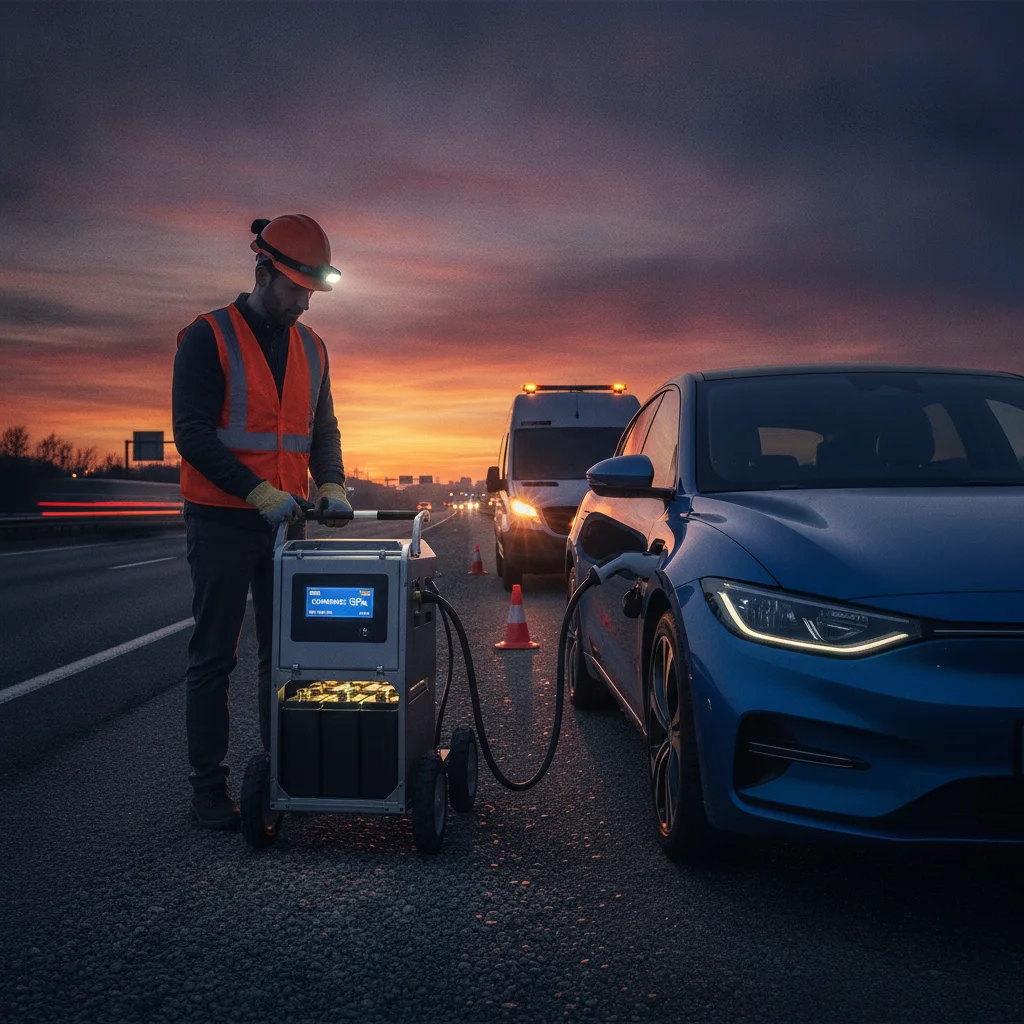
EVs present unique roadside challenges. A flat tire on a vehicle with no spare, or a depleted battery 40 miles from the nearest charging station, requires specialized equipment. Automaker EV plans (Tesla, Rivian, Hyundai) often mandate flatbed towing to avoid drivetrain damage — make sure your roadside source can dispatch appropriate equipment in your area. AAA has been expanding its mobile EV charging fleet, but coverage remains uneven. Know what your EV plan must include before you're in a dead-battery situation 30 miles from a charger.
Avoiding Overlap and Wasted Premiums
The single most common mistake drivers make in this space is carrying duplicate coverage without realizing it. I've seen customers paying for an insurer add-on while their new car's manufacturer plan is still active, and simultaneously considering an AAA membership. That's three sources of coverage for one vehicle — and you can only use one per incident.
Do a quick audit before your next renewal:
- Check your glove box or the manufacturer's app to confirm whether your vehicle's roadside plan is still active and how much time or mileage remains.
- Log into your auto insurance account and look for any roadside assistance endorsements on your current policy.
- Check your credit cards — many premium Visa, Mastercard, and Amex cards include roadside assistance as a cardholder benefit at no additional cost.
If you find you're covered by two or more sources, drop the least comprehensive one. That money is better applied toward a higher tow mileage tier or a better underlying insurance policy. For help evaluating your overall insurance package, our policy comparison guide walks through the evaluation process systematically.

One more overlap to watch for: some employer benefits packages and warehouse club memberships (Costco, Sam's Club) include roadside assistance or AAA-equivalent coverage. Check your HR benefits portal — you may already be covered in ways you've forgotten about entirely.

All claims are backed by peer-reviewed research. Sources on request.