Key Takeaways
Custom Parts and Equipment Coverage
Custom parts and equipment (CPE) coverage is an optional add-on to your auto insurance policy that pays to repair or replace aftermarket modifications if they're damaged or stolen. Standard collision and comprehensive policies only cover the parts your car had when it left the factory. CPE fills that gap by extending protection to things you've added — upgraded wheels, custom audio systems, lift kits, performance exhausts, and more.
CPE coverage is typically written as a separate endorsement with its own sub-limit, often ranging from $1,000 to $5,000, though some insurers allow higher limits for heavily modified vehicles. It usually shares the same deductible as your comprehensive or collision coverage.
Why Your Standard Policy Leaves Aftermarket Upgrades Unprotected
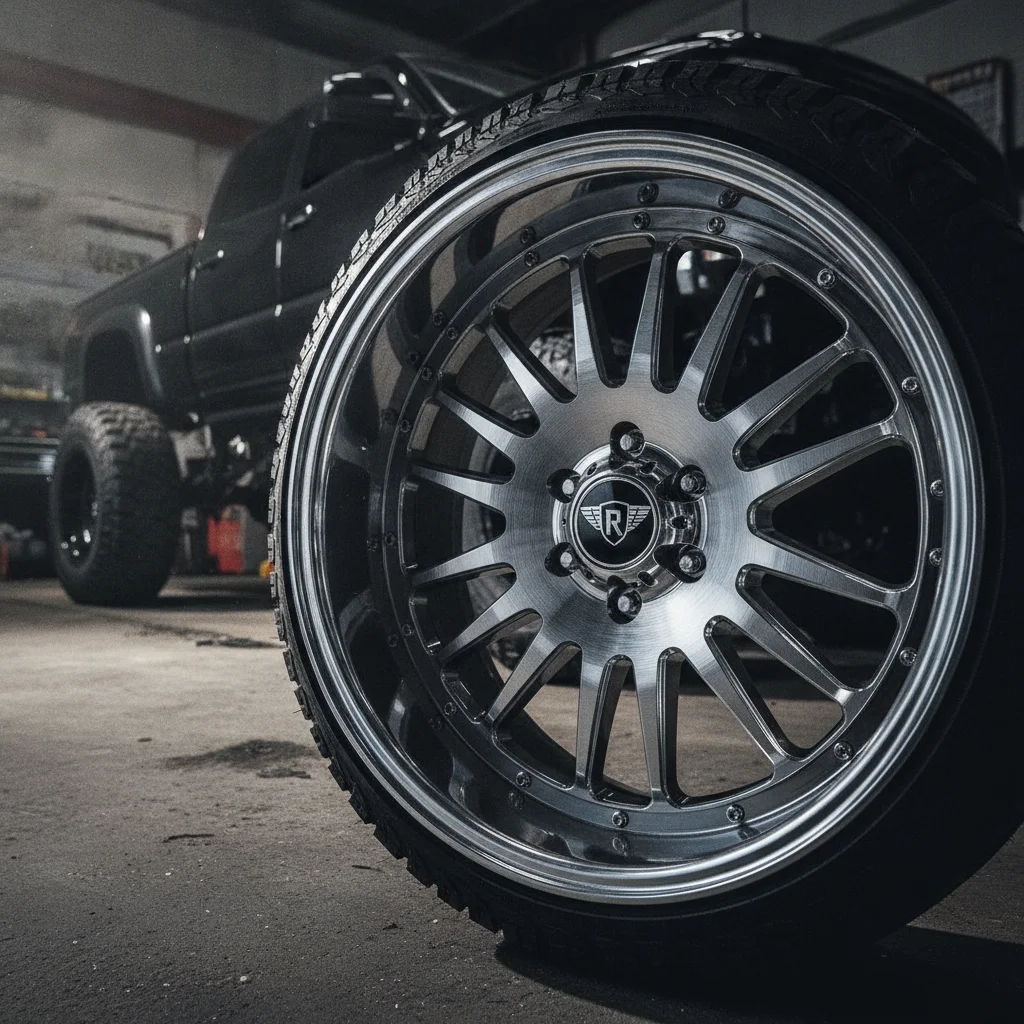
Here's a scenario I saw play out dozens of times when I worked in dealership finance: a buyer puts $3,500 into a premium audio system, custom 22-inch wheels, and a leveling kit. Six months later, the truck gets broken into. The stereo is gone, the wheels are stripped. They file a claim — and get back the value of the factory head unit and stock wheels. Maybe $400 total.
The problem isn't the insurer acting in bad faith. The problem is that the buyer never purchased the coverage that would have protected what they actually owned. Standard collision and comprehensive policies are written around your vehicle's factory configuration. The VIN decodes to a specific set of original equipment manufacturer (OEM) parts, and that's what your insurer's valuation models reference.
Aftermarket parts don't appear in those models. When a claim is filed, adjusters work from standard vehicle databases — not from the actual condition of your car. If you didn't tell your insurer about the modifications and didn't add a CPE endorsement, you're effectively uninsured for everything you installed.
This matters more than most drivers realize. According to the Specialty Equipment Market Association (SEMA), Americans spend over $47 billion annually on vehicle accessories and customization. A significant portion of that investment sits completely uncovered under standard auto policies. The fix — a custom parts and equipment endorsement — costs a fraction of what most people spend on a single upgrade.
CPE Coverage and Leased Vehicles
If you lease your vehicle, check your lease agreement before adding aftermarket modifications. Most lease contracts restrict non-OEM changes, and you may be required to return the vehicle to factory condition at lease end. CPE covers your insurance loss — it doesn't eliminate contractual liability to the leasing company for unauthorized modifications.
Modifications That Can Raise Your Base Premium
Performance modifications — turbo kits, superchargers, engine swaps — don't just require CPE coverage. They can also increase your base liability and collision premiums because they alter the vehicle's risk profile. Always disclose performance changes to your insurer in writing. Concealing them can void your policy entirely if discovered during a claim investigation.
What Custom Parts and Equipment Coverage Actually Protects
CPE coverage is an endorsement — a rider added to your existing auto policy. It doesn't stand alone. To benefit from it, you need underlying collision or comprehensive coverage in place, since CPE pays out alongside those coverages depending on the type of loss.
The list of what qualifies as a "custom part" is broader than most buyers expect. Common covered categories include:
- Wheels and tires: Aftermarket alloys, chrome rims, custom tire sizes not spec'd from the factory
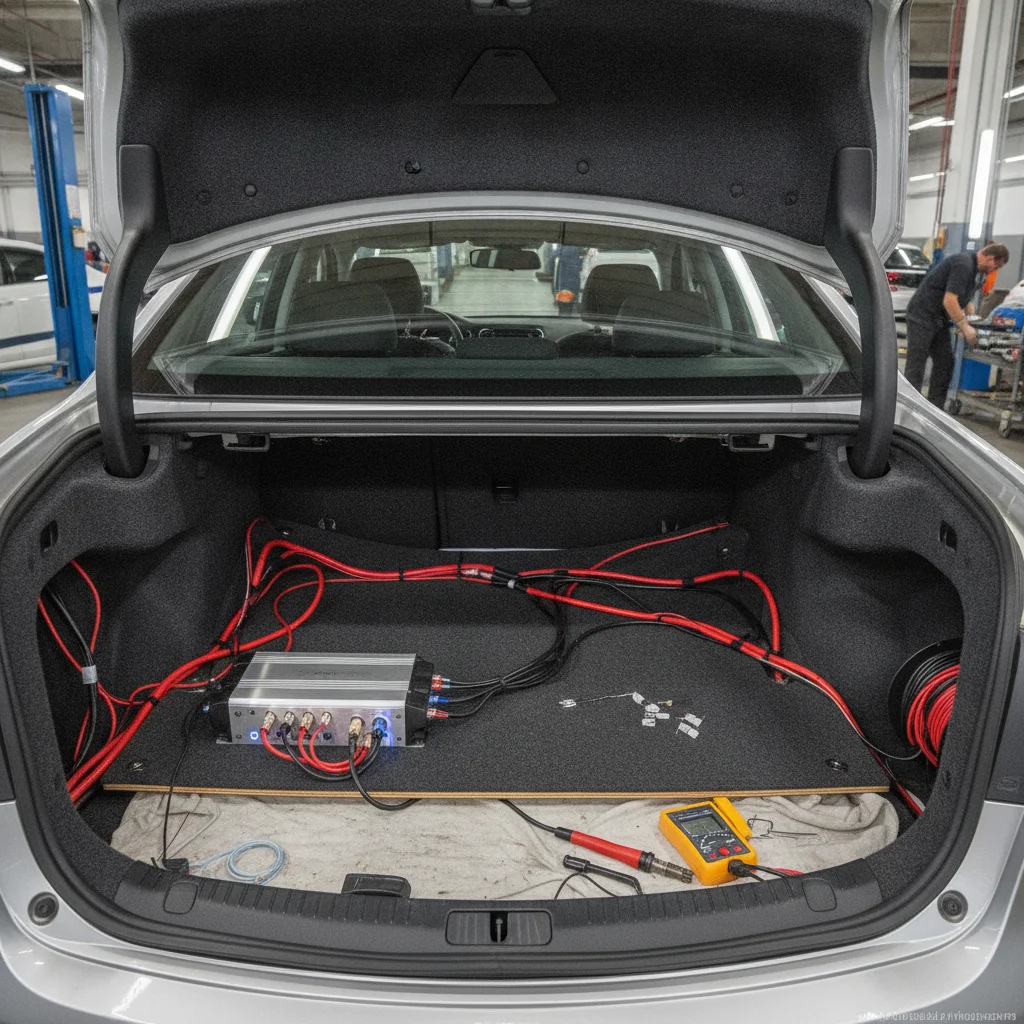
- Audio and electronics: Upgraded head units, amplifiers, subwoofers, custom speaker installations, backup cameras added post-sale
- Suspension modifications: Lift kits, lowering kits, leveling kits, air suspension systems
- Performance parts: Cold air intakes, aftermarket exhausts, tuning chips, turbo kits
- Exterior customization: Custom paint jobs, vinyl wraps, body kits, spoilers, running boards
- Functional add-ons: Bed liners (spray-in), toolboxes, winches, roll bars, brush guards
- Lighting: LED light bars, custom interior lighting, underglow systems
What's typically not covered under CPE: safety equipment required by law (you're expected to have that), dealer-installed accessories that were factored into the original sale price (those may already be in the base policy), and any part used for racing or competition purposes.
$47B+
Annual U.S. spending on vehicle accessories
According to SEMA (Specialty Equipment Market Association), Americans spend over $47 billion per year on aftermarket parts and accessories — most of it uninsured under standard auto policies.
$30–$100
Typical annual CPE endorsement premium
Most major insurers price custom parts and equipment endorsements in this range, depending on coverage limit and vehicle type — often less than the cost of a single aftermarket part.
$1,000–$5,000
Standard CPE coverage limit range
The majority of CPE endorsements from mainstream carriers cap between these figures; heavily modified vehicles often need specialty policies to fully cover their modification investment.
2 in 3
Modified vehicle owners unaware of coverage gaps
Industry surveys consistently show that most drivers who modify their vehicles don't know their standard policy excludes aftermarket parts until they experience a denied or reduced claim.
It's also worth noting that CPE coverage is separate from your new car warranty. A manufacturer's warranty covers factory defects — not damage to aftermarket parts and not performance modifications that may void drivetrain coverage. See our guide to new car warranties for a full breakdown of what manufacturer coverage does and doesn't include.
Add CPE Coverage Before You Modify
Don't wait until after you've installed $3,000 in upgrades to call your insurer. Add the CPE endorsement before or immediately after each modification. Some insurers require a waiting period before the endorsement is active, and parts installed without prior disclosure may be subject to coverage disputes. Make it part of your modification checklist.
Document Everything at Installation
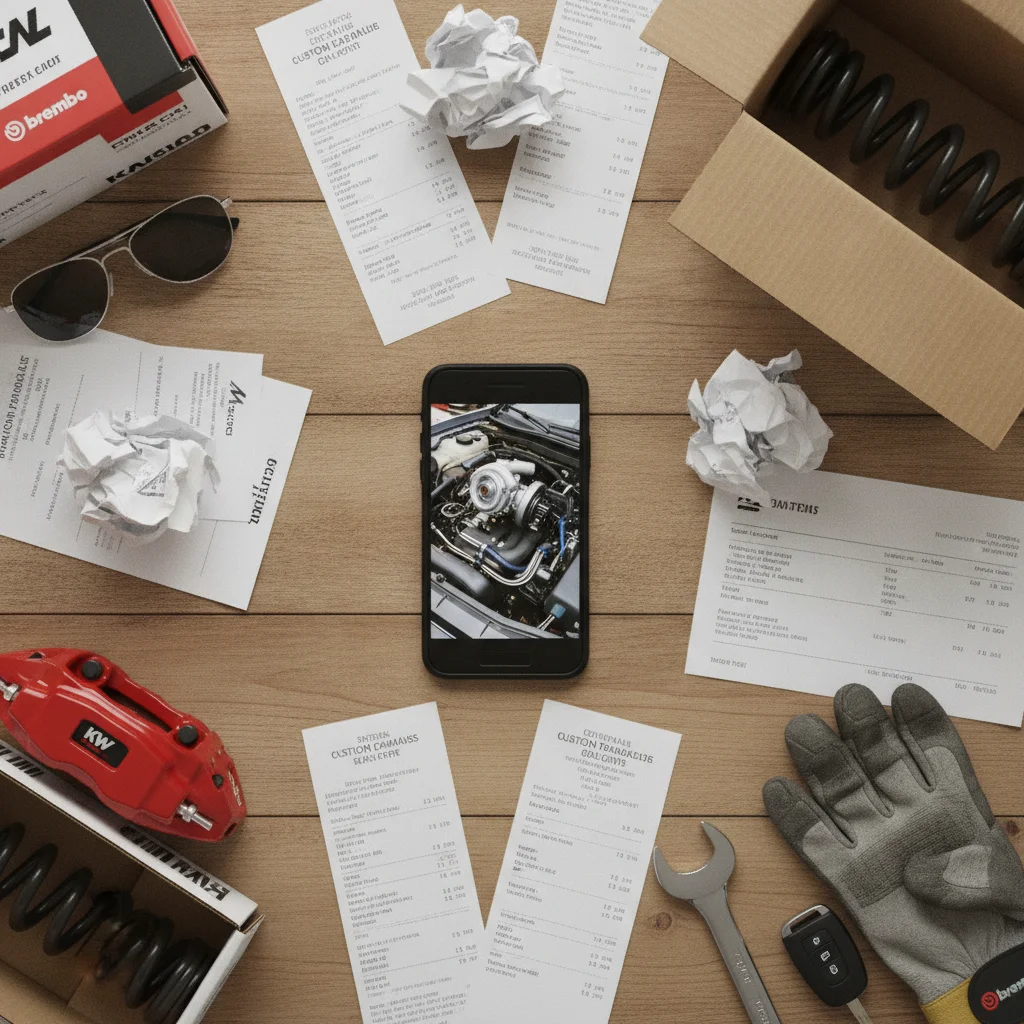
Take timestamped photos of every modification the day it's installed. Keep receipts digitally — email them to yourself or store them in a dedicated cloud folder. If a claim comes six months later, that documentation is the foundation of your payout. Adjuster disputes almost always hinge on proving what was installed and what it cost.
How CPE Coverage Interacts With Collision and Comprehensive
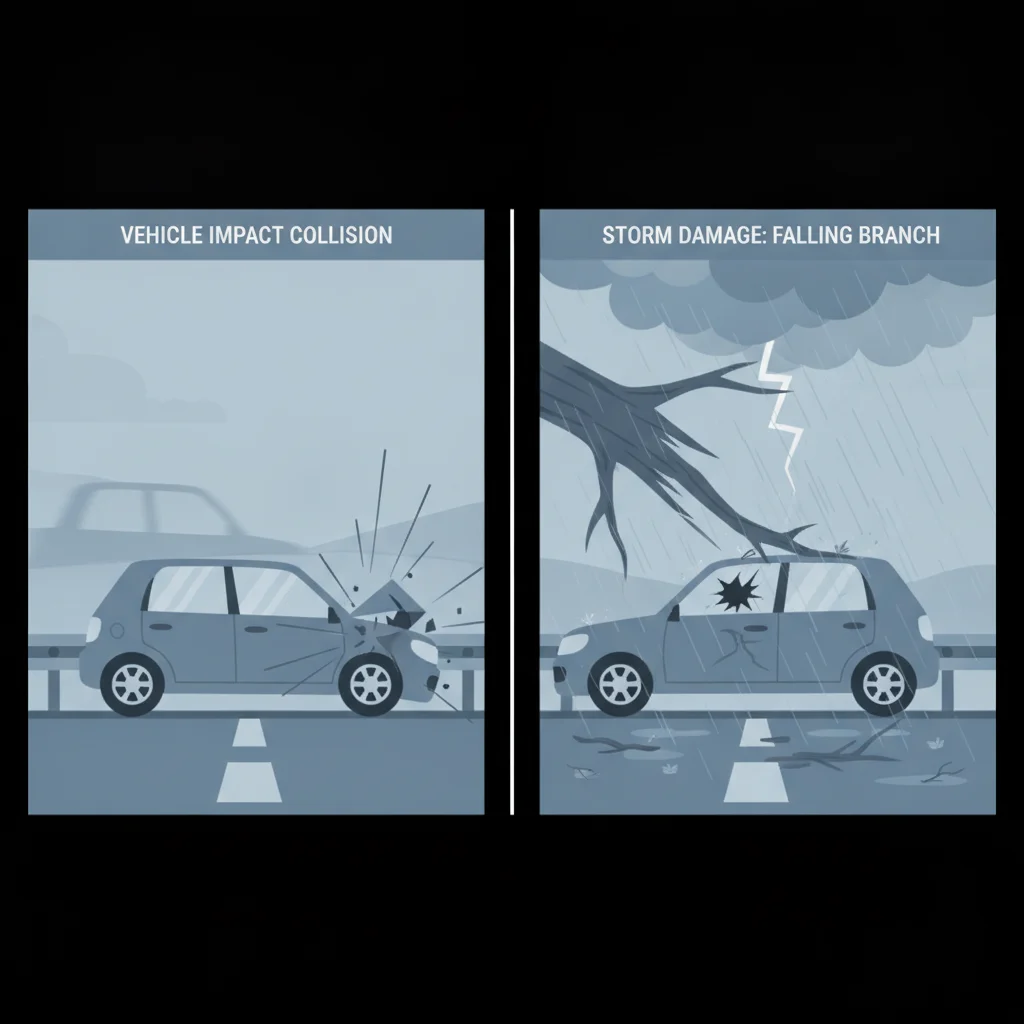
Understanding when CPE pays out requires understanding which underlying coverage is triggered first. Your insurer will apply CPE alongside the relevant base coverage — collision or comprehensive — depending on the cause of the loss.
| Cause of Loss | Base Coverage Triggered | CPE Applies? |
|---|---|---|
| Collision with another vehicle | Collision | Yes |
| Single-car accident (hit a pole, etc.) | Collision | Yes |
| Theft of the entire vehicle | Comprehensive | Yes |
| Theft of parts only (wheels stripped, stereo stolen) | Comprehensive | Yes |
| Vandalism or keying | Comprehensive | Yes, if custom paint was damaged |
| Hail or weather damage | Comprehensive | Yes, if custom parts were damaged |
Your deductible applies to the overall claim. CPE doesn't carry a separate deductible in most policies — it's part of the same claim settlement. If your collision deductible is $500 and your aftermarket wheels are destroyed in an accident, you pay $500 and your insurer covers the rest up to your CPE limit plus the standard vehicle value.
For a deeper look at how those underlying coverages work, see our comparison of collision vs. comprehensive coverage — it explains exactly what each pays for and when each triggers.
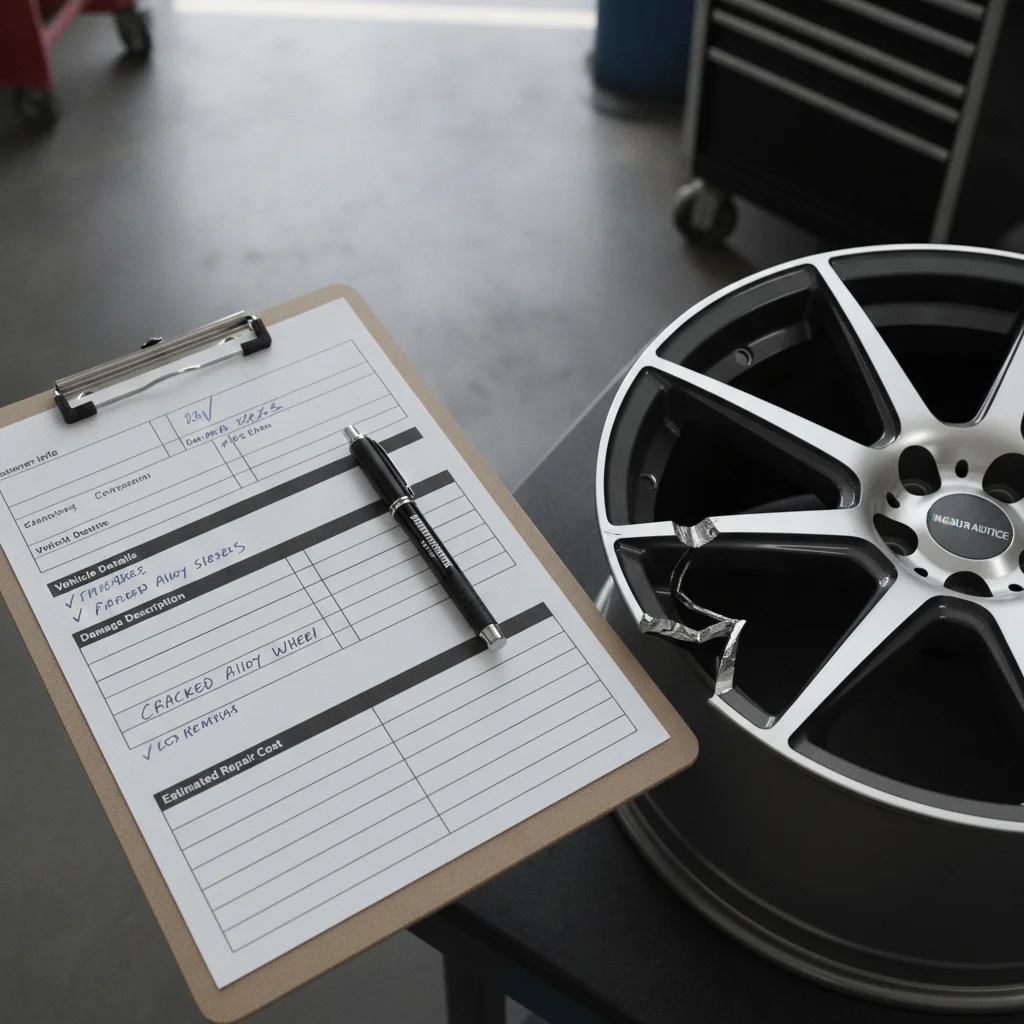
“The single most expensive mistake modified-car owners make isn't the build itself — it's assuming the insurance they already have covers what they've added. It doesn't. The endorsement costs almost nothing relative to what it protects.”
— Desmond Kimathi, Former dealership finance manager and auto insurance consumer advocate
Coverage Limits and When They're Not Enough
Most insurers cap CPE endorsements at $5,000. Some start as low as $1,000. For a driver who's put $800 into a stereo upgrade, the standard limit is more than sufficient. For someone who's spent $15,000 on a full suspension build, custom wheels, and a performance engine tune, that limit is a fraction of the exposure.
If your total modification investment exceeds your insurer's maximum CPE limit, you have a few options:
- Shop for higher-limit endorsements: Some insurers, particularly those that cater to enthusiasts, offer CPE limits up to $10,000 or allow custom limit negotiation.
- Specialty vehicle insurance: Providers like Hagerty, Grundy, and American Collectors offer agreed-value policies specifically designed for heavily modified, classic, or collector vehicles. These policies agree on a specific value at inception — there's no depreciation argument at claim time.
- Stated value vs. agreed value: Know the difference. Stated value lets the insurer pay the lesser of your stated amount or actual cash value at the time of loss. Agreed value locks in the number and pays it in full. For high-investment builds, agreed value is meaningfully better.
Drivers of high-value or exotic vehicles often hit these limits quickly even before modifications enter the picture. Our article on physical damage coverage for high-value vehicles covers where standard policies fall short at the top end of the market.
How to Add CPE Coverage and What to Do Before You File a Claim
Adding CPE coverage is straightforward — call your insurer or add it through your online account. The endorsement takes effect immediately or at your next renewal, depending on carrier rules. You'll specify a coverage limit, and your premium will increase modestly.
But the work that actually protects you happens before any claim. Documentation is the difference between a smooth payout and an extended dispute with your adjuster.
Before you add CPE (or immediately after installing mods):
- Photograph each modification from multiple angles, with clear shots showing installation quality and condition
- Save all purchase receipts, including online order confirmations and part numbers
- Keep installation invoices if a shop did the work — these establish both the cost and the legitimacy of the upgrade
- Create a running spreadsheet of all modifications with dates, costs, and installers
- Store copies off-device — cloud storage, email to yourself, or a shared folder — so documentation survives a total loss
When you notify your insurer about the endorsement, disclose all existing modifications at that time. Some carriers require a modification declaration form. Failing to disclose can lead to coverage disputes at claim time, with the insurer arguing that undisclosed modifications weren't covered under the endorsement.
Add CPE Coverage Before You Modify
Don't wait until after you've installed $3,000 in upgrades to call your insurer. Add the CPE endorsement before or immediately after each modification. Some insurers require a waiting period before the endorsement is active, and parts installed without prior disclosure may be subject to coverage disputes. Make it part of your modification checklist.
Document Everything at Installation
Take timestamped photos of every modification the day it's installed. Keep receipts digitally — email them to yourself or store them in a dedicated cloud folder. If a claim comes six months later, that documentation is the foundation of your payout. Adjuster disputes almost always hinge on proving what was installed and what it cost.
CPE is just one of several optional coverages worth evaluating. For a full map of what's available, see our overview of optional car insurance coverages, which covers every major add-on from roadside assistance to rental reimbursement. And if you're working with a limited premium budget, this guide on prioritizing optional coverages can help you decide where CPE fits in the stack.
Is CPE Coverage Worth It? A Straightforward Assessment
The cost-benefit math on CPE coverage is usually simple. If your total aftermarket investment exceeds your annual CPE premium by a factor of 10 or more — and most modifications do — the coverage pays for itself in any single meaningful claim. A $60/year endorsement protecting $4,000 in upgrades is not a close call.
The drivers for whom CPE is most clearly worth adding:
- Audio enthusiasts who've invested in aftermarket head units, amplifiers, and speaker systems — these are high-theft targets in most markets
- Truck owners with lift kits, custom wheels, and bed accessories — the combination of parts cost and theft exposure is significant
- Performance drivers who've added intakes, exhausts, or tuning — these parts are expensive and often specific to your build
- Anyone with custom paint or a vinyl wrap — matching and repainting custom work is costly and not covered under a standard claim
The drivers for whom CPE may be less essential:
- Owners whose only modifications are cosmetic items under $500 total — the deductible may exceed the potential payout
- Drivers who modified a vehicle they're planning to sell within a year — the short coverage window reduces the expected value
- Those who've modified older, high-mileage vehicles where the base ACV is already low and the insurer's total-loss threshold may be quickly reached regardless
One angle buyers often miss: modifications can also affect your vehicle's insurability and base premiums, particularly performance-related changes. Disclose everything to your insurer proactively. Hiding a turbo kit or supercharger and then filing a large claim is a fast path to a denied claim and a policy cancellation. Transparency upfront protects you throughout the policy term.
CPE Coverage and Leased Vehicles
If you lease your vehicle, check your lease agreement before adding aftermarket modifications. Most lease contracts restrict non-OEM changes, and you may be required to return the vehicle to factory condition at lease end. CPE covers your insurance loss — it doesn't eliminate contractual liability to the leasing company for unauthorized modifications.
Modifications That Can Raise Your Base Premium
Performance modifications — turbo kits, superchargers, engine swaps — don't just require CPE coverage. They can also increase your base liability and collision premiums because they alter the vehicle's risk profile. Always disclose performance changes to your insurer in writing. Concealing them can void your policy entirely if discovered during a claim investigation.

All claims are backed by peer-reviewed research. Sources on request.