
Key Takeaways
Physical Damage Coverage for High-Value Cars
Physical damage coverage — the umbrella term for collision and comprehensive insurance — works differently when applied to luxury, exotic, or collector vehicles. Standard policies typically reimburse based on actual cash value, which can dramatically understate what a high-end car is actually worth. Specialized insurers offer agreed value or stated value policies that better reflect the true cost of repairing or replacing these vehicles.
Agreed value policies fix the payout at a predetermined amount negotiated upfront, bypassing depreciation calculations entirely — a critical distinction for vehicles that hold or appreciate in value over time.
Why Standard Policies Don't Scale Up With Your Vehicle
When you buy a standard auto insurance policy for a mainstream vehicle, the insurer's methodology for settling a total loss claim is well-established: determine the car's actual cash value (ACV) at the time of the loss, subtract the deductible, and write a check. ACV accounts for depreciation, market conditions, and mileage — and for a three-year-old Honda Accord, that formula is reasonably fair.
Apply the same formula to a $280,000 Porsche 911 Turbo S or a low-mileage Ferrari 488 Pista, and the math breaks down quickly. High-end vehicles often depreciate on non-linear curves, and some — particularly limited-production exotic cars and collector models — appreciate in value after a few years. A standard insurer's valuation software, calibrated for mainstream vehicles, may not have adequate market data to correctly price these cars. The result is a settlement that leaves the owner with a fraction of what it would actually cost to replace the vehicle.
To understand the foundation of these coverage types, it helps to start with the basics. Physical damage coverage is the umbrella category that contains both collision and comprehensive insurance. These are the two policies that protect the car itself — not the people inside it or damage to other property. For high-value vehicles, how each of these coverages is structured, priced, and administered looks fundamentally different than what most drivers encounter.
Collision and Comprehensive: The Basics, Revisited at the Top End
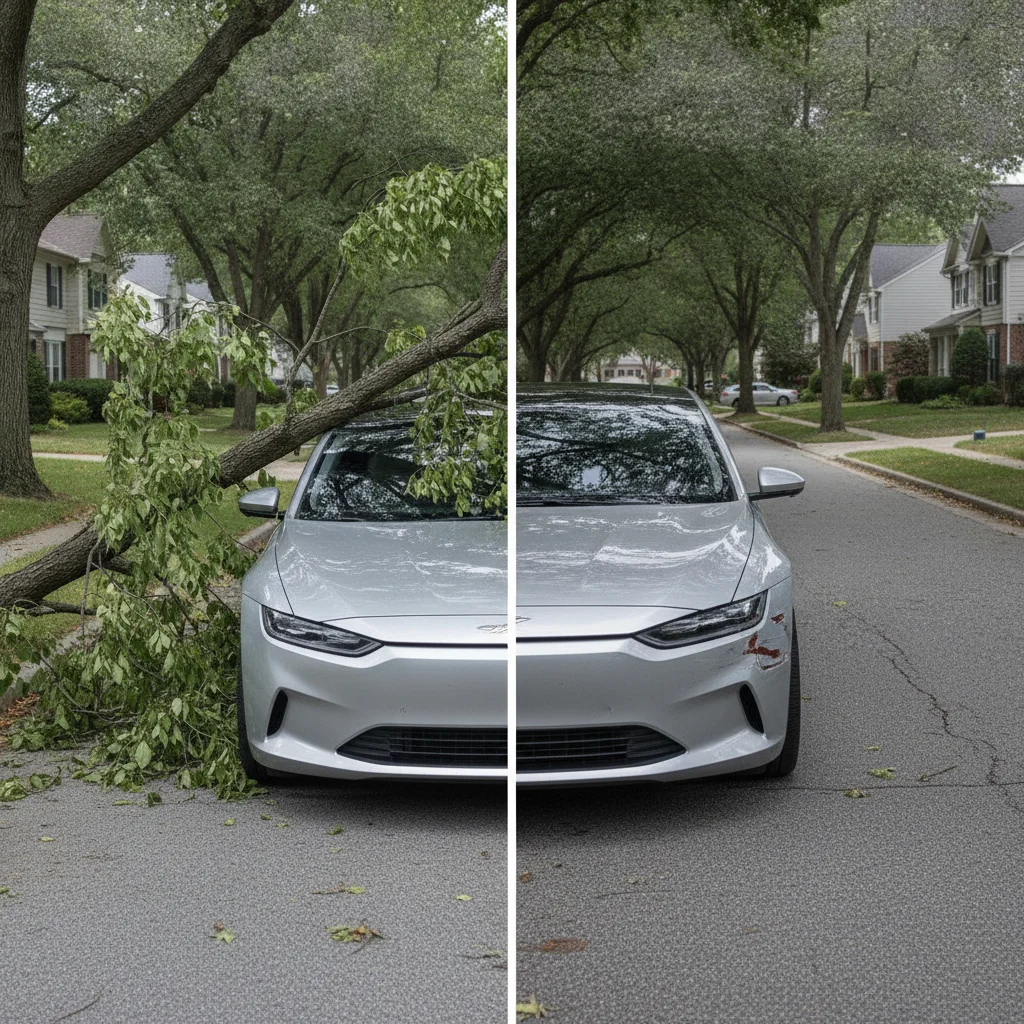
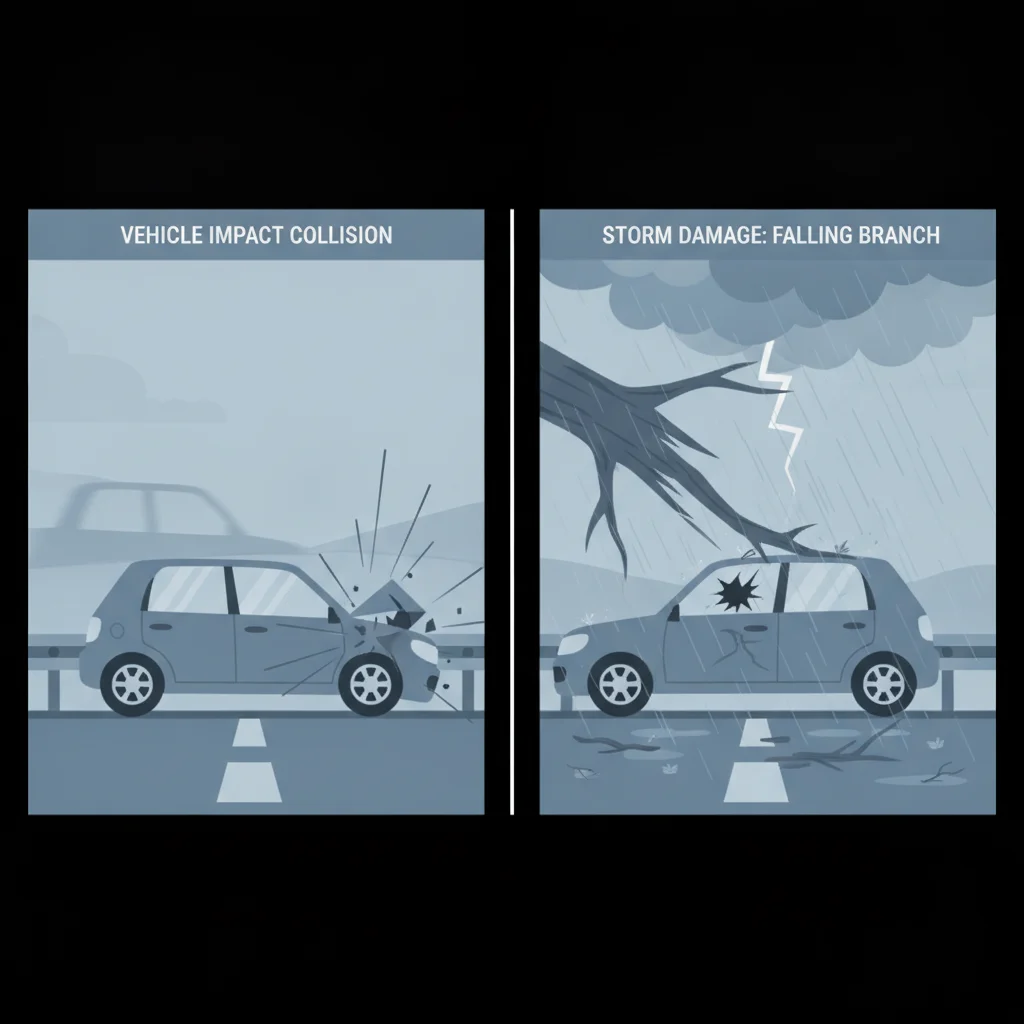
Before getting into the specialized mechanics, it's worth distinguishing the two core coverages clearly. Collision coverage pays for damage to your vehicle resulting from an impact — whether with another car, a guardrail, or a stationary object like a parking barrier. Comprehensive coverage handles everything else: theft, fire, flood, hail, vandalism, animal strikes, and falling objects.
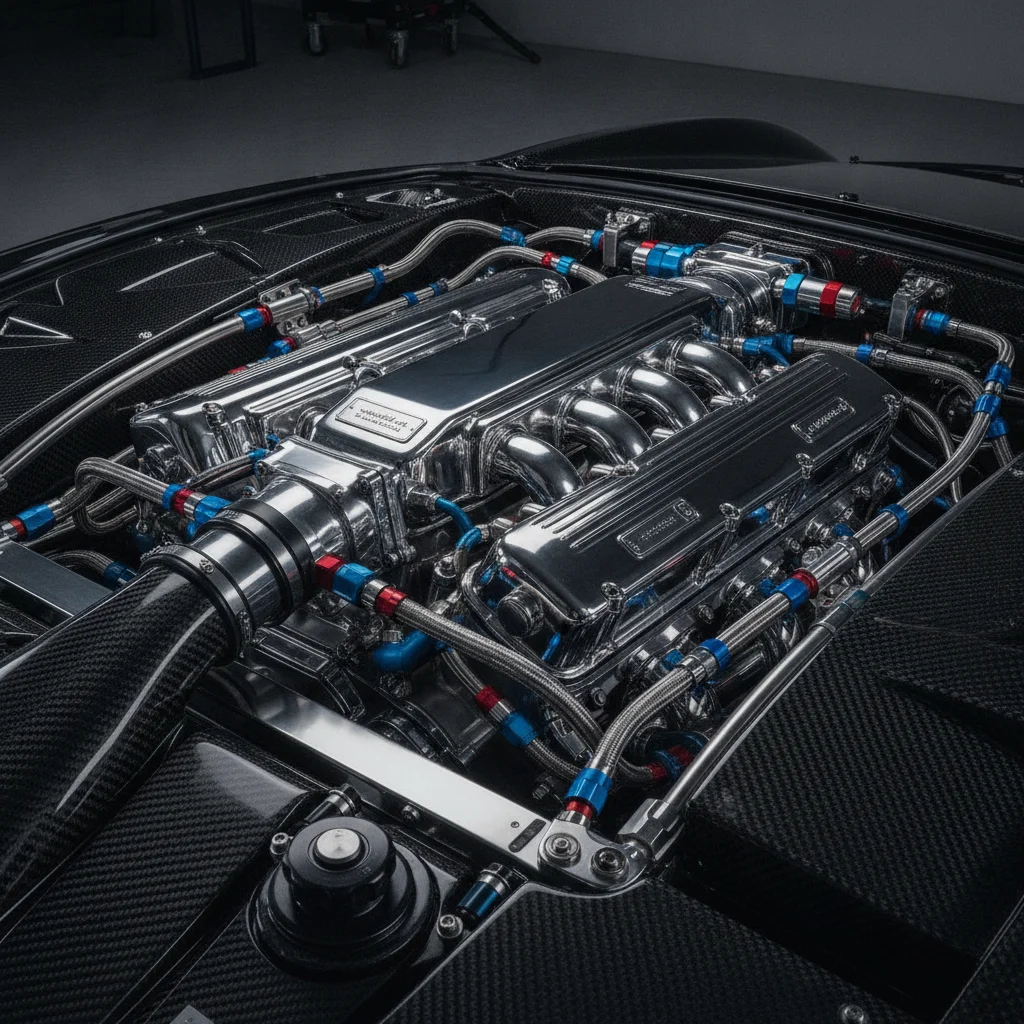
For a high-value vehicle, both coverages carry elevated stakes. Consider the repair economics: a minor rear-end impact that dents the bumper of a luxury sedan might require carbon fiber body panels, specialty paint formulation, and labor from a manufacturer-certified shop. Parts alone for exotic vehicles can run into tens of thousands of dollars and may need to be sourced internationally, adding weeks to a repair timeline. Comprehensive claims are similarly complex — a flooded Bentley Bentayga involves electronics and interior materials that standard body shops simply cannot service.
$30,000+
Average exotic car collision repair cost
Industry claims data from specialty insurers suggest that significant collision repairs on exotic vehicles regularly exceed $30,000 — and can run well into six figures for carbon fiber-intensive vehicles like McLarens or Koenigseggs.
1%–3%
Typical annual premium as % of agreed value
Specialty insurers generally price agreed value physical damage coverage for exotic vehicles at roughly 1%–3% of the vehicle's insured value annually, varying by driver profile, usage, and location.
47%
Exotic cars stolen but not recovered
According to NICB data, high-value and exotic vehicles face disproportionate theft-to-recovery ratios, with many targeted for chop shops or international export, making comprehensive coverage especially critical.
3–5x
Parts cost premium vs. mainstream vehicles
OEM parts for exotic and ultra-luxury vehicles can cost three to five times more than equivalent components for mainstream vehicles, a differential that flows directly into both repair claims and premium calculations.
$500K+
Agreed value ceiling at top specialty insurers
Firms like Chubb and AIG Private Client Group routinely write agreed value physical damage policies on vehicles valued at $500,000 or more, with bespoke underwriting for hypercars and one-off coach-built vehicles.
The difference in how these claims are handled by a standard insurer versus a specialty insurer is significant. Standard carriers may direct owners to preferred repair networks that lack the equipment, certification, or parts access for high-end vehicles. Specialty insurers, by contrast, often allow policyholders to choose manufacturer-authorized or concours-quality shops, and some will cover shipping costs to get the vehicle to a qualified facility.
“The biggest mistake exotic car owners make is assuming their standard insurer will figure it out at claim time. By then, it's too late to negotiate. The value needs to be agreed upon before the loss — not argued about after.”
— Robert Greer, Senior underwriter, specialty auto division at a major private client insurer
Valuation Methods: ACV, Stated Value, and Agreed Value
This is where the practical difference between standard and specialty coverage becomes most consequential. How an insurer calculates what your car is worth at the time of a total loss determines whether you walk away whole or significantly short-changed.
Actual Cash Value (ACV)
The default on most standard auto policies. ACV equals the vehicle's replacement cost minus depreciation. For mainstream cars, this tracks reasonably close to market reality. For an exotic or collector vehicle — particularly one that has appreciated — it can dramatically undervalue the car. Some insurers use computerized tools that average regional sale prices for similar vehicles, but if your 1969 Ford Mustang Boss 429 has no meaningful regional comparables, the estimate becomes a best guess.
Stated Value
A step up from ACV, stated value policies allow the owner to declare what the vehicle is worth. However, insurers typically retain the right to pay the lesser of the stated value or the ACV at the time of loss. This creates a false sense of security — the stated value acts more like a coverage ceiling than a guaranteed payout. Owners can still be caught short if ACV comes in lower than expected.
Agreed Value
The gold standard for high-value vehicle coverage. At policy inception, the insurer and owner agree on a fixed dollar amount — typically supported by a professional appraisal. If the vehicle is totaled, the insurer pays that agreed amount, period. No depreciation is deducted. This is particularly important for vehicles that appreciate, since the agreed value can be renegotiated at renewal to track the car's rising market value.

Get an Appraisal Before You Bind Coverage
Don't wait until renewal to establish your vehicle's value. A professional appraisal completed before you purchase a specialty policy gives you leverage in setting the agreed value and ensures the number reflects current market conditions. Appraisals typically cost $200–$600 and can save you tens of thousands in a total loss scenario.
Revisit Agreed Values Annually
Collector car markets can shift dramatically in 12 months — vintage Porsches, early V8 muscle cars, and limited-production exotics have all seen double-digit appreciation in recent years. At each policy renewal, compare your agreed value against recent auction results and dealer listings. If the market has moved, update the appraisal and renegotiate the agreed value before renewing.
Agreed value policies are the dominant model among specialty insurers like Hagerty, Chubb, and AIG Private Client Group. These firms have underwriting teams experienced with collector, exotic, and ultra-luxury vehicles, and their claims processes reflect that expertise.
What Specialty Insurers Do Differently
Beyond valuation methodology, specialty insurers build their entire policy architecture around the needs of high-value vehicle owners. Several structural differences matter in practice:
Repair Quality Standards
Standard insurers often push claimants toward preferred repair networks to control costs. Specialty insurers typically allow — and sometimes require — repairs at manufacturer-certified facilities. For brands like Ferrari, Rolls-Royce, or McLaren, this matters enormously. Factory-trained technicians, OEM parts, and brand-specific tooling are not optional if you want the vehicle properly restored.
Spare Parts and Shipping
When a high-value vehicle needs a part that must be shipped from Germany or Italy, the cost and time involved are built into specialty policy assumptions. Standard policies may balk at shipping costs or extended rental periods; specialty policies typically accommodate them.
Diminished Value Consideration
Even after a proper repair, an exotic car that has been in a significant accident often suffers market value loss that a buyer would discount. Some specialty insurers address diminished value as part of their claims process, either through direct payment or as a negotiating point — something standard carriers rarely offer proactively.
Flexible Usage Structures
Many specialty insurers offer tiered policies based on how the vehicle is used: daily driver, pleasure use, track day participant, or show car. Each category carries different premium calculations and coverage terms. A Lamborghini Huracán that sees 15,000 miles per year on public roads carries a very different risk profile than one driven 2,000 miles annually to car shows.
Track Use Changes Everything
Most standard and even some specialty auto policies explicitly exclude damage sustained during any form of competitive or timed driving — including track days that are not formally competitive. If you take your vehicle to a circuit event, even a non-timed HPDE (High Performance Driver Education) session, verify with your insurer whether a track day endorsement is required. The absence of that coverage means zero physical damage protection the moment you enter the pit lane.
Mileage Restrictions Can Catch You Off Guard
Specialty policies offered at lower premium tiers — particularly for collector or rarely driven vehicles — often include annual mileage caps that, if exceeded, can void coverage or trigger a mid-term premium adjustment. Know your policy's mileage limits and track your odometer. If your usage patterns change, notify your insurer proactively rather than discovering the issue at claim time.
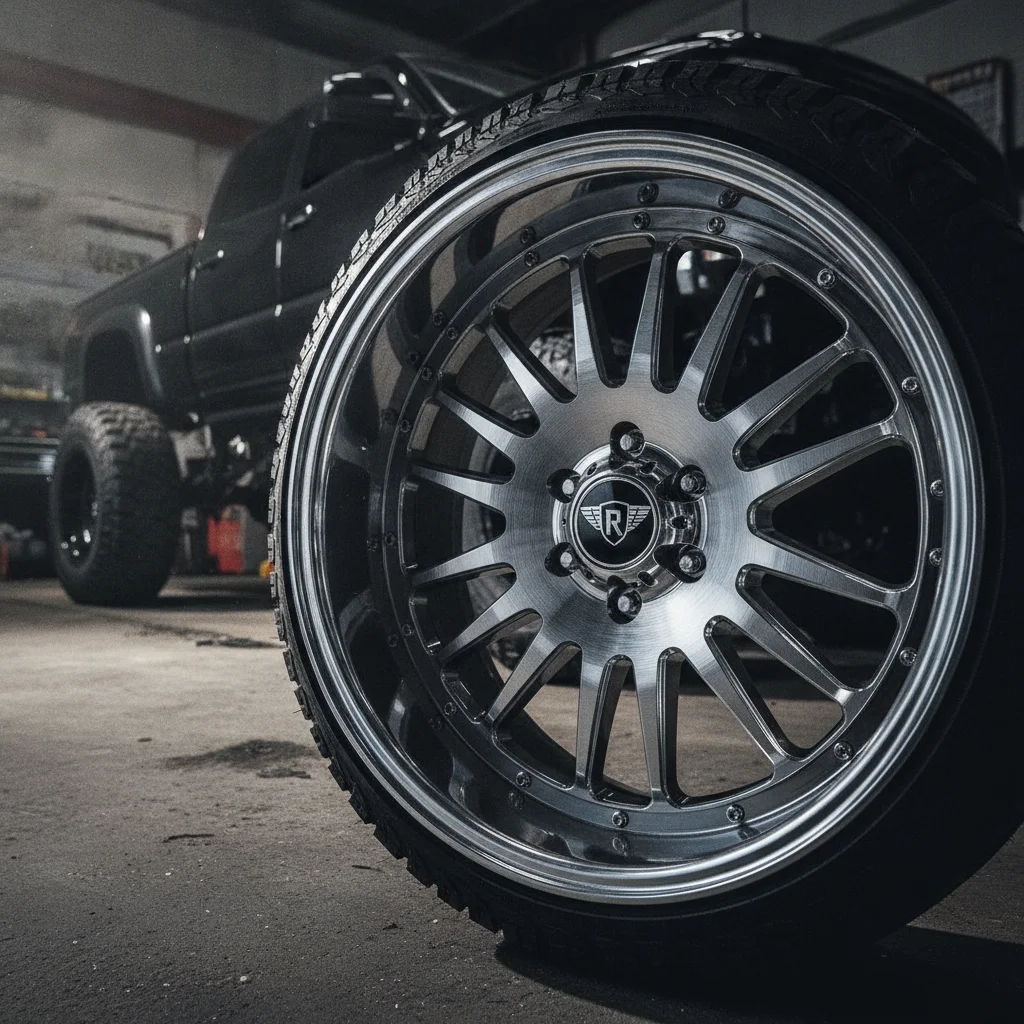
If you also have aftermarket equipment installed on your high-value vehicle — upgraded wheels, audio systems, performance modifications — standard policies rarely cover those components adequately. Custom parts and equipment coverage is a separate add-on worth exploring to ensure those investments are protected.
The Premium Reality: What Proper Coverage Costs
There is no way to sugarcoat it: adequate physical damage coverage for a high-value vehicle is expensive. Premiums reflect the actuarial risk — higher repair costs, greater theft targets, more expensive parts — and specialty insurers price their policies accordingly.
Annual premiums for exotic vehicles often range from 1% to 3% of the vehicle's agreed value, though they can run higher for vehicles with significant track use, younger drivers on the policy, or locations with elevated theft or weather risk. A $400,000 McLaren 720S insured under an agreed value policy might carry an annual premium of $8,000–$15,000 or more for comprehensive physical damage coverage, depending on the driver profile and usage. For context on why premiums scale this way, the actuarial mechanics behind high-performance vehicle pricing are worth understanding — high-performance cars and insurance rates follows a distinct logic rooted in parts cost, repair complexity, and statistical loss data.
Deductibles on specialty policies can also differ from mainstream coverage. Some collectors opt for higher deductibles on comprehensive (to manage premium costs) while keeping collision deductibles lower, given the potentially catastrophic cost of even minor collision repairs on exotic bodywork. Deductible strategy should be evaluated in consultation with a broker familiar with high-value automotive coverage.

It's also worth comparing the premium calculus against what applies to aging vehicles at the other end of the spectrum. Older cars and physical damage coverage involves the opposite logic — as value drops, the cost-benefit of carrying full physical damage coverage diminishes. For high-value vehicles, that calculus runs in reverse: the higher the car's value, the more essential it becomes to ensure coverage actually matches the asset.
Getting the Documentation Right
Regardless of which specialty insurer or policy type you choose, the foundation of adequate coverage for a high-value vehicle is documentation. Insurers cannot agree on a value they cannot verify, and in a total loss claim, the burden of establishing value often falls on the owner.
Professional Appraisals
A certified appraisal from a recognized authority — an independent automotive appraiser, a brand-specific marque expert, or a major auction house like RM Sotheby's or Barrett-Jackson — establishes a defensible market value. For vehicles that have appreciated significantly or carry special provenance (a numbered edition, racing history, celebrity ownership), documentation of those factors adds to the appraisal's credibility.
Maintenance and Service Records
A complete service history maintained by authorized dealers directly supports valuation. For some collector vehicles, a factory-stamped service booklet or certification from the marque's heritage department can meaningfully increase an appraiser's valuation.
Photo and Video Documentation
A comprehensive photographic record of the vehicle's condition — interior, exterior, engine bay, undercarriage — taken at regular intervals and stored securely (cloud backup, not just a local drive) gives you evidence in a dispute. Some specialty insurers actually require a current photo survey as part of the policy application.
Track Use Changes Everything
Most standard and even some specialty auto policies explicitly exclude damage sustained during any form of competitive or timed driving — including track days that are not formally competitive. If you take your vehicle to a circuit event, even a non-timed HPDE (High Performance Driver Education) session, verify with your insurer whether a track day endorsement is required. The absence of that coverage means zero physical damage protection the moment you enter the pit lane.
Mileage Restrictions Can Catch You Off Guard
Specialty policies offered at lower premium tiers — particularly for collector or rarely driven vehicles — often include annual mileage caps that, if exceeded, can void coverage or trigger a mid-term premium adjustment. Know your policy's mileage limits and track your odometer. If your usage patterns change, notify your insurer proactively rather than discovering the issue at claim time.
Revisit your agreed value at each policy renewal. If comparable vehicles have increased significantly in the collector market — as many air-cooled Porsches and first-generation supercars have in recent years — an outdated agreed value leaves you underinsured. The appraisal cost is minor relative to the potential gap at claim time.
For a complete picture of how collision and comprehensive work together as part of a broader coverage strategy, everything you need to know about collision and comprehensive covers the end-to-end mechanics. And if you're considering additional protections like roadside assistance or gap coverage, optional add-ons are worth reviewing to round out a high-value vehicle policy.

All claims are backed by peer-reviewed research. Sources on request.