
Key Takeaways
What Continuous Coverage Actually Means
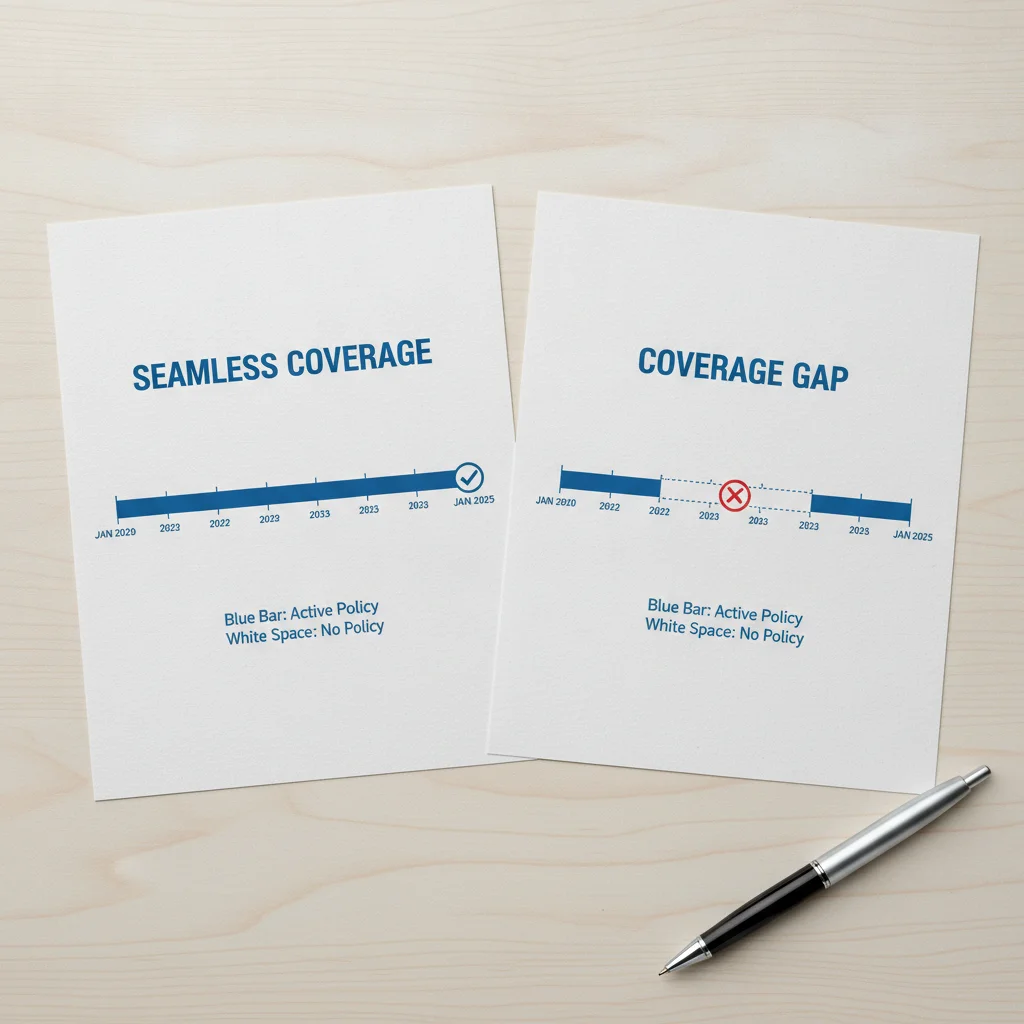
Continuous auto insurance coverage simply means there is no gap — not even a day — between the end of one policy period and the start of the next. It sounds like a basic concept, but in practice, it's something millions of drivers let slip each year without realizing it.
When an insurer reviews your application or renewal, one of the first things they check is your coverage history. Most major carriers report policy information to shared industry databases, so a lapse from years ago can still show up. Insurers use this history to assess how much risk you represent — and drivers with uninterrupted coverage consistently look like a better bet than those with gaps, even short ones.
Continuous coverage doesn't mean you have to stay with the same insurer forever. You can switch carriers as often as you like, as long as your new policy's start date matches or precedes the cancellation date of your old one. The key is the timeline, not the company. See our complete guide to auto insurance policy management for a broader look at how policy timelines work.
The Real Cost of a Coverage Gap
The financial consequences of a lapse in coverage are more significant — and longer-lasting — than most drivers expect. When you apply for a new policy after a gap, insurers don't just ignore the break. They treat it as a risk signal, and they price accordingly.
~10–30%
Premium increase after a coverage lapse
Industry data from major carriers shows drivers with even a brief lapse pay significantly higher rates than those with continuous coverage history.
3–5 years
How far back insurers check coverage history
Most standard auto insurers review three to five years of prior coverage when quoting a new policy or renewing an existing one.
14%
U.S. drivers estimated to be uninsured at any given time
According to the Insurance Research Council, approximately 1 in 7 drivers on U.S. roads is uninsured, many due to unintentional lapses.
10 days
Minimum cancellation notice for non-payment (most states)
State regulations typically require insurers to provide at least 10 days of notice before canceling a policy for non-payment — a narrow window that catches many drivers off guard.
Rate increases following a lapse vary by insurer and state, but 10% to 30% higher premiums are common for drivers with even a short gap. More importantly, that surcharge doesn't go away after your next renewal. In many cases, insurers look back three to five years when rating a policy, meaning a lapse today can affect your costs well into the future.
Beyond premium increases, a gap in coverage leaves you personally exposed to financial liability for any accident that occurs while you're uninsured. If you cause an accident without coverage, you're responsible for the other driver's medical bills, vehicle repair costs, and potential legal fees out of pocket. That exposure can be devastating. For a closer look at what those liability risks actually involve, see our overview of liability coverage.
There's also a legal dimension. Most U.S. states require drivers to maintain at least minimum liability coverage at all times. Driving without insurance — even briefly — can result in fines, license suspension, or vehicle registration revocation depending on your state.
“A lapse in coverage, even a short one, tells an insurer something about how you manage risk. It's not just about the days you weren't insured — it's about what that gap signals about your habits as a policyholder.”
— J. Robert Hunter, Former Insurance Commissioner and Director of Insurance, Consumer Federation of America
The Life Events That Put Coverage at Risk
Coverage gaps rarely happen because a driver makes a deliberate choice to go uninsured. They happen during transitions — moments when the details of insurance get crowded out by everything else going on. Understanding these trigger points makes it much easier to stay protected.

- Moving to a new state: Your current policy may not meet the new state's minimum coverage requirements, or your carrier may not operate there. If you don't proactively update your policy or find a new insurer before your move date, a gap can open without you realizing it.
- Buying or selling a vehicle: Selling a car and assuming your insurance obligation ends with it — without arranging coverage for a replacement vehicle — is a textbook lapse scenario. Even a few days between vehicles can be enough to trigger a gap.
- Financial hardship: Missing a premium payment during a tight month can result in policy cancellation, often with less notice than drivers expect. Most states require insurers to provide at least 10 days of cancellation notice for non-payment, but that window disappears fast.
- Letting a policy lapse at renewal: Auto-renewal isn't always automatic. If your card on file expires or your payment fails, the policy may not renew. This is especially common when drivers switch bank accounts or credit cards without updating their insurer.
- Removing a vehicle from a shared policy: Young drivers who age off a parent's policy or move out and establish their own coverage sometimes go weeks before setting up their own policy. That gap is real and costly. Our article on common policy management mistakes covers several of these scenarios in depth.
Bridge the Gap During Life Transitions
If you're between vehicles or moving states and your current policy is about to end, ask your insurer about a short-term extension or a non-owner auto policy. Non-owner policies are inexpensive and designed exactly for situations where you need to maintain coverage history without an active vehicle on your policy. They're especially useful for drivers who are temporarily car-free but want to protect their continuous coverage record.
Best Practices for Maintaining Continuous Coverage
Protecting your coverage record doesn't require a complicated system. What it requires is a handful of consistent habits applied at the right moments. The practices below address the most common failure points — and most of them take less than ten minutes to implement.
Set your new policy's start date before canceling your current one.
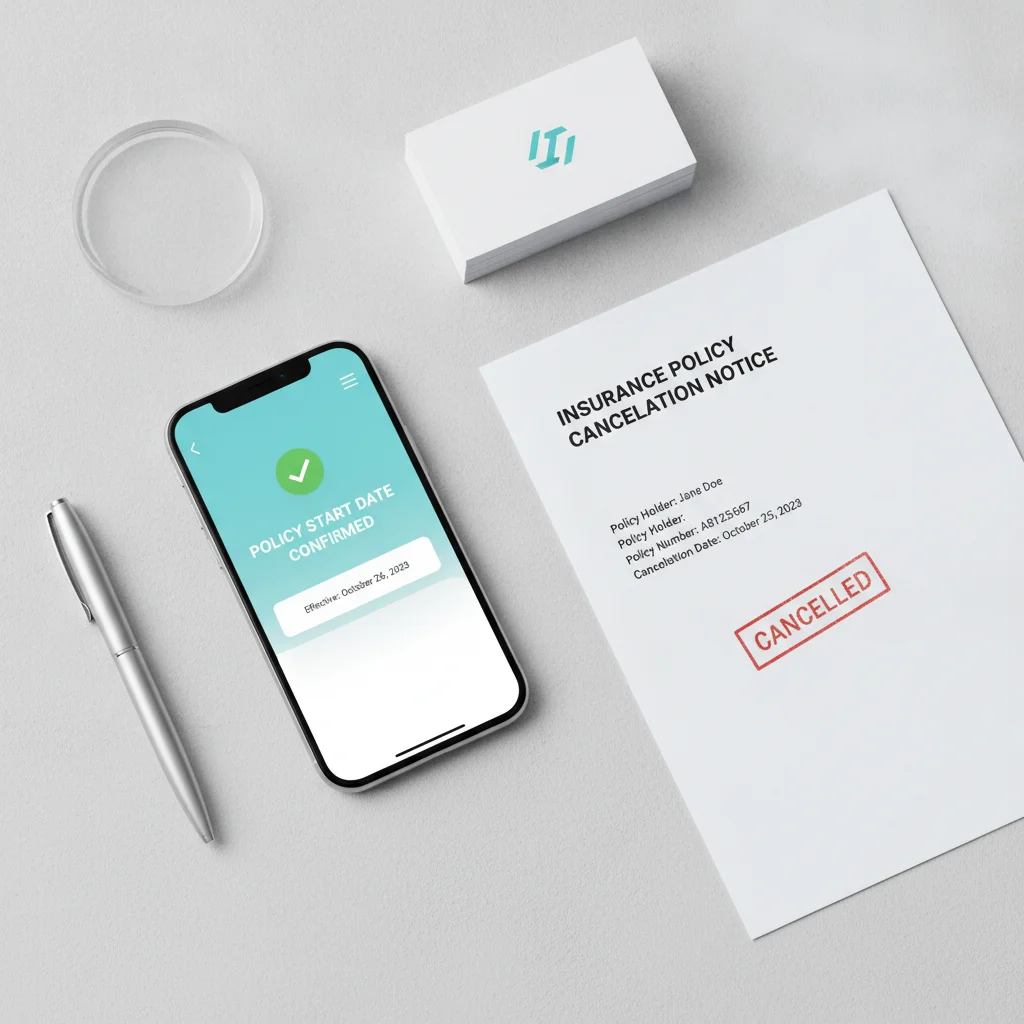
The most common avoidable gap happens when a driver cancels their existing policy before their new one is active. Confirming your new policy's effective date in writing eliminates this risk entirely. Even a 24-hour overlap is better than a 24-hour gap.
Enroll in autopay and keep your payment method current with your insurer.
Non-payment is the leading cause of mid-term policy cancellations. Autopay eliminates the risk of missing a due date, but only if the payment method on file is valid. An expired card or closed bank account can still cause a cancellation even with autopay enrolled.
Review your renewal notice every year, even if your policy auto-renews.
Auto-renewal doesn't mean your terms, coverage levels, or premium stayed the same. Insurers can adjust your policy at renewal within legal limits, and failing to notice a change could leave you underinsured or paying more than necessary. A 10-minute annual review keeps you informed and in control.
Plan your insurance timeline around major life events — not after them.
Moves, vehicle purchases, and household changes all affect your insurance. Waiting until after the event to sort out coverage almost guarantees a gap. Building insurance updates into your transition checklist ensures coverage stays uninterrupted through every change.
Document your coverage history and keep copies of your declarations pages.
If a question ever arises about your coverage history — especially when shopping for a new policy after a gap — documentation gives you something to work with. Some insurers will consider documented circumstances when rating your policy. Even if they don't adjust the rate, having records shows you're an organized, responsible policyholder.
Set calendar reminders 30 and 7 days before your policy renewal date.
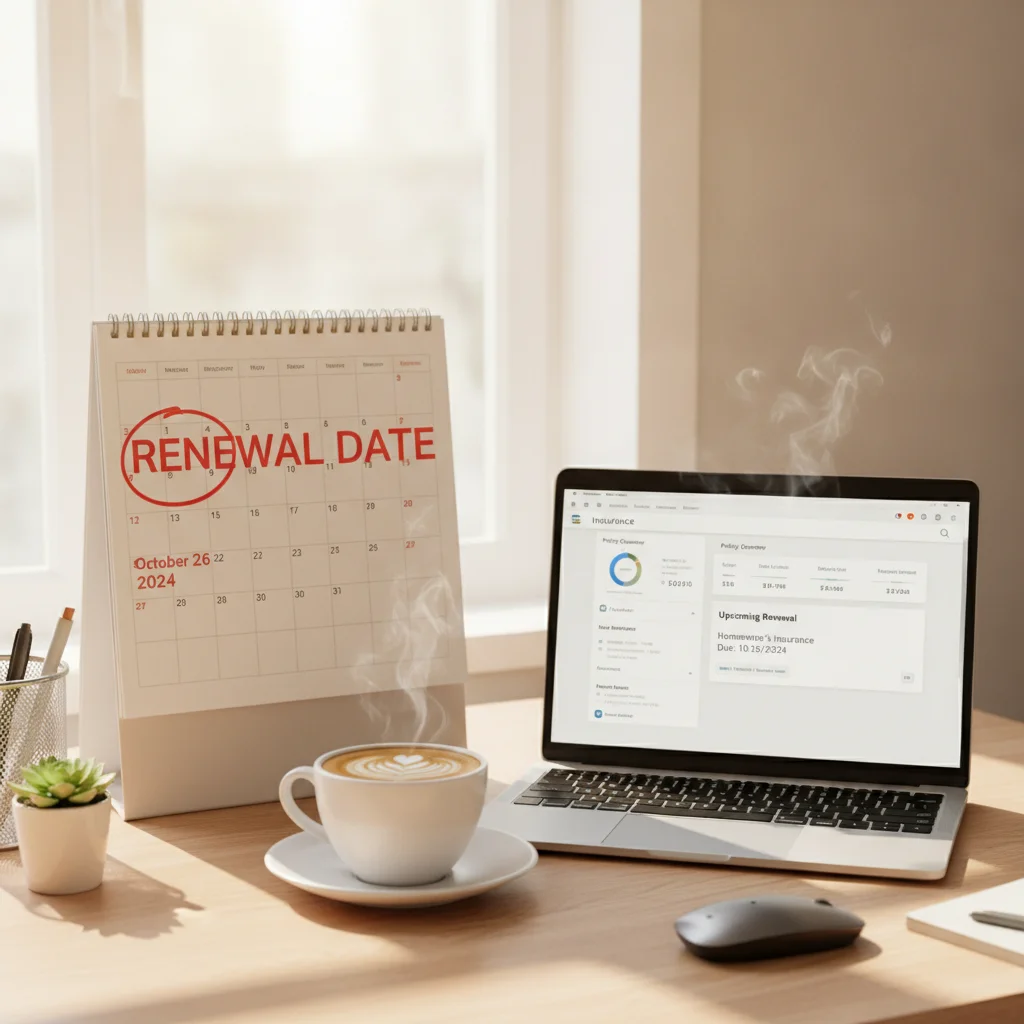
Even with autopay, proactive reminders give you time to review your terms, update payment methods, or shop for better rates before the renewal date passes. Acting after renewal is harder and sometimes impossible if your insurer's billing cycle has already run.
Switching Insurers Without Creating a Gap
One of the most preventable causes of a coverage gap is the act of switching insurers. Done correctly, a carrier switch is seamless — your new policy starts the same day your old one ends. Done carelessly, it's a gap waiting to happen.
The golden rule: never cancel your existing policy until you have written confirmation that your new policy is active. Get your new policy's effective date in writing — via email, app confirmation, or a declarations page — before you initiate a cancellation with your current carrier. Don't assume that because you've signed up with a new insurer, coverage has begun. Confirm the start date explicitly.
Confirmation Is Not the Same as Coverage
Signing up for a new policy online doesn't always mean coverage begins immediately. Some carriers require a deposit or first-payment confirmation before coverage is active. Always review your new policy's effective date — not just the date you applied — to confirm when protection actually starts. A same-day application doesn't necessarily mean same-day coverage.
Cancellation Refunds Don't Signal a Problem
Some drivers hesitate to cancel a policy mid-term because they worry about fees or complications. In most cases, canceling a standard personal auto policy mid-term is straightforward, and you'll receive a prorated refund for unused premium. There's rarely a financial penalty for switching, as long as you have your new policy in place first.
Also be aware of how your existing policy handles cancellation. Most carriers will prorate your refund for unused premium if you cancel mid-term, so there's little financial reason to wait until the exact end of your policy period. What matters is that both the cancellation date and the new policy start date align cleanly.
It's also worth understanding how automatic renewal works on your current policy before you cancel. Some carriers will auto-renew even after you've notified them of intent to cancel, which can create billing headaches if not handled correctly.
Long-Term Habits That Protect Your Coverage Record
Avoiding a single gap is a short-term win. Building habits that prevent lapses over the long term is what actually protects your insurance costs and your record. Drivers who pay the lowest rates aren't just lucky — they've maintained continuous coverage for years, often through multiple vehicles and carrier switches, because they treat insurance management as an ongoing responsibility rather than a once-a-year chore.
The most effective long-term habits are also the simplest. Keeping your payment method current with your insurer is probably the single highest-impact action most drivers overlook. If your credit card expires or your bank account changes, update your insurer before that payment fails — not after. For a broader set of year-round habits that experienced drivers rely on, see our guide to proactive auto insurance management.
Beyond payments, pay attention to your renewal notices. Even if you have autopay set up, review the renewal terms each year. Your insurer may have changed your coverage, adjusted your deductibles, or updated your premium in ways you haven't noticed. A policy that auto-renewed under different terms than you expected is still a valid policy — but it may not be the right one for your situation.
Finally, understand who's actually covered under your policy. If you add a household member to your policy — or someone moves out — update the policy accordingly. Gaps in coverage can affect named insureds and listed drivers differently. Our article on what it means to be a named insured explains the distinction in plain terms.
How Insurers View Your Coverage History — and What to Do If You Have a Gap
If you already have a gap in your history, don't assume there's nothing you can do. While a lapse does raise your rates, the impact diminishes over time — particularly if you maintain continuous coverage going forward. Most insurers look back three to five years, so a gap from four years ago that is followed by consistent coverage will carry less weight than a recent one.
When shopping for coverage after a lapse, be honest about your history. Insurers will find it in the database anyway, and misrepresenting your history can give an insurer grounds to deny a claim or rescind your policy. Instead, compare quotes from multiple carriers — some insurers are more lenient than others on lapse history, particularly if the gap was short or if you can document that you weren't driving during that period (for example, you were out of the country or had no vehicle).
Providing documentation of special circumstances won't always override the rate impact, but it's worth asking. And once you're back on a policy, set it up with every tool at your disposal — autopay, calendar reminders, digital copies of your declarations page — to make sure you don't find yourself in the same position again. Our deeper analysis of how a lapse signals risk to insurers walks through exactly how carriers score coverage history and how long the effect lasts.

All claims are backed by peer-reviewed research. Sources on request.