
Key Takeaways
Why Policy Management Mistakes Are So Common — and So Costly
Auto insurance is one of those financial products most people set up and then try to forget about. The policy renews automatically, the payment processes quietly, and as long as nothing goes wrong, drivers rarely look twice at their coverage. That hands-off approach is exactly how coverage gaps form.
The problem isn't that policyholders are careless — it's that the mechanics of a modern auto insurance policy are easy to misunderstand, and life changes fast. You move to a new ZIP code. You buy a second car. Your teenager gets a license. You pay off your loan. Each of these events has real implications for your coverage, and missing the connection between a life event and your policy can leave you dangerously exposed.
This article walks through the most common policy management mistakes, why they happen, and — more importantly — exactly what you can do to avoid them. If you want a broader foundation for staying in control of your coverage at every stage, see our complete guide to auto insurance policy management.

The Most Damaging Policy Management Mistakes
The mistakes below aren't edge cases. They're patterns that insurance professionals see repeatedly — across all income levels, all vehicle types, and all experience levels. Recognizing them is the first step toward making sure your coverage actually does what you're paying for it to do.
Auto-renewing without reviewing the policy terms or premium changes.
Why it happens: Automatic renewal is convenient, and most drivers assume that if nothing major changed in their life, the policy is still appropriate. Insurers count on that inertia.
Failing to notify the insurer of a change of address.
Why it happens: Moving is chaotic, and updating your insurance company often falls to the bottom of the to-do list. Many drivers don't realize that garaging location is a core rating factor — not just administrative detail.
Not adding a new teen driver to the policy after they get their license.
Why it happens: Parents often assume family members are automatically covered, or they delay the conversation to avoid the premium increase. Some don't realize their policy may exclude unlisted household members in certain states.
Letting the policy lapse by missing a payment deadline.
Why it happens: A missed email notification, an expired card on file, or a billing address that didn't update after a move — any of these can silently cause a payment to fail and trigger a lapse notice.
Dropping comprehensive or collision coverage too soon after paying off a loan.
Why it happens: Once the lender's requirements disappear, many drivers reflexively drop physical damage coverage to reduce premiums — without calculating whether the vehicle's value justifies keeping it.
Failing to update the vehicle list when buying or selling a car.
Why it happens: Drivers sometimes assume a newly purchased vehicle is covered under their existing policy for a grace period — and while many policies do offer short-term coverage for new vehicles, the terms vary widely and it's rarely a guarantee.
Ignoring optional coverage add-ons that would have prevented a major out-of-pocket loss.
Why it happens: Optional coverages like gap insurance, rental reimbursement, and roadside assistance are often presented at purchase and then forgotten. Drivers may not realize how much a gap or rental coverage gap costs until they're in the middle of a claim.
Not shopping coverage after a major life change that affects your risk profile.
Why it happens: Drivers tend to stay with the same insurer out of loyalty or convenience, not realizing that their risk profile may have improved in ways that make competing insurers significantly more attractive.
Assumed Coverage Is Not Actual Coverage
Many drivers believe their policy automatically covers any vehicle they drive, any person in their household, or any address they live at — without ever checking. These assumptions are regularly wrong. When a claim is filed, insurers investigate the details of the risk they were actually covering, not the risk the driver assumed they were covering. Always confirm changes in writing rather than assuming your existing policy adapts automatically.
Non-Renewal Is Not the Same as Cancellation
If your insurer decides not to renew your policy at the end of a term, you'll receive a non-renewal notice — but the coverage doesn't lapse mid-term, and you have time to find a new policy. The danger is ignoring that notice and assuming the policy will continue. Read every piece of correspondence from your insurer, even if you plan to renew automatically.
Life Changes That Silently Undermine Your Coverage
Even drivers who manage their policy carefully can fall into gaps simply because they don't recognize when a life event demands a policy update. Insurers underwrite policies based on specific risk factors — your address, your vehicle, who's driving it, and how it's used. When any of those factors change without notice, the insurer is effectively covering a risk they never priced and never agreed to.

Moving to a New Address
Where you live is one of the most significant rating factors in auto insurance. A move across town — or even to a different part of the same city — can affect your premium, your coverage availability, and in some cases your eligibility with your current insurer. More importantly, if you file a claim and your insurer discovers your address on file doesn't match where the vehicle is garaged, they have grounds to reduce or deny the payout.
Adding a Teen Driver
When a household member gets a license, they're typically considered a covered driver under your policy for incidental use — but not always, and the details vary by state and insurer. Failing to formally add a new teen driver can result in a claim being challenged if the teen is involved in an accident. Yes, adding a young driver raises your premium. But that cost is far lower than absorbing a denied claim on a collision.
Paying Off Your Auto Loan
When you pay off your car, your lender's requirement for comprehensive and collision coverage disappears — but that doesn't automatically mean you should drop those coverages. Before you do, consider the vehicle's actual cash value, your ability to absorb a total loss out of pocket, and whether you'd need a replacement vehicle quickly. This decision deserves deliberate thought, not a reflex. See our detailed look at physical damage coverage mistakes to understand what's really at stake.
Getting Married or Divorced
Marriage often allows you to combine policies for a multi-car discount and lower rates. Divorce means separating policies — and if you're still listed on a policy covering a vehicle you no longer drive, you may carry liability exposure you're unaware of. Either life event should trigger a call to your insurer within 30 days.
1 in 8
Drivers on U.S. roads are uninsured
According to the Insurance Research Council's most recent estimates, approximately 12.6% of U.S. motorists were uninsured — often due to lapses that started as unintentional.
~$900
Average annual premium increase after a coverage lapse
Industry data from The Zebra's annual State of Auto Insurance report found that drivers with a prior coverage lapse pay meaningfully more for comparable coverage than those with continuous histories.
40%
Of drivers never review their policy at renewal
A J.D. Power customer satisfaction study found that a large share of policyholders simply allow auto-renewal without checking limits, deductibles, or discounts.
30 days
Typical window before a lapse affects future rates
Most insurers treat a gap of 30 days or more as a material lapse when underwriting a new policy, triggering higher-risk pricing tiers.
Renewal Season: The Window Where Most Gaps Start
Most auto insurance policies renew every six or twelve months. That renewal date is your best opportunity to catch problems before they cost you money — but it's also the moment when inertia does the most damage.
Insurers are required to send renewal notices, but those notices often arrive as a single letter or email that's easy to dismiss. Many drivers assume that if the policy auto-renews, everything must be fine. It's not always. Premiums can increase significantly at renewal, coverage terms can change, and discounts you qualified for last year may no longer apply if your circumstances changed.
Auto-Renewing Without Reading Is a Risk, Not a Convenience
Insurers can — and do — change coverage terms, increase premiums, and modify exclusions at renewal. When a policy auto-renews, those changes take effect whether you noticed them or not. The legal standard is that the renewal notice was sent, not that you read it. Review your declarations page before every renewal, not after.
A Denied Claim Is Worse Than a Higher Premium
The most expensive coverage gap isn't a missed payment — it's a claim that gets reduced or denied because your policy didn't reflect reality. Undisclosed drivers, wrong garaging addresses, and unreported vehicle changes are among the most common reasons insurers challenge claims. Keeping your policy accurate is not optional; it's the foundation of having coverage at all.
Before your next renewal, run through a structured review of your limits, deductibles, and discounts. Our auto insurance renewal checklist gives you a line-by-line framework for doing exactly that — in under 30 minutes.
If you haven't looked at your policy in more than 12 months, there's a real chance you're paying for coverage you no longer need or missing coverage you genuinely need now. Drivers who stay engaged with their policy year-round consistently come out ahead — see proactive habits for managing your auto insurance for a practical framework.

The Consequences of Coverage Gaps — Even Brief Ones
A coverage gap doesn't have to last a month to cause damage. Even a lapse of a few days can be flagged by insurers as evidence of elevated risk, which they use to justify higher rates when you reapply. In some states, driving without insurance — even briefly — creates a record that follows you for years.
Insurers check for prior coverage lapses when you apply for a new policy. A gap of 30 days or more typically results in a higher-risk rating and a meaningfully higher premium. In some cases, it forces you into non-standard insurance markets with fewer options and much higher costs. The deeper you want to go on why continuity matters, read our piece on keeping continuous auto insurance coverage.
The bottom line: the short-term savings from letting a policy lapse almost never offset the long-term cost. If affordability is the issue, talk to your insurer about payment plans or coverage adjustments before canceling entirely.
Auto-Renewing Without Reading Is a Risk, Not a Convenience
Insurers can — and do — change coverage terms, increase premiums, and modify exclusions at renewal. When a policy auto-renews, those changes take effect whether you noticed them or not. The legal standard is that the renewal notice was sent, not that you read it. Review your declarations page before every renewal, not after.
A Denied Claim Is Worse Than a Higher Premium
The most expensive coverage gap isn't a missed payment — it's a claim that gets reduced or denied because your policy didn't reflect reality. Undisclosed drivers, wrong garaging addresses, and unreported vehicle changes are among the most common reasons insurers challenge claims. Keeping your policy accurate is not optional; it's the foundation of having coverage at all.
It's also worth auditing your current policy for discounts you may have never claimed — many drivers overpay simply because they never asked. Our guide to auditing your policy for missed discounts walks through this process step by step.
Building Habits That Keep Your Coverage Current
The most effective policy management doesn't happen in a crisis — it happens in the quiet windows before anything goes wrong. A few low-effort habits, built into your annual financial routine, can prevent every mistake covered in this article.
Set a Policy Review Calendar Reminder
Put a recurring calendar alert 45 days before your policy renewal date. That's enough lead time to shop competing quotes, request changes, and still have the renewal confirmed before your current term expires. Don't wait for the insurer's notice to arrive — own the timing yourself.
Update Your Insurer After Every Major Life Event
Treat your insurer like your bank or your employer: any time your address, vehicle count, marital status, or household drivers change, make the update within 30 days. This protects you legally and keeps your premium accurate.
Review Your Add-Ons Annually
Optional coverages like roadside assistance, rental reimbursement, and gap insurance are valuable at certain stages of ownership — and unnecessary at others. Revisit your optional add-ons each year to make sure you're only paying for what you actually need. You might also be surprised by features you're not using — see policy features drivers most often overlook for context.
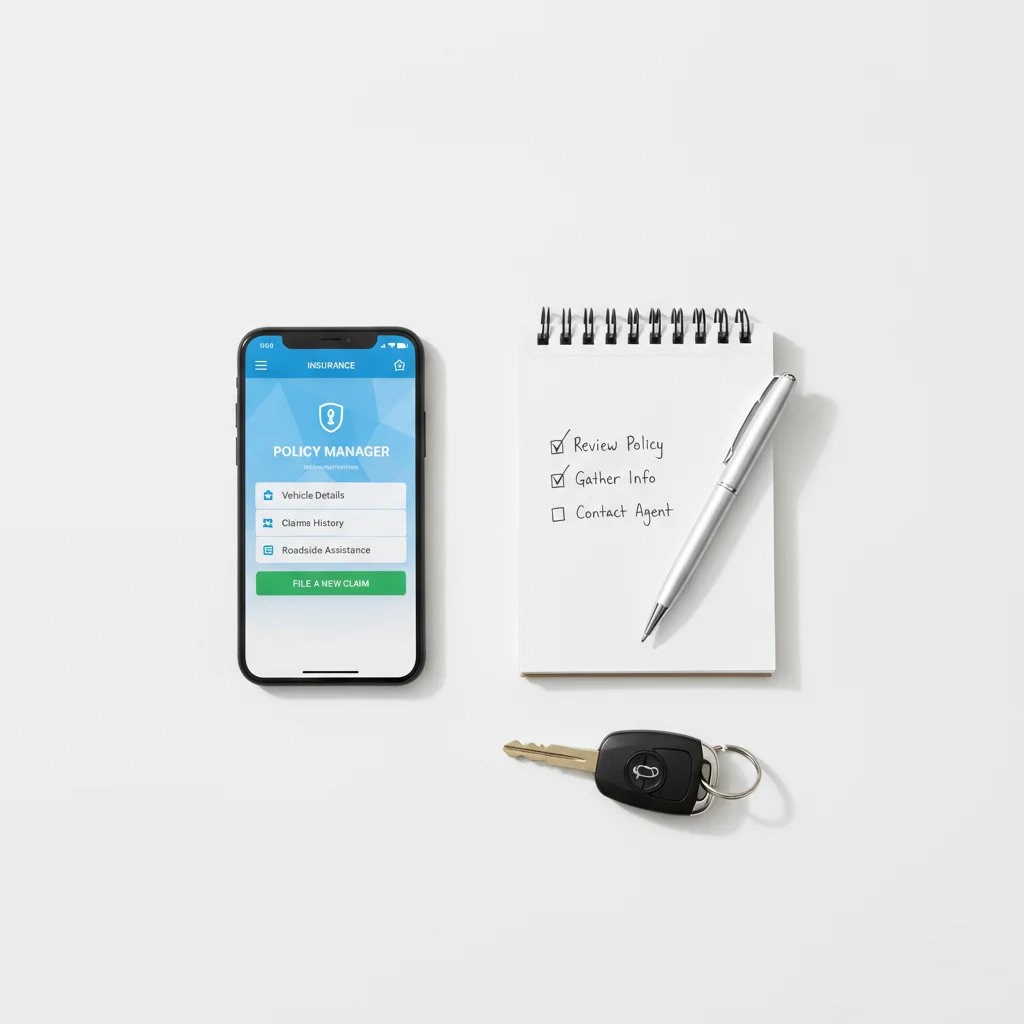
Use Digital Tools to Stay Engaged
Most major insurers now offer full account management through apps or online portals. Setting up paperless billing, automatic payment alerts, and digital document access removes most of the friction that leads to missed deadlines and overlooked renewals. Learn more about what these tools can do in our overview of paperless policies and digital policy management.
The common thread across all of these habits is intentionality. Auto insurance is designed to be easy to ignore — and that ease is exactly what makes it risky. Drivers who treat their policy as a living document rather than a set-and-forget transaction consistently get more value from their coverage and pay less when things go wrong. Check our discounts and deals hub if you're also looking for ways to reduce what you're paying while maintaining solid protection.

All claims are backed by peer-reviewed research. Sources on request.