
Key Takeaways
Request a full list of endorsements on your current policy at least once a year — insurers don't always make it obvious when an endorsement has been added, changed, or dropped at renewal.
Endorsements directly affect what's covered, and they can change between terms in ways that aren't clearly flagged in a renewal notice. Knowing exactly what's on your policy prevents unwelcome surprises at claim time.
When shopping competing quotes, always use the same deductible and liability limits as your current policy — then compare the full-term premium, not just the monthly payment.
Monthly payment framing obscures the true cost and makes apples-to-oranges comparisons easy to miss. Quoting on identical terms is the only way to know whether a competing offer is genuinely better.
If your premium jumps at renewal, call your insurer and ask specifically whether there are any discounts you're not currently receiving — loyalty programs, low-mileage tiers, or telematics enrollment can sometimes offset the increase.
Insurers don't automatically apply every discount you qualify for. A 10-minute call can uncover savings that a renewal notice will never mention proactively.
What Auto Insurance Policy Management Actually Means
Most drivers treat auto insurance as a bill to pay, not a living financial document to actively oversee. That's an expensive mistake. Auto insurance policy management is the ongoing practice of keeping your coverage aligned with your actual life — your vehicles, your drivers, your risks, and your budget. It encompasses everything from reading your declarations page to updating your mileage estimate, contesting a rate increase, or timing a switch to a competing insurer.
Think of your policy as a contract that resets on a schedule — typically every six or twelve months — but can and should be adjusted in between. Insurers are constantly recalculating risk. If you're not actively managing your side of the equation, you're likely overpaying, underinsured, or both.
Policy management goes deeper than most drivers realize — it's a proactive discipline, not a passive one. This guide covers every stage of that process, from understanding your current documents to making a clean exit when it's time to switch.
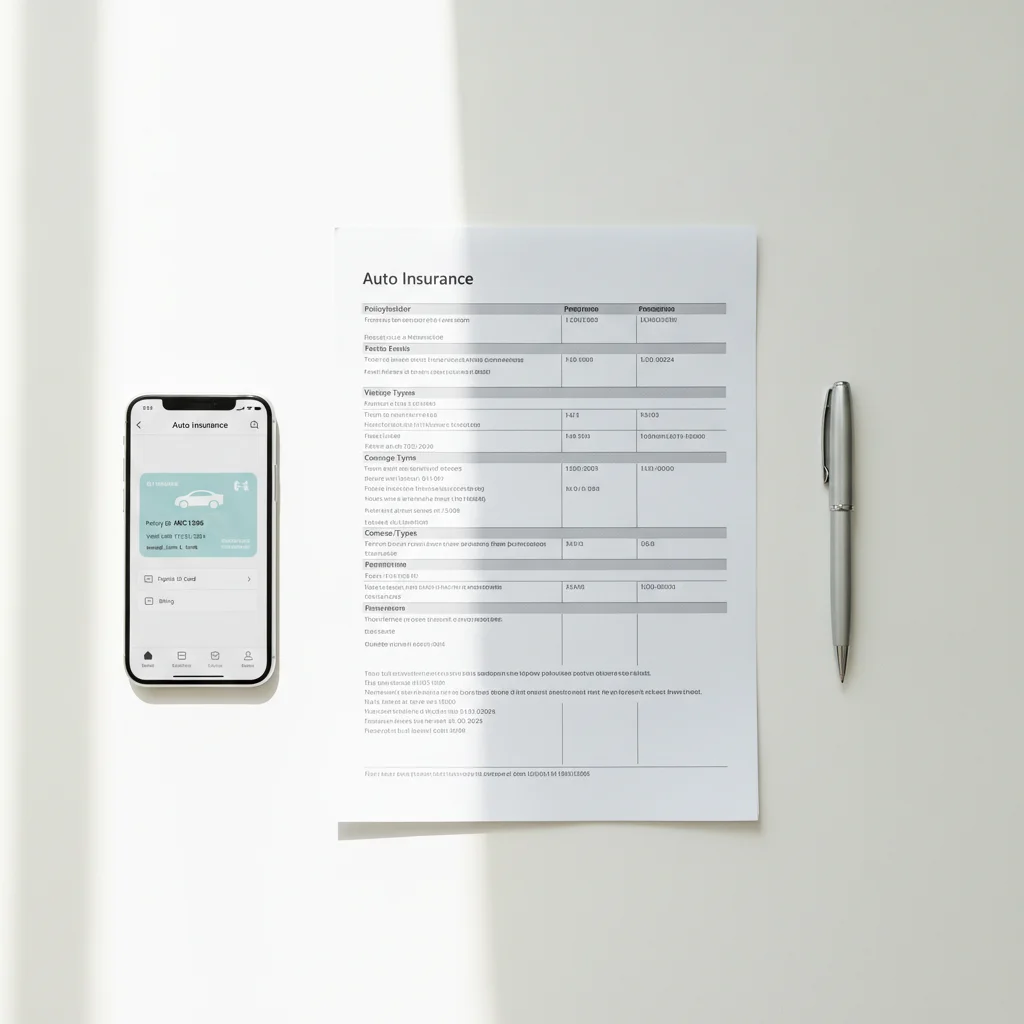
Here's a practical breakdown of what active policy management involves:
- Reading and understanding your declarations page — the summary of your coverage limits, deductibles, and premium
- Keeping your policy information current — address, vehicle details, listed drivers
- Reviewing coverage at renewal — not just accepting the auto-rollover
- Comparing rates periodically — even loyal customers should benchmark
- Managing claims and documentation — knowing what you're entitled to before you ever need it
Understanding Your Policy Documents
Before you can manage your policy effectively, you need to know what you're looking at. Auto insurance policies consist of several layers of documentation, and each one serves a different purpose.
The Declarations Page
This is your policy's summary sheet — the first page you should read every time you renew. It lists your named insureds, covered vehicles (including VINs), coverage types, limits, deductibles, and premium amounts. If anything on the declarations page is wrong, it needs to be corrected immediately, because errors here can directly affect claim payouts.
The Policy Contract
The full policy document is the legal contract between you and your insurer. It defines terms, exclusions, conditions, and your obligations as the policyholder. Most drivers never read it cover to cover — but knowing where to find the exclusions section can save you from claim denial surprises.
Endorsements and Riders
Endorsements modify the base contract. They add, remove, or alter coverage — for example, adding roadside assistance, gap insurance, or a rental reimbursement benefit. Always request a list of active endorsements on your policy; these are easy to lose track of, especially after a renewal.
Request a full list of endorsements on your current policy at least once a year — insurers don't always make it obvious when an endorsement has been added, changed, or dropped at renewal.
Endorsements directly affect what's covered, and they can change between terms in ways that aren't clearly flagged in a renewal notice. Knowing exactly what's on your policy prevents unwelcome surprises at claim time.
When shopping competing quotes, always use the same deductible and liability limits as your current policy — then compare the full-term premium, not just the monthly payment.
Monthly payment framing obscures the true cost and makes apples-to-oranges comparisons easy to miss. Quoting on identical terms is the only way to know whether a competing offer is genuinely better.
If your premium jumps at renewal, call your insurer and ask specifically whether there are any discounts you're not currently receiving — loyalty programs, low-mileage tiers, or telematics enrollment can sometimes offset the increase.
Insurers don't automatically apply every discount you qualify for. A 10-minute call can uncover savings that a renewal notice will never mention proactively.
Proof of Insurance
Your insurance ID card — now often digital — is what you present to law enforcement or another driver after an accident. Most states accept digital proof of insurance via mobile app. Keep a physical backup in your glove box regardless.
If you've purchased a car recently, the paperwork and contracts involved in a car purchase typically require proof of insurance before you drive off the lot — your declarations page or ID card is usually what dealers and lenders want to see.
Digital ID Cards Are Widely Accepted
As of 2024, nearly all U.S. states accept digital proof of insurance displayed on a mobile device. However, requirements vary — some states still require physical cards in specific situations, such as vehicle registration. Check your state's DMV guidelines and keep a physical backup in your glove compartment just in case.
State Minimums Vary Significantly
If you've recently moved to a new state, don't assume your existing coverage meets local requirements. Required minimum liability limits differ substantially by state — some require uninsured motorist coverage, personal injury protection, or other coverages that may not have been mandatory where you previously lived.
How to Update Your Policy When Life Changes
Life doesn't wait for your renewal date, and neither should your coverage updates. Certain events require you to notify your insurer promptly — in some cases, failure to do so can void a claim or expose you to liability you thought you were covered for.
35%
Drivers who never review policy at renewal
According to a J.D. Power auto insurance survey, roughly a third of policyholders auto-renew without reviewing coverage terms or comparing rates.
$847
Average U.S. annual auto insurance premium
The National Association of Insurance Commissioners reported average annual expenditure on auto insurance approaching this figure, with significant variation by state and driver profile.
Up to 20%
Premium increase for coverage lapses
Industry data from major insurers indicates that even a brief lapse in continuous coverage — as short as 30 days — can raise future premiums by as much as 20% with some carriers.
6–12 months
Standard policy term lengths
Most personal auto policies in the U.S. are written on either a six-month or twelve-month term, each offering a distinct renewal opportunity to review and adjust coverage.
Life Events That Require a Policy Update
- Moving to a new address
- Your ZIP code is one of the biggest factors in your premium. Moving across town — let alone across state lines — can shift your rate significantly in either direction. Notify your insurer within 30 days of moving. If you cross state lines, you may need to switch to an insurer licensed in your new state and meet new minimum coverage requirements.
- Adding or removing a driver
- Got a teenager with a new license? A spouse who just moved in? These drivers need to be added to your policy. Conversely, if a driver moves out or no longer has access to your vehicle, removing them can reduce your premium. Failing to list a regular driver is called "misrepresentation" and can lead to a denied claim.
- Buying or selling a vehicle
- New car purchases require adding the vehicle to your policy — often before you drive it off the lot. When selling a vehicle, remove it promptly; you don't want to pay premiums on something you no longer own, and you don't want liability exposure if the buyer has an accident before the title transfers.
- Significant change in annual mileage
- If you switched to remote work and are driving far less than before, report that. Many insurers offer low-mileage discounts, and some use telematics programs to price based on actual driving behavior.
- Marriage or divorce
- Marriage typically allows you to combine policies and access multi-car discounts. Divorce requires separating policies cleanly — leaving an ex-spouse on your policy is a liability risk most people don't think about until it's too late.
Don't Cancel Before Your New Policy Starts
Canceling your current policy before your replacement coverage is confirmed and active — even for a single day — creates a coverage lapse. Many insurers treat any lapse as a rating factor, which can increase your premium for years afterward. Always confirm your new policy's start date in writing before submitting a cancellation request.
Unlisted Drivers Can Void Your Claim
If someone who regularly drives your vehicle isn't listed on your policy and they're involved in an accident, your insurer may deny the claim based on material misrepresentation. "Regular use" is the standard — not ownership. Household members and frequent operators should always be listed.
How to Make Mid-Term Changes
Most changes can be made through your insurer's website, mobile app, or by calling your agent. Changes typically generate an updated declarations page and may result in a prorated premium adjustment — either a credit or an additional charge. Always request written confirmation of any change you make, even minor ones.

Navigating Renewals the Right Way
Renewal is the most important moment in your insurance year, and most drivers sleepwalk through it. Here's what's actually happening: your insurer is re-underwriting your risk — they're looking at your updated driving record, any claims you filed, changes in your credit score (in most states), and market-level loss data in your area. They then set a new rate for the coming term. That rate may be higher, lower, or the same as before — and you may or may not get a clear explanation.
Auto-renewal is convenient, but it's not the same as being properly covered. Your insurer will simply roll your existing policy forward at the new rate unless you take action. That's fine if your rate is competitive and your coverage still fits — but it's often not.
What to Do Before You Renew
Use the auto insurance renewal checklist as your guide, but at a minimum, review these items 30–45 days before your renewal date:
- Coverage limits: Have your assets grown? Your liability limits should grow with them.
- Deductibles: Could you comfortably afford a higher deductible in exchange for a lower premium?
- Discounts: Are you receiving all the discounts you qualify for — bundling, good driver, good student, safety features, low mileage?
- Rate change explanation: If your premium jumped, ask your insurer in writing why. You're entitled to an explanation.
- Competitive quotes: Get at least two competing quotes before you renew. The process of comparing policies doesn't have to be time-consuming, and the savings can be substantial.
“The renewal notice is the most underused tool in personal finance. It arrives twice a year and hands you a structured opportunity to review, renegotiate, or walk away — and most people just pay the bill.”
— J. Robert Hunter, Former Director of Insurance, Consumer Federation of America
Set a Renewal Calendar Alert Now
Add a recurring calendar reminder 45 days before your policy renewal date. This gives you enough time to gather competing quotes, call your insurer about discounts, and make a deliberate decision — instead of a rushed one the week before rollover.
Use Your Insurer's App for Mid-Term Updates
Most major carriers allow you to update your address, add a vehicle, or modify your coverage directly through their mobile app without a phone call. This makes mid-term adjustments faster — and creates a digital record of the change date.
How to Cancel or Switch Your Policy
Canceling an auto insurance policy sounds simple, but doing it wrong creates problems — including a lapse in coverage that can raise your future rates even if you only went uninsured for a few days. Here's how to do it cleanly.
Steps to Cancel Your Current Policy
- Secure replacement coverage first. Never cancel before your new policy is active. Get written confirmation of your new coverage start date before submitting a cancellation request.
- Submit your cancellation in writing. Most insurers allow cancellations by phone, but always follow up with a written request — email or certified letter — and note your desired cancellation date.
- Request your pro-rated refund. If you've pre-paid your premium, you're entitled to a refund for the unused portion. The method your insurer uses — short-rate vs. pro-rata — matters. Pro-rata refunds are dollar-for-dollar; short-rate calculations include a cancellation penalty. Know which applies to you.
- Confirm cancellation in writing. Don't assume it happened. Get written confirmation and keep it.
- Return any physical ID cards if required. Some states require surrendering physical proof of insurance upon cancellation, particularly if you're also surrendering your plates.
A Coverage Lapse Has Long-Term Cost Consequences
Even a single day without active auto insurance is visible to future insurers and can be used to justify higher rates. In some states, a lapse also triggers an automatic license or registration suspension. Always maintain continuous coverage — if cost is the issue, call your current insurer about a payment plan or coverage adjustment before letting the policy lapse.
State Minimum Liability Limits Are Rarely Enough
Most state minimums were set decades ago and haven't kept pace with medical costs or vehicle values. A serious accident can generate hundreds of thousands of dollars in damages — far beyond what a $25,000 or $50,000 liability limit covers. If your assets exceed your coverage limits, you're personally exposed for the difference. Review your limits with an eye on your actual financial exposure, not just the legal minimum.
Mid-Term vs. End-of-Term Cancellation
Canceling at the end of a policy term is the cleanest approach — no refund calculations, no cancellation fees, and no gap risk. Mid-term cancellation makes sense when you've found significantly better pricing or your circumstances have changed materially. Just do the math on any short-rate penalty before you pull the trigger.
If your insurer is the one canceling — non-renewal or mid-term cancellation for non-payment or a material misrepresentation — you have rights. Most states require advance written notice (typically 10–30 days), and you can request a reason. State insurance departments handle complaints if you believe a cancellation was improper.
Digital Tools and Paperless Policy Management
The way drivers interact with their auto insurance has changed substantially over the past decade. The shift to digital policy management is largely complete at major national insurers, and it's made staying on top of your coverage faster and less friction-filled than ever — if you know how to use the tools available.
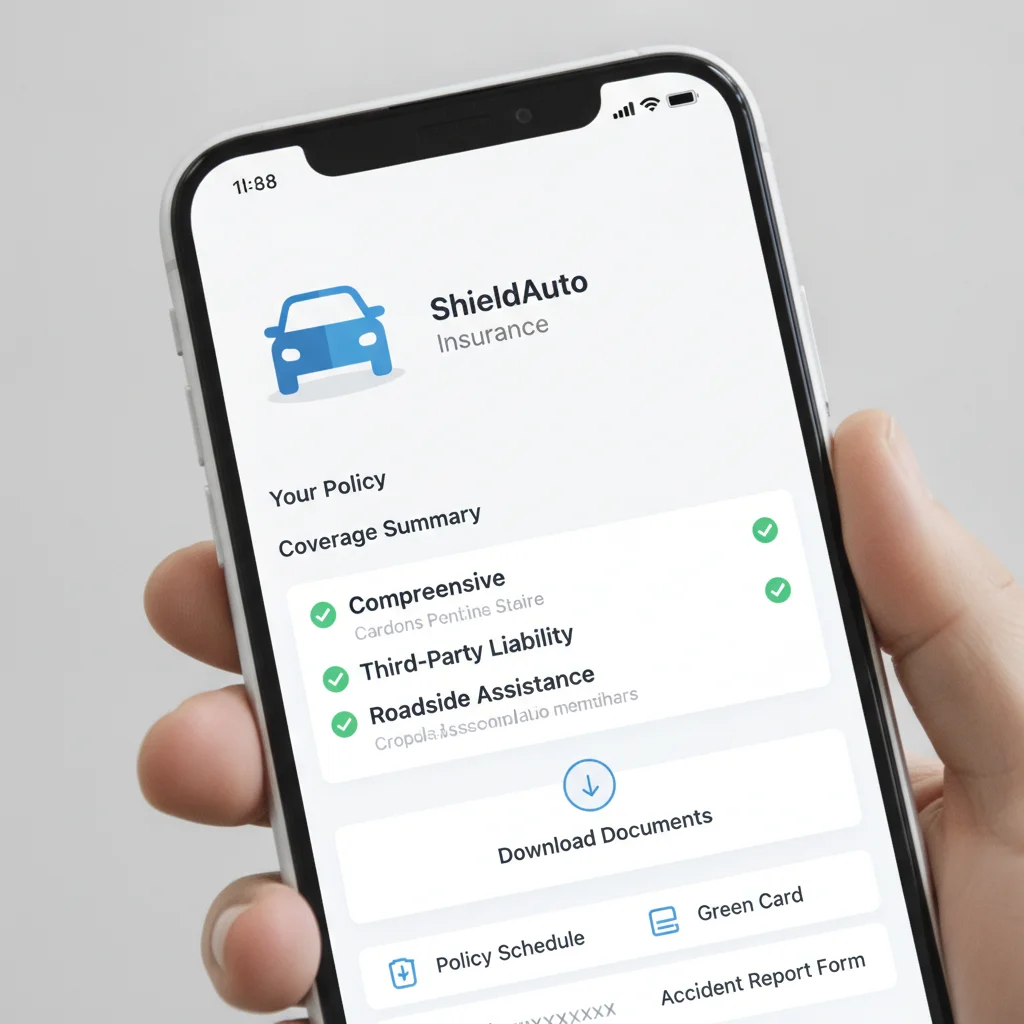
Digital policy management has changed what's possible for everyday policyholders. Here's what most major insurers now offer through their apps or online portals:
- On-demand documents: Download your declarations page, ID cards, and policy documents anytime.
- Coverage updates: Add a vehicle, update your address, or adjust a deductible without calling anyone.
- Payment management: Set up autopay, change payment methods, or view billing history.
- Claims tracking: File a claim, upload photos, and track status through the app.
- Usage-based insurance (UBI) integration: If you're enrolled in a telematics program, monitor your driving score and projected discount in real time.
Paperless Discounts and Enrollment
Many insurers offer a small discount — typically 1–5% — for enrolling in paperless billing and policy delivery. It's a low-effort way to trim your premium. Just make sure you're actually reading the emails when they arrive; important renewal notices can otherwise get lost in an inbox.
One Important Caveat
Digital convenience doesn't replace the need to actively review what you're being sent. Insurers are not required to call your attention to rate increases or coverage changes buried in a renewal document delivered to your email. Set a calendar reminder to review your renewal documents as soon as they arrive — don't wait until the last week before rollover.
Set a Renewal Calendar Alert Now
Add a recurring calendar reminder 45 days before your policy renewal date. This gives you enough time to gather competing quotes, call your insurer about discounts, and make a deliberate decision — instead of a rushed one the week before rollover.
Use Your Insurer's App for Mid-Term Updates
Most major carriers allow you to update your address, add a vehicle, or modify your coverage directly through their mobile app without a phone call. This makes mid-term adjustments faster — and creates a digital record of the change date.
Common Policy Management Mistakes to Avoid
The most expensive insurance errors aren't dramatic — they're mundane. They happen when drivers treat their policy as something to set up once and forget. The mistakes that create coverage gaps are often the most avoidable ones.
Top Mistakes Drivers Make
- Not updating your address after a move. If your insurer doesn't know where your car is garaged, they may deny a claim — or worse, void your policy for misrepresentation.
- Failing to list all household drivers. Any person who regularly drives your vehicle should be on your policy. "Permissive use" covers occasional borrowers; it does not cover someone who drives your car regularly but isn't listed.
- Letting coverage lapse between vehicles. If you sell one car and wait a week to buy another, you now have a gap in your insurance history. That gap is visible to future insurers and can raise your rates.
- Assuming minimum state limits are enough. State-required minimums are typically far below what's needed to protect your assets after a serious accident. A $25,000 bodily injury limit gets exhausted fast.
- Ignoring the renewal notice until the last minute. Last-minute decisions are almost always worse decisions. Review your renewal 30–45 days out so you have time to compare and negotiate.
- Dropping comprehensive or collision on an older car without doing the math. The breakeven on dropping physical damage coverage depends on your car's actual cash value and your deductible — not just the car's age.
A Coverage Lapse Has Long-Term Cost Consequences
Even a single day without active auto insurance is visible to future insurers and can be used to justify higher rates. In some states, a lapse also triggers an automatic license or registration suspension. Always maintain continuous coverage — if cost is the issue, call your current insurer about a payment plan or coverage adjustment before letting the policy lapse.
State Minimum Liability Limits Are Rarely Enough
Most state minimums were set decades ago and haven't kept pace with medical costs or vehicle values. A serious accident can generate hundreds of thousands of dollars in damages — far beyond what a $25,000 or $50,000 liability limit covers. If your assets exceed your coverage limits, you're personally exposed for the difference. Review your limits with an eye on your actual financial exposure, not just the legal minimum.
Request a full list of endorsements on your current policy at least once a year — insurers don't always make it obvious when an endorsement has been added, changed, or dropped at renewal.
Endorsements directly affect what's covered, and they can change between terms in ways that aren't clearly flagged in a renewal notice. Knowing exactly what's on your policy prevents unwelcome surprises at claim time.
When shopping competing quotes, always use the same deductible and liability limits as your current policy — then compare the full-term premium, not just the monthly payment.
Monthly payment framing obscures the true cost and makes apples-to-oranges comparisons easy to miss. Quoting on identical terms is the only way to know whether a competing offer is genuinely better.
If your premium jumps at renewal, call your insurer and ask specifically whether there are any discounts you're not currently receiving — loyalty programs, low-mileage tiers, or telematics enrollment can sometimes offset the increase.
Insurers don't automatically apply every discount you qualify for. A 10-minute call can uncover savings that a renewal notice will never mention proactively.
When to Shop Around vs. Stay Put
Loyalty to your insurer has real costs. Studies consistently show that long-tenured customers often pay more than new customers at the same insurer — a phenomenon sometimes called the "loyalty penalty" or "price optimization." That said, switching isn't always the right move either. Here's how to think about it.
Strong Reasons to Shop
- Your premium increased by more than 10% at renewal with no significant changes to your driving record or claims history.
- You've had a major life change — new car, moved states, added a teen driver — and haven't compared rates in over a year.
- Your coverage needs have changed substantially and your current insurer doesn't offer the right products.
- A competitor is offering equivalent or better coverage for meaningfully less — not just a teaser rate that resets after six months.
Reasons to Stay
- You have a strong claims relationship and a history with a local agent who advocates for you.
- You're bundling home and auto, and the combined discount makes the total package competitive.
- Switching mid-term would trigger a short-rate cancellation penalty that offsets the savings.
- You're mid-claim — switching while a claim is open is almost always a bad idea.
35%
Drivers who never review policy at renewal
According to a J.D. Power auto insurance survey, roughly a third of policyholders auto-renew without reviewing coverage terms or comparing rates.
$847
Average U.S. annual auto insurance premium
The National Association of Insurance Commissioners reported average annual expenditure on auto insurance approaching this figure, with significant variation by state and driver profile.
Up to 20%
Premium increase for coverage lapses
Industry data from major insurers indicates that even a brief lapse in continuous coverage — as short as 30 days — can raise future premiums by as much as 20% with some carriers.
6–12 months
Standard policy term lengths
Most personal auto policies in the U.S. are written on either a six-month or twelve-month term, each offering a distinct renewal opportunity to review and adjust coverage.
When you do shop, compare apples to apples. Match coverage types, limits, and deductibles exactly before comparing premiums. A quote that looks 20% cheaper may have a $1,000 higher deductible or half the liability coverage. The right framework for comparing insurance policies makes that process far more reliable.
Auto Insurance Renewal Checklist
A step-by-step checklist covering everything to review before your policy rolls over — limits, deductibles, discounts, and more. Prevents blind auto-renewals.
Policy Comparison Framework
A structured approach to comparing auto insurance quotes on equal terms. Ensures you're evaluating coverage — not just sticker price — when shopping competing offers.
NAIC Consumer Insurance Search
The National Association of Insurance Commissioners tool lets you look up insurer complaint ratios and licensing status by state — useful when evaluating a new carrier.
State Insurance Department Directory
Contact your state's department of insurance to file a complaint, verify an insurer's license, or understand your rights around cancellations and non-renewals.
Digital Policy Management Guide
Covers what major insurers now offer through digital platforms — from paperless billing discounts to telematics enrollment — and how to take full advantage of these tools.
The Bottom Line on Policy Management
Active policy management isn't complicated — it's consistent. Set a reminder to review your coverage 30–45 days before each renewal. Update your policy promptly when your life changes. Read what your insurer sends you. Compare rates at least once a year. Those four habits alone will keep most drivers properly covered and out of the money traps that come from treating auto insurance as something you buy once and forget.

All claims are backed by peer-reviewed research. Sources on request.