Key Takeaways
Our Verdict
For most buyers, a CPO vehicle that is one to three years old delivers the best combination of depreciation savings and remaining warranty coverage. New cars make sense when long-term ownership, cutting-edge features, or manufacturer incentives close the value gap — but those situations are the exception, not the rule.
| Best for | Recommended |
|---|---|
| Value-focused buyers who want low risk | CPO Vehicle |
| Buyers planning to keep the car 10+ years | New Car |
| Luxury segment shoppers seeking maximum savings | CPO Vehicle |
| Buyers who want the latest safety tech or EV range | New Car |
The Depreciation Problem Every New Car Buyer Faces
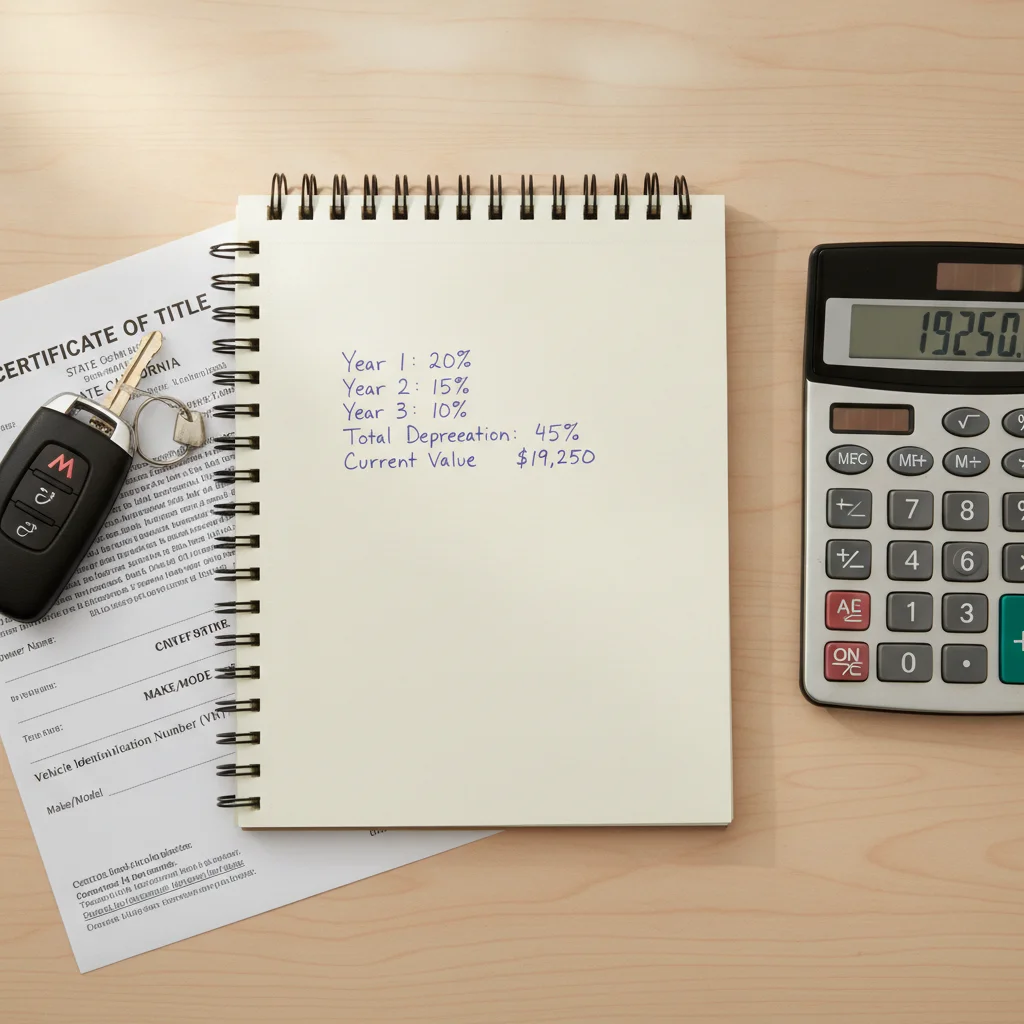
The moment a new car leaves the dealership lot, its value drops — and it does so sharply. Industry data consistently shows that the average new vehicle loses somewhere between 15% and 25% of its purchase price within the first twelve months of ownership. By the end of year three, total depreciation often reaches 40% or more of the original MSRP.
To put that in concrete terms: buy a new sedan for $38,000 today, and it may be worth only $22,800 three years from now. That $15,200 difference isn't a fee you pay the dealer — it's a cost you absorb silently through ownership. New car depreciation works against buyers from day one, and most people dramatically underestimate how steep that curve really is.
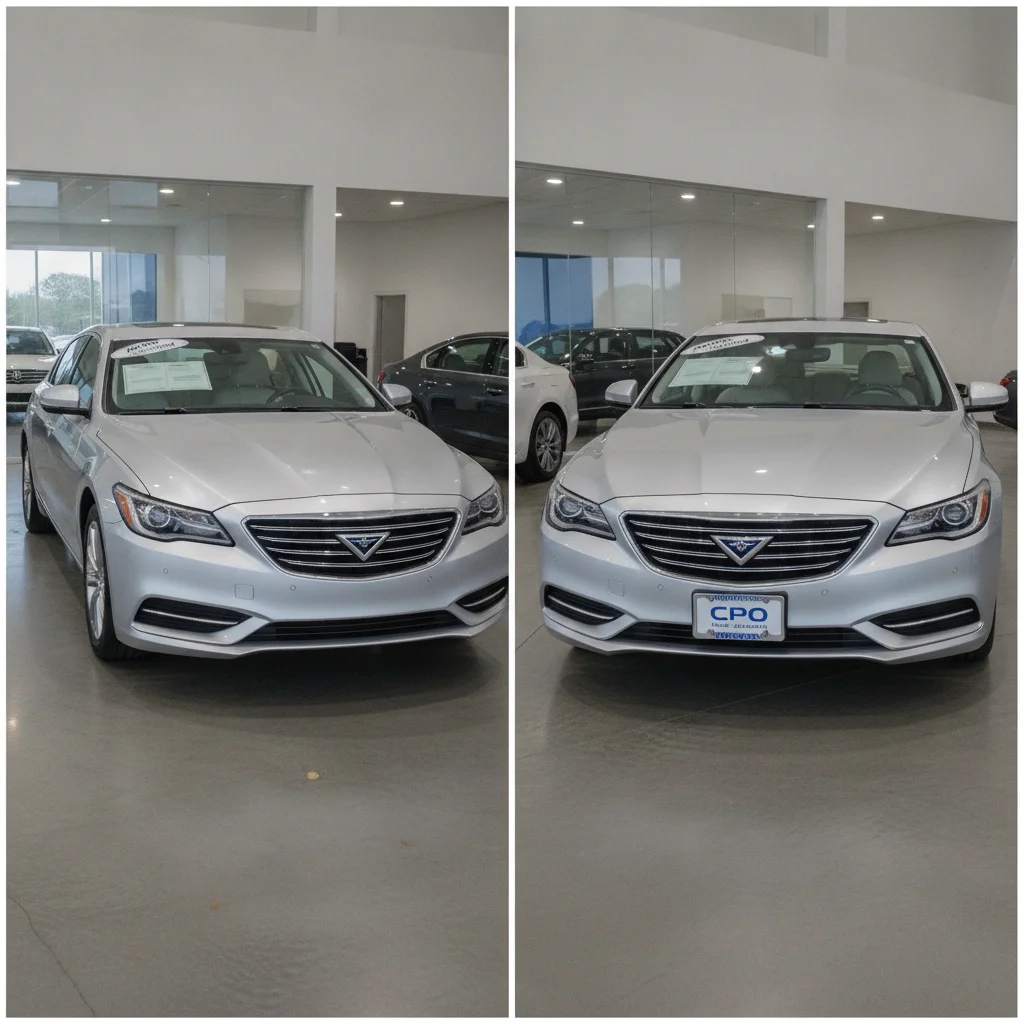
This is precisely where Certified Pre-Owned vehicles enter the picture. A CPO car is typically one to four years old, has been returned off a lease or traded in, and has already absorbed the steepest portion of that depreciation curve. When you buy it, someone else has already taken the loss. Your job is to figure out whether the purchase price correctly reflects that advantage — or whether the CPO premium has quietly given it back.
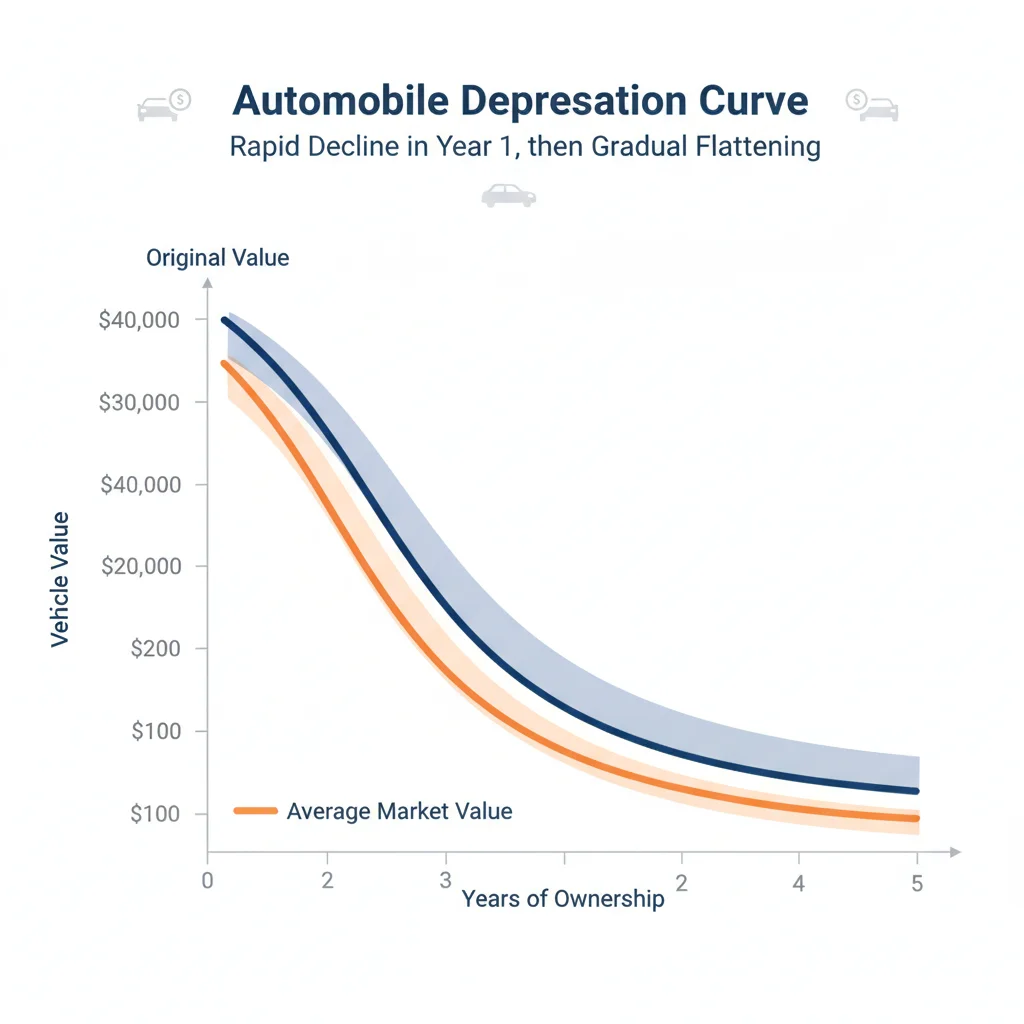
Understanding the math isn't complicated, but it does require looking at a few numbers side by side. Let's build that framework step by step.
How CPO Programs Work — and What You're Actually Paying For
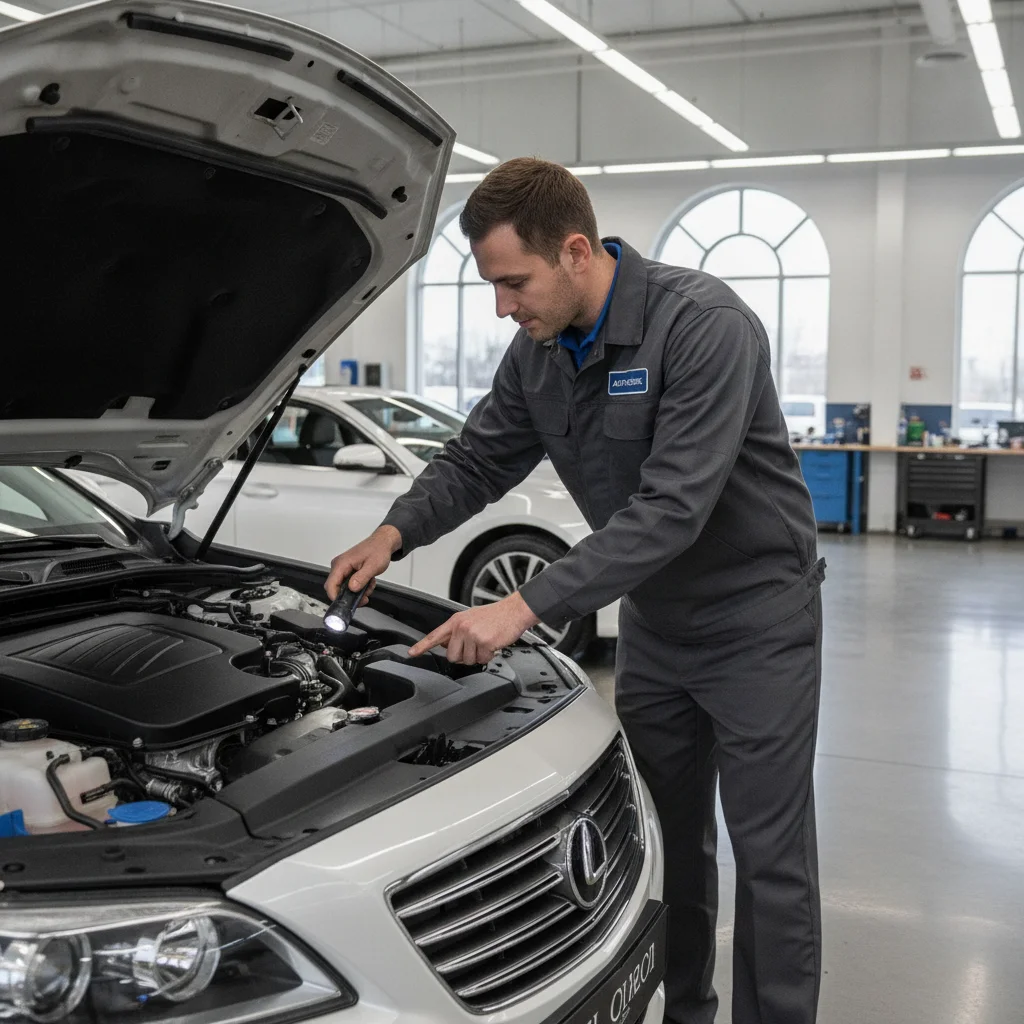
A Certified Pre-Owned vehicle isn't just a used car with a clean title. Manufacturer CPO programs put vehicles through a multi-point inspection — typically 100 to 200 checkpoints — and recondition anything that fails. The vehicle then receives an extended warranty backed by the manufacturer, not a third-party provider.
Here's a quick breakdown of what a standard manufacturer CPO package usually includes:
- Inspection and reconditioning: Only vehicles that meet age and mileage thresholds (commonly under 5 years old and under 60,000–80,000 miles) qualify.
- Powertrain warranty extension: Often adds 1–7 years of powertrain coverage beyond the original factory warranty.
- Comprehensive/bumper-to-bumper coverage: Many programs extend limited comprehensive coverage for 1–2 years.
- Roadside assistance: Included in most manufacturer programs, matching what a new buyer would receive.
- Special financing rates: Manufacturers frequently offer CPO financing that rivals new-car rates — sometimes as low as 1.9% APR on select models.
Use CPO Financing as a Negotiating Lever
Always get a competing rate quote from your bank or credit union before visiting the dealership. If the manufacturer's CPO financing rate is lower, use it — but tell the dealer you have outside financing lined up. This keeps the negotiation focused on the vehicle price rather than letting the dealer build profit into the financing terms. The best deals come from separating the transaction: price first, financing second.
Target the 12- to 36-Month CPO Window
Vehicles returning from two- or three-year leases hit the CPO market at exactly the right time: they've absorbed the steepest depreciation, they're still relatively current in terms of features, and they have substantial warranty coverage remaining. A two-year-old vehicle with 22,000 miles and a CPO warranty is often the single best value proposition in the car market. Prioritize this window when shopping.
That last point — financing — is one of the most overlooked advantages. Used car loans from banks and credit unions typically carry higher rates than new-car loans. A manufacturer CPO program that offers 2.9% APR on a two-year-old vehicle can dramatically improve your monthly payment math compared to financing a similar private-party used car at 7% or 8%.
The flip side: all of these benefits cost money. Dealers price CPO vehicles at a premium above comparable non-certified used cars. The question you need to answer is whether that premium is smaller than the total value of what you're getting.
Running the Numbers: CPO vs. New Side by Side
Let's use a real-world scenario. Suppose you're considering a popular midsize SUV — say, a model with an MSRP of $42,000 new. A two-year-old CPO version of the same trim is listed at $31,500. Here's how the financial picture compares over five years of ownership:
| Factor | New Car | CPO Vehicle (2 Years Old) | |
|---|---|---|---|
| Purchase Price (example) | $42,000 | $31,500 | |
| Year 1 Depreciation | ~$7,500–$9,000 (18–21%) | ~$3,500–$4,500 (11–14%) | |
| Warranty Coverage | Full factory warranty from mile 0 | Extended CPO warranty, 1–7 yrs added | |
| Financing Rate Access | Manufacturer incentive rates (0–2.9%) | CPO rates (1.9–3.9% typical) | |
| Insurance Cost | Higher — gap insurance often required | Moderate — lower ACV reduces premiums | |
| Technology / Features | Latest model year updates | 1–3 year old feature set | |
| Total 5-Yr Depreciation (estimated) | ~$22,000–$25,000 | ~$13,000–$16,000 | |
| CPO Inspection / Recondition | N/A — brand new | Multi-point inspection included |
The depreciation advantage at purchase is $10,500 — you've skipped the steepest part of the curve. But there are real offsets to consider:
- CPO program premium: The CPO vehicle may be priced $1,500–$3,000 above a comparable non-certified used vehicle. That's the cost of the inspection, warranty, and financing access.
- Remaining depreciation: The CPO car still depreciates, just more slowly. A vehicle that's already absorbed its first-year hit depreciates at roughly 10–15% annually going forward, versus 20%+ in year one for a new car.
- Insurance cost difference: New cars typically cost more to insure, especially if the lender requires gap insurance or new car replacement coverage. See our overview of new car replacement coverage for what that adds to the picture.
- Financing cost difference: If the CPO rate matches the new-car rate, this factor is neutral. If the used-car rate is higher, the cost of financing increases total expenditure.
Calculating your car's total depreciation cost across a five-year ownership window is the cleanest way to make this comparison — and it usually lands in the CPO vehicle's favor by a meaningful margin.
20%
Average new car value lost in year one
According to Edmunds and iSeeCars research, the average new vehicle depreciates approximately 20% within its first 12 months of ownership.
40%
Depreciation after three years of ownership
CarFax and Black Book data consistently show that the average new vehicle retains only about 60% of its original value by the end of year three.
$3,000+
Typical CPO premium over non-certified used
Dealer pricing analysis from iSeeCars found CPO vehicles priced an average of $2,500–$3,500 more than comparable non-certified used cars of the same make and model.
2.9%
Common manufacturer CPO financing floor
Major manufacturers including Toyota, Honda, and BMW regularly offer CPO financing as low as 1.9–2.9% APR, often matching or beating new-car promotional rates.
When New Cars Actually Win the Math Battle
CPO vehicles don't automatically win every comparison. There are specific scenarios where buying new makes genuine financial sense — or at least closes the gap enough that lifestyle and preference factors tip the balance.
Manufacturer Incentives Compress the Gap
Automakers regularly offer cash-back incentives, subsidized financing, or lease deals on new models — particularly on outgoing model-year inventory. When a manufacturer is offering 0% APR for 72 months or a $4,000 cash-back deal, the math shifts. You're paying full sticker price, but you're also borrowing money for free or near-free. That changes everything.
Before assuming CPO wins, always check current new-car incentives for the model you're considering. Manufacturers publish these monthly, and they can be substantial.
Technology Gaps That Matter to You
If a model underwent a significant redesign or added meaningful safety tech — automatic emergency braking, improved battery range on an EV, a new driver assistance suite — between the CPO vintage and the current year, the new car may genuinely be worth the depreciation penalty to you. This is especially true if you're keeping the car for eight or more years.
Don't Ignore the Technology Gap on EVs
Electric vehicles are a special case where new-car technology gaps can be material. Battery chemistry, charging speed, and range have improved meaningfully from one model year to the next in many EV lineups. A two-year-old CPO EV might offer 30–50 miles less range than the current model — a difference that affects daily usability. Always compare range, charging infrastructure compatibility, and software update support before applying standard CPO math to an electric vehicle.
Watch for CPO Vehicles Priced Too Close to New
Some dealers list CPO vehicles within 5–10% of the new-car price, essentially charging you for the certification badge while giving you none of the depreciation savings. If the CPO asking price is less than 15% below the new-car out-the-door cost for the same trim, the deal doesn't pencil out. Walk away, or use that data point to negotiate the CPO price down. The market is liquid enough that another comparable CPO unit is usually available within a reasonable radius.
Long-Term Ownership Changes the Equation
Depreciation matters most to buyers who sell or trade within five years. If you're the type who drives a car until it has 200,000 miles, the first-year depreciation loss is spread over so many years that it becomes almost irrelevant. A new car's full warranty coverage from mile one also carries real value in that context — you know exactly what the vehicle has been through because you've been through it with the car.
The CPO Premium: Is It Priced Fairly?
Not every CPO vehicle is priced at a sensible premium. Dealers know that the CPO badge adds perceived value, and some take advantage of that by pricing CPO inventory too close to new-car territory. When that happens, you lose the depreciation advantage and still don't get a new car.
Here's a practical test: for any CPO vehicle you're considering, look up its current market value on two or three pricing tools (Edmunds, KBB, and CarGurus give you a good triangulation). Compare that market value to both the CPO asking price and the new-car MSRP. The CPO vehicle should be priced at least 15–20% below the new-car equivalent to reflect the depreciation it has already absorbed. If the gap is smaller than that, walk away or negotiate.
CPO vehicles versus private-party used cars present another angle worth examining — a non-certified used car from a private seller can offer an even deeper discount, though without the inspection, warranty, or favorable financing.
Use CPO Financing as a Negotiating Lever
Always get a competing rate quote from your bank or credit union before visiting the dealership. If the manufacturer's CPO financing rate is lower, use it — but tell the dealer you have outside financing lined up. This keeps the negotiation focused on the vehicle price rather than letting the dealer build profit into the financing terms. The best deals come from separating the transaction: price first, financing second.
Target the 12- to 36-Month CPO Window
Vehicles returning from two- or three-year leases hit the CPO market at exactly the right time: they've absorbed the steepest depreciation, they're still relatively current in terms of features, and they have substantial warranty coverage remaining. A two-year-old vehicle with 22,000 miles and a CPO warranty is often the single best value proposition in the car market. Prioritize this window when shopping.
Brand and model choice also dramatically affect CPO value. Vehicles with strong resale value — Toyota, Honda, Subaru in the mainstream segment — depreciate more slowly, which means their CPO prices are higher relative to MSRP. You'll pay a steeper premium for a CPO Tacoma than for a CPO domestic full-size truck of the same age. That doesn't make it a bad deal, but it means the depreciation savings are smaller. Our guide to which CPO cars hold their value best digs into this brand-by-brand dynamic in detail.
Luxury CPO: Where the Math Gets Most Compelling
Nowhere is the CPO depreciation argument stronger than in the luxury segment. Luxury vehicles depreciate faster in absolute dollar terms than mainstream models — a $65,000 luxury sedan can easily lose $18,000–$22,000 in its first year. When that vehicle comes off a two-year lease and enters a manufacturer CPO program, a buyer can access near-new quality at a dramatically lower price.
A two-year-old certified luxury sedan that originally sold for $65,000 might be available as a CPO vehicle for $42,000–$46,000. The new version of that same car now has a slightly higher MSRP due to annual price increases. The buyer enters at $20,000 below that price point, often with manufacturer-backed CPO financing, a remaining powertrain warranty, and all the original luxury features intact.
Luxury CPO programs deserve their own analysis because the premium brands — BMW, Mercedes-Benz, Lexus, Audi — tend to run robust certification programs with long warranty extensions. The combination of steep initial depreciation and strong certification programs makes luxury CPO one of the few places in the car market where a buyer genuinely gets near-new quality for a used-car price.

The caveat: luxury vehicles cost more to maintain and repair even under warranty. Know your out-of-pocket exposure on deductibles, and factor in higher insurance costs relative to mainstream alternatives.
A Practical Decision Framework
Rather than relying on gut feeling, run through this checklist before committing to either a CPO or new purchase:
- Calculate the actual price gap. What does the new car cost out-the-door? What does the CPO equivalent cost? Is the gap at least 15–20% of the new-car price?
- Check current new-car incentives. Manufacturer cash back or subsidized financing can close the gap quickly. Compare total cost of financing, not just monthly payment.
- Verify the CPO warranty terms. What does the extended warranty actually cover? What's the deductible? Does it transfer if you sell?
- Assess your ownership timeline. Planning to sell in three years? CPO saves you money. Driving it to 150,000 miles? The calculation shifts toward new.
- Evaluate the model's depreciation profile. High-resale brands reduce your CPO savings but also protect your resale value later. Low-resale brands offer bigger CPO discounts upfront but weaker resale when you exit. Explore the fundamentals of depreciation to understand how model choice affects this calculation.
- Factor in financing rates. Get a quote from your bank or credit union, then compare it to the CPO manufacturer rate and the new-car manufacturer rate. Use whichever is lowest.
Don't Ignore the Technology Gap on EVs
Electric vehicles are a special case where new-car technology gaps can be material. Battery chemistry, charging speed, and range have improved meaningfully from one model year to the next in many EV lineups. A two-year-old CPO EV might offer 30–50 miles less range than the current model — a difference that affects daily usability. Always compare range, charging infrastructure compatibility, and software update support before applying standard CPO math to an electric vehicle.
Watch for CPO Vehicles Priced Too Close to New
Some dealers list CPO vehicles within 5–10% of the new-car price, essentially charging you for the certification badge while giving you none of the depreciation savings. If the CPO asking price is less than 15% below the new-car out-the-door cost for the same trim, the deal doesn't pencil out. Walk away, or use that data point to negotiate the CPO price down. The market is liquid enough that another comparable CPO unit is usually available within a reasonable radius.
If the CPO vehicle passes all six of those checkpoints favorably, it almost certainly delivers better value than buying new. If two or three of those factors flip toward the new-car side, the decision becomes much more contextual — and worth spending more time on before you sign.
For a deeper look at how the age, mileage, and condition affect vehicle value over time, our depreciation basics hub walks through each factor systematically.

All claims are backed by peer-reviewed research. Sources on request.