Key Takeaways
Trade-In Appraisal
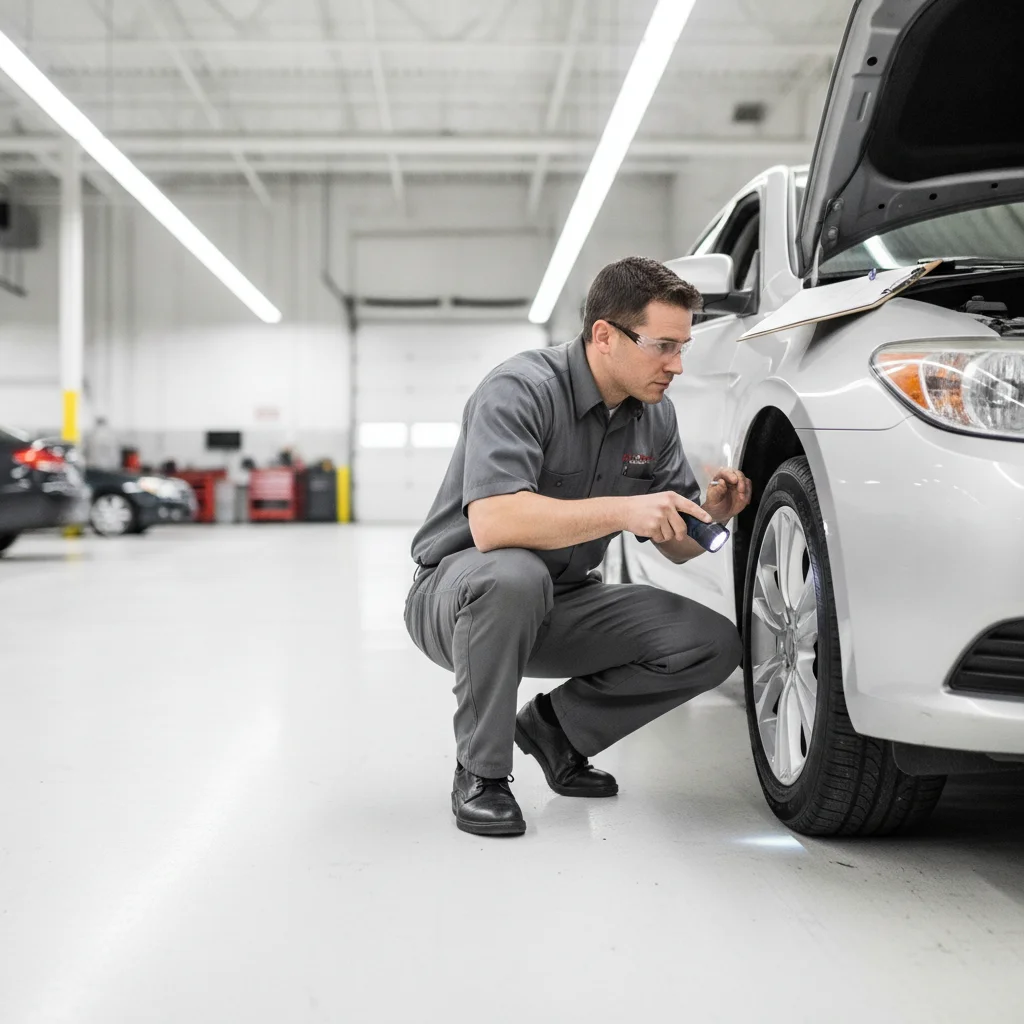
A trade-in appraisal is the process a dealer uses to determine how much they'll pay you for your current vehicle when you're buying a new one. The appraiser considers dozens of variables — not just make, model, and year — to arrive at a number that maximizes the dealer's profit margin on resale. Understanding what drives that number is the first step to negotiating a better deal.
Dealers typically reference wholesale auction data, local market inventory levels, and reconditioning cost estimates when building an appraisal — not just consumer-facing tools like Kelley Blue Book.
Why the Dealer's Appraisal Math Is Not What You Think
Most sellers walk into a dealer expecting the appraisal to mirror what they saw on Kelley Blue Book. It almost never does. That gap isn't a mistake — it's intentional. Dealers use your trade-in as a profit center, and the appraisal process is engineered to extract margin at every step.
The appraiser isn't just estimating what your car is worth. They're calculating what it will cost to make your car retail-ready, how long it might sit on the lot, and what they'd net if they sold it at auction instead. Every one of those variables becomes a deduction from your offer.
Understanding the specific factors appraisers weigh — mileage, condition, and color chief among them — lets you anticipate the deductions before they happen and walk in with realistic expectations and counteroffer data. See how the full picture comes together in The Hidden Math Behind Your Trade-In Offer.

How Mileage Affects Your Trade-In Offer
Mileage is the most visible and heavily weighted variable in any trade-in appraisal. Dealers use mileage as a proxy for wear, remaining powertrain life, and how easily they can sell the car at retail. The higher the odometer, the lower their confidence — and the lower your offer.
The 12,000-Mile Annual Benchmark
Dealers and valuation tools treat 12,000 miles per year as the standard benchmark. If your car falls below that average, you may see a modest premium. Exceed it, and deductions start accumulating. A vehicle with 90,000 miles on a five-year-old car is already 30,000 miles above average — that spread alone can cost you $1,500 to $3,000 depending on the make and model.
$1,500–$3,000
Value lost per 30,000 excess miles
Based on typical per-mile deductions applied by franchise dealers on common midsize vehicles, varying by make and market conditions.
12,000
Average annual miles used as dealer benchmark
Kelley Blue Book and most dealer appraisal systems treat 12,000 miles per year as the baseline for assessing mileage adjustment.
10–25%
Trade-in value reduction for accident history
Industry estimates suggest even a single reported accident can reduce resale and trade-in value by 10–25%, depending on severity and vehicle segment.
~$1,000
Potential color penalty on unpopular shades
iSeeCars and similar market research indicate that vehicles in low-demand colors can trade at $500–$1,200 below comparable neutral-colored units.
The 100K Threshold
Six-figure odometers trigger a meaningful shift in dealer behavior. Below 100,000 miles, most dealers will plan to retail your car on their lot. Above it, they start calculating whether the car makes more sense at auction. Auction cars are acquired at lower prices, which means their offer to you drops significantly. If you're approaching 100,000 miles and planning to trade in, doing so sooner rather than later has real financial value.
For a detailed look at what happens when you're already past that point, Trading In a High-Mileage Car: What to Expect walks through dealer behavior and how to set realistic expectations.
Mileage vs. Age
A four-year-old car with 80,000 miles will almost always get a worse offer than a four-year-old car with 40,000 miles, even if both are in identical condition. But a ten-year-old car with only 60,000 miles may not command the premium you'd expect — age creates its own depreciation curve independent of the odometer. Dealers price both dimensions simultaneously.
Time Your Trade-In Before Key Mileage Thresholds
If your vehicle is approaching 100,000 miles, trading in before you cross that line has measurable financial value. The same logic applies to 60,000-mile service intervals — a car that just had a major service completed is easier for a dealer to retail than one facing an imminent service bill. Plan your timing around these thresholds, not just your purchase calendar.
How Condition Determines Whether You Get a Retail or Wholesale Offer
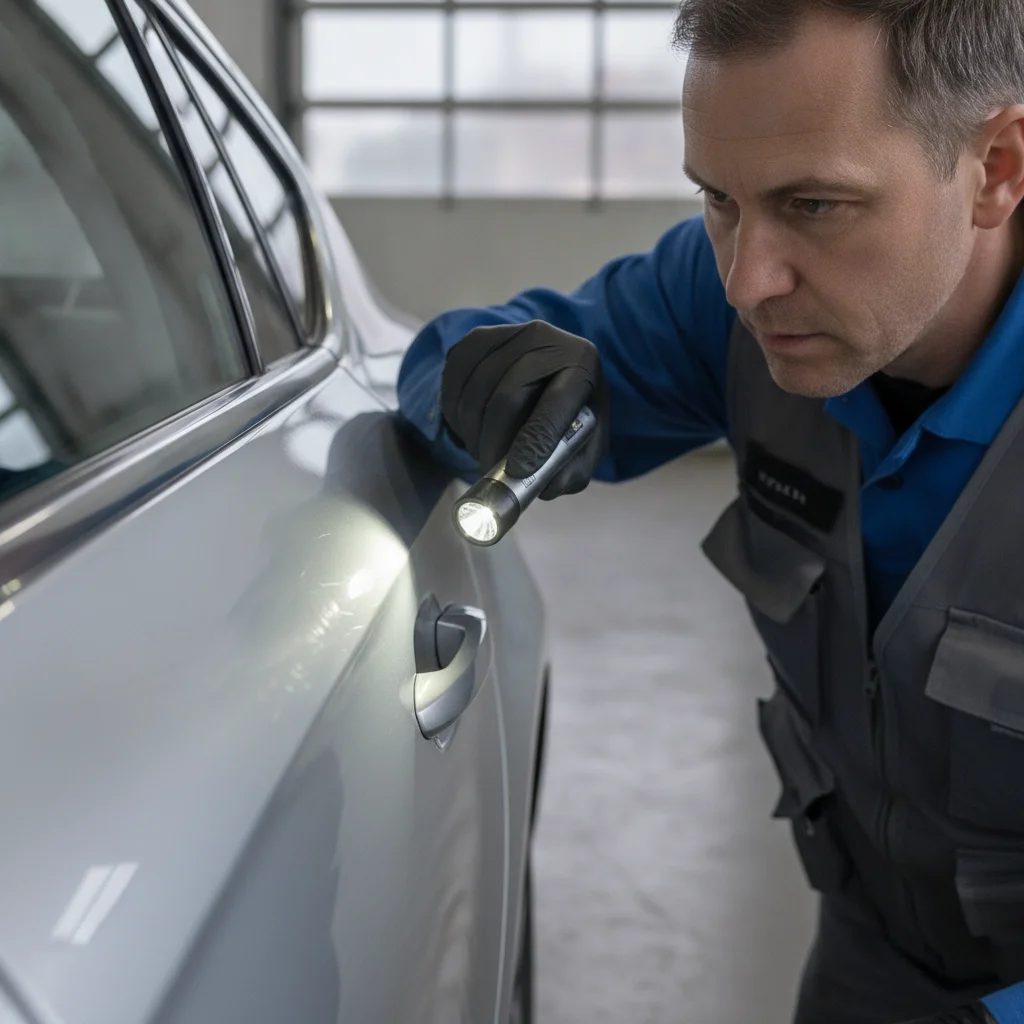
Condition is the variable with the most room for seller influence — and the most room for dealer manipulation. Here's the key mechanic: dealers price in their reconditioning costs before making you an offer. Every scratch, stain, worn tire, or dashboard warning light becomes a line item deduction. The worse the condition, the more they pad that estimate.
The Four Condition Tiers
Most appraisal systems use a four-tier scale: Excellent, Good, Fair, and Poor. Very few vehicles qualify as Excellent — that designation typically requires near-flawless paint, an immaculate interior, no mechanical issues, and service records. Most private sellers overestimate their car by at least one grade.
- Excellent: Minimal wear, no paint defects, all mechanical systems functioning perfectly. Dealers will retail these cars with minimal reconditioning.
- Good: Normal wear, minor surface scratches, tires with reasonable life left. This is where most well-maintained vehicles land.
- Fair: Visible paint chips, worn interior, tires needing replacement, possibly a minor mechanical issue. Dealers build significant reconditioning costs into the offer.
- Poor: Structural damage, major mechanical problems, or high deferred maintenance. Most dealers will only acquire these for auction or as parts candidates.
Know what dealers actually look for during a trade-in inspection before you show up — being surprised by their findings weakens your negotiating position.
Reconditioning Costs Are Inflated by Default
Here's what I saw routinely when I worked in dealer finance: appraisers don't estimate reconditioning costs at their actual price. They estimate at retail detail and body shop rates, with a cushion built in. A bumper scuff you could fix for $300 at an independent shop might become a $600 reconditioning line item in the dealer's appraisal. This is a structural negotiating lever — and it's worth pushing back on.
Reconditioning Estimates Are Negotiable
If a dealer quotes specific reconditioning deductions — body work, tires, detail costs — ask to see the itemized breakdown. You can counter with independent shop estimates for the same work. Dealers rarely expect pushback on this, which means there's often room to recover $300–$600 simply by questioning the line items. This is especially effective when combined with competing trade-in offers.
Online Appraisals Are a Starting Point, Not the Final Word
Tools like KBB Instant Cash Offer and Edmunds generate useful benchmarks, but they're based on self-reported condition and unverified mileage. In-person appraisals often differ because inspectors apply their own condition grade — typically more conservative than the seller's self-assessment. Use online estimates to set your floor, but expect some variance at the dealership.
Mechanical Issues Are Disproportionately Punished
An illuminated check engine light is a magnifier for every other deduction. Dealers assume worst-case repair costs for any unresolved code, and they apply that assumption to the entire offer — not just the repair. Clearing a legitimate, inexpensive fix before the appraisal (a loose gas cap, for instance) can be worth far more than the repair cost in trade-in value recovered.
The Underrated Role of Color in Trade-In Valuation
Color is the variable most sellers dismiss — and most appraisers silently use against you. It's real, it's measurable, and it compounds across the life of your vehicle ownership. A car in an unpopular color spends more days on the lot, which costs the dealer carrying expense. That cost gets deducted from your offer.
“Color is the last thing buyers think about when they buy, and the first thing dealers think about when they appraise. The market for unusual colors is thin, and thin markets mean lower prices.”
— Zo Rahim, Automotive market analyst and used vehicle pricing researcher
Which Colors Hold Value Best
White, black, silver, and gray account for the vast majority of new car sales — and for good reason. These neutral colors retain strong resale demand because they appeal to the broadest buyer pool. According to iSeeCars data, white vehicles depreciate at a measurably slower rate than less common colors. Car Color and Resale Value: What the Data Actually Shows goes deeper on the depreciation curves by color category.
The Colors That Hurt You Most
Yellow, orange, purple, and certain green shades consistently show up at the bottom of resale value rankings — with one notable exception. Yellow and orange perform well on sports cars and performance vehicles where those colors align with buyer expectations. On a midsize sedan or SUV, the same color becomes a liability. The appraiser knows this, even if they don't say it out loud.
How Color Intersects with Market
Color preferences also vary by region. White and silver dominate in Sun Belt states; darker colors sell faster in cooler climates. Dealers appraise your car for their local market — not national averages. If you're in a market where your car's color is already overrepresented in local inventory, the hit compounds. This is one reason why less-obvious factors quietly tank trade-in value — they're structural and invisible unless you know to look for them.
How to Use These Variables to Negotiate a Better Offer
Knowing how appraisers weight mileage, condition, and color doesn't just help you understand a low offer — it gives you a framework to push back. Here's the approach that actually works.
Come In with Benchmark Data
Before you walk into any dealer, pull your vehicle's trade-in value from at least three sources: KBB Instant Cash Offer, Edmunds True Market Value, and a CarMax or Carvana quote if available. These are real offers (or near-offers) with real expiration dates, and they represent the floor below which no dealer should go without a documented reason. The valuation tools hub covers how each platform calculates its numbers.
Address Controllable Condition Issues First
Not everything is worth fixing before a trade-in. But a professional detail ($150–$250) almost always pays for itself in a higher offer. Small cosmetic repairs — bumper clips, cracked interior trim, burned-out lights — cost little but signal neglect when left unaddressed. Resolve any check engine codes with straightforward fixes. Bring service records. These steps shift the appraiser's condition grade upward, which cascades across every other line item.
Get Competing Offers Before Negotiating
Instant offer platforms have created real competition in the trade-in market. A CarMax or Carvana quote is a bona fide offer with a seven-day window, and walking into a dealer with one in hand changes the dynamic. Dealers know they're competing. Compare the variables these platforms weight differently — how instant offer algorithms weigh mileage, condition, and trim — to understand where you might fare better outside a traditional dealer.
Separate the Trade-In from the New Car Deal
This is the single most important tactic I'd give any seller: negotiate your trade-in value as a standalone transaction before you discuss what you're buying. The moment both deals are on the table simultaneously, the dealer has room to give with one hand and take with the other. Lock in your trade-in number first, then start the purchase negotiation. How key vehicle variables shift your valuation number gives you the data to hold that number under pressure.


All claims are backed by peer-reviewed research. Sources on request.