Key Takeaways
Color and Resale Value
A vehicle's exterior color measurably affects how quickly it loses value over time. Colors with broad buyer appeal — like white, silver, and gray — tend to depreciate more slowly because demand stays high. Unusual or polarizing colors can shrink your pool of interested buyers, which forces sellers to accept lower prices.
Depreciation impact from color is typically measured in percentage points of retained value at 1-, 3-, and 5-year intervals, with some analysis tools isolating color as a variable after controlling for mileage, trim, and region.
Why Color Shows Up in Depreciation Data
Most people know that mileage hammers a car's value and that condition matters — but color? That one surprises a lot of folks. Here's the simple reason it shows up in the numbers: resale value is a supply-and-demand equation. A car with a color that only 5% of buyers want sits on the lot longer. Dealers discount it to move it. Private sellers drop their price to find that one buyer who doesn't mind. Repeat that pattern across thousands of transactions and you've got a measurable depreciation gap.
iSeeCars has published annual color depreciation studies for years, analyzing millions of used car transactions. Their data isolates color as a variable after controlling for make, model, mileage, trim, and age. The spread between the best-performing and worst-performing colors can run 10 percentage points or more at the three-year mark — though that gap narrows considerably when you control for vehicle segment. In other words, some of what looks like a color effect is actually a segment effect (sports cars in flashy colors vs. sedans in boring colors).
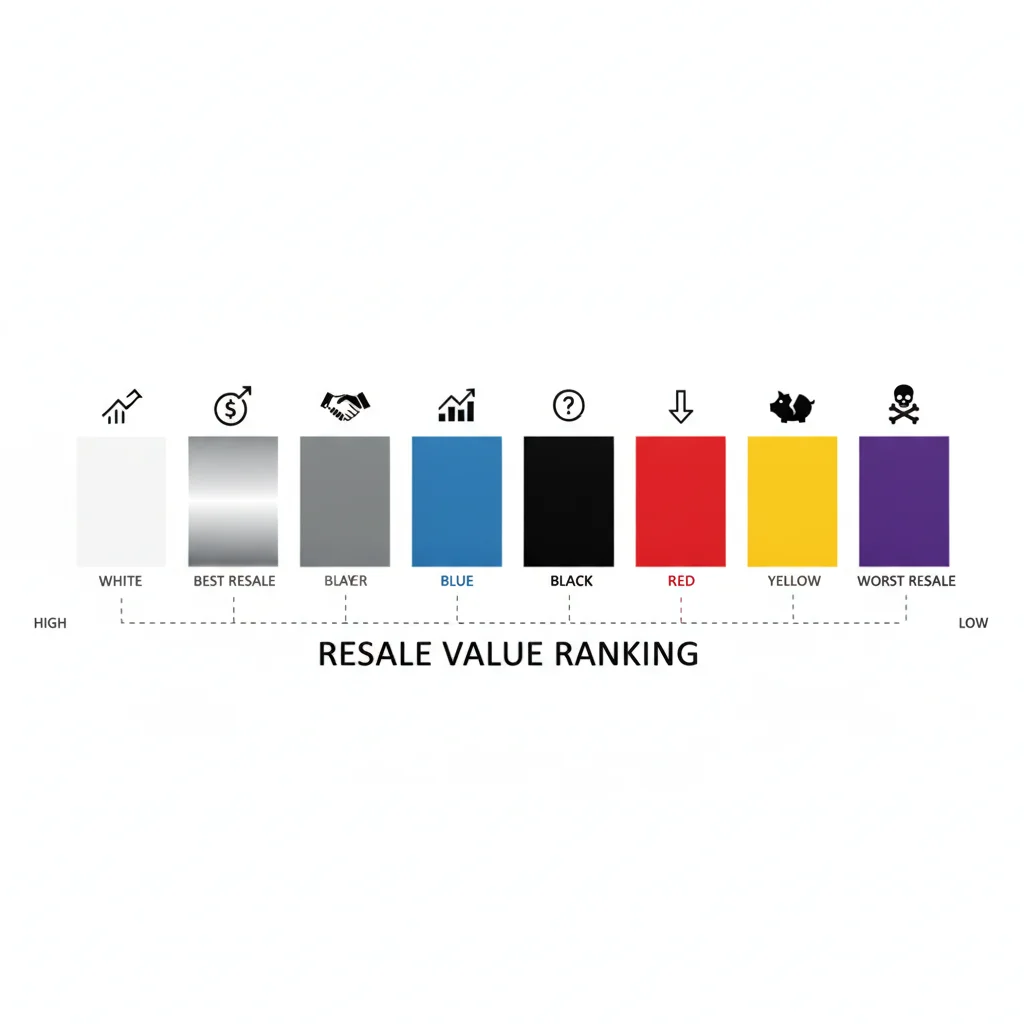
The practical upshot: color is a real factor, just not the dominant one. Think of it as a modifier that sits on top of your car's baseline depreciation rate. Understanding depreciation basics helps you see how color fits into the bigger picture of what drives value down over time.
Color Impact Varies by Vehicle Age
Color's depreciation effect is most pronounced in the first three to five years of a vehicle's life, when private and dealer buyers are most active and comparison shopping is intense. On vehicles over seven to ten years old, color becomes far less significant — mechanical condition, service records, and basic functionality dominate buyer decisions at that stage.
Rare Colors on Collectors Are Different
Factory-original rare colors on classic or collector vehicles can add significant value — sometimes substantially above book. This is a completely different dynamic from the mainstream used car market. If you have a collector car in an original factory color documented by build sheet or window sticker, consult a specialty appraiser rather than standard valuation tools.
Timing Still Beats Color Strategy
Selling a vehicle in the right market conditions can recoup far more than picking the ideal color at purchase. Truck values spike after natural disasters, SUV demand surges in fall, and convertibles sell faster in spring. If you're optimizing for exit value, watch the market cycle as closely as you watch the color choice.
The Colors That Hold Value Best — and Why
Let's go through what the data actually shows, segment by segment.
White, Silver, and Gray
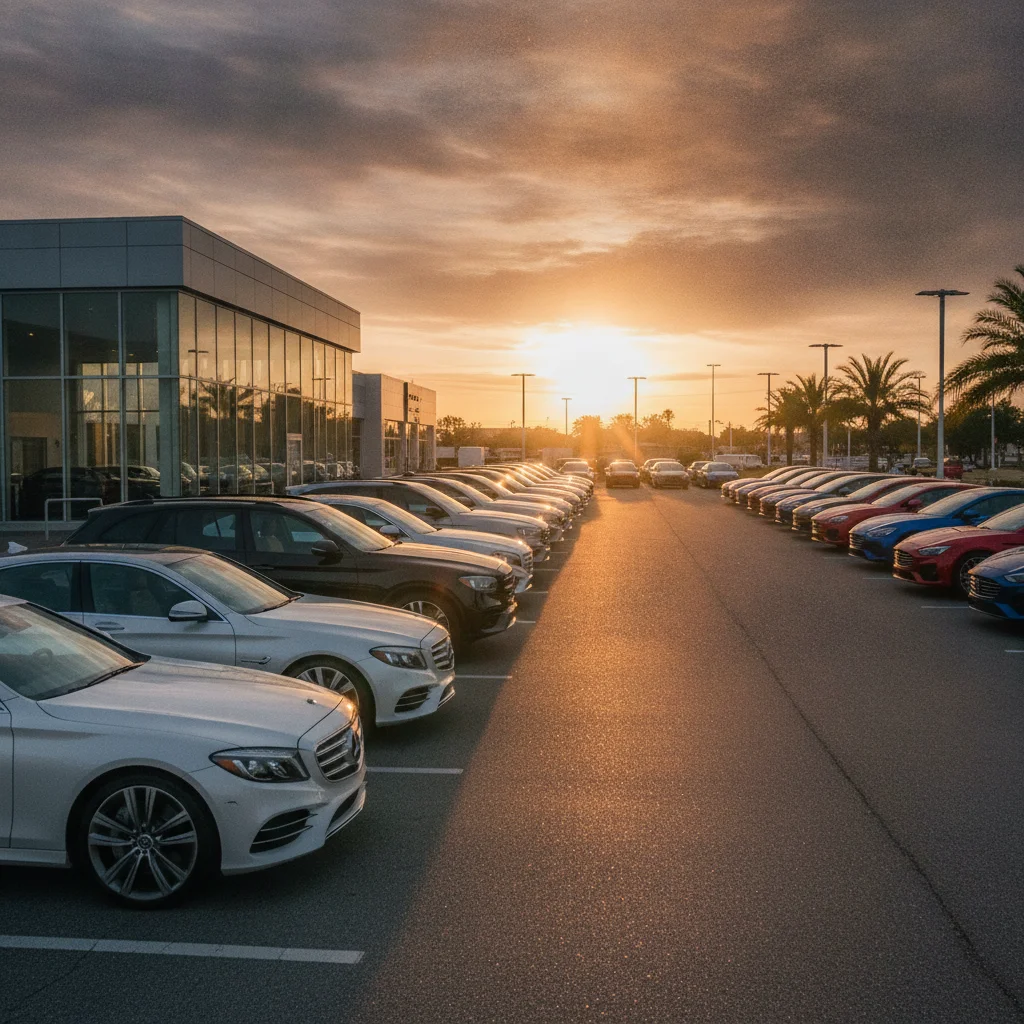
These three account for roughly 60–70% of all new vehicles sold in the U.S. That popularity is self-reinforcing: high sales volume means high used-market supply and demand, which means liquidity. When it's easy to find a buyer, sellers don't have to discount. White in particular performs consistently well on trucks, SUVs, and family crossovers — segments where fleet buyers, contractors, and resellers are active purchasers who care nothing about color personality.
Black
Black looks premium and holds up well on luxury and sports vehicles. On mainstream cars, it's a middling performer — popular enough to sell, but the swirl-mark maintenance issue makes some buyers wary on older examples. Black tends to rank just below white and silver in most studies but still outperforms the low end of the spectrum significantly.
Yellow and Orange
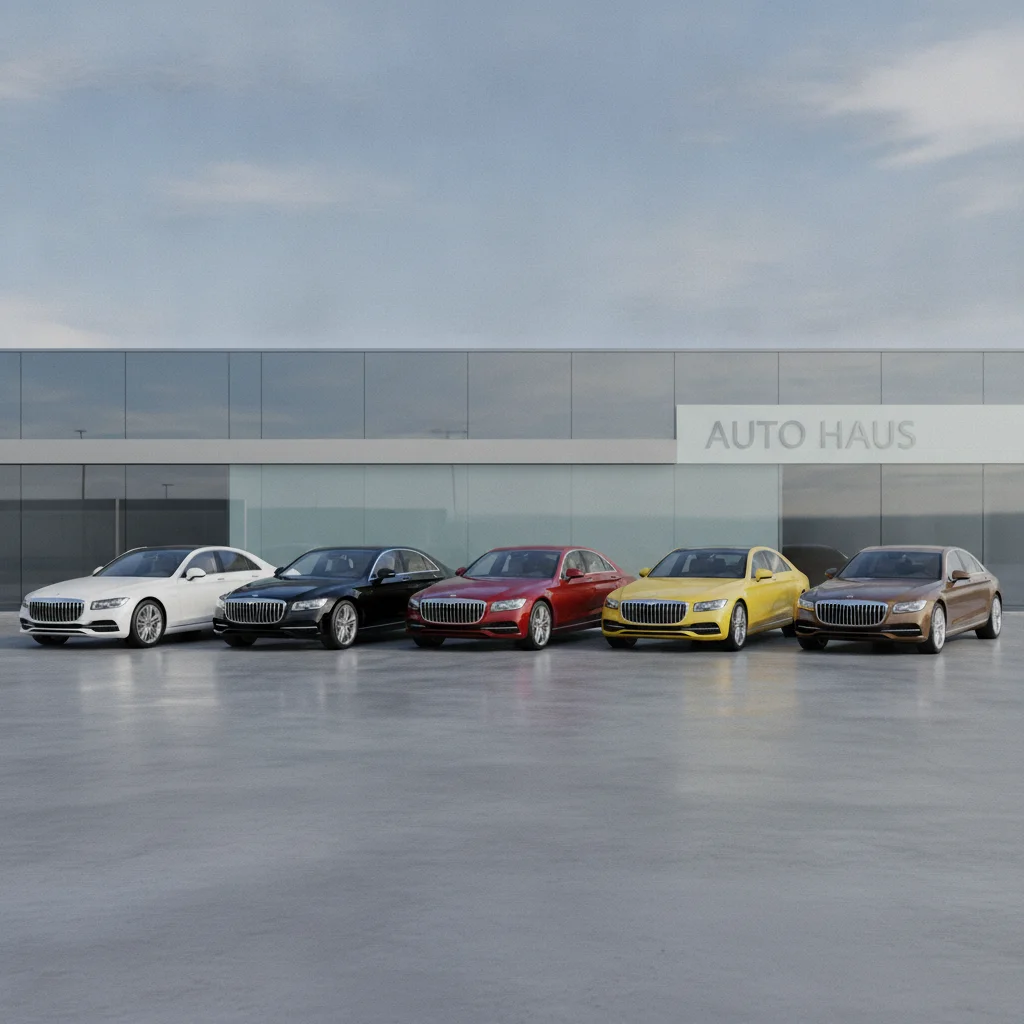
Here's the exception that trips people up: on sports cars and performance SUVs, yellow and orange can actually outperform average retained value. Why? Because buyers seeking a Camaro SS or a Jeep Wrangler are looking for personality. The color is part of the product. But drop that same orange onto a Nissan Altima and it's a liability.
~60–70%
U.S. new car sales in white, silver, or gray
Industry sales mix data consistently shows neutral colors dominating American new vehicle purchases, which sustains high used-market demand for these colors.
1–5%
Resale value difference linked to color
iSeeCars and NADA analyses estimate color accounts for roughly 1–5 percentage points of retained value difference at the three-year mark, after controlling for mileage and trim.
$700–$2,200
Dollar value of color depreciation gap
On vehicles priced $25,000–$55,000 new, a 3–4 percentage point depreciation gap at three years translates to roughly $700–$2,200 in real sale price difference.
3–5%
Trade-in discount for unpopular colors
Dealer appraisers routinely reduce offers by an estimated 3–5% for difficult-to-resell colors, reflecting anticipated carrying time and potential auction discounting.
Top 3
White's consistent rank in retained value studies
iSeeCars annual depreciation reports have placed white in the top three best-performing colors for retained value across multiple vehicle categories for several consecutive years.
Blue
Blue is generally a safe middle-ground choice — not as universally popular as white or silver, but it sells without major discounts in most regions. Navy and dark blue tend to perform better than bright blue on mainstream vehicles.
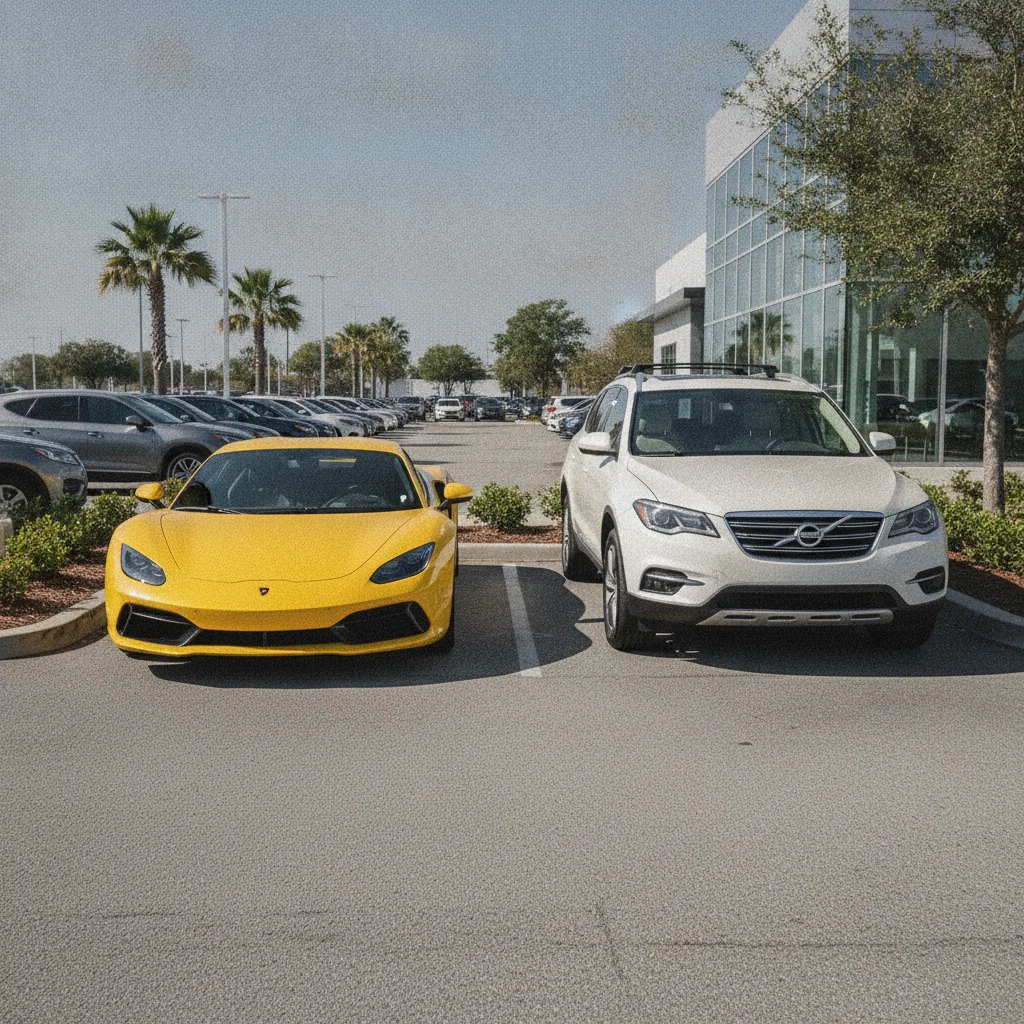
For a deeper look at which specific shades move the needle most, the full color depreciation breakdown covers the data by segment.
Stick to the Top Four for Safe Resale
If maximum resale value is a priority, pick from white, silver, gray, or black. These four colors cover the vast majority of buyer preferences in virtually every U.S. market and vehicle segment. You're unlikely to face a color penalty at trade-in or private sale with any of them.
Check Local Listings Before You List
Before setting your asking price, search your city's listings for the same make, model, and color. If there are five identical vehicles already listed and two have been sitting for 90+ days, your color has a local supply problem. Price accordingly or consider a private-sale-only approach to avoid the dealer discount.
The Colors That Hurt Resale Value
The underperformers share one trait: they appeal to a small, specific audience. When that audience isn't in the market when you're selling, you wait — or you cut the price.
- Purple: Consistently one of the worst-performing colors in resale data. Buyer pool is tiny, and it's rarely flattering on mainstream vehicles.
- Gold: Was more fashionable in the late 1990s and early 2000s. Now reads as dated on older vehicles and unusual on new ones.
- Green: Depends heavily on the shade. Dark forest green on a truck can hold up reasonably well; bright green on a sedan does not.
- Brown: Brown and tan interiors have made a comeback in luxury vehicles, but brown exteriors are tough to move in most markets. The exception is certain trucks and SUVs in the Southwest where earth tones have stronger cultural resonance.
Worth noting: these colors represent a small fraction of total new vehicle sales, which means the used-market supply is also thin. Thin supply can theoretically support prices — but in practice, thin demand wins that battle almost every time.
“Color is a legitimate factor in used vehicle pricing, but buyers often overweight it psychologically. The data shows it matters — just not as much as condition, mileage, or market timing.”
— Ivan Drury, Director of Insights at Edmunds
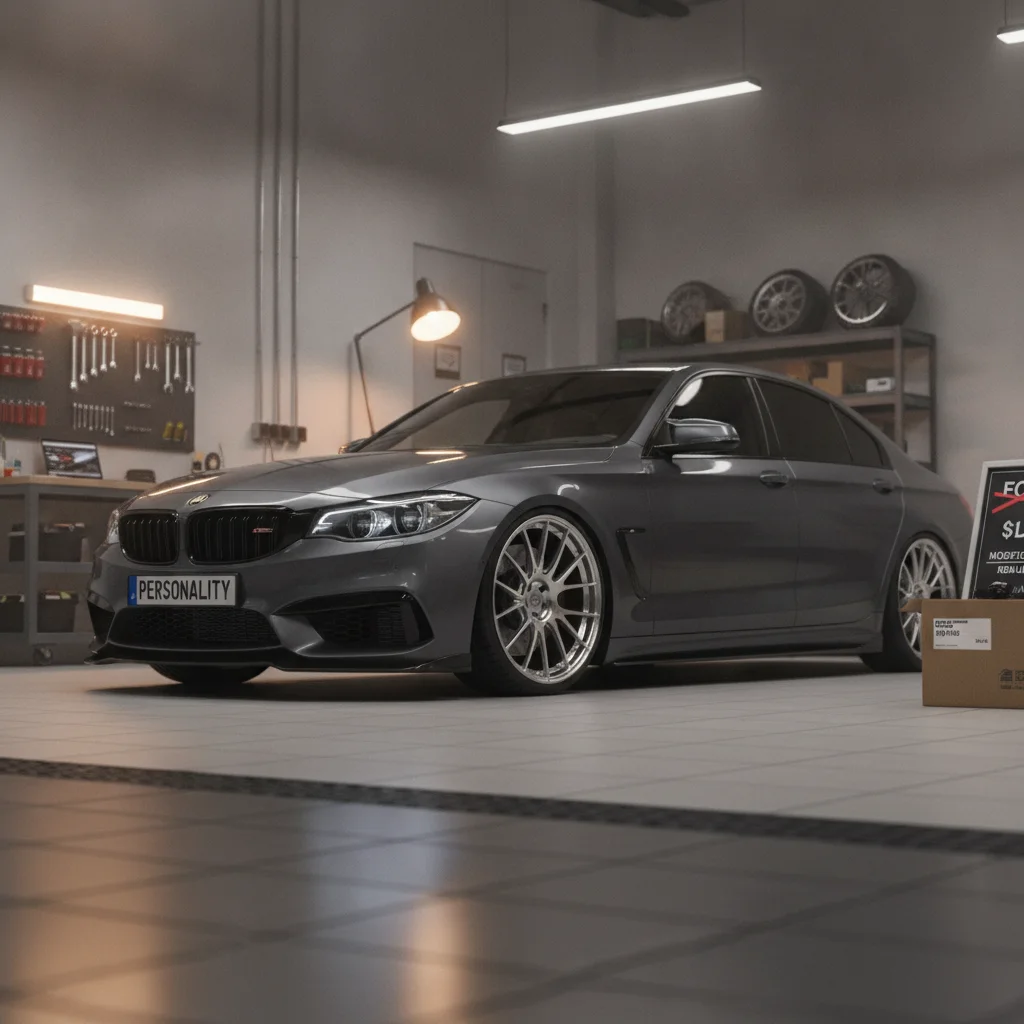
One practical consideration: if you buy a car in an unusual color because you love it, that's a legitimate choice. Just go in knowing you'll likely face a tighter buyer pool and possibly a softer price when it's time to sell. Aftermarket modifications follow a similar logic — the things that express your personality often subtract value rather than add it.
Color Impact Varies by Vehicle Age
Color's depreciation effect is most pronounced in the first three to five years of a vehicle's life, when private and dealer buyers are most active and comparison shopping is intense. On vehicles over seven to ten years old, color becomes far less significant — mechanical condition, service records, and basic functionality dominate buyer decisions at that stage.
Rare Colors on Collectors Are Different
Factory-original rare colors on classic or collector vehicles can add significant value — sometimes substantially above book. This is a completely different dynamic from the mainstream used car market. If you have a collector car in an original factory color documented by build sheet or window sticker, consult a specialty appraiser rather than standard valuation tools.
Timing Still Beats Color Strategy
Selling a vehicle in the right market conditions can recoup far more than picking the ideal color at purchase. Truck values spike after natural disasters, SUV demand surges in fall, and convertibles sell faster in spring. If you're optimizing for exit value, watch the market cycle as closely as you watch the color choice.
How Much Money Are We Actually Talking About?
This is the question that matters most for practical decision-making. Color depreciation gets talked about in percentage terms, but let's put real dollars on it.
Take a $35,000 midsize SUV. At three years old with average mileage, it might retain about 58% of its value in a popular color like white — that's roughly $20,300. The same vehicle in a less popular color might retain 54–56%, or about $18,900–$19,600. That's a gap of $700–$1,400 at the three-year mark.
On a $55,000 luxury sedan, the same percentage gap becomes $1,100–$2,200. On a $25,000 economy sedan, it might be $500–$900.
Those aren't trivial numbers, but they're also not the dominant value driver. Keeping your car in clean mechanical condition, managing mileage sensibly, and selling before the odometer hits a psychological threshold (75K, 100K miles) will matter more than whether you picked silver or blue.
For a full picture of how color interacts with mileage and trim in valuation tools, check out how mileage, trim, and color move your valuation number. It's worth running the numbers yourself before you price a vehicle to sell.
Regional Variation: Your Market Changes the Math
National averages are useful, but your local market is what actually determines what you get paid. Color preferences shift meaningfully by region.
Sunbelt and Southwest
White dominates for a practical reason — it reflects heat. White trucks and SUVs are bought by contractors, ranchers, and outdoor workers who care about utility, not aesthetics. Earth tones like tan, brown, and olive perform better here than in any other region of the country.
Pacific Coast
White and silver lead, as they do nationally, but you'll find stronger demand for blue and distinctive colors in urban markets like Los Angeles and Seattle, where used car buyers skew younger and are willing to pay a slight premium for personality.
Northeast and Midwest
Silver and gray tend to lead here, particularly in states with harsh winters. Buyers in these markets gravitate toward neutral, practical colors, and trucks in white or silver move quickly in all seasons.
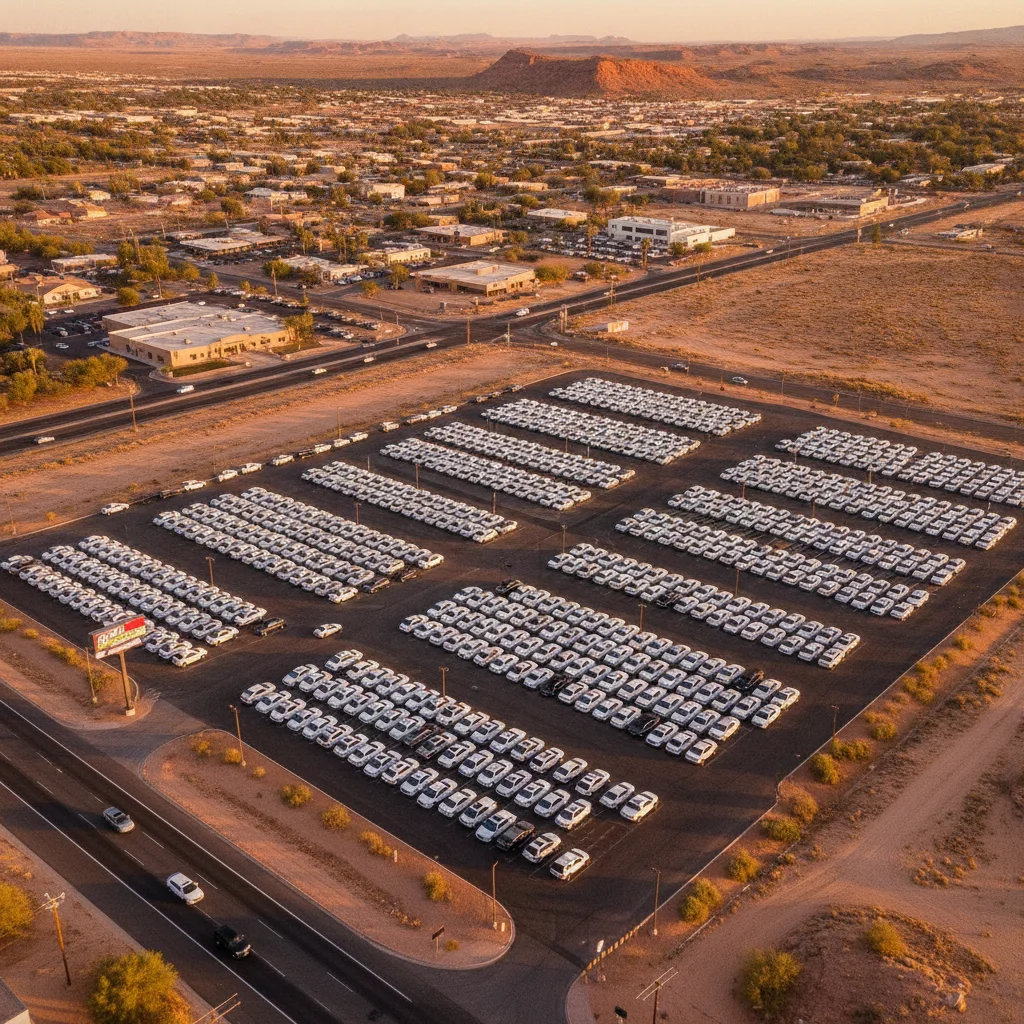
The regional nuance is a real reason to check local listings before you buy or sell. If you're in Phoenix and you find a brown Tacoma, it may actually have reasonable demand. That same truck in Boston sits longer.
Stick to the Top Four for Safe Resale
If maximum resale value is a priority, pick from white, silver, gray, or black. These four colors cover the vast majority of buyer preferences in virtually every U.S. market and vehicle segment. You're unlikely to face a color penalty at trade-in or private sale with any of them.
Check Local Listings Before You List
Before setting your asking price, search your city's listings for the same make, model, and color. If there are five identical vehicles already listed and two have been sitting for 90+ days, your color has a local supply problem. Price accordingly or consider a private-sale-only approach to avoid the dealer discount.
Color at the Dealership: Trade-Ins and Private Sales
The color impact shows up differently depending on how you sell.
Trade-Ins
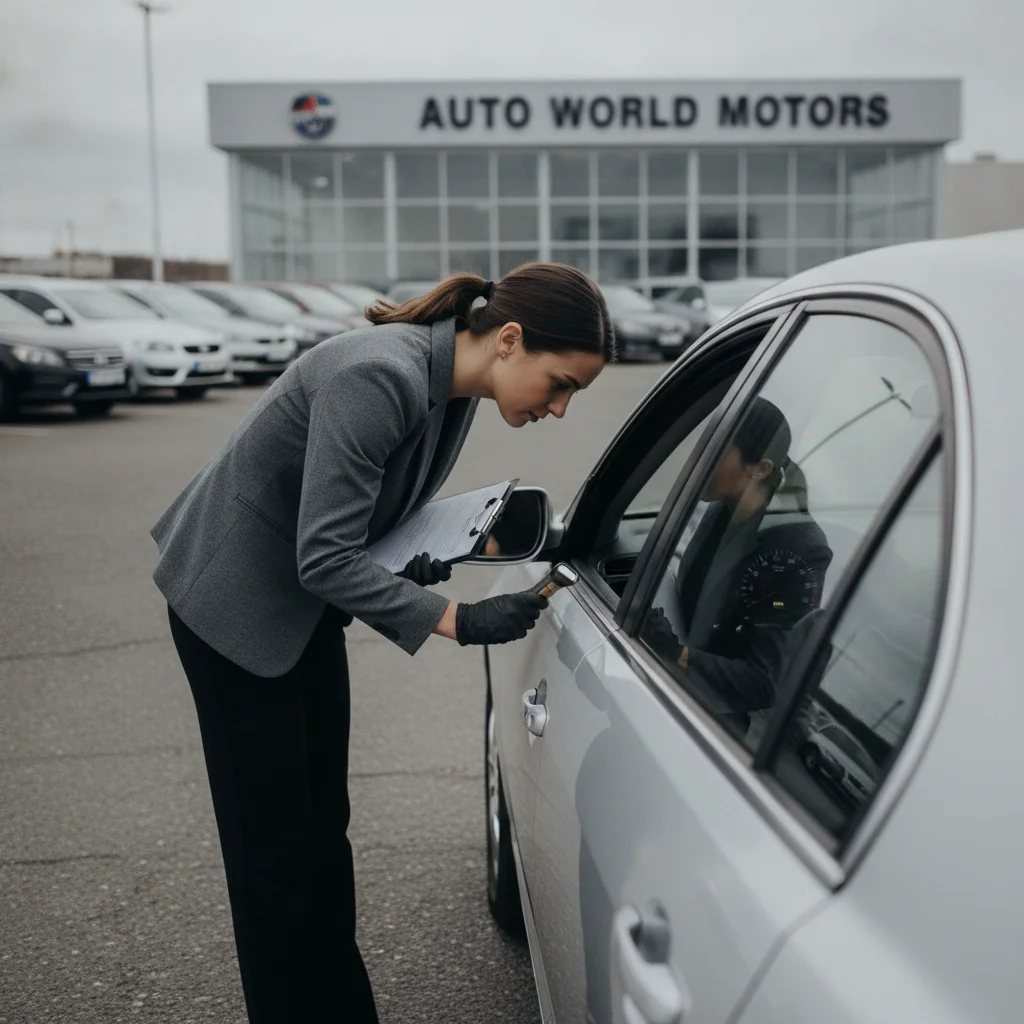
Dealers appraise your trade-in knowing they have to resell it — either on their own lot or at auction. An appraiser who sees an unusual color mentally models: how long will this sit? What discount will I need to move it? That carrying cost comes directly off your offer. Studies and anecdotal evidence from appraisers consistently put the color penalty in the 3–5% range for difficult colors. On a $20,000 car, that's $600–$1,000 quietly subtracted from your offer. Our trade-in appraisal guide breaks down exactly how appraisers weigh each factor.
Private Sales
Private sales give you access to the full buyer pool, including enthusiasts who specifically want your unusual color. A privately sold bright yellow muscle car can actually command a premium over book value if you're patient and market it correctly — because you're not selling to a dealer who has to cover auction and lot costs, you're selling directly to the guy who's been looking for that exact color for six months.
The patience factor is key. Private sales of unusual-colored vehicles take longer. If you're on a timeline — moving, buying another car, facing a financial deadline — the time cost of finding that niche buyer can eat up the price premium you were hoping for.
Color Impact Varies by Vehicle Age
Color's depreciation effect is most pronounced in the first three to five years of a vehicle's life, when private and dealer buyers are most active and comparison shopping is intense. On vehicles over seven to ten years old, color becomes far less significant — mechanical condition, service records, and basic functionality dominate buyer decisions at that stage.
Rare Colors on Collectors Are Different
Factory-original rare colors on classic or collector vehicles can add significant value — sometimes substantially above book. This is a completely different dynamic from the mainstream used car market. If you have a collector car in an original factory color documented by build sheet or window sticker, consult a specialty appraiser rather than standard valuation tools.
Timing Still Beats Color Strategy
Selling a vehicle in the right market conditions can recoup far more than picking the ideal color at purchase. Truck values spike after natural disasters, SUV demand surges in fall, and convertibles sell faster in spring. If you're optimizing for exit value, watch the market cycle as closely as you watch the color choice.
Understanding how valuation tools work helps you set a realistic asking price regardless of your color situation — start with the data, then adjust for your specific market.
Making the Smarter Color Decision at Purchase
If you're buying new and you know you'll sell or trade within five years, here's how to think about color from a financial standpoint.
- Start with the data: White, silver, gray, and black are the safe choices for retained value in almost every segment. Blue is a solid middle-ground. Everything else involves a tradeoff.
- Match color to vehicle type: Bold colors on sports cars and off-road vehicles can hold value. The same colors on commuter sedans and family minivans work against you.
- Check your regional market: Spend 20 minutes on local used car listings. What colors are common? What colors have been sitting unsold for 60+ days? That's your real data.
- Factor in the price premium for popular colors: Sometimes dealers charge $200–$500 more for white or silver at the point of purchase. Run the math. If you recoup $1,200 at resale, a $300 upfront premium is a reasonable investment.
- Be honest about your plans: If you're a 10-year, 150,000-mile owner, resale color impact shrinks to almost nothing compared to maintenance history and mechanical condition. Buy the color you want.
Color is one piece of a larger depreciation puzzle. What makes a car depreciate faster gives you the complete picture — mileage, reliability reputation, fuel type, and more all interact with color to determine your final resale outcome.

All claims are backed by peer-reviewed research. Sources on request.