Key Takeaways
Start here
How Online Car Buying Actually Works
Next
Choosing the Right Platform or Dealership
Then
Financing Before You Click 'Buy'
Before you commit
What to Inspect When You Can't Touch the Car
Almost done
The Digital Paperwork Process
Final step
Delivery, Returns, and What Happens After
How Online Car Buying Actually Works
Online car buying is no longer a novelty reserved for tech early adopters. Today, you can browse inventory, arrange financing, sign contracts, and have a vehicle delivered to your driveway without stepping inside a single showroom. That's genuinely powerful — but only if you understand the mechanics before you start clicking.
The process generally follows this sequence:
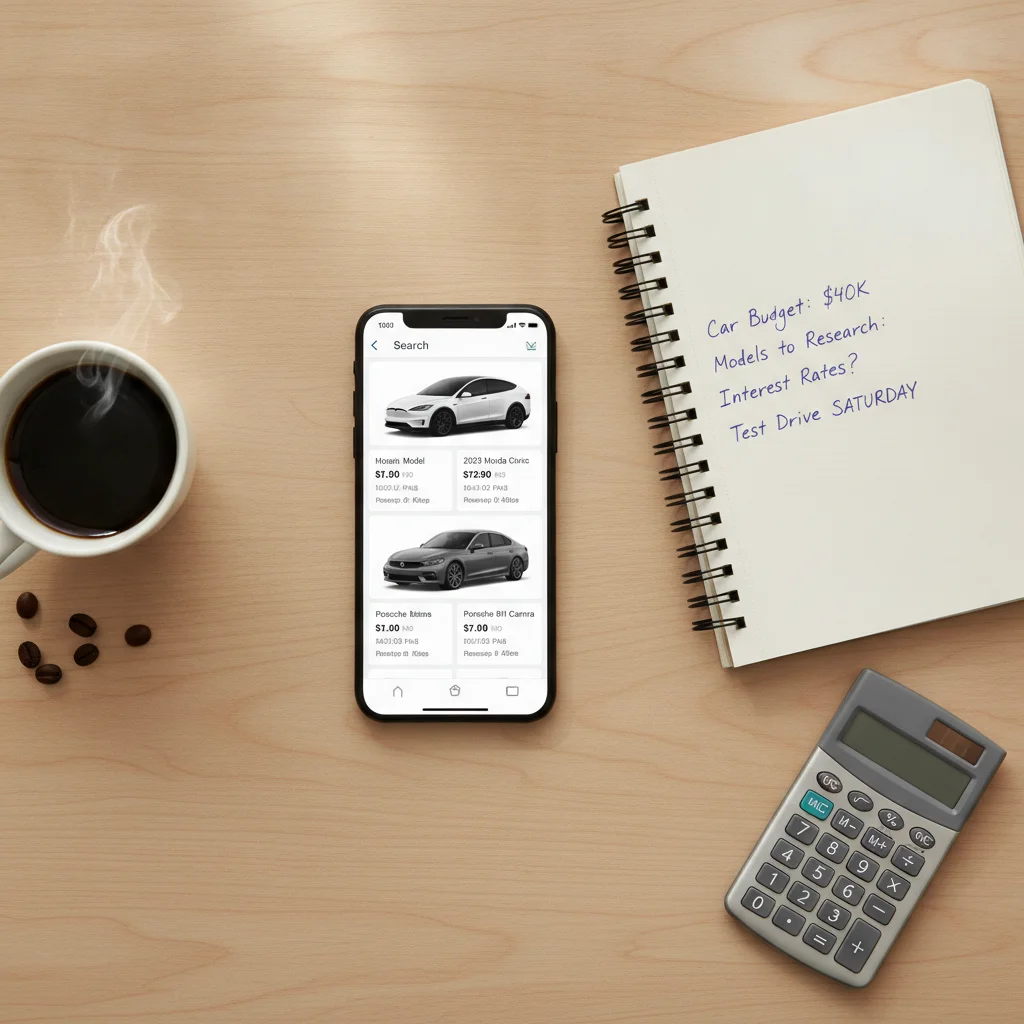
- Search and select: You browse inventory on a platform or dealership website, filtering by make, model, year, price, and location.
- Virtual inspection: You review photos, 360-degree walkthroughs, vehicle history reports, and condition disclosures.
- Financing: You apply for a loan through the platform, or submit your own preapproval from an outside lender.
- Digital contracting: Documents are signed electronically. You may also pay a deposit at this stage.
- Delivery or pickup: The car is shipped to your address or you pick it up at a hub location.
- Return window: Most reputable platforms offer a 3–7 day return window if the car doesn't meet expectations.
Compare that to the traditional dealership experience. If you've ever sat in a finance office for three hours while a manager "checks with his supervisor," the appeal of doing all of this from your living room is obvious. For a deeper look at how the traditional buying cycle compares, see the new car buying cycle for first-timers.
Preapproval
A lender's conditional agreement to loan you up to a certain amount at a specific interest rate, based on your credit profile. Getting preapproved before shopping gives you a firm budget and a rate to benchmark against dealer financing.
APR (Annual Percentage Rate)
The true yearly cost of borrowing money, expressed as a percentage. Unlike a basic interest rate, APR includes certain fees, making it the most accurate way to compare loan offers.
Vehicle History Report
A document that compiles records on a specific vehicle using its VIN — including accidents, title issues, odometer readings, and number of owners. Common providers include Carfax and AutoCheck.
Pre-Purchase Inspection (PPI)
An independent mechanical inspection performed by a third-party mechanic before you buy a used car. It identifies problems that photos and history reports won't reveal, like worn brakes, engine issues, or frame damage.
GAP Insurance
Coverage that pays the difference between what you owe on your auto loan and what the car is worth if it's totaled or stolen. It protects you from being stuck with a loan balance on a car you no longer have.
Retail Installment Sales Contract (RISC)
The legally binding financing document that spells out your loan's APR, payment schedule, total amount financed, and total cost of the loan. This is the document that actually creates your debt obligation.
Title Transfer
The legal process of changing the recorded owner of a vehicle. When you buy a car, the seller's name is removed from the title and yours is added — this must be done through your state's DMV or equivalent agency.
No-Haggle Pricing
A fixed-price sales model where the listed price is the selling price — no negotiation. Common on platforms like Carvana and CarMax. Removes back-and-forth but also removes your ability to negotiate a lower price.
Choosing the Right Platform or Dealership
Not all online car buying experiences are created equal. You broadly have three types of sellers to choose from:
- Fully online platforms (Carvana, Vroom, CarMax Online)
- These companies own and recondition their inventory. Prices are typically fixed — no negotiation. They offer return policies and handle all logistics. Convenient, but their prices often carry a premium.
- Online-enabled franchise dealerships
- Traditional dealers who've built out e-commerce capabilities. You may still be able to negotiate, and you can often pick up locally or have the car delivered. Quality of the online experience varies significantly by dealer.
- Marketplace listings (AutoTrader, Cars.com, Facebook Marketplace)
- These are listing aggregators connecting you to both dealers and private sellers. You're not buying from the marketplace itself — you're finding leads. Vetting the individual seller is entirely on you.
For first-timers, fully online platforms or reputable franchise dealerships with verified online processes are the safest starting points. If you're considering a used car specifically, our guide to buying used cars covers how to evaluate your options. For new vehicles, the buying new cars hub walks through what's different about purchasing factory-fresh inventory.
Online Buying Doesn't Mean No Negotiation
Fixed-price platforms like Carvana don't negotiate the sale price, but that doesn't mean there's nothing to work with. You can still negotiate the trade-in value, push back on add-on products, and use competing offers to pressure the platform's financing rate. Even in a no-haggle model, informed buyers consistently come out ahead of uninformed ones.
When evaluating any online seller, check the following before committing a deposit:
- BBB rating and recent customer reviews on Google and Trustpilot
- Clear, written return and refund policy (not just marketing copy)
- Transparent fee structure — delivery fees, documentation fees, and any platform fees should be listed before checkout
- Verifiable physical address and licensed dealer status in your state
Kelley Blue Book (KBB)
Use KBB's fair market range tool to verify whether an online listing price is reasonable before you commit. It also provides instant cash offer estimates useful for trade-in benchmarking.
NMVTIS Vehicle History Check
The National Motor Vehicle Title Information System pulls title and branding data from sources that commercial history reports sometimes miss. Run it alongside Carfax for the most complete picture.
Lemon Squad / CARCHEX Pre-Purchase Inspection
Both services dispatch mechanics to inspect vehicles at their current location before you buy. Essential for any online used car purchase where you can't inspect in person.
Consumer Financial Protection Bureau: Auto Loans
The CFPB's auto loan resources explain your rights as a borrower, how to spot predatory lending terms, and what lenders are legally required to disclose — particularly useful when reviewing digital loan contracts.
Financing Before You Click 'Buy'
Here's the mistake most first-time online buyers make: they let the platform arrange their financing without shopping around first. Platforms make significant profit on financing markups — the same way a dealership's finance office does. Going in without your own preapproval means you're negotiating blind.
The smarter move is to get preapproved by your bank or credit union before you start browsing. Here's why this matters:
- You'll know your actual interest rate and loan ceiling before emotions enter the picture.
- You can use your preapproval as a benchmark — if the platform's financing beats it, great. If not, use your own loan.
- It signals to sellers (even online ones) that you're a serious, qualified buyer.
Get Preapproved Before You Browse
Apply for an auto loan through your bank or credit union before you even start shopping. Many credit unions offer rates well below what online platforms advertise. Having a preapproval letter in hand also means you can walk away from platform financing if it's not competitive — and that leverage is real even in a fully digital transaction.
Don't Sign Under Pressure
Some platforms create urgency with expiring holds or limited-time pricing. Legitimate sellers will give you adequate time to review contracts. If you feel rushed, request an extension — if they refuse, treat that as a warning sign. A few extra hours of review can save you from signing add-ons or terms you didn't intend to agree to.
Online auto financing has some quirks that differ from the in-person experience. The loan may be funded before delivery, or the lender may hold funds in escrow until you confirm receipt of the vehicle. For a thorough breakdown of how this works, read how online auto loans work.
A few financing terms you'll encounter during an online purchase:

| Term | What It Means | Watch Out For |
|---|---|---|
| APR | Annual percentage rate — the true cost of your loan including fees | Platforms advertising low monthly payments may still carry high APRs |
| Loan term | How many months you'll make payments (typically 36–84 months) | Longer terms lower monthly payments but dramatically raise total interest paid |
| GAP insurance | Covers the difference between what you owe and what the car is worth if totaled | Often marked up significantly; your own insurer may offer it cheaper |
| Documentation fee | Dealer charge for processing paperwork | Ranges from $100 to $900+ depending on state; sometimes negotiable |
What to Inspect When You Can't Touch the Car
The inability to physically inspect a car before buying is the biggest legitimate concern about online purchasing. But "can't touch it" doesn't mean "flying blind." There are structured ways to reduce risk substantially.
Step 1: Demand a complete photo set
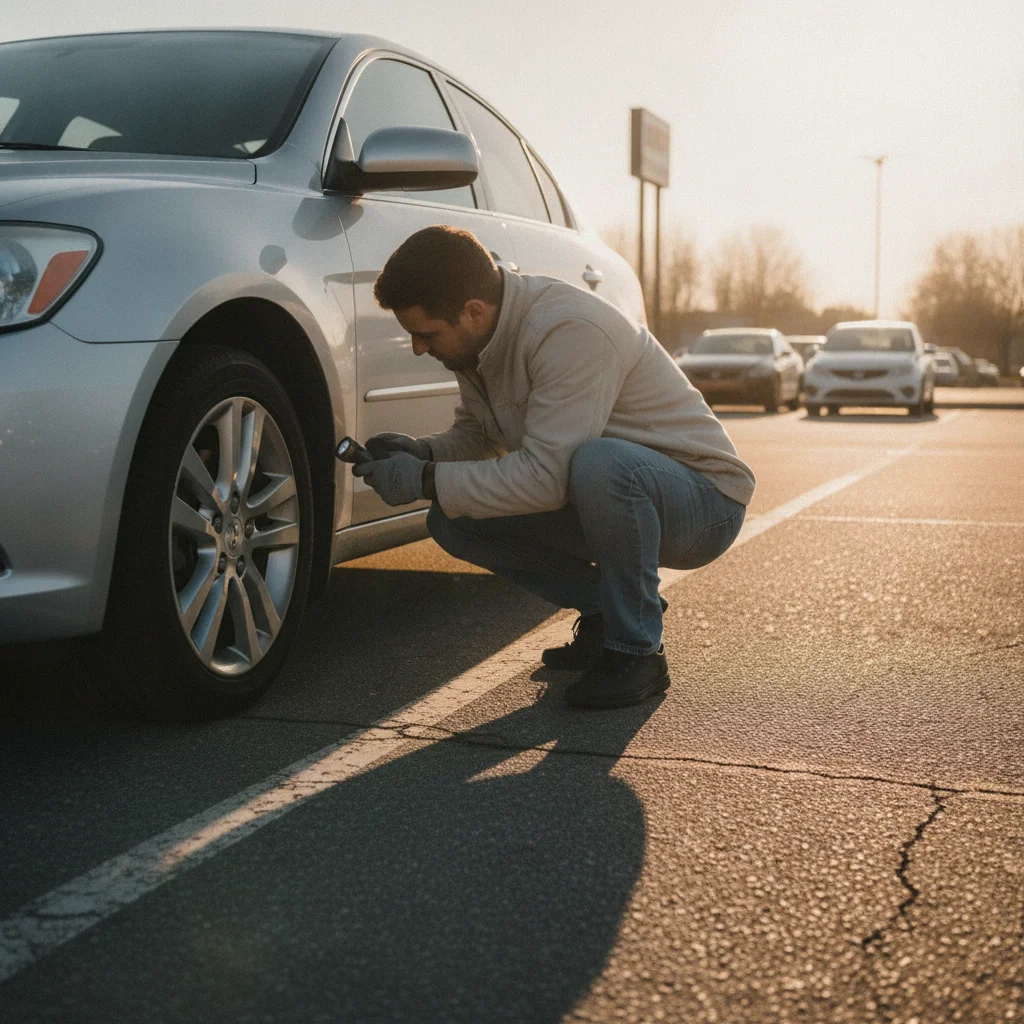
A reputable platform should provide 30+ high-resolution photos covering the exterior from every angle, interior surfaces, dashboard, engine bay, trunk, and undercarriage. Blurry images or conspicuously missing angles are red flags. Request additional photos directly if anything looks incomplete.
Step 2: Run the VIN through multiple history report services
Most platforms provide a free Carfax or AutoCheck report, but don't stop there. NMVTIS (the National Motor Vehicle Title Information System) pulls from different databases and sometimes catches title issues that commercial reports miss. Look for accident history, odometer discrepancies, flood damage, salvage title designations, and number of previous owners.
Step 3: Order an independent pre-purchase inspection (PPI)
This is the single most underused protection in online car buying. Services like Lemon Squad or CARCHEX will send a mechanic to the vehicle's location — whether that's a platform's lot or a dealer's location — to conduct a physical inspection before the car ships to you. A PPI typically costs $100–$200 and can reveal issues worth thousands. If the seller refuses to allow an independent inspection, walk away.
Never Skip the Pre-Purchase Inspection
Photos and history reports can't tell you if the transmission is slipping or the brakes are dangerously worn. An independent pre-purchase inspection is $100–$200 well spent on any used car purchase. If the platform or seller won't allow an inspector on-site, that's a disqualifying red flag — move on.
Signing the Delivery Receipt Waives Your Inspection Claim
Once you sign the delivery release form, you're typically acknowledging the car was received in the condition described. Any transport damage you notice after signing becomes much harder to dispute. Take 10–15 minutes to inspect the vehicle before putting pen to paper — or finger to screen.
Step 4: Review the condition report
Established platforms grade their vehicles and publish condition reports that detail existing cosmetic damage — door dings, minor scratches, paint chips. Read these carefully. If the report is vague or absent, ask for written clarification. You want documented acknowledgment of any imperfections before you sign anything.
If you're buying used and want a comprehensive framework for evaluating a pre-owned vehicle, this ground-up guide for first-time used car buyers is worth reading alongside this one.
The Digital Paperwork Process
One of the most underestimated parts of online car buying is the contract phase. Buyers who breeze through digital documents without reading them are making the same mistake as buyers who sign whatever the F&I manager slides across the desk at a dealership. The medium changes; the risks don't.
Here's what you'll typically encounter in an online contract package:
- Purchase agreement: The binding contract listing the agreed sale price, any trade-in credit, fees, and total due.
- Retail installment sales contract (RISC): If you're financing, this is the actual loan document. Verify that the APR, term, monthly payment, and total amount financed match exactly what was quoted to you during the application process.
- Add-on product disclosures: Extended warranties, tire and wheel protection, paint sealant, GAP insurance. These can be added without your explicit attention — they appear as line items and require affirmative opt-in or removal.
- Title and registration documents: Varies by state. Some states require a notarized signature for title transfer; the platform will guide you through this, but confirm before signing day.
- Odometer disclosure: Federal law requires sellers to certify the vehicle's mileage at sale. Verify the number matches the listing.
Get Preapproved Before You Browse
Apply for an auto loan through your bank or credit union before you even start shopping. Many credit unions offer rates well below what online platforms advertise. Having a preapproval letter in hand also means you can walk away from platform financing if it's not competitive — and that leverage is real even in a fully digital transaction.
Don't Sign Under Pressure
Some platforms create urgency with expiring holds or limited-time pricing. Legitimate sellers will give you adequate time to review contracts. If you feel rushed, request an extension — if they refuse, treat that as a warning sign. A few extra hours of review can save you from signing add-ons or terms you didn't intend to agree to.
Never rush through digital documents because there's a timer or a "sign by" deadline. If you feel pressured to sign without adequate time to review, that's a problem with the seller — not a reason to comply. A legitimate platform will give you sufficient time to read what you're signing.
For a complete step-by-step walkthrough of the full online transaction from browsing to receiving your title, see buying a car online from start to title.
Delivery, Returns, and What Happens After
You've signed the documents and paid your deposit or full balance. Now you wait. Here's what to expect in the final stretch.
Delivery timelines
Delivery ranges from same-day or next-day for local inventory to 7–14 days for cars being transported from across the country. Ask for a specific delivery window and get it confirmed in writing. Platforms often use third-party carriers; get the carrier's name and a tracking number so you're not guessing.
At delivery: inspect before you sign
When the car arrives, do not sign the delivery release until you have physically walked around the vehicle and compared its condition to the documented photos and condition report. Check for:
- New damage that wasn't in the listing or condition report (especially around bumpers — transport damage is common)
- All promised accessories (floor mats, both key fobs, owner's manual)
- That the odometer reading matches the listing mileage
- That the VIN on the door jamb sticker matches the VIN on your contract
If something is wrong, document it with photos immediately and contact the platform before signing the delivery receipt.
Never Skip the Pre-Purchase Inspection
Photos and history reports can't tell you if the transmission is slipping or the brakes are dangerously worn. An independent pre-purchase inspection is $100–$200 well spent on any used car purchase. If the platform or seller won't allow an inspector on-site, that's a disqualifying red flag — move on.
Signing the Delivery Receipt Waives Your Inspection Claim
Once you sign the delivery release form, you're typically acknowledging the car was received in the condition described. Any transport damage you notice after signing becomes much harder to dispute. Take 10–15 minutes to inspect the vehicle before putting pen to paper — or finger to screen.
Return policies — the real terms
Most major platforms advertise a return window. The fine print matters. Typical restrictions include:
- A mileage cap (often 250–400 miles driven after delivery)
- No physical damage beyond what was in the condition report
- A return processing fee or restocking fee (usually $0 at top platforms, but verify)
- Financing refunds can take 1–2 billing cycles to process
Titling and registration
Some platforms handle titling and registration for you and mail your plates. Others give you a temporary tag and require you to register locally. Know which situation applies to your purchase so you're not driving on an expired temp tag because you assumed everything was handled.
If you eventually decide to sell the car — whether privately or to a dealer — understanding your options from the seller's side is useful. Our guide for first-time private sellers and dealer trade-in guide both cover what to expect when it's time to move the vehicle on.

All claims are backed by peer-reviewed research. Sources on request.