Key Takeaways
Start here
Why Sell Privately in the First Place?
Step 2
Getting Your Car and Paperwork Ready
Step 3
Pricing Your Car Realistically
Step 4
Writing the Listing and Taking Photos
Step 5
Handling Inquiries, Test Drives, and Negotiations
Final step
Closing the Sale Safely
Why Sell Privately in the First Place?
The honest answer: money. On a typical used car worth $12,000 in the private market, a dealership trade-in might put $9,500–$10,500 in your pocket. That gap — $1,500 to $2,500 or more — is the dealer's profit margin on reselling your car. When you sell privately, you capture most of that margin yourself.
The trade-off is your time and effort. You'll handle the listing, screen buyers, coordinate test drives, and manage the paperwork. For some sellers, that's too much friction. For others, an extra $2,000 is worth a few evenings and a weekend. This guide is for the second group.
If you're weighing the two routes side by side, our dealer trade-in guide for first-time sellers breaks down exactly what to expect at the dealership. And if you'd rather skip buyers altogether and get an instant offer online, selling your car online is a third option worth understanding.
For this guide, we're assuming you've decided to go the private route. Here's the complete walkthrough.
Private party sale
Selling your car directly to an individual buyer instead of through a dealership or third-party service. You handle the listing, negotiation, and paperwork yourself.
Clear title
A vehicle title with no liens (loans) attached, meaning you own the car outright and can legally transfer ownership to a buyer.
Bill of sale
A written document that records the terms of the vehicle sale — price, date, VIN, and both parties' information. It protects both buyer and seller after the transaction.
Vehicle history report
A report (from services like Carfax or AutoCheck) that shows a car's accident history, ownership count, title status, and major service events based on the VIN.
Odometer disclosure
A legally required statement signed by the seller confirming the vehicle's mileage at the time of sale. Required by federal law for most vehicles under 10 years old.
Lien
A lender's legal claim on your vehicle because you still owe money on an auto loan. You must pay off the lien before or at the time of sale to transfer a clean title.
Private party value
The estimated market price for a vehicle sold directly between two private individuals, typically higher than trade-in value but lower than dealer retail price.
As-is sale
A sale where the buyer accepts the vehicle in its current condition with no warranty from the seller. Most private car sales are as-is, meaning the seller isn't responsible for repairs after the sale.
Getting Your Car and Paperwork Ready
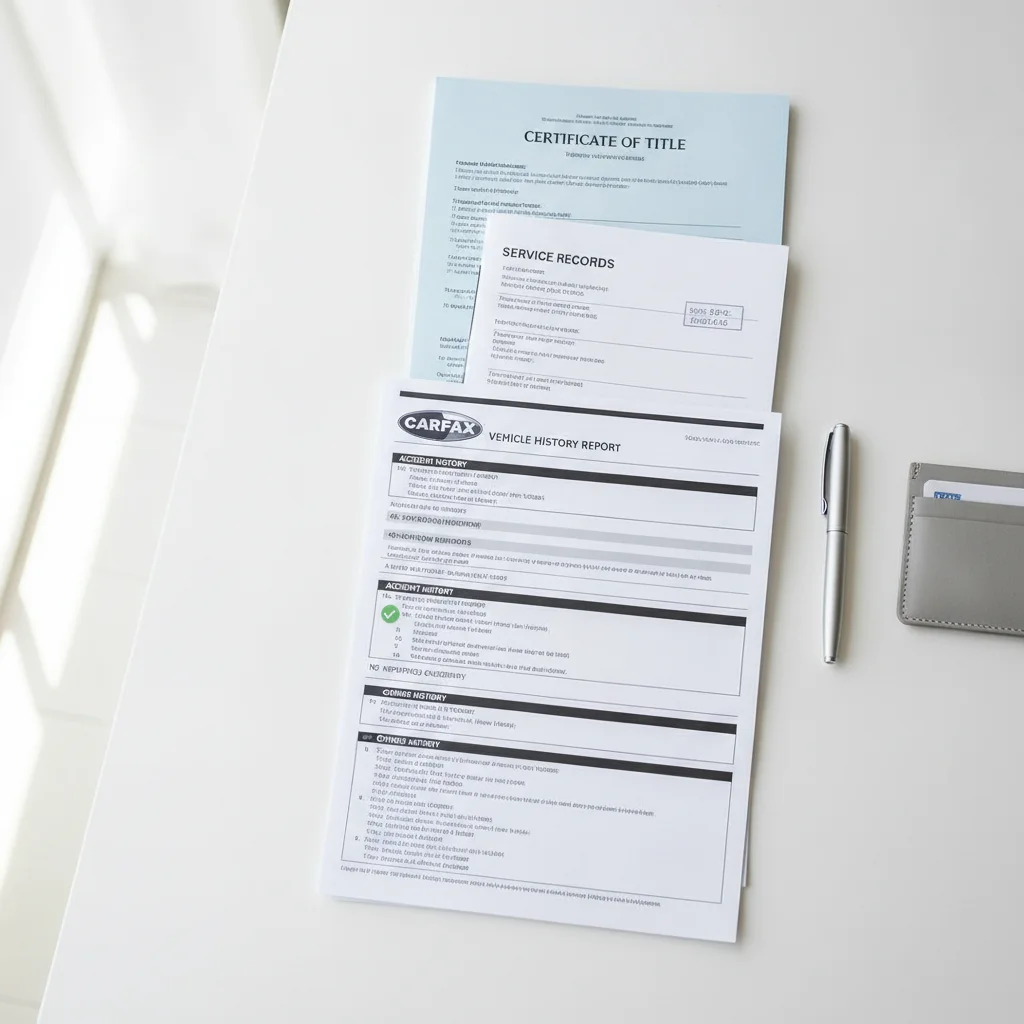
Nothing kills a private sale faster than a buyer who asks for the service records and you hand them a blank stare. Before you write a single word of a listing, gather these items:
- Title: Must be in your name, lien-free. If you still owe money on the car, call your lender first — you'll need to coordinate a simultaneous payoff and title release at closing. This is doable, but it needs a plan.
- Service records: Oil changes, brake jobs, major repairs — anything you have. A thick folder of receipts signals a well-maintained vehicle and justifies a higher price.
- Vehicle history report: Pull one from Carfax or AutoCheck (~$40). Buyers will run their own anyway. Knowing what's on it prevents surprises and lets you address anything upfront.
- Odometer disclosure statement: Federal law requires this for vehicles under 10 years old. Your state DMV website has a free form.
- Bill of sale template: Download a template from your state DMV now. Fill it in at closing.
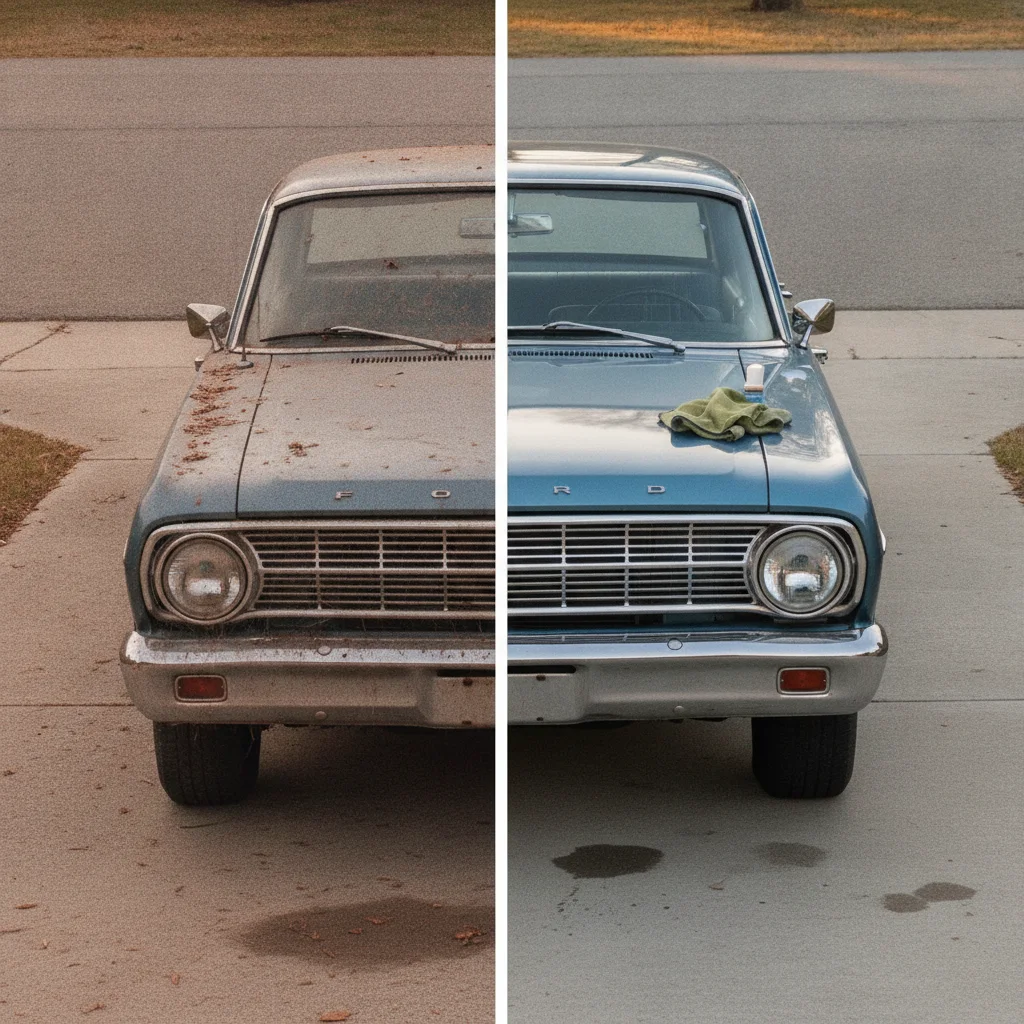
Next, address the physical condition of the car. Minor cosmetic work — a thorough detail, fixing a cracked windshield, replacing worn wiper blades — consistently returns more than it costs in a private sale setting. Major mechanical repairs are trickier; price accordingly rather than sinking money into an engine rebuild you won't recoup.
For a detailed breakdown of what prep work is worth doing and what to skip, see our guide on getting your car market-ready.
Pre-Sale Inspection Pays for Itself
Spend $100–$150 on an independent pre-sale inspection before listing. It gives you documented proof of mechanical condition, helps you price confidently, and dramatically reduces the chance a buyer's inspection kills the deal at the last minute. Buyers also respond well to a seller who can hand over a fresh inspection report — it signals honesty.
Lead With Your Best Photo
Most listing platforms show only the first photo as the thumbnail in search results. Make your lead image the strongest exterior shot — typically a front three-quarter view in good lighting. Listings with a compelling first image get significantly more clicks than those leading with an interior or odometer shot.
Set a Specific Asking Price, Not a Range
Listing a price range ("$10,000–$11,500") signals uncertainty and anchors buyers to the low end immediately. Pick one number — your target price with negotiation room built in — and list that. You can always come down; you can rarely go up.
Pricing Your Car Realistically
Overpricing is the number one reason private sales drag on for months. Buyers in the private market are doing their homework — they've checked Kelley Blue Book, browsed local listings, and they know roughly what your car is worth before they contact you.
Use at least two pricing sources
- Kelley Blue Book (kbb.com): Enter your exact trim, mileage, condition, and zip code to get a private party value range. Use the "good" condition rating honestly — most cars aren't in "excellent" condition.
- Local comparable listings: Search Facebook Marketplace, Craigslist, and CarGurus for the same make, model, year, and approximate mileage within 100 miles. This is your real market. KBB gives you a benchmark; local comps tell you what buyers are actually paying.
Where to land your price
Price 5–10% above your minimum acceptable number to leave room for negotiation. Buyers expect to haggle a little — if you price at your hard floor, you'll either give ground you can't afford or lose deals entirely. A $500–$750 negotiation cushion is reasonable on most vehicles.
Timing also matters. Spring and early summer are historically stronger for convertibles and sports cars; trucks and SUVs sell well year-round but see spikes before winter in northern states. For a deeper look at how seasonality affects your sale, check out market timing for first-time sellers.
KBB Private Party Value vs. Dealer Trade-In
Kelley Blue Book shows separate values for private party sales and dealer trade-ins. The private party value is always higher — sometimes by 15–25%. When pricing your listing, make sure you're referencing the private party figure, not the trade-in estimate. Using the wrong number will either leave money on the table or set unrealistic expectations.
State DMV Requirements Vary Significantly
Some states require a smog or emissions certificate before a private sale can be completed. Others require a notarized title transfer. A few require a safety inspection. Check your specific state's DMV website before listing — discovering a required step after you've agreed on a price with a buyer creates friction and can cost you the deal.
Writing the Listing and Taking Photos
Your listing is your sales pitch to a stranger who has dozens of other options open in browser tabs. Vague listings with bad photos get ignored. Specific listings with clear photos get calls.
What to include in the description
- Year, make, model, trim level, and engine (don't make buyers guess)
- Exact mileage at time of listing
- Transmission type (many buyers filter specifically for automatic or manual)
- Key options and upgrades (leather seats, sunroof, tow package, navigation)
- Honest condition summary — exterior, interior, mechanical
- Any known issues, however minor. Disclosed issues = trust. Hidden issues discovered on a test drive = lost deal.
- Service history summary ("oil changes at 5k intervals, new tires at 62k, timing belt replaced at 90k")
- Asking price and whether it's firm or negotiable
- Preferred contact method
Photos that actually sell cars
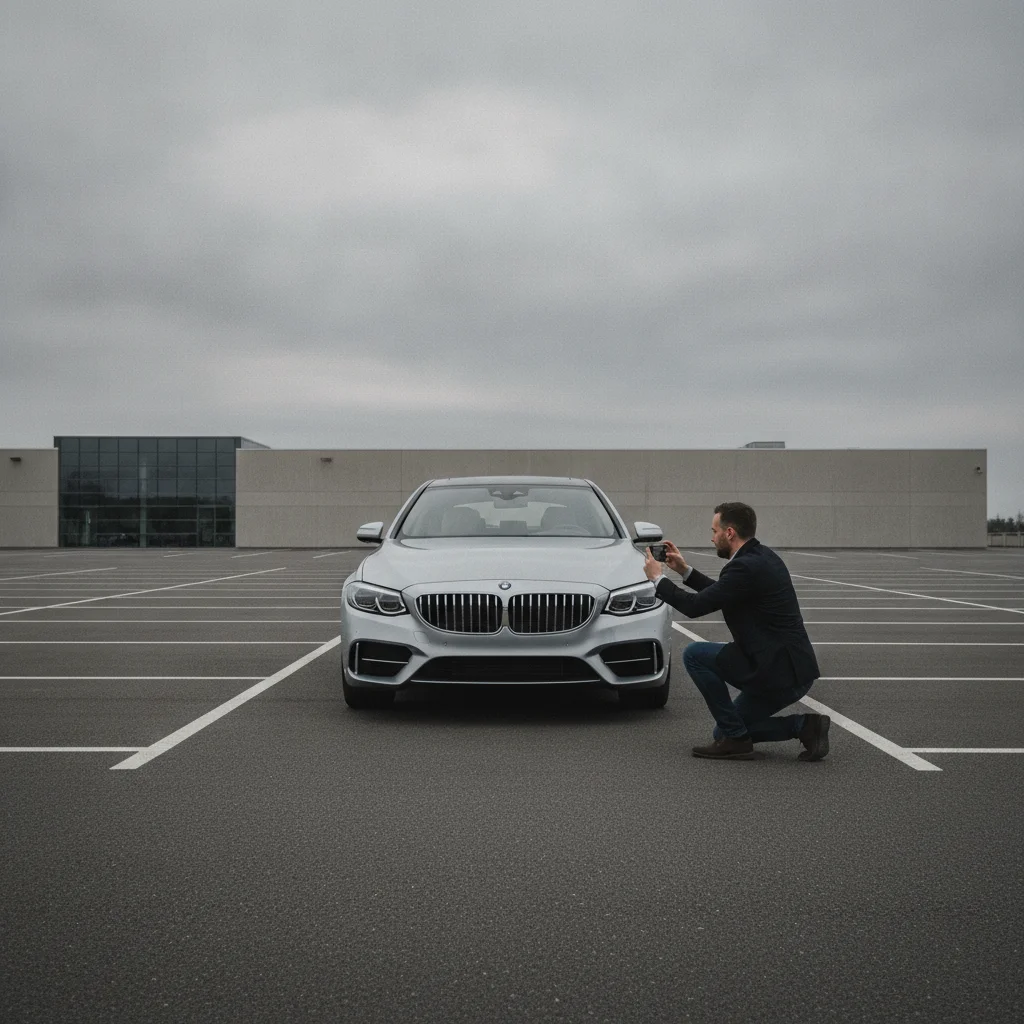
Shoot on a bright, overcast day — direct sun creates harsh shadows and blown-out reflections. Use a clean, neutral background (an empty parking lot beats a cluttered driveway). Take at minimum: front 3/4, rear 3/4, driver's side profile, passenger's side profile, front interior, rear interior, odometer, and any notable features or flaws. If there's a scratch or dent, photograph it clearly. Buyers who find flaws in person that weren't disclosed in photos feel deceived — and deals collapse.
Post on Facebook Marketplace, Craigslist, and at least one automotive-specific platform (CarGurus, AutoTrader, or Cars.com). Facebook Marketplace typically generates the most volume for private sales in most markets, often at no cost.
Pre-Sale Inspection Pays for Itself
Spend $100–$150 on an independent pre-sale inspection before listing. It gives you documented proof of mechanical condition, helps you price confidently, and dramatically reduces the chance a buyer's inspection kills the deal at the last minute. Buyers also respond well to a seller who can hand over a fresh inspection report — it signals honesty.
Lead With Your Best Photo
Most listing platforms show only the first photo as the thumbnail in search results. Make your lead image the strongest exterior shot — typically a front three-quarter view in good lighting. Listings with a compelling first image get significantly more clicks than those leading with an interior or odometer shot.
Set a Specific Asking Price, Not a Range
Listing a price range ("$10,000–$11,500") signals uncertainty and anchors buyers to the low end immediately. Pick one number — your target price with negotiation room built in — and list that. You can always come down; you can rarely go up.
Handling Inquiries, Test Drives, and Negotiations
Once your listing is live, expect a mix of serious buyers, tire-kickers, and occasional lowballers. Here's how to handle each stage without wasting your weekend.
Screening inquiries
Respond promptly — buyers shopping privately are often contacting multiple sellers simultaneously. A response within a few hours keeps you in contention. Ask basic qualifying questions before scheduling a meeting: Are they local? Are they paying cash or have financing lined up? When are they looking to buy? Buyers without a clear payment plan or timeline aren't ready yet.
Watch for These Common Scam Patterns
Be alert to buyers who contact you immediately with an offer above your asking price, claim to be overseas or unable to meet in person, or ask you to accept payment via wire transfer or Zelle. These are hallmarks of the overpayment scam. Legitimate buyers in your local market will want to see the car in person and pay in a verifiable way.
The test drive
Meet for the first time in a public place — a busy parking lot, a bank, or a coffee shop. Once you're comfortable with the buyer, drive to wherever the car is parked for the inspection and test drive.
Non-negotiable test drive rules:
- Verify and photograph their driver's license before handing over the keys.
- Ride in the passenger seat for the entire drive. No exceptions.
- Keep the route under 20 minutes — enough to feel the car on surface streets and a brief highway stretch.
- Remove your garage door opener and any personal documents from the car beforehand.
Negotiating the price
Expect a counteroffer. Know your walk-away number before the test drive begins. When a buyer makes a low offer, it's not personal — it's standard. You can respond with a specific counter ("I can do $11,200") or explain what justifies your price (recent tires, clean history report, new brakes). Don't volunteer concessions before they're asked for, and don't let a buyer pressure you into deciding on the spot if you're not ready.
Closing the Sale Safely
You've agreed on a price. Now comes the part most first-time sellers get nervous about — transferring ownership and collecting money safely.
Acceptable forms of payment
- Cash: Ideal for transactions under $5,000. Count it in person before signing anything.
- Cashier's check: Acceptable for larger amounts, but verify it before the title changes hands. Call the issuing bank directly (look up their number yourself — don't use a number printed on the check) and confirm the check is legitimate.
- Escrow service: For high-value transactions, a legitimate escrow service (Escrow.com is one example) holds the funds until both parties confirm the transfer. Adds a day or two but eliminates payment risk.
Never accept: personal checks, payment apps (Venmo, PayPal Friends and Family), wire transfers from unknown parties, or any scenario where a buyer offers to pay more than the agreed price and asks for the difference back.
The title transfer
Sign the title over to the buyer only after you've received verified payment. Both parties sign the title; the buyer takes it to the DMV to register the car in their name. Fill in the odometer reading accurately — federal law requires it.
Complete your bill of sale at the same time. It should include: both parties' names and addresses, vehicle VIN, sale price, date, odometer reading, and an "as-is" statement. Both parties sign; both keep a copy.
After the sale
Remove the license plates (in most states, plates stay with the seller). Notify your state DMV that you've sold the vehicle — many states have an online form for this, and it protects you if the buyer gets a ticket or is in an accident before they re-register the car. Cancel your insurance on the vehicle on the day of sale, not before.

For a comprehensive reference on every detail of the private sale process, our complete private party seller's roadmap goes deeper on each stage.
Kelley Blue Book Private Party Value Tool
Enter your vehicle's year, make, model, trim, mileage, condition, and zip code to get an accurate private party value range. This is your pricing starting point for any private sale.
Carfax Vehicle History Report
Pull a full history report on your own vehicle before listing it. Knowing what's on the report prevents surprises during buyer negotiations and signals transparency.
Your State DMV Website
Every state has different title transfer requirements, bill of sale forms, and emissions or safety inspection rules. Bookmark your DMV's private sale section before you list.
Selling Your Car Privately: The Complete Seller's Roadmap
A deep-dive companion guide covering every stage of the private sale in greater detail — from listing strategy to handling multiple offers and navigating title complications.
Facebook Marketplace
The highest-volume platform for private car sales in most U.S. markets and free to list. Enables direct messaging, local targeting, and a large built-in buyer audience.
Escrow.com
A legitimate escrow service that holds funds securely during a private vehicle transaction. Worth using for high-value sales ($15,000+) to eliminate payment risk for both parties.

All claims are backed by peer-reviewed research. Sources on request.