Key Takeaways
Start here
Why Pre-Sale Prep Actually Matters
Next
Start With a Honest Assessment
Then
Exterior Work: What to Tackle First
Keep going
Interior Cleaning: The Details Buyers Notice
Almost there
Mechanical Basics: What's Worth Fixing
Final step
Paperwork and Presentation: Finishing Touches
Why Pre-Sale Prep Actually Matters
Here's the honest truth about selling a car: buyers make an emotional judgment within the first 30 seconds of seeing it. Before they've looked under the hood, before they've checked the mileage, before they've test-driven a single block — they've already formed an impression. And that impression is almost entirely based on how clean and cared-for the car appears.
That's not a quirk. It's human nature. A clean car signals a careful owner. A dirty, cluttered, or poorly maintained-looking car raises a silent question in every buyer's mind: what else has been neglected here? That question costs you money, even if your car is mechanically sound.
The good news is that first impressions are genuinely fixable — and the work doesn't have to be expensive or time-consuming. For most vehicles, a focused weekend of prep can add hundreds of dollars to your effective sale price by simply removing the friction buyers feel when they walk up to a car that doesn't look ready to sell.
If you plan to list on a private marketplace or platform, prep matters even more. You're competing with professionally detailed trade-ins and dealer inventory. Making your car look its best in photos and in person is one of the few levers you can pull to stand out. For a broader look at what the entire private sale process involves, see our complete guide for first-time private sellers.
Start With a Honest Assessment
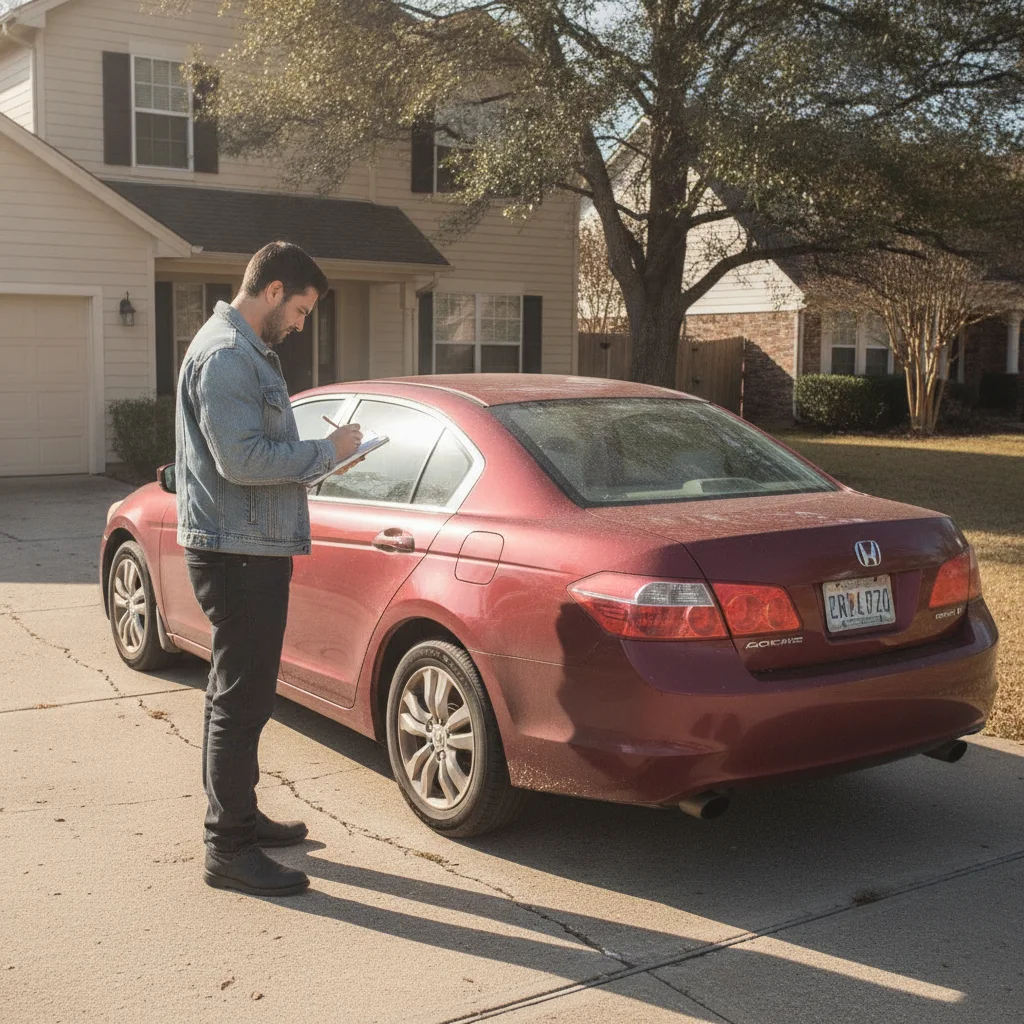
Before you spend a dollar or open a bucket of soap, walk around your car slowly — as a buyer would. Try to see it fresh, not as someone who's been driving it for years. This assessment step is where most first-time sellers skip straight past the thinking and into the doing, and it's where money gets wasted on the wrong things.
Grab a notepad and work through the following zones:
- Exterior panels: Note any dents, scratches, scuffs, faded trim, or rust spots. Be specific about location and severity.
- Glass: Look for chips, cracks, or severe hazing on the windshield or rear glass.
- Tires and wheels: Check tread depth visually, look for curb rash on rims, and note any uneven wear patterns.
- Lights: Test every bulb — headlights (low and high), brake lights, turn signals, reverse lights, and interior dome lights.
- Interior surfaces: Look at the seat fabric or leather, carpet, headliner, dashboard, and door panels for stains, tears, or cracking.
- Smell: Get in, close the doors, and take an honest sniff. Odors are dealbreakers for many buyers.
- Under the hood: You don't need to be a mechanic. Just note any obvious fluid leaks, corroded battery terminals, or belts that look cracked or frayed.
Clear coat
A transparent protective layer applied over your car's color paint. It's what gives paint its gloss and is the layer that gets scratched, swirled, or oxidized over time.
Clay bar
A soft, pliable detailing product that physically removes embedded contaminants — like road tar, industrial fallout, and brake dust — from paint without scratching it.
Pre-purchase inspection
An evaluation of a used car by an independent mechanic before a sale is completed. Buyers often request one, but sellers can also arrange one proactively to surface any issues early.
Vehicle history report
A paid report (from services like Carfax or AutoCheck) that pulls public records on a vehicle's past: accidents, title changes, odometer readings, and service events.
Enzyme cleaner
A cleaning product that uses biological enzymes to break down organic stains and odors — like pet accidents, food spills, or mildew — rather than just masking them.
Trim restorer
A product applied to faded black plastic exterior trim to restore its original dark color and remove the chalky gray appearance caused by UV exposure over time.
Once you've made your list, sort every item into one of three buckets: easy DIY fix, inexpensive professional fix, or disclose and price accordingly. That last bucket is important — not every flaw needs to be corrected. Some repairs simply won't pay for themselves.
Don't Over-Invest in Pre-Sale Repairs
It's easy to fall into a 'while I'm at it' mindset — one repair leads to another, and suddenly you've spent $600 trying to perfect a car you're selling for $4,500. Set a firm spending cap before you start, and stick to it. Anything that feels like it's crossing into major mechanical territory probably isn't worth it in a private sale context.
Avoid Hiding Known Problems
Covering up a known issue — painting over rust, using stop-leak additives to mask an oil leak, or clearing dashboard warning lights before a test drive — can expose you to legal liability after the sale. Beyond the legal risk, buyers who feel deceived often escalate disputes aggressively. Disclose known issues clearly and price accordingly.
If you're planning to use an online platform to sell, that same honest assessment feeds directly into your listing quality. See our walkthrough for selling your car online to understand how condition disclosures affect platform offers.
Exterior Work: What to Tackle First
The exterior is the billboard. It's what buyers see in your listing photos, what they see when they pull up for the test drive, and what sets the tone for everything that follows. Fortunately, most high-impact exterior work is in the $0–$50 range.
Wash and Dry Properly
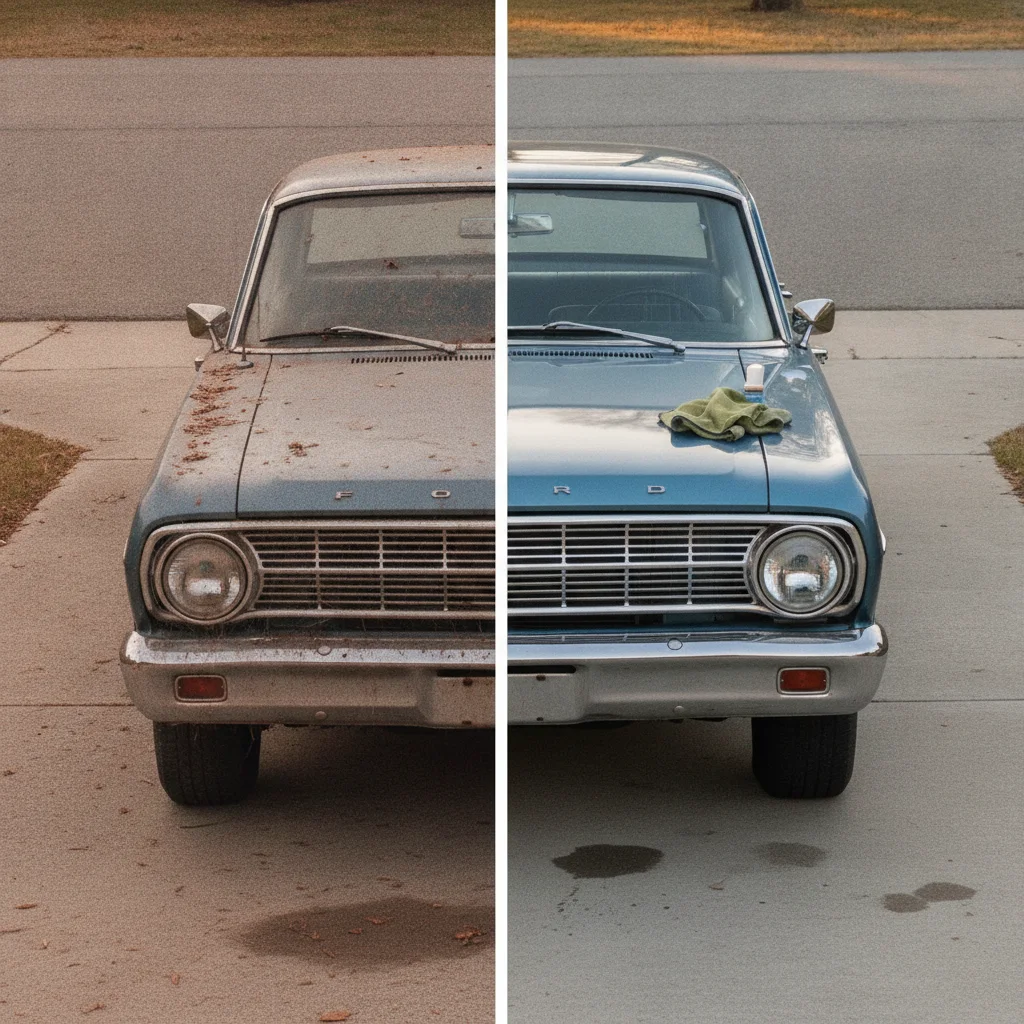
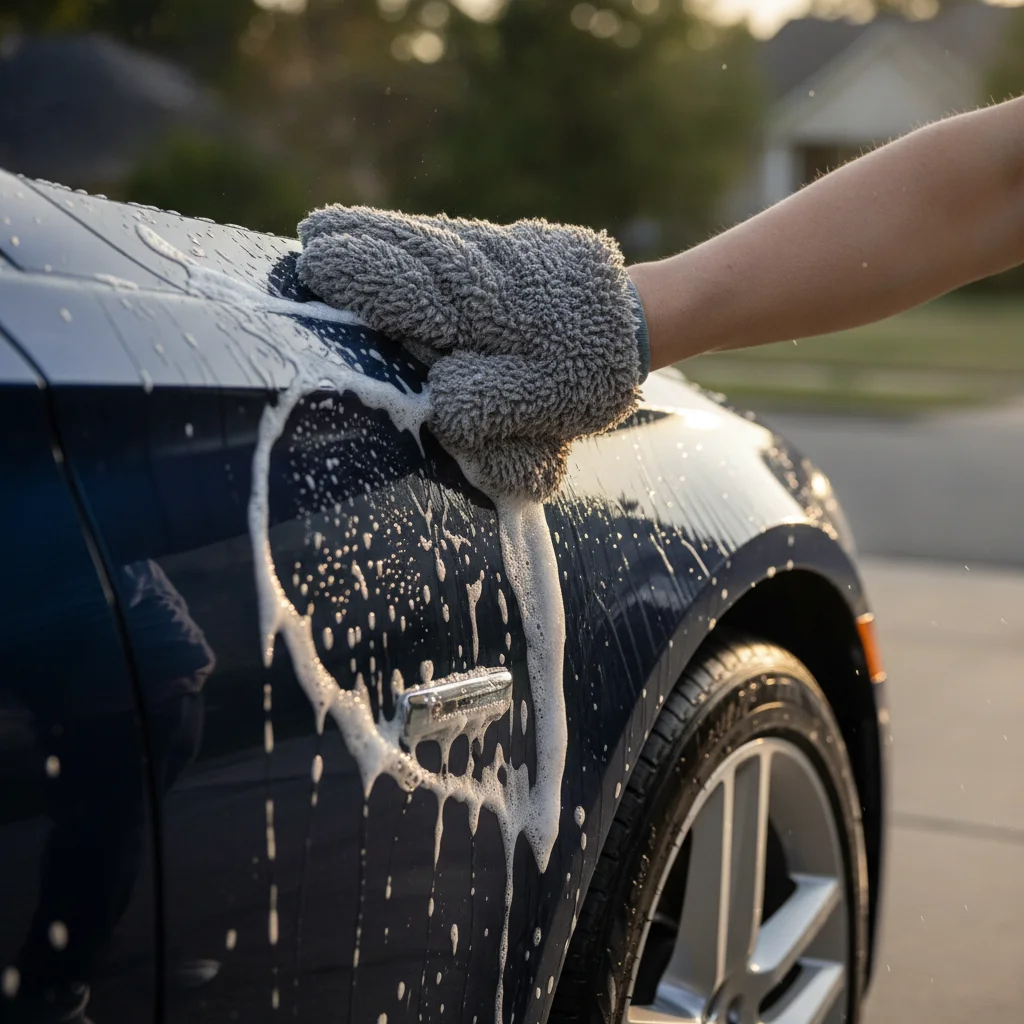
Start with a two-bucket hand wash — one bucket with soapy water, one with clean rinse water — using a microfiber wash mitt. Avoid automatic car washes with brushes; they leave fine scratches in paint that show up badly in sunlight. Dry with a clean microfiber towel or chamois to prevent water spots. This alone removes the layer of oxidized grime that makes a car look ten years older than it is.
Clay Bar Treatment
If the paint still feels rough after washing, a clay bar kit ($15–$25) pulls embedded contaminants out of the clear coat. The result is noticeably smoother, glossier paint without any actual polishing. It takes about 45 minutes and the difference is visible in photos.
Polish or Wax — Know the Difference
Polish removes fine scratches and swirl marks by lightly abrading the clear coat. Wax seals and protects the surface with a glossy layer. For most sellers, a one-step cleaner wax ($12–$20) does a bit of both and is worth the hour it takes to apply by hand. If the paint is heavily oxidized or scratched, a machine polisher with a cutting compound can restore significant gloss — or you can pay a detailer $80–$150 to do this one step professionally.
Touch-Up Paint for Stone Chips
Small stone chips on the hood or bumper look worse in photos than in person. Touch-up paint pens matched to your car's color code ($10–$15) fill chips cleanly. They won't be invisible up close, but they prevent rust and reduce visual noise in listing photos. Don't use touch-up paint on large scratches — it tends to look worse than the scratch itself.
Tires and Trim
A coat of tire dressing ($8–$12) makes sidewalls look new and provides a sharp contrast against clean paint. For faded black plastic trim on bumpers or mirrors, a trim restorer product ($10–$15) removes that chalky gray appearance instantly. These two items have an outsized impact on how polished the car looks overall.
For a zone-by-zone breakdown of everything on the exterior checklist, see our structured pre-sale prep checklist.
Shoot Your Listing Photos Right After Prep
The window right after a fresh wash and wax is when your car looks its absolute best. Schedule your photo session for that same day, in soft morning or late-afternoon light. Photos taken right after prep consistently generate more inquiries than photos taken days later when dust and water spots have returned.
Clean the Door Jambs — Buyers Always Look
Door jambs are one of the most-inspected spots during a buyer walk-around. Grime-caked door jambs signal a car that hasn't been cleaned in years, even if the exterior panels are spotless. A quick wipe with a damp microfiber cloth takes two minutes and makes a disproportionate difference.
Interior Cleaning: The Details Buyers Notice
The interior is where buyers spend most of their time during a test drive, and it's also where neglect is hardest to hide. A buyer sitting in a car with stained seats or a musty smell is already mentally negotiating the price down, even if they don't say it out loud.
Start With a Full Vacuuming
Remove floor mats and vacuum every surface — seats, carpet, under the seats, door pockets, and the trunk. Use a crevice tool to get into seat seams and center console gaps. Accumulated crumbs, pet hair, and debris in the corners are the single easiest things to fix and the ones that most visibly signal a neglected car.
Wipe Down Every Hard Surface
Use an interior detailing spray or diluted all-purpose cleaner on the dashboard, center console, door panels, and steering wheel. Pay attention to air vents — they collect dust that's very noticeable. A detailing brush or old toothbrush gets into vent slats and buttonhole gaps cleanly.
Seats and Carpet
For fabric seats with stains, an enzyme-based upholstery cleaner ($10–$18) breaks down organic stains — food, pet accidents, sweat — far more effectively than general-purpose sprays. Apply, agitate with a brush, and blot dry. Leather seats benefit from a leather cleaner and conditioner to prevent cracking and restore suppleness.
Carpet stains respond similarly to enzyme cleaners. For set-in or large-area stains, a portable carpet extractor (available to rent at many hardware stores for $30–$40/day) makes a dramatic difference.
On Smoke Odors Specifically
Cigarette smoke smell is one of the most common deal-killers in private car sales and one of the hardest to fully eliminate. If your car has significant smoke exposure, ozone treatment is your best tool — but it may take multiple sessions. Expect to spend $60–$100 total and allow 24 hours of airing out after each treatment. This investment is almost always worth it given how strongly smoke smell reduces buyer interest.
Keep Copies of Everything
Before handing over any documents at the point of sale, make copies of the title, your signed bill of sale, and any service records you provide. In the event of a post-sale dispute or a question about the transaction, having your own complete set of records protects you. Store digital photos of all documents as a backup.
Odors: The Dealbreaker
If your car has a noticeable smell — smoke, pet, mildew, or food — address it directly rather than masking it. Enzyme cleaners treat the source. An ozone generator (rentable for $30–$50/day) is the most effective tool for deep odor elimination; it oxidizes odor-causing molecules throughout the cabin. Leave it running with the car sealed for 2–4 hours, then air the vehicle out thoroughly. Skip the air fresheners — buyers know what they're covering up.
Glass and Mirrors
Interior glass is often overlooked. A film of smoke residue, off-gassing from plastics, and general haze builds up on the inside of windows and is extremely noticeable to someone seeing the car for the first time. Clean every interior glass surface with an ammonia-free glass cleaner and a microfiber cloth, working in overlapping strokes to avoid streaks.
Shoot Your Listing Photos Right After Prep
The window right after a fresh wash and wax is when your car looks its absolute best. Schedule your photo session for that same day, in soft morning or late-afternoon light. Photos taken right after prep consistently generate more inquiries than photos taken days later when dust and water spots have returned.
Clean the Door Jambs — Buyers Always Look
Door jambs are one of the most-inspected spots during a buyer walk-around. Grime-caked door jambs signal a car that hasn't been cleaned in years, even if the exterior panels are spotless. A quick wipe with a damp microfiber cloth takes two minutes and makes a disproportionate difference.
Mechanical Basics: What's Worth Fixing
This is where first-time sellers often get tripped up. The instinct is to fix everything before listing — but that's rarely the right financial move. Major mechanical repairs almost never pay for themselves in a private sale. The goal here is narrower: address items that are cheap to fix, visually obvious to buyers, or that could kill a deal during a test drive.
Lights and Bulbs
Every non-functioning bulb should be replaced. Buyers and inspectors notice immediately, and it signals deferred maintenance even if everything else is fine. Replacement bulbs for most vehicles run $5–$20 each, and most are DIY-friendly with a basic socket wrench.
Fluid Levels
Check and top off oil, coolant, windshield washer fluid, and brake fluid. Low fluid levels show up immediately in a buyer's pre-purchase inspection and can derail a sale over a $5 item. If your oil is dark and due for a change, spend the $40–$80 to get it done — it's an easy signal of a well-maintained car.
Wiper Blades
Streaky, chattering wipers are immediately noticeable and cost $15–$30 to replace. It's a small thing that has an outsized effect on a buyer's confidence.
Tire Pressure
Inflate all four tires to the recommended pressure (listed on the door jamb sticker). Underinflated tires look sloppy and can affect handling during the test drive, giving buyers an impression of a car that doesn't feel right to drive.
Battery
If the car is slow to start or you've seen a battery warning light, get the battery tested (free at most auto parts stores). A dead battery during a test drive ends the sale. A replacement typically runs $120–$200 installed.
Don't Over-Invest in Pre-Sale Repairs
It's easy to fall into a 'while I'm at it' mindset — one repair leads to another, and suddenly you've spent $600 trying to perfect a car you're selling for $4,500. Set a firm spending cap before you start, and stick to it. Anything that feels like it's crossing into major mechanical territory probably isn't worth it in a private sale context.
Avoid Hiding Known Problems
Covering up a known issue — painting over rust, using stop-leak additives to mask an oil leak, or clearing dashboard warning lights before a test drive — can expose you to legal liability after the sale. Beyond the legal risk, buyers who feel deceived often escalate disputes aggressively. Disclose known issues clearly and price accordingly.
What to Skip
As a general rule, don't invest in repairs that cost more than $300 unless the car's expected sale price is high enough to recover the spend comfortably. Transmission service, AC compressor replacement, suspension overhaul, timing belt service — these are expensive, often poorly understood by buyers, and rarely reflected dollar-for-dollar in sale price. Disclose the issue, price accordingly, and let the next owner make the decision.
If you're unsure whether a specific repair is worth it, a $100–$150 pre-sale inspection from an independent mechanic gives you a clear picture before you commit.
Paperwork and Presentation: Finishing Touches
Buyers who feel confident in the car's history and condition move faster and negotiate less aggressively. A little organization on your end goes a long way toward building that confidence before the conversation even starts.
Gather Your Documents
Pull together everything you have:
- Title: Locate it now. A missing title is a serious obstacle to closing a sale.
- Service records: Even a folder of old receipts from an oil change or tire rotation shows a buyer you've been paying attention. Organized records are a meaningful differentiator in a private sale.
- Owner's manual: Many buyers expect this to be in the glove box. If you've misplaced it, manufacturer PDF versions are often available online.
- Any warranty documents: If there's a remaining powertrain or extended warranty, that's a genuine selling point worth highlighting.
Pull a Vehicle History Report
A Carfax or AutoCheck report ($25–$45) is something many buyers will request anyway. Pulling one yourself gives you time to review it before a buyer does — and if it comes back clean, including it in your listing signals transparency and builds trust immediately.
Photograph the Car Thoughtfully
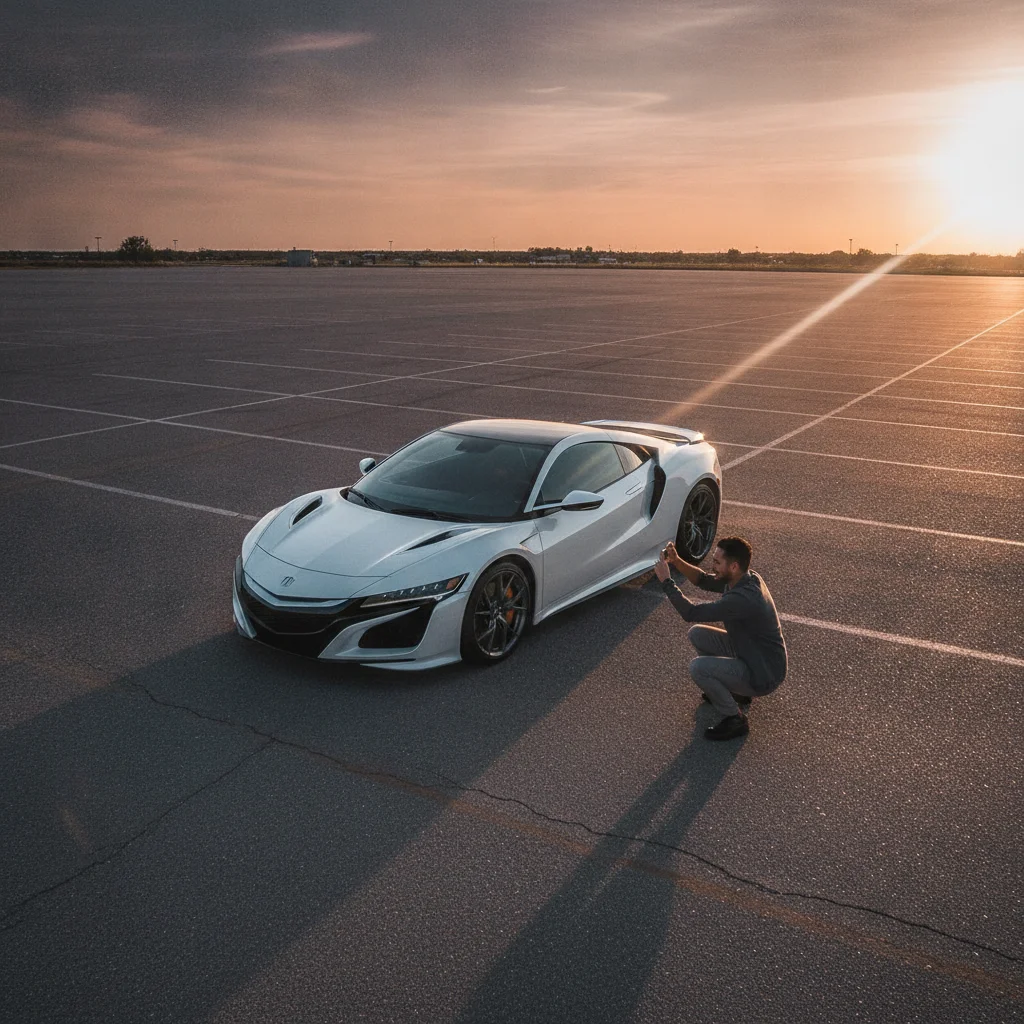
Good photos convert browsers into inquiries. Shoot in soft morning or late-afternoon light (not harsh midday sun), from consistent angles: front 3/4, rear 3/4, driver's side, passenger side, interior from each door, dashboard, and engine bay. Step back far enough to show the whole vehicle. A clean background — an empty parking lot or quiet street — keeps the focus on the car.
If you plan to list on a marketplace or instant-offer platform, photo quality directly affects what kind of attention your listing gets. Our guide to selling your car online walks through exactly how to present your vehicle for maximum offers.
Set a Realistic Price
Check Kelley Blue Book, Edmunds, and similar local listings on Craigslist or Facebook Marketplace to calibrate your asking price. Price slightly above your target to leave room for negotiation, but stay within range of comparable vehicles — an overpriced listing simply doesn't get inquiries.
Once your prep is complete and your listing is live, the process shifts to managing buyer inquiries, showings, and paperwork. For a full walkthrough of what comes next, our guide for first-time private sellers takes you through every remaining step with the same level of detail.
Kelley Blue Book (KBB)
The industry-standard valuation tool for used vehicles. Use the Private Party Value feature to set a realistic price based on your car's condition, mileage, and zip code.
Carfax Vehicle History Report
Pulls accident history, title records, odometer readings, and service events for any VIN. Useful for sellers who want to review their car's history before buyers do.
Pre-Sale Car Prep Checklist
A structured zone-by-zone checklist covering every area of your vehicle — exterior, interior, engine bay, and trunk — so nothing gets missed before you list.
AutoCheck Vehicle History
An alternative to Carfax that pulls similar history data and includes a score-based comparison tool. Useful if you want a second report or a different pricing tier.
Facebook Marketplace (Cars)
One of the most active private-party car listing platforms in the US. Useful for checking comparable local listings to calibrate your asking price before you list.
On Smoke Odors Specifically
Cigarette smoke smell is one of the most common deal-killers in private car sales and one of the hardest to fully eliminate. If your car has significant smoke exposure, ozone treatment is your best tool — but it may take multiple sessions. Expect to spend $60–$100 total and allow 24 hours of airing out after each treatment. This investment is almost always worth it given how strongly smoke smell reduces buyer interest.
Keep Copies of Everything
Before handing over any documents at the point of sale, make copies of the title, your signed bill of sale, and any service records you provide. In the event of a post-sale dispute or a question about the transaction, having your own complete set of records protects you. Store digital photos of all documents as a backup.

All claims are backed by peer-reviewed research. Sources on request.