Key Takeaways
Summary
22 items · 30–60 minutes before each showing
Why Sellers Need a Safety System, Not Just Good Instincts
Most private sellers focus their energy on pricing the car correctly, writing a compelling listing, and negotiating a fair deal. Safety prep gets treated as an afterthought — until something goes wrong. A stolen car, a fake cashier's check, or a buyer who walks away with your personal information can turn what should be a profitable transaction into a costly ordeal.
The uncomfortable reality is that private party sales attract a small but real population of scammers and opportunists. They know sellers are often inexperienced with transactions like this, emotionally attached to the vehicle, and eager to close. That combination creates vulnerability.
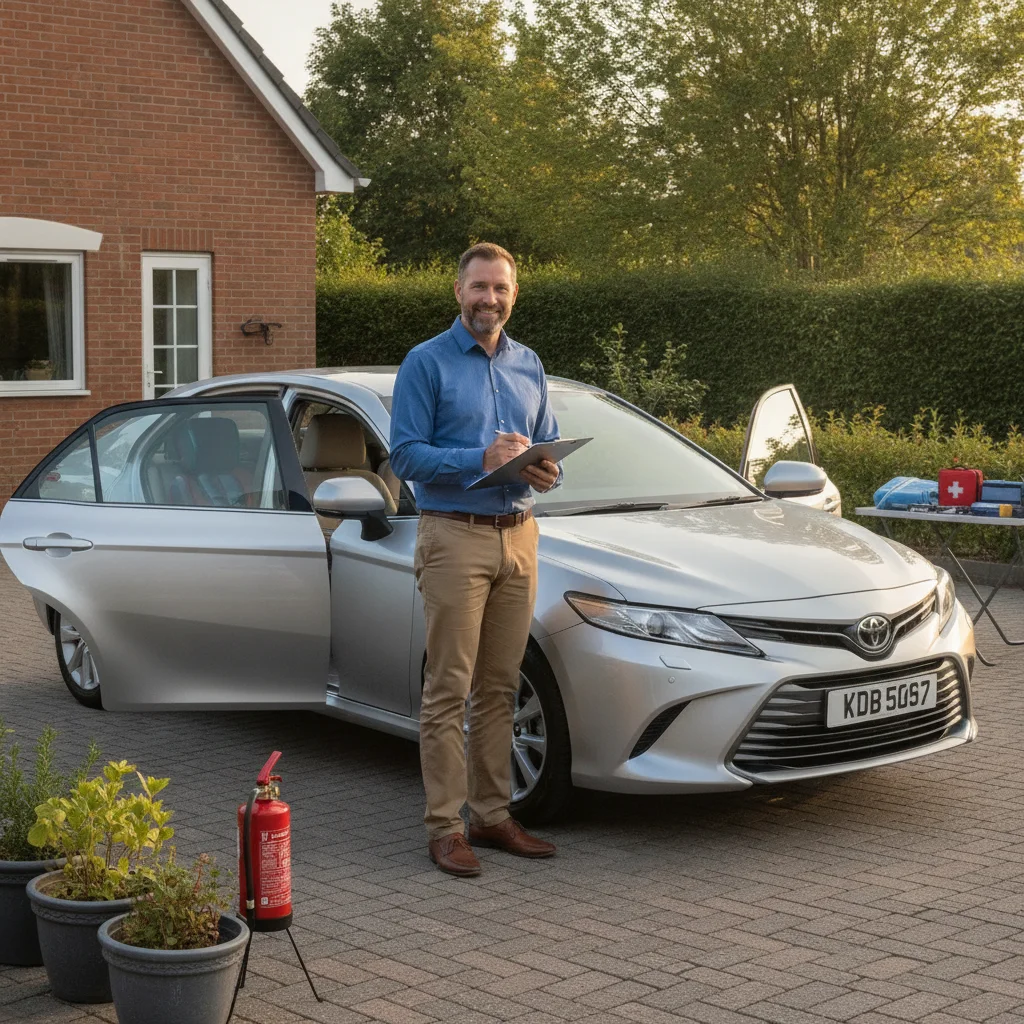
This checklist is designed to close those gaps. It's not about being paranoid — it's about running each showing like a professional. Whether you're selling your first car or your tenth, working through these steps before every buyer visit gives you a consistent, defensible process that protects you, your vehicle, and your data.
For buyers reading this, the flip side of this preparation is equally important. See our complete pre-purchase vehicle inspection checklist for everything you should be verifying on your end before committing to a purchase.
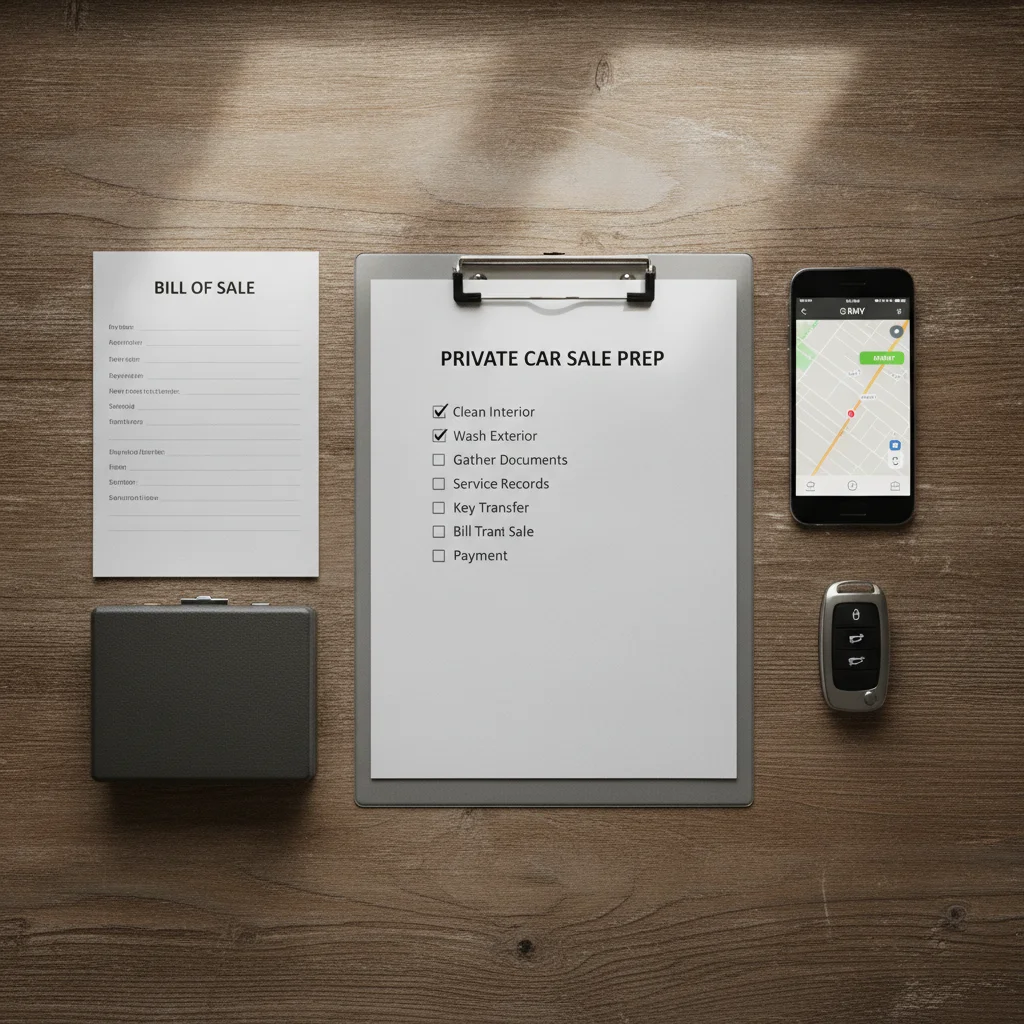
Tools and Resources You'll Need
Before you work through the checklist, gather the items below. Most are free or already in your possession. Having them ready before the first buyer inquiry saves scrambling later.
Secondary Phone Number App (Google Voice or TextNow)
Communicate with buyers before identity verification without exposing your primary number.
Vehicle History Report (Carfax or AutoCheck)
Share an accurate history report with serious buyers to support your asking price and build trust.
Smartphone with Camera
Photograph the buyer's license, document the car's pre-showing condition, and capture any damage that occurs.
Bill of Sale Template
Document the transaction terms in writing, protecting both parties in the event of a dispute.
Zelle or Venmo (Payment App)
Receive instant, verified electronic payment that cannot be reversed after confirmation like a check can.
Reverse Phone Lookup Tool (BeenVerified, Spokeo)
Cross-check a buyer's phone number or email for obvious inconsistencies before scheduling.
DMV Release of Liability Form
File immediately after the sale to remove your name from responsibility for the vehicle.
Portable Safe or Lockbox
Secure extra keys and the original title during showings so they cannot be accessed or grabbed.
The Complete Seller's Safety Checklist
Run through every group below before a buyer arrives. Items marked must are non-negotiable — skipping them meaningfully increases your risk. Should items are strongly recommended for any serious transaction. Nice-to-have items add an extra layer of professionalism and protection.
Buyer Screening (Before Scheduling)
Meeting Location Setup
Vehicle and Document Preparation
During the Test Drive
Payment Verification
Don't Give Out Your Home Address Too Early
Scammers sometimes request test drives with no intention of buying — they're gathering information about your property, other vehicles, or daily routine. Meet buyers in a neutral public location first when possible, and only share your home address after you've spoken by phone and verified their driver's license. If a buyer resists any identity verification, that's a signal worth taking seriously.
Your Insurance May Not Cover Every Test Drive
Most personal auto policies extend coverage to permissive drivers — people you explicitly allow to drive — but coverage limits and exclusions vary significantly by insurer and state. Call your insurance agent before your first showing and ask specifically whether an at-fault accident during a test drive would be covered. If there are gaps, require buyers to show proof of their own coverage before getting behind the wheel.
Fake Enthusiasm Can Be a Distraction Tactic
Some opportunists create a distracting social dynamic — lots of questions, compliments about the car, fast-moving conversation — to rush you through your verification steps. Slow down regardless of how enthusiastic the buyer seems. A legitimate buyer will not balk at a two-minute pause while you photograph their license or confirm your route.
Screening Buyers Before They Ever See the Car
The screening step is where most sellers lose time and occasionally invite trouble. A thorough phone or message conversation before scheduling a showing tells you a great deal about a buyer's intent. Serious buyers ask specific questions — year, mileage, condition of specific components, service history. Scammers and thieves tend to ask almost nothing about the car itself, moving quickly to logistics like when they can come and whether the price is firm.
Ask every prospective buyer the same basic questions: How did you find the listing? What are you using the car for? Have you driven this model before? Do you have financing arranged or are you paying cash? The answers matter less than the pattern — a buyer who engages naturally with these questions is almost certainly legitimate. One who deflects, provides inconsistent answers, or pushes hard to skip steps is a warning sign worth heeding.
Require a confirmed phone number before giving your address. A Google Voice or similar secondary number works well here — give buyers a callback number that isn't your primary cell, and you preserve an extra layer of privacy. For a deeper look at managing test drive requests specifically, see our guide on how to handle test drive requests without taking on unnecessary risk.
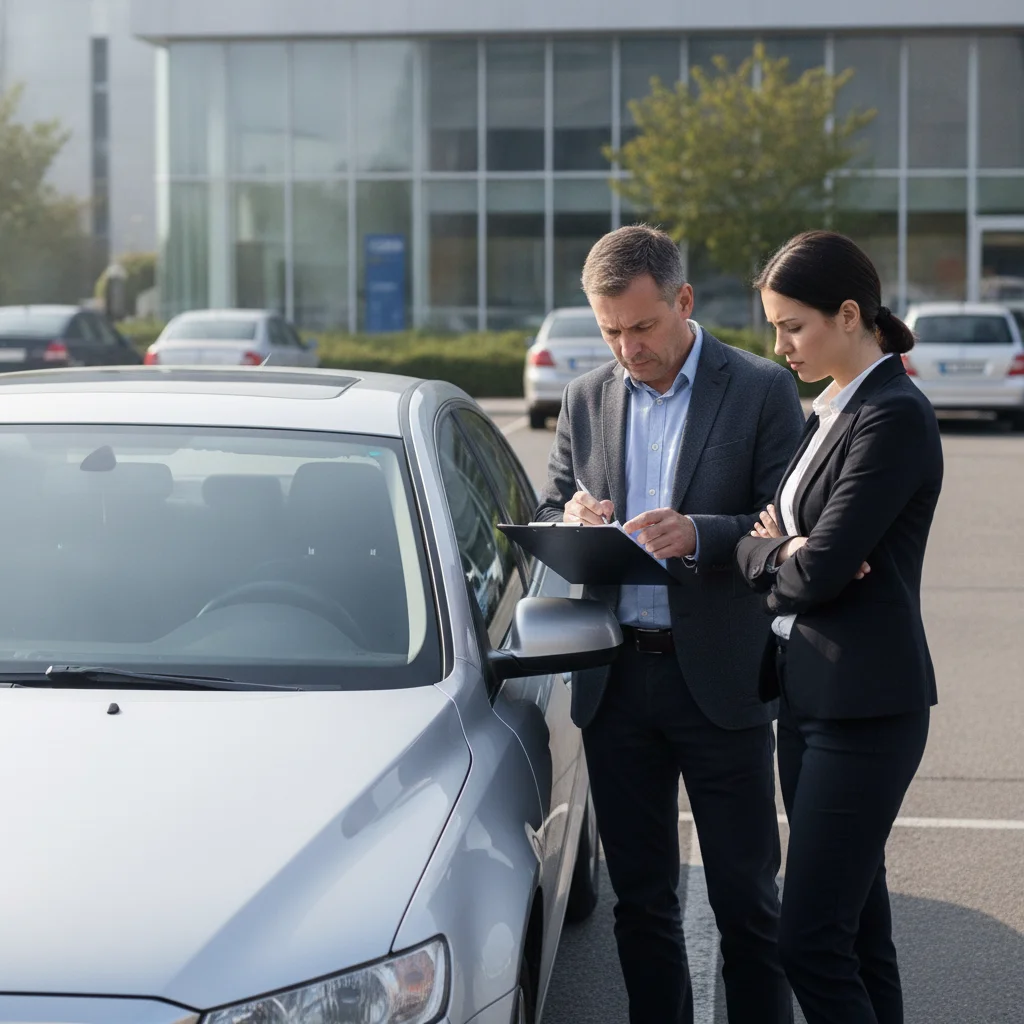
During the Showing: What to Watch For
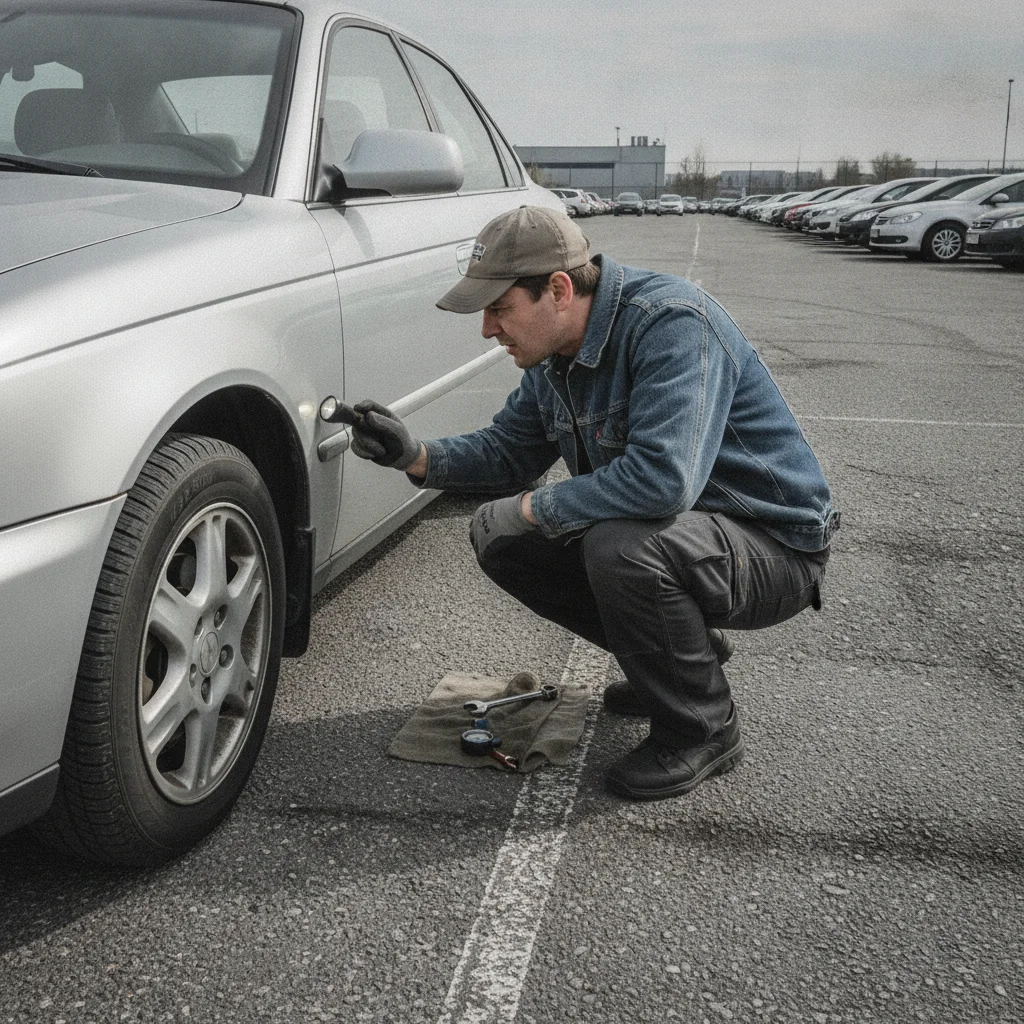
Once a buyer arrives, your job shifts from preparation to observation. Note whether they came alone or with others. Are they focused on the car, or are they scoping your driveway, garage, and home? Legitimate buyers examine the vehicle — they crouch to check the rocker panels, open the hood, look at the tires. A buyer who barely glances at the car but asks a lot of questions about where you keep the spare key or whether you have other vehicles is not there to buy.
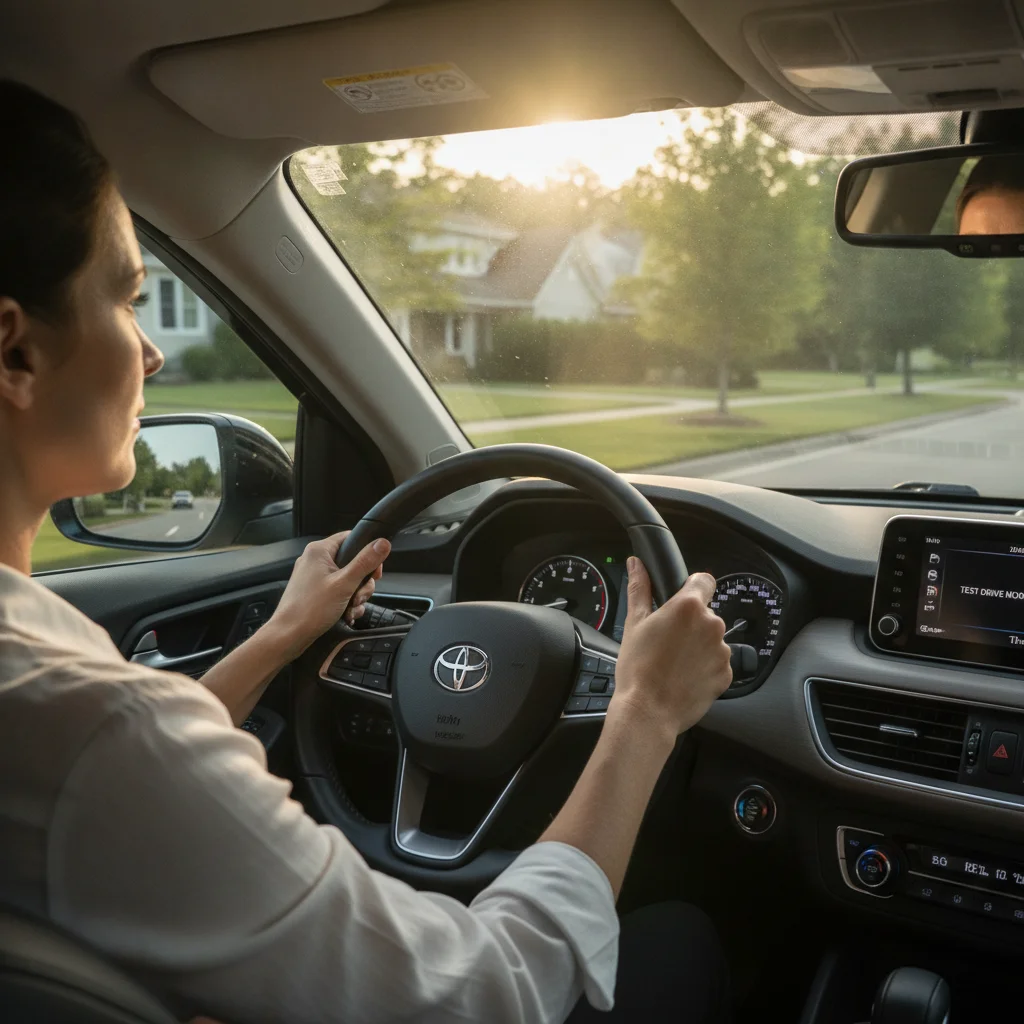
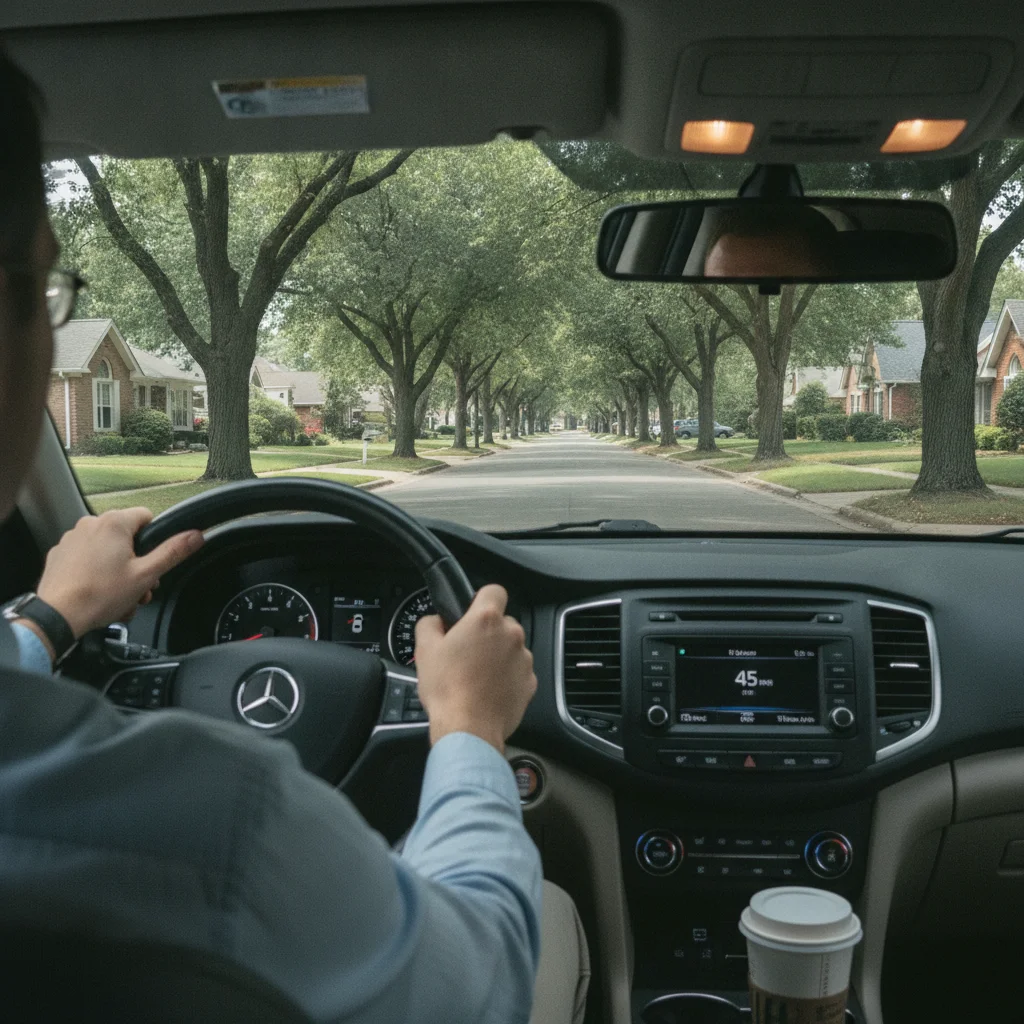
When it's time for a test drive, always ride along. This is a firm rule, not a preference. You cannot assess whether a buyer is driving safely if you're not in the car, and you have no practical recourse if they drive away alone. Set a route in advance — a 10 to 15 minute loop that covers city streets and at least one stretch of highway is sufficient. Inform the buyer of the route before you leave so there's no ambiguity about where you're going.
Keep the title and any extra keys out of the car during the drive. There's no reason a buyer needs to hold the title during a test drive, and surrendering it creates unnecessary risk. For context on what buyers are evaluating during this same drive, our article on test drive tactics for buyers covers what an informed buyer will be listening and feeling for.
After the drive, if the buyer expresses interest, move into negotiation with a clear sense of your floor price. Don't let the excitement of a near-deal push you into accepting payment terms you haven't verified. Fake cashier's checks remain one of the most common fraud tactics used against private sellers — understand exactly how these scams work before you accept anything that isn't cash or a verified electronic transfer. Our companion article on cashier's check scams targeting private car sellers covers this in detail.
Never Hand Over the Title Before Payment Clears
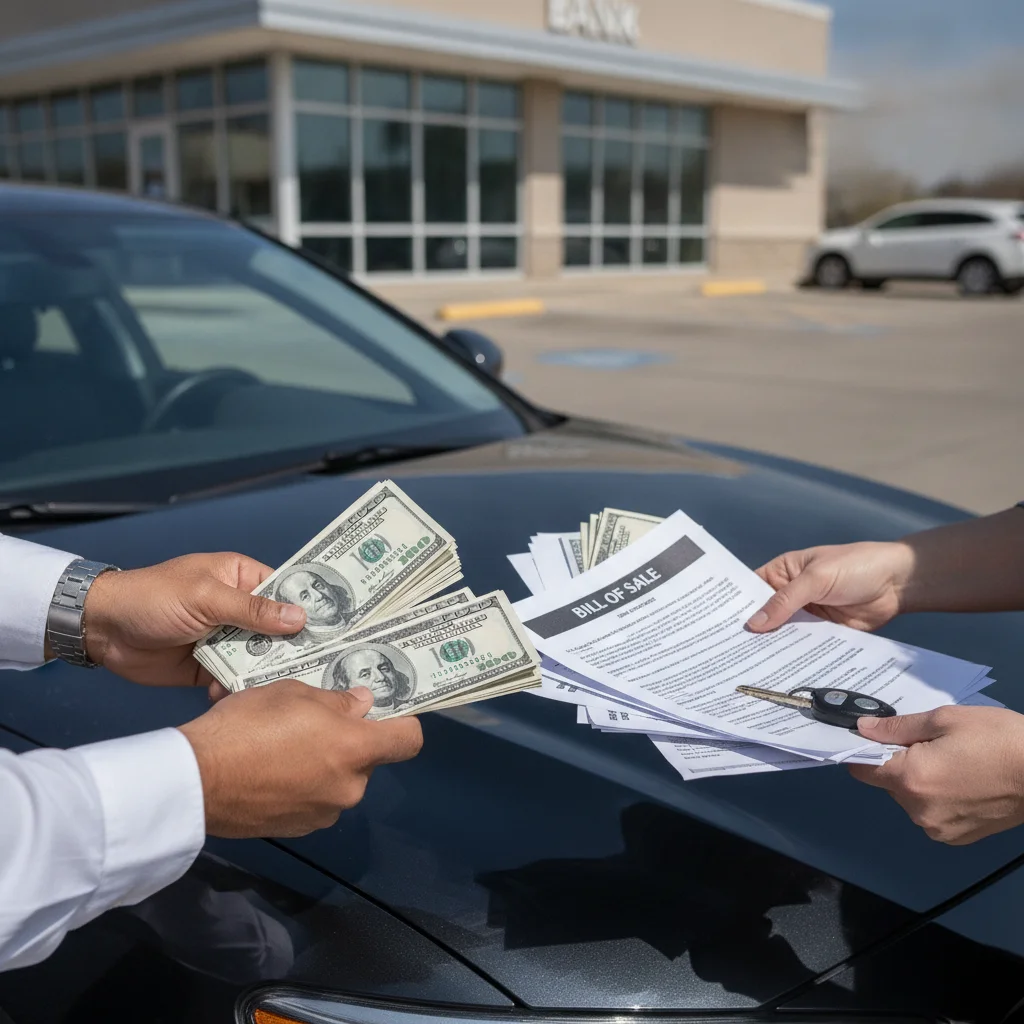
The title is the legal instrument that transfers ownership. Once it's signed and in a buyer's hands, your leverage is essentially gone. Do not sign the title or give it to the buyer until payment is confirmed as irreversible — cash in hand, a completed Zelle or bank wire, or a cashier's check verified directly with the issuing bank. Handing over the title on a promise or an unverified check is one of the most common and costly mistakes private sellers make.
A Copied License Is Not Optional
Photographing a buyer's driver's license before a test drive is not rude — it is standard practice in any legitimate transaction involving a stranger operating your vehicle. If a buyer refuses or claims they left their license at home, the test drive does not happen. There are no exceptions to this rule. The photo gives you a traceable record if the car is damaged, stolen, or involved in an incident.
After the Showing: Whether They Buy or Not
When a buyer leaves without purchasing, do a quick walk-around of the vehicle. Confirm all keys are accounted for, check that nothing was left behind or, more importantly, taken. Reset your parking situation if the test drive required moving other vehicles — leaving your garage or driveway layout exposed after a showing you know went nowhere is a low-level but real risk.
If the buyer is interested and you're moving toward a deal, get a non-refundable deposit in writing before you take the listing down. A $200–$500 deposit paid via Venmo, Zelle, or cash is standard practice. This weeds out buyers who are simply price-shopping and gives you some compensation if a deal falls through at the last minute.
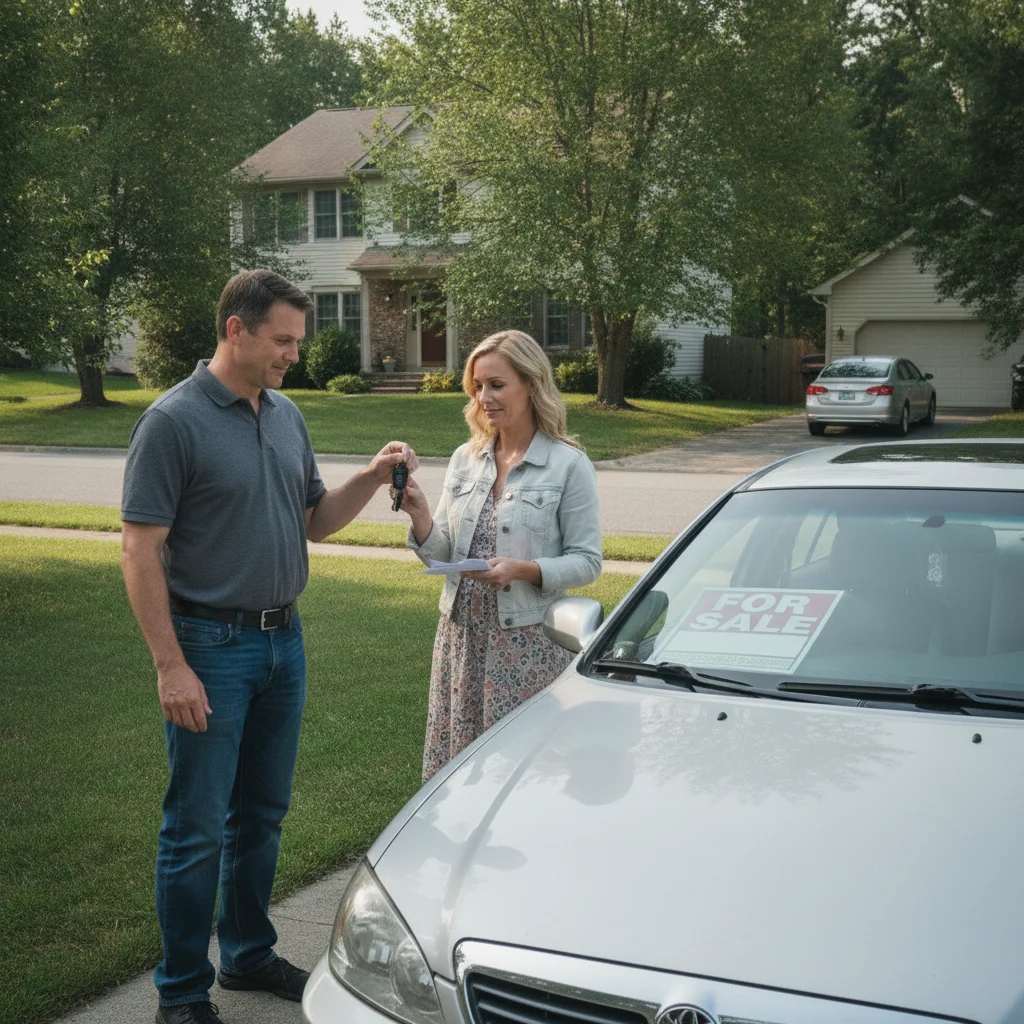
For final sale paperwork, verify your state's specific title transfer requirements. Some states require a bill of sale, others require notarization, and most require you to remove your license plates before the car leaves. Completing a release of liability form with your DMV immediately after the sale is one of the most overlooked steps in private party transactions — it protects you if the new owner gets a ticket or is involved in an accident before re-registering the vehicle.
Buyers who want to understand what they should be verifying on their end of a private sale can review our guide on how private seller inspections differ from dealership purchases. Understanding what a well-prepared buyer looks like also helps you recognize the ones who aren't serious.

All claims are backed by peer-reviewed research. Sources on request.