Key Takeaways
Why Test Drive Risk Is Real — and Often Underestimated
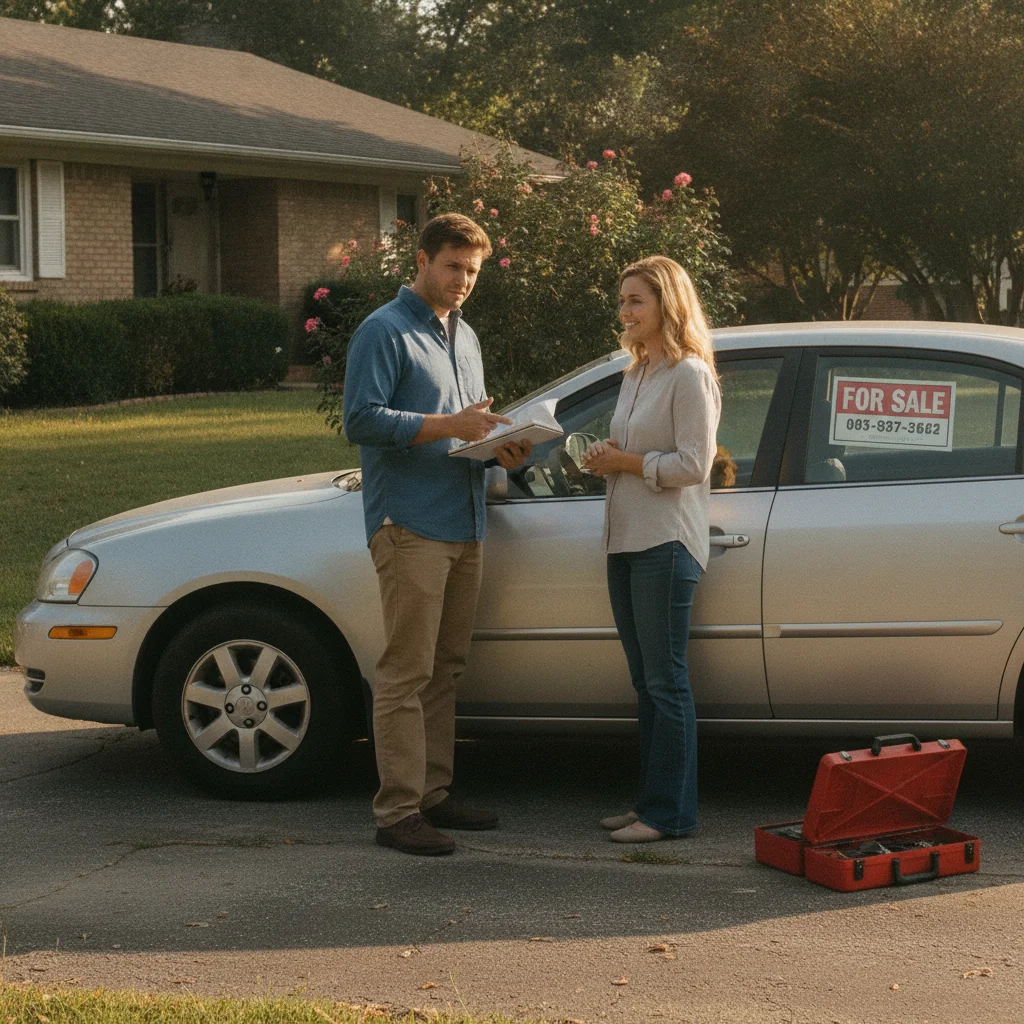
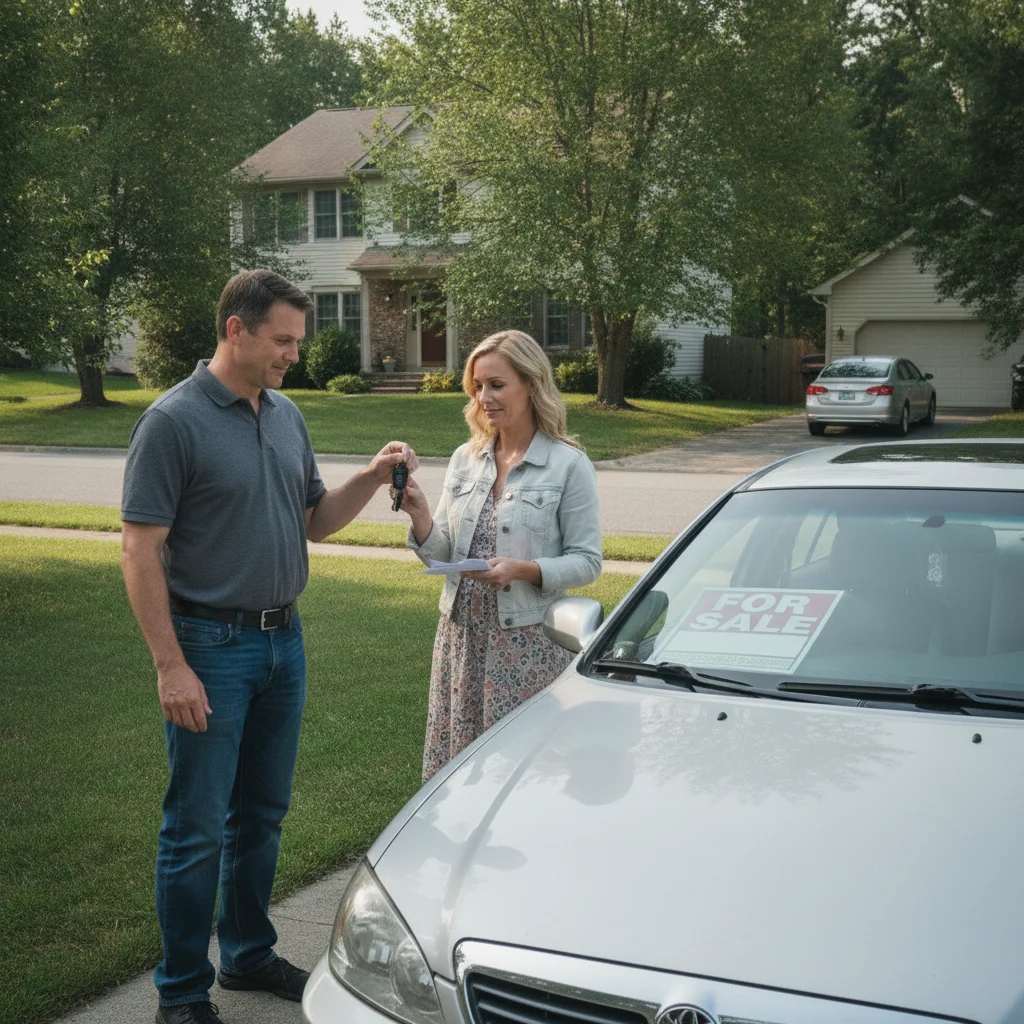
Handing the keys of a $15,000 car to someone you met on Facebook Marketplace an hour ago is genuinely nerve-wracking — and it should be. Test drives are where private sales go sideways most often. Accidents happen, vehicles disappear, and in rare but documented cases, test drives have been used as cover for theft or robbery.
None of this means you should refuse test drives. Buyers legitimately need to evaluate a car before committing thousands of dollars, and refusing typically kills the deal. What it does mean is that you need a protocol — a clear, consistent set of steps you run every single time, regardless of how trustworthy the buyer seems.
The sellers who get burned are almost always the ones who skipped a step because the buyer seemed "like a nice person." Nice people have accidents too. Nice people sometimes have lapses in judgment. And not everyone who seems nice is nice.
This guide is written from the seller's perspective. If you're a buyer trying to understand what sellers are thinking — or what good sellers ask for — check out our hub on test drives and inspections for the other side of this equation.
What You Need Before Anyone Drives Your Car
Before you schedule a single appointment, get two things sorted out:
What you will need
On the insurance question specifically: most personal auto policies cover permissive use, meaning someone you explicitly allow to drive your car is covered under your policy. But coverage limits, deductibles, and exclusions vary. Call your insurer and ask: "If a prospective buyer gets into an accident during a test drive, what happens?" Get a clear answer before your first showing.
Also check whether your policy has any exclusion for vehicles listed for sale. Some do. If yours does, you may need a short-term rider or a different approach.
Smartphone with camera
Photograph the buyer's license, your vehicle's current condition, and any pre-existing damage before handing over keys.
Test drive agreement form
A simple one-page document the buyer signs acknowledging the vehicle's condition, their insurance status, and their liability for damage during the drive.
Physical notepad or note-taking app
Record the buyer's name, license number, phone number, and the date and time of each test drive for your records.
Personal auto insurance policy documents
Confirm permissive-use coverage and any exclusions that apply while your vehicle is listed for sale.
Small deposit receipt template
Document any good-faith deposit collected before the test drive, including the amount, date, and refund conditions.
Your Insurance May Not Cover a Buyer's Negligence Fully
Even if your policy covers permissive-use drivers, your deductible still applies — meaning you pay out of pocket before your insurer steps in. If a buyer causes $3,000 in damage and your deductible is $1,000, that's your cost initially. This is why the signed test drive agreement and the buyer's own insurance matter: they create a clear path for cost recovery that doesn't run entirely through your policy.
Never Let a Buyer Drive Away Alone
Regardless of how trustworthy a buyer seems, never allow an unsupervised test drive. Vehicles have been stolen outright during private sale test drives. Even in non-theft scenarios, an accident without you present makes liability and insurance claims significantly more complicated. Ride along, every single time.
Step-by-Step: Running a Safe Test Drive
Follow these steps in order. Don't abbreviate them because a buyer seems impatient or the weather is bad. The protocol only works when it's consistent.
Pre-screen the buyer before scheduling anything
Before you agree to a meeting, exchange enough information to establish basic credibility. Ask for the buyer's full name and phone number. Run a quick Google search. If they came through a platform like Craigslist or Marketplace, review their profile history.
You're not running a background check — you're filtering out obvious red flags. Anyone unwilling to give you a name and phone number before driving a $10,000+ vehicle is not a serious buyer.
Photograph the car's condition before the buyer arrives
Do a full walkaround before every showing — even if the car has been sitting untouched in your driveway for a week. Photograph all four corners, the hood, the roof, each door panel, and the interior. Timestamp is automatic with a smartphone camera.
This takes five minutes and gives you an indisputable baseline if the buyer causes damage and disputes it.
Verify ID and insurance before touching the keys
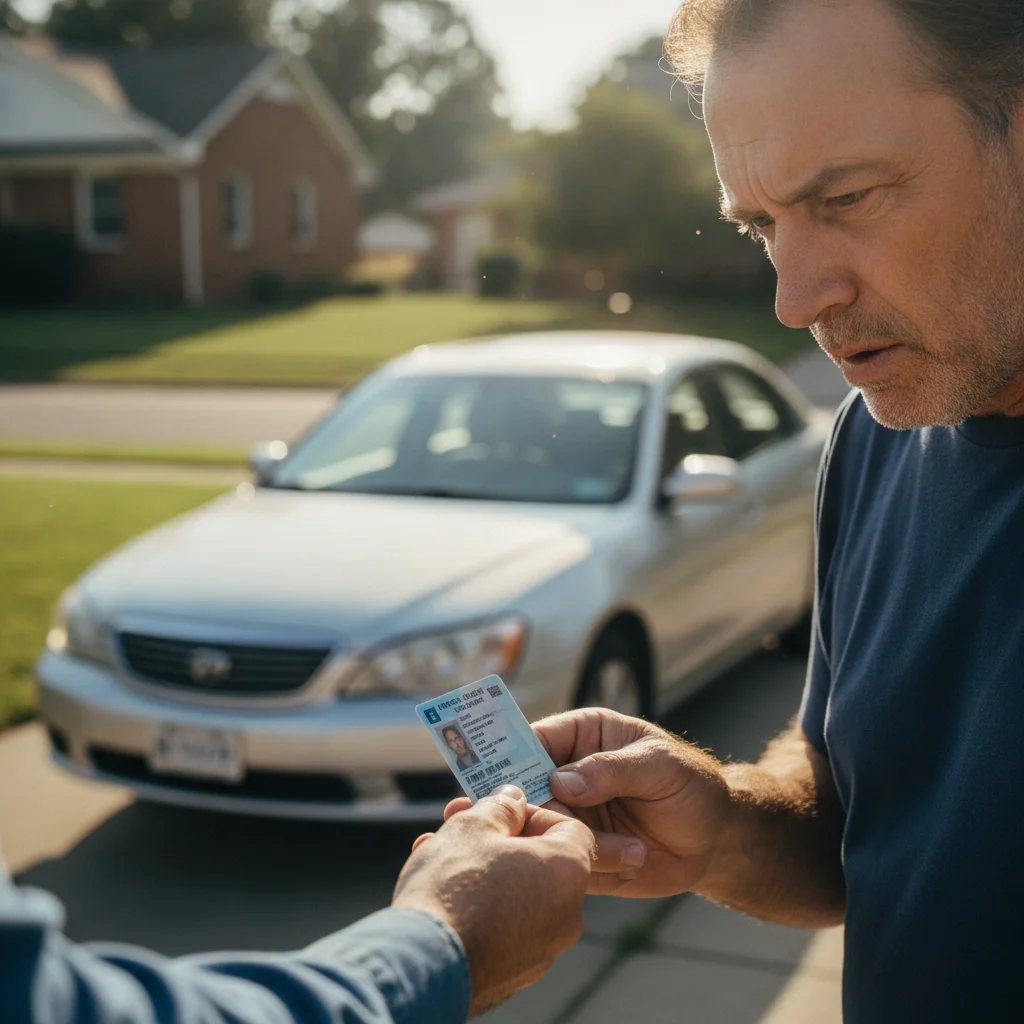
When the buyer arrives, ask to see their driver's license. Check that it's valid (not expired), matches their stated name, and shows a photo that matches the person in front of you. Photograph it.
Then ask for proof of insurance. A screenshot of their insurance app or a physical card works. You're confirming they have active coverage — not auditing policy limits. Note the carrier and policy number.
If they don't have insurance, they don't drive your car. Period. Your policy may provide secondary coverage, but you don't want to be the primary line of defense for a stranger's accident.
Have the buyer sign a test drive agreement
A test drive agreement doesn't need to be complex. A one-page document covering these points is sufficient:
- Buyer's name, license number, and insurance policy number
- Vehicle make, model, year, VIN, and current odometer reading
- Acknowledgment of the vehicle's pre-existing condition (reference your photos)
- Statement that the buyer is a licensed, insured driver
- Agreement that the buyer is responsible for any damage caused during the drive
- Date and signatures from both parties
Most buyers who are genuinely interested in purchasing don't balk at this. It's a reasonable ask. If someone refuses to sign, treat that as a significant red flag.
Consider collecting a small refundable deposit
Asking for $100–$200 as a refundable good-faith deposit before the drive accomplishes two things: it filters out people who aren't serious, and it creates a small financial stake that encourages responsible behavior.
Be clear in writing that the deposit is fully refundable if the buyer decides not to purchase. Document it with a simple receipt showing the amount, the date, and the conditions for refund.
This step is optional for lower-value vehicles, but strongly recommended for anything over $10,000.
Ride along — always
Get in the passenger seat. This is non-negotiable. You are not being rude or distrustful — you are protecting a significant financial asset. Frame it simply: "I ride along on all test drives."
During the drive, stay calm and let the buyer focus on the car. You don't need to narrate the whole experience. But you should be present to respond to mechanical questions, to observe how they handle the vehicle, and to intervene if something goes wrong.
If you're uncomfortable with a buyer for any reason before the drive starts, trust that instinct. You are under no obligation to proceed.
Debrief and document after the drive
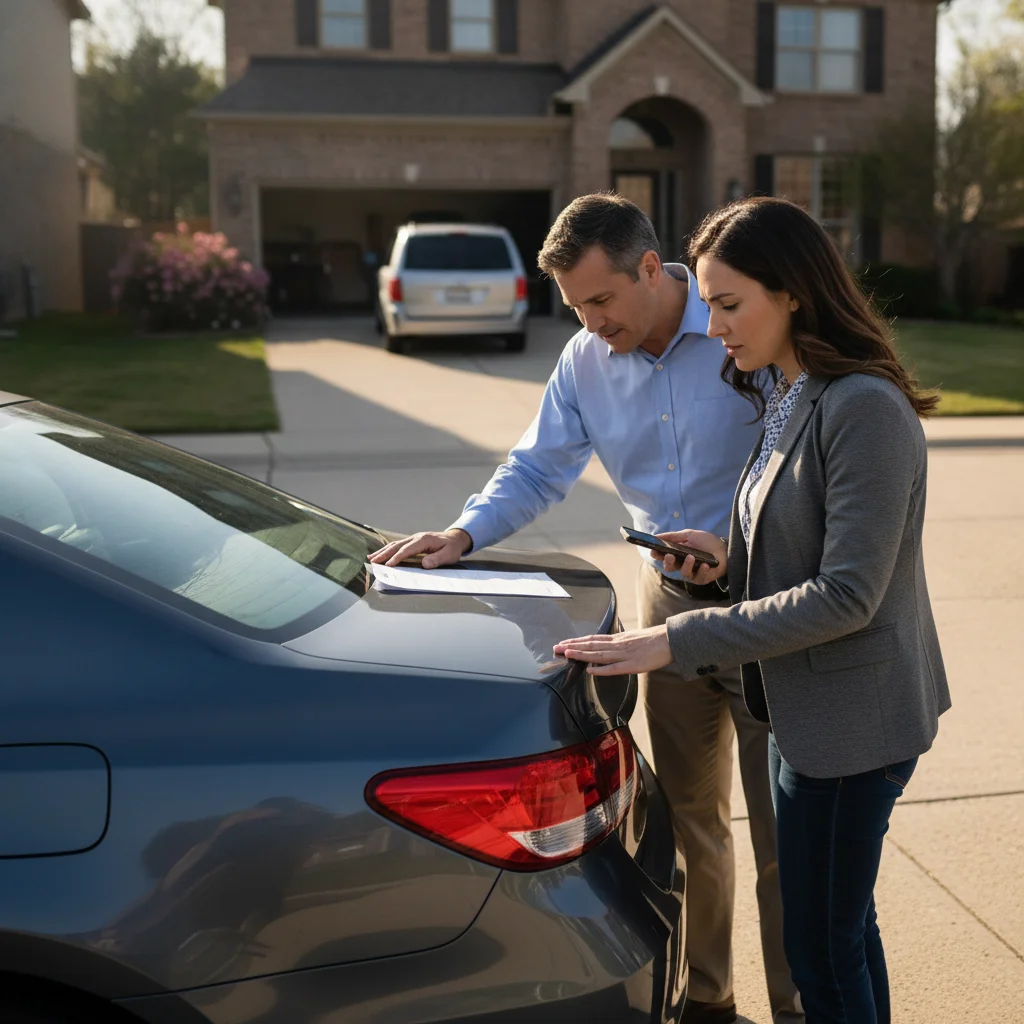
Once back at your starting point, do an immediate walkaround with the buyer present. Check for any new damage. Note the new odometer reading. If everything is clean, say so explicitly — "Looks good, no changes from when we started."
Add the buyer's information to your log: name, date, time, license number, outcome of the visit. This takes two minutes and gives you a complete paper trail for the sale period.
Setting Up the Right Environment
Where and when you meet matters almost as much as who you meet. A few structural choices dramatically reduce your exposure:
- Meet during daylight hours. Evening or nighttime showings limit your ability to inspect the buyer's ID and limit visibility of the vehicle and surroundings.
- Choose a public location for the initial meeting. A busy parking lot — a bank, a grocery store, a police station — is better than your home address for a first contact. If the buyer passes your vetting, you can proceed from there.
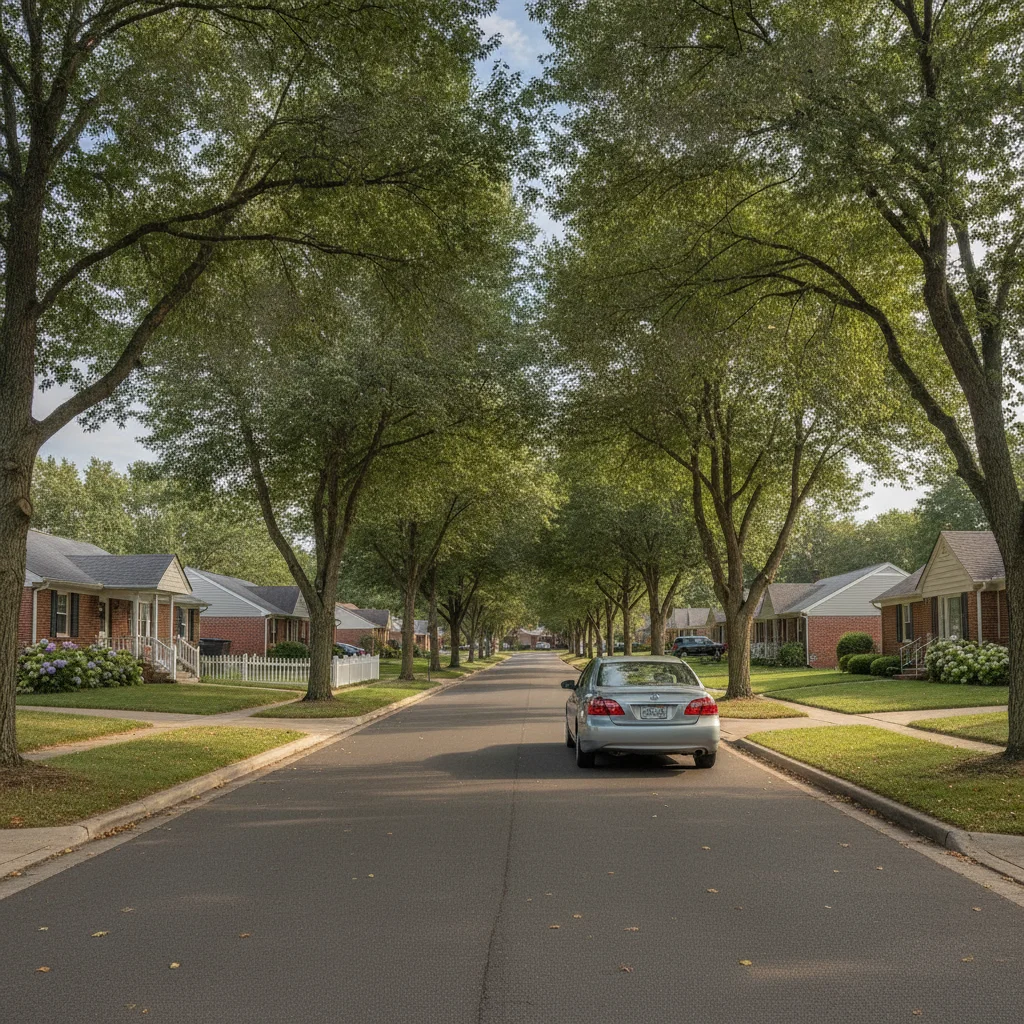
- Pre-drive the route yourself. Know exactly where you're going: a 10–15 minute loop that includes city streets and a brief highway segment. Avoid school zones, construction areas, and unfamiliar neighborhoods.
- Tell someone where you're going. Share the buyer's contact info, the car's details, and your expected return time with a friend or family member before every showing.
One more environmental consideration: don't leave valuables, spare keys, or sensitive documents in the car during the test drive. The glove box and center console should be cleared before any buyer gets in.
A Predetermined Route Is Your Best Ally
Drive your test drive route yourself before any buyer arrives. Time it, note the turns, and identify any sections with poor visibility or heavy traffic. When the buyer is behind the wheel, you can focus on them — not on navigating. A consistent route also means you know exactly how the car should feel on that road, making mechanical anomalies easier to catch.
Use the 'Policy' Framing to Deflect Pushback
When buyers push back on ID checks, ride-alongs, or agreements, the easiest response is: "It's just my standard policy for all showings." This removes the personal element and signals that you run a professional process. Serious buyers respect it. Buyers who don't respect it are telling you something important about how the rest of the transaction will go.
Keep Your Spare Key Hidden
Before any showing, remove your spare key from the vehicle and store it somewhere the buyer cannot access. Magnetic key boxes under bumpers and center console compartments are obvious places buyers might look. This sounds paranoid until you talk to someone who had their car driven off while they were distracted signing paperwork.
Handling Pushback and Edge Cases
Even well-prepared sellers run into friction. Here are the most common scenarios and how to handle them:
"I don't have my license on me."
Simple: reschedule. Do not hand over the keys without seeing a physical license. If they're serious buyers, they'll come back with ID. If they're offended, that's useful information.
"I just need five minutes alone to think."
No. You stay in the car. The reason is obvious — if something goes wrong mechanically or physically, you need to be present. Frame it as standard practice: "I ride along on every test drive — it's just my policy."
"Can my mechanic take it for a pre-purchase inspection?"
This is a legitimate request and you should say yes — with conditions. The mechanic drives to a nearby shop, you ride along or follow, and the car never leaves your line of sight without you in it. Alternatively, you can drive the car to the shop yourself and let them inspect it there.
The buyer wants a longer drive or a highway run.
Reasonable buyers understand a 15-minute route is standard. If they want more, that's a conversation — but you control the route and the duration. "Let's start with the standard loop and if you have specific concerns about highway performance, we can add a short segment" is a reasonable response.
For buyers, the calculus looks different — knowing what questions to ask and what to look for during a drive is covered in questions worth asking during every test drive.
Theft During Test Drives Is Documented and Real
Law enforcement agencies across the country have documented cases where individuals used private sale test drives as a vehicle theft method. The pattern is consistent: arrive, ask to drive alone, and leave. Riding along on every test drive is not a nicety — it is the single most effective theft deterrent available to private sellers. If a buyer is unwilling to accept a ride-along, do not proceed with the drive.
Skipping the Test Drive Entirely Has Real Costs for Buyers
Some sellers think refusing test drives altogether eliminates their risk. It doesn't — it just kills deals. Buyers who skip test drives take on significant risk of their own, as covered in our article on <a href="/buying-a-car/car-buying-process/online-car-buying/why-skipping-the-test-drive-could-cost-you-more-than-you-think">why skipping the test drive could cost you more than you think</a>. Refusing test drives signals a problematic vehicle or seller and will dramatically reduce your buyer pool. The answer is a managed test drive, not no test drive.
After the Test Drive: Protecting Yourself Through the Close
The test drive went fine — now what? A few post-drive practices keep you protected through the rest of the transaction:
Don't release the title until funds clear
This is separate from the test drive but worth stating plainly: never sign over the title until you have verified, cleared funds. Cashier's checks can be forged. Cash can be counterfeit (though rare). If you're accepting a cashier's check, meet the buyer at their bank and watch the teller confirm it.
Document the car's condition post-drive
Walk around the vehicle immediately after returning. If there's new damage — a scuff, a ding — address it before the buyer leaves. Your pre-drive photos are your baseline.
Keep a record of everyone who drove the car
Name, date, license number, phone number. If something surfaces later — a parking ticket from that day, a hit-and-run claim — you have documentation of who was behind the wheel.
If you're thinking about what buyers go through when a test drive isn't even an option, our article on inspecting a car you can't test drive covers remote and pre-delivery situations in depth. And for the broader context of buying used, see our guide on buying used cars.
Private sales carry real risk on both sides of the transaction. The sellers who consistently close clean deals are the ones who treat every showing like a business transaction — not a social visit. Stay systematic, stay present, and don't let politeness override your judgment.

All claims are backed by peer-reviewed research. Sources on request.