Key Takeaways
Why Running Multiple Offers Is Worth Your Time
Every instant-offer platform markets itself on speed and simplicity — and they deliver on that. What they don't advertise is that their opening number is calibrated to their current inventory gaps, reconditioning cost estimates, and wholesale margin targets. None of those inputs are the same across Carvana, CarMax, Vroom, Peddle, Driveway, or a local dealer's appraisal desk. That divergence is your opportunity.
I spent years on the finance side of a dealership watching buyers walk in with a single trade-in offer and accept it because it felt official. It wasn't a negotiating position — it was a starting point that had already been set by someone else. The sellers who walked in with three or four competing quotes operated in an entirely different conversation.
The same dynamic applies when you're selling outright through an instant-offer service. How these platforms actually price your car matters, but what matters more in practice is that no single platform has a monopoly on the best number for your specific vehicle on any given day.
The process outlined below is designed to be efficient. You are not calling dealerships and waiting for callbacks. You are submitting structured forms with consistent data and collecting binding (or near-binding) written offers within a single afternoon. Done right, the comparison shopping itself becomes leverage — and that leverage is usable.
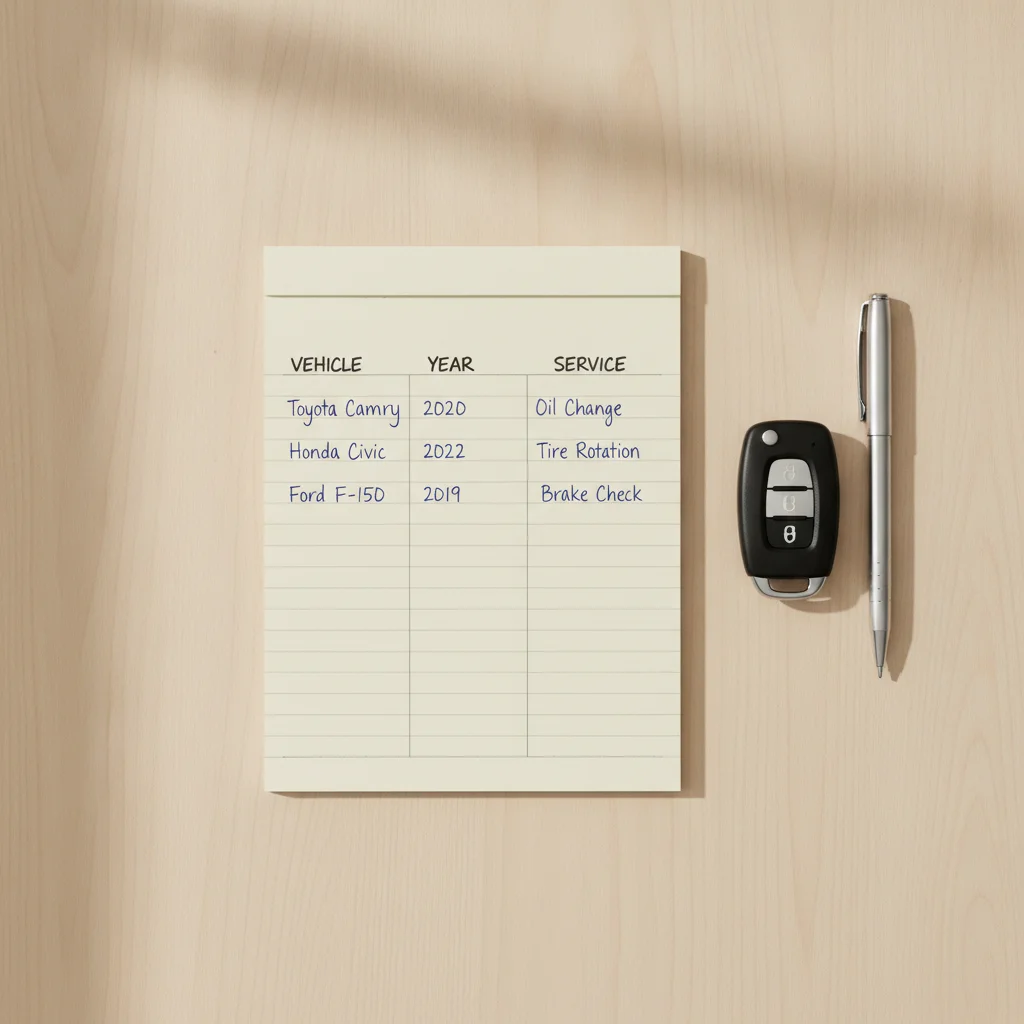
Before you start submitting, take 15 minutes to prep your vehicle information once so you can paste it into every form without re-entering data. That single prep step is the difference between a focused 90-minute session and a frustrating three-hour ordeal.
What You Need Before You Start
Submitting to multiple platforms without your information organized is the fastest way to get inconsistent offers — and inconsistent offers are useless for comparison. Every form will ask for roughly the same inputs. Compile them once.
What you will need
Beyond the basics, pull your payoff balance from your lender's website or app today — not last month's statement. Platforms will ask for it, and an outdated figure leads to equity miscalculations that can derail a closing. If you're underwater (owe more than the car is worth), that's still workable on most platforms, but you need the accurate number upfront.
Spreadsheet or notes app
Central place to record your vehicle data once and paste into each platform form without re-entering.
Smartphone camera
Take 20–30 consistent photos of your vehicle for upload to platforms that accept visual documentation.
Lender's online account or app
Retrieve your current payoff balance with today's date — needed by every platform that will be paying off your loan.
Vehicle history report (Carfax or AutoCheck)
Know what the platforms will see before they see it — surprises in the history report cause inspection-day adjustments.
OBD-II scanner
Check for any stored trouble codes before submitting; undisclosed check-engine issues are the most common source of inspection-day price cuts.
One more thing worth doing before you submit anywhere: run through the pre-sale checklist for instant offer platforms. Platforms penalize undisclosed issues at inspection — often by more than the issue itself warrants. Disclosing accurately in the form keeps the inspection adjustment small and predictable.
The Step-by-Step Process
The sequence below is deliberate. Do not skip the ordering steps — revealing offers prematurely to competing platforms undermines your negotiating position, and accepting too early before you have a full picture leaves money on the table.
Compile your vehicle data sheet
Open a document or notes app and record the following in one place: year, make, model, trim level, exact mileage (check your odometer today, not from memory), VIN, current title status (clean, lien, salvage), accident history, and a honest condition assessment. Note every known mechanical issue, cosmetic damage, and any modifications. This becomes your master input — copy-paste it into every form.
While you're at it, locate your title or lender payoff information. If the car is financed, log into your lender's account and screenshot the current payoff amount with the date. Payoff figures change daily due to interest accrual.
Choose your platform set
Target three to five platforms. A good default set for most sellers in the continental U.S.:
- Carvana — strong on late-model, low-mileage vehicles; fully remote process
- CarMax — firm no-haggle offer, but highly consistent and reputable; in-person or online
- Vroom — competitive on certain makes; fully remote
- Peddle or We Buy Any Car — useful for older, higher-mileage, or damaged vehicles that premium platforms discount heavily
- A local dealer's online appraisal tool — adds a baseline and is usable as leverage regardless of whether you buy from them
Adjust based on your vehicle's profile. A 2020 Honda CR-V with 45,000 miles will get better offers from Carvana and Vroom than a 2011 Ford F-150 with 140,000 miles, which may do better with Peddle or a regional dealer. See the platform rankings by payout and seller experience to tailor your list.
Submit to all platforms before reviewing any offer
This is the single most important sequencing rule. Submit your information to every platform on your list before you look at any offer. Here's why: if you see a $14,500 offer from Carvana first, that number anchors your perception. You may unconsciously describe your condition slightly more favorably on the next form to chase a higher number — which creates inconsistency and inspection risk. Alternatively, you may settle too quickly on the Carvana number without collecting a potentially better offer from CarMax.
Submit all forms in a single session. Most take 10–20 minutes each. A five-platform session runs roughly 60–90 minutes total. Then step away for 30 minutes before you open any results.
Record every offer in a comparison table
Once all offers are in, record them side by side. Your table should include: Platform, Gross Offer, Disclosed Fees, Net Offer, Offer Expiration Date, and Inspection Policy (will they adjust at pickup, and on what basis). If a platform hasn't delivered a number within 24 hours of submission, call them directly — sometimes submissions get stuck in manual review queues.
Sort by net offer descending. The top of that list is your anchor for the next step.
Use the top offer to pressure-test the others
Call — don't chat — the platform with the second-best offer. Tell them you have a competing written offer above their number and ask whether they can improve. You don't need to disclose the source or exact amount unless you choose to. Some platforms will ask you to email proof of the competing offer; others will simply ask the dollar amount and run it through their system.
Do this with platforms two and three on your list. Platform one (your current leader) doesn't need to be called unless someone else surpasses them. If any platform improves their offer, update your table and repeat the process once with the new leader if it displaces the previous top offer.
Accept the winning offer and schedule pickup or drop-off
Once you've exhausted the comparison and counter process, accept the best net offer before it expires. The closing process varies by platform: some schedule a home pickup, others require you to bring the vehicle to a hub location or participating dealer. Confirm exactly what documentation to bring — typically the title (or lien release instructions from your lender), a valid government-issued ID, and your vehicle registration.
If you're financed, confirm with the platform how payoff works. Most platforms pay your lender directly and send you the equity difference. Ask for a written confirmation of that process and the timeline before you hand over the keys.
Once you have all your offers in hand, you're in a fundamentally different position than the average seller. You know the real market for your car today, not a Kelley Blue Book range that covers millions of different conditions and markets. That's concrete information. Use it as described in the steps above, and you'll either close at the best available number or walk away knowing exactly what you're leaving behind.
Offer Expiration Is Not Flexible
Most platforms will not extend an expired offer — they'll simply re-price your vehicle at current market conditions, which may be lower. If you're approaching an expiration date without having made a decision, call the platform and ask explicitly whether an extension is possible before it lapses. Some will grant 24–48 hours; most won't.
Simultaneous Submissions Can Trigger Duplicate Inquiries
Some platforms share backend data or use the same auction partners for final liquidation. If two platforms send your vehicle to the same downstream buyer, the offers may converge rather than compete. This is more common on lower-value vehicles where wholesale channels are limited. It doesn't eliminate the value of comparison shopping, but it's worth knowing — especially if two offers come back identical.
Reading and Comparing What You Get Back
Not all offers are structured identically, and comparing them at face value can mislead you. Before you declare a winner, normalize each offer across three dimensions.
Net payout after fees
Some platforms quote a gross amount and charge a transfer or transaction fee at closing. Others build those costs in. Ask each platform explicitly: "What is the net amount deposited to me after all fees?" That single question surfaces hidden deductions that don't appear on the initial offer screen.
Offer validity window
Carvana and CarMax typically give you 7 days. Vroom has historically offered 7 days as well, but may shorten it based on demand. Dealer appraisals often expire in 3–5 days or are tied to a specific purchase decision. Know exactly when each offer lapses before you start any counter-conversation. An expired offer is a dead card.
Inspection adjustment risk
Every platform reserves the right to adjust the offer at physical inspection. The question is by how much and on what grounds. Platforms with a robust remote-assessment process (detailed photo upload, OBD scan) tend to have smaller inspection-day surprises. If you disclosed everything accurately upfront, most adjustments should be minor — but ask each platform what percentage of their final offers change at inspection and by how much on average. A platform offering $200 more upfront but routinely cutting $500 at inspection is the worse deal.
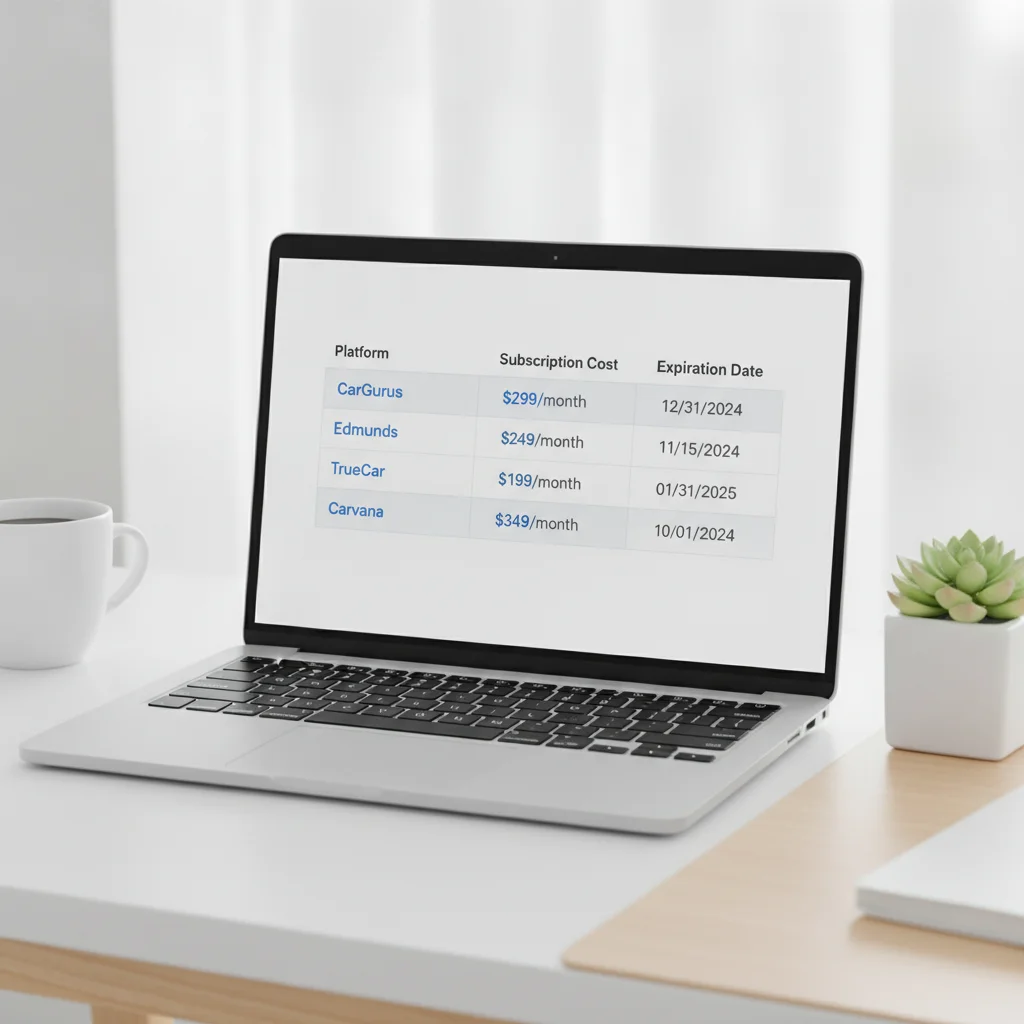
Build a simple comparison table — even a notes app works — with four columns: Platform, Net Offer, Expiration Date, Inspection Risk (Low/Medium based on your research). That visual makes the decision clear in most cases.
For a side-by-side review of how the major platforms compare on payout, speed, and seller experience, see our ranked breakdown of instant offer platforms. It's a useful calibration tool before you decide which platforms to prioritize in your submission round.
Timing Your Submission Round Matters
Instant-offer algorithms adjust pricing based on inventory levels at regional auctions and retail lots. Submitting mid-month on a Tuesday or Wednesday tends to catch platforms with fresher inventory budgets than end-of-month or weekend submissions. It's not a guarantee, but sellers who run this process repeatedly report it as a consistent pattern. <a href="/buying-a-car/negotiating-and-deals/timing-your-purchase">Timing your purchase</a> covers the same calendar dynamics from the buyer's side — the logic is mirrored.
Don't Overlook Older or High-Mileage Vehicles
Sellers with vehicles over 100,000 miles or older than 8 years sometimes assume instant-offer platforms won't be competitive. That's not always true — platforms like Peddle specifically focus on this segment and can outperform what a dealer would offer at trade-in. Always include at least one platform that specializes in your vehicle's age and mileage profile.
Keep Records of Every Offer
Screenshot or download each offer confirmation email immediately. Offer portals can be difficult to navigate back to, and you may need the written number to present during a counter-conversation. Keeping a timestamped record also protects you if a platform later claims to have sent a different figure.
Using Your Offers as Leverage
Having multiple offers changes the conversation with every party — the platforms themselves, a dealership if you're buying a car, and even private buyers if you decide to go that route instead.
With competing platforms
Not every platform will move on their number. CarMax, for example, has a firm no-haggle policy. But several others — particularly dealer-affiliated platforms and regional buyers — will respond to a competing offer. The approach is simple: call the platform directly (not the web chat), state your vehicle, state the competing offer amount, and ask whether they can improve. You do not need to volunteer which platform made the competing offer. If they ask, you can say it's from a licensed dealer — which is true if you included a dealer appraisal in your set.
With a dealership on a new purchase
If you're selling your car as part of buying a new one, your instant offers function as a floor under the trade-in value the dealership quotes you. Walk in with three offers in hand. If the dealer's trade-in number is below your lowest instant offer, you have two options: ask the dealer to match the best offer, or sell separately to the instant-offer platform and arrive at the dealership as a cash buyer. The latter is often cleaner — it removes the trade-in variable entirely and forces the dealer to compete on the vehicle price alone. Running multiple trade-in offers before you buy is a parallel strategy worth understanding if you're in a simultaneous buy-sell situation.
Setting a walk-away number
Before you make any decision, establish a number below which you will not sell — to anyone. That number should be based on your payoff balance (if applicable), your tax position on the transaction, and what a private sale could realistically yield after your time and risk. If every instant offer comes in below that number, the right answer may be to list privately or wait. Instant offers are a convenience product. Knowing when that convenience is worth the discount — and when it isn't — is the real skill.
If you want to understand where negotiating room actually exists on these platforms before you make your next call, what's actually on the table when negotiating with instant offer platforms breaks down exactly that.
Never Reveal a Competing Offer Amount First
When calling a platform to leverage a competing offer, let them ask for the number — don't lead with it. If you open with "I have an offer for $15,200 from Carvana," you've told them exactly where to land to win by a dollar. Instead, say "I have a competing offer I'm considering — I wanted to give you a chance to improve before I decide." That phrasing invites them to come in higher without anchoring them to your current best number.

Common Mistakes That Cost Sellers Money
I've watched this process go wrong in predictable ways. Here are the patterns worth avoiding.
Accepting the first offer before the window closes
Platforms design their UX to create urgency. Countdown timers, "offer expires soon" banners, and one-click accept buttons are all intentional friction-reducers that benefit the buyer, not you. Ignore the theater. If you have 7 days, use at least 2–3 to collect competing numbers.
Submitting inconsistent vehicle information
If you describe your car's condition as "excellent" on one platform and "good" on another, you'll get offers that aren't comparable — and you may trigger a larger inspection adjustment on the platform where you overclaimed condition. Use a single consistent condition description everywhere, calibrated honestly.
Forgetting to factor in the convenience cost
Instant offers are priced for the platform's risk and operational cost. A private-party sale through a marketplace will net you more — sometimes significantly more — but it requires your time, vetting buyers, handling paperwork, and absorbing the risk of payment fraud. The right question isn't "is this offer fair?" It's "is the discount worth what I'm getting in return?" That answer depends on your situation. For context on what that discount actually looks like platform by platform, the instant offer platform rankings include average payout gaps versus private-party estimates.
Missing red flags in the offer terms
Some platforms include clawback clauses, mandatory arbitration, or fees triggered by backing out after scheduling pickup. Read the terms before you accept — especially if the platform is one you haven't used before. Red flags that should give you pause covers the specific language and structures to watch for before you commit.

The sellers who get the best results from this process are not the ones who spend the most time on it — they're the ones who run it systematically. Prep once, submit in parallel, collect everything before you reveal anything, then make a decision with full information. That sequence, repeated consistently, is worth real money.

All claims are backed by peer-reviewed research. Sources on request.