Key Takeaways
Why Experienced Sellers Still Get Burned
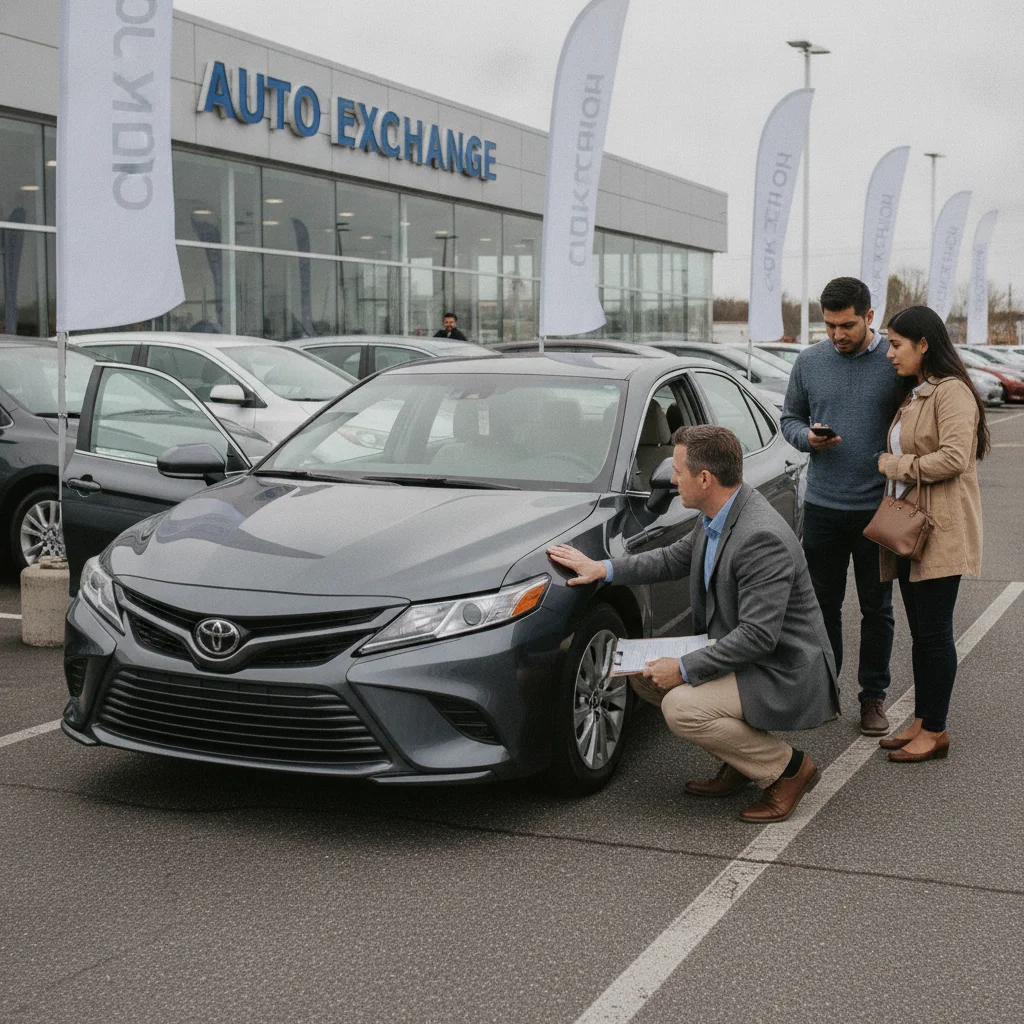
Most drivers who've traded in a car before walk into the dealership with a false sense of security. They've done it once or twice — they know the general drill. That familiarity is exactly what gets them. Comfort breeds complacency, and dealership appraisal desks are built to exploit it.
Trade-in mistakes aren't just a first-timer problem. Repeat sellers fall into the same traps, often because the tactics dealers use are deliberately designed to feel routine and reasonable. The negotiation is structured in the dealer's favor before you ever hand over your keys for the appraisal walk.
This article breaks down the specific mistakes that show up again and again — even among people who've bought and sold multiple cars. Avoiding them doesn't require confrontation or special skills. It requires knowing where the leverage points are and refusing to give them up.
For a broader look at how to run the full negotiation, see the trade-in negotiation checklist before your next dealer visit.

The Mistakes That Keep Costing Sellers Money
Each of the following errors has a clear cause, a predictable consequence, and a concrete fix. Work through these before you step into any dealership with a car to trade.
Negotiating the trade-in and new car purchase as a single bundled deal.
Why it happens: Dealers actively encourage this because it lets them adjust numbers across both sides of the deal to preserve their margin — giving on price while taking on trade-in, or vice versa.
Showing up without a competing offer in hand.
Why it happens: Most sellers assume the first appraisal reflects fair market value, especially if the number sounds reasonable compared to a rough mental estimate.
Accepting the first trade-in offer without countering.
Why it happens: After going through the appraisal process, sellers feel committed and don't want to restart negotiations, especially if the offer seems "close enough."
Overspending on cosmetic prep while ignoring mechanical issues.
Why it happens: Sellers focus on how the car looks because that's what they control most easily. But appraisers are trained to find mechanical and structural issues, not to reward cleanliness.
Disclosing your target monthly payment before the trade-in is settled.
Why it happens: Dealers ask what payment range buyers are comfortable with as an early qualifier. Sellers answer honestly, thinking it's routine information-gathering.
Trading in too early in the vehicle's depreciation cycle.
Why it happens: Life changes, new model excitement, or minor dissatisfaction push sellers to trade in before the car has depreciated to a point where the equity math works in their favor.
Failing to time the trade-in to dealer inventory needs.
Why it happens: Most sellers assume trade-in value is determined by the market broadly, not by what a specific dealer needs on their lot at that moment.
Not knowing the difference between trade-in value and private-party value.
Why it happens: KBB and Edmunds both show multiple value estimates, and sellers sometimes anchor to the private-party figure — which is typically $1,500–$3,500 higher than what dealers will offer.
$1,500–$3,500
Typical gap between trade-in and private-party value
According to Kelley Blue Book and Edmunds estimates, dealers consistently offer less than private-party value to preserve resale margin.
3 offers
Minimum competing quotes before negotiating
Industry consumer advocates and car-buying experts consistently recommend getting at least three written offers to establish a defensible floor.
56%
Car owners who accept the first trade-in offer
A Cox Automotive survey found the majority of trade-in sellers do not counter the dealer's initial appraisal figure.
$500–$1,500
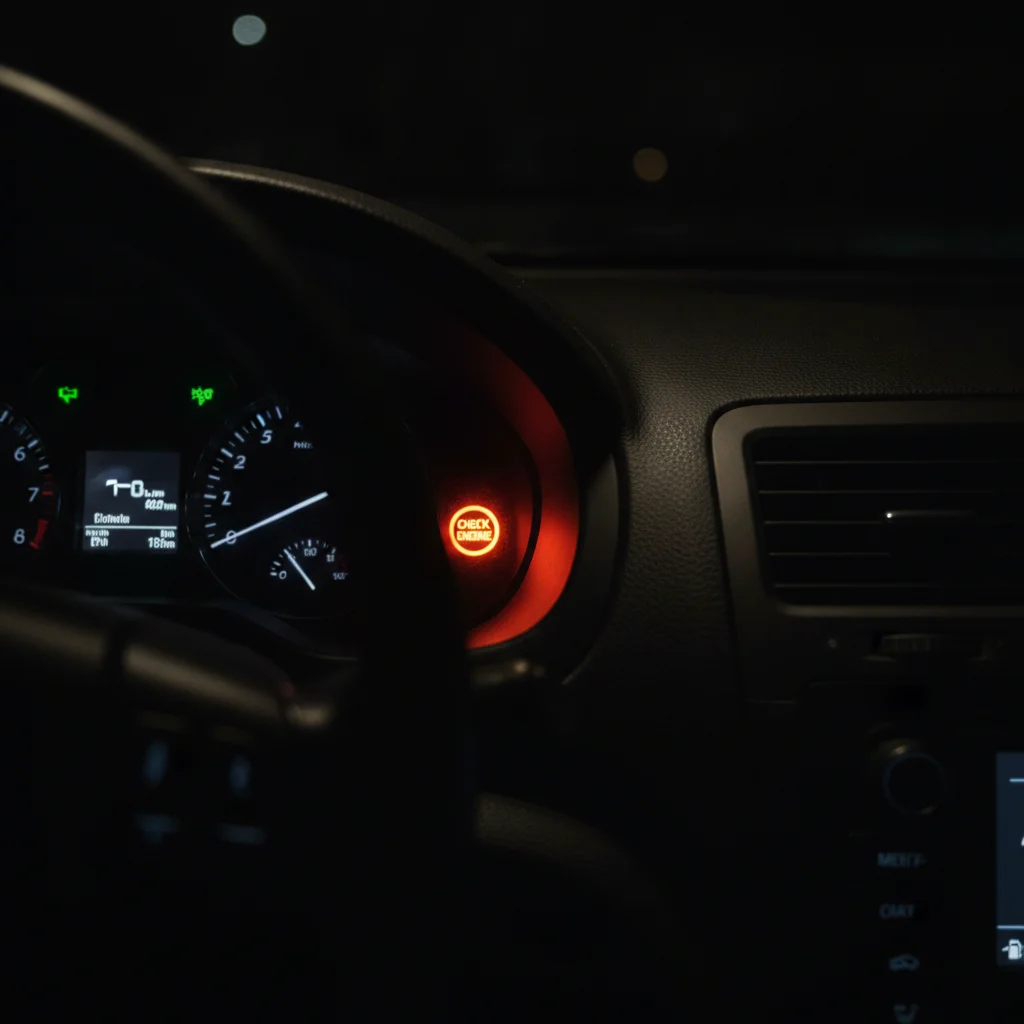
Automatic deduction for unresolved Check Engine light
Dealer appraisers routinely apply this deduction even for minor diagnostic codes, regardless of actual repair cost.
Many of these mistakes are reinforced by misconceptions sellers carry for years. The myths about trade-in value that dealers rely on are worth reviewing alongside this list — they explain why even informed sellers get anchored to bad assumptions.
Combining Negotiations Costs More Than It Saves Time
When a dealer says "let's just look at the whole deal together," that framing benefits them — not you. A $2,000 improvement on the new car price can quietly offset a $2,000 reduction in trade-in value, leaving you in the same financial position. Keep these as two separate, documented agreements before signing anything.
Instant Online Offers Expire — Know the Clock
Offers from CarMax, Carvana, and similar platforms are typically valid for 7 days. If you let them expire before using them as leverage, you've lost your strongest negotiating tool and will need to start the quote process over. Time your dealer visits within the offer window.
Negative Equity Rolled Into a New Loan Is a Compounding Problem
If you owe more on your current vehicle than the trade-in offer, that difference gets added to your new loan balance. This means you'll pay interest on the old debt while starting the new depreciation cycle upside down. Run the numbers before agreeing to any deal that involves rolling over negative equity.
Preparing Your Car: What Actually Moves the Needle
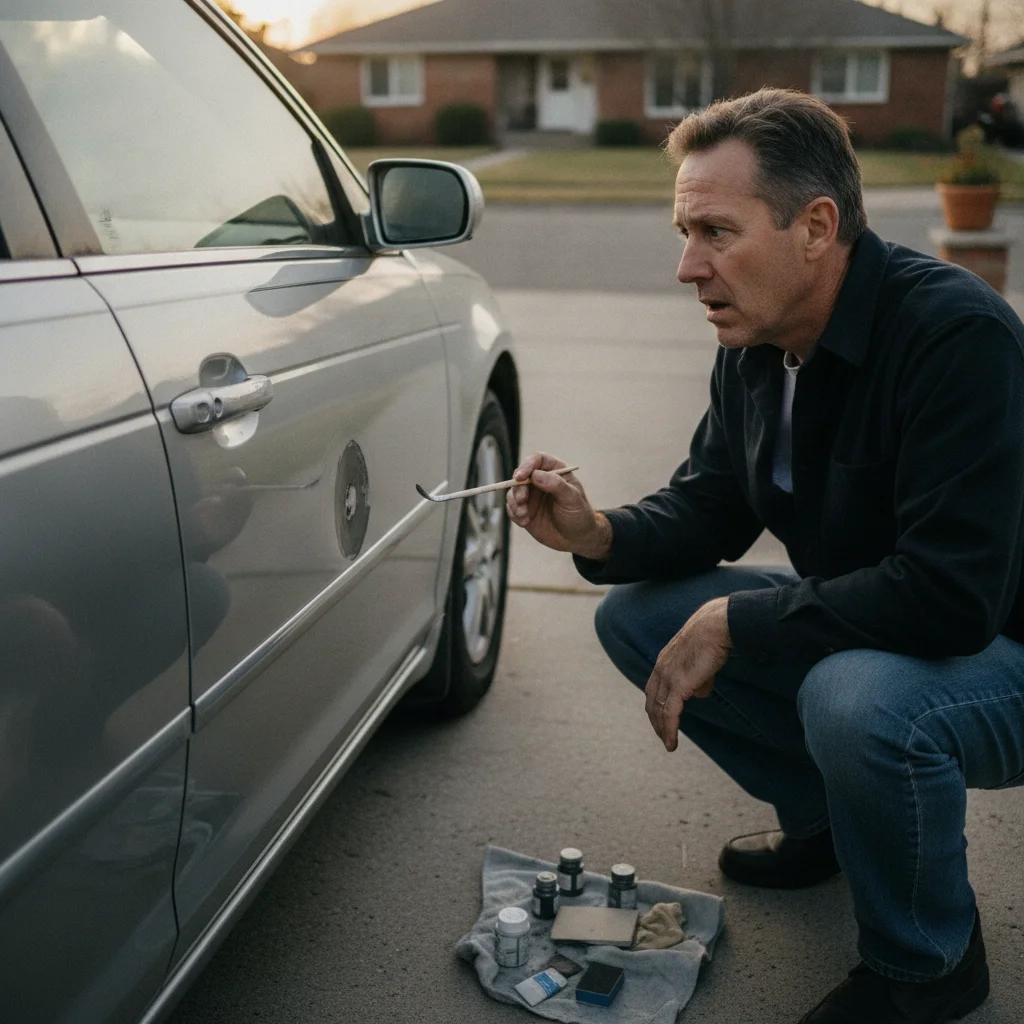
Sellers frequently over-invest in cosmetic prep and under-invest in mechanical transparency. A deep detail job can run $150–$300 and rarely increases an appraisal by more than $50–$100. Meanwhile, a Check Engine light can trigger an automatic deduction of $500–$1,500, even for minor codes.
Here's a practical breakdown of what dealers actually weight during appraisal:
| Prep Item | Typical Cost | Appraisal Impact |
|---|---|---|
| Professional detailing | $150–$300 | Low ($0–$100) |
| Clearing a CEL (minor code) | $50–$150 | High ($300–$800) |
| New tires (worn below 3/32") | $400–$800 | Medium ($200–$500) |
| Touch-up paint (minor chips) | $50–$200 | Very Low ($0–$50) |
| Windshield chip repair | $50–$100 | Medium ($100–$300) |
The ROI math is clear: fix what's mechanical and don't over-spend on appearance. Dealers appraise for resale margin, not cleanliness. For a deeper look at what transparency versus concealment actually costs sellers, see mistakes sellers make when trying to hide a car's flaws.
Your Trade-In Is a Separate Transaction
Legally and financially, the dealer's purchase of your car and your purchase of a new car are two distinct deals. Never let them be negotiated as one blended number. Get the trade-in value confirmed in writing — as a standalone figure — before the new car price is ever introduced into the conversation. This single discipline prevents the most common and costly manipulation in the trade-in process.
Timing and Leverage: The Variables Most Sellers Ignore
Trade-in value isn't fixed — it fluctuates based on what a specific dealer needs at a specific time. A 2019 Honda CR-V might get you $18,500 at one dealer in March and $20,200 at another dealer across town in the same week if they're short on that trim in used inventory.
Dealers facing used inventory gaps are more motivated buyers. They need vehicles to put on the lot, and your trade-in fills that gap without the wholesale auction markup. This dynamic is exploitable — but only if you know to look for it.
Dealer inventory gaps create better trade-in moments — learning to identify when a dealer is running low on your vehicle type gives you real-time leverage most sellers never think to use.
Broader timing factors also matter. End-of-month pressure on sales staff, model-year changeovers, and seasonal demand shifts all influence how motivated a dealer is to close a deal that includes your trade. For a full picture of timing-related errors, see timing mistakes that cost car buyers thousands.
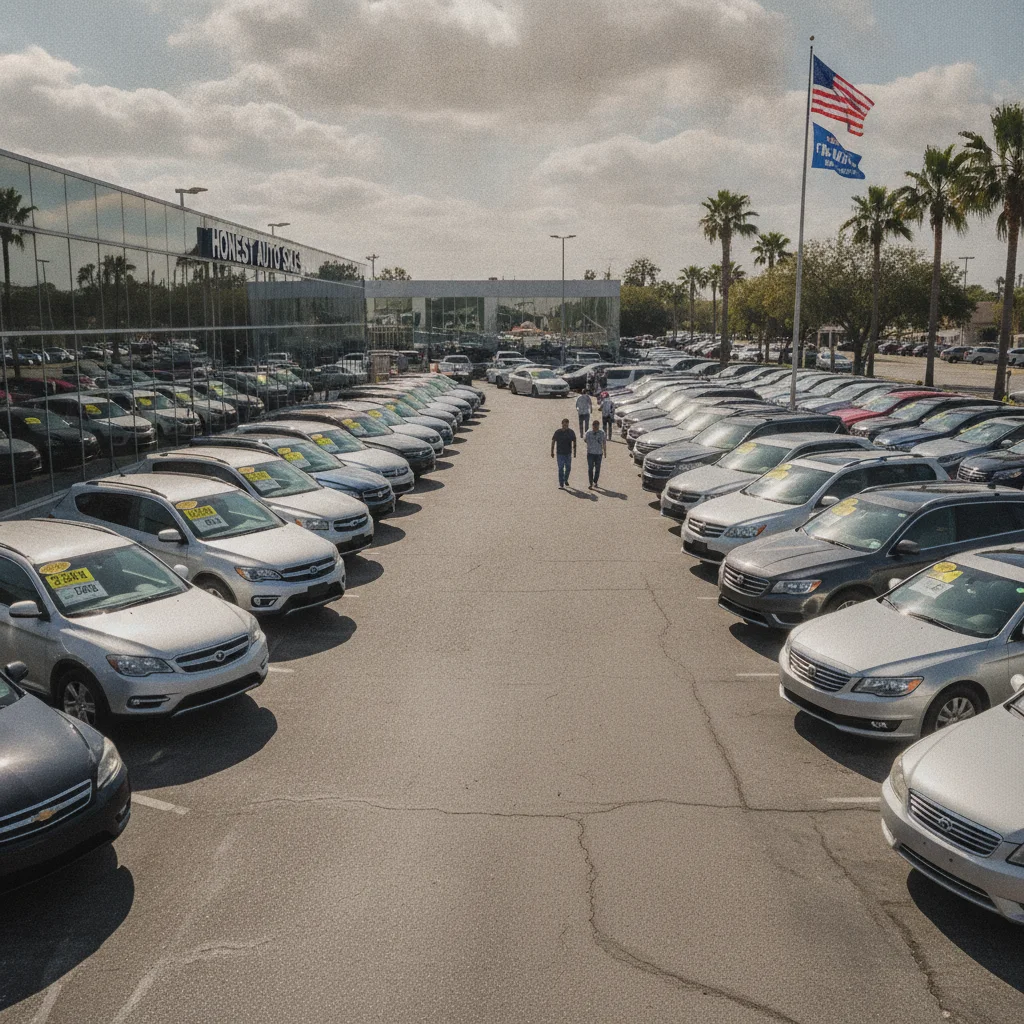
The bottom line: the same car can generate meaningfully different offers depending on when and where you bring it in. Getting three competing quotes isn't just about finding the highest number — it also tells you which dealers are hungry for your specific vehicle.
Handling the Offer: What to Do When They Quote a Number
The appraisal number the dealer hands you is a starting point, not a final offer. Treating it as final is where most sellers — even experienced ones — give up significant money. Here's the sequence that protects you:
- Don't react immediately. Thank them, say you need to review it, and go quiet. Silence creates pressure on their side.
- Reference your competing offers. Pull out your CarMax, Carvana, or competing dealer quote and put it on the table. "I have an offer for $X from — can you match or beat it?"
- Negotiate trade-in and purchase price separately. If the dealer insists on combining them, push back. Say: "I want to agree on the trade-in value first, then talk about the new car."
- Don't let them reframe the deal around monthly payments. If they shift to "what do you want your payment to be," redirect: "I'm focused on the out-the-door price and the trade-in value — let's keep those separate."
- Be willing to walk. If the dealer won't move on a trade-in offer that's clearly below market, leave. This isn't a bluff — it's the strongest signal that you know what your car is worth.
Before you finalize anything, run through the trade-in negotiation checklist to make sure you haven't missed a step.

Many sellers look back on accepted first offers as their biggest regret. The trade-in decisions drivers most regret consistently include failing to counter and failing to get outside quotes. Don't be on that list.
What Smart Sellers Do Differently
The sellers who consistently get strong trade-in outcomes aren't necessarily more aggressive or more experienced — they're more prepared. The difference comes down to a few disciplined habits:
- They gather competing quotes before setting foot in any dealership.
- They know their car's market value from at least two independent sources (KBB, Edmunds, or a competing dealer's written offer).
- They keep the trade-in negotiation separate from the purchase negotiation every time.
- They fix mechanical issues that reduce value and skip cosmetic spending that doesn't return its cost.
- They time visits strategically — end of month, when inventory is thin, after doing inventory research on the dealer's used lot.
- They counter every first offer, even if the counter is modest.
These aren't tricks. They're just the basic discipline of treating a trade-in like the financial transaction it is — typically worth $10,000–$40,000 — rather than a formality before the real negotiation begins.
For a complete picture of trade-in strategies — from valuation to closing — the hub covers the full spectrum of what informed sellers need to know.
And if you're newer to this process, the dealer trade-in guide for first-time sellers walks through the mechanics step by step so nothing catches you off guard.

All claims are backed by peer-reviewed research. Sources on request.