Key Takeaways
Why Dealer Inventory Gaps Are Your Hidden Advantage
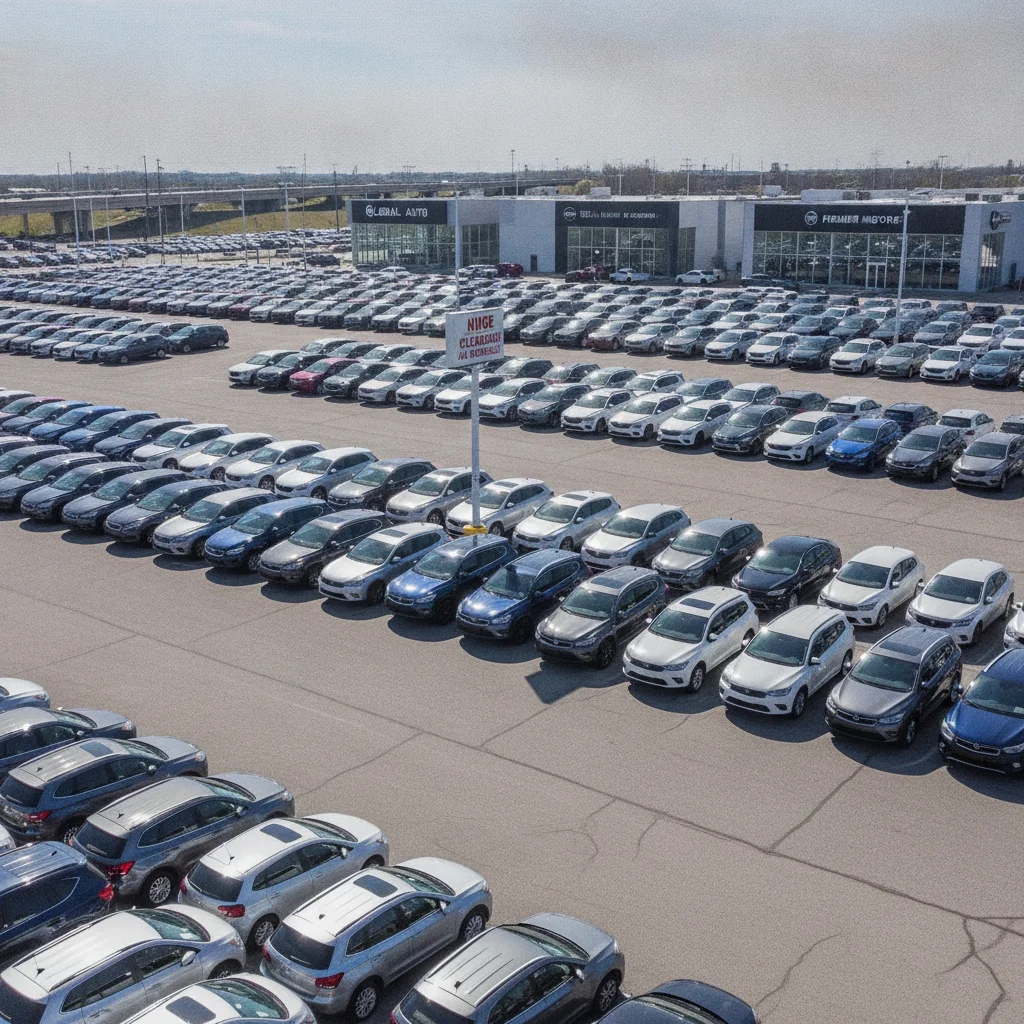
Most car buyers treat trade-in timing like it's irrelevant — they trade when they're ready to buy, full stop. That's a costly mistake. Dealers don't value your car in a vacuum. They price it against what they need right now, what's sitting on their used lot, and what they expect to sell in the next 30 to 60 days. When their used inventory runs thin, the calculus changes dramatically in your favor.
Here's the insider reality: a franchise dealer's used-car department has its own profit targets, its own floor plan costs, and its own pressure from the manufacturer's performance metrics. When that lot gets sparse — whether from a supply chain disruption, an unusually hot sales streak, or a regional buying surge — the used-car manager starts sweating. He needs retail-ready vehicles, and he needs them fast. Buying from auction is expensive and uncertain. Reconditioning an auction car takes time and money. But a clean trade-in that walks onto the lot? That's a gift.

This is the window you want to walk through. Understanding how to identify it, and how to position your vehicle within it, is the difference between leaving $500 on the table and walking out with an appraisal that surprises even you. The steps below will show you exactly how to do that — from reading the signals to closing the conversation with maximum leverage.
For deeper context on the dealership dynamics at play here, the dealer trade-ins hub covers how appraisals work from the inside out.
How to Read the Market Before You Walk In
You can't exploit an inventory gap you can't see. The good news is that dealers broadcast their shortage — unintentionally — across multiple public-facing channels. You just need to know what to look at.
Start with lot listings. Pull up the dealer's own website and filter to used vehicles. Note the total count, the price spread, and critically, the age of the listings. A lot with 30 used vehicles and most of them listed for under 10 days is healthy and motivated. A lot with 12 vehicles, half priced aggressively, and several with 45+ days of listing age? That's a dealer hungry for fresh inventory.
Cross-reference this with days-on-lot data available through tools like CarGurus and Autotrader, which surface how long each vehicle has been listed. A low overall inventory count combined with long days-on-lot for the few vehicles present tells you the dealer isn't replenishing quickly — they're struggling to source.
Watch auction signals. Manheim and ADESA publish market indices. When wholesale prices spike — which they do when dealers are competing hard for auction units — retail dealers feel the squeeze. High wholesale prices mean dealers can't buy inventory cheaply, making your trade-in (which avoids auction fees and transport) even more valuable. Checking Manheim's public market report takes five minutes and can confirm what lot-level signals are suggesting.
Listen to local news and manufacturer announcements. A popular model getting discontinued, a factory shutdown affecting a specific brand, or a regional weather event that wiped out competing inventory can all create localized shortages. These are temporary but powerful windows.
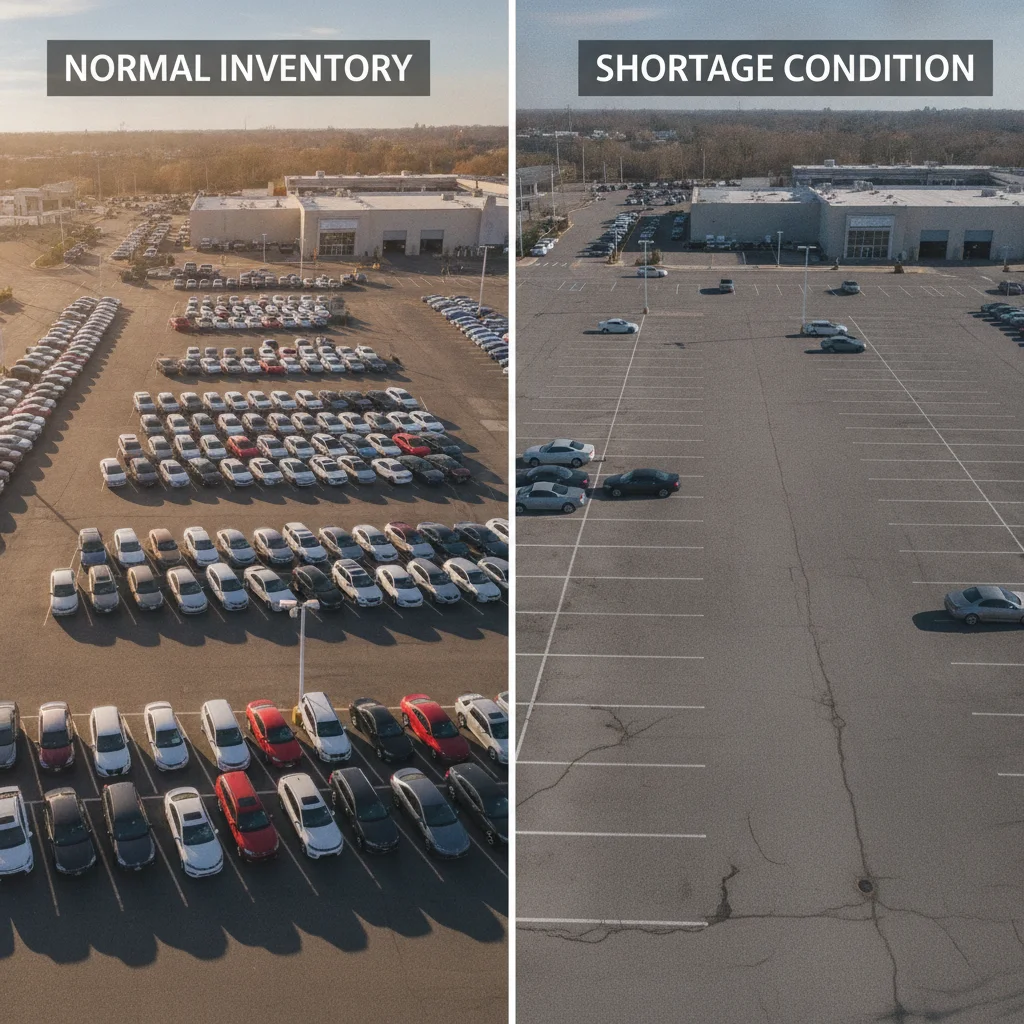
Once you've identified that a dealer — or an entire local market — is inventory-starved, you're ready to move. But before you set foot on a lot, you need your own numbers locked in.
Preparing Your Vehicle and Your Valuation
Walking into a shortage window with an underprepared vehicle is like holding a winning lottery ticket with a smudged number. The opportunity is there, but you may not collect. Before you approach any dealer, do this groundwork.
What you will need
Your trade-in value isn't static — it's a negotiating range, and you need to know both the floor and the ceiling. Get independent appraisals from at least three sources: Carvana, CarMax, and one local independent dealer. These aren't just backup options; they're your ammunition. In a normal market, a CarMax offer is a reliable floor. In a shortage market, a franchise dealer who needs your specific type of vehicle may beat it by a meaningful margin.
Document your vehicle's condition meticulously. Pull your service records. If you've had recent maintenance — tires, brakes, a timing belt — have the receipts ready. Dealers price reconditioning costs into their appraisal; every dollar of recent work you can document is a dollar they can't deduct. Clean the car thoroughly, inside and out. An appraiser's first impression matters more than most buyers realize — it signals how the previous owner treated the vehicle and affects their reconditioning estimate.
Run your own vehicle history report before the dealer does. Know what's on it. If there's a minor incident you'd forgotten about, you want to be able to contextualize it rather than react to it defensively during the appraisal conversation.
Kelley Blue Book (KBB)
Establishes the market range for your vehicle's trade-in and private-party value, giving you a credible reference point to anchor negotiations.
Edmunds True Market Value
Provides a second independent valuation benchmark, useful for cross-referencing KBB and identifying where your vehicle sits in the realistic market range.
CarMax Instant Offer
Generates a written, binding offer good for 7 days that serves as your hard floor during dealer negotiations.
Carvana Instant Cash Offer
Provides a second written competing offer, often competitive with CarMax, that increases your leverage when presenting alternatives to a franchise dealer.
Carfax or AutoCheck Report
Documents your vehicle's history so you can proactively address any incidents before the dealer uses them as deduction justification.
CarGurus or Autotrader Inventory Search
Used to monitor dealer used-car inventory counts and days-on-lot metrics to confirm whether a shortage window exists at your target dealerships.
Manheim Market Report (public index)
Tracks wholesale auction price trends, confirming when dealers are paying more at auction — which increases your trade-in's relative value to them.
With your numbers established and your vehicle prepped, you're in position to approach dealers strategically — not reactively.
Step-by-Step: Turning the Inventory Gap Into a Higher Offer
The following steps lay out the exact sequence for approaching a dealer during an inventory gap to extract maximum trade-in value. Execute them in order. Skipping steps — especially the sequencing between trade-in and purchase negotiations — is where most buyers give money back.
Confirm the Inventory Gap at Your Target Dealer
Don't assume the regional shortage applies equally to every dealer in your area. Pull up the used-car inventory page for each dealer you're considering and count the total units, filter by the vehicle type you'd typically compete against yours, and note the listing dates. You're looking for a count that's noticeably below their historical norm — most dealers display their full lot online, and comparing across three or four visits over a few weeks gives you a baseline.
Call the used-car manager directly and ask a simple question: "Are you actively buying used vehicles right now, or are you pretty well stocked?" A manager who's hungry will tell you. One who says "we're always in the market" with little enthusiasm is giving you a different signal. Direct communication at this level — bypassing the sales floor — also positions you as someone who knows how the business works, which changes how you're treated from the first moment.
Gather at Least Three Written Competing Offers
Before you visit your target dealer, get written appraisals from at least three alternative buyers: CarMax, Carvana (online instant offer), and one independent dealer or competing franchise. These need to be written or digital offers with a defined expiration date — a verbal offer is worthless at the negotiating table.
These offers serve two purposes. First, they establish your actual floor — the minimum you'll accept without question. Second, and more importantly in a shortage market, they signal to the target dealer that you are a prepared seller who will walk if not matched. A dealer who knows you have a CarMax offer in your pocket knows exactly what it costs them to lowball you: they lose the vehicle entirely, and it goes to a competitor's lot.
Approach the Used-Car Department Directly
Walk in and ask to speak with the used-car buyer or used-car manager — not a salesperson. Say you have a vehicle you're considering selling and you want to know what they'd pay for it. Do not mention that you're also considering buying a new vehicle. That conversation happens later, after you have a written trade-in offer in hand.
This approach immediately reframes the interaction. You're not a shopper who needs to be managed through a four-square process. You're a seller with a specific asset the dealer may need. That shift in framing gives you more control over how the conversation proceeds and how the appraisal is conducted.
Present Your Vehicle for Appraisal With Documentation Ready
Hand over your keys for the appraisal, but stay engaged. If the appraiser or manager mentions a condition concern — a scratch, a mechanical note, a Carfax item — respond with your documentation. Service records, recent repair receipts, and a clean vehicle history report preemptively counter the most common deduction justifications.
While they're evaluating, you can mention casually that you've already received offers from other buyers and you're deciding where to finalize the sale. This isn't a bluff — you have written offers in your pocket. Letting them know the asset is in play creates urgency without confrontation.
Counter the First Offer Methodically
When the appraisal comes back, don't react emotionally. Ask the manager to walk you through how they arrived at the number — what book value they used, what reconditioning estimate they applied, and what their expected retail price would be. This question alone often causes movement, because it signals you understand the math and won't be moved by an arbitrary number.
Then present your highest competing written offer. Say: "I have a written offer from [competitor] for $X, valid through [date]. I'd prefer to work with you — you're closer, the deal is cleaner — but I need you to beat this number." In a shortage market, a used-car manager who genuinely needs inventory will find room. If they come up but don't fully match, ask what it would take to close the gap. Sometimes it's a minor reconditioning line item they can adjust; sometimes it's a straight increase.
Get the Trade-In Offer in Writing Before Any Purchase Discussion
Once you've reached an agreed trade-in figure, ask for it in writing — a signed buyer's order or appraisal sheet with the vehicle, VIN, agreed amount, and an expiration date. Do not proceed to any new-car discussion until this document is in your hand.
This written offer is your anchor for everything that follows. If you're buying a new vehicle from this dealer, the trade-in value on that piece of paper does not change based on what you negotiate on the new car. They are two separate transactions. Any dealer who tells you they can only offer that trade-in value "if you buy a car from us" is signaling their intent to bundle the deals — and you should recognize that tactic immediately.
Once you've completed the offer sequence, you're not done. The critical next move is keeping the trade-in transaction separate from any new vehicle purchase. The moment you allow a dealer to bundle these two deals together, you've handed them the tools to obscure what you actually netted. Read how to separate your trade-in from the new car deal before you sit down at the finance desk.
Don't Let Urgency Make You Careless
A shortage market can make dealers appear more eager to deal — and they are — but that same urgency can make buyers rush past important steps. Don't skip the competing-offer stage just because one dealer seems motivated. Motivation without competition still doesn't produce the best offer. Always walk in with written alternatives in hand, regardless of how cooperative a dealer seems upfront.
Bundling Trades Into Deals Hides Real Numbers
In a shortage market, dealers may offer an unusually high trade-in figure knowing they'll recover it by padding the new-car price or adding back-end products. The only way to protect yourself is to finalize and document the trade-in offer before any new-car negotiation begins. <a href="/selling-your-car/sale-channels/dealer-trade-ins/separating-the-trade-in-from-the-new-car-deal">Separating these two transactions</a> is not optional if you want to actually keep the money.
Mistakes That Erase Your Inventory-Gap Advantage
The leverage you've built by timing a shortage window can evaporate quickly if you make any of these common errors. I've watched buyers walk in with a real edge and walk out having given it all back.
Revealing your purchase intent too early. The moment a salesperson knows you're buying a new car today, the trade-in negotiation changes. They start running numbers in their head — how much they can give you on the trade while still hitting their margin on the new car. Keep those two conversations completely separated until you have a written trade-in offer in hand.
Accepting the first appraisal. In a shortage market, the first offer is rarely the best offer. Dealers open low as a default — they're testing whether you know your value. Counter with your competing offers. Say it plainly: "CarMax offered me $X. I'd prefer to keep this deal here, but I need you to match or beat it." That sentence, spoken with a written offer in hand, gets movement in a shortage market far more reliably than in a normal one.
Focusing on monthly payment instead of trade-in value. This is the oldest dealer trick in the book — and it still works every day. When you shift to monthly payment math, you've given the dealer the ability to stretch the term, bury the trade-in shortfall, and still show you a number that seems acceptable. Stay anchored to the out-the-door price and the trade-in figure as separate line items.
For a full inventory of the tactics dealers use to reduce what you net, dealer tactics that eat into your trade-in value is required reading before you negotiate. And if you've traded in before and still feel like you left money behind, trade-in pitfalls that experienced sellers still fall into names the specific mistakes that repeat buyers keep making.
Timing Within the Month Matters Too
The last five business days of the month are when dealers are chasing sales targets most aggressively. A used-car manager who is short on inventory AND under end-of-month pressure has two reasons to pay more for your trade. If your timing allows, combine the inventory-gap signal with a month-end visit for maximum leverage.
Your Vehicle Type Creates Its Own Micro-Shortage
Even in a healthy overall market, specific vehicle segments can be locally undersupplied. If you're trading in a reliable compact SUV in a market where those sell within days of hitting the lot, you may have leverage even when the broad inventory picture looks normal. Check how fast comparable vehicles are turning at local dealers before concluding there's no gap to exploit.
Never Negotiate Both Deals Simultaneously
The most expensive mistake you can make in any trade-in situation — shortage market or not — is allowing the dealer to work both the trade-in and the purchase price at the same time. This is how dealers use a generous trade-in offer as bait, only to recover the margin on the new car's price, interest rate, or add-on products. Get the trade-in figure in writing, signed, before you discuss anything about the vehicle you're buying. This sequencing is non-negotiable.
When to Walk Away and Try Again
Not every dealer will respond to shortage pressure the same way. Some appraisers are locked into a formula their software spits out, regardless of market conditions. Others have the discretion to go above book value when they need to — and will, if you push correctly. Knowing when you've hit a wall versus when you need to push harder is a real skill.
If a dealer's offer doesn't move after you've presented competing written offers and made clear you're prepared to walk, trust the signal. In a genuine shortage market, another dealer nearby is facing the same inventory problem — and may be more motivated. Don't let sunk-time fallacy trap you at a desk where the numbers aren't moving.
There are also macroeconomic moments where the shortage dynamic is so widespread that even dealers who normally lowball are paying closer to retail book. These windows — like the one the industry experienced during the semiconductor shortage of 2021-2022 — can dramatically compress the gap between what dealers offer and what your vehicle would sell for privately. During those periods, private-party sales deserve serious consideration alongside dealer trade-ins. The hassle of a private sale is real, but so is a $3,000 to $5,000 difference in net proceeds.
If you're selling outright rather than trading, separating the trade-in from the new car deal applies whether you call it a trade or a standalone sale — dealers will try to connect the transactions regardless. Keep them apart.
The final word: inventory gaps are recurring, not rare. Supply chains hiccup. Demand surges. Seasonal patterns create regional shortages. If you've prepped your vehicle, gathered your competing offers, and identified the signal — but the timing isn't right at this exact moment — wait. The next window isn't far away, and your positioning won't expire. The buyer who's prepared when the market shifts is always the one who comes out ahead.

All claims are backed by peer-reviewed research. Sources on request.