Key Takeaways
Massive brand recognition carries weight with buyers
Most private buyers have heard of Kelley Blue Book and treat it as an authority. Citing KBB in your listing gives your asking price instant credibility and reduces the likelihood of extreme lowball offers.
Covers an enormous range of makes, models, and years
KBB maintains valuation data going back decades and spanning thousands of model variants, trim levels, and optional packages. You're unlikely to find a mainstream vehicle it can't price.
Separate values for each transaction type
KBB clearly distinguishes private party, trade-in, and dealer retail values in one interface, so sellers can understand what their car is worth in each context without switching tools.
Detailed condition grading rubric
The four-tier condition scale (Excellent, Good, Fair, Poor) comes with specific descriptions of what each grade requires. This helps sellers self-assess more accurately than vague categories used by competitors.
Free, fast, and easy to use
Getting a KBB estimate takes under five minutes and costs nothing. For sellers who just need a quick sanity check before listing, that accessibility is a genuine asset.
Instant Cash Offer provides a real floor price
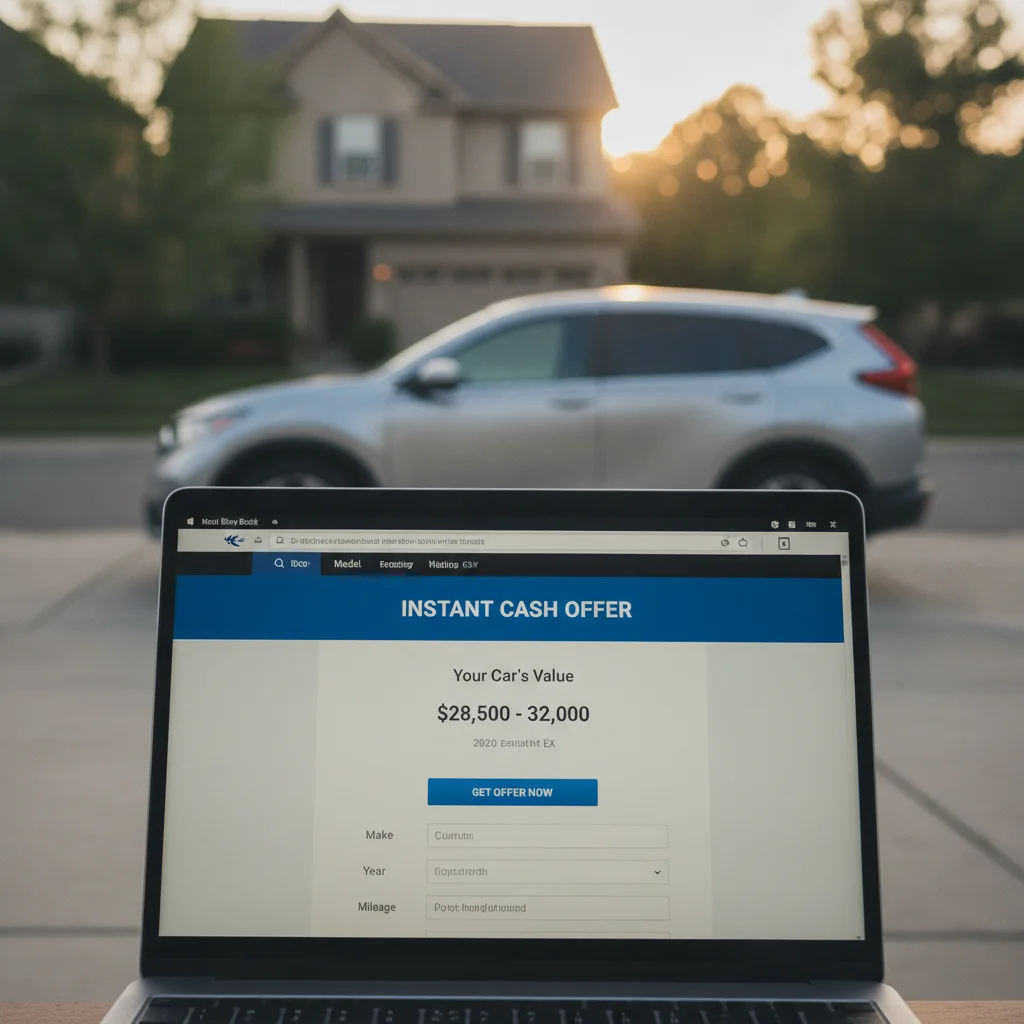
KBB's Instant Cash Offer feature — backed by participating dealers — gives you a firm, guaranteed minimum offer. It's usually conservative, but it functions as a useful baseline for what you'd net in the worst case.
Values lag the live market by weeks
KBB's models update on a rolling basis but aren't real-time. In a rapidly shifting market — like the post-pandemic used car spike or a sudden fuel price change affecting truck demand — KBB can be meaningfully behind what buyers are actually paying.
National averages miss local supply and demand
A Toyota Tacoma in a rural western market may command $2,000–$4,000 more than KBB's national average suggests. KBB's regional adjustments are broad-strokes and don't capture hyper-local conditions.
Trade-in and private party values diverge sharply
The spread between KBB's trade-in and private party values on a $15,000 car can be $1,500–$3,000. Sellers who confuse the two figures end up either leaving money on the table or pricing themselves out of the market.
Weak accuracy for older, niche, or modified vehicles
KBB's data density is strongest for 1–6 year old mainstream vehicles. Values for vintage trucks, collector cars, heavily modified builds, or low-volume models are often unreliable or unavailable.
Dealers don't use KBB internally for offers
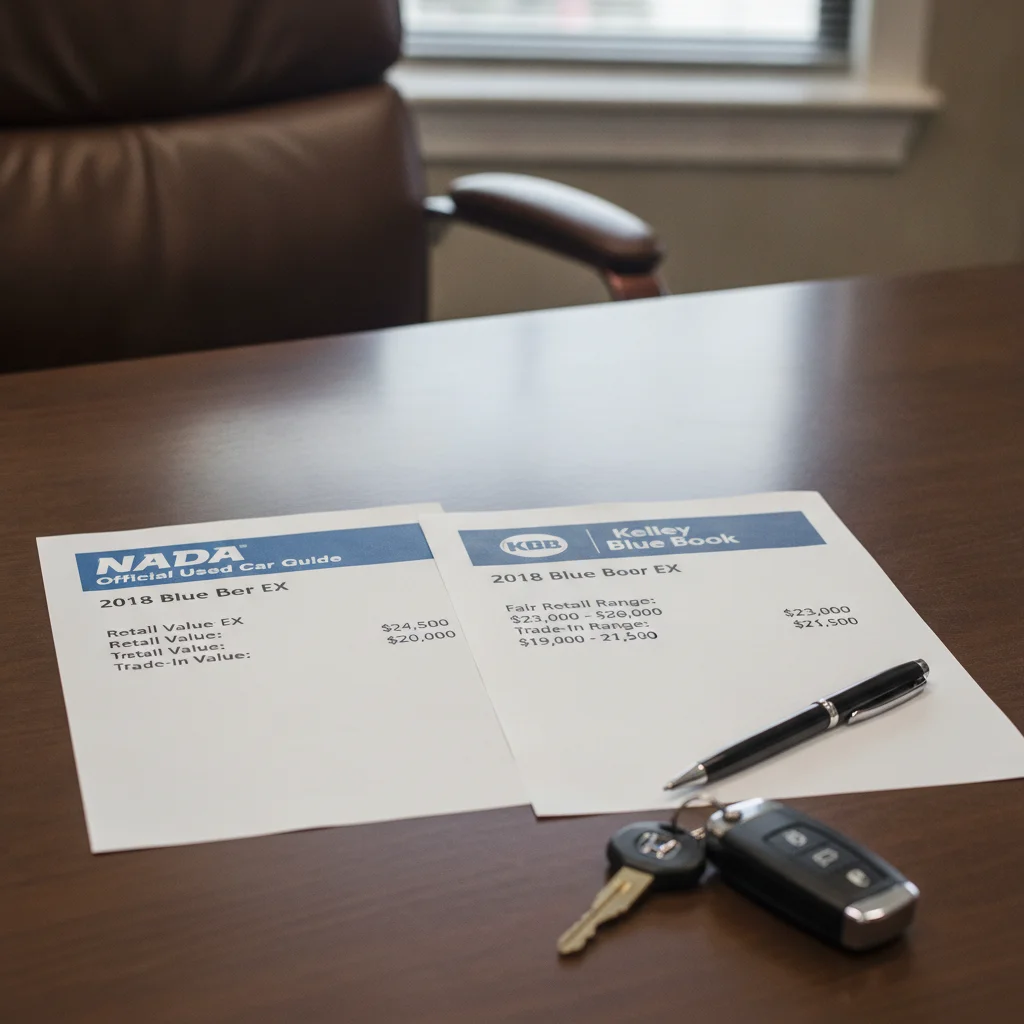
Many franchised dealers rely on NADA Guides or Black Book — not KBB — when determining what to pay for a trade-in. A dealer quoting you a KBB number may be doing so strategically, not because it reflects their actual valuation.
Owned by Cox Automotive, which also owns dealer platforms
KBB's parent company operates Autotrader, vAuto, and other dealer-facing businesses. While this doesn't mean the valuations are manipulated, it's worth knowing that Cox has financial interests on both sides of the transaction.
Condition grades are self-reported and prone to bias
Sellers consistently overestimate their car's condition. KBB's rubric helps, but there's no enforcement — selecting "Excellent" when the car is realistically "Good" inflates the estimate without consequence.
Our Verdict
Kelley Blue Book earns its reputation as the most recognized valuation brand in the country, and for good reason — it's easy to use, widely trusted by consumers, and covers an enormous range of vehicles. But recognition is not the same as accuracy. KBB works best as a starting reference point, not a final pricing authority. Its estimates can lag real-market conditions, vary significantly by transaction type, and miss the mark in regional or niche markets.
KBB is best for sellers who want a credible, consumer-friendly baseline to anchor their listing and communicate value to buyers — as long as they verify that number against live local listings and at least one competing tool like Edmunds.
What KBB Actually Calculates — and What It Doesn't
Kelley Blue Book generates values using a blend of wholesale auction data, dealer transaction records, and regional sales trends. It's not pulling a live feed from your local Craigslist or Facebook Marketplace — it's running statistical models that lag the market by weeks or even a couple of months. That distinction matters more than most sellers realize.
KBB produces several distinct value types, and they are not interchangeable:
- Private Party Value: What a private seller might reasonably expect from a private buyer.
- Trade-In Value: A range estimating what a dealer might offer — typically lower than private party by a significant margin.
- Dealer Retail Value: What a dealer might list the car for on their lot, factoring in reconditioning and profit margin.
- Instant Cash Offer: A firm but usually conservative offer you can take directly to participating dealers.
Mixing these values up — using the dealer retail number to price a private party listing, for example — is one of the most common and costly mistakes sellers make. See our breakdown of common valuation myths to see how often this trips people up.
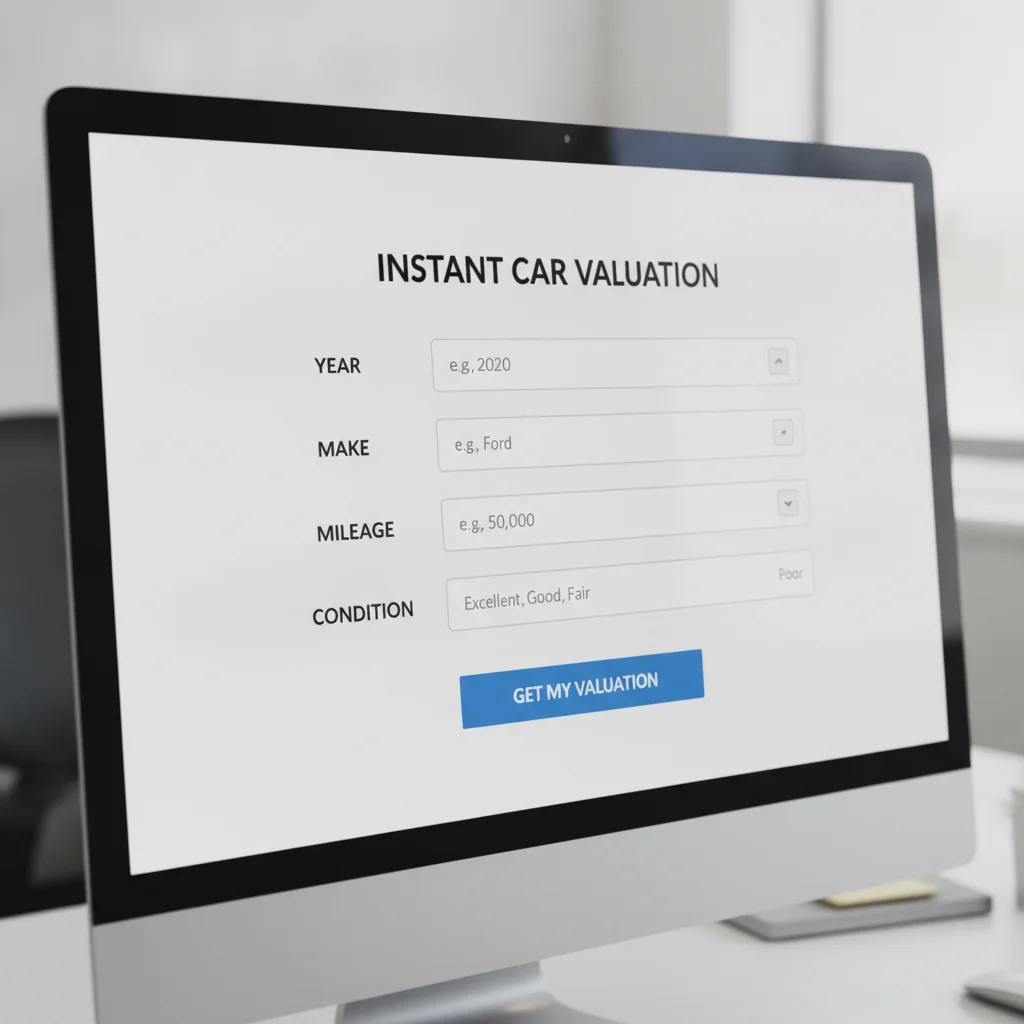
Understanding which number applies to your transaction type is step one. But even once you've got the right figure, you still need to know where KBB's methodology falls short.
The Real Advantages of Using KBB
There's a reason KBB has dominated consumer car valuation for decades. Several of its strengths are genuinely useful — especially if you know how to leverage them.
Massive brand recognition carries weight with buyers
Most private buyers have heard of Kelley Blue Book and treat it as an authority. Citing KBB in your listing gives your asking price instant credibility and reduces the likelihood of extreme lowball offers.
Covers an enormous range of makes, models, and years
KBB maintains valuation data going back decades and spanning thousands of model variants, trim levels, and optional packages. You're unlikely to find a mainstream vehicle it can't price.
Separate values for each transaction type
KBB clearly distinguishes private party, trade-in, and dealer retail values in one interface, so sellers can understand what their car is worth in each context without switching tools.
Detailed condition grading rubric
The four-tier condition scale (Excellent, Good, Fair, Poor) comes with specific descriptions of what each grade requires. This helps sellers self-assess more accurately than vague categories used by competitors.
Free, fast, and easy to use
Getting a KBB estimate takes under five minutes and costs nothing. For sellers who just need a quick sanity check before listing, that accessibility is a genuine asset.
Instant Cash Offer provides a real floor price
KBB's Instant Cash Offer feature — backed by participating dealers — gives you a firm, guaranteed minimum offer. It's usually conservative, but it functions as a useful baseline for what you'd net in the worst case.
$1,500–$3,000
Typical KBB private party vs. trade-in spread
Industry experience and consumer reports consistently show this gap on vehicles priced in the $12,000–$20,000 range, making transaction type selection critical.
6–8 weeks
Estimated lag in KBB's market data
Automotive valuation analysts note that KBB's rolling data updates can trail live auction and transaction prices by 6 to 8 weeks in volatile markets.
#1
Most recognized car valuation brand in the U.S.
KBB consistently ranks as the most cited valuation reference among consumers in automotive purchase surveys, giving it unmatched credibility in private party negotiations.
3–5%
Typical variance between KBB and Edmunds TMV
On most mainstream vehicles in stable markets, KBB and Edmunds come within 3–5% of each other; larger gaps signal that local market conditions are distorting one or both estimates.
One underrated advantage: KBB's condition grading rubric is more detailed than most competitors. Walking through the "Excellent," "Good," "Fair," and "Poor" condition descriptions forces sellers to be honest about their car's real state — which usually produces a more defensible listing price than gut feel alone.
For sellers going the private party route, KBB also carries real psychological weight with buyers. Quoting "KBB says $14,500 and I'm asking $13,900" gives your price a credible anchor that many buyers will accept at face value. That brand recognition translates into fewer lowball offers and faster negotiations.
If you want to get the most out of KBB's interface, see our guide on entering your vehicle details correctly in KBB — the inputs you choose have a bigger impact on your result than most people expect.
Where KBB Falls Short
KBB's weaknesses aren't hidden — they're structural. Once you understand them, you'll know exactly when to weight the number heavily and when to treat it skeptically.
Values lag the live market by weeks
KBB's models update on a rolling basis but aren't real-time. In a rapidly shifting market — like the post-pandemic used car spike or a sudden fuel price change affecting truck demand — KBB can be meaningfully behind what buyers are actually paying.
National averages miss local supply and demand
A Toyota Tacoma in a rural western market may command $2,000–$4,000 more than KBB's national average suggests. KBB's regional adjustments are broad-strokes and don't capture hyper-local conditions.
Trade-in and private party values diverge sharply
The spread between KBB's trade-in and private party values on a $15,000 car can be $1,500–$3,000. Sellers who confuse the two figures end up either leaving money on the table or pricing themselves out of the market.
Weak accuracy for older, niche, or modified vehicles
KBB's data density is strongest for 1–6 year old mainstream vehicles. Values for vintage trucks, collector cars, heavily modified builds, or low-volume models are often unreliable or unavailable.
Dealers don't use KBB internally for offers
Many franchised dealers rely on NADA Guides or Black Book — not KBB — when determining what to pay for a trade-in. A dealer quoting you a KBB number may be doing so strategically, not because it reflects their actual valuation.
Owned by Cox Automotive, which also owns dealer platforms
KBB's parent company operates Autotrader, vAuto, and other dealer-facing businesses. While this doesn't mean the valuations are manipulated, it's worth knowing that Cox has financial interests on both sides of the transaction.
Condition grades are self-reported and prone to bias
Sellers consistently overestimate their car's condition. KBB's rubric helps, but there's no enforcement — selecting "Excellent" when the car is realistically "Good" inflates the estimate without consequence.
The biggest blind spot is geography. A well-maintained pickup truck in rural Montana will fetch significantly more than KBB's national average suggests, while the same truck in a downtown urban market might sit for weeks at that same price. KBB does incorporate regional adjustments, but they're broad — state-level at best — not neighborhood- or metro-level precise.
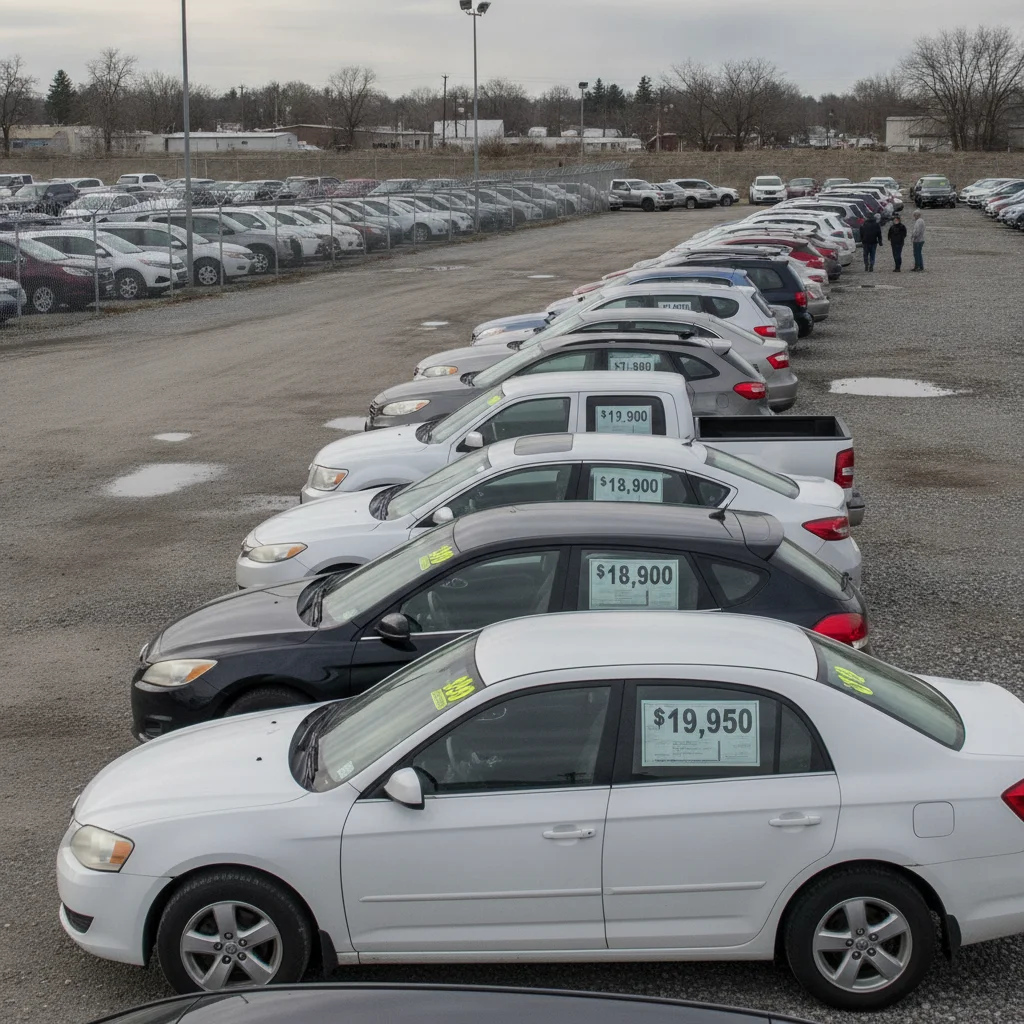
Another structural gap: KBB tends to underperform on older, high-mileage, or niche vehicles. Its data density is strongest in the 1–6 year range for mainstream makes and models. The further you stray from that sweet spot — into vintage trucks, collector cars, diesel work vehicles, or heavily modified vehicles — the less reliable the estimate becomes.
KBB's Instant Cash Offer Is Not the Same as Trade-In Value
KBB's Instant Cash Offer connects you with participating dealers who commit to a firm purchase price — typically valid for a few days. This is almost always lower than KBB's published trade-in range because it represents a guaranteed, no-haggle floor. Don't confuse it with what a dealer might actually offer after inspecting your car in person. A well-maintained vehicle at a motivated dealer could fetch more than the Instant Cash Offer figure suggests.
Dealers are well aware of these gaps, which is why many use NADA Guides or Black Book internally when making trade-in offers. If you're negotiating a trade-in and the dealer quotes you a KBB number that's lower than what you found, there's a good chance they're actually working from a different tool altogether. Our comparison of NADA vs. KBB from the dealer's perspective explains why that gap exists and how to use it to your advantage.
How KBB Compares to Edmunds and NADA
No single tool wins across all scenarios. KBB, Edmunds, and NADA each measure slightly different things using different data pipelines, and the gap between their outputs for the same vehicle can be surprisingly large.
| Tool | Primary Data Source | Best Used For | Known Weakness |
|---|---|---|---|
| Kelley Blue Book | Auction + dealer transactions | Consumer pricing, private party sales | Lags hot markets; national averages miss local demand |
| Edmunds | Live transaction data, TMV algorithm | Dealer negotiation, fair market sense-checking | Less name recognition with private buyers |
| NADA Guides | Dealer wholesale auction data | Trade-in negotiation, lender valuations | Skewed toward dealer perspective; less useful for private sales |
The practical takeaway: run all three, note where they agree and where they diverge, and treat the consensus range as your realistic zone. If KBB is significantly higher than both Edmunds and NADA, lean toward the lower end. If all three cluster tightly, you have solid confirmation of value.
For a deeper dive into how the methodologies differ, our article on what KBB, Edmunds, and NADA are actually measuring breaks down the data sources behind each number.
And if you want a head-to-head comparison specifically for sellers, see KBB vs. Edmunds: which number sellers should trust.
The Right Way to Use KBB in Your Pricing Process
Here's the workflow that actually works. Treat KBB as your starting gun, not your finish line.
- Run KBB first — use the private party value, fill out the condition honestly, and note the range (not just the midpoint).
- Cross-check with Edmunds TMV — plug in the same year, make, model, mileage, and zip code. Note whether Edmunds is higher, lower, or in the same range.
- Check live local listings — search Facebook Marketplace, Craigslist, and AutoTrader for your exact vehicle within 50–75 miles. What are comparable cars actually asking? How long have they been sitting?
- Adjust for condition and features — KBB's condition grades affect value by hundreds to thousands of dollars. If your car has desirable packages (tow package, sunroof, premium audio), private buyers often pay a premium the tools don't fully capture.
- Price at the high end of your defensible range — leave room to negotiate, but don't overprice by more than 5–8% above your researched value or you'll scare off serious buyers.
If you're headed to a dealer negotiation rather than a private sale, it's worth reading through trade-in strategies so you walk in with a full picture of your leverage.
For buyers on the other side of this equation, understanding how sellers use these tools is equally valuable — see our hub on buying used cars for the full picture.

All claims are backed by peer-reviewed research. Sources on request.