Key Takeaways
Option A
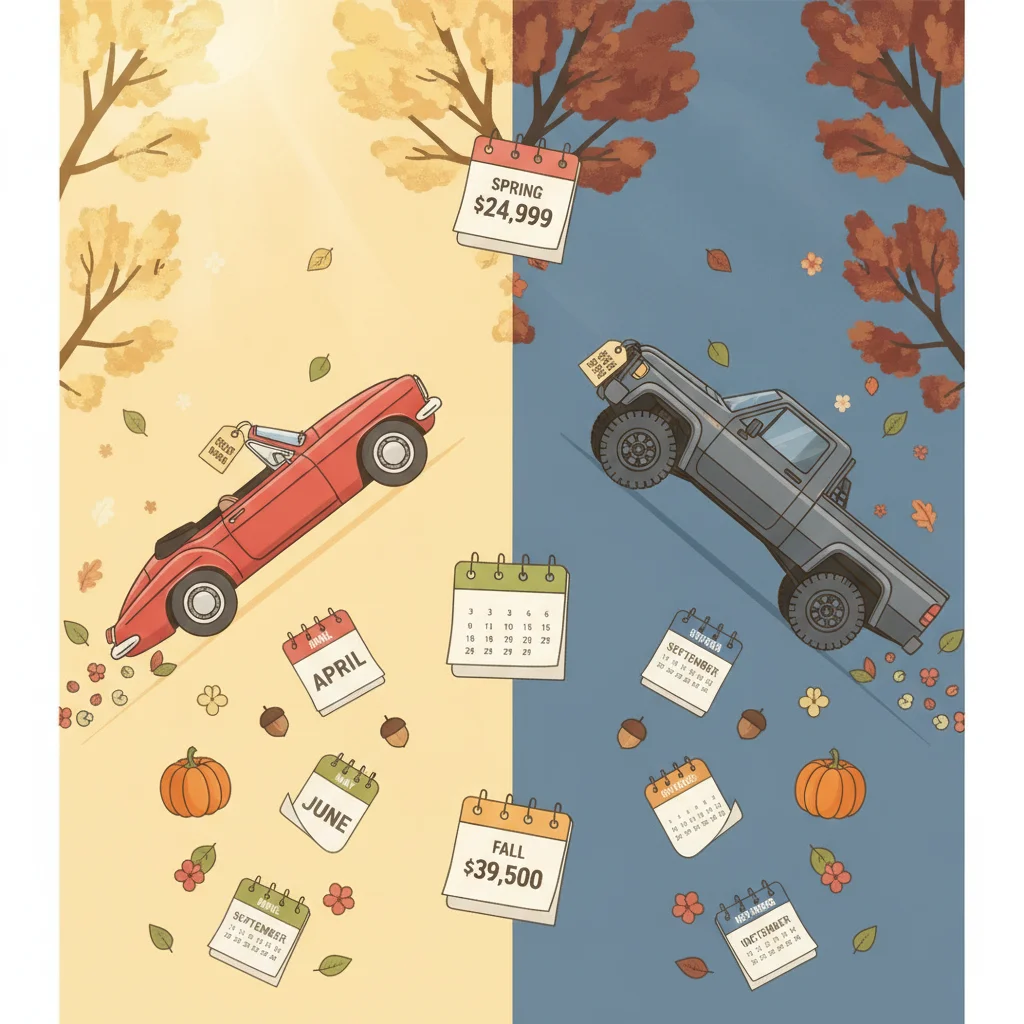
Selling in Spring
The high-demand, competitive seller's window.
Best for: Sellers who want the largest pool of motivated buyers and are willing to navigate more competing listings.
Option B
Selling in Winter
The low-traffic, low-competition off-season play.
Best for: Sellers who prioritize a faster, lower-stress transaction and own vehicles with strong cold-weather appeal.
If you own a convertible, sports car, or fuel-efficient sedan
Selling in Spring
These vehicle types see the sharpest seasonal price swings. Buyers are emotionally primed in spring and willing to pay a premium you simply won't see in December.
If you own an AWD SUV, 4WD truck, or winter-capable vehicle
Selling in Winter
Cold-weather buyers actively seek capable vehicles and face fewer options, giving you real negotiating leverage in a season most sellers avoid.
If you need to sell quickly with minimal negotiation hassle
Selling in Winter
Winter buyers are typically serious and motivated. You'll field fewer tire-kickers, and transactions tend to close faster even if peak price isn't achievable.
If maximizing final sale price is your top priority
Selling in Spring
Spring demand supports stronger asking prices across nearly every segment. More buyers mean more competition for your listing, which protects your price floor.
If you want to avoid competing with a flood of other private listings
Selling in Winter
Inventory on private marketplaces drops significantly in winter. Less competition means your listing gets more visibility per buyer browsing the market.
Why the Season You Sell Actually Matters
Most sellers think about what their car is worth. Fewer think about when they list it — and that timing decision can be worth real money. The used car market isn't flat across the calendar year. Buyer demand rises and falls in predictable patterns, and those patterns directly affect what you can realistically ask for your vehicle and what you'll actually get.
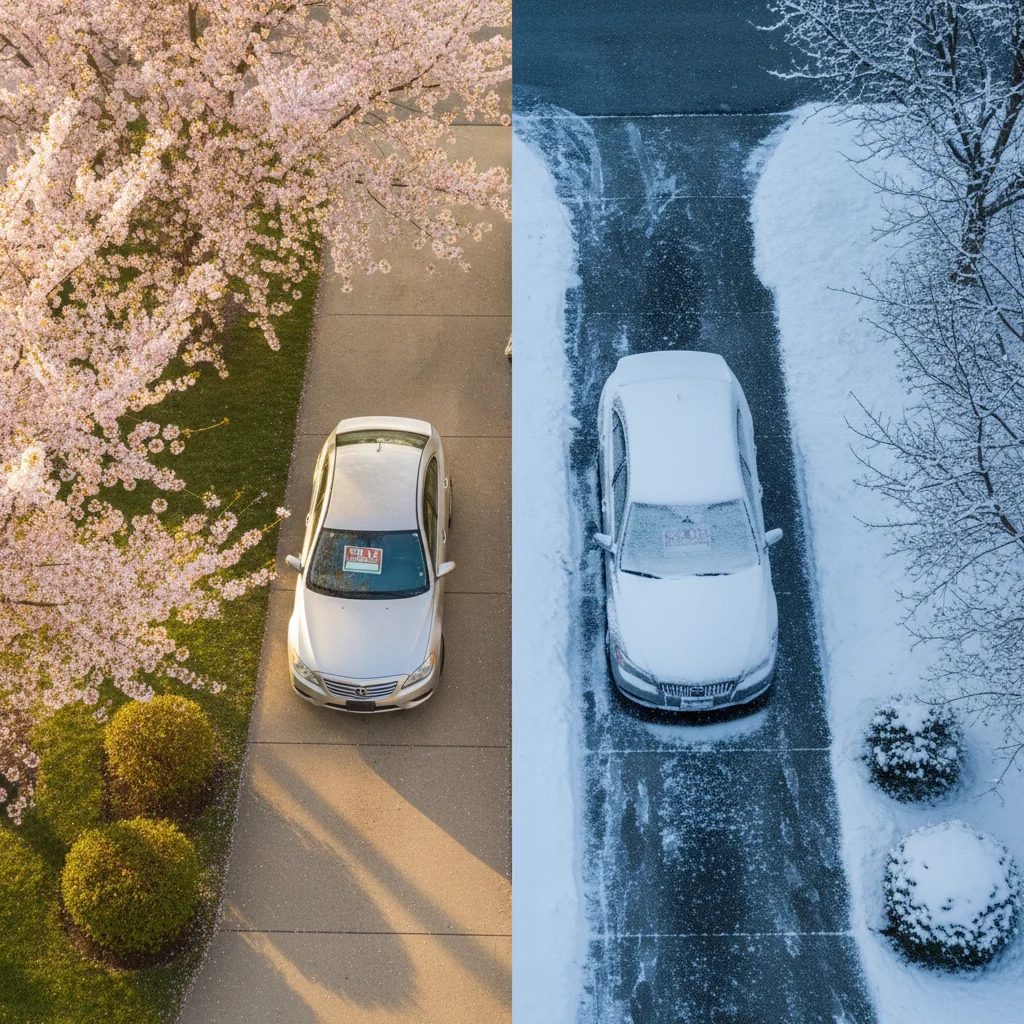
Spring and winter sit at opposite ends of that demand curve. Spring is when buyers come out of hibernation, tax refunds hit bank accounts, and families start planning summer road trips. Winter is when most of those same buyers go quiet. Understanding what drives each window — and which one fits your specific vehicle — is the difference between leaving money on the table and walking away satisfied.
For a broader look at how seasonal shifts affect valuation tools and real-world buyer behavior, see how seasonal demand temporarily inflates or deflates your car's value. That context sets the foundation for everything we're comparing here.
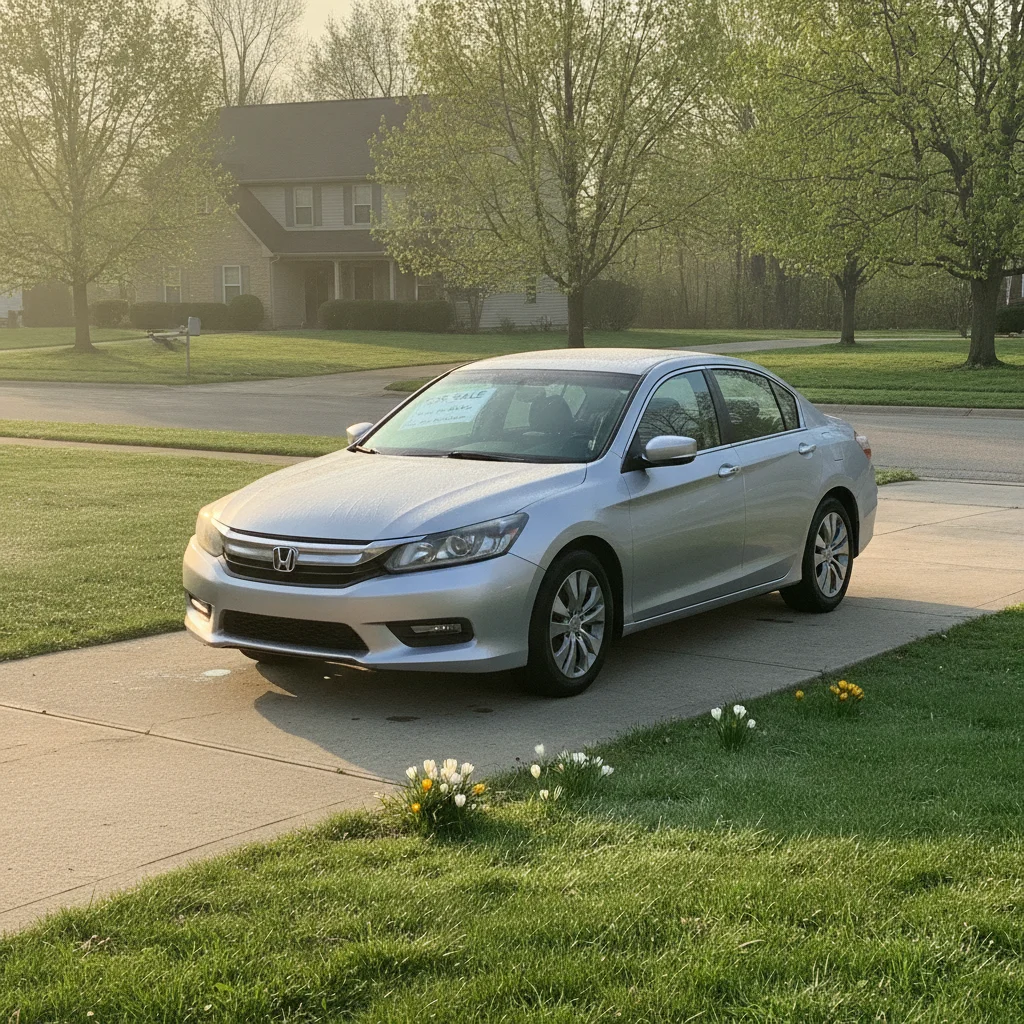
The short version: if you're selling a vehicle that broad buyers want in warm weather, spring is almost always your friend. If you own something that solves a cold-weather problem, winter has a real argument. Let's break both down.
The Case for Selling in Spring
Spring is the used car market's peak season, full stop. The data is consistent year over year: listing volume goes up, buyer inquiries increase, and average private-party transaction prices climb. Here's what actually drives that:
Tax Refund Cash Hits in February Through April
The IRS issues most refunds within three weeks of filing, and the bulk of Americans file between late January and mid-April. That puts real cash — often $2,000 to $3,500 for the average household — in buyers' pockets right as the weather starts to turn. For used car sellers, this is a critical window. Buyers who might have been stretching their budget in December suddenly have a down payment or even enough for a full private-party purchase.
Buyer Psychology Shifts With the Weather
There's a reason convertible prices peak in spring that goes beyond pure logic. Buyers feel like they want the car more when the sun is out. That emotional pull affects negotiation behavior — buyers are less likely to grind you down on price when they're excited about the vehicle. For sports cars, two-door coupes, and anything that reads as fun-to-drive, this psychological premium is real and worth capturing.
The Largest Pool of Buyers
More people shopping means more people seeing your listing, which means more competition between buyers for your car. That competition is what protects your asking price. When you have three serious inquiries in 48 hours, you don't need to drop $500 to close a deal. When your listing sits for three weeks in January with two tire-kickers, the pressure shifts to you.
That said, spring also means more sellers. If your neighborhood has five similar vehicles listed at once, your advantage shrinks. The pros and cons of selling during peak demand season covers this trade-off in depth — it's worth reading before you assume spring is automatically a slam dunk.
| Criterion | Selling in Spring | Selling in Winter |
|---|---|---|
| Buyer pool size | Large — peak demand season | Smaller — motivated buyers only |
| Competing listings | High — more sellers active | Low — most sellers wait for spring |
| Average price premium | 5–10% above annual average | 3–7% below annual average |
| Time to sell | Faster for most vehicle types | Faster for serious, need-now buyers |
| Best vehicle types | Convertibles, sports cars, commuters | AWD/4WD trucks, SUVs, winter-capable |
| Tax refund buyer activity | High (Feb–April) | Low to none |
| Negotiation pressure on seller | Lower — competing buyer interest | Higher for non-winter vehicles |
| Listing visibility | Diluted by high inventory | Strong — less competing inventory |
| Ideal for private party sale | Yes, for most vehicle types | Yes, for AWD/4WD and need-now buyers |
The Case for Selling in Winter
Winter gets a bad reputation as a time to sell a car. That reputation is partially deserved — but it's also overblown, and for certain sellers, it's outright wrong.
Less Competition on the Market
Most private sellers wait until spring because they've heard spring is better. That herd mentality creates an opening. In December and January, private-party inventory on platforms like Facebook Marketplace and Craigslist drops noticeably. If your listing is one of three trucks in a given radius instead of one of twelve, you get more eyes per listing and less price pressure from comparable inventory.
Serious Buyers Only
Anyone shopping for a used car in January isn't casually browsing. They need a vehicle. That changes the negotiating dynamic in your favor — you're less likely to waste a Saturday showing the car to someone who's 'just looking.' Winter buyers tend to close faster, ask fewer nitpicky questions, and push back less aggressively on price because they're motivated by genuine need.
Cold-Weather Vehicles Command a Real Premium
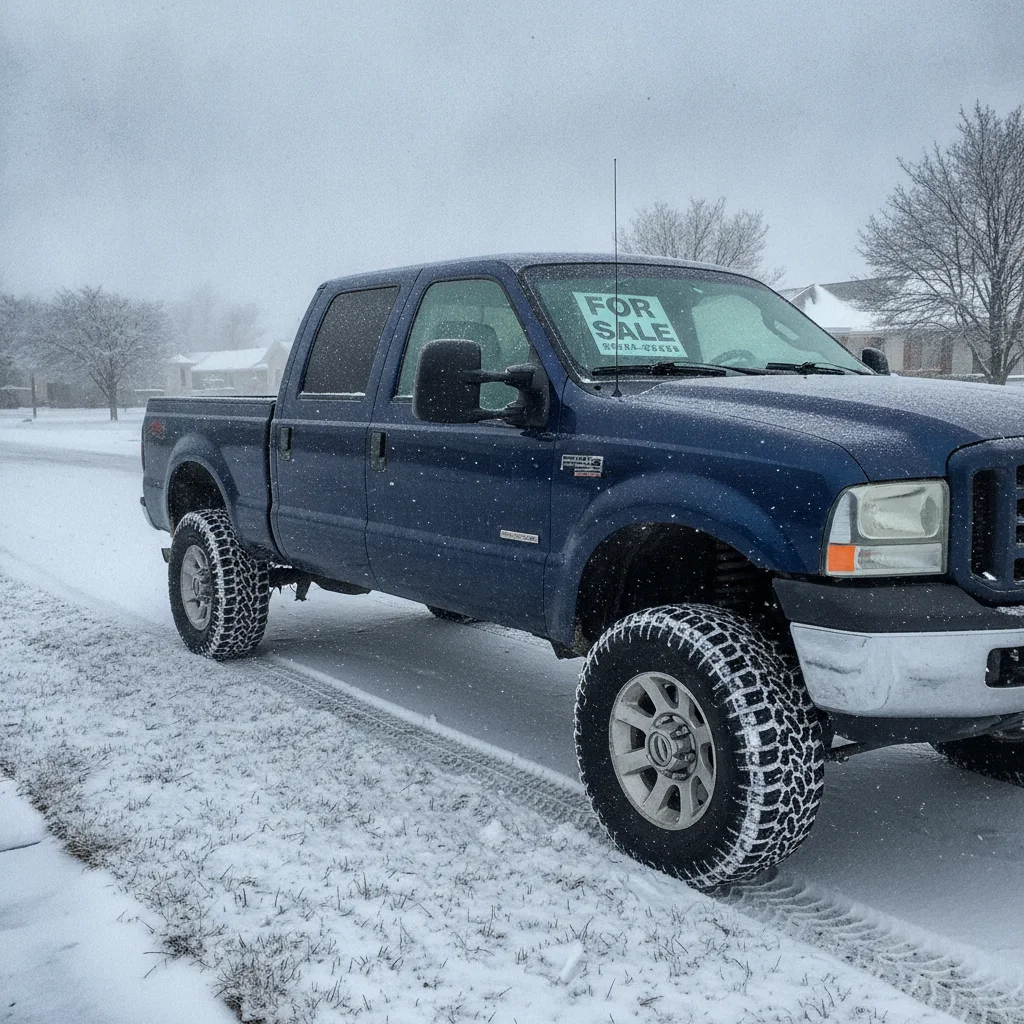
If you're selling an AWD crossover, a 4WD pickup, or anything with a reputation for handling snow and ice, winter is legitimately your best window. Buyers in cold-weather regions actively seek these vehicles between October and February. Supply stays tight because sellers avoid listing in winter, and demand spikes as bad weather hits. That's the textbook setup for getting a strong price.
For sellers with trade-in flexibility, the same logic applies at the dealer level. Timing your trade-in to the season explains how dealers adjust their appetite for certain vehicles based on what they expect to sell in the coming months.
5–10%
Spring price premium over winter average
iSeeCars and CarGurus seasonal pricing analyses consistently show used car transaction prices running 5–10% higher in spring versus winter months for mainstream vehicle categories.
~$3,000
Average U.S. tax refund (2023)
According to IRS data, the average federal tax refund in 2023 was approximately $3,167 — a significant cash injection that fuels spring used car demand each year.
15–20%
Convertible price swing: winter to spring
Vehicles with strong warm-weather appeal, like convertibles and roadsters, can see price premiums of 15–20% in spring compared to winter listings, per seasonal analysis by iSeeCars.
Late Feb
Optimal listing window for most sellers
Automotive market analysts at CarGurus and Edmunds identify late February as a sweet spot: tax refund buyers are active, but competing spring inventory has not yet peaked.
2–4%
Seasonal price swing for AWD trucks/SUVs
Trucks and AWD SUVs show the narrowest seasonal price variance — often just 2–4% — because their utility appeal generates consistent demand throughout the year.
Head-to-Head: What the Numbers Look Like
It's one thing to say spring prices are higher — it's more useful to understand by how much, and for what types of vehicles. The spread between peak and off-peak season pricing isn't uniform. It depends heavily on vehicle category.
Across the broader market, used car prices in spring (March–May) run roughly 5–10% higher than in winter (December–February) for typical passenger vehicles. That translates to a $800–$2,000 difference on a $16,000 sedan, which is not trivial. For vehicles with strong seasonal appeal — convertibles, sports cars, motorcycles — that gap can reach 15–20%. For diesel pickups and AWD SUVs, the seasonal gap often narrows to 2–4% because demand is more consistent year-round.
Seasonal depreciation patterns and the best time to sell breaks this down by vehicle type if you want category-specific guidance before you set your asking price.
The Late February Sweet Spot
If you want the benefits of spring demand without the March–April inventory glut, consider listing in late February. Tax refund buyers are active, competing inventory hasn't fully recovered from winter levels, and you get early access to spring buyers before everyone else shows up. It's a narrow window, but it consistently outperforms both mid-winter and peak spring for the right vehicles.
The Late February Window: Why It Works
Late February sits in an underappreciated gap: tax refund buyers are active and cash-ready, but most sellers haven't yet listed because they're waiting for 'real' spring. The result is elevated demand meeting still-thin inventory — a combination that consistently favors sellers. If your vehicle has broad appeal and you're targeting maximum sale price, consider listing the last week of February rather than waiting for March or April when competition builds.
Don't Forget Carrying Costs When You Delay
Every month you hold a vehicle you intend to sell costs money: insurance premiums, potential registration renewal, and any maintenance needs that come up. If holding until spring adds $200–$400 in carrying costs, you need the seasonal premium to outperform that number to come out ahead. For vehicles with narrow seasonal price swings — like standard trucks or large SUVs — the math sometimes favors selling now over waiting.
Regional Climate Shifts the Calculus
In Sun Belt states like Arizona, Florida, and Southern California, the spring–winter demand gap for convertibles and sports cars is narrower because buyers enjoy warm weather year-round. Conversely, in northern states and mountain regions, the AWD and 4WD winter premium is sharper because seasonal need is more acute. Always calibrate seasonal timing advice to your specific market, not just national averages.
Vehicle Type Changes Everything
The single biggest variable in this decision isn't the season — it's what you're selling. Season matters more for some vehicles than others, and choosing the wrong window for your specific car can cost you more than any negotiating mistake.
Spring Is Clearly Better For:
- Convertibles and roadsters — buyers feel the appeal most in warm weather, and prices reflect it
- Sports cars and performance coupes — emotional purchases that spike with buyer optimism in spring
- Fuel-efficient commuters — rising spring gas prices push buyers toward hybrids and small sedans
- Minivans and family vehicles — families plan summer trips and school-year logistics in spring, creating real demand
- Motorcycles and recreational vehicles — obvious seasonal demand driven by riding season
Winter Is Competitive For:
- AWD and 4WD SUVs and trucks — buyers actively seek these as weather deteriorates
- Diesel pickups — strong year-round demand with a winter lean in cold-weather markets
- Lifted trucks — buyers in snow-prone areas shop intentionally in fall and winter
Relatively Season-Neutral:
- Full-size trucks (standard) — broad utility demand buffers against seasonal swings
- Large SUVs — consistent family demand makes these more stable across the calendar
If you're selling privately and want a full rundown of how to structure the transaction itself, private party sales covers listing, negotiating, and closing with a buyer directly.
How to Make the Timing Decision for Your Situation
Here's how I'd walk through this decision if a friend asked me in the driveway:
- Identify your vehicle category first. Is it a warm-weather vehicle, a cold-weather vehicle, or neutral? That answer does more work than anything else.
- Check current inventory levels locally. Pull up Facebook Marketplace or AutoTrader and count how many similar vehicles are listed within 50 miles. High inventory means your spring advantage shrinks. Low inventory in winter means your off-season play has legs.
- Look at your financial timeline. If you need the money now, winter's faster close time may matter more than a theoretical spring premium. A real sale in January beats a hypothetical better sale in April.
- Factor in carrying costs. Insurance, registration, and any ongoing maintenance on a vehicle you're planning to sell costs real money every month you delay. If waiting for spring costs you $200–$300 in carrying costs and nets $400 more, the math barely works.
- Consider listing in late February as a compromise. You capture early tax-refund buyers, avoid the March–April seller flood, and get spring-adjacent demand without waiting until peak season.
If you're weighing a trade-in instead of a private sale, the seasonal calculus at the dealer level is slightly different — dealers think about their lot inventory and what will move in coming months. timing your purchase explores the buyer's side of that same seasonal equation, which can help you understand what dealers are thinking when they appraise your trade.
And if spring is your target window, go in with eyes open about what that surge means for buyer expectations and competing listings: what the spring car shopping surge costs buyers gives you the demand-side view that makes you a sharper negotiator on the seller's side.
Bottom line: spring wins for most sellers, most of the time. But winter isn't the dead zone it's made out to be — and if your vehicle fits the cold-weather profile, you might actually net more by listing when everyone else is waiting for warmer weather.

All claims are backed by peer-reviewed research. Sources on request.