Key Takeaways
Title Transfer (Vehicle Sale)
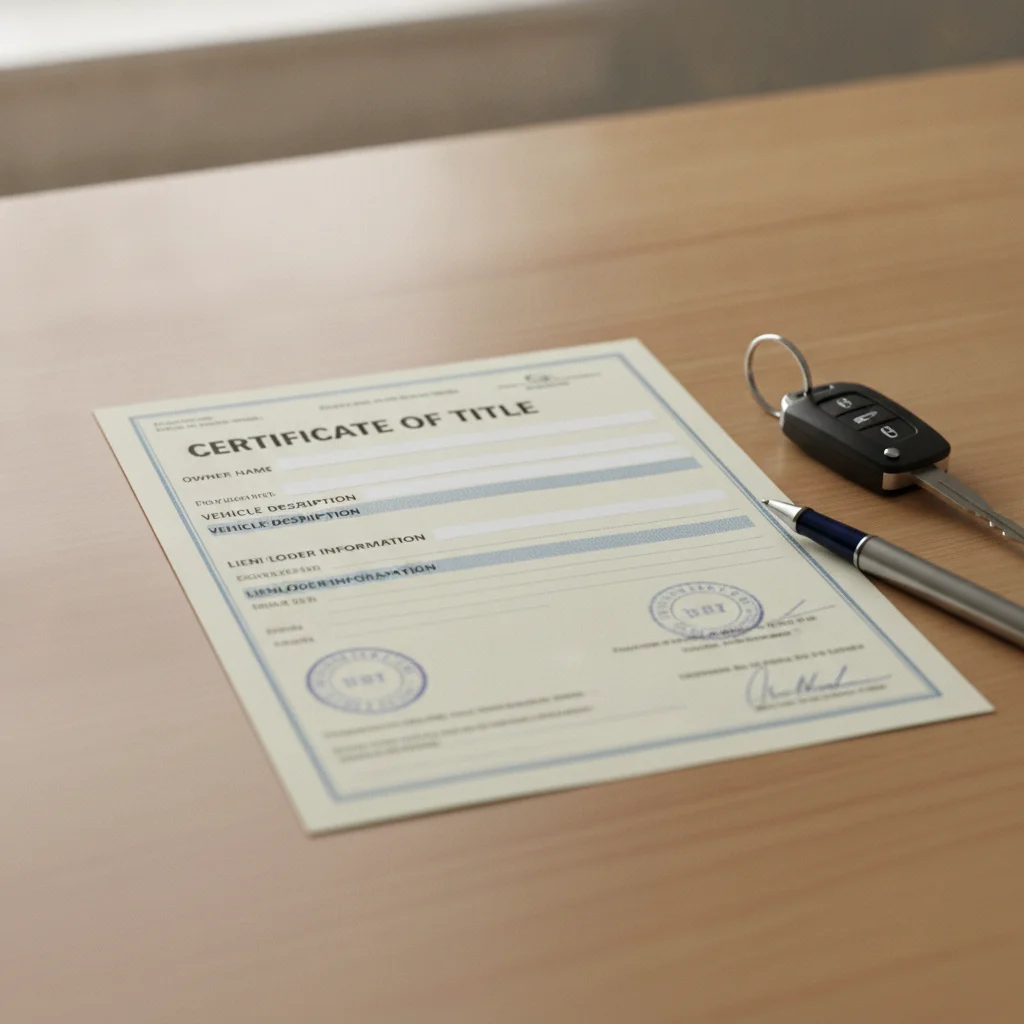
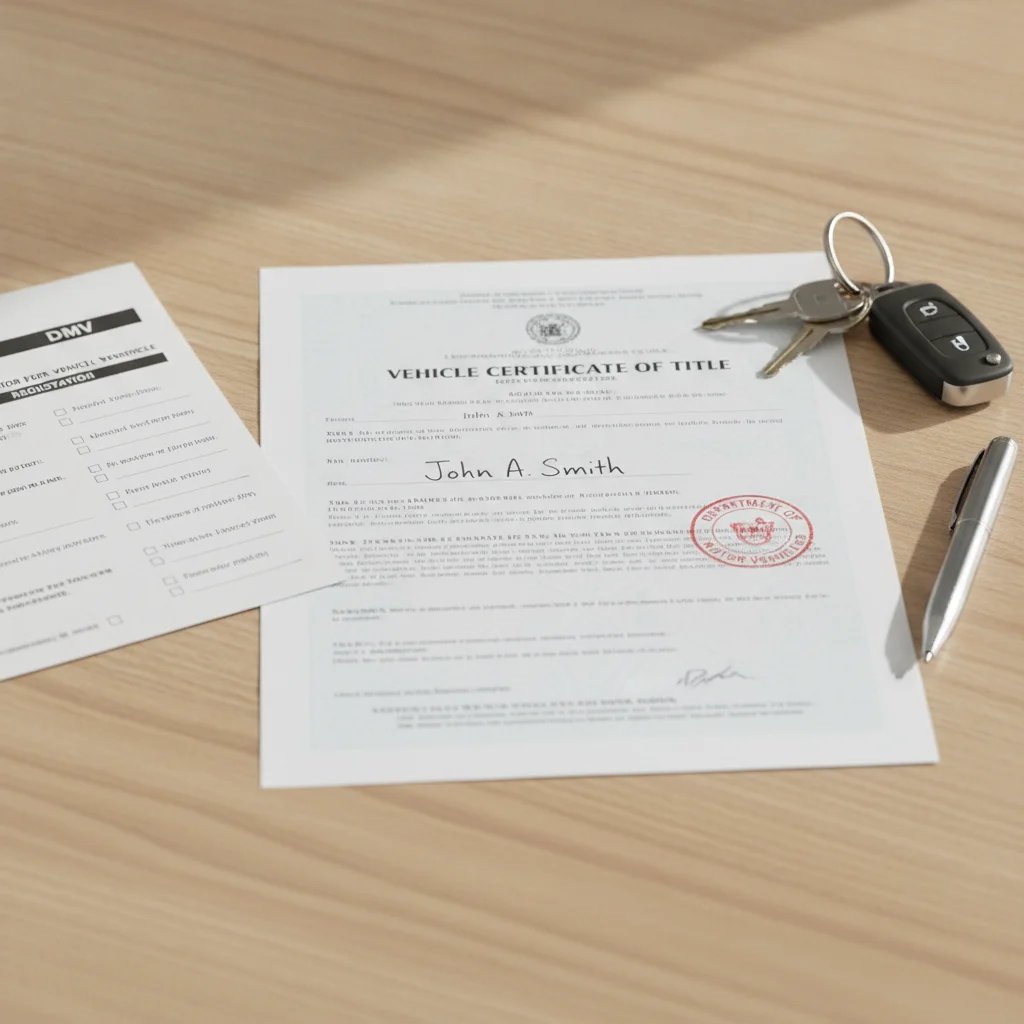
A title transfer is the official process of signing over the legal ownership of a vehicle from seller to buyer through the state's motor vehicle authority. Until this paperwork is completed and recorded, the original seller remains the legal owner on file — regardless of who actually has the car. Skipping or delaying this step creates ongoing legal and financial exposure for the seller.
In most states, failure to notify the DMV of a vehicle sale within a required window (typically 5–10 business days) constitutes a violation of state motor vehicle code and can result in civil liability for incidents caused by the new driver.
Why the Title — Not the Keys — Transfers Ownership
Most people think handing over the keys and pocketing a check means the car has changed hands. Legally, that's not how it works. Vehicle ownership in every U.S. state is determined by the certificate of title — a government-issued document that names the legal owner of record. Until that document is signed over properly and recorded with the state's motor vehicle authority, the original seller remains the owner in the eyes of the law.
This distinction matters more than most sellers realize. If the buyer runs a red light, gets a parking ticket, causes an accident, or is involved in a hit-and-run — and the title hasn't been transferred — the state's enforcement systems will trace the vehicle back to you. That can mean collection notices for unpaid fines, civil lawsuit notices, and in extreme cases, police contact.
Understanding exactly what a title does — and what it means legally when one changes hands — is the foundation sellers need before listing a car for sale.
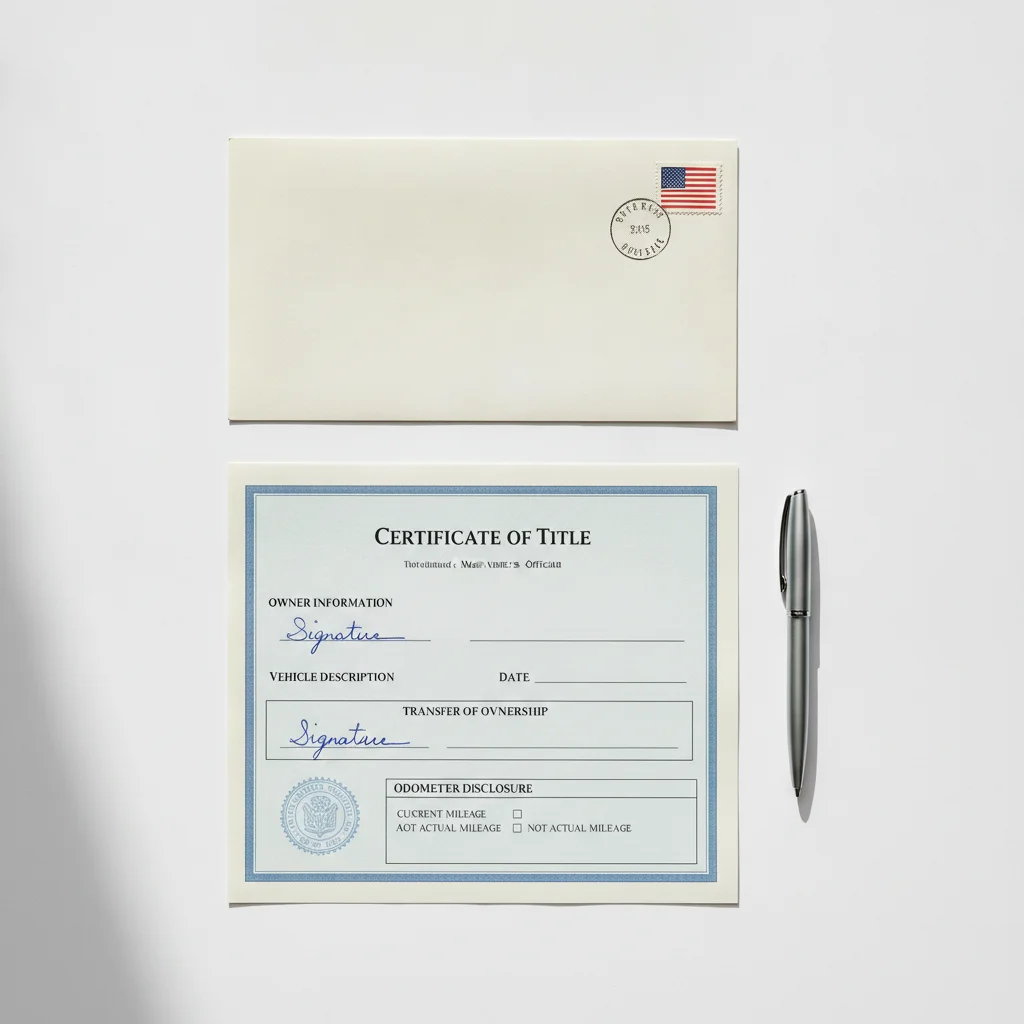
A bill of sale is useful as a record of the financial transaction, but it carries no legal weight in establishing ownership with the state. Don't confuse one for the other.
The Specific Risks Sellers Face
Failing to complete a title transfer doesn't just create an abstract paperwork problem. It creates concrete, ongoing liability in several areas that can cost you real money and cause serious stress. Here's a breakdown of what sellers have actually faced:
Traffic Violations and Tolls
If the buyer accumulates unpaid tickets or tolls, those are typically associated with the vehicle's license plate and registered owner — that's still you until the title transfers. Toll agencies and municipalities may send collection notices to your address, and if left unresolved, these can escalate to liens or license suspensions.
Accident Liability
This is the most financially dangerous risk. If the buyer causes an accident and your name is still on the title, you may be named as a co-defendant in a personal injury lawsuit. In some states, ownership alone can create vicarious liability — meaning you can be sued even though you weren't driving the car and had no knowledge of the incident.
Criminal Incidents
In rare but documented cases, vehicles used in crimes have been traced back to former owners who never completed a title transfer. While this usually gets sorted out eventually, it still puts you in the position of having to prove you no longer owned the car — a stressful and potentially expensive process.
Ongoing Tax and Registration Obligations
Some states send annual property tax bills tied to the registered owner of a vehicle. If the title never transferred, those bills keep arriving in your name — and if unpaid, can affect your credit or result in levies.
5 days
California's seller notification deadline after sale
California DMV requires sellers to submit a Notice of Transfer and Release of Liability within 5 calendar days of the sale to cut off ongoing liability.
~30%
Private sales estimated to have title complications
Industry estimates from title insurance and DMV processing data suggest roughly 1 in 3 private vehicle sales involves some form of title delay, error, or incomplete transfer.
$500–$2,500
Typical cost of resolving a bonded or disputed title
When a title transfer goes wrong and a bonded title is required, sellers and buyers often spend between $500 and $2,500 in fees, surety bonds, and legal costs to resolve the issue.
43 states
States with formal seller release-of-liability processes
According to the American Association of Motor Vehicle Administrators (AAMVA), the majority of U.S. states have formalized seller notification or release-of-liability filing requirements.
Insurance Complications
If you cancel your insurance immediately after the sale but the title hasn't transferred, you leave yourself with zero coverage on a vehicle still legally linked to you. If something happens in that window, you could be uninsured and on the hook. Conversely, if you maintain insurance, you're paying for coverage on a car someone else is driving.
Lienholders Add an Extra Step
If you still owe money on the car, the lender holds the title — you can't sign over what you don't have. Before selling, you'll need to pay off the loan (or arrange for payoff at closing) and get the lienholder to release their interest on the title. This process can take 2 to 4 weeks depending on the lender, so plan ahead before accepting a buyer's deposit.
Electronic Titles Are Increasingly Common
Many states now issue electronic titles (e-titles) that exist only in the DMV's digital system — there's no paper document to hand over. If your state has issued an e-title on your vehicle, you'll need to request a paper title or work with the buyer through the DMV's electronic transfer process. The timeline for this varies by state, so check your DMV's process before listing.
State-by-State Rules: What Sellers Must Do
There is no single federal standard for title transfers — the rules are entirely state-driven, and the specifics vary enough that sellers need to know their state's requirements before the transaction closes.
That said, most states have two core requirements for sellers:
- Sign the back of the title — including the odometer disclosure and any lienholder release if applicable — and hand it to the buyer at the time of sale.
- Submit a Notice of Transfer or Release of Liability to the DMV within a state-mandated window. This step protects you specifically.
Here's how some major states handle seller obligations:
| State | Seller's Notice Required? | Deadline | Method |
|---|---|---|---|
| California | Yes | 5 days after sale | Online via DMV portal or mail |
| Texas | Yes | 30 days | Online via TxDMV |
| Florida | Yes | 30 days | Title must be delivered to buyer who re-titles |
| New York | Yes | 10 days | DMV form MV-78B |
| Illinois | Yes | Within 20 days | Seller reports vehicle transfer to Secretary of State |
| Washington | Yes | 5 business days | Online via DOL portal |
The buyer is then typically responsible for taking the signed title to their local DMV, paying transfer fees, and registering the vehicle in their name. But the seller's job isn't done just because the car drove away.
For a deeper look at what buyers and sellers each need to bring, our guide on state-specific title transfer requirements walks through documentation, timelines, and common holdups by state.
Take a Photo of the Signed Title Before Handing It Over
Before you pass the completed, signed title to the buyer, photograph both sides with your phone. This gives you a record of how it was filled out, what was written where, and confirmation that you did sign it correctly. If the buyer later claims the title was incomplete or missing, you have documented proof. Store this photo alongside your bill of sale.
Use Certified Funds for Higher-Value Private Sales
For transactions over a few thousand dollars, ask for a cashier's check or arrange payment through a verified service rather than accepting personal checks or cash you can't verify on the spot. Fraud involving fake cashier's checks exists, but a bank-issued check can be verified before you sign the title. Never release the signed title until payment is confirmed.
Common Mistakes That Leave Sellers Exposed
Most title transfer problems aren't the result of bad intent — they come from sellers who simply didn't know what they were doing. These are the most frequent mistakes that leave sellers legally exposed after a private sale:
Handing Over the Keys Before Signing the Title
Some sellers let the buyer take the car while promising to "send the title later" — maybe because they need to dig it out or wait for a lien to clear. This is one of the riskiest moves a seller can make. Once the car is gone and you haven't signed the title, you have no leverage and no clean paper trail.
Signing the Title Incorrectly
A title signed in the wrong place, with a name spelled differently than it appears on the document, or with an error in the odometer reading can be rejected by the DMV. That means the buyer can't re-title the car, and the transaction stays in limbo. Paperwork errors that void a title are more common than most sellers expect — and they can be surprisingly hard to fix after the fact.
Assuming the Buyer Handles Everything
In a private sale, the buyer is responsible for re-titling in their name — but your obligation to notify the DMV is separate and belongs to you. Many sellers assume the buyer's filing covers them. It doesn't. Common misconceptions about title transfers often stem from this exact confusion.
Skipping the Release of Liability Form
Even if you sign the title correctly and hand it over, skipping the state's release-of-liability filing leaves you on the hook until the buyer completes re-registration. This form is your primary legal protection as a seller — it documents that you transferred the vehicle and removes your exposure from that point forward.

“The moment you hand someone keys without completing the title paperwork, you've given away the car but kept all the legal responsibility. Sellers don't realize that until a ticket or a lawsuit shows up at their door.”
— Margaret Chen, Consumer auto fraud investigator and former DMV compliance officer
What to Do If the Title Was Never Properly Transferred
If you've already sold a car and realized the title transfer was never completed — or the buyer never re-titled the vehicle in their name — you have options, but they require prompt action.
Step 1: File a Release of Liability Immediately
Most states allow sellers to file a notice of transfer or release of liability even after the sale date. Do this right away. It creates an official record that you transferred the vehicle and cuts off your liability from that point forward. Bring or submit a copy of your bill of sale if required.
Step 2: Contact the Buyer
If you can reach the buyer, remind them that they are legally required to re-title the vehicle. In some states, failure to do so is itself a violation. If the buyer is unresponsive or has relocated, document every attempt to reach them.
Step 3: Notify Your Insurance Company
Let your insurer know the vehicle has been sold and when. Ask them to note the date of transfer in your file. If the car is no longer in your possession, you should remove it from your policy — but confirm the release of liability is filed first.
Step 4: Consult an Attorney if Liability Arises
If you receive notice of a traffic violation, lawsuit, or criminal inquiry connected to a car you no longer own, contact an attorney immediately. You'll need to demonstrate that you transferred the vehicle — your bill of sale, signed title copy, and release of liability filing are critical evidence here.
For a step-by-step guide to completing the transfer correctly going forward, how to transfer a car title correctly in a private sale walks through every stage of a clean, legally valid ownership handover.
How to Protect Yourself as a Seller from the Start
The best time to handle title transfer correctly is before the sale closes. Here's the seller's checklist that prevents most of these problems from ever arising:
- Locate the title before listing the car. If you have a lien, contact your lender to understand the payoff and title release process. Don't list the car until you know how the title will be delivered.
- Sign the title in the correct fields. Most titles have a dedicated seller's signature line, an odometer disclosure section, and a buyer information section. Fill them out carefully, in pen, with no corrections using white-out (most DMVs reject corrected titles).
- Collect payment before handing over the keys and signed title. Once the title is signed and handed over, your leverage is gone.
- Get a signed bill of sale. Include the date, purchase price, vehicle VIN, mileage, and both parties' names and addresses. Keep a copy.
- File your release of liability or notice of transfer with the DMV on the same day. Don't wait. Most states allow online filing and it takes minutes.
- Cancel your insurance only after confirming the title has transferred — or at minimum, after filing your release of liability.
For sellers navigating the full range of paperwork and contracts involved in a car transaction, understanding what each document does — and who is responsible for filing it — is the difference between a clean sale and months of headaches.
Take a Photo of the Signed Title Before Handing It Over
Before you pass the completed, signed title to the buyer, photograph both sides with your phone. This gives you a record of how it was filled out, what was written where, and confirmation that you did sign it correctly. If the buyer later claims the title was incomplete or missing, you have documented proof. Store this photo alongside your bill of sale.
Use Certified Funds for Higher-Value Private Sales
For transactions over a few thousand dollars, ask for a cashier's check or arrange payment through a verified service rather than accepting personal checks or cash you can't verify on the spot. Fraud involving fake cashier's checks exists, but a bank-issued check can be verified before you sign the title. Never release the signed title until payment is confirmed.
Selling a car is a significant transaction. The title is the legal linchpin of that transaction. Handle it with the same care you'd give any other major legal document — because that's exactly what it is.

All claims are backed by peer-reviewed research. Sources on request.