

Key Takeaways
Why Title Transfer Myths Persist
Vehicle title transfers look simple on the surface: you sell the car, you hand over a signed piece of paper, and you move on. That assumption is exactly where most problems begin. In reality, the title transfer process involves state-specific rules, legally required disclosures, timing deadlines, and a final filing step at the DMV that many sellers never complete.
These misconceptions aren't born from carelessness — they come from a process that genuinely varies by state, from friends passing along half-remembered advice, and from a lack of clear, centralized guidance for private sellers. The result is a landscape where thousands of sellers each year remain legally tied to vehicles they thought they had sold.
Understanding where the myths end and the facts begin isn't just useful trivia. If you're selling a car privately, getting this wrong can mean parking tickets on a car you no longer own, liability in an accident caused by someone else, or a sale that gets unwound entirely. Let's go through the most common misconceptions one by one.

For a broader look at how paperwork errors cause downstream problems, see common dealership paperwork errors that ripple through the ownership chain.
The Myths That Get Sellers Into Trouble
The misconceptions below aren't fringe beliefs — they're the majority view among first-time private sellers. Each one contains a kernel of logic that makes it easy to believe, which is precisely why they're dangerous. Work through each myth carefully, because the consequences of acting on the wrong assumption can follow you for months.
Myth
Once I hand over the signed title, my legal responsibility for the vehicle ends immediately.
Fact
Your liability ends only when the buyer completes the registration transfer at the DMV, which may not happen for weeks — if ever.
Signing the back of a title is a transfer of ownership interest, not a completed legal transfer. The new owner's name doesn't appear in state records until they take the signed title to the DMV and apply for a new title in their name. In the interim — which can range from a few days to several months depending on the buyer's diligence — the vehicle may still be registered under your name.
This gap creates real liability exposure. A parking ticket issued to the vehicle after the sale can arrive in your mailbox. More seriously, if the buyer is involved in an accident before completing the registration transfer, your name may appear in initial law enforcement documentation as the registered owner.
The protection against this gap is the Notice of Transfer or Release of Liability form that many states allow sellers to file with the DMV. This document notifies the state that you sold the vehicle on a specific date and removes your registration liability from that point forward. Some states make this mandatory; others make it optional. Either way, filing it is one of the most important protective steps a seller can take.
Myth
A bill of sale alone proves I sold the car and removes me from all liability.
Fact
A bill of sale is useful evidence, but it is not a substitute for DMV notification and does not automatically update state records.
A bill of sale documents the terms of a transaction between two private parties. It's an important document, and you should absolutely have one. But a bill of sale has no legal force at the DMV level. State records — which determine registration liability, toll violations, and traffic camera tickets — are only updated when a party formally files with the DMV.
Think of it this way: if someone files a parking complaint against the vehicle, state records will reflect whoever is registered, not whoever holds a piece of paper describing a private sale. The bill of sale may eventually help you dispute charges if you can prove you sold the car on a specific date, but the dispute process is time-consuming and stressful.
The correct approach is to combine a bill of sale with a state-filed notice of transfer. Together, these documents create a paper trail that protects you on both the private agreement side and the public records side. What happens when a title transfer isn't completed goes into granular detail about the downstream consequences sellers face.
Myth
If my car still has a loan on it, I can just sell it and the buyer takes over my payments.
Fact
Most auto loans cannot be assumed by a new buyer without lender approval, and the lender holds the title until the loan is paid off.
When you have an outstanding auto loan, your lender holds a lien on the vehicle's title. That lien means you do not have clear title to sell — and you cannot legally transfer ownership until it's released. The title itself, in most cases, is physically held by the lender or has the lienholder's name printed on it.
The process for selling a car with a loan depends on the sale price relative to your payoff amount. If the car is worth more than you owe (positive equity), the buyer typically pays you, you use those funds to pay off the loan, the lender releases the lien, and you transfer the now-clear title. If you owe more than the car is worth (negative equity), you'll need to cover the difference out of pocket before the lien can be released.
Some private buyers will agree to handle this process through an escrow arrangement or by meeting you at your lender's branch, but it adds complexity. The critical point: never attempt to transfer a titled vehicle while a lien is still active without coordinating directly with your lender. Doing so is legally problematic and can constitute fraud.
Myth
The title transfer process is the buyer's problem — sellers just need to sign.
Fact
Sellers have specific legal obligations in the transfer process, and failing to meet them can result in ongoing liability and legal exposure.
This myth is particularly common and particularly dangerous. The idea that sellers are passive participants in the title transfer — just sign the back and you're done — ignores several seller-specific legal requirements that exist in most states.
Most sellers are required by federal and state law to:
- Accurately disclose the odometer reading at the time of sale
- Disclose any known title brands (salvage, rebuilt, flood, etc.)
- Sign and date the title in the designated seller sections
- In many states, file a notice of transfer or release of liability with the DMV
Beyond the legal minimum, sellers who know of material defects — particularly safety-related ones — may have disclosure obligations depending on their state's consumer protection laws. Some states apply implied warranty protections even in private as-is sales, especially when sellers actively misrepresent the vehicle's condition.
The seller's role in a clean title transfer is active, not passive. Treating it as the buyer's problem to sort out is one of the most reliable ways to end up with ongoing liability for a car you thought you'd sold.
Myth
Service records and maintenance history don't need to be disclosed — that's all optional.
Fact
While service records are rarely legally mandated, odometer disclosure is federally required, and some states require additional written disclosures about known defects.
There's a useful distinction to make here between service records (maintenance history, oil changes, repairs) and required disclosures (odometer readings, title brands, known defects). These are often conflated.
Service records in the traditional sense — receipts from oil changes, tire rotations, and brake jobs — are generally not legally required to be disclosed in a private sale. Providing them is good practice and can increase your sale price, but failing to produce them isn't typically a legal violation.
What is legally required, and what many sellers misunderstand as optional, includes:
- Federal odometer disclosure: Required on vehicles under 10 model years old. Must be completed on the title or a separate federal form. Falsifying it is a federal crime.
- Title brand disclosure: If the vehicle has a salvage, rebuilt, or flood title, that must be disclosed. Failing to do so can result in the buyer unwinding the sale and potentially pursuing legal action.
- Known defect disclosure: Some states require sellers to disclose known material defects in writing. This varies significantly by state — another reason to check your specific jurisdiction.
When in doubt, disclose more rather than less. Sellers who fully disclose known issues and document that disclosure are far better protected than those who stay silent and hope the buyer doesn't notice.
Myth
Titles are the same everywhere — if I know how it works in one state, I'm covered anywhere.
Fact
Title transfer procedures, deadlines, fees, and disclosure requirements vary substantially from state to state, and what worked in one state may be wrong in another.
This is the meta-myth that underlies many of the others. Because vehicle titles are issued and managed at the state level, the rules for transferring them are state-specific. What is true in California may be completely different from what applies in Florida, Ohio, or Montana.
Specific areas of variation include how sellers file notices of transfer, how quickly buyers must complete registration, what forms are required for odometer disclosure, how sales tax is calculated and collected, and what constitutes adequate as-is disclosure. See the state-by-state section of this article for a more complete breakdown of where these differences appear.
The practical implication: every time you sell a vehicle — even if you've done it before — verify the current rules through your state's official DMV website. Rules can and do change. The Registration & Taxes hub provides a useful starting point for understanding state-level variation in vehicle ownership costs and requirements.
43 states
States requiring odometer disclosure on title
The National Highway Traffic Safety Administration reports that federal odometer disclosure law applies to vehicles under 10 model years old, with most states imposing additional requirements on their own title forms.
10–30 days
Typical window for buyers to file title transfer
Deadlines for buyers to complete title registration after a private sale vary by state, from as few as 10 days in some jurisdictions to 30 days in others — late filings trigger fees and registration holds.
Up to $10,000
Federal penalty for odometer fraud
Under 49 U.S.C. § 32709, intentional odometer misrepresentation in a vehicle sale can result in civil liability of $10,000 per violation, plus the possibility of criminal charges.
1 in 4
Private sellers who skip the notice of transfer
Industry estimates from title processing services suggest a significant portion of private sellers do not file a notice of transfer with their state DMV, leaving themselves exposed to post-sale liability.
State-by-State Variation: Why Your Neighbor's Experience Doesn't Apply to You
One of the most underappreciated realities of title transfers is how dramatically the rules differ from one state to the next. Your neighbor in Nevada who sold a car last year had a completely different legal experience than someone completing the same transaction in Massachusetts or Texas.
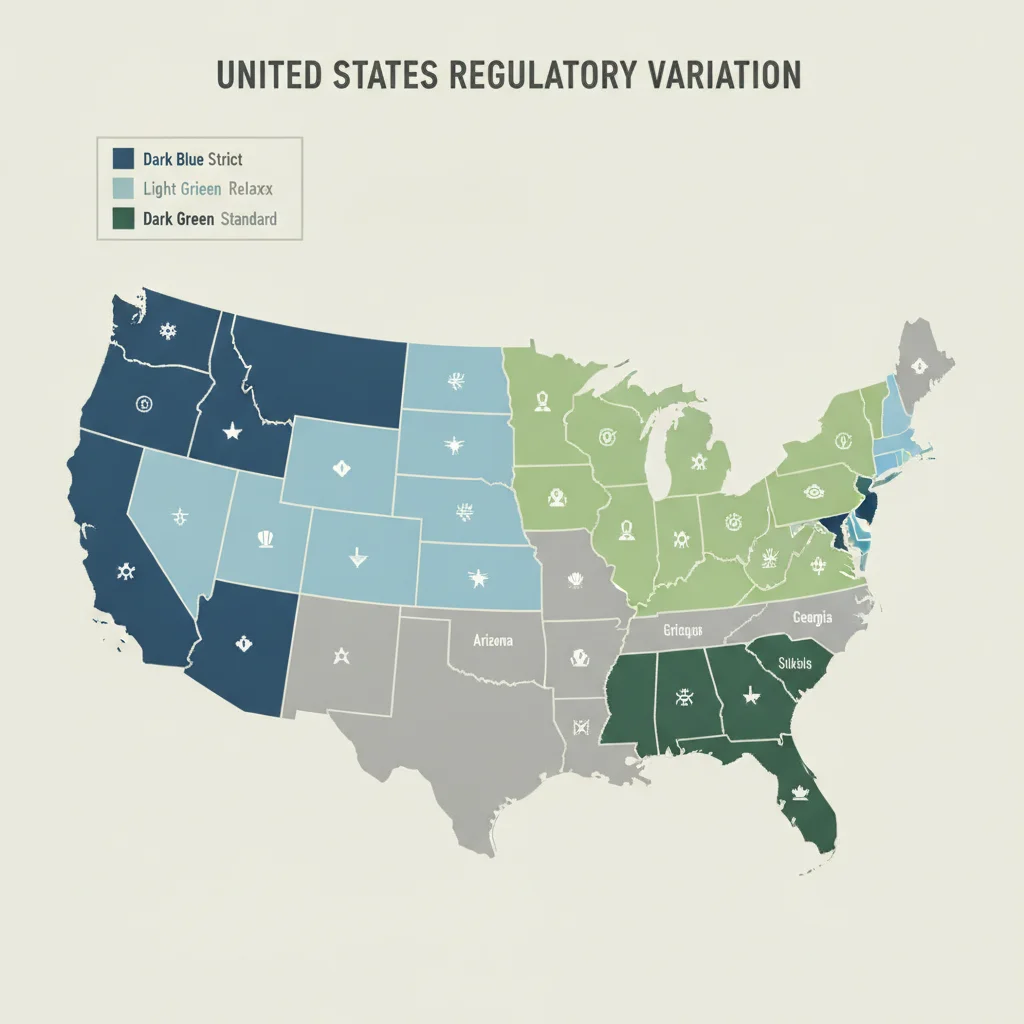
Here's what states commonly regulate differently:
- Odometer disclosure thresholds: Federal law requires odometer disclosure on vehicles under 10 years old, but many states set their own thresholds or require specific forms.
- Transfer deadlines: Some states give buyers as few as 10 days to file for a new title; others allow 30 or 60 days. Missing these windows results in late fees or registration holds.
- Sales tax collection point: In most states, the buyer pays sales tax when registering the vehicle, not at the time of sale. But the rate, exemptions, and who calculates it differ widely. See common sales tax myths on private party sales for a full breakdown.
- As-is disclosure requirements: Some states require a written as-is disclosure; others imply it automatically in private sales. A handful retain implied warranty protections even in private transactions.
- Title brand disclosure: Salvage, flood, rebuilt, and lemon law buyback titles carry mandatory disclosure requirements in most states, but the specific language and forms vary.
The practical takeaway: always verify the rules through your state's DMV website directly. Do not rely on what someone else did in another state, or even what you did in the same state five years ago — rules change.
Don't Rely on Verbal Agreements
A verbal agreement that the buyer will 'handle the paperwork' is not a legal protection for the seller. Until state records reflect the ownership change, the seller retains exposure. Always get a signed bill of sale, complete your seller section of the title accurately, and file a notice of transfer with your DMV if your state permits or requires it — do not wait for the buyer to initiate anything.
Watch Out for Delayed Registrations
Some buyers — especially those purchasing a car as a project vehicle or using it briefly before resale — intentionally delay registration. During that window, any tickets, tolls, or incidents associated with the vehicle can still trace back to you in state records. Filing your notice of transfer on the day of sale is the only way to protect yourself against this specific risk.
For a clear breakdown of every fee you'll encounter on both sides of the transaction, the complete guide to title transfer fees covers each charge and why it exists.
What Sellers Actually Need to Do to Protect Themselves
Understanding the myths is only half the job. Here's the concrete checklist sellers should work through before handing over keys.
- Confirm the title is clear: If you have a loan, your lender holds a lien on the title. You cannot legally sell the vehicle until that lien is released. Contact your lender to get a payoff amount and understand the lien release timeline before listing the car.
- Locate the physical title: You need the original title document — not a copy. If it's lost, order a duplicate from your state DMV before the sale.
- Complete the seller's section accurately: Sign, date, and enter the odometer reading exactly as your state's title form instructs. Errors here can invalidate the document.
- Prepare a bill of sale: A bill of sale protects both parties. Include the VIN, sale price, date, both parties' names and addresses, and an as-is statement if applicable. Some states require it; all sellers benefit from it.
- File a Notice of Transfer (if your state requires it): Many states allow or require sellers to notify the DMV that the vehicle has been sold. This is the step that terminates your legal connection to the car. Do this the same day as the sale.
- Remove your license plates: In most states, plates belong to the seller, not the car. Check your state's rules — driving away on seller plates can expose the seller to liability.

Liens Must Be Released Before You Can Sell
If you still owe money on your vehicle, your lender holds a lien on the title — and you cannot legally transfer ownership until that lien is released. Do not accept a buyer's offer or sign any transfer paperwork until you have confirmed your payoff amount with your lender and have a plan to satisfy the lien at or before closing the sale. Attempting to transfer a vehicle with an active lien is legally problematic and can expose you to serious financial and legal consequences.
Once you've done all of the above, see how to complete the title transfer step by step for the full procedural walkthrough.
The Distinction Between Signing Over and Completing a Transfer
This is the single most consequential misunderstanding in private car sales, and it deserves its own focused treatment. Many sellers believe that once they've signed the back of the title and handed it to the buyer, the transaction is complete. Legally, it is not.
Signing the title over is a necessary step, but it is not the final step. The transfer is only complete when the buyer presents that signed title to the DMV and receives a new title in their name. Until that happens, the vehicle may still be registered in the seller's name in state records. That means:
- Parking violations issued to the car come back to the seller.
- If the buyer gets into an accident, law enforcement records may still list the seller as the registered owner.
- Red light camera tickets and toll violations will be mailed to the seller's address.
Some states address this with a seller-side notice of transfer — a form you file with the DMV to document that you sold the vehicle on a specific date. This doesn't complete the buyer's title transfer, but it does create an official record that your ownership ended. Not every state offers or requires this form, which is another reason to check your state's specific rules.
See the full explanation of why signing over differs from completing a transfer for a deeper legal breakdown.

And if you want to understand the full picture of what happens when this step gets skipped, what happens when a title transfer is never completed covers the legal and financial risks in detail.
Getting It Right the First Time
Vehicle title transfers don't have to be complicated, but they require more than a handshake and a signed document. The process involves at minimum: a clear title, accurate seller signatures, an odometer disclosure, a bill of sale, and in many states, a formal notice of transfer filed with your DMV. In some states, it also involves mandatory disclosure of known defects or title brands.
The good news is that when you understand where the common myths lead people wrong, you can take the right steps deliberately. Sellers who complete all required steps on the day of the sale walk away with zero ongoing liability. Those who skip steps — even unintentionally — can spend months dealing with tickets, DMV notices, and legal questions they thought they'd left behind.
If fees are a concern heading into a private sale, understanding who pays which title transfer fees will help you go into negotiations with clear expectations. And for a full overview of the paperwork ecosystem surrounding any car purchase or sale, the Paperwork & Contracts hub is a useful starting point.
Do the paperwork completely. Do it the same day as the sale. And verify the rules in your specific state before you list the car — not after you've already handed over the keys.

All claims are backed by peer-reviewed research. Sources on request.