Key Takeaways
Vehicle Title
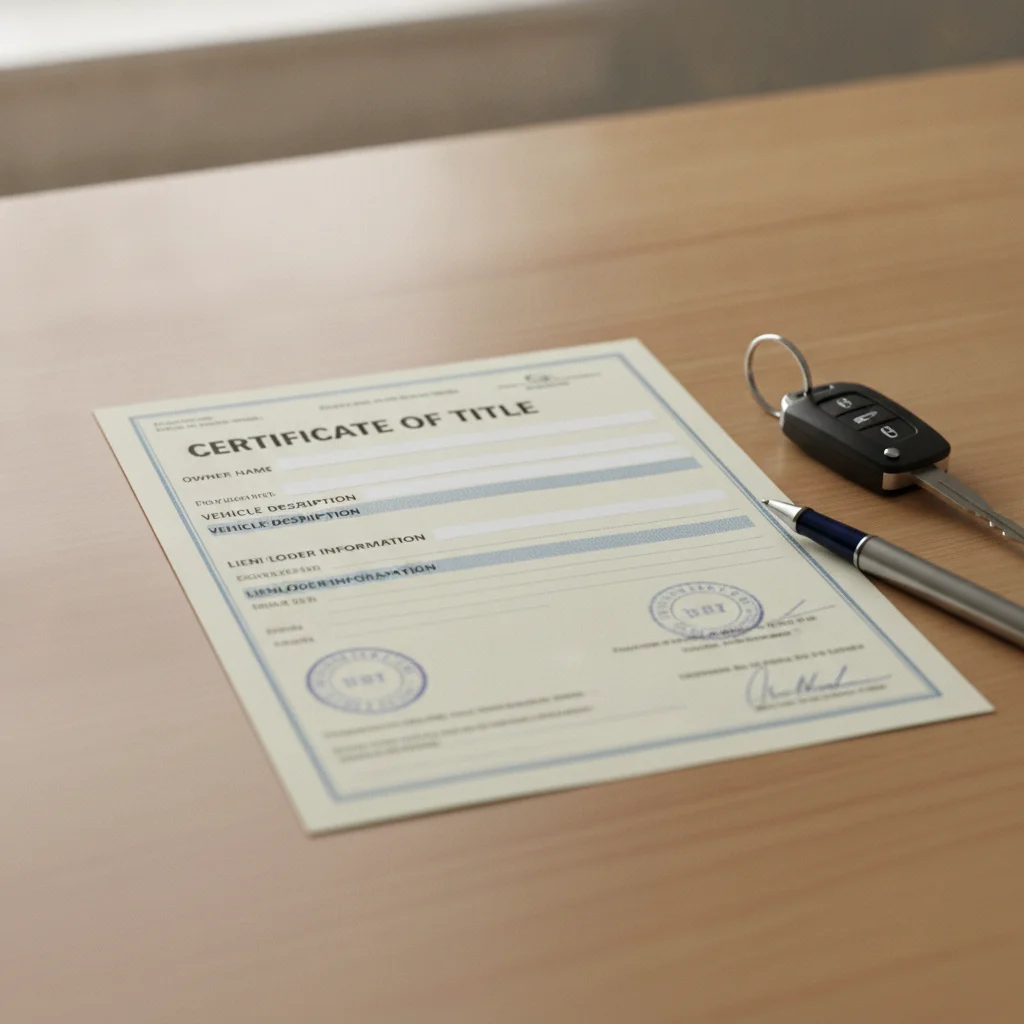
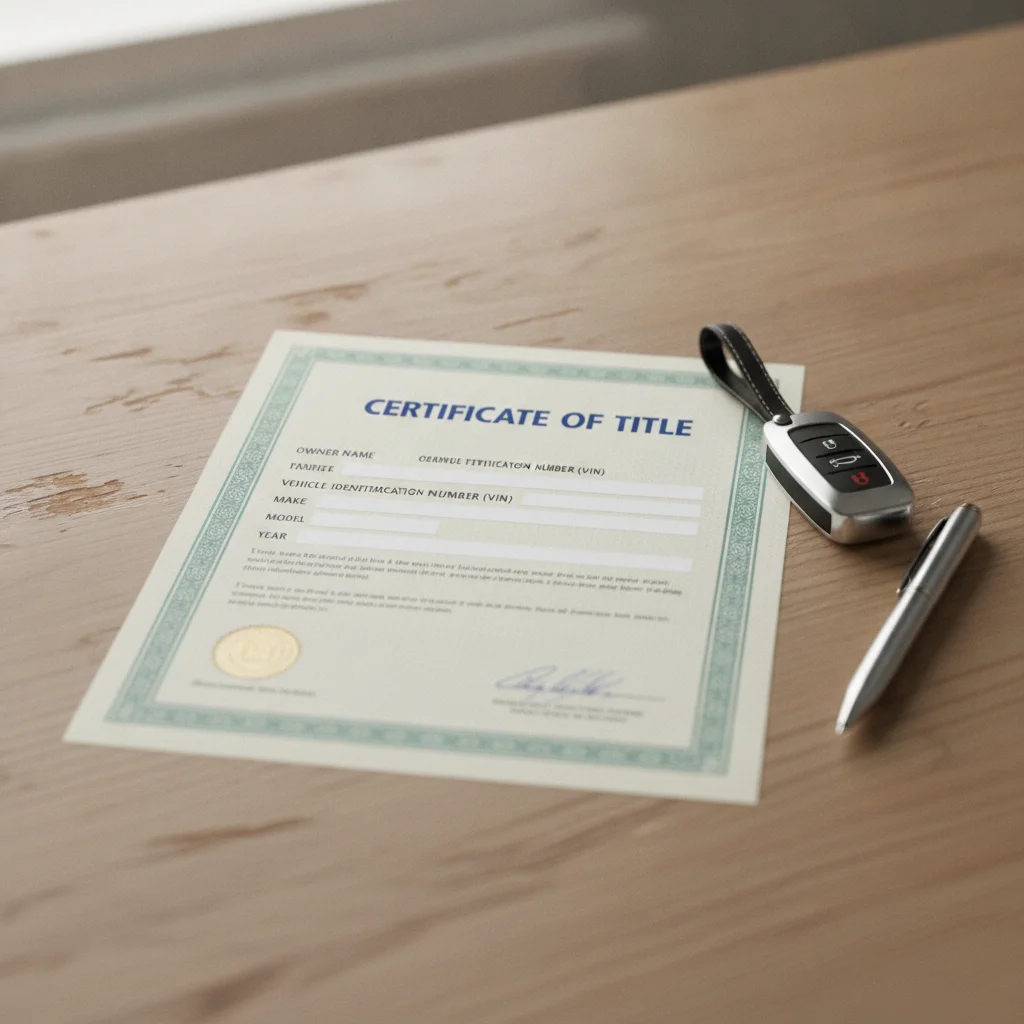
A vehicle title — formally called a Certificate of Title — is a legal document issued by your state's motor vehicle agency that identifies the official owner of a specific car, truck, or motorcycle. It records the vehicle's identifying details, any lienholder (such as a lender), and the ownership history. Without a valid title, a seller cannot legally transfer ownership to a buyer.
Titles are governed at the state level, meaning format, required fields, and transfer procedures vary by jurisdiction. Some states use electronic titles (e-titles) stored entirely in a state database rather than issuing a paper document.
What a Vehicle Title Actually Is
Think of a vehicle title the same way you'd think of a deed to a house. It's the foundational legal document that answers one essential question: who owns this vehicle? Without a clear answer to that question, no sale can proceed — at least not legally.
Every state's department of motor vehicles (DMV) or equivalent agency issues vehicle titles. When a car rolls off a manufacturer's lot, the state creates a title record tied to that specific vehicle. From that point forward, every transfer of ownership must be reflected in an updated title.

The physical document — where states still issue paper titles — is typically printed on security paper with watermarks, colored ink, and anti-tampering features similar to a passport or currency. This is intentional: titles are legal instruments that must resist forgery.
For buyers and sellers alike, the title sits at the center of every transaction. Whether you're buying from a dealership, a private seller, or an auction, the title must legally change hands. Understanding what it contains — and what each field means — is the first step to navigating any car deal with confidence. See our guide to paperwork and contracts for a broader look at the documents involved in any car purchase.
What Information Appears on a Vehicle Title
While exact formats differ by state, all vehicle titles include a core set of required fields. Here's what you'll find — and what each piece of information means:
- Vehicle Identification Number (VIN): A 17-character alphanumeric code unique to every vehicle. The VIN is the title's anchor — it connects the paper document to a specific physical car. Any mismatch between the VIN on the title and the VIN stamped on the car (typically on the dashboard and door jamb) is a serious red flag.
- Year, Make, and Model: Basic vehicle description confirming what type of vehicle the title covers.
- Owner Name and Address: The legal owner as recognized by the state. This must match government-issued ID to complete a transfer.
- Lienholder Information: If the vehicle was financed, the lender's name appears here. This is the bank, credit union, or finance company that has a legal claim to the vehicle until the loan is satisfied.
- Odometer Reading: Federal law (the Truth in Mileage Act) requires sellers to disclose the odometer reading at the time of every transfer for most vehicles under 10 years old. This figure is recorded on the title itself.
- Title Number: A unique state-assigned identifier for the title document — useful if you need to request a duplicate.
- Issue Date: When the current title was issued in the current owner's name.
- Brand or Designation: If applicable, a notation that the vehicle has been declared salvage, rebuilt, flood-damaged, or otherwise flagged. More on this below.
“The title is not a formality — it is the transaction. Everything else in a car sale is negotiable; the title is the one document that cannot be improvised or substituted.”
— Dara Flemming, Consumer finance journalist and auto loan specialist
Some states also include a vehicle color, body style, and weight class. The more you understand each field, the better equipped you'll be to spot discrepancies — which can signal odometer fraud, title washing, or undisclosed damage. For a field-by-field walkthrough of how to fill out a title correctly as a seller, see what to write on the title when you sell.
Why the Title Controls Every Car Sale
Here's the core principle: you cannot legally sell a car you don't hold title to. This seems obvious, but the implications run deep — especially for private sellers, buyers financing through lenders, and anyone dealing with an inherited or gifted vehicle.
~1 in 5
Used vehicles with reported title or damage issues
According to Carfax's annual used car market reports, roughly one in five used vehicles on the road has some form of reported title problem, accident history, or odometer discrepancy.
$14B+
Annual cost of title fraud and odometer rollback
The National Highway Traffic Safety Administration (NHTSA) estimates odometer fraud alone costs American consumers more than $1 billion annually, with broader title fraud compounding total losses significantly.
10–30 days
Typical state window to transfer a title after sale
Most states require buyers to complete a title transfer within 10 to 30 days of the sale date; missing the deadline triggers late fees that vary by state.
When you sell a vehicle, you sign over the title to the buyer. That signature is what makes the transfer legally binding. The buyer then takes the signed title to the DMV, pays applicable fees, and receives a new title in their own name. Until that new title is issued, the vehicle technically remains registered in the seller's name in the state's records — which can create liability problems if the buyer gets in an accident before completing the transfer.
Seller Liability After the Sale
In many states, the vehicle remains legally tied to the seller's name in DMV records until the buyer completes the title transfer — which can take weeks. If the buyer drives the car and causes an accident or accumulates unpaid tolls before transferring the title, those liabilities may initially appear linked to the seller's record. Filing a Notice of Release of Liability with your state DMV immediately after the sale provides documented protection. Check your state's DMV website for the specific form and process.
The title also controls what a buyer can do after the sale. If there's an undischarged lien on the title — meaning the seller still owes money to a lender — the buyer cannot get a clean title until that debt is resolved. This is why buyers should always run a title check (using the VIN through a service like the National Motor Vehicle Title Information System or a paid service like Carfax) before handing over any money.
For a detailed breakdown of what transfers when ownership changes hands — including registration, plates, and lienholder releases — see title and registration documents.
Title Status: How a Car's History Gets Branded Into the Document
Not all titles are equal. States use title branding to permanently flag vehicles that have experienced significant damage, theft recovery, or other events that affect their value and safety. Once a vehicle receives a branded title, that designation travels with the car forever — through every subsequent sale.
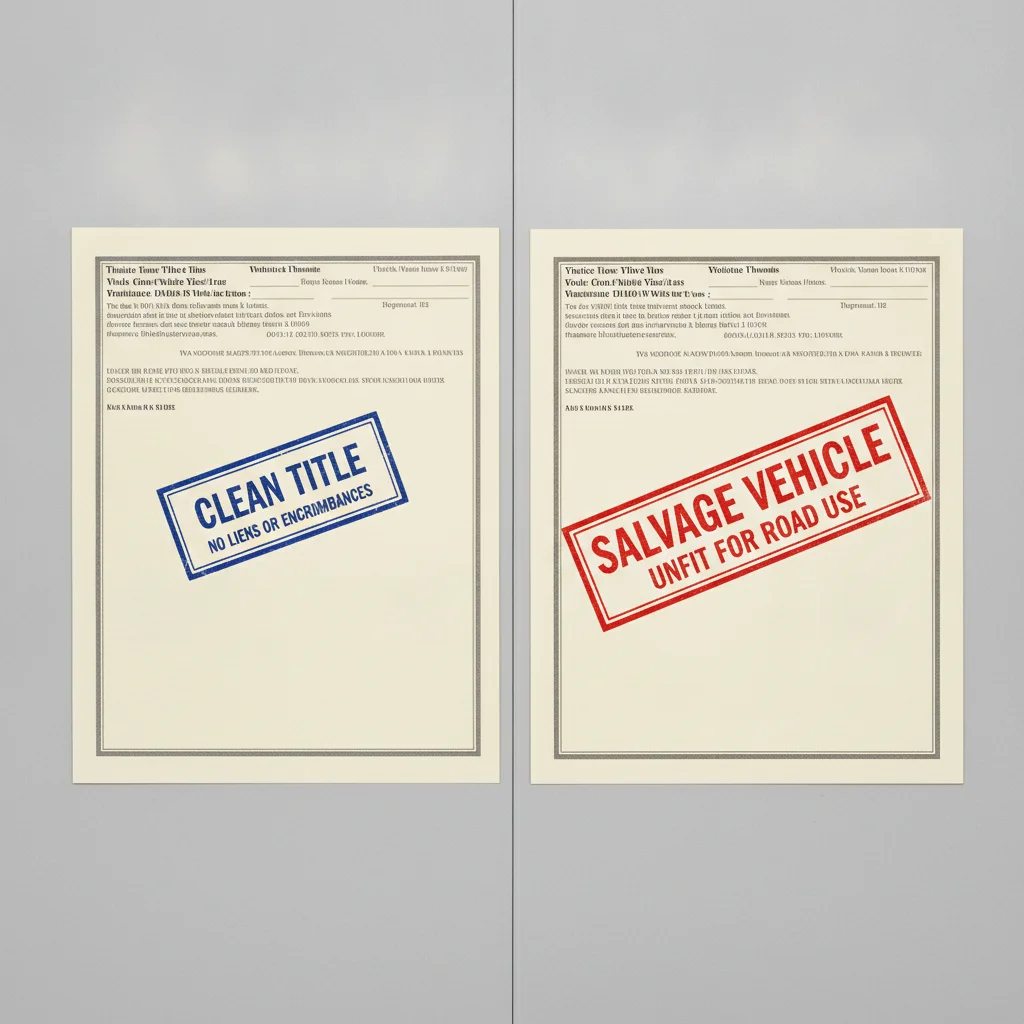
The most common title brands include:
- Clean Title
- No significant damage history, no flood, no total-loss declaration. A clean title is what most buyers want to see. It doesn't mean the car is problem-free — just that no major events triggered a state branding.
- Salvage Title
- Issued when an insurance company declares a vehicle a total loss — typically when repair costs exceed a set percentage of the vehicle's value (often 75–100%, depending on the state). A salvage-titled car cannot be legally driven on public roads until it's repaired and re-inspected.
- Rebuilt or Reconstructed Title
- A salvage vehicle that has been repaired and passed a state inspection receives a rebuilt title. These cars can be driven and insured, but many insurers will only offer liability coverage — not comprehensive or collision.
- Flood or Water Damage Title
- Some states issue specific flood brands; others fold water damage under salvage. Either way, flood-damaged vehicles carry serious long-term electrical and structural risks.
- Lemon Title
- Issued in some states when a manufacturer repurchases a defective vehicle under lemon law. These are relatively rare but carry significant disclosure requirements.
Always Run a VIN Check Before Buying
Before you hand over any money for a used vehicle, run the VIN through the National Motor Vehicle Title Information System (NMVTIS) or a paid service like Carfax or AutoCheck. These reports aggregate title history from all 50 states, helping you catch salvage brands, odometer discrepancies, and title washing that the seller may not disclose. The cost — typically $5 to $40 — is trivial compared to the risk of buying a vehicle with hidden history.
Sellers: Order Your Duplicate Title Early
If you can't immediately locate your vehicle's title, don't wait until you have a buyer to address it. Apply for a duplicate title from your state DMV as soon as you decide to sell. Processing times vary from a few days to four weeks depending on the state. Having the title in hand before you list the car signals credibility to buyers and prevents delays from collapsing an otherwise solid deal.
For a complete breakdown of every title type and what each means for buyers and sellers, see title types decoded. If you're a seller specifically weighing the implications of a clean versus salvage designation on your asking price and disclosure obligations, clean title vs. salvage title walks through that comparison directly.
State-by-State Differences: Why Where You Live Matters
Vehicle titles are state-administered, which means the rules governing them vary significantly depending on where the vehicle is registered. Here are the major dimensions where states diverge:
Electronic vs. Paper Titles
A growing number of states — including Florida, Ohio, and Michigan — have moved to fully electronic title systems. In these states, there's no physical document; ownership records exist entirely in the DMV's database. When you buy or sell, the transfer happens electronically. This speeds up the process but can confuse sellers who expect to hand over a paper title at the time of sale.
Disclosure Requirements
Federal law sets a floor for odometer disclosure, but states layer on their own requirements. Some states mandate written disclosure of known mechanical defects for private-party sales. Others require sellers to affirmatively disclose if a vehicle has ever been declared a total loss — even if it was repaired and retitled in another state. Failing to disclose what your state requires can expose you to civil liability or even fraud claims.
Transfer Timelines
Most states require the buyer to transfer the title within a set window — commonly 10 to 30 days from the date of sale. Missing this deadline triggers late fees. A few states allow longer windows for out-of-state purchases.
Title Fees
Transfer fees, sales tax assessed at title transfer, and lien release recording fees vary widely. Transferring a title covers every charge you're likely to encounter and why each one exists.
What Sellers Need to Do With the Title
If you're selling a vehicle, the title is your primary responsibility. Here's what the process looks like from the seller's side:
- Locate the title. If you own the car outright, the title should be in your possession. If you can't find it, order a duplicate from your state DMV before listing the car — this can take one to four weeks.
- Verify the lien status. If you financed the vehicle, confirm the loan is paid off and the lender has released the lien. If a lien is still recorded on the title, you'll need to pay off the loan (often using the buyer's funds in a coordinated transaction) and obtain a lien release letter before signing anything over.
- Complete the title accurately. On the back of most paper titles, you'll find fields for the buyer's name, address, sale price, sale date, and odometer reading. Fill these in with a ballpoint pen, in ink, without crossing out or using correction fluid. One mistake can void the document.
- Sign and date in the correct fields. Most titles require signatures from both the seller and buyer. Make sure you sign where indicated — a signature in the wrong field can invalidate the transfer.
- Provide a bill of sale. While not always legally required, a bill of sale provides an additional layer of documentation for both parties. Many states recommend it; some require it for the title transfer process.
- Notify your state DMV. In many states, sellers can (and should) file a Notice of Release of Liability with the DMV after the sale. This formally records that you no longer own the vehicle — protecting you if the buyer doesn't transfer the title promptly.

For a precise, field-by-field guide to completing the title document correctly as a seller, see what to write on the title when you sell. Mistakes on a signed title are one of the most common — and most avoidable — problems in private-party car sales.
Red Flags Buyers Should Watch For in a Title
As a buyer, the title you receive at the time of sale is your primary protection. Before signing anything or handing over money, inspect the title carefully:
- VIN mismatch: The VIN on the title must exactly match the VIN on the physical vehicle. Even a one-digit discrepancy is a problem that must be resolved with the DMV before the sale closes.
- Alterations or white-out: Any correction on a title document is a red flag. Legal titles cannot be altered — if the current owner made a mistake, they needed to obtain a duplicate and start fresh.
- Missing signatures: A title without the seller's signature (or, in some states, notarization) is not a valid transfer document.
- Out-of-state title with a brand not recognized locally: This is called title washing — when a salvage vehicle is retitled in a state with looser branding rules to obscure its history. Always run a VIN history report to check for brands across multiple states.
- Lienholder still listed: If the title lists a bank or finance company as lienholder and the seller hasn't provided a lien release, the vehicle's ownership cannot cleanly transfer to you. Walk away or structure the transaction through an escrow service.
- Odometer rollback signs: If the odometer reading on the title is higher than the current reading on the dashboard, something is wrong. Federal law prohibits odometer tampering, but it does happen.
Also, check the title's condition against the vehicle inspection results. Test drives and visual inspections are part of the buying process — see our test drives and inspections for what to examine before any purchase commitment.

All claims are backed by peer-reviewed research. Sources on request.