Key Takeaways
Paintless Dent Repair (PDR)
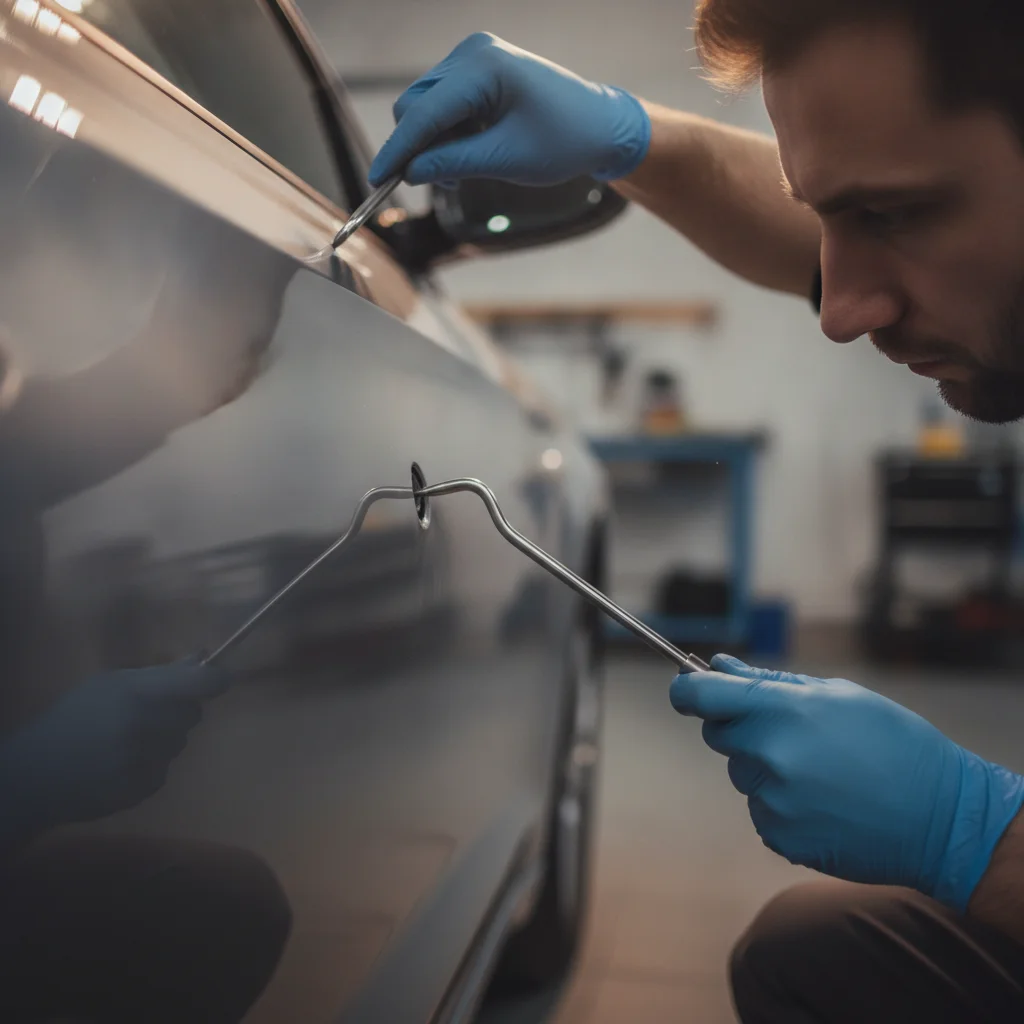
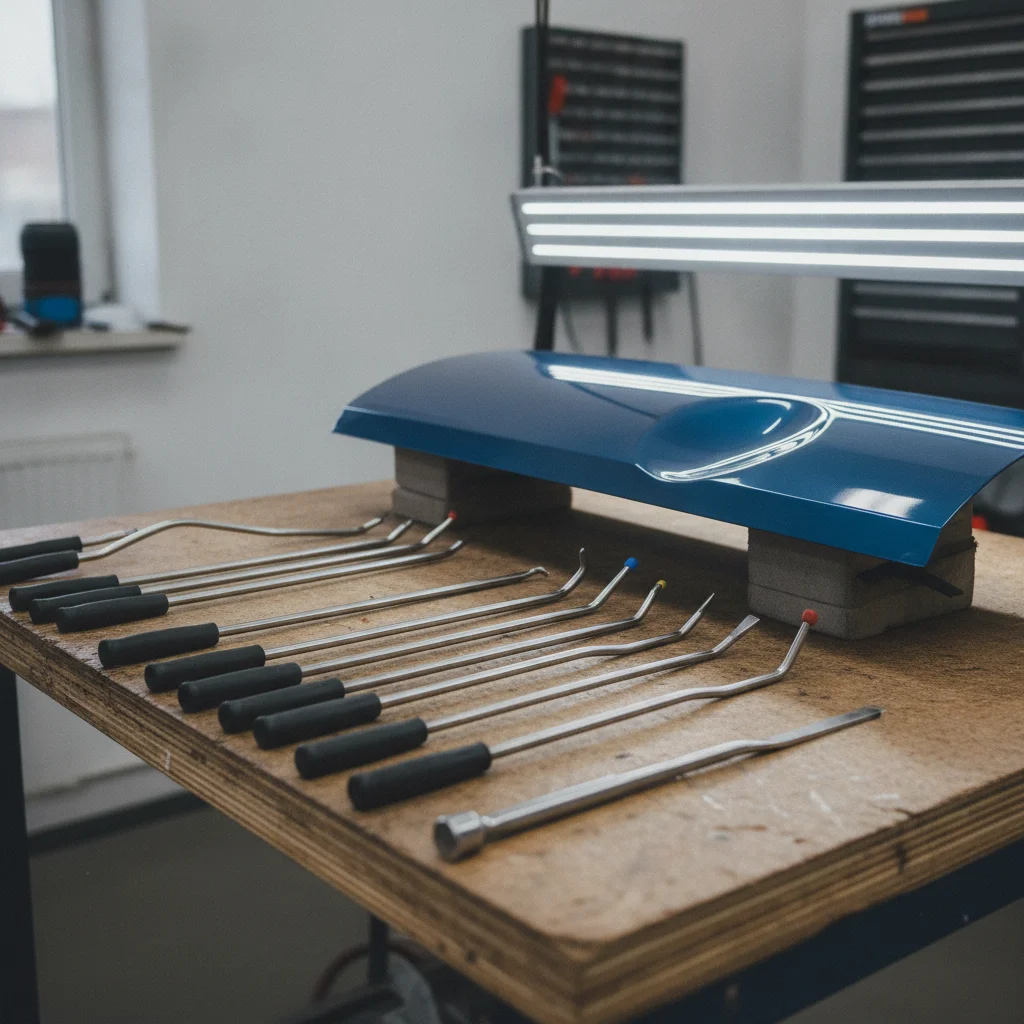
Paintless dent repair (PDR) is a technique used to remove minor dents and dings from a vehicle's body panels without sanding, filling, or repainting the surface. Technicians use specialized metal rods and picks to carefully massage the metal back to its original shape from the inside or edges of the panel. Because the factory paint is never disturbed, PDR is typically faster, cheaper, and more seamless than conventional body shop repairs.
PDR relies on the elastic memory of automotive-grade steel and aluminum; success depends on the metal not being stretched or creased beyond its recovery threshold. Modern aluminum panels, which are increasingly common, require specialized tools and additional skill compared to steel.
How Paintless Dent Repair Actually Works
It helps to understand the basic mechanics before judging whether PDR can fix your specific dent. Unlike traditional collision repair — which sands down the damaged area, fills it with body filler, and then repaints the panel — PDR works entirely from the opposite direction. A trained technician accesses the back side of the dent through existing openings like door jambs, window frames, or trim gaps, then uses long, tapered metal rods to apply gentle, precise pressure that gradually coaxes the metal back into its original contour.
For dents on panel edges or areas where backside access isn't possible, technicians may instead use glue-pulling — adhering small plastic tabs to the outer surface of the dent and slowly drawing the metal outward with a slide hammer. Both methods share the same goal: reshape the metal without ever disturbing the paint.
The reason PDR can preserve the paint is simple physics. Automotive paint is flexible enough to bend slightly with the metal as long as it hasn't been stressed to the point of cracking. When a shopping cart rolls into your door and leaves a smooth, shallow depression, the paint bends with the impact and springs back partially — leaving a dent but no paint damage. That scenario is exactly what PDR was designed for.
The process sounds deceptively simple, but skilled execution matters enormously. A technician who applies too much pressure or works too quickly can overcorrect the metal, leaving a high spot or ring around the original dent that's actually harder to fix than the original damage. This is one area where knowing where DIY ends and professional skill begins is genuinely important.
What PDR Can Fix: The Ideal Candidates
Not every dent is created equal, and PDR technicians are usually upfront about whether a job is within their capability. Generally speaking, the best candidates for PDR share a few clear characteristics.
Round or Oval Dents with Smooth Edges
Hail damage is the textbook PDR success story. Hailstones leave behind small, rounded depressions — sometimes dozens of them across a hood or roof — but the force is distributed evenly, so the metal dimples rather than tears. These dents respond almost perfectly to the massaging technique, and a skilled PDR tech can restore a hail-damaged hood to showroom condition in an afternoon.
The same logic applies to door dings from other car doors in parking lots, minor low-speed parking bumper contact on flat panels, and small impacts from shopping carts or falling objects. If the dent looks like a shallow bowl with no sharp lines running through it, there's a strong chance PDR can handle it.
Paint-Intact Dents
This is the most important qualifying criterion. If the paint surface over the dent is completely undamaged — no chips, cracks, or flaking — PDR is a viable option. The paint acts as the guide for the technician, and it remains the finished surface once the metal is restored beneath it. Disturb the paint, and you've crossed into conventional body repair territory.
Dents on Flat or Gently Curved Panels
The more accessible and open the damaged area, the better PDR performs. Hood centers, door skins, quarter panels, and trunk lids are all well-suited. These flat or gently curved surfaces give the technician room to work and allow the metal to return to shape without fighting the geometry of a complex curve.
$75–$150
Typical PDR cost per small dent
Industry estimates from PDR technician associations consistently place single-dent repair in this range for standard door dings on accessible panels.
50–70%
Cost savings vs. conventional body repair
PDR typically costs 50–70% less than equivalent conventional panel repair that requires paint, according to automotive body shop industry data.
1–4 hours
Average repair time per dent
Most single-dent PDR jobs are completed same-day, while hail damage covering multiple panels may take one to two full days.
80%+
Of hail-damaged vehicles treatable with PDR
Because hail produces rounded dents with minimal paint damage, the vast majority of hail claims are resolved exclusively through PDR rather than conventional repair.
What PDR Cannot Fix: Real Limitations to Know
PDR is genuinely impressive in the right conditions, but it has hard limits — and recognizing them early saves you from booking an appointment, paying for an assessment, and leaving disappointed.
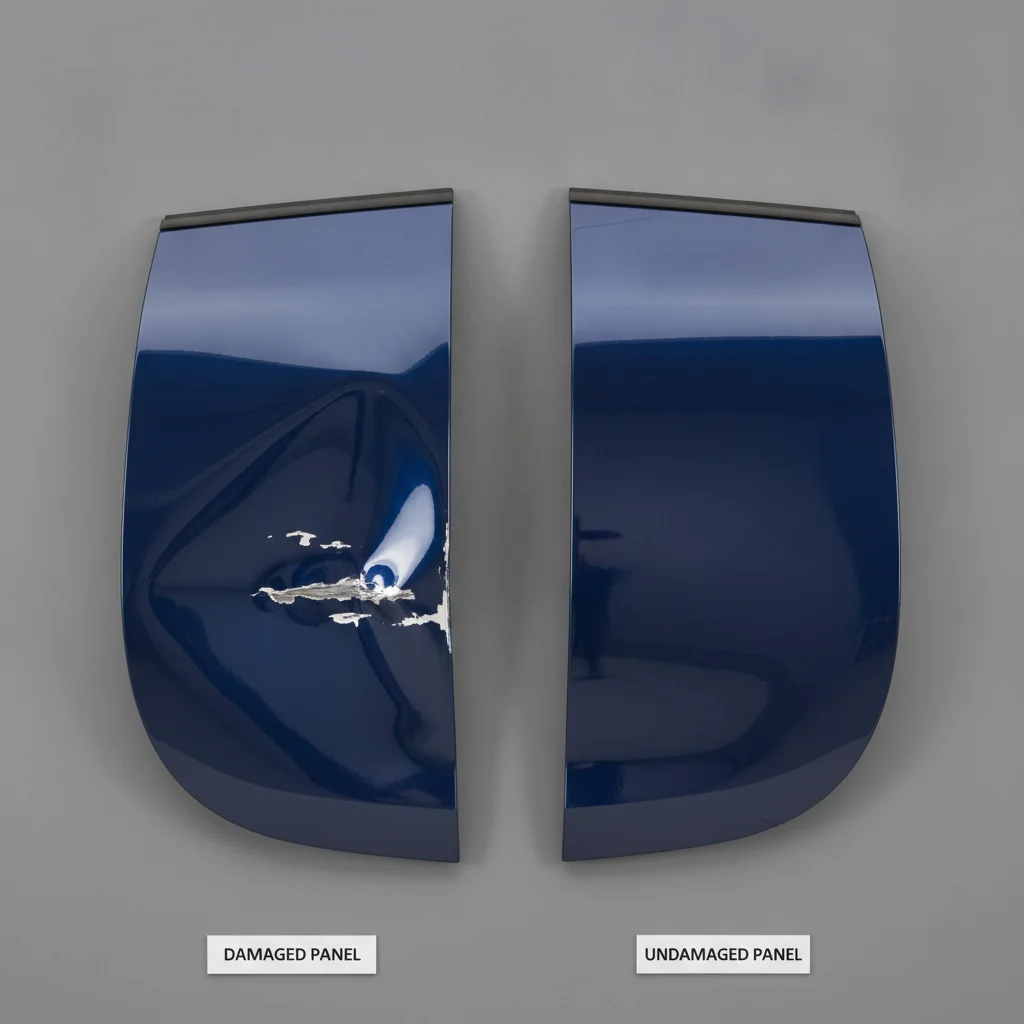
Dents with Paint Damage
If the paint has cracked, chipped, or peeled anywhere within the dent, PDR alone won't restore the panel. Even if the metal is perfectly reshaped, you'll still have visible paint damage that requires conventional touch-up or a full repaint. In these cases, the body shop will typically recommend traditional repair: sand, fill if needed, prime, and repaint. The cost jumps considerably compared to PDR.
Sharp Creases and Fold Lines
When a dent has a distinct crease running through it — a sharp fold or ridge line caused by a harder impact — the metal has been stressed beyond its elastic limit. Think of bending a paperclip back and forth: eventually the metal fatigues and holds that bent shape permanently. Automotive steel behaves similarly. A crease means the metal has been stretched and won't fully spring back under PDR pressure alone. These repairs almost always require filler to smooth the remaining irregularity after the bulk of the shape has been corrected.
Dents Near Panel Edges or Body Lines
Panels are reinforced along their edges and along styling body lines, making the metal stiffer and less responsive to reshaping. A dent that runs directly into a feature line — the sharp crease that defines the shoulder of a door, for example — is extremely difficult to restore without leaving a trace. Similarly, dents within an inch or two of a panel edge, like the corner of a bumper or the trailing edge of a fender, often can't be reached with PDR tools and resist reshaping even when access exists.
Large, Deep, or Complex Dents
PDR is optimized for dents that are roughly the size of a golf ball or smaller, with depth shallow enough that the metal hasn't been significantly stretched. Very large dents — say, a broad depression covering a significant portion of a door panel — may exceed what PDR can fully correct, even if the paint is intact. Depth matters too: a deep dent has displaced more metal and requires more correction, increasing the risk of leaving imperfections.
Rust-Affected Areas
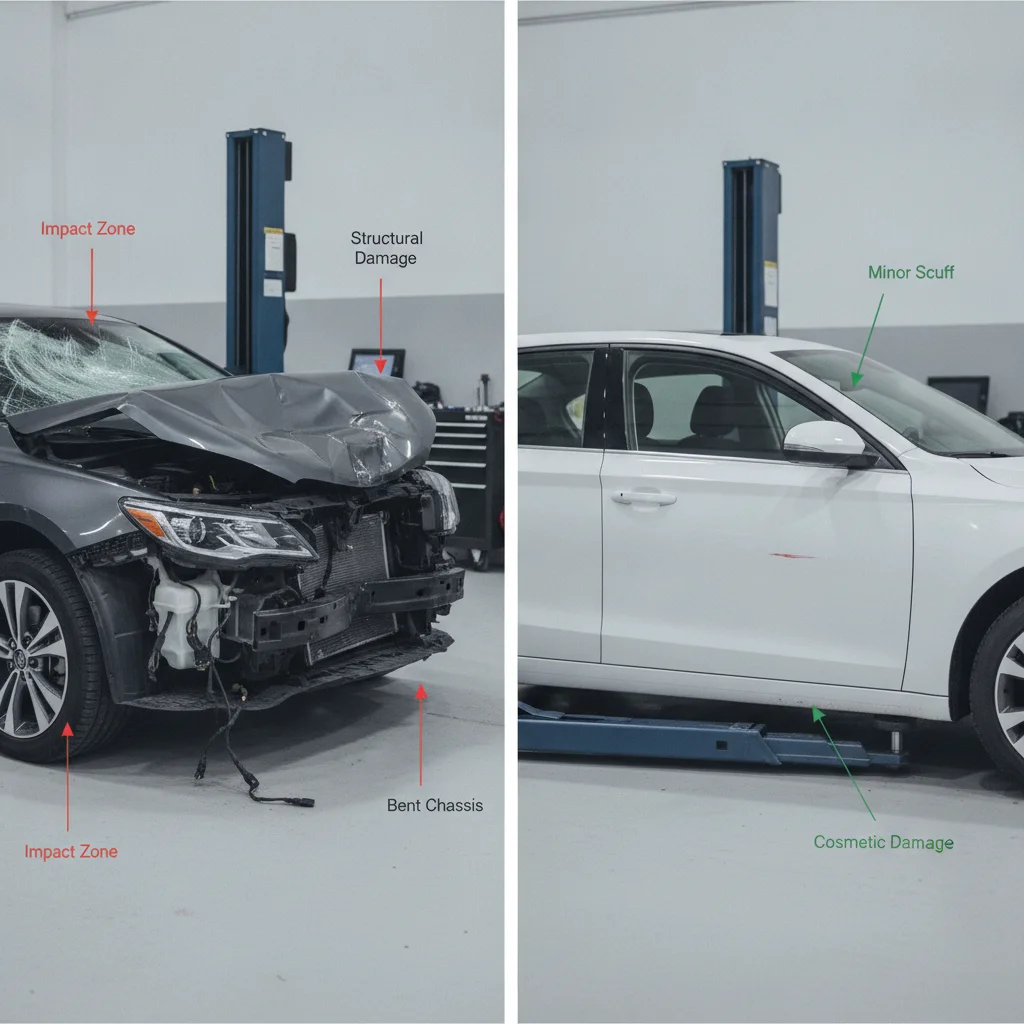
Rust compromises the structural integrity of the metal at a molecular level. Attempting PDR on a rusted panel can cause the metal to crack or crumble under pressure. Any dent in a rusted area needs rust treatment or panel replacement before any cosmetic repair is possible. This is a situation where cosmetic fixes would be putting lipstick on a much larger problem — one worth understanding fully before you decide to prep a car for sale. See how structural and cosmetic damage differ to keep perspective on severity.
Aluminum Panels Require Extra Care
Many newer vehicles use aluminum panels rather than steel, particularly on hoods and doors, to reduce weight. Aluminum has less elastic memory than steel, meaning it's more prone to tearing or cracking under PDR pressure if the technician isn't experienced with the material. Always confirm that your PDR shop has specific experience with aluminum panels before booking — not all do, and a mistake on aluminum is far more costly to correct than on steel.
PDR and Insurance Claims
If your dents were caused by hail or another covered event, your auto insurance may pay for PDR after your deductible. Many insurers work directly with PDR networks and prefer this method over conventional repair because it costs significantly less. Check your comprehensive coverage details and consider whether filing a claim makes sense relative to your deductible amount and any potential rate impact.
The Cost Reality: What PDR Typically Runs
One of PDR's biggest advantages over conventional body work is cost. Here's a realistic picture of what you can expect to pay and where the price points shift.
| Dent Type | Typical PDR Cost | Conventional Repair Estimate |
|---|---|---|
| Single small door ding (paint intact) | $75 – $125 | $300 – $500+ |
| Moderate-sized dent, flat panel | $125 – $200 | $400 – $700+ |
| Hail damage (multiple small dents) | $500 – $2,500 (full vehicle) | $3,000 – $8,000+ |
| Dent with paint damage | Not applicable | $300 – $900+ per panel |
Pricing varies by region, technician experience, panel accessibility, and whether the shop has to remove interior trim to reach the backside of the dent. Always get a written estimate after the technician inspects the damage in person — photos are rarely sufficient for an accurate quote.
Inspect in Raking Light Before Booking
Walk around your car in the late afternoon when sunlight hits the panels at a low, raking angle — this is the single best way to reveal dents and dings that are nearly invisible under overhead lighting. Take photos in that light and share them with your PDR technician before your appointment so they can give you a more accurate preliminary assessment.
Get the Assessment Before Committing
Most reputable PDR shops will assess your damage in person at no charge or for a small fee applied toward the repair. Never commit to a price based solely on photos or a phone description — the technician needs to see the dent, check the paint, and evaluate access before giving you a number you can rely on.
From a seller's perspective, PDR on qualifying dents is one of the repairs most likely to return its cost. A buyer who spots a dent will typically either walk away or negotiate a price reduction that far exceeds what PDR would have cost. For a nuanced look at which repairs consistently lift sale prices and which don't, this breakdown of repairs that pay off is worth reading before you commit to a list of fixes.
PDR vs. Conventional Repair: Choosing the Right Path
When you're preparing a car for sale, the decision between PDR and conventional body repair isn't just about the dent itself — it's about the return on your investment and the buyer's perception of the car.
“Paintless dent repair, when applied to the right damage, is one of the few automotive repairs where the result genuinely looks better than a repaint — because you're working with the original factory finish, not trying to match it.”
— Gary Elzey, President, National Alliance of Paintless Dent Repair Technicians (NAPDRT)
PDR is the right call when the dent is small, the paint is undamaged, and the location is accessible. It's fast — often completed same-day — and the result, when done by a skilled technician, is indistinguishable from the original panel. Buyers who would have negotiated hard over a visible ding will have nothing to point to.
Conventional repair makes more sense when paint damage is involved, the dent has sharp creases, or the location simply doesn't lend itself to PDR tools. In those cases, trying to save money with PDR will only get you partway there — you'll still need paint work, and you'll have paid twice.
There's also a middle path worth knowing: some body shops offer a hybrid approach where PDR is used to correct the bulk of the metal shape, reducing the amount of filler needed, with only minimal paint blending applied afterward. This can be meaningfully cheaper than full conventional repair while achieving a cleaner result than filler-only work.
If you're genuinely unsure whether your dent qualifies, get two opinions. Most reputable PDR shops offer free or low-cost assessments, and an honest technician will tell you straight whether your damage is within PDR's capabilities. That transparency is usually a good sign about the quality of the work they'll do if you proceed.
And if the damage turns out to be more than cosmetic — if there's evidence of structural impact beneath the surface — that's a different conversation altogether. Understanding the difference between frame damage and minor collision repair matters both for your decision-making and your disclosure obligations as a seller.
Making the Call: Fix It, Disclose It, or Skip It
Not every dent needs to be repaired before you sell. Some dents are minor enough that a straightforward disclosure costs you less than the repair would, especially on a high-mileage vehicle where a buyer's expectations are already calibrated.
The calculus shifts based on three factors: how visible the dent is, how much it affects the car's overall presentation, and how your asking price compares to what the market expects for a clean example of the same vehicle. A single small door ding on an otherwise pristine sedan is almost always worth fixing — PDR is inexpensive and the car will photograph and show significantly better. A cluster of dents on an older truck with 180,000 miles and a $6,000 asking price might not justify even a modest PDR bill if the buyer demographic for that vehicle is largely indifferent to cosmetic condition.

When in doubt, weighing the cost of PDR against likely buyer price negotiations can help you make a more informed call. And if you're considering other cosmetic work alongside dent repair, it's worth pairing that decision with a look at when paint correction justifies its cost — both repairs target first impressions, and understanding their overlap helps you prioritize your budget.
The bottom line is straightforward: PDR is one of the best value-for-money tools available to sellers doing cosmetic prep. Use it where it genuinely applies, skip it where it doesn't, and be honest about what you're leaving unrepaired. That combination — smart fixes plus clear disclosure — tends to create smoother, faster sales than either extreme on its own.

All claims are backed by peer-reviewed research. Sources on request.