| New tire tread depth | 10/32" – 11/32" (Standard passenger tire, varies by type) |
| Legal minimum (most U.S. states) | 2/32" (NHTSA guidelines) |
| Buyer negotiation threshold | Below 4/32" (Industry standard used by dealers and inspectors) |
| "Good condition" baseline | 6/32" or above (Widely accepted standard for used car listings) |
| Tire age limit (safety) | 6 years from manufacture (NHTSA and most tire manufacturers) |
| AWD tread depth tolerance | As little as 2/32" variance across all four (Varies by manufacturer; check owner's manual) |
| Tread gauge cost | $3 – $10 (Available at most auto parts retailers) |
| Average tire replacement cost (per tire) | $100 – $200 installed (Varies by tire type and region, 2024 estimates) |
Why Tires Matter More Than Sellers Expect
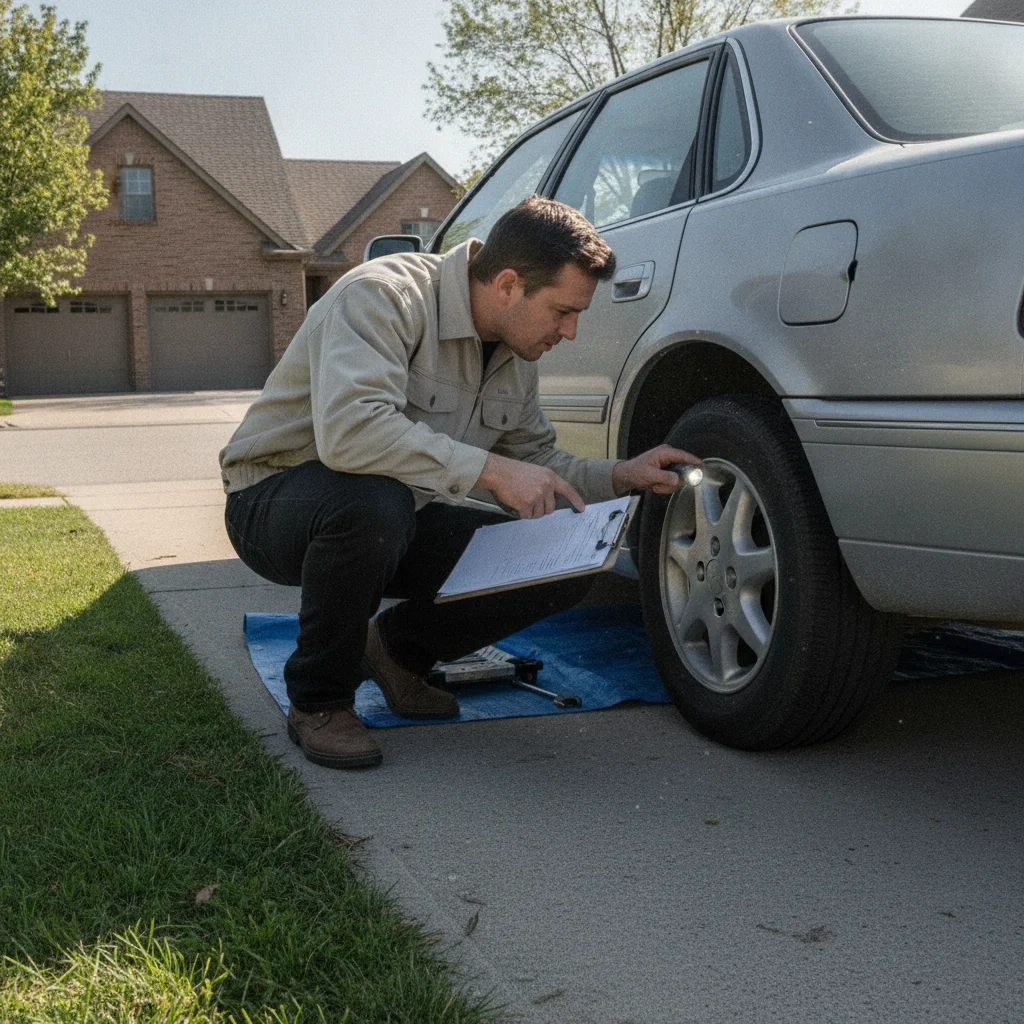
When sellers prepare a car for listing, tires rarely top the priority list. A good wash, maybe a quick vacuum, and the listing photos are taken. But tires are one of the first things a knowledgeable buyer physically inspects — and one of the most reliable negotiating levers they have. A set of worn or mismatched tires can shave hundreds of dollars off an otherwise fair asking price, or worse, cause a deal to fall apart entirely.
The good news is that understanding exactly what buyers and dealers look for takes the mystery out of it. Tire condition is measurable, comparable, and fixable — which means you can make informed decisions about whether to replace, disclose, or simply price accordingly before you ever post that listing.
If you're heading to a dealership for a trade-in, know that dealers inspect tires as part of their standard appraisal process. Private buyers are doing the same thing — understanding what buyers check before making an offer helps you get ahead of the conversation.

This guide gives you the reference points you need: what acceptable tread depth looks like, what wear patterns signal, when replacement pencils out, and how to present tire condition honestly in your listing.
Tread Depth: The Numbers That Matter
Tread depth is measured in 32nds of an inch. A brand-new tire typically starts at 10/32" to 11/32" of tread depth, though performance and truck tires can start deeper. Here's how the numbers break down for sellers:
| New tire tread depth | 10/32" – 11/32" (Standard passenger tire, varies by type) |
| Legal minimum (most U.S. states) | 2/32" (NHTSA guidelines) |
| Buyer negotiation threshold | Below 4/32" (Industry standard used by dealers and inspectors) |
| "Good condition" baseline | 6/32" or above (Widely accepted standard for used car listings) |
| Tire age limit (safety) | 6 years from manufacture (NHTSA and most tire manufacturers) |
| AWD tread depth tolerance | As little as 2/32" variance across all four (Varies by manufacturer; check owner's manual) |
| Tread gauge cost | $3 – $10 (Available at most auto parts retailers) |
| Average tire replacement cost (per tire) | $100 – $200 installed (Varies by tire type and region, 2024 estimates) |
The legal minimum in most U.S. states is 2/32", but that number is deceptive. Tires at 2/32" are technically street-legal but have severely compromised wet-weather traction. Buyers and dealers know this — and they'll use it.
The more meaningful threshold for your purposes as a seller is 4/32". Below that point, stopping distances in wet conditions increase significantly, and most buyers will factor in immediate replacement costs. Above 6/32", tires are generally considered to be in good usable condition and are unlikely to trigger a price objection on their own.
How to Measure Tread Depth Without a Gauge
You don't need a specialized tool, though a tread depth gauge (available for a few dollars at any auto parts store) gives you the most accurate reading. Two common quick checks:
- The penny test: Insert a penny into the tread groove with Lincoln's head pointing down. If you can see the top of Lincoln's head, tread is at or below 2/32" — replacement is urgent.
- The quarter test: Use a quarter the same way. If Washington's head is fully visible, you're at or below 4/32" — approaching the zone where buyers will negotiate aggressively.
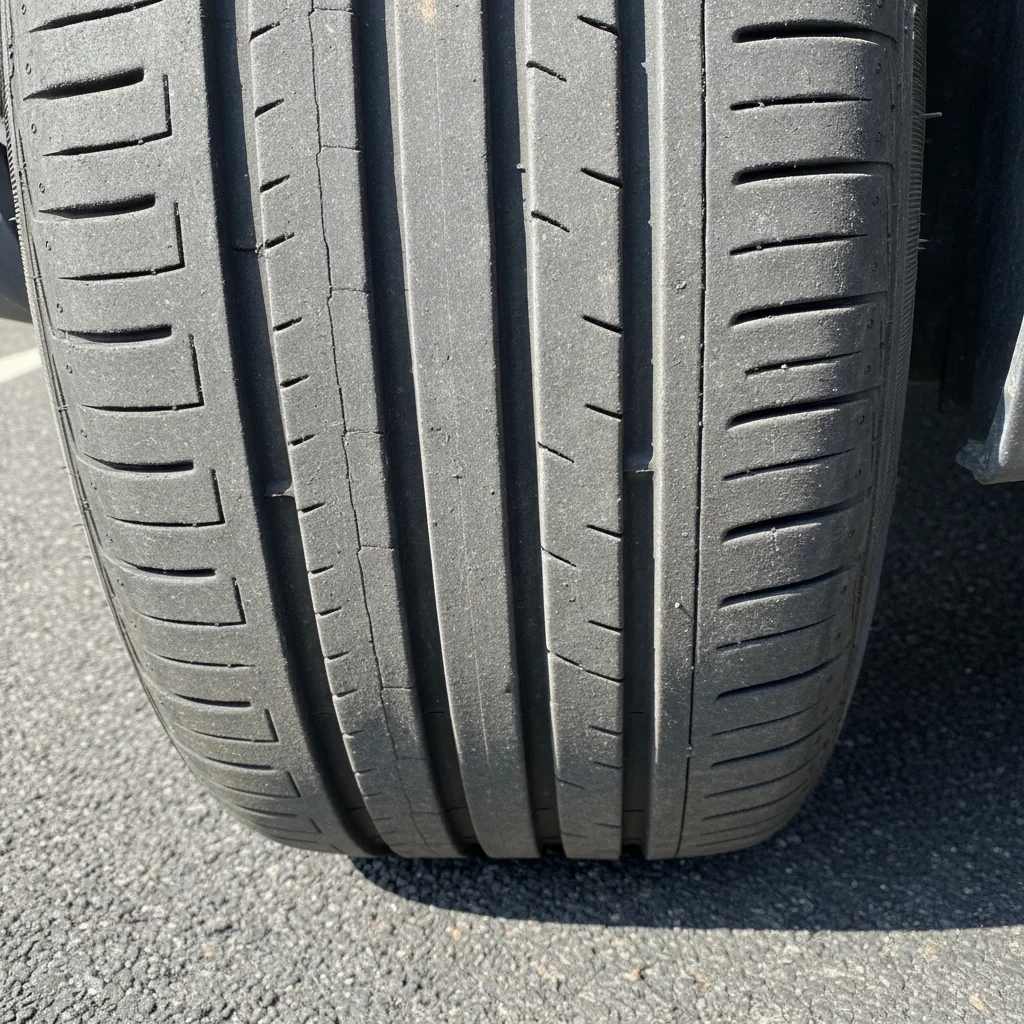
Check tread depth in at least three places across each tire — the center, inside shoulder, and outside shoulder. Uneven readings across a single tire tell an important story about alignment and driving habits. For a deeper look at what those patterns reveal, see our article on tire wear patterns and what they reveal about a used car.
4/32"
Tread depth where wet stopping distance increases significantly
According to testing by Consumer Reports, stopping distances in wet conditions increase substantially once tread falls below 4/32".
~$400–$800
Typical buyer price reduction demand for worn tires
Based on common negotiating scenarios in private-party used car sales; amount varies by market and vehicle price point.
6 years
Recommended maximum tire service life
NHTSA and most major tire manufacturers recommend replacing tires no later than six years after the date of manufacture, regardless of remaining tread.
Reading Wear Patterns: What Buyers Will Notice
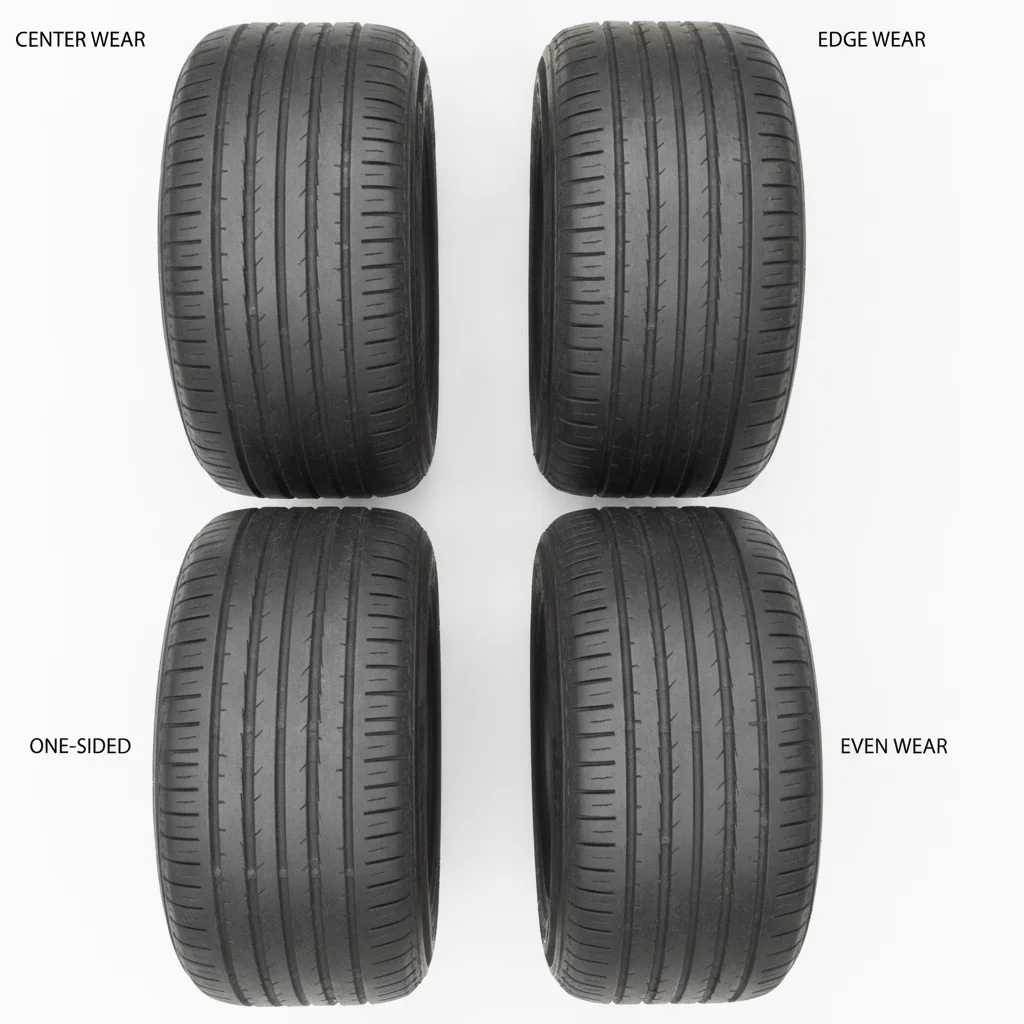
Even if tread depth passes muster, uneven wear patterns can raise red flags about the vehicle's mechanical history. Buyers who know what they're looking at — and many do — will see worn inner or outer edges and immediately wonder about alignment, suspension, or how the car was driven.
Tread depth
The measurement from the top of a tire's tread block to the bottom of its deepest groove, typically expressed in 32nds of an inch. Tread depth determines how well a tire channels water and maintains grip, particularly in wet conditions.
Tread wear indicator
Small raised bars molded into the grooves of a tire at 2/32" height. When these bars are flush with the surrounding tread, the tire has reached its legal minimum and should be replaced.
Cupping (scalloping)
An irregular tire wear pattern characterized by alternating high and low spots around the tire's circumference. It typically indicates worn or failing shock absorbers or struts and often produces a thumping sound at speed.
Feathering
A wear pattern where the tread blocks are rounded on one edge and sharp on the other, caused by improper toe alignment. It's felt as a rough texture when you run your hand across the tread laterally.
DOT date code
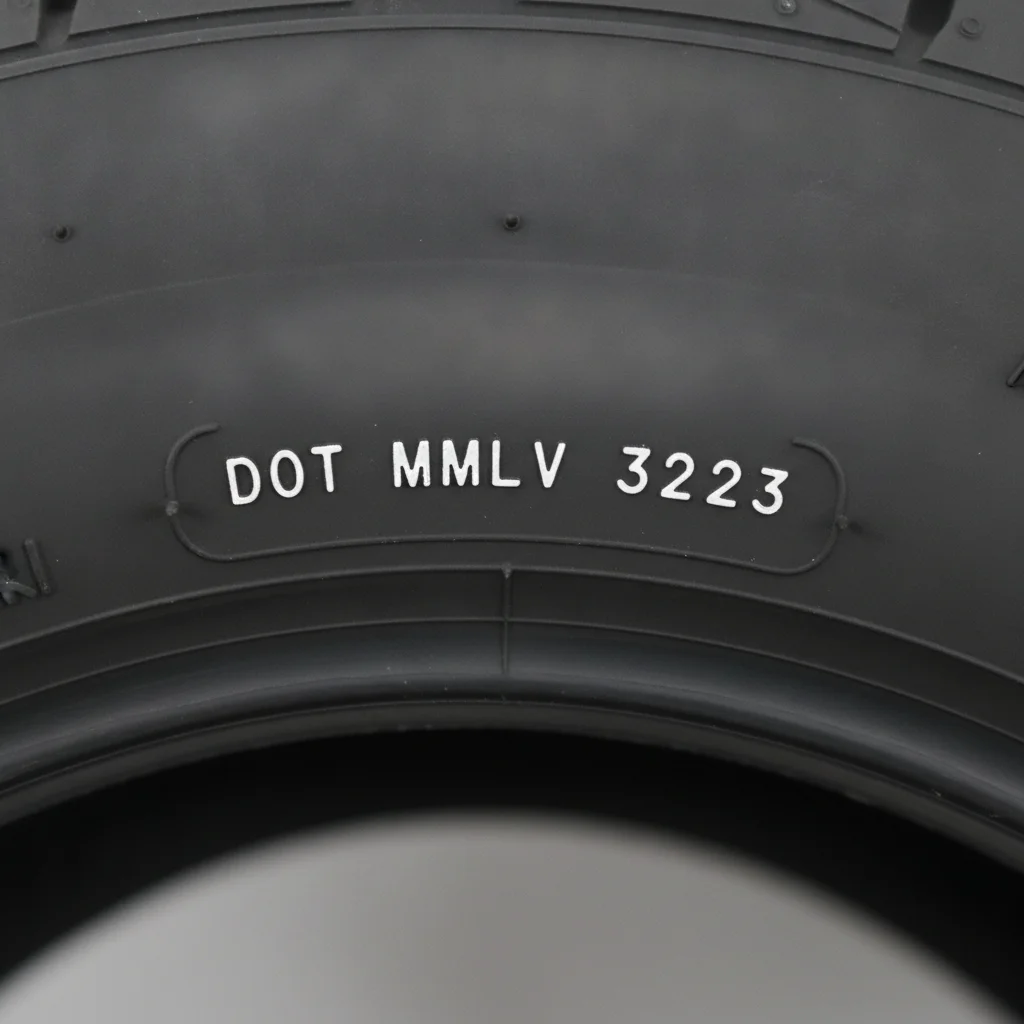
A four-digit code molded into the tire sidewall indicating the week and year of manufacture. For example, '2419' means the 24th week of 2019. Tires older than six years are generally considered past their safe service life, regardless of tread depth.
Mismatched tires
A condition where the tires on a vehicle differ in brand, model, or tread depth — particularly across an axle pair. Mismatched tires can affect handling consistency and, on AWD vehicles, can cause drivetrain wear.
Common Wear Patterns and What They Suggest
| Wear Pattern | What It Looks Like | What Buyers Assume |
|---|---|---|
| Center wear | Tread worn down the middle, edges intact | Chronic overinflation |
| Edge wear (both sides) | Both shoulders worn, center intact | Chronic underinflation |
| One-sided wear | Inner or outer edge significantly more worn | Alignment or suspension issue |
| Cupping / scalloping | Wavy, dipped surface across the tread | Worn shocks or struts |
| Feathering | Tread blocks rounded on one side, sharp on other | Toe misalignment |
Uneven wear doesn't automatically mean your car has a serious problem — sometimes it reflects a single period of neglected inflation or a minor alignment that has since been corrected. But you should be prepared to explain it. Buyers will draw their own conclusions if you don't offer context first.
This connects to a broader point about vehicle condition: when wear patterns don't match reported mileage, it raises questions that are hard to answer at the negotiating table. Getting ahead of those questions is always the better strategy.
Corrected Issues Still Leave Traces
If your car had an alignment issue that's since been fixed, the uneven wear pattern from before the repair will still be visible on the tires. It's worth mentioning proactively — tell buyers when the alignment was corrected and whether the tires were rotated afterward. Context turns a red flag into a resolved maintenance item.
Be Specific in Your Listing Description
Listing the tire brand, model, and approximate tread depth takes two minutes and meaningfully separates your listing from the competition. Serious buyers filter by detail — the more specific you are, the more likely you are to attract buyers who won't waste your time with lowball offers based on assumptions about condition.
Tire Age Can Override Tread Depth
A tire can look fine visually and still be past its safe service life. UV exposure and ozone cause the rubber compounds to degrade over time, leading to sidewall cracking and increased blowout risk. If your tires are more than six years old, disclose the manufacture date in your listing — buyers will check it anyway.
Mismatched Tires: A Subtle but Real Problem
Mismatched tires — different brands, different models, or tires with significantly different tread depths across axles — are more common on used vehicles than most sellers realize. They're also a point of concern that buyers bring up frequently.
Matching tires matter for two practical reasons:
- Handling consistency: Tires with different compounds or tread patterns behave differently under braking and cornering. Buyers (and dealers) know this affects safety.
- AWD system stress: On all-wheel-drive vehicles, mismatched tread depths across all four tires can cause real drivetrain wear. Many AWD manufacturers specify that tires must be within a very narrow tread depth tolerance of each other — sometimes as little as 2/32" difference.
If your car has mismatched tires, you have a few options before listing:
- Price to reflect it: Factor in the cost of a matching set when setting your asking price, or be prepared to negotiate down.
- Replace selectively: If three tires are in good shape and one is worn, replacing just that one tire (matched to the existing brand and model where possible) may be the most cost-effective fix.
- Disclose it clearly: In your listing, note what tires are on the car. Buyers who discover mismatched tires at viewing feel like they found a hidden problem — buyers who read it in the listing feel like you're being upfront.
If your wheels also have cosmetic damage, it compounds the visual impression. See how curb rash on alloy wheels affects buyer perception — and whether refinishing is worth the cost — to round out your prep decisions.
Should You Replace Tires Before Selling?
This is the question sellers wrestle with most, and the honest answer is: it depends on where you're starting from and what you're trying to accomplish.
When Replacement Makes Financial Sense
- Tread is below 4/32": You're almost certain to face negotiation over it. If a buyer quotes you a $600 tire replacement cost as justification for dropping your price by $800, you would have been better off spending the $600 yourself and holding firm.
- You're trading in at a dealer: Dealers will factor tire condition into their appraisal. Maximizing your trade-in value sometimes means addressing the items that appraisers flag automatically — and tires are near the top of that list.
- The car is priced at the high end of its range: Buyers paying a premium expect the car to be move-in ready. Worn tires undercut that expectation immediately.
When You Can Skip Replacement
- Tread is at 5/32" or above and even: This is genuinely good condition. Disclose it and let the numbers speak for themselves.
- You're selling a high-mileage car at a lower price point: Buyers at this price point typically expect some wear. Price appropriately and be transparent — that's more useful than spending $500 on tires for a $4,000 car.
- The car needs other significant repairs: Prioritize issues that affect drivability or safety systems before cosmetic or moderately worn tires.
Presenting Tire Condition in Your Listing
Whether you replace or not, be specific in your listing. Vague language like "tires are good" means nothing to a serious buyer. Instead, try something like: "All four tires are Michelin Defender2, approximately 6/32" tread remaining, even wear." That's the kind of detail that builds confidence and filters in serious buyers rather than tire-kickers (literally).
Corrected Issues Still Leave Traces
If your car had an alignment issue that's since been fixed, the uneven wear pattern from before the repair will still be visible on the tires. It's worth mentioning proactively — tell buyers when the alignment was corrected and whether the tires were rotated afterward. Context turns a red flag into a resolved maintenance item.
Be Specific in Your Listing Description
Listing the tire brand, model, and approximate tread depth takes two minutes and meaningfully separates your listing from the competition. Serious buyers filter by detail — the more specific you are, the more likely you are to attract buyers who won't waste your time with lowball offers based on assumptions about condition.
Tire Age Can Override Tread Depth
A tire can look fine visually and still be past its safe service life. UV exposure and ozone cause the rubber compounds to degrade over time, leading to sidewall cracking and increased blowout risk. If your tires are more than six years old, disclose the manufacture date in your listing — buyers will check it anyway.
Remember that tire age matters alongside tread depth. Even tires with adequate tread that are more than 6 years old may show sidewall cracking and are generally considered past their safe service life. Check the DOT date code on the sidewall — the last four digits indicate the week and year of manufacture.
Reference: Tire Condition Quick-Check for Sellers
Use the checklist below before you list. It takes about 10 minutes and gives you an honest picture of where you stand — and what a buyer will say when they crouch down next to your car.
- Measure tread depth on all four tires, at three points across each tire (center + both shoulders). Record the lowest reading per tire.
- Check for uneven wear. Compare center vs. shoulder readings. Compare inside shoulder vs. outside shoulder readings.
- Match tire brands and models. Note any differences across the axle pairs.
- Inspect sidewalls for cracking, bulges, or damage. Run your hand around the full circumference.
- Check the DOT date code on each tire. Tires over 6 years old warrant disclosure regardless of tread depth.
- Check inflation. Properly inflated tires suggest a well-maintained car. Uneven inflation can also cause wear patterns, so inflate to spec before the buyer arrives.
NHTSA Tire Safety Guide
The National Highway Traffic Safety Administration's official resource on tire safety, including tread depth standards, age guidelines, and how to read DOT codes. A reliable reference when you need to cite authoritative standards to a buyer.
Tire Rack Tire Comparison Tool
Useful for identifying whether your tires are mismatched and for getting a realistic sense of replacement costs before you price your vehicle. Lets you search by tire size and see current market pricing.
What Dealers Look for During a Trade-In Inspection
<a href="/selling-your-car/sale-channels/dealer-trade-ins/what-dealers-look-for-during-a-trade-in-inspection">See exactly how dealer appraisers evaluate your car</a>, including tires, paint, and mechanical condition — so you can walk in prepared.
Tire Wear Patterns and What They Reveal
<a href="/buying-a-car/car-buying-process/test-drives-and-inspections/tire-wear-patterns-and-what-they-reveal-about-a-used-car">Learn to read tire wear patterns the way a knowledgeable buyer would</a> — so you can anticipate the questions before they're asked.
Tire condition is one of the clearest signals a car sends about how it was maintained. Presenting that information clearly — whether it's in your favor or not — is almost always the right call. Buyers respect transparency, and it keeps your negotiation on solid ground.

All claims are backed by peer-reviewed research. Sources on request.