Key Takeaways
Dramatically improves listing photos and first impressions
Swirl marks and surface scratches are highly visible in sunlight and photograph poorly. Corrected paint can meaningfully increase inquiry rates on online listings, which translates into more buyer competition and stronger negotiating position.
Can justify a meaningfully higher asking price
On higher-value vehicles — especially late-model luxury cars or enthusiast models — buyers actively compare paint quality and will pay more for a car that clearly hasn't been neglected. The premium is real, if not always dollar-for-dollar.
Signals overall vehicle care to discerning buyers
Paint condition is often used as a proxy for how a car was maintained overall. A buyer who sees pristine paint is more likely to trust the mechanical history and less likely to lowball on speculative concerns.
Required before applying ceramic coating or PPF
If you plan to add a ceramic coating or paint protection film as a selling feature, correction must happen first. Sealing in swirl marks defeats the purpose and is visible after application.
Can reduce negotiation concessions on cosmetics
Buyers who spot paint defects often use them as leverage to negotiate the price down. Corrected paint removes one of their most common objections, letting you hold closer to your asking price.
High cost relative to return on budget vehicles
On cars valued under $8,000–$10,000, the cost of a two-stage correction ($600–$1,200) often exceeds what buyers will actually pay more for the service. The math rarely works out in your favor on older or high-mileage vehicles.
Doesn't fix chips, deep scratches, or rust
Paint correction addresses clear-coat-level defects only. Chips, scratches through to primer or metal, and rust spots remain visible after correction — and can look more conspicuous against freshly corrected surrounding paint.
Trade-in appraisers rarely credit paint quality
Dealer appraisers assess vehicles quickly and factor in their own reconditioning budgets. A freshly corrected car may receive the same trade-in offer as one that wasn't corrected, making the investment essentially invisible.
New swirls accumulate quickly with normal use
Corrected paint begins picking up new swirl marks immediately through washing, driving, and dust wiping. If there's a gap between correction and sale, you may need a light polish refresh before photography to preserve the result.
DIY mistakes can damage paint permanently
Improper technique with a rotary polisher or overly aggressive compounds can burn through thin clear coat, creating problems far more expensive to fix than the original swirls. Professional execution is important if you're not experienced.
Other prep investments may offer better ROI
For many vehicles, spending the same money on wheel refinishing, a thorough interior detail, or paintless dent repair on a prominent panel will move buyer perception more than correcting paint swirls that casual buyers may not even notice.
Our Verdict
Paint correction is a genuinely worthwhile pre-sale investment for newer, higher-value vehicles where the cosmetic improvement can command a meaningful price premium. For older, heavily depreciated, or budget-segment cars, the cost usually outpaces the return. A good detail and hand wax is almost always worth doing; a full machine-polish correction is a case-by-case decision that requires honest math.
Best for sellers of late-model vehicles in good mechanical condition, especially luxury or enthusiast cars where paint quality is a major part of perceived value.
What Paint Correction Actually Is
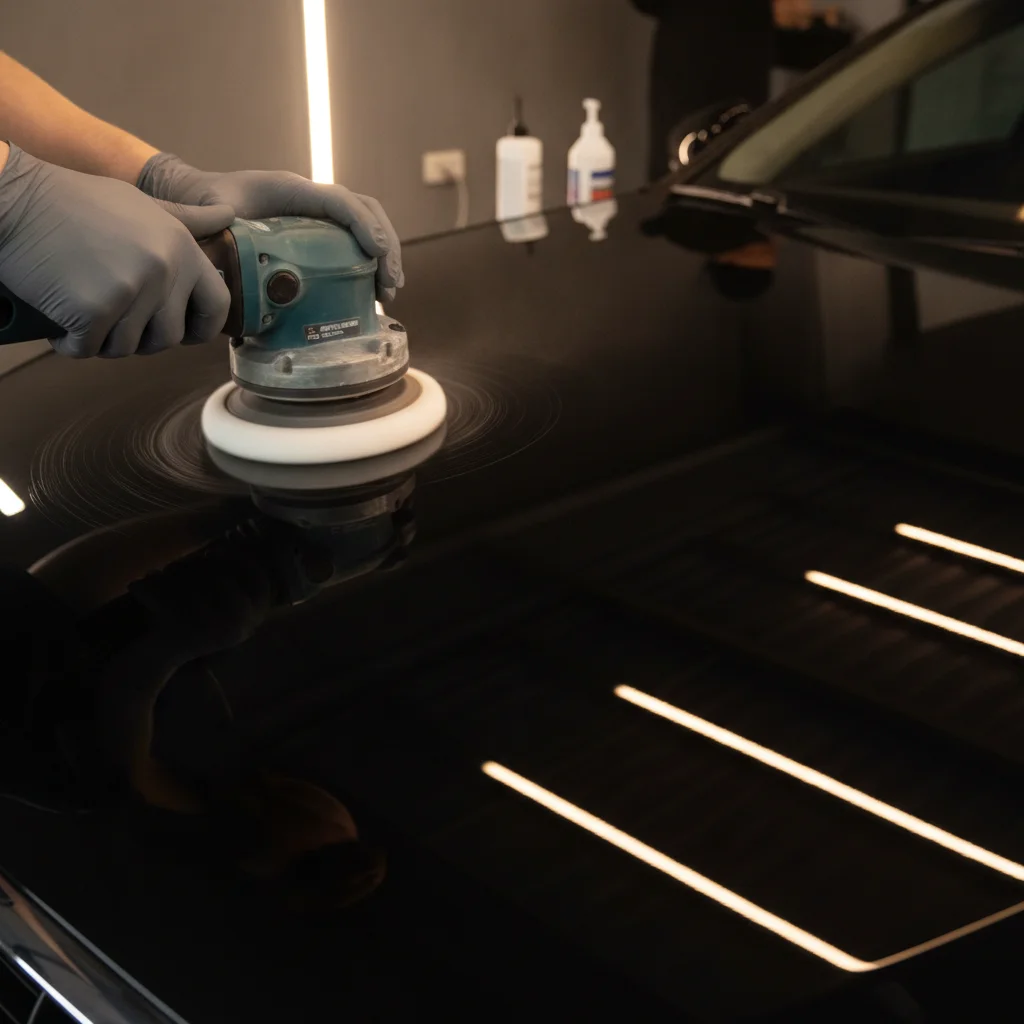
Paint correction is not the same as a detail, a wax, or a touch-up. It's a multi-stage process that uses machine polishers and progressively finer abrasive compounds to physically remove a thin layer of clear coat — taking surface defects like swirl marks, light scratches, oxidation, and water spot etching with it. Done properly, it leaves behind a flat, mirror-like surface that looks noticeably deeper and cleaner than polished-but-uncorrected paint.
The process is categorized roughly into stages: a single-stage correction addresses light imperfections and can remove 50–70% of surface defects; a two-stage correction goes deeper and can achieve 85–95% correction; a full multi-stage detail-level correction targets near-perfection and is common on enthusiast and concours vehicles. Each step up in thoroughness adds both time and cost.
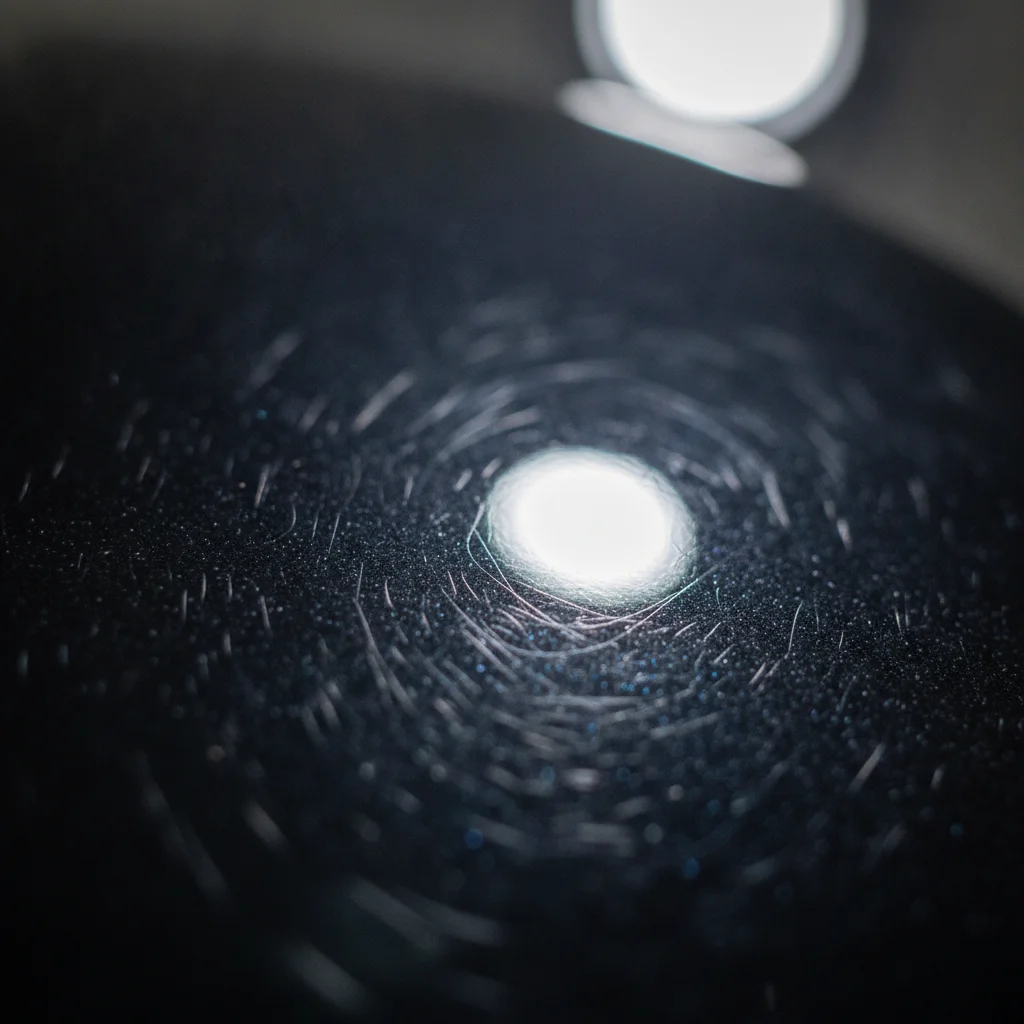
It's worth distinguishing paint correction from paint restoration. Restoration typically refers to fixing oxidation on older or neglected vehicles — chalky, faded paint that has lost its protective clear coat. Correction works best on paint that still has a healthy clear coat but has accumulated surface-level damage through normal use. If your clear coat is peeling or your paint is heavily oxidized through to the base coat, correction won't solve the problem — and you'd be looking at a repaint or panel respray instead.
Understanding where your car falls on that spectrum matters a lot before you spend a dollar on anything. A quick inspection in direct sunlight (or a single overhead light at night) will reveal swirl marks and scratches as a spider-web pattern across the paint. Oxidation looks dull and chalky and won't respond to the same treatments.
What Paint Correction Costs — and What It Returns
Pricing varies considerably by market, vehicle size, and the extent of correction needed, but you can expect to pay roughly $300–$600 for a single-stage correction on a standard vehicle, $600–$1,200 for a two-stage, and $1,500–$2,500 or more for a full multi-stage correction with paint protection film or ceramic coating applied afterward. Mobile detailers may come in slightly lower; established shops in major metro areas often charge a premium.
$300–$2,500+
Typical paint correction cost range
Pricing varies by service stage, vehicle size, and market — single-stage starts around $300 while full multi-stage correction with coating can exceed $2,500.
50–95%
Surface defects removed by correction stage
A single-stage correction removes roughly 50–70% of surface defects; a two-stage professional correction can achieve 85–95% improvement in clear coat quality.
$150–$400
Cost of a professional detail with hand polish
A full detail including clay bar, hand polish, and wax typically costs $150–$400 and delivers visible improvement for sellers who can't justify full machine correction.
The more important number is the realistic return. This is where sellers often get themselves into trouble — they invest in a $900 correction on a car they hope to sell for $12,000, without asking whether buyers in their actual market will pay $900 more for better paint. In many cases the honest answer is: somewhat, but not dollar-for-dollar.
Private-party buyers tend to be more paint-aware than trade-in appraisers. A knowledgeable private buyer shopping a used sports car or a luxury sedan will absolutely factor paint condition into their offer. A dealer appraiser running your ten-year-old commuter car through a 90-second walk-around is less likely to give you credit for pristine correction. So the channel you're selling through matters as much as the car itself. See our guide to prep spending for private sales for a broader look at where your dollars go furthest.
A rough rule of thumb: paint correction is financially defensible when the expected price increase is at least 1.5x the cost of the service. That buffer accounts for the uncertainty in what buyers will actually pay versus what they notice.
The Case For Paint Correction Before Selling
There are real, meaningful scenarios where investing in paint correction makes sense as a pre-sale strategy — and it's worth being specific about what they look like.
Dramatically improves listing photos and first impressions
Swirl marks and surface scratches are highly visible in sunlight and photograph poorly. Corrected paint can meaningfully increase inquiry rates on online listings, which translates into more buyer competition and stronger negotiating position.
Can justify a meaningfully higher asking price
On higher-value vehicles — especially late-model luxury cars or enthusiast models — buyers actively compare paint quality and will pay more for a car that clearly hasn't been neglected. The premium is real, if not always dollar-for-dollar.
Signals overall vehicle care to discerning buyers
Paint condition is often used as a proxy for how a car was maintained overall. A buyer who sees pristine paint is more likely to trust the mechanical history and less likely to lowball on speculative concerns.
Required before applying ceramic coating or PPF
If you plan to add a ceramic coating or paint protection film as a selling feature, correction must happen first. Sealing in swirl marks defeats the purpose and is visible after application.
Can reduce negotiation concessions on cosmetics
Buyers who spot paint defects often use them as leverage to negotiate the price down. Corrected paint removes one of their most common objections, letting you hold closer to your asking price.
Listing photos are one of the clearest arguments in favor of correction on higher-value vehicles. Swirl marks and light scratches photograph badly, especially in sunlight, and first impressions in online listings drive whether buyers even contact you. A car that looks sharp in photos gets more inquiries; more inquiries give you more pricing leverage. That dynamic is worth something, even if it's hard to quantify exactly.
For enthusiast cars — sports cars, classic-adjacent vehicles, well-maintained performance vehicles — buyers actively inspect paint and often use paint depth gauges to check for prior repairs. Clean original paint in corrected condition is genuinely valued in those circles. The same holds for luxury vehicles, where buyers expect a certain standard of presentation and will negotiate hard if the car doesn't meet it.
If you're planning to apply a ceramic coating or paint protection film before selling (which can itself be a selling point on certain vehicles), correction must happen first — you can't seal in defects. So in that case, correction is a necessary step, not an optional one.
The Case Against Paint Correction Before Selling
Honesty here is important, because the detailing industry has a natural incentive to upsell correction on every vehicle. The truth is that for a large portion of cars being sold privately or traded in, the math simply doesn't work.
High cost relative to return on budget vehicles
On cars valued under $8,000–$10,000, the cost of a two-stage correction ($600–$1,200) often exceeds what buyers will actually pay more for the service. The math rarely works out in your favor on older or high-mileage vehicles.
Doesn't fix chips, deep scratches, or rust
Paint correction addresses clear-coat-level defects only. Chips, scratches through to primer or metal, and rust spots remain visible after correction — and can look more conspicuous against freshly corrected surrounding paint.
Trade-in appraisers rarely credit paint quality
Dealer appraisers assess vehicles quickly and factor in their own reconditioning budgets. A freshly corrected car may receive the same trade-in offer as one that wasn't corrected, making the investment essentially invisible.
New swirls accumulate quickly with normal use
Corrected paint begins picking up new swirl marks immediately through washing, driving, and dust wiping. If there's a gap between correction and sale, you may need a light polish refresh before photography to preserve the result.
DIY mistakes can damage paint permanently
Improper technique with a rotary polisher or overly aggressive compounds can burn through thin clear coat, creating problems far more expensive to fix than the original swirls. Professional execution is important if you're not experienced.
Other prep investments may offer better ROI
For many vehicles, spending the same money on wheel refinishing, a thorough interior detail, or paintless dent repair on a prominent panel will move buyer perception more than correcting paint swirls that casual buyers may not even notice.
High-mileage, older, and lower-value vehicles are the clearest cases where correction is hard to justify. If a car books at $5,000 and has 140,000 miles, buyers in that segment are primarily concerned with mechanical reliability, not paint depth. Spending $600 on a single-stage correction is unlikely to get you $600 back — and may not even get you $200 back in a realistic negotiation.
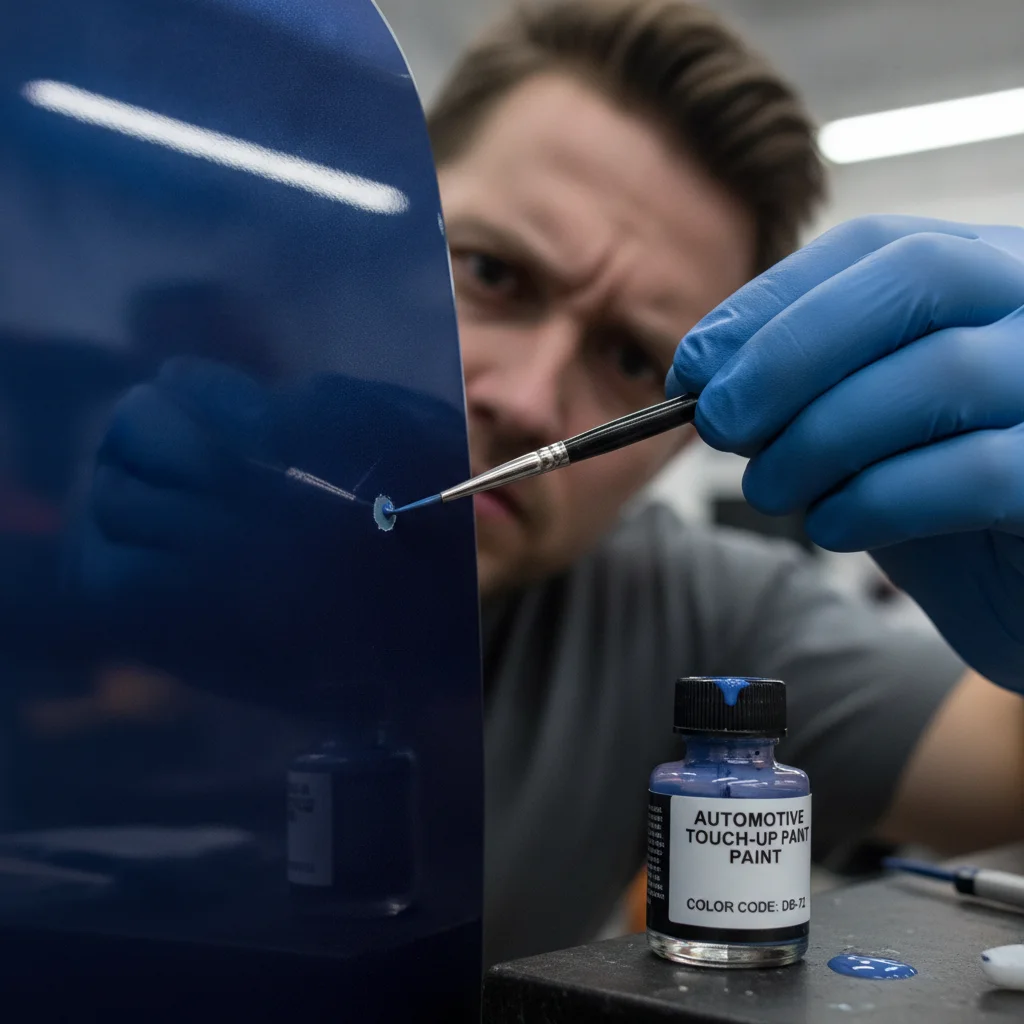
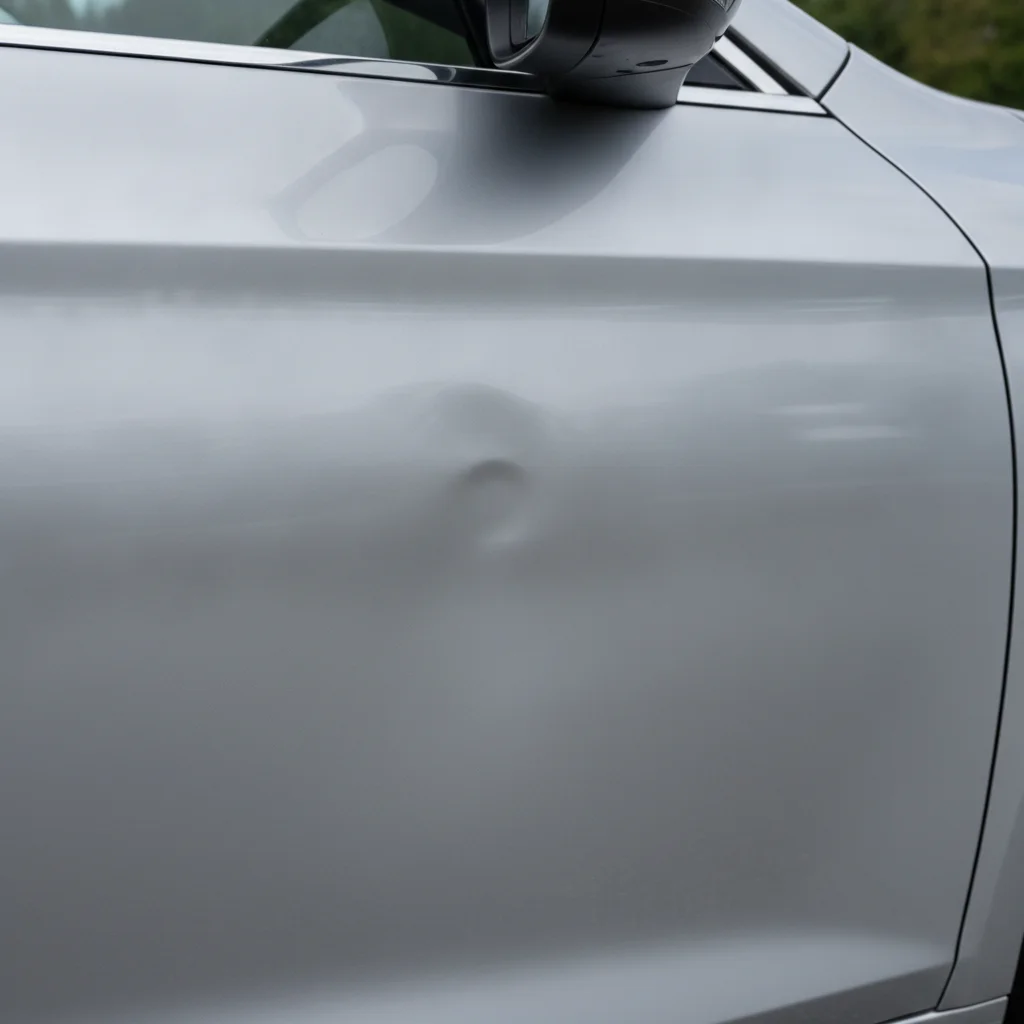
There's also the question of what paint correction doesn't fix. It won't address chips, deep scratches that have broken through the clear coat, rust, oxidized paint without clear coat, or any structural body damage. If your car has a combination of those issues alongside surface swirls, correction alone will create an uneven result — some panels looking excellent, others still obviously damaged. That contrast can actually draw more attention to the problems that remain. You might be better served reading about touch-up paint options and when to fix versus disclose dents before deciding on a correction.
Trade-in situations deserve special mention. If you're handing the car to a dealer as part of a new purchase, the appraisal process rarely gives you credit for paint quality at the level a private buyer would. Dealers factor in their own reconditioning costs regardless, and a freshly corrected car may get the same offer as one that wasn't. Our article on repairs before trading in covers this dynamic in depth.
Trade-In vs. Private Sale: Different Rules Apply
The return on cosmetic prep work differs significantly depending on how you're selling. Private buyers spend more time inspecting a vehicle and are more likely to adjust their offer based on paint condition. Dealer trade-in appraisers work quickly, apply standard reconditioning cost assumptions, and may not credit paint correction at all. If you're trading in rather than selling privately, the threshold for investing in correction should be considerably higher — or you may be better off directing that budget toward the <a href="/buying-a-car/negotiating-and-deals/trade-in-strategies">trade-in negotiation itself</a>.
The Middle Path: Detail First, Correct Only If It Pencils Out
For most sellers, the right move isn't a binary choice between full paint correction and doing nothing. There's a practical middle path that captures most of the presentational benefit at a fraction of the cost.
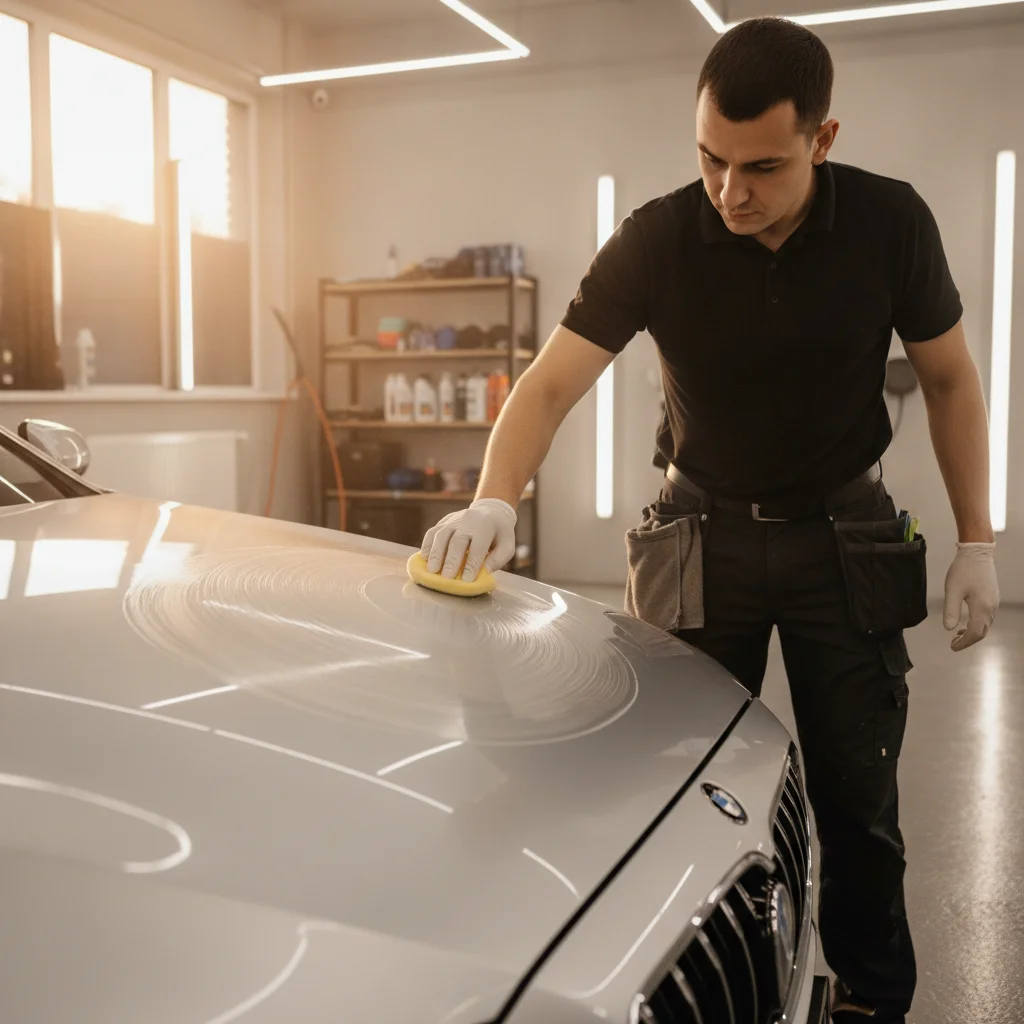
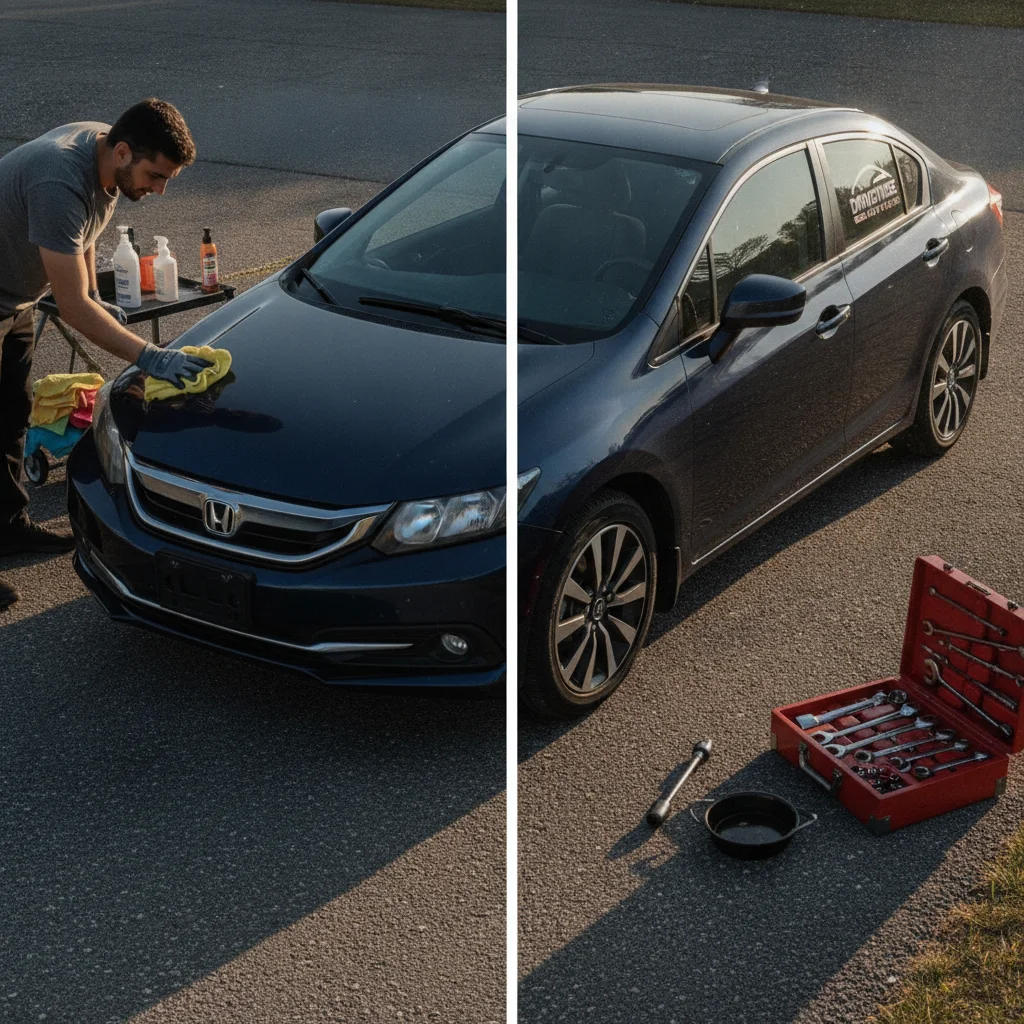
A thorough professional detail — including a clay bar decontamination, a hand polish, and a quality carnauba wax or spray sealant — can make a significant visual difference on a car with moderate swirling. It won't achieve the same depth of correction as machine polishing, but it will improve photos, reduce the visibility of light swirl marks, and give the car a protected, clean shine that buyers respond to positively. Professional detailing typically runs $150–$400 depending on vehicle size and service level, which is usually far easier to justify than $600–$1,200 for machine correction.
From there, the decision to go further should be based on two things: the car's value and the severity of its paint defects. Use a valuation tool like KBB or Edmunds to anchor your car's realistic private-party sale price, then ask what price increase pristine paint would actually support in your market. If that number meaningfully exceeds the cost of correction, it's worth a quote from a reputable detailer. If it doesn't, stop at the detail.
You might also compare paint correction against other cosmetic investments. Curb-rashed wheels are often more visually jarring to buyers than swirly paint, and wheel refinishing may cost less and return more in perceived value. Similarly, paintless dent repair on a noticeable ding in a prominent panel can improve buyer confidence more than paint correction on a swirl pattern buyers may not even notice until they look closely.
The goal is prioritization — allocating your prep budget where it actually moves the needle for the buyer in front of you. See our broader comparison of professional detailing versus DIY if you're deciding how much of this work to take on yourself.
How to Evaluate Your Specific Situation
Rather than making this a general decision, it helps to run through a few practical checkpoints for your car specifically.
- Establish your realistic sale price. Get a private-party estimate from at least two valuation sources. This is your ceiling — correction needs to move the needle meaningfully within that range, not push you above market.
- Inspect the paint in honest light. Direct sunlight or a single overhead garage light reveals swirl marks clearly. If what you're seeing is light swirling with no chips or deep scratches, correction is a viable option. If there are significant chips, scratches through the clear coat, or rust, correction alone won't solve your problem.
- Get a correction quote and do the math. A reputable detailer can look at the car and tell you what level of correction is warranted and what it will cost. Take that number and ask yourself: will this car realistically sell for that much more with corrected paint? Be conservative in your answer.
- Consider your sale channel. Private-party sales reward good paint more than dealer trade-ins. If you're trading in, the bar for investing in correction is higher.
- Think about timing. If you're not selling for two or three months, corrected paint will accumulate new swirls through normal use. Correction done immediately before listing and photographs captures maximum benefit; correction done weeks ahead may need a light polish refresh before you shoot photos anyway.
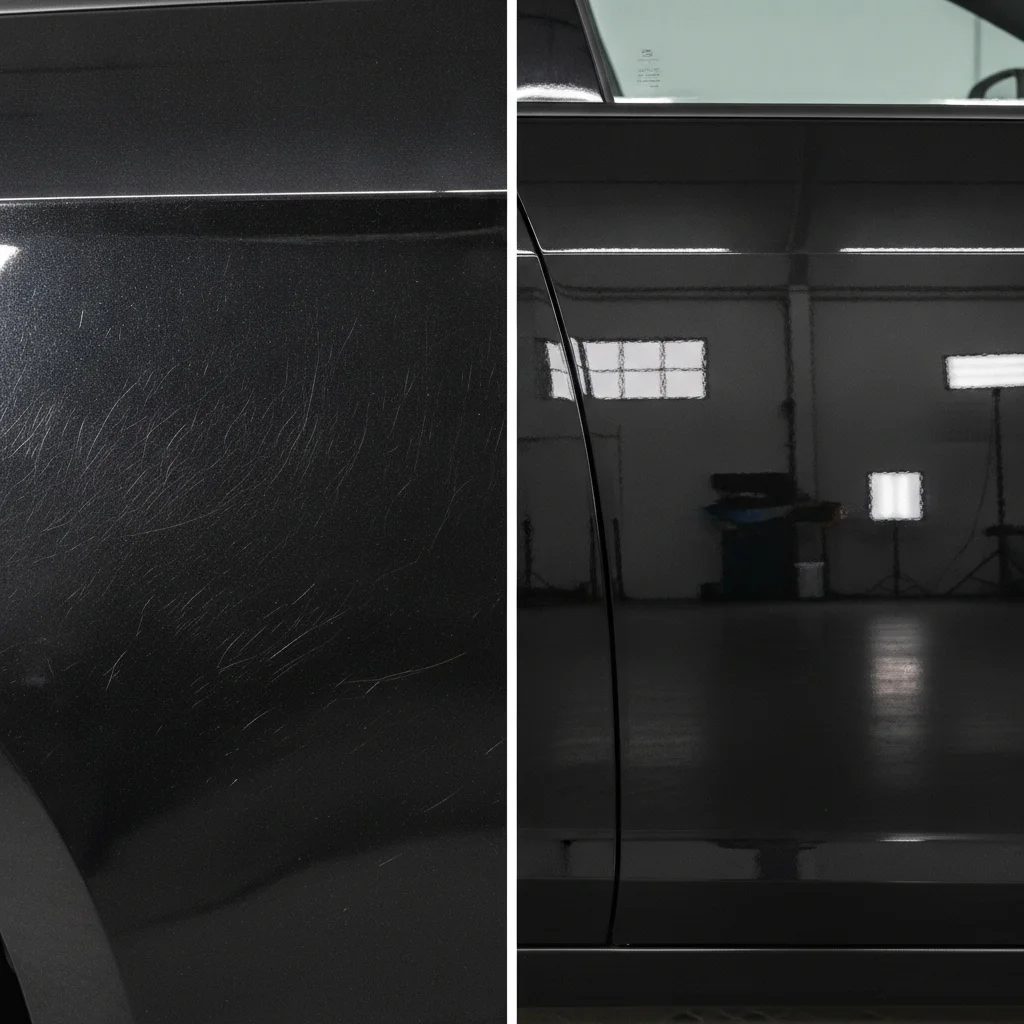
One final consideration: your own effort. If you're a reasonably capable DIYer and willing to learn, a dual-action polisher and quality compounds can be purchased for $150–$200, and beginner-friendly machines like the Porter Cable 7424XP or Griots Garage 6-inch are genuinely forgiving. Single-stage correction on a straightforward vehicle is within reach for someone who's willing to watch tutorials and work carefully. The risk is sweat equity and the occasional learning curve on panel edges — not catastrophic damage, as long as you're using a DA polisher rather than a rotary. If that sounds like you, the economics shift considerably in favor of DIY correction.

All claims are backed by peer-reviewed research. Sources on request.