Key Takeaways
Why Touch-Up Paint Has Such a Mixed Reputation
Walk into any auto parts store and you'll find rows of touch-up paint pens and bottles, each promising a nearly invisible repair. The appeal is obvious: spend $10 to $20, spend an afternoon, and supposedly erase the evidence of that parking lot encounter or road debris strike. But any detailer or body shop technician will tell you the reality is far more complicated — and far more likely to disappoint.
Touch-up paint is a legitimate product with a legitimate use case. The problem isn't the product itself; it's the widespread belief that it performs like a professional respray. When sellers apply it incorrectly — or apply it to the wrong type of damage — they often end up with something that draws more attention to the flaw, not less.
If you're prepping a car for a private sale, understanding exactly when touch-up paint helps and when it hurts is one of the more valuable pieces of knowledge you can have. It can be the difference between a buyer who barely notices a chip and one who uses a raised blob of mismatched paint as leverage to knock $500 off your asking price.

This article works through the most persistent myths about touch-up paint and replaces them with a clearer, more practical picture. Whether your car has a few stone chips or a deeper scratch along the door edge, the information here will help you make a smarter call before you open that bottle.
The Myths — and What the Evidence Actually Shows
Most of the confusion around touch-up paint comes from a handful of deeply held assumptions that turn out to be either partially true or completely false. Let's work through them one by one.
Myth
Touch-up paint from the dealership matches your car's color exactly.
Fact
Factory touch-up paint is mixed to the original paint code, but your car's actual color has shifted through UV exposure and weathering — often producing a noticeable mismatch.
Every vehicle leaves the factory with a specific paint code, and touch-up paint is formulated to that code. The problem is that paint codes represent the color at the time of manufacture. Over months and years, sun exposure, washing, and environmental oxidation change a vehicle's actual color in subtle but visible ways. The touch-up paint you apply today is matched to a color your car may not have shown since it was new.
On dark colors — blacks, deep blues, charcoals — this mismatch is often severe enough to be visible from several feet away. On lighter silvers and whites, it can be more forgiving. But in either case, you're working against physics: the touched-up area sits in a slightly different color space than the surrounding paint, and no amount of blending will fully fix that.
Some aftermarket suppliers offer custom-mixed touch-up paint based on a paint sample pulled from a hidden panel, which gets you much closer. But the standard dealership pen carries real mismatch risk, particularly on vehicles more than two or three years old.
Myth
Applying touch-up paint is straightforward — just brush it on and let it dry.
Fact
Proper touch-up application requires multiple thin layers, careful drying time between coats, and often a clear coat stage — skipping steps leads to raised, dull, or peeling patches.
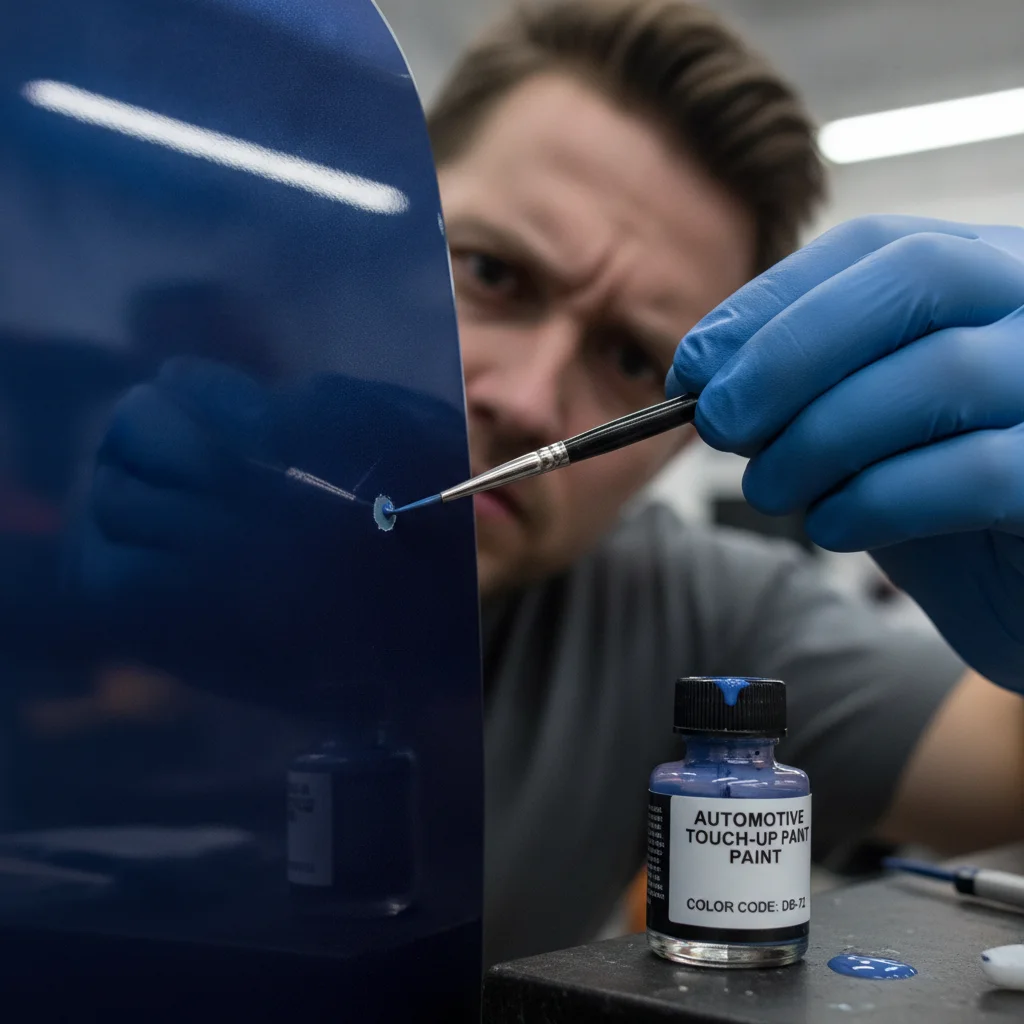
The pen-and-bottle touch-up kits make the process look easy, and that accessibility is part of why so many people end up with poor results. A correct application involves cleaning and degreasing the chip, applying primer if bare metal is exposed, building up color in thin layers with drying time between each, and then applying clear coat to seal and blend the surface.
Most DIY applicators skip at least two of those steps. The result is a thick, slightly raised patch of paint that sits on top of the surrounding surface rather than integrating with it. In sunlight, this raised area creates a shadow and a texture difference that's easy for buyers to spot — and interpret as a sign of a hasty cover-up.
The clear coat stage is particularly important and commonly skipped. Without it, the touched-up area will oxidize faster than the surrounding paint, often turning chalky or dull within a year. If you're going to use touch-up paint at all, take the time to do it in the proper sequence.
Myth
Touch-up paint works on any type of paint damage — chips, scratches, and scuffs alike.
Fact
Touch-up paint is designed for small chips; scratches and scuffs have different surface geometry that makes brush application look worse than the original damage.
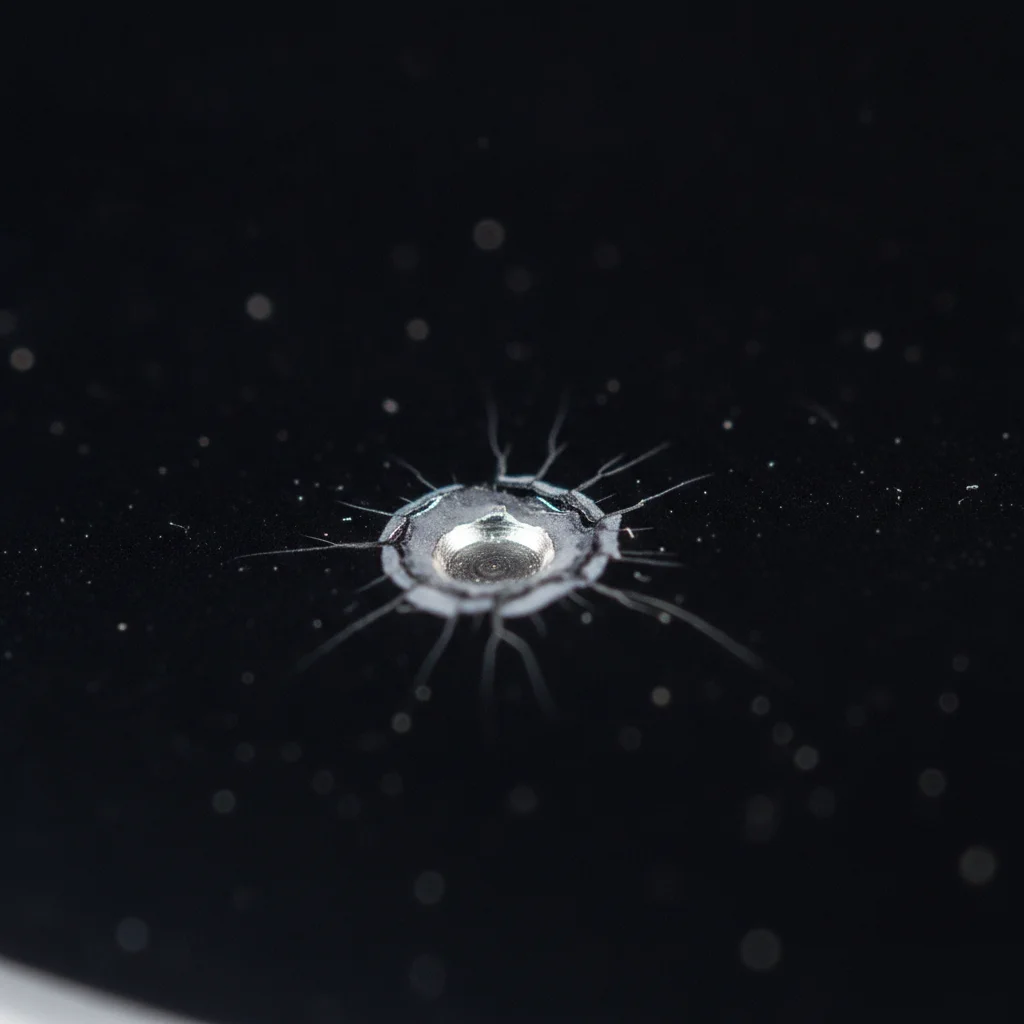
A paint chip creates a small, roughly circular void in the paint surface. Touch-up paint fills that void. The geometry is relatively forgiving because the repair area is contained and doesn't require blending across a large span.
A scratch is fundamentally different. It's a linear mark that may vary in depth along its length — shallow at the ends, deeper in the middle, or vice versa. Dragging a brush along a scratch deposits paint unevenly, often leaving a raised ridge that catches light along its full length. The scratch becomes more visible, not less.
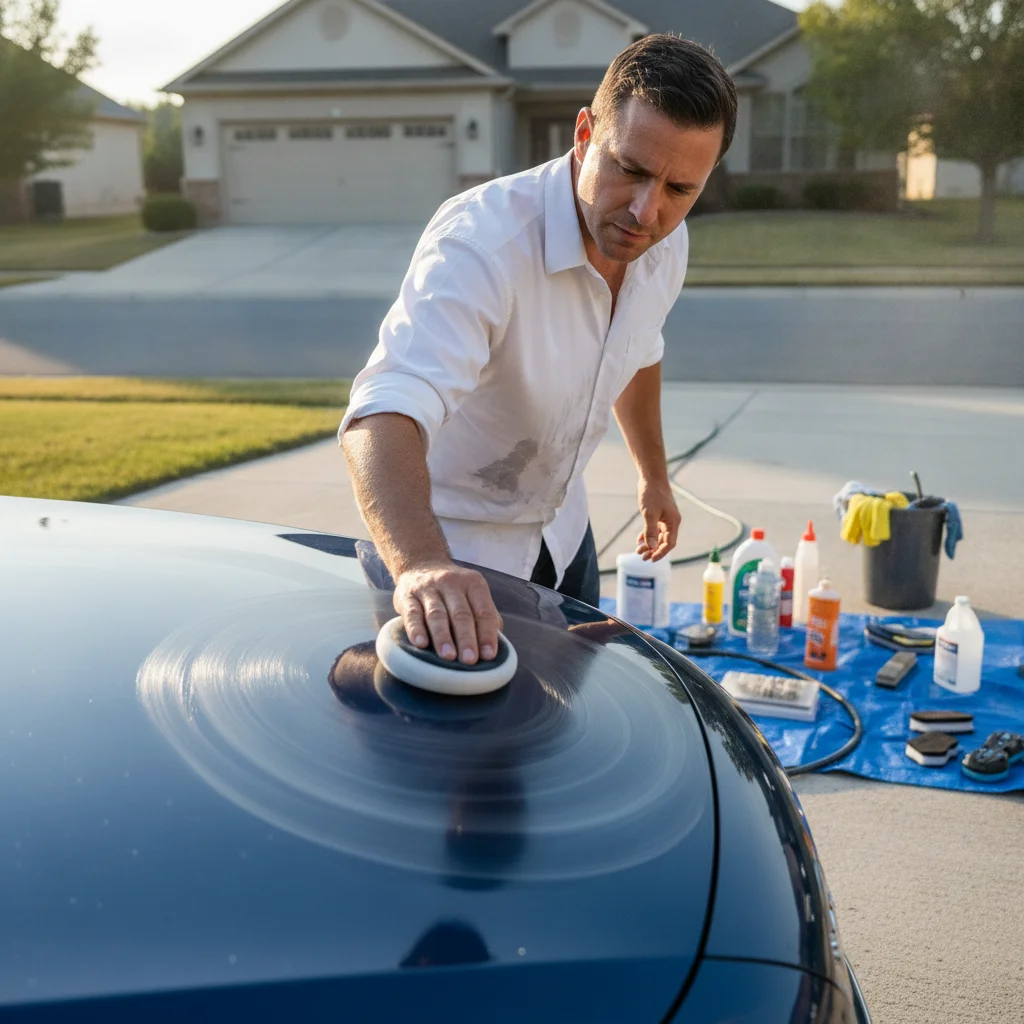
Scuffs are different again — they're often surface-level marks that affect the clear coat without removing color. Applying color touch-up paint to a clear-coat scuff adds an opaque layer where the surface was transparent, making the repair look worse than the original mark. Many scuffs can be addressed with light polishing compound instead. See our piece on when paint correction makes sense for more on treating surface-level paint defects before a sale.
Myth
A touch-up paint job — even an imperfect one — always looks better than leaving the damage visible.
Fact
A poorly applied touch-up often draws more buyer scrutiny than the original chip, signaling a cover-up attempt rather than honest disclosure.
This is the myth that causes the most real harm to sellers, because it seems so intuitively correct. Of course covering damage looks better than leaving it exposed — right? Not necessarily.
Experienced buyers are conditioned to look for signs of previous repairs, because those repairs can indicate more serious underlying issues. A drip of touch-up paint, a raised patch, or a color mismatch on a panel doesn't just register as a cosmetic defect. It raises the question of what prompted the repair and whether it conceals something more significant.
In contrast, clean, polished paint with a few visible stone chips reads as normal wear. Buyers understand chips happen. What they're more wary of is evidence of rushed or amateur cosmetic work. The detailing myths article covers a related pattern: well-intentioned DIY prep that backfires by making a car look less trustworthy, not more.
Myth
Any touch-up is better than rust — you should always fill a chip to stop corrosion.
Fact
Sealing a chip against moisture is a valid reason to use touch-up paint, but only if applied correctly — trapping moisture under paint can actually accelerate corrosion.
There's legitimate logic to the rust-prevention argument. Bare metal exposed to moisture will eventually oxidize, and a chip that reaches the metal layer is a vulnerability. In that specific scenario, touch-up paint does serve a protective purpose.
The problem is application. If you brush touch-up paint over a chip without thoroughly cleaning and drying the area first, you risk sealing moisture or contaminants underneath the paint film. Corrosion can then develop invisibly beneath the surface and spread beyond the original chip boundary — a worse outcome than the original chip.
If rust prevention is your primary goal, the correct approach is to clean the chip with a degreaser, allow it to dry completely, apply a rust-inhibiting primer, and then apply color coat. Skipping the primer step on a chip that has exposed metal reduces the protective benefit significantly.
[important_callout]Myth
Professional touch-up paint repairs are too expensive to be worth it before a sale.
Fact
Professional spot repair for small chips typically costs $100–$300 and can recover several times that in buyer negotiation, making it a positive return on mid-value vehicles.
Many sellers assume professional touch-up is a luxury reserved for expensive cars, but the price point is often more accessible than expected. Mobile spot repair services — sometimes called SMART repair (Small to Medium Area Repair Technology) — specialize in exactly this kind of work and typically charge less than a full body shop would for the same repair.
For a vehicle selling in the $10,000–$20,000 range, professional spot repair on a handful of chips can cost $150–$350 and remove a common buyer objection that would otherwise result in $500–$1,000 in negotiated discounts. That's a real return. For vehicles in the $4,000–$6,000 range, the math is tighter — honest disclosure may outperform the investment.
The key variable is how prominently the damage features in buyer objections. Chips on a door edge or hood leading edge are high-visibility areas that buyers notice immediately. Chips on a lower rocker panel are less likely to drive negotiation. Prioritize repairs on the panels buyers examine first.
Once you've cleared the myths, the decision tree becomes much simpler. For most sellers, the honest answer is: touch up only tiny stone chips, and only if you can source a color-matched pen and apply it with patience. Everything else — long scratches, deep gouges, large chips — deserves a different approach. See our guide to repairs that pay off for a broader look at which cosmetic fixes consistently move the needle on sale price.
When Touch-Up Paint Genuinely Helps
There is a real use case for touch-up paint, and it's narrower than most people assume. Done correctly, on the right kind of damage, it can prevent rust from forming and make a chip less visible to casual observers. Here's where it earns its place:
- Stone chips smaller than 3–4mm: These are the ideal target. The damaged area is small enough that blending isn't critical, and a careful dot of color can fill the exposed metal effectively.
- Chips that have exposed bare metal: Even if the color match isn't perfect, sealing bare metal against moisture is a legitimate protective reason to use touch-up paint — especially on older vehicles or those in high-humidity climates.
- Lower-value vehicles where professional repair isn't cost-effective: On a car you're selling for $4,000, a $200 professional spot repair may not pencil out. A careful touch-up that's disclosed honestly to buyers can be reasonable here.
- Vehicles with factory-original paint that hasn't faded significantly: The newer the car, the better chance the factory touch-up paint will be close enough in color to be nearly invisible.
Even in these ideal conditions, the application technique matters enormously. Overfilling, brushing too wide, or applying in direct sunlight can all turn a reasonable repair into an obvious one. If you're unsure, read up on common detailing mistakes before picking up the brush — some of the most well-intentioned prep steps actively damage your car's presentation.
When to Skip Touch-Up Paint Entirely
For every situation where touch-up paint is a reasonable call, there are several where it will make things worse. Knowing when to put the bottle down is just as important as knowing how to apply it.
Don't Apply Touch-Up Paint in These Conditions
Avoid applying touch-up paint in direct sunlight, temperatures below 50°F or above 85°F, or on a surface that hasn't been thoroughly cleaned and degreased. Heat causes the paint to dry too quickly, leading to a rough, pitted surface. Cold prevents proper adhesion and can cause peeling within weeks. Contaminants trapped under the paint film can create bubbling and accelerate the very corrosion you're trying to prevent.
Rushed Touch-Up Can Complicate Future Professional Repairs
If you apply touch-up paint incorrectly and later decide to have the area professionally repaired, the technician will need to remove your touch-up application before they can begin. This adds time and cost to the professional repair. If there's any chance you'll invest in professional spot repair before selling, hold off on the DIY touch-up entirely.
Scratches longer than a centimeter are almost always better left alone or handed to a professional. A touch-up pen dragged along a scratch creates a raised ridge of paint that catches light differently than the surrounding panel — it's often more visible than the original scratch, especially in direct sunlight.
Deep scratches that reach the primer layer require more than color coat — they need primer, color, and clear coat applied in stages. A single-layer touch-up over primer damage will look chalky, flat, and obviously patched.
Large chips or flaking areas present a blending problem that consumer-grade touch-up products simply cannot solve. Professional spot repair technicians use spray equipment that feathers color into the surrounding paint. A brush cannot replicate this.
Any damage near a panel edge or body line is extremely difficult to blend, even for professionals. Touch-up paint applied here almost always looks worse than the original chip.
For these situations, your best options are either professional spot repair or honest disclosure. If you're deciding between those two paths, our article on small dents and dings walks through exactly how to weigh the cost of repair against the likely buyer discount — the same logic applies to paint damage.
The Cost-Benefit Calculation for Sellers
Here's the practical question: will spending money on this improve your sale outcome? The answer depends on three variables — the car's value, the severity of the damage, and the quality of the repair.
$500–$1,500
Typical buyer discount for visible paint damage
Industry data from used car dealerships and private sale platforms suggests buyers routinely negotiate this range for paint chips and scratches on vehicles priced above $10,000.
$150–$350
Average cost of professional spot repair
Mobile SMART repair technicians typically charge in this range for small chip clusters on a single panel, making professional repair viable on mid-value vehicles.
3–4mm
Maximum chip size suited to DIY touch-up
Detail professionals generally agree that chips smaller than 3–4mm are the only damage type where consumer touch-up paint can produce results that are better than the original chip.
For high-value vehicles, the math often favors professional intervention over DIY touch-up. A car selling for $18,000 with visible paint chips can lose $500–$1,500 in negotiation. A professional spot repair might cost $150–$400 and restore enough confidence that buyers stop using the chips as leverage. That's a meaningful return. Our comparison of paint correction options before selling explores this calculus in more detail for sellers with more significant paint defects.
For lower-value vehicles, the math tilts differently. If your car is worth $5,000 and you're looking at a $300 professional touch-up, you may recover very little of that in the final sale price. In this bracket, a clean, well-detailed car with a few honestly disclosed chips often performs better than one with a rushed or poorly matched touch-up job.
Trapping Moisture Under Paint Worsens Corrosion
Applying touch-up paint over a chip that hasn't been fully cleaned and dried can seal moisture against bare metal, creating an environment where rust spreads beneath the surface without being visible. If you discover an existing touch-up that appears to be bubbling or lifting, treat this as a warning sign of active corrosion beneath. Address it promptly rather than applying another coat over the top.
Disclosure Often Outperforms a Mediocre Repair
For sellers whose touch-up results are obviously imperfect, the most strategic move may be to remove the touch-up paint with a gentle solvent and disclose the original chips honestly. A buyer who discovers evidence of a cover-up during inspection will be less trusting — and more aggressive in negotiation — than one who was told about the chips upfront. Transparency is a selling asset, not a concession.
The most reliable pre-sale investment at any price point remains a thorough detail — not paint repairs. A clean car with disclosed chips reads as cared-for. A dirty car with blotchy touch-up paint reads as problematic. If you're prioritizing your prep budget, detailing vs. minor repairs is worth reading before you spend a dollar on products or services.
What Buyers Actually Notice
It's worth stepping back and thinking about this from the buyer's perspective. Experienced used-car buyers — and most private-sale buyers have done this at least once before — are actively scanning for signs of hidden damage, deferred maintenance, and cosmetic cover-ups.
A raised blob of mismatched paint on a door panel doesn't just register as a cosmetic flaw. It raises a question: What else has been patched over? That suspicion can be more damaging to your sale than the original chip.
By contrast, a seller who points out the chips themselves during the walk-around and says "I left these as-is rather than touching them up poorly" is often perceived as more trustworthy. Transparency converts skeptical buyers into confident ones. That confidence is worth more than a mediocre repair.
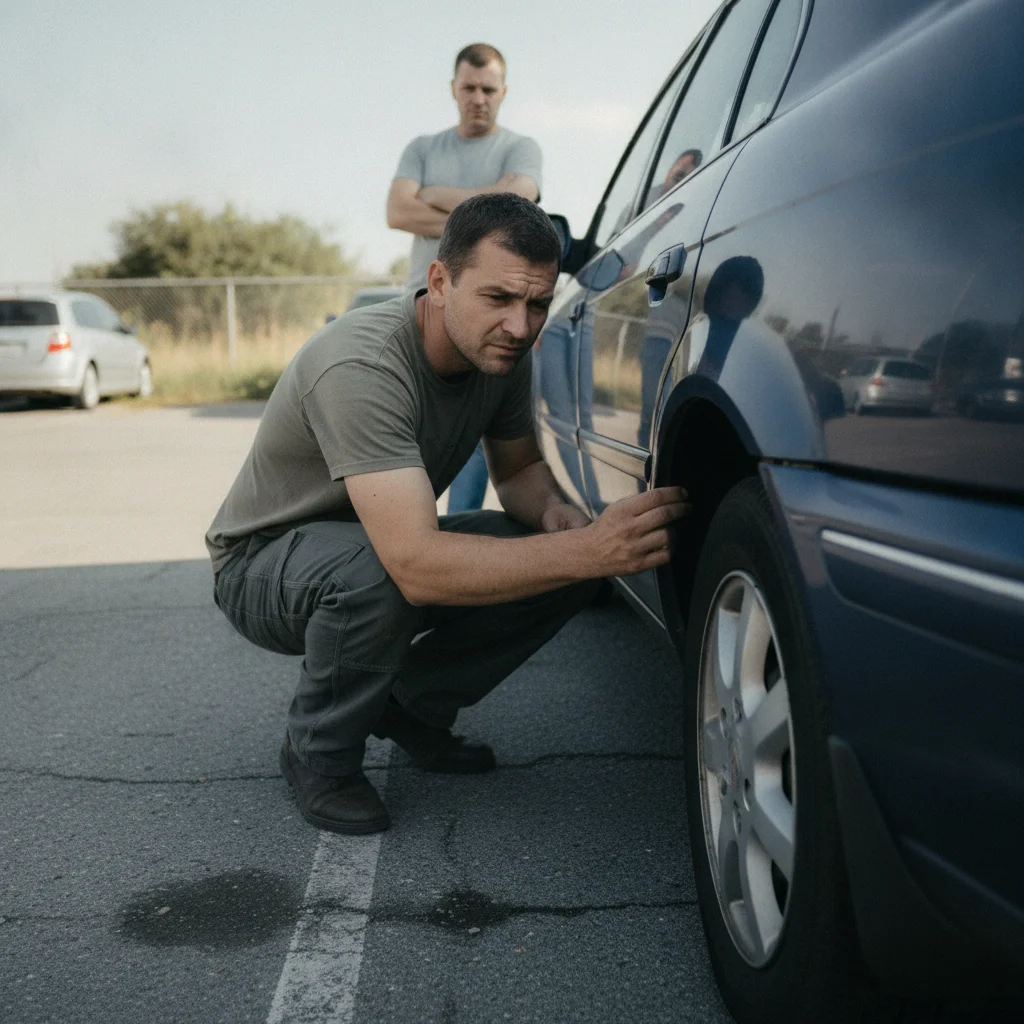
The bottom line is this: touch-up paint is a tool with a narrow effective range. Used correctly on the right damage, it's a reasonable protective and cosmetic measure. Used on the wrong damage or applied carelessly, it can actively undermine your asking price. Take the time to assess your specific chips and scratches honestly before reaching for that bottle — and when in doubt, a good detail and an honest conversation will outperform a rushed repair every time.

All claims are backed by peer-reviewed research. Sources on request.