Key Takeaways
Automotive Burning Odors
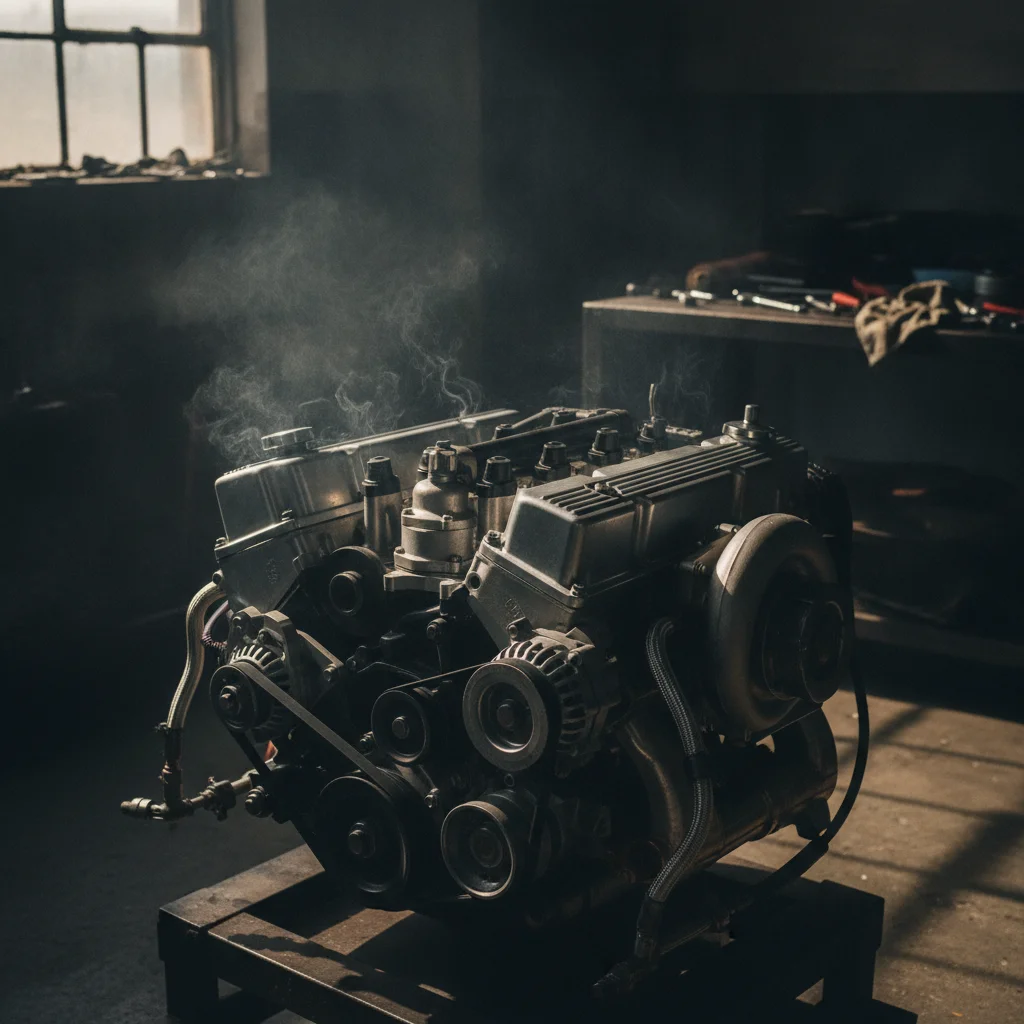
Burning smells from a vehicle are the result of heat interacting with specific materials — rubber, oil, coolant, plastic, or brake compounds — in ways that indicate a system is under stress or failing. Each odor has a distinct chemical character that points to a different component or system. Learning to distinguish them is one of the most practical early-warning skills a driver can develop.
Many combustion byproducts share overlapping chemical signatures, so context matters: note when the smell appears (cold start, hard braking, highway driving), where it seems strongest, and whether any dashboard warnings accompany it.
Why Your Nose Is One of Your Best Diagnostic Tools
Most drivers know to watch for dashboard warning lights and listen for unusual sounds. Fewer realize that their sense of smell is equally reliable — and often faster. A burning odor typically registers before a gauge moves or a light illuminates, giving you a critical head start on a problem that's just beginning to develop.
The reason different smells map to different problems is straightforward chemistry: every material in your car — rubber, oil, coolant, brake compound, electrical insulation — has a distinct combustion or decomposition signature. Heat triggers these signatures at different temperatures and under different conditions, which is why the same car can produce very different smells depending on whether you just made a panic stop or you've been cruising at highway speed for an hour.
Dashboard lights get the attention, but smells, sounds, and feel often signal problems first. This guide focuses specifically on the olfactory side of that equation — what each type of burning smell reveals, how urgent it is, and what you'll likely spend if you ignore it.
The Burning Rubber Smell: Brakes, Belts, and Hoses
Burning rubber is one of the most common — and most frequently misread — odors drivers encounter. Context is everything here.
After Hard Braking: Usually Normal, Briefly
If you've made several aggressive stops in a row — coming down a steep mountain grade, navigating stop-and-go traffic while riding the brakes — some brake fade odor is expected. Brake pads generate tremendous heat when they're doing their job. A brief rubber-and-resin smell that dissipates within a few minutes after normal driving resumes is within acceptable limits.
What is not normal: a persistent burning rubber smell that appears during ordinary driving, gets stronger when you come to a stop, or is accompanied by a pulling sensation when braking. That combination almost certainly means a brake caliper has seized. A seized caliper clamps the pad against the rotor continuously, even when you're not pressing the brake pedal. Left alone, it will:
- Destroy the brake rotor (add $150–$300 per rotor to your bill)
- Overheat and potentially crack the wheel hub
- Cause a dangerous imbalance in braking force
Without Braking: Belts and Hoses
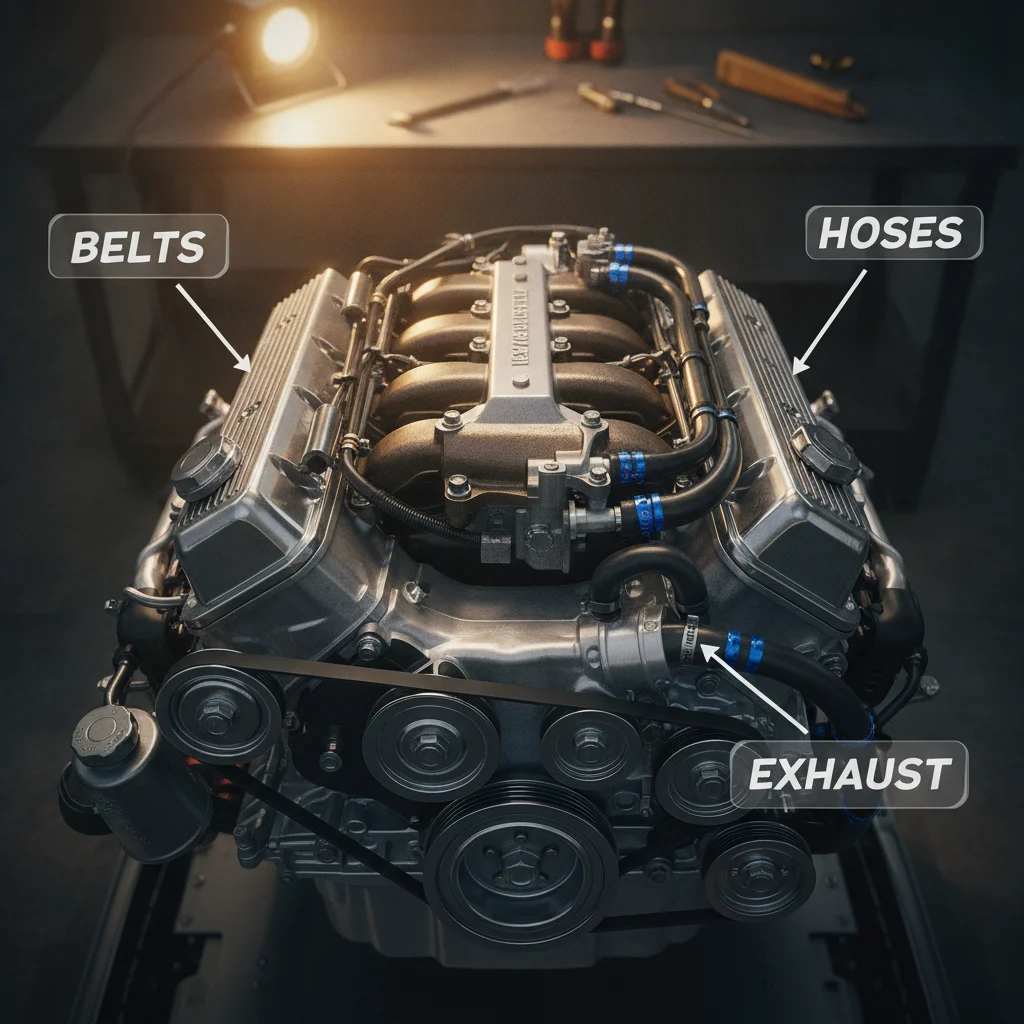
If the burning rubber smell appears without any hard stopping, look toward the engine. A slipping or failing serpentine belt produces a sharp, hot-rubber odor that often intensifies when you rev the engine. Belts slip when they're worn, when a pulley bearing is seizing, or when the tensioner has weakened. A snapped serpentine belt disables power steering, the alternator, and the water pump simultaneously — a roadside emergency that costs far more than the $75–$200 the belt replacement would have run.
Occasionally a coolant hose or vacuum line has worked loose and is resting against the exhaust manifold or another hot surface. The resulting smell is localized and often intermittent. A quick visual inspection of the engine bay — checking that all hoses are routed away from heat sources — can rule this out quickly.
New Brakes Can Smell: Here's Why
If you've recently had new brake pads installed, expect some burning smell during the first 200–300 miles. This is called the bedding-in process — the pad material is curing under heat and pressure to conform to the rotor surface. The smell should diminish progressively and disappear entirely after the break-in period. If it intensifies or persists beyond 300 miles, have the installation inspected.
Smell Inside the Cabin vs. Outside
Where you notice a burning smell matters for diagnosis. Odors inside the cabin with the ventilation running often point to heater core leaks (sweet smell) or cabin air filter issues, while smells noticed outside the car or in the engine bay typically indicate external leaks or mechanical friction. Turning the HVAC to recirculate mode temporarily can help isolate whether the smell is entering through fresh air intake.
The Sweet Smell: Coolant Leaks and Overheating Risk
This is the smell that should stop you in your tracks. Ethylene glycol, the primary compound in most engine coolants, has a distinctly sweet, almost maple-syrup odor when it burns. Drivers often describe it as pleasant — which makes it deceptively easy to dismiss.
Do not dismiss it.
When you smell burning coolant, it means antifreeze is contacting a hot engine surface — the exhaust manifold, the cylinder head, or internal combustion chamber surfaces. That indicates one of the following:
- External coolant leak: A hose, clamp, radiator fitting, or the water pump is leaking coolant that drips onto hot components below. Repair costs range from $50–$300 depending on what's failing.
- Internal coolant leak: A blown head gasket or cracked cylinder head is allowing coolant to enter the combustion chamber, where it burns off. This is a serious repair — typically $1,200–$2,500 or more — and delaying it turns a repair into an engine replacement.
The danger isn't just repair cost. An engine running low on coolant will overheat. Modern engines can sustain irreversible damage — warped cylinder heads, scored cylinder walls — within five to ten minutes of severe overheating. If you smell sweetness and your temperature gauge is climbing, pull over immediately, shut off the engine, and do not remove the radiator cap until the engine is fully cool.
$1,200–$2,500
Average head gasket repair cost
Repair cost data from RepairPal indicates head gasket replacement is among the most expensive repairs triggered by an ignored coolant leak.
5–10 min
Time to engine damage when severely overheated
Automotive engineers estimate that sustained severe overheating — above 240°F coolant temperature — can warp aluminum cylinder heads in as little as five minutes.
67%
Of used car buyers cite odors as a deal-breaker
A survey by CarGurus found that the majority of used car shoppers would walk away from or significantly discount a vehicle with a noticeable odor, including mechanical smells.
$75–$200
Typical serpentine belt replacement cost
Replacing a worn serpentine belt proactively costs a fraction of the roadside towing and ancillary damage a snapped belt causes.
40%
Of vehicle fires linked to electrical faults
The National Fire Protection Association reports that electrical system failures and malfunctions are among the leading mechanical causes of vehicle fires in the U.S.
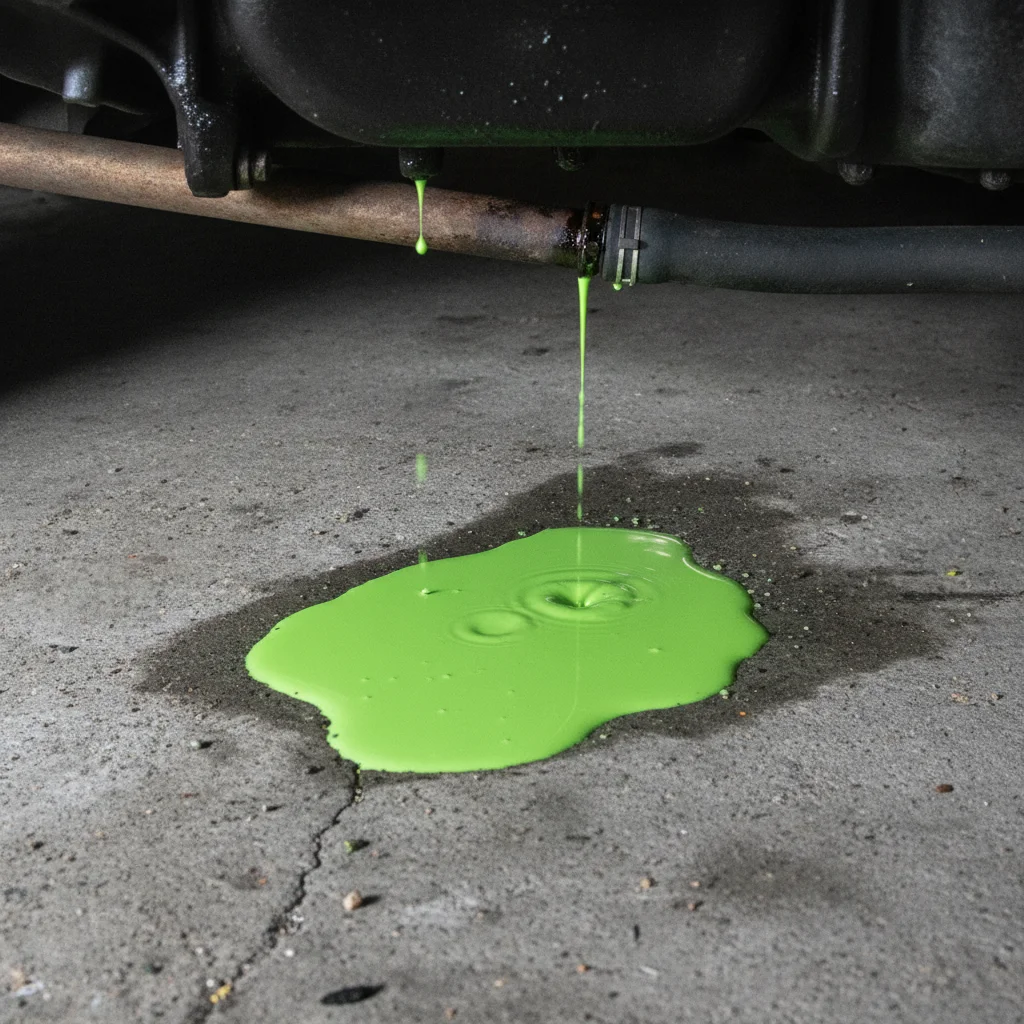
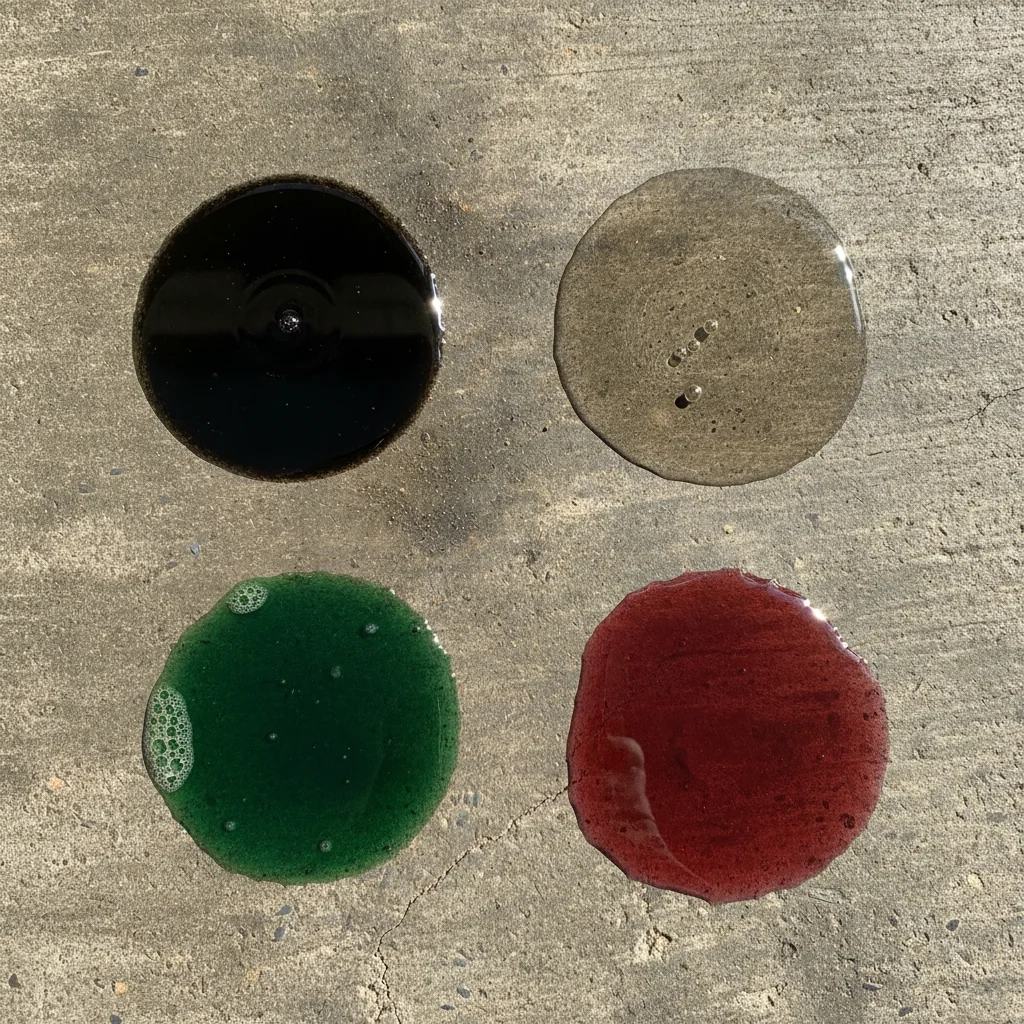
A fluid leak reference guide can help you confirm whether the puddle under your car is coolant or something else — coolant is typically bright green, orange, or pink and has that same sweet odor even when cold.
The Acrid Smell: Burning Oil
Burning oil has a harsh, pungent character — sharp and sulfurous, unmistakably unpleasant. It's distinct from exhaust odor (which has a more chemical, sooty quality) and distinct from coolant (which is sweet). Once you know the difference, you won't confuse them.
Burning oil smell usually indicates that oil is dripping or seeping from a leak point and landing on a hot surface — most commonly the exhaust manifold, the catalytic converter, or the turbocharger housing on turbocharged engines. Common leak sources include:
- Valve cover gaskets: Among the most frequent culprits. Gaskets shrink and crack over time, allowing oil to seep around the top of the engine and drip down onto the exhaust. Replacement costs $100–$350.
- Oil pan gasket: Oil drips from the pan onto the exhaust crossover pipes below. Repair runs $200–$500 on most vehicles.
- Turbocharger oil seals: On turbocharged engines, worn turbo seals allow oil to enter the intake or exhaust stream. A burning oil smell combined with blue exhaust smoke is a strong signal here. Turbo replacement or rebuild: $500–$2,000+.
Beyond the smell and the repair cost, an active oil leak creates a fire hazard. Oil accumulating on a 900°F exhaust surface doesn't always ignite, but the risk is real, especially on older vehicles with cracked or degraded heat shielding.
Check Your Oil Level Regularly
Many burning oil smells are discovered only after the oil level has dropped significantly. A 30-second dipstick check every other fuel fill-up catches oil consumption trends early and prevents the low-oil conditions that accelerate engine wear. If you're burning more than a quart per 2,000 miles, have a leak and consumption test done before the engine is damaged.
Address Mechanical Issues Before Selling
Fix the source of any burning smell before listing a vehicle for sale. A pre-sale inspection and targeted repairs almost always return more in sale price than they cost. Buyers — especially savvy ones — will use any mechanical symptom to justify aggressive price negotiations far exceeding the actual repair cost.
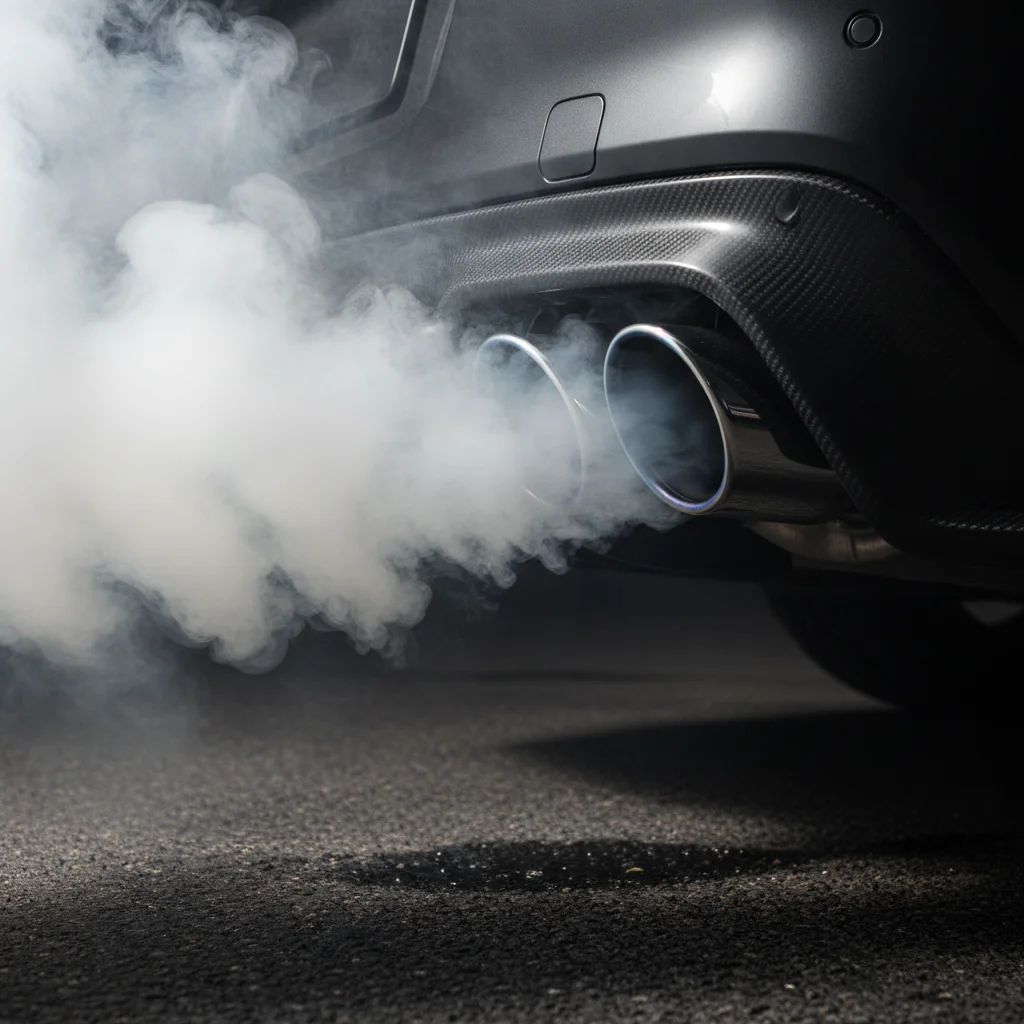
Blue or gray exhaust smoke often accompanies burning oil smells — if you see both, that's a compound signal that the problem is more than a surface drip.
The Sharp, Acrid Smell: Electrical Burning
Electrical burning smells occupy their own category — sharp, synthetic, sometimes described as hot plastic or burning hair. The chemistry behind this smell involves the insulation coating around wiring melting or igniting. That insulation exists specifically to prevent bare conductors from contacting each other or the vehicle chassis.
When it fails, the consequences can escalate quickly.
Causes of Electrical Burning Odors
- Overloaded circuit: Too much current flowing through a wire that isn't rated for it. Often triggered by aftermarket accessories wired improperly.
- Chafed or pinched wiring: A wire rubbing against metal over thousands of vibration cycles eventually wears through its insulation. Common in door harnesses, engine bay wiring, and anywhere a harness passes through a metal grommet.
- Failing motor: Blower motors, window regulators, and seat motors draw more current as they wear. An overworked motor will smell electrical before it dies completely.
- Shorted relay or fuse box: A stuck relay can overheat the contacts and surrounding plastic, producing a localized burning smell near the fuse panel.
Electrical burning demands prompt attention for two reasons: fire risk and diagnostic complexity. Unlike a brake caliper or a coolant hose, an electrical fault can be difficult to trace without proper tools. If you smell electrical burning and can't immediately identify a localized source (like a burning plastic bag on the exhaust), have the vehicle inspected rather than continuing to drive it.
“An electrical fault that smells like burning plastic today can be an underhood fire tomorrow. The insulation is telling you it's already failing — that's not a warning you ignore.”
— Dave Cappert, ASE Master Technician and automotive training instructor
Unusual sounds often accompany electrical problems — a clicking relay, a buzzing fuse box, or a grinding motor are frequently the first clues before the smell appears.
The Sulfur or Rotten Egg Smell: Catalytic Converter and Battery
A rotten egg or sulfur odor is distinct from other burning smells and has two primary sources in a vehicle.
Catalytic Converter Problems
The catalytic converter chemically processes exhaust gases, converting harmful compounds including hydrogen sulfide into less toxic outputs. When a catalytic converter is failing — due to contamination from oil or coolant burning in the engine, or simple age — it can no longer process hydrogen sulfide effectively. The result is a rotten egg smell from the exhaust, sometimes strong enough to be noticeable inside the cabin.
A failing catalytic converter will eventually trigger an oxygen sensor fault and an illuminated check engine light. Replacement costs range from $400 on a small four-cylinder to $2,500+ on vehicles with multiple converters. The longer a contaminated converter runs, the more likely downstream oxygen sensors are being damaged as well.
Battery Issues
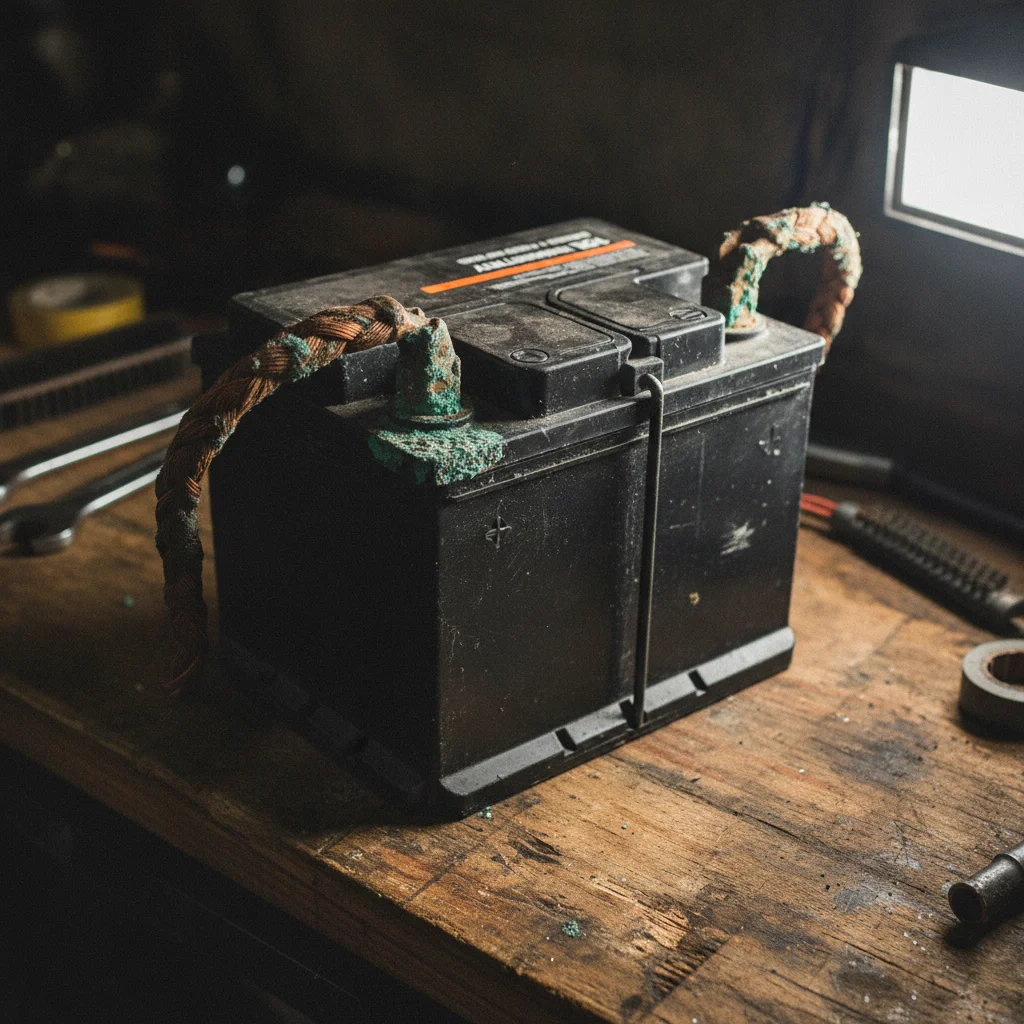
An overcharging alternator forces too much current into the battery, causing the electrolyte inside to overheat and off-gas. This produces a sulfur smell near the battery — often more noticeable when you open the hood. A swollen battery case alongside the smell confirms overcharging. Both the battery and alternator should be tested immediately; an overcharging condition will kill a new battery just as quickly as the old one.
Burning Smells and Resale Value: The Hidden Cost of Neglect
Here's an angle most drivers don't consider: unresolved mechanical problems — and the associated odors they generate — directly affect what a car is worth when it's time to sell or trade.
A car that smells of burning oil, overheated brakes, or coolant at a test drive will either be passed over entirely or used as leverage for an aggressive price reduction. Buyers and dealers alike factor in the cost of unknown repairs when they detect a problem smell. A $300 valve cover gasket replacement you deferred for two years might cost you $800 in negotiated price concession at trade-in — if the car sells at all.
Odor elimination strategies matter when preparing a car for sale, but cosmetic deodorizing never replaces actually fixing the mechanical source. Sophisticated buyers will distinguish between a car that's been freshened up and one that's been repaired.
The calculus is simple: addressing burning smells promptly protects both the mechanical integrity of the vehicle and its market value. These two interests happen to align perfectly.
Check Your Oil Level Regularly
Many burning oil smells are discovered only after the oil level has dropped significantly. A 30-second dipstick check every other fuel fill-up catches oil consumption trends early and prevents the low-oil conditions that accelerate engine wear. If you're burning more than a quart per 2,000 miles, have a leak and consumption test done before the engine is damaged.
Address Mechanical Issues Before Selling
Fix the source of any burning smell before listing a vehicle for sale. A pre-sale inspection and targeted repairs almost always return more in sale price than they cost. Buyers — especially savvy ones — will use any mechanical symptom to justify aggressive price negotiations far exceeding the actual repair cost.
A Quick-Reference Summary: Smell, Cause, and Urgency
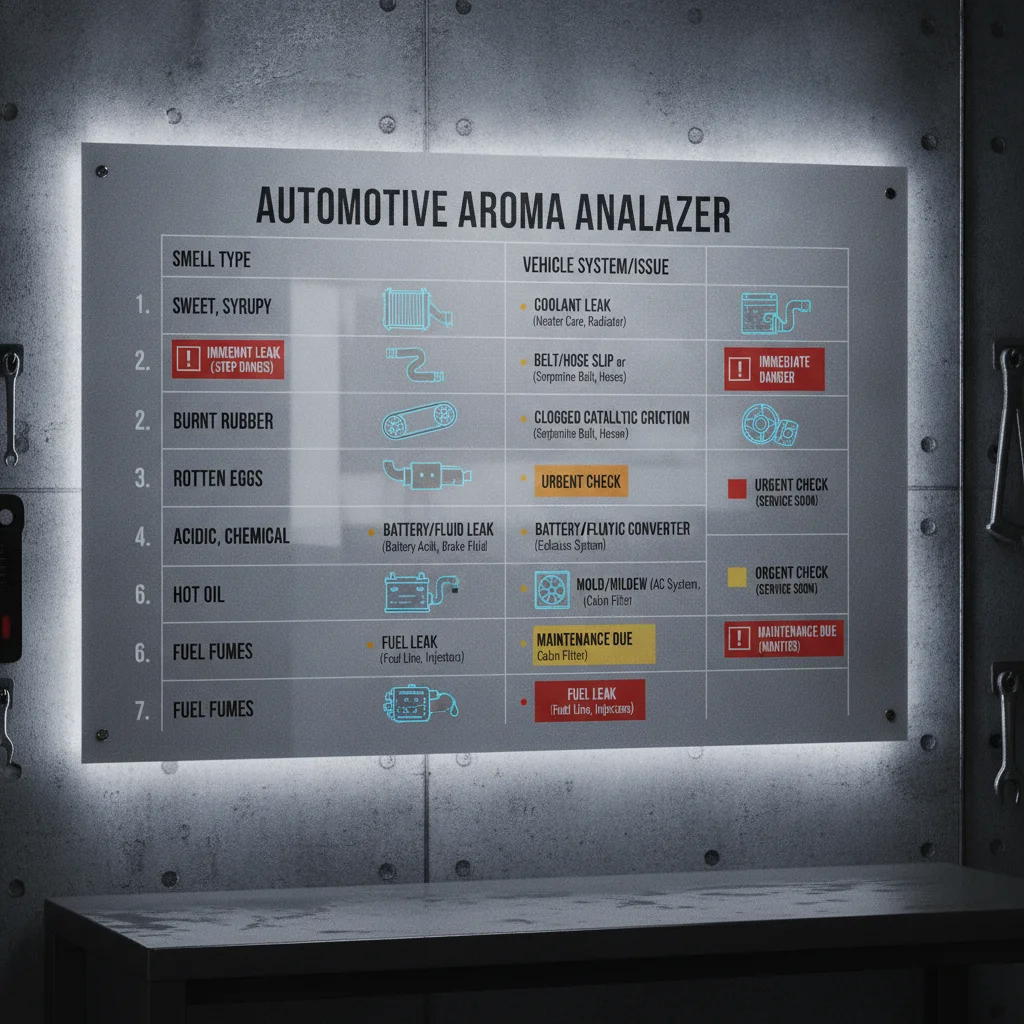
Use this table as a field guide the next time an unfamiliar odor appears while driving.
| Smell | Most Likely Cause | Urgency | Typical Repair Cost |
|---|---|---|---|
| Burning rubber (after braking) | Brake pad bedding or brief fade | Low — monitor | N/A if brief |
| Burning rubber (persistent) | Seized caliper, slipping belt, hose on exhaust | High — stop and inspect | $150–$500 |
| Sweet, maple syrup | Coolant leak, head gasket | Very High — stop driving | $100–$2,500+ |
| Harsh, sulfurous, acrid | Burning oil on exhaust | High — address promptly | $100–$2,000 |
| Burning plastic / singed wire | Electrical short, failing motor | Very High — fire risk | $200–$800+ |
| Rotten egg / sulfur | Failing catalytic converter, overcharging battery | High — diagnose soon | $400–$2,500+ |
Smells rarely travel alone. A burning oil odor combined with blue exhaust smoke, or a rubber smell paired with brake pull, gives you a compound signal that narrows the diagnosis considerably. Learning to read exhaust smoke color alongside these odors gives you two independent data streams pointing at the same problem — and that kind of convergent evidence makes early intervention far more confident.

All claims are backed by peer-reviewed research. Sources on request.