Key Takeaways
Reckless Driving
Reckless driving is operating a vehicle with willful or wanton disregard for the safety of people or property. Unlike a speeding ticket, it is a criminal charge in most states — typically a misdemeanor — meaning it can result in fines, license suspension, and even jail time. The key element is intent: prosecutors must show the driver knew the risk and ignored it anyway.
Legally, 'willful or wanton disregard' sets reckless driving apart from ordinary negligence. Negligence is failing to meet a standard of care; reckless conduct involves consciously ignoring a known, substantial risk.
Reckless Driving Is Not Just a Bad Speeding Ticket
A lot of drivers hear 'reckless driving' and assume it's just an upgraded speeding ticket — annoying, expensive, but no big deal in the long run. That assumption is wrong and potentially costly.
Reckless driving is a criminal charge in the vast majority of states. That means it goes through the court system, not just the DMV. A conviction produces a criminal record in addition to a driving record entry. Employers run background checks. Landlords run background checks. A misdemeanor conviction that could have been avoided or reduced has a way of surfacing at the worst possible moment.
To understand where reckless driving sits on the legal spectrum, it helps to compare it to lesser offenses. Most traffic violations — running a red light, minor speeding, improper lane changes — are civil infractions. You pay a fine, possibly accumulate points, and move on. Reckless driving jumps to criminal territory, sitting alongside charges like DUI in terms of the seriousness with which courts and insurers treat it. For a clear picture of how traffic offenses are tiered, see Traffic Violation Severity: Infractions, Misdemeanors, and Felonies Compared.

The practical consequences — fines, license suspension, insurance consequences, possible jail time — make this a charge worth taking seriously from the moment you see it on a citation.
How States Define Reckless Driving (and Why the Differences Matter)
There is no single federal definition of reckless driving. Each state writes its own statute, which means the conduct that qualifies — and the penalties that follow — varies considerably depending on where you're driving when the incident occurs.
Speed-Based Thresholds
Some states define reckless driving partly by speed. Virginia, for example, makes driving 20 mph over the posted limit or any speed over 85 mph a per se reckless driving offense — meaning the speed alone is sufficient for the charge, no other evidence of dangerous behavior required. Nevada sets a similar threshold. Other states have no fixed speed trigger; prosecutors have to show the driving was actually dangerous given conditions.
Circumstance-Based Standards
Most states use a broader behavioral standard: operating a vehicle in a manner that shows willful or wanton disregard for safety. This can include weaving through heavy traffic at high speed, street racing, running multiple red lights in sequence, or passing a school bus with children present. The pattern of behavior, road conditions, and presence of pedestrians or other vehicles all feed into a prosecutor's argument.
Virginia's Per Se Rule Is an Outlier
Virginia's approach to reckless driving is unusually strict compared to most states. Driving over 85 mph on any road — even a divided highway in clear conditions — is automatically a misdemeanor regardless of surrounding traffic or behavior. If you're traveling through Virginia, treat the speed limit as a genuine legal boundary, not just a guideline. Many out-of-state drivers are surprised to learn their routine highway speed becomes a criminal charge at the state line.
Reckless Driving and DUI Are Separate Charges
Some drivers assume that if they weren't drinking, a reckless driving charge can't be 'that serious.' But reckless driving stands entirely on its own — it doesn't require any substance involvement. Conversely, reckless driving is sometimes charged alongside DUI if impairment contributed to the dangerous behavior. If you're facing both charges simultaneously, you need legal representation immediately, as the combined consequences can escalate quickly.
Out-of-State Convictions Follow You Home
Under the Driver License Compact — adopted by most states — a reckless driving conviction in another state is reported back to your home state's DMV. Your home state then applies its own point rules and penalties to the out-of-state conviction. You generally cannot avoid home-state consequences simply because the incident happened elsewhere.
How This Affects Your Defense
If you're in a speed-threshold state like Virginia, your options are more limited — the speedometer reading is often the primary evidence. In a circumstance-based state, there's more room to argue that your driving, while fast or aggressive, didn't meet the legal bar for recklessness. That distinction shapes what a defense attorney can realistically do for you.
It's also worth distinguishing reckless driving from aggressive driving, which some states define as a separate, often civil offense involving a pattern of moving violations. The legal lines between these charges can blur, but the distinctions carry real consequences. For a deeper look, see Aggressive Driving vs. Road Rage: How the Law Draws the Line.
The Real Penalties: Criminal, Civil, and on Your Record
When a reckless driving charge sticks, the consequences hit on multiple fronts simultaneously. Here's what you're actually looking at:
~33%
Of all traffic fatalities linked to speeding
According to NHTSA, speeding — a common component of reckless driving charges — is a factor in roughly one-third of all U.S. traffic deaths annually.
Up to $2,500
Maximum fine for reckless driving in Virginia
Virginia's Class 1 misdemeanor reckless driving statute carries one of the harsher fine structures in the country, with penalties up to $2,500 and up to 12 months in jail.
73%
Average insurance premium increase after reckless driving
A 2023 analysis by ValuePenguin found that a reckless driving conviction raises average annual premiums by approximately 73% compared to a clean record.
11 years
How long reckless driving stays on record in some states
States like Virginia maintain reckless driving entries on the driving record for up to 11 years, one of the longest look-back periods for any non-felony traffic offense.
4–8 pts
Typical DMV point penalty for reckless driving
Most state DMV point systems assign between 4 and 8 points for a reckless driving conviction — often enough to trigger a mandatory suspension review on its own.
Criminal Penalties
- Fines: Typically range from $150 to $2,500+ depending on state and severity. Virginia's maximum fine alone is $2,500.
- Jail time: Most first-offense misdemeanor reckless driving carries up to 12 months in jail, though actual incarceration for a first offense is uncommon without aggravating factors.
- Probation: Courts may impose probation periods, sometimes with mandatory driving courses.
License Consequences
- Points: Reckless driving typically adds 4–8 points to your driving record depending on the state. Those points can push you toward mandatory suspension thresholds quickly, especially if you already have prior violations.
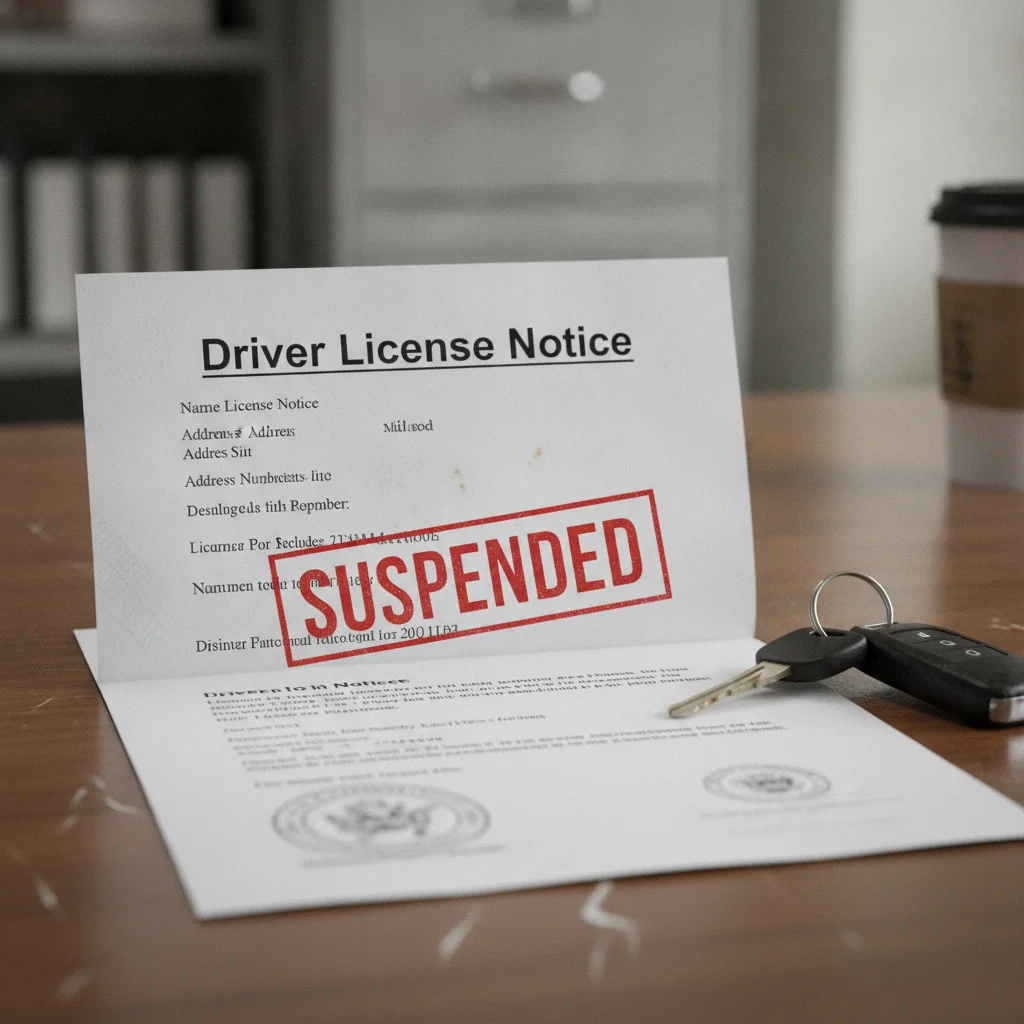
- Suspension: Many states impose mandatory or discretionary suspension on conviction. A second reckless driving offense in a short period significantly raises the odds of suspension.
- Revocation: In serious cases — particularly those involving injury or a pattern of reckless behavior — your license can be revoked outright. Understand the difference between the two outcomes at License Suspension vs. Revocation: Two Very Different Outcomes.
Your Driving Record
The points and the conviction stay on your driving record for years. Most states have look-back periods of 3 to 11 years for reckless driving. That record is visible to insurers every time your policy renews or you shop for new coverage. It's also factored into court decisions if you face future traffic charges.
For a broader picture of how violations compound on your record over time, see What a Moving Violation Actually Does to Your Driving Record.

What Reckless Driving Does to Your Car Insurance
From an insurer's perspective, reckless driving is a massive red flag. It signals that you're not just occasionally unlucky — it suggests a willingness to take deliberate risks. That distinction matters enormously to underwriters.
Shop Your Insurance Before Your Policy Renews
If you've received a reckless driving conviction, don't wait for your insurer to non-renew you. Get competing quotes before your renewal date. Knowing your options gives you leverage and ensures you're not caught without coverage. Some carriers are more lenient with a single conviction than others — the difference in annual premiums can be substantial.
Don't Plead Guilty at Your First Appearance
Many drivers make the mistake of pleading guilty to reckless driving at arraignment just to get the process over with. Once you enter a guilty plea, the conviction is on the record and negotiation is essentially over. At minimum, ask for a continuance to consult with a traffic attorney before entering any plea.
Ask About Deferred Disposition Programs
Some jurisdictions offer deferred disposition or diversion programs for first-time reckless driving offenders. Completing the program — which typically involves probation, fines, and a clean driving period — can result in the charge being reduced or dismissed. Ask your attorney or the prosecutor's office whether your jurisdiction has such a program.
Rate Increases
Expect a significant premium increase at your next renewal following a reckless driving conviction. Increases of 50% to 100% or more are common, depending on your state, your insurer, and your prior record. Some insurers have filed rate tables that automatically apply a specific surcharge percentage to a reckless driving conviction — you won't get to negotiate that number.
Non-Renewal
Insurers have the right to non-renew your policy at the end of a term. A reckless driving conviction is one of the triggers some standard-market insurers use to exit the relationship. If that happens, you'll be shopping for coverage with a conviction on your record, which limits your options and pushes you toward non-standard or high-risk carriers — at substantially higher premiums.
SR-22 Requirements
Some states require drivers convicted of reckless driving to file an SR-22 — a certificate of financial responsibility that your insurer files with the DMV to confirm you carry minimum required coverage. Not all insurers offer SR-22 filings. If yours doesn't, you'll need to switch carriers, adding administrative friction on top of the cost increase.
The insurance impact of reckless driving is distinct from what you'd see with a standard moving violation, but the underlying mechanism — violations adding risk signals that insurers price — works the same way at every level of severity.
“Reckless driving is one of the most under-appreciated charges in traffic law. Clients assume it's just an expensive ticket. By the time they understand it's a criminal conviction that will follow them for years — in court, on their insurance, and on job applications — they've already missed opportunities to fight it effectively.”
— John Steele, Traffic defense attorney with over 20 years of experience in Virginia courts
Your Options After a Reckless Driving Charge
Getting charged with reckless driving does not automatically mean a conviction. There are realistic options, but the window to use them is narrow and the choices you make early in the process matter.
Hire a Traffic Attorney
This is the single most impactful step you can take. Traffic attorneys — especially those who specialize in the jurisdiction where you were charged — know how local prosecutors and judges handle these cases. They can identify whether the charge is defensible outright or whether a plea to a lesser offense is the more pragmatic path. A reduction to a basic speed violation or an improper driving charge can mean the difference between a misdemeanor on your record and a civil infraction.
Understand the Evidence Against You
Request all evidence before entering any plea. That includes the officer's notes, radar or LIDAR calibration records, dashcam or bodycam footage, and any witness statements. Procedural errors — improperly calibrated equipment, failure to follow proper stop procedures — can create grounds for dismissal or reduction.

Driving School and Good Faith Efforts
Courts sometimes look favorably on defendants who proactively enroll in defensive driving courses before sentencing. This doesn't guarantee a better outcome, but it demonstrates good faith and gives a judge something to point to if they're inclined toward leniency.
Know What You're Comparing Reckless Driving To
Reckless driving and DUI share some surface-level similarities — both are criminal charges, both trigger serious license consequences, both spike insurance rates. But the legal standards and defense strategies differ. If your situation involves any substance use element, read up on DUI vs. DWI: What the Difference Means Legally to understand what additional exposure you might have.
Virginia's Per Se Rule Is an Outlier
Virginia's approach to reckless driving is unusually strict compared to most states. Driving over 85 mph on any road — even a divided highway in clear conditions — is automatically a misdemeanor regardless of surrounding traffic or behavior. If you're traveling through Virginia, treat the speed limit as a genuine legal boundary, not just a guideline. Many out-of-state drivers are surprised to learn their routine highway speed becomes a criminal charge at the state line.
Reckless Driving and DUI Are Separate Charges
Some drivers assume that if they weren't drinking, a reckless driving charge can't be 'that serious.' But reckless driving stands entirely on its own — it doesn't require any substance involvement. Conversely, reckless driving is sometimes charged alongside DUI if impairment contributed to the dangerous behavior. If you're facing both charges simultaneously, you need legal representation immediately, as the combined consequences can escalate quickly.
Out-of-State Convictions Follow You Home
Under the Driver License Compact — adopted by most states — a reckless driving conviction in another state is reported back to your home state's DMV. Your home state then applies its own point rules and penalties to the out-of-state conviction. You generally cannot avoid home-state consequences simply because the incident happened elsewhere.
Long-Term Record Management
Even after you've resolved the immediate legal situation, a reckless driving conviction has a tail. Here's how to manage it over time.
Monitor Your Driving Record
Order a copy of your driving record from your state DMV — most states let you do this online for a small fee. Know exactly what's on it, when points are scheduled to drop off, and what your current point total is. Don't let surprises come from an insurer or an employer first.
Expungement
In some states, a reckless driving misdemeanor can be expunged from your criminal record after a waiting period and upon meeting certain conditions — typically no subsequent convictions and completion of any sentence requirements. Expungement doesn't erase the DMV record, but it can clean up what appears on criminal background checks. Eligibility rules vary significantly by state; consult an attorney in your jurisdiction.
Shop Insurance Strategically
Not all insurers treat reckless driving the same way. Some are more aggressive with surcharges; others are more forgiving after a clean period of one to three years post-conviction. Once your record begins to age, actively shop your coverage rather than letting it auto-renew. You may find meaningfully better rates with a different carrier even before the conviction fully drops off.
The bottom line: a reckless driving charge is serious, but it's manageable with the right information and the right approach. Know the law in your state, get qualified legal help early, and treat the aftermath as a long-term record-management problem — not just a one-time fine to pay and forget.

All claims are backed by peer-reviewed research. Sources on request.