Key Takeaways
Option A
DUI (Driving Under the Influence)
The broader, behavior-based impairment charge.
Best for: Understanding charges based on observable impairment, often applicable to alcohol and drugs regardless of BAC level.
Option B
DWI (Driving While Intoxicated or Impaired)
The threshold-based or more serious statutory charge.
Best for: Understanding charges tied to measurable intoxication levels, frequently carrying steeper baseline penalties in states that distinguish between the two.
If you're charged in a state that uses both terms
DUI (Driving Under the Influence)
In states like Texas that distinguish the two, DUI is typically the lesser charge, often applied to minors or lower impairment levels. Understanding which charge you face determines your plea strategy and potential penalties.
If you want to understand the more serious statutory charge
DWI (Driving While Intoxicated or Impaired)
Where both charges exist, DWI usually carries higher mandatory minimums, larger fines, and longer license suspensions. It's the charge prosecutors are more likely to pursue when BAC exceeds 0.08%.
If you're concerned about drug-related impairment charges
DUI (Driving Under the Influence)
DUI statutes are typically broader and more commonly applied to drug impairment — prescription, OTC, or illegal — because they rely on behavioral signs rather than a numerical BAC threshold.
If you're evaluating insurance impact after a charge
DWI (Driving While Intoxicated or Impaired)
Insurance carriers often flag DWI more severely than DUI when both appear on a record, because DWI is associated with higher BAC levels and greater crash risk.
If you're planning a cross-state road trip and want to understand your legal exposure
DUI (Driving Under the Influence)
Most states use DUI as their primary or sole impaired driving charge, making it the term you're most likely to encounter across state lines. Always check local statutes before you travel.
Same Acronym, Different Rules Depending on Where You Drive
If you've ever used DUI and DWI as if they mean the same thing, you're not alone — and in many states, you'd be technically correct. The majority of U.S. states have consolidated impaired driving under a single term, most commonly DUI. But in a meaningful minority of states, these are two legally distinct charges with separate thresholds, penalties, and court procedures.
Getting this wrong isn't just a matter of semantics. If you're facing charges in a state that distinguishes between the two, the difference can determine whether you're looking at a misdemeanor or a more serious offense, a 90-day suspension or a two-year one, or whether a charge is eligible for expungement down the road.
This article cuts through the confusion by explaining what each term actually means, how states differ in their treatment of the two, and what practical consequences — legal and financial — each charge carries. If you're also navigating related filings after an incident, understanding which reports to file and when is another area where small missteps create lasting problems.

How States Define DUI vs. DWI
The core distinction — where it exists — usually comes down to two things: the basis for the charge and the measured level of impairment.
DUI: Impairment-Based, Broader Scope
DUI statutes typically cover any situation where a driver is impaired by alcohol, drugs, or a combination of both. The charge doesn't always require a specific blood alcohol concentration (BAC) — it can be based on officer observation alone: slurred speech, inability to follow instructions, failed field sobriety tests. This makes DUI applicable even when a driver blows below 0.08% but is clearly impaired by a substance.
In many states, DUI is the only charge on the books, covering everything from a first-time offender at 0.09% BAC to a repeat offender on prescription opioids.
DWI: Threshold-Based, Often More Serious
In states that maintain both charges, DWI typically means the driver tested at or above the legal BAC limit (0.08% for adults in all 50 states) or showed a higher degree of intoxication than DUI requires. Some states define DWI as the per se offense — meaning the BAC number alone is sufficient to trigger the charge, no behavioral observation required.
The Texas Model: A Clear Example of Dual-Charge States
Texas is one of the clearest examples of a state that uses both labels with distinct legal meaning. In Texas, DWI applies to adults with a BAC of 0.08% or above. DUI in Texas is reserved specifically for minors under the state's zero-tolerance law — any detectable amount of alcohol triggers a DUI charge for drivers under 21. That's a significant structural difference from states where DUI is the adult charge and DWI either doesn't exist or refers to something else entirely.
| Criterion | DUI (Driving Under the Influence) | DWI (Driving While Intoxicated/Impaired) |
|---|---|---|
| Primary basis | Observable impairment (behavior, sobriety tests) | Measurable intoxication (BAC ≥ 0.08% or per se) |
| Applies to drugs | Yes — commonly used for drug impairment | Varies by state; less common for drug cases |
| BAC threshold required | Not always — impairment can be below 0.08% | Typically yes — 0.08% or above |
| Severity (dual-term states) | Often the lesser charge | Often the more serious charge |
| Used for minors (Texas model) | Yes — any detectable alcohol | No — reserved for adult BAC violations |
| States using this term | Majority of U.S. states | NY, NJ, MO, MN, TX (adult charge), others |
| Typical first-offense fine | $500–$2,000 (varies widely) | $500–$2,000+ (often higher minimums) |
| License suspension (first offense) | 90 days–1 year (state-dependent) | 90 days–2 years (state-dependent) |
| Insurance impact | Significant rate increase; SR-22 likely | Significant rate increase; SR-22 likely, often higher |
| Expungement eligibility | Possible in some states for first offense | Less commonly available; varies by state |
Terminology Varies Beyond DUI and DWI
Several states use entirely different acronyms that mean the same thing. Michigan uses OWI (Operating While Intoxicated), while Maine and Massachusetts use OUI (Operating Under the Influence). Wisconsin uses OWI as well. If you're researching your state's laws, search for the specific term used in your jurisdiction — not just 'DUI' — to get the correct statutes and penalty schedules.
Zero-Tolerance Laws Apply Nationwide for Minors
Every U.S. state has a zero-tolerance law for drivers under 21. The permissible BAC threshold for minors ranges from 0.00% to 0.02% depending on the state — effectively meaning any detectable alcohol can trigger a charge. The consequences are separate from adult DUI/DWI statutes and can include driver's license suspension before a driver ever receives their full license.
A DUI Conviction Can Affect More Than Just Driving
Beyond license and insurance consequences, a DUI or DWI conviction becomes part of your criminal record in most states. This can affect employment background checks, professional licensing boards (medical, legal, financial fields), housing applications, and federal financial aid eligibility. In some states, a first offense may be eligible for expungement after completing probation — consult a local attorney about your specific options.
Penalties: What You're Actually Facing
Whether the charge is called DUI or DWI, the downstream consequences fall into the same broad categories: criminal penalties, administrative license actions, and financial costs. The severity depends on your state, your BAC, whether it's a first offense, and whether any aggravating factors are present — such as a minor in the vehicle or a prior record.
70–100%
Average insurance premium increase after DUI/DWI
According to Insurance.com analysis of rate data across major U.S. insurers, a DUI conviction triggers some of the largest single-incident premium increases of any traffic charge.
10,511
Drunk driving fatalities in the U.S. (2018)
The NHTSA reports that alcohol-impaired driving deaths account for roughly 29% of all U.S. traffic fatalities annually.
7–10 days
Window to request DMV hearing after arrest
Most states require drivers to request an administrative license hearing within 7–10 days of a DUI/DWI arrest to contest automatic suspension — missing this deadline forfeits the right entirely.
3 years
Typical SR-22 filing requirement period
Drivers convicted of DUI or DWI are generally required to maintain SR-22 insurance documentation with their state DMV for a minimum of three years following conviction.
0.04%
BAC legal limit for commercial drivers
Federal regulations mandate a 0.04% BAC threshold for commercial driver's license (CDL) holders — half the standard adult limit — with license disqualification for violations.
Criminal Penalties
A first-offense DUI or DWI is typically a misdemeanor in most states, carrying:
- Fines ranging from $500 to $2,000 (before court costs and fees)
- Jail time from 24 hours up to 6–12 months, though first-time offenders often receive probation
- Mandatory alcohol education or treatment programs
- Community service requirements
Felony charges kick in for repeat offenses, accidents causing injury or death, or BAC levels significantly above the legal limit (commonly 0.15% or 0.16% in aggravated DUI statutes).
License Consequences
This is where many drivers underestimate the hit. License suspension happens on two separate tracks:
- Administrative suspension — triggered automatically when you fail or refuse a chemical test, processed by the DMV, not the court
- Criminal suspension — imposed by the court as part of sentencing
In many states, you have only 7–10 days after arrest to request a DMV hearing to contest the administrative suspension. Miss that window and you lose your license automatically, regardless of how the criminal case resolves.
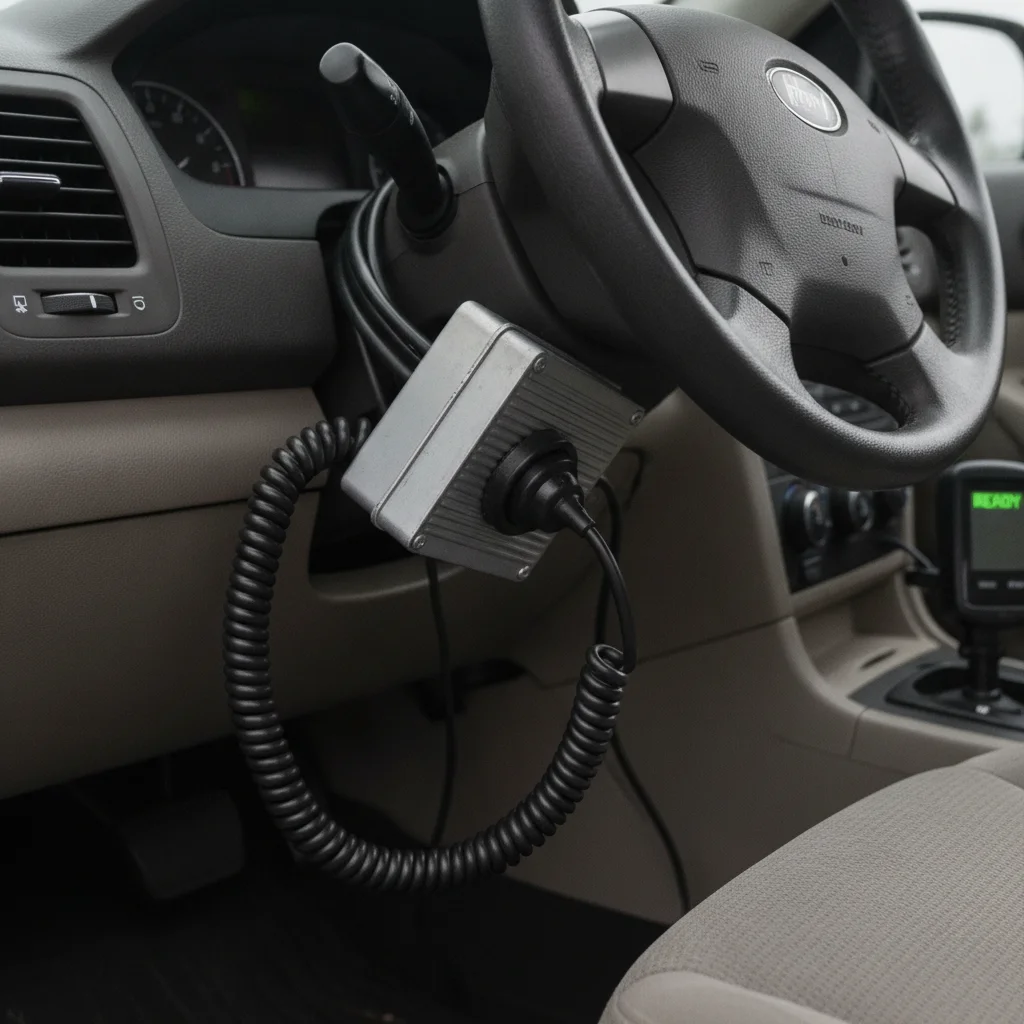
Ignition interlock devices (IIDs) are increasingly mandatory even for first-time offenders in many states. You pay for installation and monthly calibration — typically $70–$150/month — out of pocket.
Insurance Consequences
A DUI or DWI conviction signals high risk to insurers. Expect your premium to increase by 70–100% upon renewal, if your carrier doesn't drop you outright. You'll likely be required to file an SR-22 certificate — proof of financial responsibility — which itself carries a filing fee and typically must be maintained for 3 years. This is worth understanding alongside broader how serious traffic charges affect your license and driving record long-term.
Drug Impairment: A Growing Gray Area
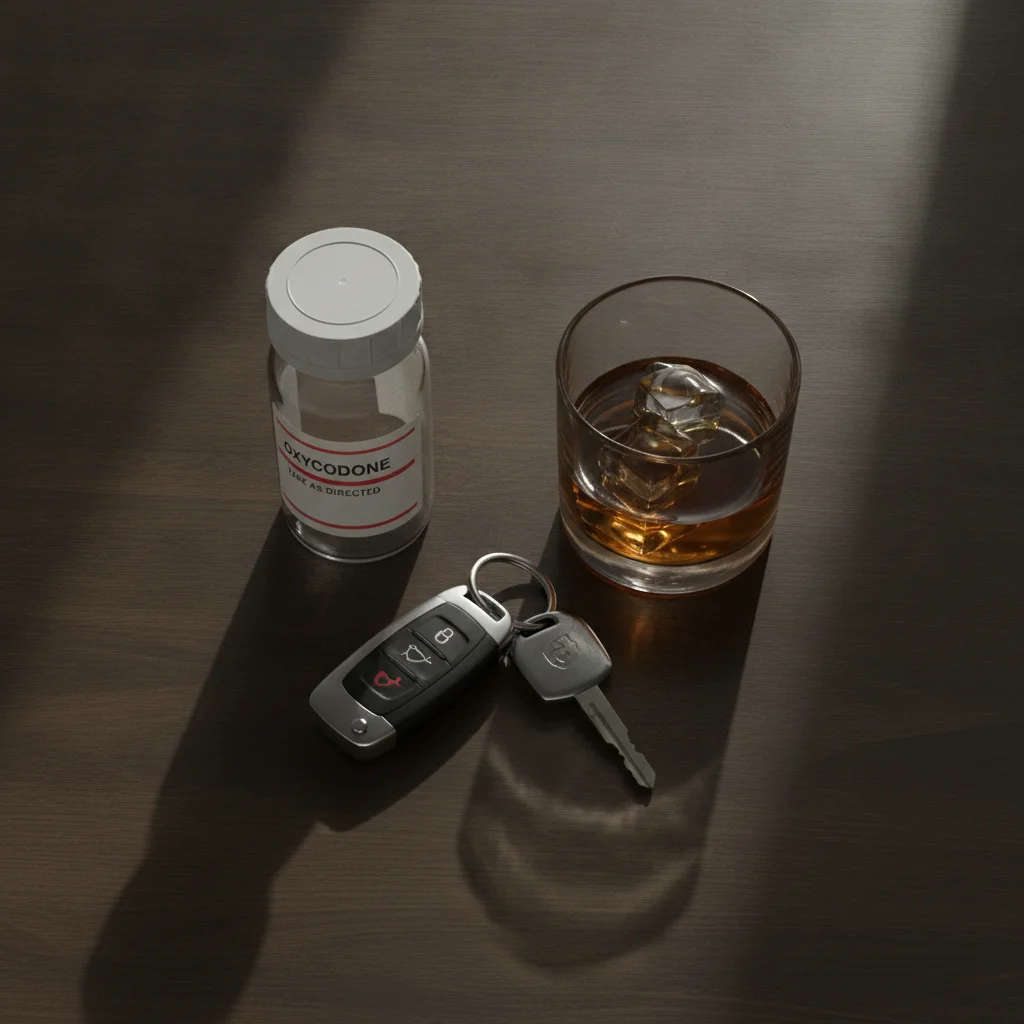
One of the most misunderstood aspects of impaired driving law is that alcohol is not required. A driver can be charged with DUI or DWI with a 0.00% BAC if they're impaired by marijuana, opioids, benzodiazepines, methamphetamines, or even certain over-the-counter medications like antihistamines or sleep aids.
Drug-impaired DUIs are harder to prosecute because there's no universally accepted impairment threshold for most substances the way 0.08% BAC is for alcohol. Some states have per se THC limits (typically 5 nanograms/mL in blood), but the science connecting that number to actual driving impairment is contested. Officers increasingly rely on Drug Recognition Experts (DREs) — specially trained evaluators who conduct extended roadside assessments — to build drug DUI cases.
Prescription drugs don't get you a pass. If your doctor prescribed you Xanax and you were impaired while driving, you can still be charged. The legality of the substance is irrelevant to the impairment charge.
This behavioral, observation-based approach to drug impairment is one reason DUI — as the broader term — tends to be the charge of choice in drug cases, even in states that maintain both DUI and DWI statutes.
For context on how impairment-related crashes compare to other distracted driving incidents, the crash data between distracted and impaired driving is more alarming than most drivers expect.
State-by-State Variation: Why You Can't Assume Anything
The patchwork of state impaired-driving laws is genuinely complex. Here's a quick breakdown of how different states approach the terminology:
- Single-term states (DUI only): California, Florida, Georgia, Illinois, Colorado — DUI is the sole charge for adult impaired driving
- Single-term states (DWI only): New York, New Jersey, Missouri, Minnesota — DWI covers all impaired driving offenses
- Dual-term states: Texas (DWI for adults, DUI for minors), Maryland (DWI as lesser included offense, lower BAC threshold), Arkansas, and a handful of others
- OWI/OUI states: Michigan uses OWI (Operating While Intoxicated); Maine and Massachusetts use OUI (Operating Under the Influence) — same concept, different acronym
The practical implication: if you drive across state lines regularly, you're operating under different legal frameworks depending on where you are. A charge in Maryland carries different plea options than the same arrest in California. Traffic law differences across state lines extend well beyond impaired driving — speed limits, phone use, and right-on-red rules all vary — but impaired driving law has some of the highest-stakes consequences for getting it wrong.
One consistency across all 50 states: commercial drivers face a lower BAC threshold of 0.04%, and drivers under 21 face zero-tolerance laws with limits ranging from 0.00% to 0.02% depending on the state.
Terminology Varies Beyond DUI and DWI
Several states use entirely different acronyms that mean the same thing. Michigan uses OWI (Operating While Intoxicated), while Maine and Massachusetts use OUI (Operating Under the Influence). Wisconsin uses OWI as well. If you're researching your state's laws, search for the specific term used in your jurisdiction — not just 'DUI' — to get the correct statutes and penalty schedules.
Zero-Tolerance Laws Apply Nationwide for Minors
Every U.S. state has a zero-tolerance law for drivers under 21. The permissible BAC threshold for minors ranges from 0.00% to 0.02% depending on the state — effectively meaning any detectable alcohol can trigger a charge. The consequences are separate from adult DUI/DWI statutes and can include driver's license suspension before a driver ever receives their full license.
A DUI Conviction Can Affect More Than Just Driving
Beyond license and insurance consequences, a DUI or DWI conviction becomes part of your criminal record in most states. This can affect employment background checks, professional licensing boards (medical, legal, financial fields), housing applications, and federal financial aid eligibility. In some states, a first offense may be eligible for expungement after completing probation — consult a local attorney about your specific options.
What to Do If You're Stopped or Charged
Regardless of whether the charge is labeled DUI or DWI, the procedural steps you take immediately after a traffic stop or arrest matter significantly.
At the Stop
- You are required to provide your license, registration, and proof of insurance. Do this without argument.
- Field sobriety tests (walk-and-turn, one-leg stand, HGN eye test) are generally not legally required in most states, though refusal may be used against you in court.
- Chemical tests (breath, blood, urine) are a different matter. Most states have implied consent laws — by driving on public roads, you've already consented to testing. Refusal triggers an automatic license suspension, often longer than the one for a failed test.
After Arrest
- Request an attorney before making any statements beyond basic identification.
- Immediately check your state's deadline to request a DMV administrative hearing — typically 7–10 days. Missing this forfeits your right to contest the license suspension separately from the criminal case.
- Document everything you remember: time of last drink, any food consumed, medications taken, how long the stop lasted. This supports your attorney's ability to challenge field sobriety or chemical test results.
The Longer Road
A DUI or DWI doesn't end at sentencing. You may need to complete alcohol education programs, install an IID, serve probation, and maintain SR-22 insurance — all while dealing with the stigma and background check implications. The charge can affect professional licenses in fields like healthcare, law, and commercial driving. Understanding how this interacts with broader aggressive or reckless driving charges is worth reviewing — how courts distinguish aggressive driving from more serious criminal charges gives useful context for what elevates a traffic incident to a criminal one.
Bottom line: the label on the charge — DUI or DWI — matters less than knowing your state's specific statutes, acting quickly on procedural deadlines, and getting qualified legal representation early.
Terminology Varies Beyond DUI and DWI
Several states use entirely different acronyms that mean the same thing. Michigan uses OWI (Operating While Intoxicated), while Maine and Massachusetts use OUI (Operating Under the Influence). Wisconsin uses OWI as well. If you're researching your state's laws, search for the specific term used in your jurisdiction — not just 'DUI' — to get the correct statutes and penalty schedules.
Zero-Tolerance Laws Apply Nationwide for Minors
Every U.S. state has a zero-tolerance law for drivers under 21. The permissible BAC threshold for minors ranges from 0.00% to 0.02% depending on the state — effectively meaning any detectable alcohol can trigger a charge. The consequences are separate from adult DUI/DWI statutes and can include driver's license suspension before a driver ever receives their full license.
A DUI Conviction Can Affect More Than Just Driving
Beyond license and insurance consequences, a DUI or DWI conviction becomes part of your criminal record in most states. This can affect employment background checks, professional licensing boards (medical, legal, financial fields), housing applications, and federal financial aid eligibility. In some states, a first offense may be eligible for expungement after completing probation — consult a local attorney about your specific options.

All claims are backed by peer-reviewed research. Sources on request.