Key Takeaways
Our Verdict
Infractions are manageable with the right response — pay, contest, or take a diversion course. Misdemeanors demand legal counsel and proactive damage control because the criminal record implications are real. Felony traffic charges require immediate, aggressive legal defense; the consequences touch every part of your life, from your license to your livelihood. Understanding which tier you're dealing with is the first step to making the right move.
| Best for | Recommended |
|---|---|
| Drivers dealing with a minor speeding or equipment violation | Infraction response: pay, contest, or take a defensive driving course |
| Drivers charged with reckless driving or a first-offense DUI | Misdemeanor defense: hire a traffic attorney immediately |
| Drivers facing vehicular manslaughter, felony DUI, or hit-and-run charges | Felony defense: retain a criminal defense attorney without delay |
| Drivers concerned about insurance impact across all violation types | Proactive insurance review and violation disclosure before renewal |
Why the Tier of a Traffic Offense Changes Everything
Most drivers think of traffic violations as a spectrum of fines — a parking ticket at one end, a DUI at the other. That mental model is incomplete. The legal system organizes traffic offenses into three formal tiers: infractions, misdemeanors, and felonies. Where your offense lands determines whether you walk away with a fine or walk into a courtroom facing criminal charges.
This distinction matters well beyond the immediate penalty. It affects your driving record, your insurance premiums, your employment prospects, and in the most serious cases, your freedom. Moving violations add points to your record and raise your rates, but the tier of the offense determines how many points, for how long, and whether a criminal record follows you permanently.
Here's the framework every driver should understand before they're standing on the side of the road wondering what just happened.

Infractions: The Bottom Tier — But Not Consequence-Free
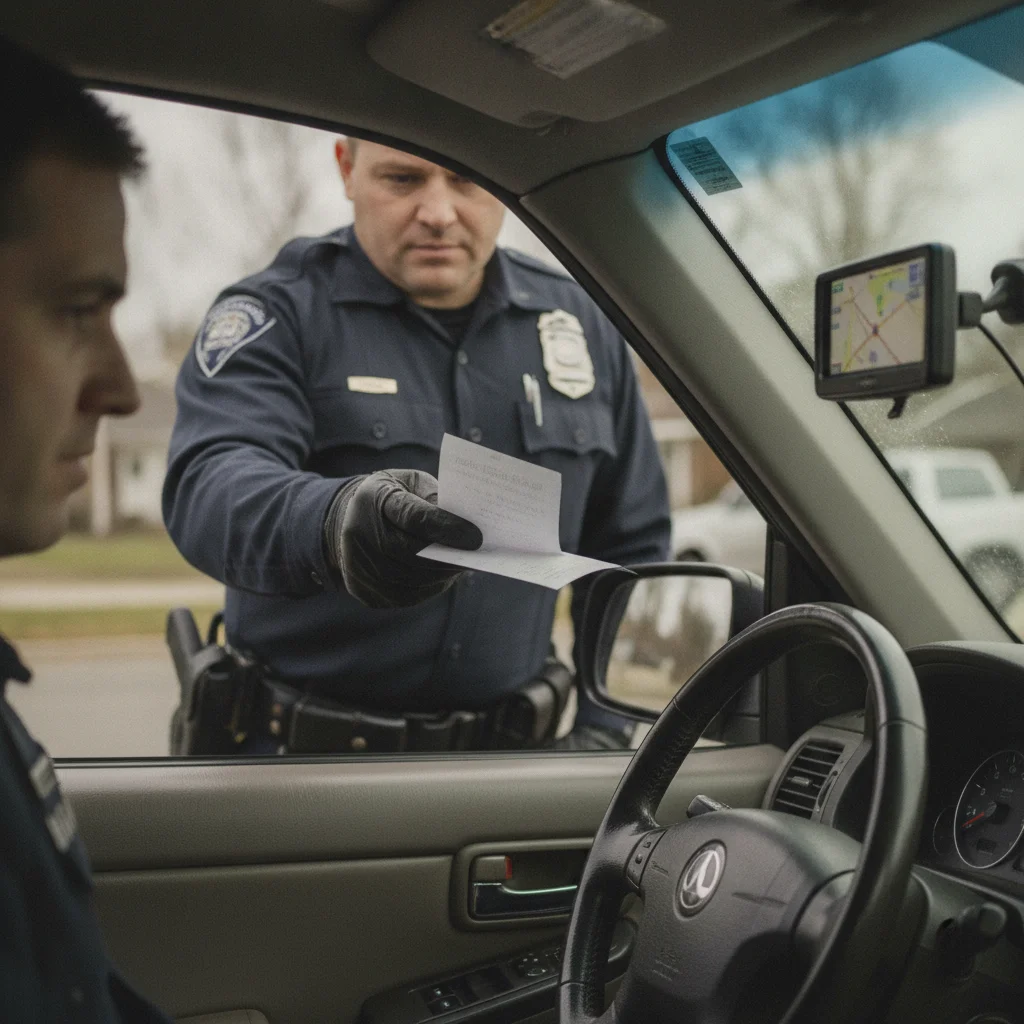
Infractions (sometimes called civil violations or petty violations) are the most common category of traffic offense. They're the territory of speeding 10 mph over the limit, failing to come to a complete stop, an expired registration, or a broken taillight. The defining characteristic: infractions are not criminal offenses. You won't be arrested, you won't face jail time, and you won't receive a criminal record.
Typical Infractions Include:
- Speeding under a certain threshold (varies by state, often 15–25 mph over the limit)
- Failure to yield or stop
- Running a red light (camera-based or officer-issued)
- Illegal lane changes
- Equipment violations (broken lights, expired plates)
- Improper passing
- Seatbelt violations
Penalties for Infractions
The typical consequences involve a fine, points added to your driving record, and a potential insurance rate increase. Fines generally range from $50 to $500 depending on the state and specific offense. You have the right to contest the ticket in traffic court, and many jurisdictions offer a traffic school or defensive driving course option that can mask the points from your record.
Use Defensive Driving Courses Strategically
Many states allow drivers to complete an approved defensive driving or traffic school course to mask infraction points from their driving record. However, this option is typically limited to once every 12 or 18 months. Use it for the violation that carries the most insurance impact — usually a speeding ticket well over the posted limit — rather than a minor equipment fix.
Review Your SR-22 Requirements Proactively
If your state requires an SR-22 filing after a serious violation, contact your insurer immediately. If your current insurer won't file one, you'll need to find a carrier that will. Allowing your coverage to lapse during an SR-22 period triggers an automatic license suspension in most states and resets the clock on your requirement period.
Don't underestimate the compounding effect of infractions. A single speeding ticket might be forgettable, but three in 12 months can trigger a license suspension in most states under point accumulation rules. Even infractions can raise your car insurance rates for three to five years depending on your insurer.
41M+
Speeding tickets issued annually in the U.S.
According to Stanford Open Policing Project data, tens of millions of traffic stops occur each year, with speeding as the most common infraction.
~37%
Traffic fatalities involving alcohol-impaired driving
The NHTSA reported that alcohol-impaired driving accounted for roughly 37% of all U.S. traffic fatalities in recent years, underscoring why DUI charges escalate quickly.
Up to 100%
Insurance premium increase after first DUI
Insurance industry data shows a first DUI conviction can double a driver's annual premium, with some high-risk carriers charging even more.
3–10 years
How long violations stay on your MVR
Depending on the state and offense severity, violations remain visible to insurers and employers on your motor vehicle record for three to ten years or longer.
Misdemeanors: When a Traffic Offense Becomes a Criminal Matter
Cross into misdemeanor territory and the stakes change fundamentally. Misdemeanor traffic offenses are criminal charges. That means you can be arrested, you'll have a court date, and a conviction creates a criminal record. The consequences extend well beyond your driving record — they can affect background checks for employment, housing applications, and professional licensing.
Common Misdemeanor Traffic Offenses
- Reckless driving (typically defined as willful disregard for safety — specific definitions vary by state)
- First-offense DUI or DWI in many states
- Driving on a suspended or revoked license
- Hit-and-run involving only property damage (no injuries)
- Racing on a public road
- Excessive speeding (25–30+ mph over the limit in many states)
- Leaving the scene of an accident (minor cases)
Penalties for Misdemeanors
Misdemeanor penalties vary by state and by whether it's a first offense. You're looking at fines generally ranging from $500 to $5,000, possible jail time (often up to 12 months for a standard misdemeanor, served in county jail rather than state prison), probation, mandatory alcohol or driving programs, and license suspension. Courts distinguish between Class A misdemeanors (more serious) and Class B or Class C misdemeanors (less serious) in states that use this classification system.
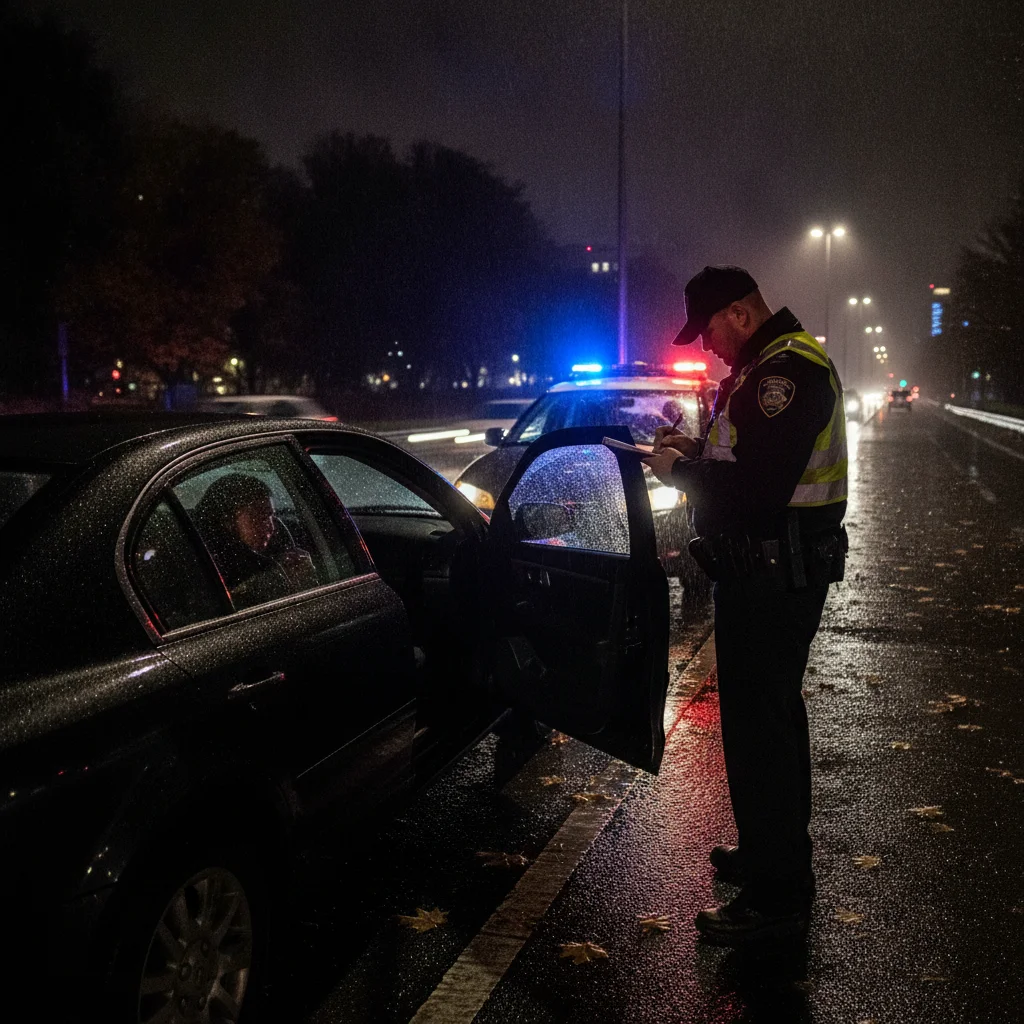
Because a misdemeanor is a criminal proceeding, you have the right to an attorney. If you can't afford one, a public defender will be appointed. That said, given what's on the line, retaining your own traffic or criminal defense attorney is nearly always worth the investment.
Prior Offenses Elevate Everything
A second or third offense in the same category can push your charge up an entire tier. A second DUI is a felony in most states even if the first was a misdemeanor. Repeat reckless driving charges can be elevated to felony status under habitual offender statutes. Your prior record isn't just background context — it's an active factor in how the prosecutor and judge treat your current charge.
Pleading Guilty Too Quickly Can Be Costly
Many drivers assume they should just pay a ticket and move on to avoid the hassle of court. For infractions, this is often defensible. For anything classified as a misdemeanor, paying the fine is equivalent to a guilty plea — and that creates a criminal record. Always consult an attorney before entering any plea on a misdemeanor or felony traffic charge. The short-term convenience of avoiding court rarely outweighs the long-term cost of a criminal conviction on your record.
Traffic laws differ significantly across state lines, and the misdemeanor/felony threshold for the same behavior can vary widely. Reckless driving is a misdemeanor in most states but can escalate based on circumstances — like presence of a minor in the vehicle or a prior record.
Felonies: The Most Serious Tier — Life-Altering Consequences
Felony traffic offenses represent the most serious tier, and the consequences are severe enough to alter the trajectory of your life. Felony convictions mean loss of voting rights (in most states), inability to own firearms, permanent criminal record, and the label of convicted felon on every future job application. On the driving side, expect mandatory long-term or permanent license revocation.
Common Felony Traffic Offenses
- Vehicular manslaughter or homicide (causing death through negligent or reckless driving)
- Felony DUI (typically a second or third offense, or a DUI causing injury or death)
- Hit-and-run involving serious injury or death
- Aggravated reckless driving resulting in serious injury
- Street racing that causes injury or death
- Fleeing police at high speed with endangerment (in many states this is a felony)
- Driving under the influence with a child in the vehicle (felony in many jurisdictions)
Penalties for Felony Traffic Offenses
Prison sentences for traffic-related felonies range from one year (minimum for felony classification in most states) to 15 years or more for vehicular homicide with aggravating factors. Fines can reach $10,000 to $25,000 or more. Beyond incarceration, you may face mandatory ignition interlock requirements upon any eventual license reinstatement, lengthy probation, civil lawsuits from victims, and the permanent reputational damage of a felony record.
If you or someone you know is facing a felony traffic charge, the only appropriate first step is retaining a criminal defense attorney immediately — before speaking to law enforcement without counsel present.

Side-by-Side Comparison: Infractions vs. Misdemeanors vs. Felonies
The table below lays out the key differences across all three tiers so you can quickly orient yourself to what any given offense entails.
| Infractions | Misdemeanors | Felonies | |
|---|---|---|---|
| Criminal classification | Civil/non-criminal | Criminal | Criminal |
| Arrest possible? | No | Yes | Yes |
| Jail or prison time | None | Up to 12 months (county jail) | 1+ years (state prison) |
| Typical fines | $50–$500 | $500–$5,000 | $1,000–$25,000+ |
| Criminal record created? | No | Yes | Yes |
| License impact | Points; possible suspension | Suspension common | Revocation likely |
| Insurance rate impact | 5%–20% increase | 50%–100%+ increase | Policy cancellation or SR-22 |
| Attorney recommended? | Sometimes | Strongly yes | Essential |
| Common examples | Speeding, rolling stop, seatbelt | Reckless driving, first DUI | Vehicular manslaughter, felony DUI |
| MVR visibility period | 3 years (typical) | 5–10 years | 10+ years or permanent |
Note that the ranges shown reflect general nationwide patterns. Your specific state's statutes govern the actual classification and penalties. Always verify with a local attorney or your state's DMV for exact rules.
How Each Tier Hits Your Insurance — and For How Long
Insurance companies treat violation tiers very differently. Underwriters use your motor vehicle record (MVR) and, for serious offenses, criminal background checks to assess risk. Here's the practical breakdown:
Infractions and Insurance
A single minor infraction — say, a 10-mph-over speeding ticket — typically triggers a rate increase of 5% to 20% at renewal, depending on your insurer and prior record. The violation generally stays on your MVR for three years. Taking a defensive driving course may suppress the points and mitigate the insurance impact, depending on your state's rules.
Misdemeanors and Insurance
Reckless driving and DUI misdemeanors are treated far more harshly. A first-offense DUI can raise your annual premium by 50% to 100% or more. Some standard insurers will non-renew your policy outright, forcing you into the high-risk (non-standard) insurance market at significantly higher cost. These offenses typically stay on your MVR for 5 to 10 years depending on the state. Here's a detailed breakdown of how specific violations hit your insurance premium.
Felonies and Insurance
Felony traffic convictions create the most persistent insurance damage. If you're convicted of vehicular manslaughter or a felony DUI, many standard insurers will refuse coverage. You may be required to file an SR-22 (or FR-44 in some states) — a certificate of financial responsibility that mandates your insurer notify the state if your coverage lapses. SR-22 requirements typically last three years but can extend longer. The additional surcharges on a high-risk policy can easily double or triple your previous premium.
Use Defensive Driving Courses Strategically
Many states allow drivers to complete an approved defensive driving or traffic school course to mask infraction points from their driving record. However, this option is typically limited to once every 12 or 18 months. Use it for the violation that carries the most insurance impact — usually a speeding ticket well over the posted limit — rather than a minor equipment fix.
Review Your SR-22 Requirements Proactively
If your state requires an SR-22 filing after a serious violation, contact your insurer immediately. If your current insurer won't file one, you'll need to find a carrier that will. Allowing your coverage to lapse during an SR-22 period triggers an automatic license suspension in most states and resets the clock on your requirement period.
What to Do When You're Charged at Any Tier
Knowing the tier of your charge should immediately shape your response strategy. Here's the practical playbook:
If You Received an Infraction
- Don't just pay it automatically. Paying is an admission of guilt. Consider whether contesting the ticket in court is worthwhile — an attorney or traffic school may produce a better outcome.
- Check your state's traffic school option. Many states allow you to attend a defensive driving course to mask points on your record, but there are limits on how often you can use this option.
- Review your insurance policy to understand how the infraction will be rated at your next renewal. Sometimes shopping for a new insurer after a single minor infraction resets your rating tier.
If You're Charged with a Misdemeanor
- Hire a traffic or criminal defense attorney before your court date. A skilled attorney can often negotiate a reduction to a lesser charge or secure a deferred adjudication that keeps your record clean.
- Don't discuss the incident on social media. Anything you post can and will be used against you.
- Notify your insurance agent only if and when required (typically after a conviction, not a charge). Premature disclosure can trigger a non-renewal.
If You're Facing a Felony Charge
- Retain a criminal defense attorney immediately. This is not optional. The stakes — prison, permanent record, license revocation — demand professional legal representation.
- Exercise your right to remain silent. Do not answer questions from law enforcement without your attorney present.
- Prepare for insurance consequences. Your current insurer may be notified through your MVR update. Start researching high-risk insurance options and SR-22 requirements in your state.

Regardless of the tier, understanding how violations affect your driving record is critical to minimizing the long-term damage to both your license and your wallet.
Prior Offenses Elevate Everything
A second or third offense in the same category can push your charge up an entire tier. A second DUI is a felony in most states even if the first was a misdemeanor. Repeat reckless driving charges can be elevated to felony status under habitual offender statutes. Your prior record isn't just background context — it's an active factor in how the prosecutor and judge treat your current charge.
Pleading Guilty Too Quickly Can Be Costly
Many drivers assume they should just pay a ticket and move on to avoid the hassle of court. For infractions, this is often defensible. For anything classified as a misdemeanor, paying the fine is equivalent to a guilty plea — and that creates a criminal record. Always consult an attorney before entering any plea on a misdemeanor or felony traffic charge. The short-term convenience of avoiding court rarely outweighs the long-term cost of a criminal conviction on your record.
State Variations and Edge Cases You Should Know
One of the most dangerous assumptions drivers make is that the rules are uniform nationwide. They aren't. The same behavior can land in different tiers depending on which state you're in when it happens.
Key State Variation Examples
- Reckless driving: In Virginia, reckless driving is a Class 1 misdemeanor that carries up to 12 months in jail and a $2,500 fine — and it includes simply driving over 80 mph regardless of road conditions. In many other states, a speed of 80 mph on a 70-mph highway is an infraction.
- DUI thresholds: BAC limits are uniformly 0.08% for standard drivers nationwide, but the DUI classification (misdemeanor vs. felony) on a first offense varies. Some states treat a first DUI with a very high BAC or with a child passenger as an automatic felony.
- Excessive speeding: Some states classify driving 30 mph or more over the posted limit as a criminal misdemeanor; others treat it as an enhanced infraction with higher fines.
- Leaving the scene: Hit-and-run involving only property damage is a misdemeanor in most states, but several states classify any hit-and-run as a felony regardless of damage level.
Before a road trip, review the traffic laws specific to the states you'll be passing through. Ignorance of state law is not a legal defense, and a behavior you consider routine at home may carry criminal charges three states over.

All claims are backed by peer-reviewed research. Sources on request.