Key Takeaways
Move Over Law
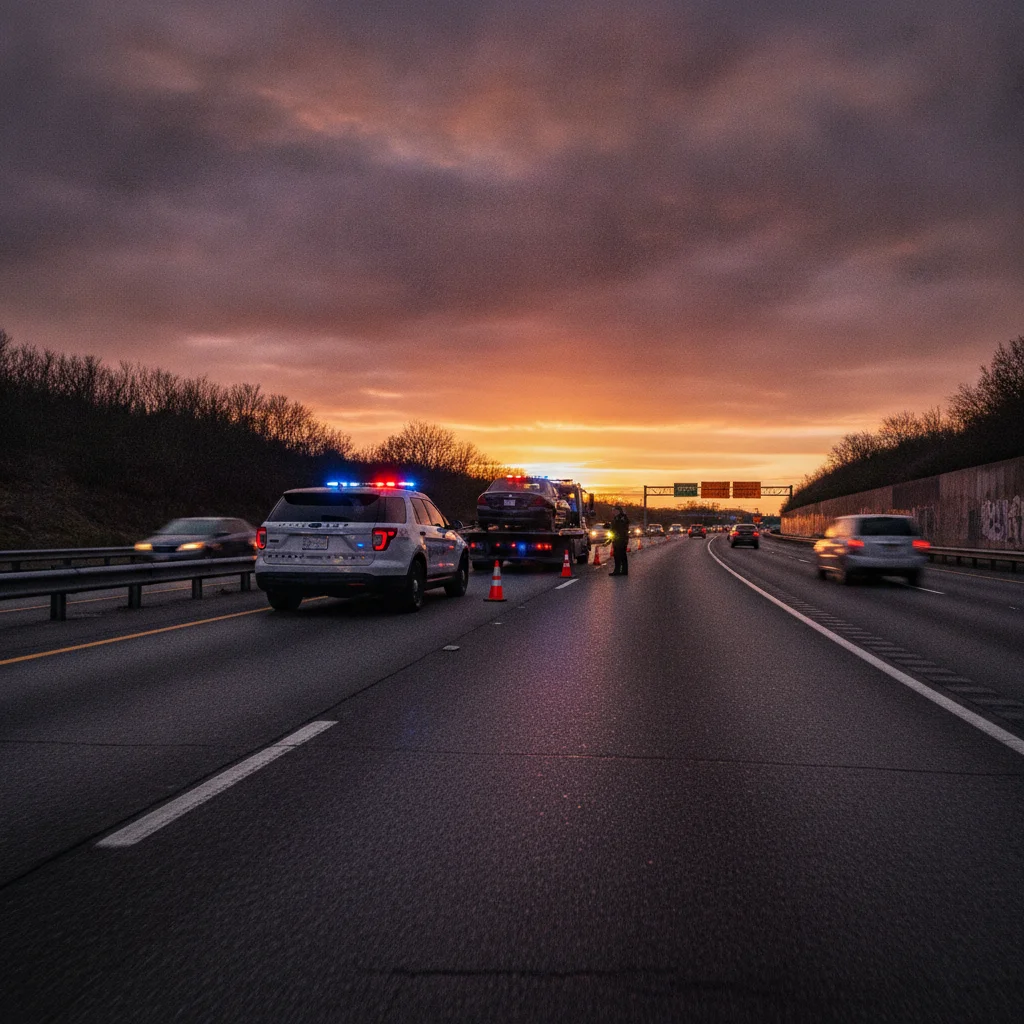
A Move Over law is a traffic regulation that requires drivers to either change lanes away from — or slow down significantly near — emergency vehicles, law enforcement, tow trucks, and roadside service workers stopped on the side of the road with their lights activated. Every U.S. state has enacted some version of this law. The goal is simple: protect people who are already in a vulnerable position on the roadside from being struck by passing traffic.
The specific vehicle types covered, required speed reductions, and penalties vary by state. Some states extend protections to utility workers, sanitation vehicles, and highway maintenance crews in addition to traditional emergency responders.
Why Most Drivers Have Never Actually Read This Law
Here's a pattern that plays out constantly: a driver gets pulled over and issued a citation for failing to move over for a stopped patrol car on the shoulder. Their first reaction is genuine surprise. They'd never heard of a Move Over law. The ticket feels arbitrary.
It isn't arbitrary. Every single state in the U.S. has enacted a Move Over law, and most of them have been on the books for over a decade. The reason drivers don't know about them is simple — they weren't covered in most driver's education curricula until relatively recently, and they rarely make headlines until someone gets hurt.
Roadside deaths among emergency responders, tow truck operators, and highway workers are not rare. The Federal Highway Administration reports that being struck by a vehicle is one of the leading causes of on-duty deaths for law enforcement officers. Move Over laws exist to change driver behavior before impact, not after.
This article breaks down exactly what the law requires, who it protects, what the consequences are for ignoring it, and the practical steps you should take every time you approach a stopped vehicle with flashing lights. See our overview of U.S. traffic laws every driver should know for broader context on regulations that routinely catch drivers off guard.
What the Law Actually Requires
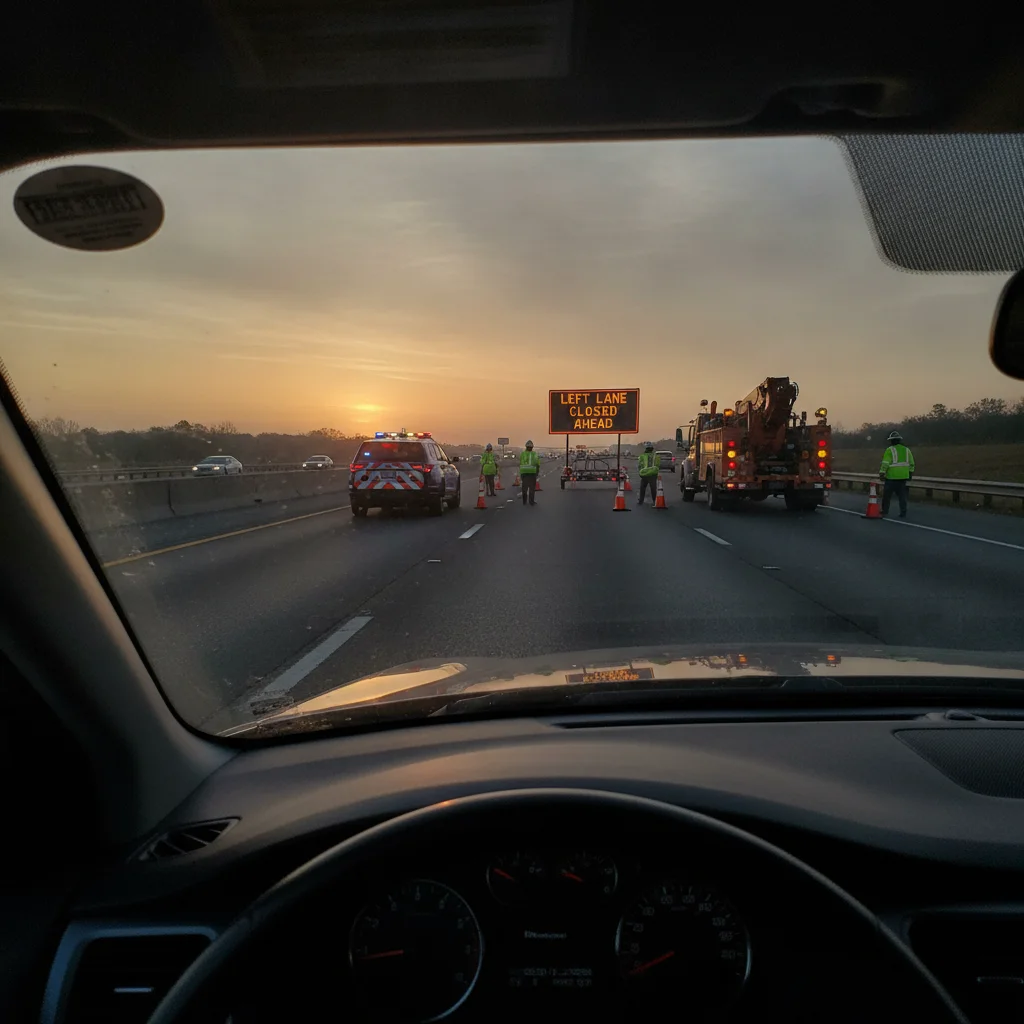
The core requirement of a Move Over law is straightforward: when you approach a stopped emergency or authorized service vehicle that has its lights activated on the shoulder or side of the road, you must either:
- Move over one full lane away from the stopped vehicle, if it's safe to do so, OR
- Reduce your speed to a safe level — typically significantly below the posted speed limit — if changing lanes is not safely possible.
That "or" matters. The law doesn't require you to change lanes when doing so would be dangerous. It requires a meaningful response — either lane change or speed reduction — every time.
Move Over Laws Vary Significantly by State
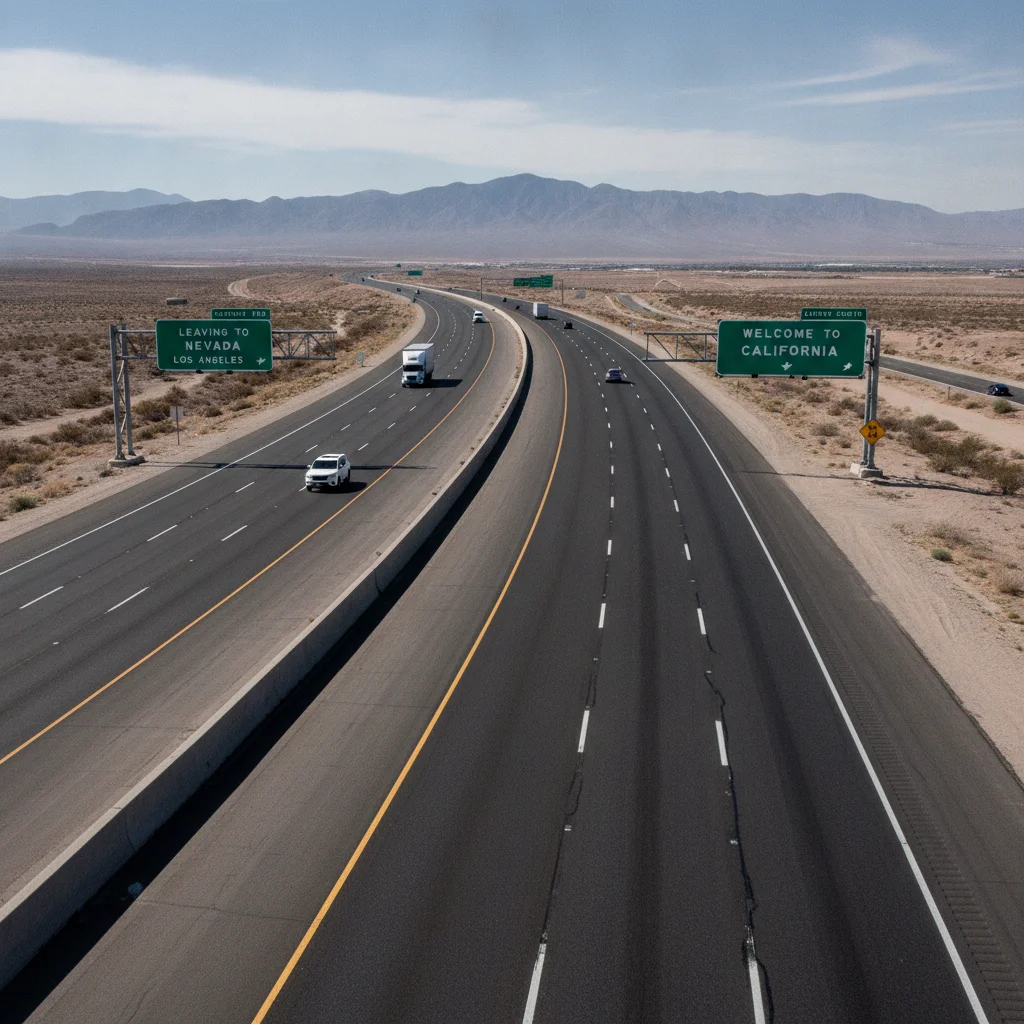
While all 50 states have a Move Over law, the details differ. Some states require slowing to a specific speed (e.g., 25 mph or 20 mph below the posted limit), while others mandate a safe and reasonable speed reduction without specifying a number. The list of covered vehicles also varies — tow trucks are covered in most but not all states. Always check the rules for the specific state you're driving in.
Insurance Impact Depends on Your Insurer
Not every insurer treats traffic violations identically. Some will increase your rate after a single moving violation; others apply surcharges only after two or more within a three-year window. If you receive a Move Over citation, contact your insurer before your renewal date to understand the impact — and consider shopping for competing quotes if the increase is significant.
Activated Lights Are the Legal Trigger
Most Move Over laws are specifically triggered when the stopped vehicle has its emergency or warning lights activated. A vehicle parked on the shoulder without lights may not invoke the law in some states — though slowing down and moving over is always the safer practice regardless of legal obligation. When lights are on, the legal requirement is unambiguous.
The specific speed thresholds vary by state. Some states mandate slowing to 20 mph below the posted limit. Others simply say "a safe speed for the conditions." A handful of states specify a hard cap, such as 25 mph, regardless of posted limits. When you're driving in an unfamiliar state, it's worth knowing the local rule. Our guide on traffic law differences across state lines covers key variations that matter before a road trip.
Default to Both: Move Over AND Slow Down
The law requires one or the other, but the safest practice is to do both — change lanes away from the stopped vehicle and reduce your speed as you pass. This gives roadside workers the maximum buffer and minimizes your risk of a citation even if a lane change wasn't clearly safe. Think of it as a two-step default, not an either/or choice.
Check Your State's Specific Coverage
Not all states cover the same vehicles, and the speed reduction requirements differ. Before a long drive or road trip through multiple states, spend two minutes looking up the Move Over laws for the states on your route. State DMV websites and the American Automobile Association (AAA) maintain current summaries. This is especially relevant when driving through states where utility or sanitation vehicles may or may not be covered.
A Move Over Citation Is a Moving Violation
Don't treat a Move Over ticket like a parking ticket — it's a moving violation that goes on your driving record. If you receive a citation, check whether your state allows traffic school or a defensive driving course to prevent points from being added. This is often available for first-time offenders and can protect your insurance rate from a significant increase.
The most common mistake drivers make is treating the Move Over law like a suggestion — they slow slightly but stay in the same lane without meaningfully reducing speed. That behavior doesn't satisfy the law and doesn't meaningfully protect workers on the shoulder.
Who's Protected: It's More Than Just Police
When Move Over laws were first enacted in the late 1990s and early 2000s, most were written specifically to protect law enforcement officers. South Carolina passed the first U.S. Move Over law in 1996 after a highway patrol officer was struck and killed on the side of a road.
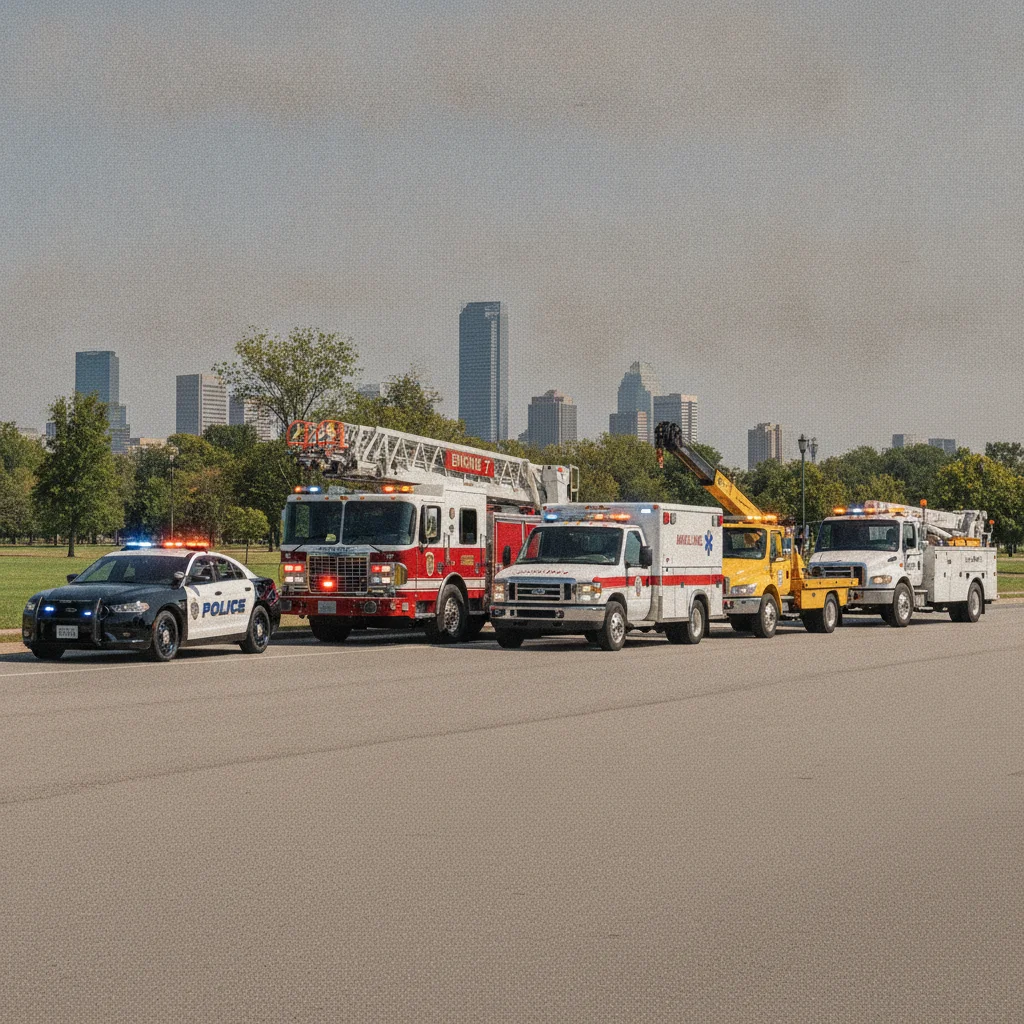
Since then, almost every state has expanded the list of protected vehicles well beyond police cruisers. Here's who's typically covered under modern Move Over statutes:
- Law enforcement vehicles (police, highway patrol, sheriff's deputies)
- Fire trucks and fire department vehicles
- Ambulances and EMS vehicles
- Tow trucks (now covered in most states)
- Highway maintenance and road construction vehicles
- Utility service trucks (in several states)
- Sanitation vehicles (in select states)
- Department of Transportation vehicles
The addition of tow trucks is particularly important. Tow truck operators have one of the most dangerous roadside jobs in the country — they're frequently working in live traffic lanes to recover disabled vehicles. Their fatality rates are high precisely because many drivers didn't know or didn't apply the Move Over obligation to commercial assistance vehicles.

50
States with an active Move Over law
All 50 U.S. states have enacted some form of Move Over legislation, though coverage, vehicle types, and penalties vary significantly by state.
~23%
Of law enforcement fatalities from vehicle strikes
According to the National Law Enforcement Officers Memorial Fund, being struck by vehicles on the roadside is consistently among the top causes of on-duty law enforcement deaths each year.
$10,000+
Maximum fine in some states for violations causing injury
States including Florida and Georgia have enacted enhanced penalties for Move Over violations that result in injury or death to a roadside worker.
1996
Year the first U.S. Move Over law was enacted
South Carolina passed the nation's first Move Over law in 1996 after a highway patrol officer was struck and killed while assisting at a roadside accident.
3–5 years
How long a violation stays on your driving record
Most states retain moving violation points on your record for three to five years, during which time they can affect your insurance premiums at each renewal.
For a deeper look at what drivers are expected to do when emergency vehicles are actively moving — not just stopped — see traffic laws surrounding emergency vehicles.
The Penalty Range: From Fines to Felonies
The financial and legal consequences of a Move Over violation are serious enough to change driver behavior — if drivers actually knew about them. Here's the realistic range of what can happen:
| Violation Type | Typical Penalty |
|---|---|
| Basic first-offense citation | $100–$500 fine + court costs |
| Violation resulting in property damage | Up to $2,000+ fine; possible license suspension |
| Violation causing injury to a worker | Misdemeanor charge; fines up to $10,000 in some states |
| Violation causing death | Felony charge in multiple states |
Beyond the fine, most Move Over citations carry points that go on your driving record. Points affect your insurance premiums — often for three to five years. If you're already carrying points from another violation, a Move Over citation could push you into a tier where your insurer reclassifies you as a higher-risk driver or non-renews your policy altogether.
“Every year, we lose officers and firefighters not because of the emergencies they're responding to, but because a driver didn't move over. These aren't freak accidents — they're predictable, preventable tragedies that a simple lane change could stop.”
— Jonathan Adkins, CEO, Governors Highway Safety Association
It's also worth noting that law enforcement officers have little discretion when they witness a Move Over violation — in most states, it's a mandatory citation. Unlike a warning for a minor speeding infraction, officers who see drivers fail to move over are expected to enforce it.
Default to Both: Move Over AND Slow Down
The law requires one or the other, but the safest practice is to do both — change lanes away from the stopped vehicle and reduce your speed as you pass. This gives roadside workers the maximum buffer and minimizes your risk of a citation even if a lane change wasn't clearly safe. Think of it as a two-step default, not an either/or choice.
Check Your State's Specific Coverage
Not all states cover the same vehicles, and the speed reduction requirements differ. Before a long drive or road trip through multiple states, spend two minutes looking up the Move Over laws for the states on your route. State DMV websites and the American Automobile Association (AAA) maintain current summaries. This is especially relevant when driving through states where utility or sanitation vehicles may or may not be covered.
A Move Over Citation Is a Moving Violation
Don't treat a Move Over ticket like a parking ticket — it's a moving violation that goes on your driving record. If you receive a citation, check whether your state allows traffic school or a defensive driving course to prevent points from being added. This is often available for first-time offenders and can protect your insurance rate from a significant increase.
Common Misunderstandings That Lead to Citations
Even drivers who've heard of Move Over laws often misapply them. These are the most frequent misunderstandings:
"I slowed down, so I was fine."
Slowing slightly isn't the same as slowing to a safe speed. If you reduced from 70 mph to 65 mph while passing a tow truck on the shoulder, that's unlikely to satisfy the law. Meaningful speed reduction means the person on that shoulder isn't in genuine danger from your passing speed.
"It only applies on the highway."
Wrong. Move Over laws apply on all public roads in most states — city streets, county roads, and surface streets included. If there's a stopped police vehicle with lights on in front of a suburban intersection, the law applies.
"The lights weren't on, so I didn't have to."
This one is actually partially correct — most Move Over laws are triggered by activated emergency or hazard lights. But if emergency personnel are visibly present and the scene is clearly active, treating it as an excuse to pass at full speed is both legally risky and dangerous.
"I couldn't move over safely, so I wasn't required to do anything."
Not accurate. If you can't safely move over, the law requires you to slow down significantly. The inability to change lanes doesn't eliminate the obligation — it shifts it to the speed-reduction alternative.
Move Over Laws Vary Significantly by State
While all 50 states have a Move Over law, the details differ. Some states require slowing to a specific speed (e.g., 25 mph or 20 mph below the posted limit), while others mandate a safe and reasonable speed reduction without specifying a number. The list of covered vehicles also varies — tow trucks are covered in most but not all states. Always check the rules for the specific state you're driving in.
Insurance Impact Depends on Your Insurer
Not every insurer treats traffic violations identically. Some will increase your rate after a single moving violation; others apply surcharges only after two or more within a three-year window. If you receive a Move Over citation, contact your insurer before your renewal date to understand the impact — and consider shopping for competing quotes if the increase is significant.
Activated Lights Are the Legal Trigger
Most Move Over laws are specifically triggered when the stopped vehicle has its emergency or warning lights activated. A vehicle parked on the shoulder without lights may not invoke the law in some states — though slowing down and moving over is always the safer practice regardless of legal obligation. When lights are on, the legal requirement is unambiguous.
What to Actually Do When You See Flashing Lights Ahead
Actionable steps matter more than legal theory when you're approaching a scene at highway speed. Here's the practical sequence:
- Identify the situation early. Train yourself to scan ahead. Flashing lights — any color — on the shoulder mean you need to start planning your response with enough distance to execute it safely.
- Check your mirrors and blind spots. Before changing lanes, confirm the adjacent lane is clear. A panicked, unchecked lane change is a hazard in itself.
- Signal and move over. If it's safe, move one full lane away from the shoulder. On a two-lane road, this may not be possible without crossing into oncoming traffic — don't do that. Slow down instead.
- Reduce speed meaningfully. Whether or not you've changed lanes, reduce your speed. A good default: drop at least 15–20 mph below the posted limit as you pass the scene.
- Don't rubberneck. Keeping your eyes on the scene rather than the road ahead is how secondary accidents happen. Pass carefully, then redirect attention forward.
- Resume normal speed gradually. Once you've fully cleared the stopped vehicle and any personnel, gradually return to the flow of traffic.
This process becomes instinctive with practice. The failure mode is always the same: drivers spot lights late, don't have enough distance to respond thoughtfully, and either lane-change dangerously or pass too fast without slowing.

Speed-related obligations in special zones — including work zones where crews face similar dangers — follow comparable logic. Our breakdown of school zone and work zone speed laws explains how and why rules are stricter in those environments.
How Move Over Violations Affect Your Insurance
A traffic citation doesn't stay in the courtroom — it follows you to your insurance renewal. Here's how the chain works:
When you receive a Move Over citation, most states add points to your driving record. Points are reported to your state's DMV and become visible to insurers when they pull your motor vehicle report — which they do at every renewal, and sometimes mid-term if your policy allows it.
Insurers use driving records as one of the primary inputs in their risk models. A single moving violation typically results in a rate increase of 5–20% at renewal, depending on the insurer, your state, and your prior record. That increase often persists for three to five years before dropping off.
If the Move Over violation resulted in an accident — for instance, you sideswiped a car while failing to change lanes, or you struck a worker — the impact on your rates is significantly more severe. An at-fault accident with an accompanying traffic violation is a red flag for insurers, and some may choose not to renew your policy at all.
Move Over Laws Vary Significantly by State
While all 50 states have a Move Over law, the details differ. Some states require slowing to a specific speed (e.g., 25 mph or 20 mph below the posted limit), while others mandate a safe and reasonable speed reduction without specifying a number. The list of covered vehicles also varies — tow trucks are covered in most but not all states. Always check the rules for the specific state you're driving in.
Insurance Impact Depends on Your Insurer
Not every insurer treats traffic violations identically. Some will increase your rate after a single moving violation; others apply surcharges only after two or more within a three-year window. If you receive a Move Over citation, contact your insurer before your renewal date to understand the impact — and consider shopping for competing quotes if the increase is significant.
Activated Lights Are the Legal Trigger
Most Move Over laws are specifically triggered when the stopped vehicle has its emergency or warning lights activated. A vehicle parked on the shoulder without lights may not invoke the law in some states — though slowing down and moving over is always the safer practice regardless of legal obligation. When lights are on, the legal requirement is unambiguous.
The practical takeaway: a $250 Move Over fine is rarely just $250. Add court costs, a potential defensive driving course requirement, and three years of elevated insurance premiums, and the real cost of a single violation can easily reach four figures.
The Bigger Picture: Why This Law Matters
Move Over laws aren't government overreach. They're a response to a documented, preventable pattern of deaths among people doing their jobs on the roadside.
According to the National Highway Traffic Safety Administration and various law enforcement advocacy organizations, hundreds of emergency responders and road workers are killed annually in the U.S. by passing vehicles — many in incidents where a driver's speed or inattention was the primary factor. Tow truck operators consistently rank among the most at-risk workers in the country.
The law puts a concrete obligation on drivers that matches the real stakes of the situation. When someone is standing on the shoulder of an interstate with trucks passing at 70 mph, the margin for error is almost zero. A driver who moves over or slows down meaningfully gives that person a fighting chance. A driver who doesn't — because they didn't know the law, or assumed it didn't apply to them — removes that margin entirely.
Understanding Move Over laws is part of understanding your full obligations as a driver. Alongside right-of-way rules, crosswalk requirements, and emergency vehicle protocols, Move Over compliance is one of those legal duties that most drivers only discover they had after something goes wrong. Don't wait for that moment. Know the rule now.
For a broader grounding in the traffic regulations that most commonly catch drivers off guard, see U.S. traffic laws every driver should actually know. And if you want to understand your obligations to pedestrians — another area where legal duties are routinely misunderstood — our article on pedestrian and crosswalk laws covers that ground thoroughly.

All claims are backed by peer-reviewed research. Sources on request.