Key Takeaways
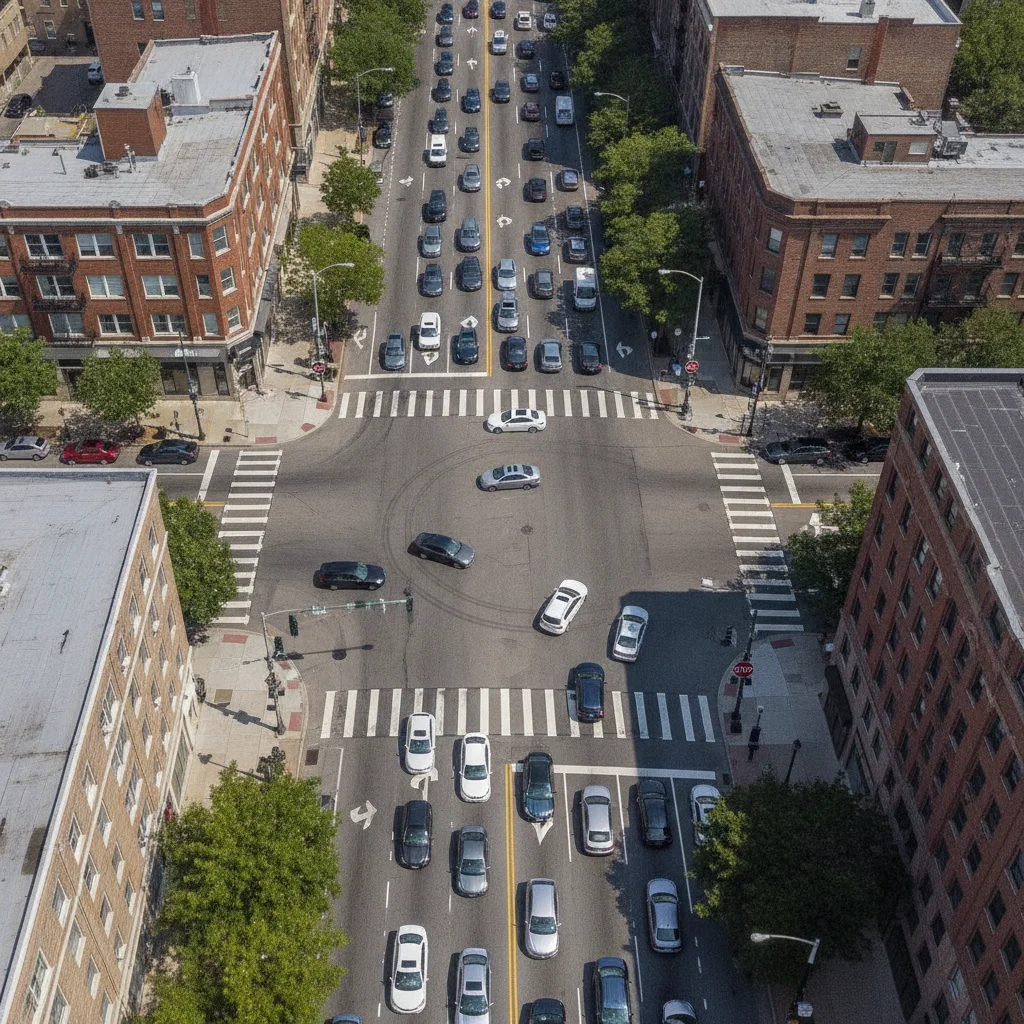
At a four-way stop, don't just look at who arrived when — watch where other drivers' wheels are pointing. A vehicle angled slightly to the left signals intent to turn, which changes the interaction and who should yield.
Body language cues from other vehicles often reveal intent before a turn signal is activated, giving you a fraction more reaction time to avoid ambiguous situations that create accidents.
When in doubt at an unmarked crosswalk, treat any pedestrian at or near the curb as if they intend to cross. Stopping costs you three seconds; a violation costs you several hundred dollars and can affect your insurance for years.
In most states, pedestrians at the edge of a curb have established their intent to cross and triggering right-of-way obligations, but proving 'intent' after the fact is a legal gray area — stopping eliminates the ambiguity entirely.
Why Most Drivers Don't Know the Laws as Well as They Think
Most licensed drivers in the U.S. passed their written knowledge test decades ago. Since then, traffic laws have changed, state legislatures have added new statutes, and enforcement priorities have shifted dramatically. The average driver operates under a patchwork of assumptions, half-remembered rules, and local habits — not the actual legal code.
That gap matters. Traffic fines in many states now start above $200 for first-time moving violations, and certain offenses — like improper lane changes or running a yield sign — can generate a point against your license even when no accident occurred. Accumulate enough points and you face suspension. Beyond the DMV consequences, your insurer is watching too, and a single violation can reset your rates for three to five years.
This guide doesn't rehash every law in every state's vehicle code. Instead, it focuses on the rules that are most commonly misunderstood, most actively enforced, and most likely to cost you money if you get them wrong. Read it as a refresher — not a substitute for your state's official driver handbook.
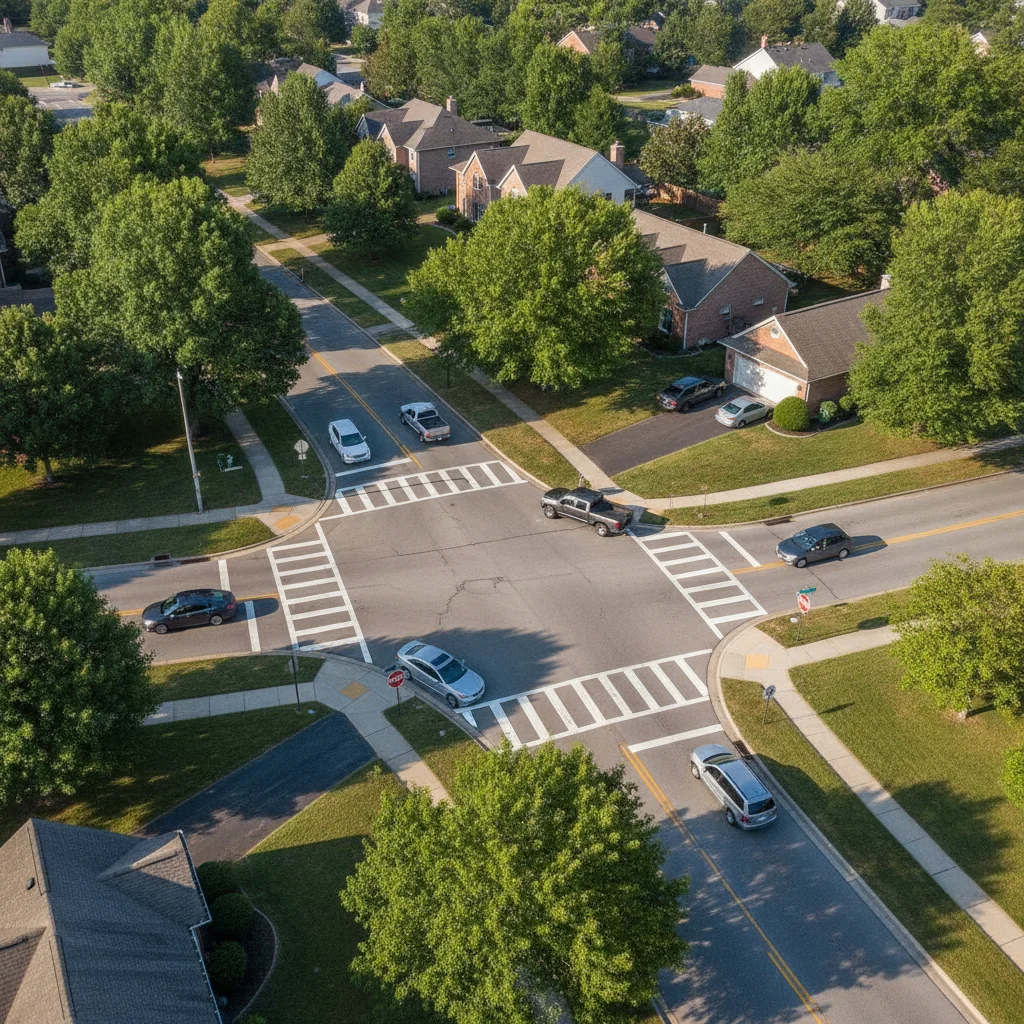
For context on how these violations ripple into your premiums, the most frequently enforced misunderstood traffic laws are worth reviewing alongside this guide.
Right-of-Way: The Rule That Causes the Most Confusion
Right-of-way is not a legal entitlement. It's a crash-prevention protocol — a system for establishing which vehicle moves first when paths could intersect. Treating it as a privilege rather than a responsibility is where most drivers go wrong.
Four-Way Stops
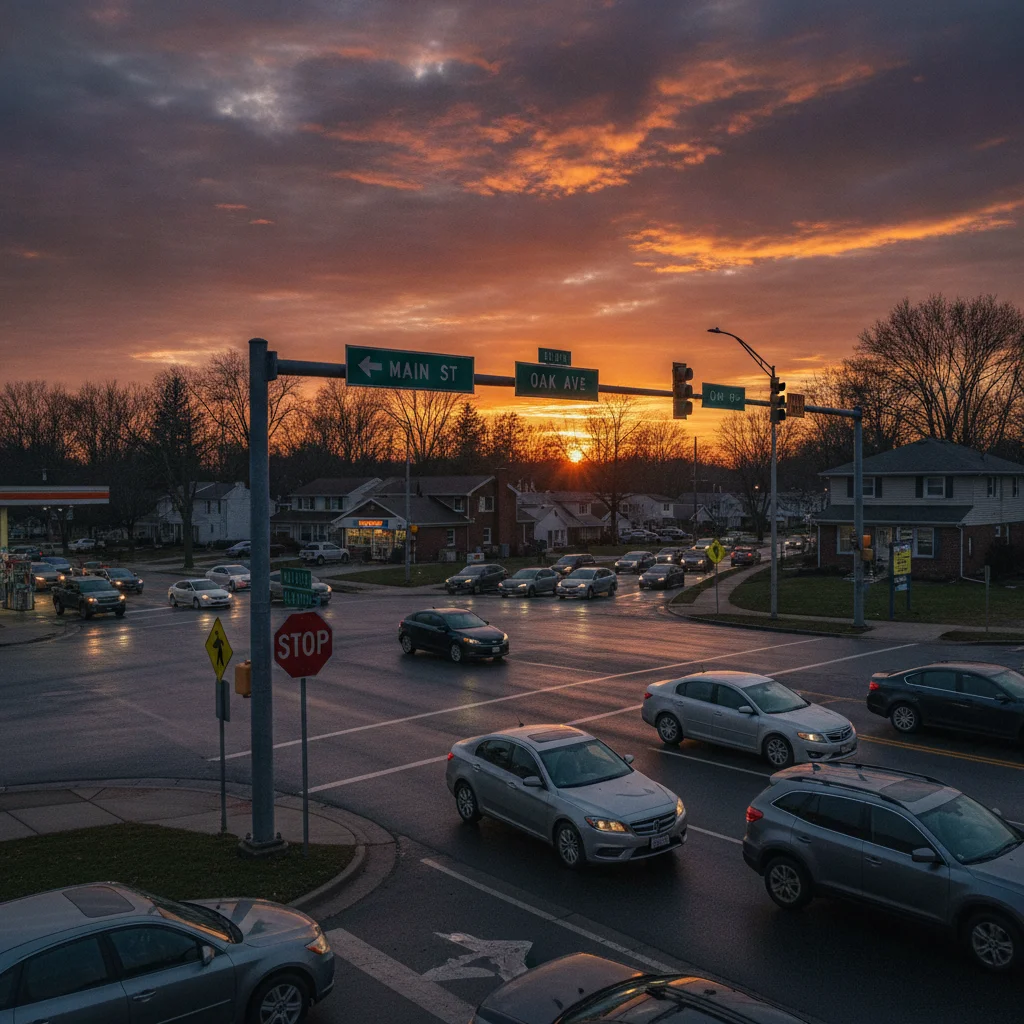
At an all-way stop, the first vehicle to arrive and come to a complete stop has the right-of-way. If two vehicles arrive simultaneously, the one on the right goes first. If they're directly across from each other and both going straight, both may proceed simultaneously. Problems arise when drivers are unclear on arrival order — in those cases, eye contact and hand signals resolve the ambiguity, but the legal obligation remains.
Uncontrolled Intersections
An intersection with no signs or signals isn't a free-for-all. In most states, the driver on the left must yield to the driver on the right. Many drivers don't know this rule applies and simply defer to whoever seems more aggressive.
Turning Left
A vehicle turning left must yield to all oncoming traffic and to pedestrians crossing in the crosswalk. This applies even when you have a green light — a green doesn't grant right-of-way over oncoming vehicles. A green arrow does.
At a four-way stop, don't just look at who arrived when — watch where other drivers' wheels are pointing. A vehicle angled slightly to the left signals intent to turn, which changes the interaction and who should yield.
Body language cues from other vehicles often reveal intent before a turn signal is activated, giving you a fraction more reaction time to avoid ambiguous situations that create accidents.
When in doubt at an unmarked crosswalk, treat any pedestrian at or near the curb as if they intend to cross. Stopping costs you three seconds; a violation costs you several hundred dollars and can affect your insurance for years.
In most states, pedestrians at the edge of a curb have established their intent to cross and triggering right-of-way obligations, but proving 'intent' after the fact is a legal gray area — stopping eliminates the ambiguity entirely.
For a deeper breakdown of these scenarios, see our guide on right-of-way rules most drivers misread at intersections, and for a plain-English explanation of what right-of-way actually means in practice, visit what right-of-way actually means.
Yield Signs Are Not Optional Slow-Downs
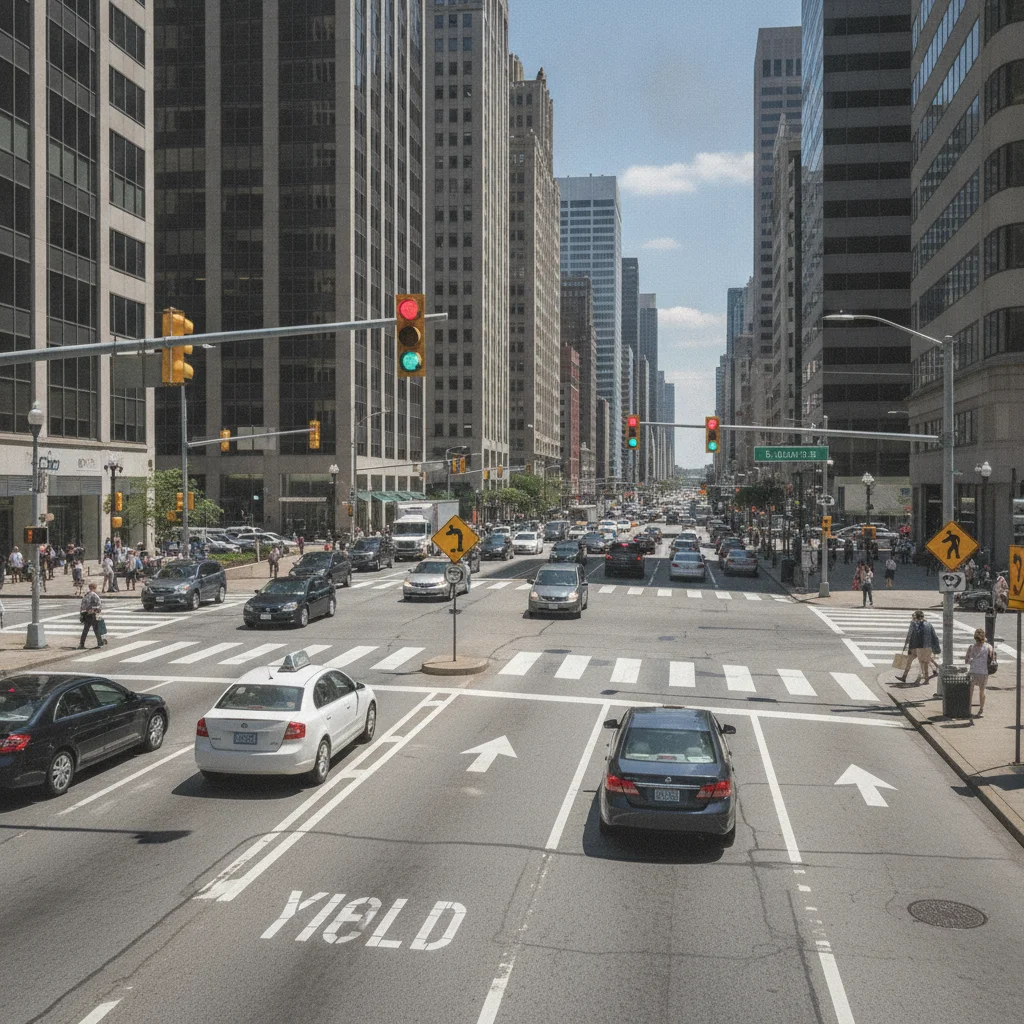
A yield sign legally requires you to be prepared to stop and give way to traffic on the intersecting road. Simply slowing to 10 mph while rolling through is a violation in most jurisdictions and has the same legal weight as running a stop sign if it results in a collision. Officers frequently cite drivers after T-bone crashes at yield-controlled intersections even when the cited driver claims they 'looked both ways.'
Left-Turn Green Doesn't Mean Protected
A solid green signal does not grant protected left-turn movement. You must still yield to all oncoming traffic before turning. Only a green arrow specifically signals a protected turn. Confusing these two is a leading cause of intersection collisions, and the turning driver is almost always found at fault.
Speed Limits, Safe Speed, and What 'Basic Speed Law' Means
Most drivers understand posted speed limits. Fewer understand that virtually every state also has a Basic Speed Law: you must drive at a speed that is safe for current conditions, regardless of what the posted limit says. Driving 55 mph in a 55 mph zone during a whiteout blizzard can still be a violation.
Types of Speed Limits
- Absolute limits: Driving even 1 mph over is a violation. California uses this system.
- Prima facie limits: The posted limit creates a presumption of safe speed, but a driver can argue they were driving safely even above the limit. Only a handful of states retain this approach.
- Minimum speed limits: Driving too slowly on a highway — typically 15+ mph below the flow of traffic — is a violation in most states and creates genuine safety hazards.
School Zones and Work Zones
Speed limits in school zones are typically 15–25 mph and are often only in effect during specific hours. Work zone limits apply any time workers are present, and fines in active work zones are doubled in most states — sometimes even tripled. Automated speed cameras are increasingly deployed in both zone types, meaning enforcement doesn't depend on an officer being present.
42,795
Traffic fatalities in the U.S. in 2022
According to NHTSA data, this represents a 16-year high, with speed and distraction as leading contributing factors.
30+
States requiring hands-free device use
The Governors Highway Safety Association reported in 2024 that more than 30 states now mandate fully hands-free mobile device operation while driving.
$450
Average additional insurance cost after one speeding ticket
Based on industry aggregated data, a single speeding citation (15 mph over) adds an estimated $150/year to premiums for approximately three years.
21+
States with active left-lane enforcement laws
According to the National Conference of State Legislatures, these states specifically prohibit slow driving in the left lane that impedes traffic flow.
The takeaway: speed limit compliance is not just about the number on the sign. Conditions, zones, and your own vehicle's capabilities all factor into whether your speed is legally defensible.
Distracted Driving Laws by State
As of 2024, 48 states plus D.C. ban texting while driving. More importantly, over 30 states now require hands-free operation of mobile devices for all drivers — not just novice or commercial drivers. That means holding your phone to your ear while moving is a primary offense: officers can pull you over solely for that act.
What 'Hands-Free' Actually Requires
Hands-free doesn't mean glancing at your phone at a red light. In states like Georgia, Oregon, and California, any interaction with a handheld device while behind the wheel — including at a stop sign — is a violation. Mounting your phone on a dashboard holder and using voice commands is legal in most jurisdictions. Holding the phone in your hand while using speakerphone is not.
Other Distracted Driving Categories
Phone laws get the attention, but statutes in many states also cover:
- Eating or drinking while driving (typically folded into reckless or inattentive driving statutes)
- Grooming — applying makeup, adjusting hair — while in motion
- Reading printed materials behind the wheel
- Interacting with pets in a way that impairs control of the vehicle
Handheld Phone Use: One Touch Can Cost You
In states with hands-free laws, even a single tap on your phone screen while driving is a primary violation — no other offense required. This includes answering a call, adjusting GPS, or dismissing a notification. Officers are trained to observe through driver windows at stops and slow-moving traffic. The defense 'I was just checking the time' does not hold up in court in states where the law covers any interaction with a handheld device.
Traffic Violations Can Trigger SR-22 Requirements
Certain serious traffic violations — DUI, reckless driving, driving without insurance — can result in a court or DMV requirement to file an SR-22 form with your insurer. An SR-22 is a certificate proving you carry the minimum required coverage, and it typically needs to be maintained for three years. If your insurer drops you after the violation, finding a new carrier willing to file the SR-22 at a reasonable rate becomes significantly harder.
Fines for first-offense handheld device violations now average $100–$250 in most states, rising sharply for repeat offenses. Some states, including Oregon and Washington, issue fines exceeding $500 for second violations within a few years.
Lane Discipline, Passing Rules, and Left-Lane Laws
Lane discipline is one of the most under-enforced and misunderstood categories of traffic law — until a state cracks down. Then citations spike quickly.
The Left Lane Is Not a Cruising Lane
Over 20 states have laws specifically requiring drivers to move right if they are not passing or if faster traffic is behind them. These aren't courtesy rules — they're statutes. States including Florida, Indiana, and New Jersey have issued public enforcement campaigns around this. The fine for camping in the left lane while impeding traffic typically runs $100–$200, but the real risk is that it enrages surrounding drivers and creates merge conflicts.
Passing on the Right
Passing on the right is legal in most states under specific conditions — primarily when the vehicle being passed is turning left and there's a lane available, or on multi-lane roads. It is not legal on a two-lane road with no designated passing zone, and it's generally illegal on the shoulder even if the road appears clear.
Changing Lanes in an Intersection
Many states explicitly prohibit changing lanes while within an intersection. This one surprises a lot of drivers — the instinct to maneuver around a slow-turning vehicle mid-intersection is common, but it's a ticketable offense in most jurisdictions.

Use Your Lane Position Deliberately
On multi-lane roads, stay in the rightmost lane that is appropriate for your speed and destination unless passing. This isn't just courtesy — it's legally required in many states and it significantly reduces your exposure to merge conflicts, aggressive drivers, and rear-end risk. Consistent right-lane driving also gives you more reaction time when traffic ahead brakes suddenly.
Photograph Your Surroundings After Any Citation
If you receive a traffic citation and believe it's incorrect, immediately photograph the relevant signs, road markings, and intersection layout from multiple angles. This documentation is invaluable if you contest the ticket — sign visibility, signal timing, and lane marking condition are all facts that can change between the citation date and your court date.
Traffic Signs and Signals Drivers Frequently Misread
Most drivers can identify a stop sign. Far fewer know the legal distinction between a yield sign and a flashing yellow signal, or what a white regulatory sign versus a yellow advisory sign actually means.
Yield vs. Merge
A yield sign requires you to slow and give way to traffic on the road you're entering — coming to a complete stop if necessary. A merge situation on a highway ramp requires you to match the speed of highway traffic and find a gap. You are not legally required to stop at a merge, but you cannot force your way into traffic. The distinction matters because yield violations generate points; improper merges often get charged as reckless driving if a collision results.
Flashing Signals
- Flashing red: Treat as a stop sign — full stop required, then proceed when clear.
- Flashing yellow: Slow down and proceed with caution. No stop required, but speed must be appropriate.
- Flashing yellow arrow (left turn): You may turn left but must yield to oncoming traffic and pedestrians. This is different from a solid green arrow, which grants protected movement.
For a complete reference on what specific signs and markings legally require, see our traffic signs, signals, and markings quick-reference guide.
Advisory Signs Are Not Speed Limits
Yellow diamond-shaped signs with a speed number — common on highway curves — are advisory, not regulatory. They suggest the recommended safe speed for that stretch under normal conditions. You cannot legally be cited for exceeding an advisory speed alone, though driving faster than is safe for conditions (including the curve geometry) can still result in a Basic Speed Law citation.
Some Laws Differ by City, Not Just State
Cities and counties sometimes have ordinances that exceed state baseline requirements. New York City's ban on right turn on red is the most well-known example, but city-level noise ordinances, parking rules, and even jaywalking enforcement can vary significantly from state law. If you're driving in an unfamiliar major city, it's worth a quick look at local municipal rules.
Pedestrian and Crosswalk Laws That Catch Drivers Off Guard
Pedestrian-involved crashes are disproportionately fatal, and the laws governing crosswalk behavior reflect that. Yet many drivers operate under a simplified version of the rule that creates real legal exposure.
Marked vs. Unmarked Crosswalks
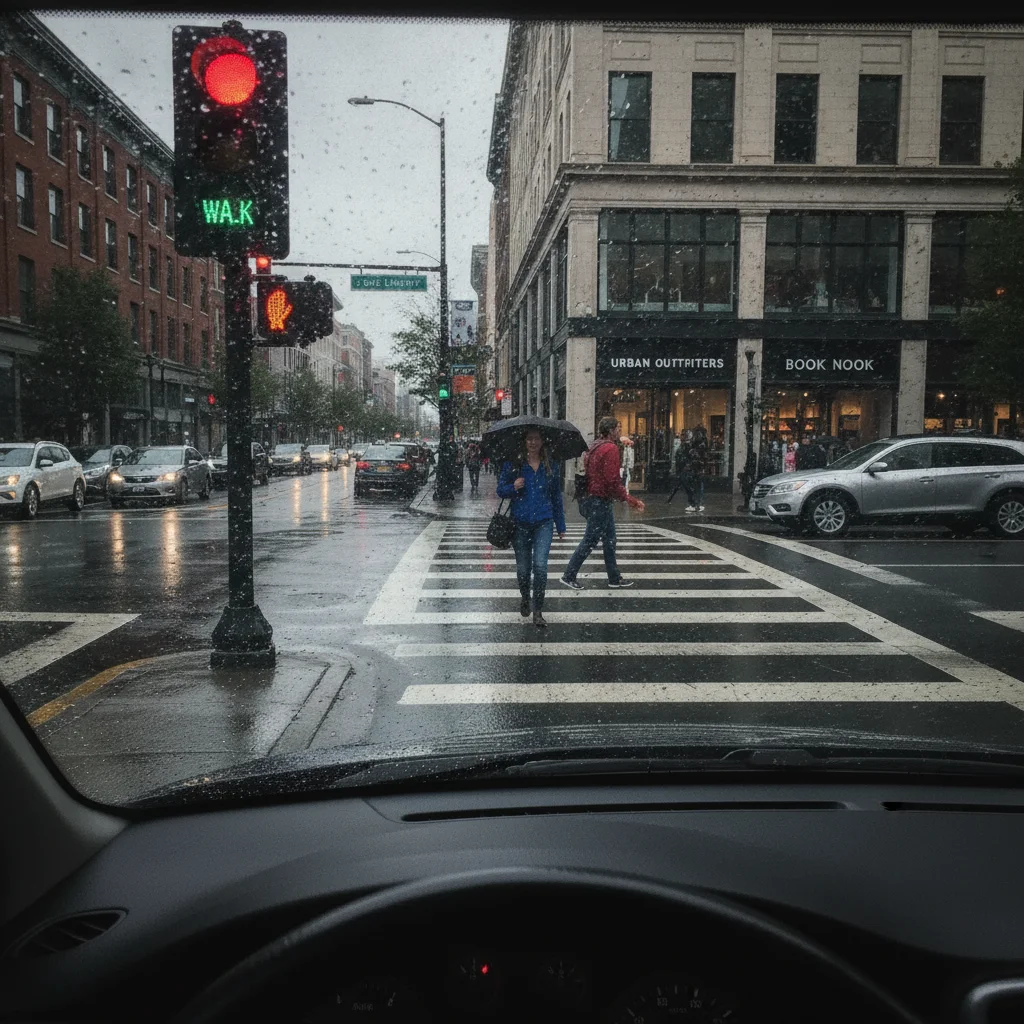
In most states, crosswalks exist at every intersection whether they are painted or not. At an unmarked crosswalk, a pedestrian who has stepped off the curb and entered the roadway has the right-of-way and you must stop. Many drivers believe stopping obligations only apply when yellow paint is visible — that's incorrect in the majority of states.
The 'Other Half' Rule
Even after a pedestrian clears your lane, you often cannot proceed until they have cleared the entire roadway — or at minimum, the adjacent lane. In California, Nevada, and several other states, passing a vehicle stopped at a crosswalk is illegal even if you don't see a pedestrian, because the stopped vehicle may be obscuring one.
School Bus Stopping Laws
When a school bus has its stop arm extended and red lights flashing, traffic in both directions on an undivided road must stop. On a divided highway (with a physical median), only traffic traveling the same direction as the bus must stop. Traffic coming from the other direction may proceed, but only at reduced speed. Getting this wrong is a serious violation in every state — fines typically start at $250 and can reach over $1,000 for repeat offenses.
At a four-way stop, don't just look at who arrived when — watch where other drivers' wheels are pointing. A vehicle angled slightly to the left signals intent to turn, which changes the interaction and who should yield.
Body language cues from other vehicles often reveal intent before a turn signal is activated, giving you a fraction more reaction time to avoid ambiguous situations that create accidents.
When in doubt at an unmarked crosswalk, treat any pedestrian at or near the curb as if they intend to cross. Stopping costs you three seconds; a violation costs you several hundred dollars and can affect your insurance for years.
In most states, pedestrians at the edge of a curb have established their intent to cross and triggering right-of-way obligations, but proving 'intent' after the fact is a legal gray area — stopping eliminates the ambiguity entirely.
State-by-State Variations Every Traveler Should Know
Federal law sets some baseline traffic standards, but the bulk of traffic regulation is state law — and states differ in meaningful ways. Pleading ignorance of local law doesn't get you out of a ticket.
Right Turn on Red
Permitted in most states after a full stop — but New York City prohibits it citywide unless a sign explicitly allows it. Some California intersections have posted No Turn on Red signs that apply only during certain hours. Always look for posted restrictions before proceeding.
Move Over Laws
Every state has a Move Over law requiring drivers to shift away from stopped emergency vehicles — police, fire, EMS — with lights activated on the shoulder. The law increasingly covers tow trucks and road maintenance vehicles as well. The required action varies: some states require moving over one lane; others require slowing to 20 mph below the posted limit if moving over isn't possible.
Speed Limit Defaults
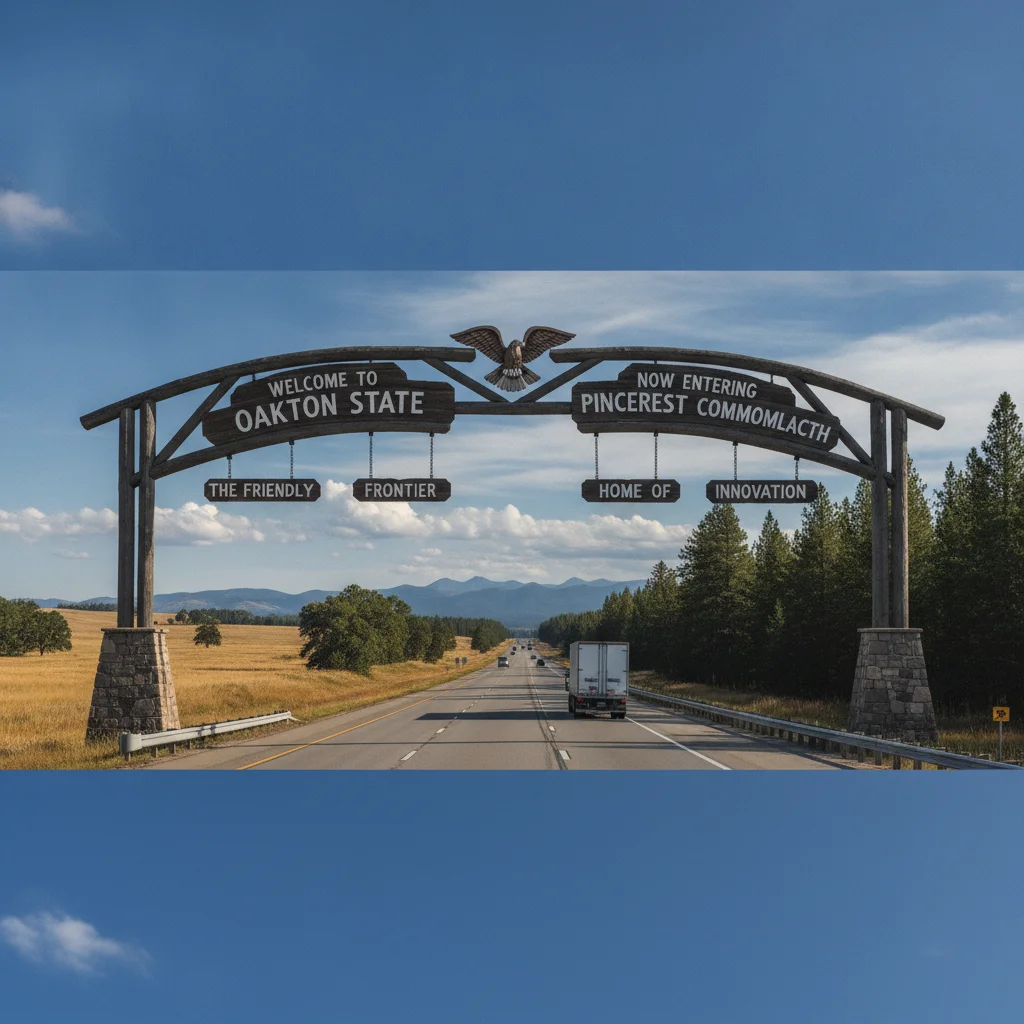
In the absence of posted signs, default speed limits vary: 25 mph in residential areas is nearly universal, but highway defaults differ. Montana historically had no daytime speed limit on certain highways (since changed), while some rural Nevada and Texas highways post 80 mph limits.
Before any road trip crossing state lines, review the key differences. Our guide to traffic law differences across state lines covers the most significant variations in a scannable format.
Advisory Signs Are Not Speed Limits
Yellow diamond-shaped signs with a speed number — common on highway curves — are advisory, not regulatory. They suggest the recommended safe speed for that stretch under normal conditions. You cannot legally be cited for exceeding an advisory speed alone, though driving faster than is safe for conditions (including the curve geometry) can still result in a Basic Speed Law citation.
Some Laws Differ by City, Not Just State
Cities and counties sometimes have ordinances that exceed state baseline requirements. New York City's ban on right turn on red is the most well-known example, but city-level noise ordinances, parking rules, and even jaywalking enforcement can vary significantly from state law. If you're driving in an unfamiliar major city, it's worth a quick look at local municipal rules.
How Traffic Violations Affect Your Insurance
Traffic law compliance isn't just about keeping your license clean — it directly determines what you pay for car insurance. Insurers access your motor vehicle record (MVR) at policy inception and typically at each renewal. Violations remain on your driving record for three to five years in most states, and insurers factor them into your rate throughout that window.
Rate Impact by Violation Type
| Violation | Typical Rate Increase | Duration on Record |
|---|---|---|
| Speeding (1–10 mph over) | 10–15% | 3 years |
| Speeding (15–29 mph over) | 20–30% | 3–5 years |
| Reckless driving | 50–100% | 5–7 years |
| DUI/DWI | 75–200%+ | 7–10 years |
| Handheld device violation | 10–25% | 3 years |
| At-fault accident (no violation) | 20–40% | 3–5 years |
A single speeding ticket for 12 mph over on an otherwise clean record can cost you more than the fine itself — typically $300–$600 in additional premiums over three years, on top of whatever the court charges. Reckless driving or a DUI can make you uninsurable with standard carriers and push you into the high-risk market.
“Drivers tend to think about traffic law only when they're facing a ticket or an accident. But the law is really functioning all the time — shaping expectations between drivers before any collision occurs. Understanding it is part of being in control of your vehicle.”
— David Strickland, Former Administrator, National Highway Traffic Safety Administration (NHTSA)
If you're currently shopping for coverage after a violation, understanding how insurers weigh your record will help you compare policies more effectively than just looking at premium price.
42,795
Traffic fatalities in the U.S. in 2022
According to NHTSA data, this represents a 16-year high, with speed and distraction as leading contributing factors.
30+
States requiring hands-free device use
The Governors Highway Safety Association reported in 2024 that more than 30 states now mandate fully hands-free mobile device operation while driving.
$450
Average additional insurance cost after one speeding ticket
Based on industry aggregated data, a single speeding citation (15 mph over) adds an estimated $150/year to premiums for approximately three years.
21+
States with active left-lane enforcement laws
According to the National Conference of State Legislatures, these states specifically prohibit slow driving in the left lane that impedes traffic flow.
Practical Steps to Stay Legally Compliant
Knowing the law matters more than you might expect — not just for avoiding tickets, but for protecting yourself in the event of an accident. If you're found to have violated a traffic law at the time of a crash, that violation can be used as evidence of negligence in a civil claim against you.
Review Your State's Driver Handbook Periodically
State DMVs update their handbooks when laws change. The PDFs are free to download, and it takes under an hour to skim the sections covering right-of-way, speed, and cell phone use. Do this whenever your state's legislature has an active session — traffic law changes are common.
Know Before You Cross a State Line
If you're planning a road trip through multiple states, spend 15 minutes reviewing the destination states' specific rules around phone use, speed limits, and any notable local laws. See our dedicated breakdown of state-by-state traffic law differences before your next trip.
Contest Violations You Disagree With
Many drivers pay tickets without realizing they can contest them — or that a successful contest prevents the violation from appearing on their MVR. If the facts are genuinely in dispute, it's worth requesting a hearing. Some jurisdictions also offer traffic school diversion programs that keep a violation off your record if you complete a course.
Check Your Driving Record Annually
You can typically request your motor vehicle record from your state DMV for a small fee. Errors do occur — incorrect violation entries or accidents assigned to the wrong party — and catching them early prevents them from inflating your insurance rate incorrectly.
Use Your Lane Position Deliberately
On multi-lane roads, stay in the rightmost lane that is appropriate for your speed and destination unless passing. This isn't just courtesy — it's legally required in many states and it significantly reduces your exposure to merge conflicts, aggressive drivers, and rear-end risk. Consistent right-lane driving also gives you more reaction time when traffic ahead brakes suddenly.
Photograph Your Surroundings After Any Citation
If you receive a traffic citation and believe it's incorrect, immediately photograph the relevant signs, road markings, and intersection layout from multiple angles. This documentation is invaluable if you contest the ticket — sign visibility, signal timing, and lane marking condition are all facts that can change between the citation date and your court date.
Your State DMV Driver Handbook
Every state DMV publishes a free driver handbook covering all traffic laws, signs, and penalties. Download the latest version for your state — it's updated when laws change and is the authoritative source for your jurisdiction.
NHTSA Traffic Safety Facts
The National Highway Traffic Safety Administration publishes annual traffic safety data broken down by violation type, crash cause, and geography — useful for understanding where enforcement is trending.
Governors Highway Safety Association (GHSA) State Law Lookup
GHSA maintains an interactive state-by-state comparison of distracted driving, speed, and occupant protection laws — one of the fastest ways to check whether a specific law applies in your state.
Traffic Law Differences Across State Lines
Our own breakdown of the most consequential state-by-state traffic law differences — essential reading before a road trip covering multiple states.
DMV Motor Vehicle Record Request
Most state DMVs allow you to order your official driving record online for a small fee. Reviewing it annually lets you catch errors and understand exactly what your insurer sees at renewal.
Staying legally compliant is ultimately about staying informed. Traffic law isn't static, enforcement isn't uniform, and the cost of getting caught unprepared — in fines, points, and insurance rates — adds up faster than most drivers expect.

All claims are backed by peer-reviewed research. Sources on request.