| Stop requirement | Immediate, in all 50 states |
| Typical DMV report deadline | 10 days post-accident (varies by state) (State DMV statutes vary) |
| Property damage reporting threshold | $500–$2,500 depending on the state (State traffic codes) |
| Hit-and-run with injury (typical charge) | Felony in most states (Varies by jurisdiction) |
| Good Samaritan laws | Enacted in all 50 states (National Conference of State Legislatures) |
| Information required for exchange | Name, address, license number, registration, insurance info (Standard across most state statutes) |
| Insurer reporting window | Often 24–72 hours; check your policy (Policy language varies by carrier) |
Why Your Post-Accident Actions Are Legally Binding
Most drivers treat the moments after a crash as a practical problem — move the cars, swap numbers, call a tow truck. What they don't realize is that those same moments carry hard legal obligations. Fail to meet them and you're not just making an insurance headache worse; you could be committing a misdemeanor or felony, depending on the state and the severity of the crash.
Every U.S. state has statutes that define exactly what a driver must do at an accident scene. These laws cover stopping, rendering aid, exchanging information, and reporting. Violating any one of them can result in license suspension, fines, civil liability, or criminal prosecution — even if you weren't at fault for the crash itself.
This reference guide breaks down each obligation clearly, explains where state law varies, and flags the specific mistakes that turn a bad day into a legal disaster. For the immediate moment-by-moment decisions, see The First 10 Minutes After a Car Accident.
| Stop requirement | Immediate, in all 50 states |
| Typical DMV report deadline | 10 days post-accident (varies by state) (State DMV statutes vary) |
| Property damage reporting threshold | $500–$2,500 depending on the state (State traffic codes) |
| Hit-and-run with injury (typical charge) | Felony in most states (Varies by jurisdiction) |
| Good Samaritan laws | Enacted in all 50 states (National Conference of State Legislatures) |
| Information required for exchange | Name, address, license number, registration, insurance info (Standard across most state statutes) |
| Insurer reporting window | Often 24–72 hours; check your policy (Policy language varies by carrier) |
Obligation 1: Stop Immediately and Secure the Scene
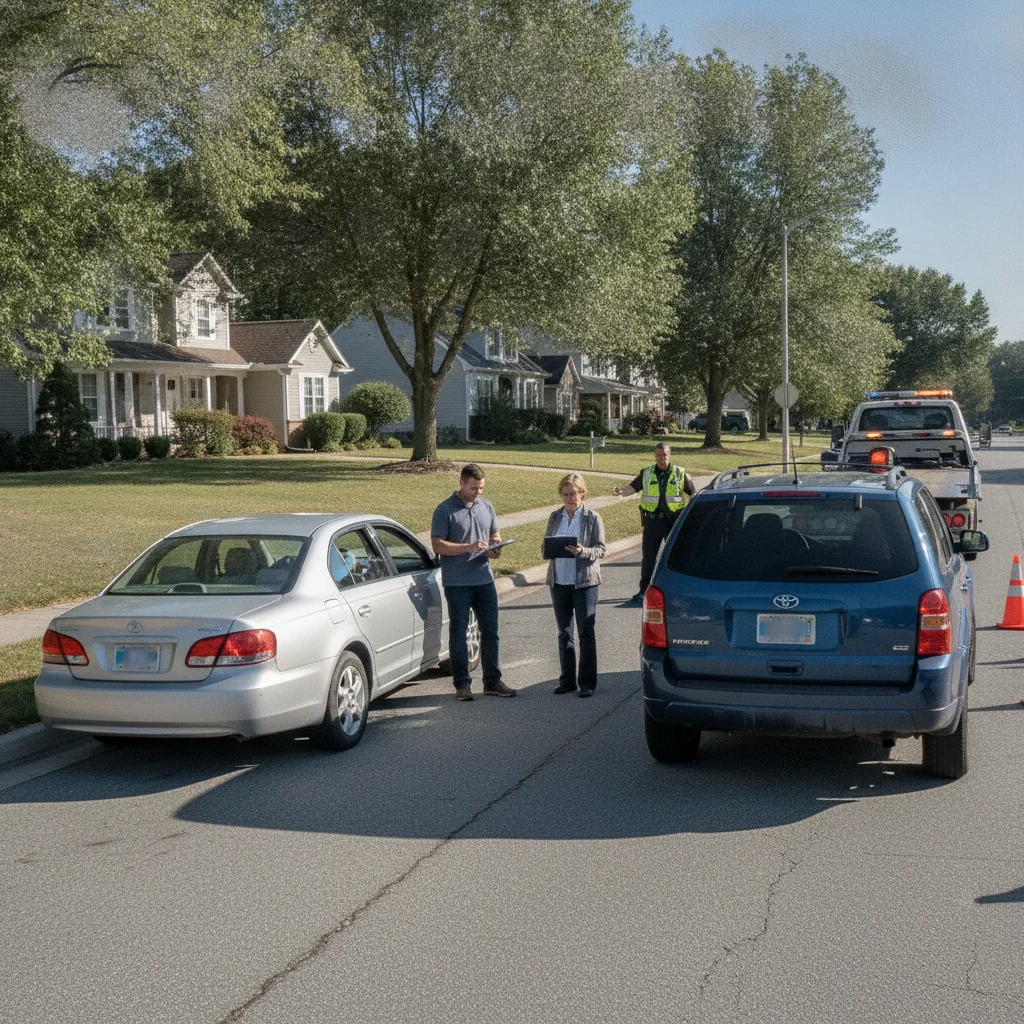
Every state requires drivers involved in an accident to stop at or as near as possible to the scene. You cannot pull away and tell yourself you'll deal with it later. The stop must be immediate.
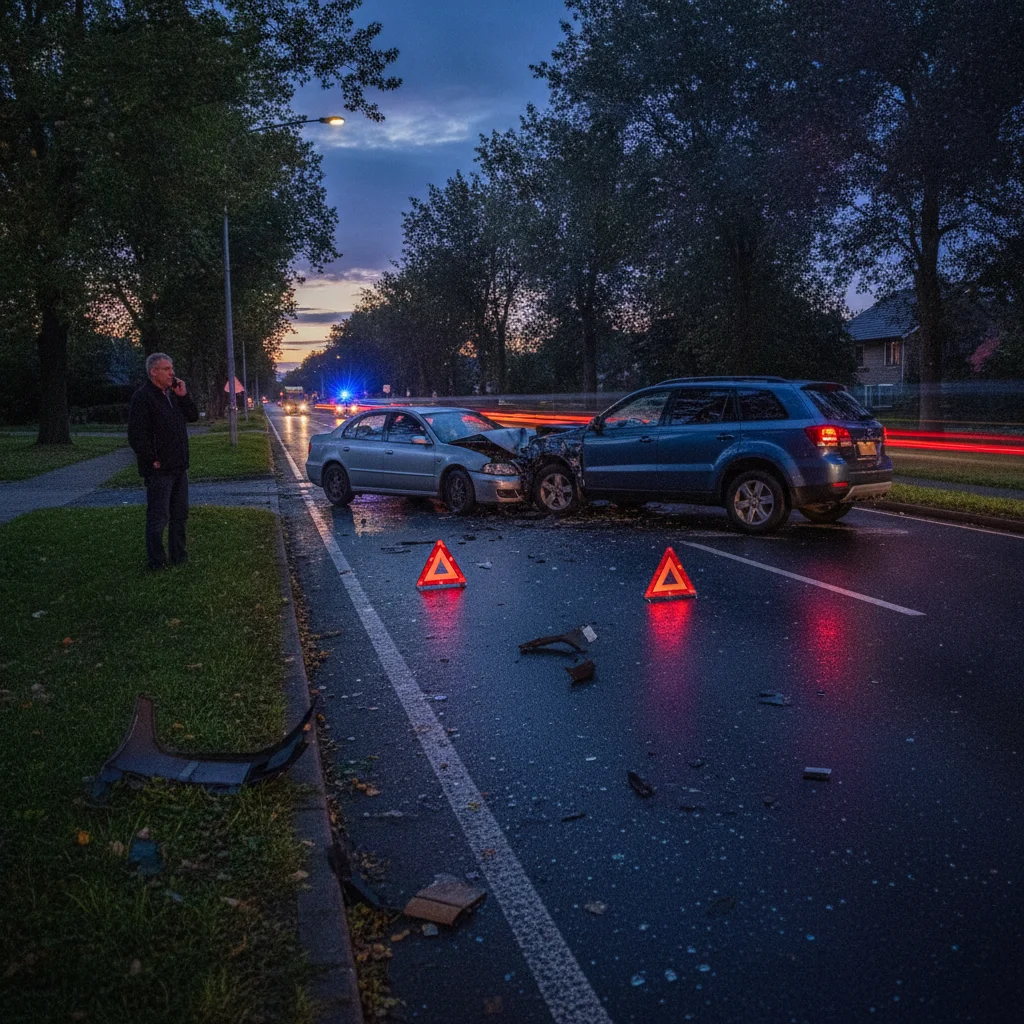
Once stopped, you have a secondary obligation: don't create a second accident. If the vehicles are operable and it's safe to do so, most states require you to move them out of the traffic lane. Leaving a car in the middle of a highway when it can be moved is both a safety hazard and often a separate traffic violation.
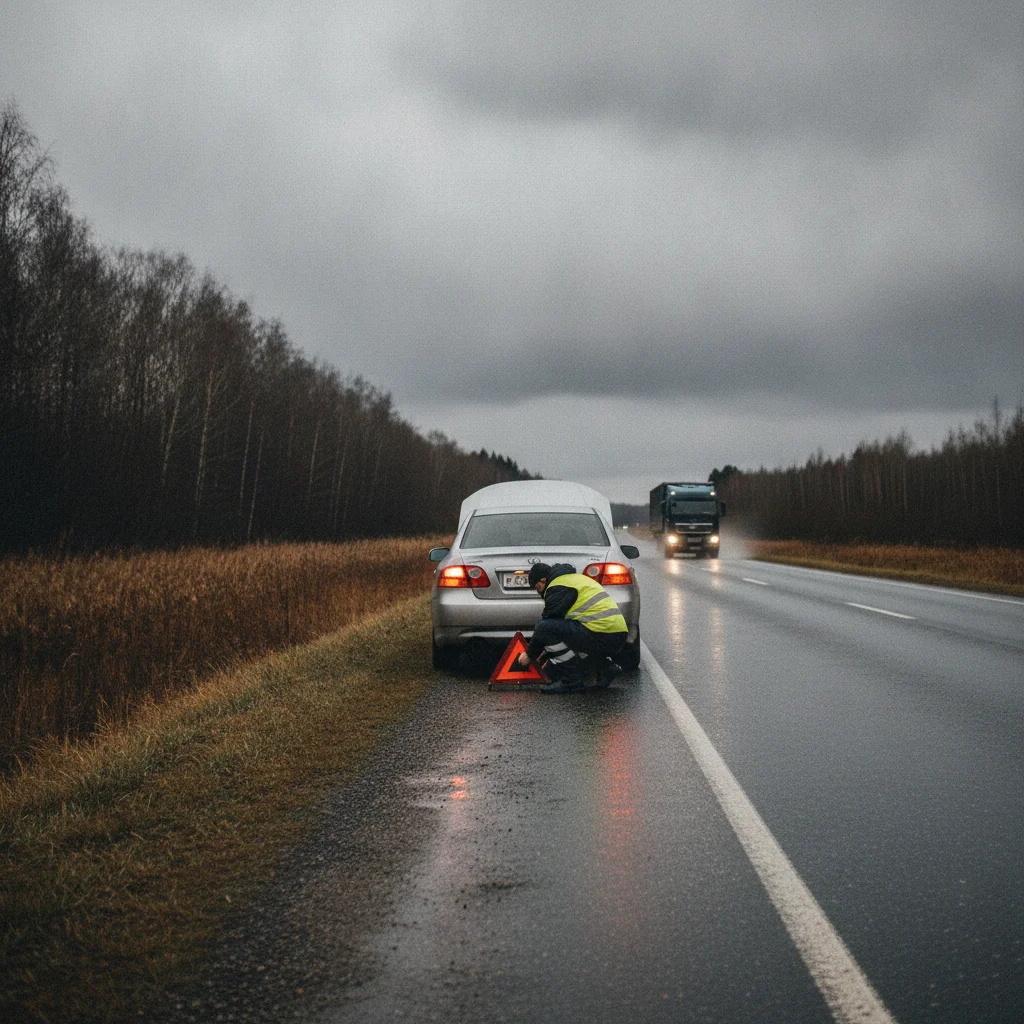
Activate your hazard lights immediately. If you have road flares or reflective triangles in the car — and you should — deploy them to warn oncoming traffic. See Accident Scene Safety: Protecting Yourself and Others Before Help Arrives for the specifics on vehicle positioning and signaling.
One critical note: if moving the vehicles would destroy evidence of how the crash happened — skid marks, point of impact, debris field — photograph everything in place before you move them. This matters both legally and for your insurance claim.
Duty to Render Aid
A legal obligation in most states requiring drivers involved in an accident to provide reasonable assistance to injured parties. This typically means calling 911 and staying on scene until help arrives, not performing medical procedures.
Hit-and-Run
Leaving the scene of an accident without fulfilling legal obligations — stopping, exchanging information, and rendering aid. A driver can be charged with hit-and-run even if they did not cause the underlying accident.
SR-1 Report
A state-mandated accident report form (or equivalent) that drivers must file with their state's DMV within a set timeframe when an accident meets certain thresholds for injury or property damage. Requirements vary by state.
Prompt Notice
A policy clause requiring you to notify your insurer of an accident within a reasonable time. Failure to provide prompt notice can give your insurer grounds to limit or deny coverage, even if the accident was not your fault.
Good Samaritan Law
Statutes in all 50 states that protect people who voluntarily render emergency aid from civil liability, provided they act in good faith and without gross negligence.
Failure to Render Aid
A criminal charge separate from hit-and-run that applies when a driver involved in an accident with injuries leaves without calling for or providing emergency assistance. This can escalate a misdemeanor hit-and-run to a felony.
Vehicle Registration Number
The license plate number and, in some states, the Vehicle Identification Number (VIN) that must be exchanged with other involved drivers following an accident.
Uninsured Motorist Coverage
An optional (and sometimes required) insurance coverage that pays for your damages when the at-fault driver has no insurance or flees the scene and cannot be identified.
Obligation 2: Render Reasonable Aid to the Injured
If anyone is injured, your duty doesn't stop at calling 911. Most states impose a duty to render "reasonable assistance" to injured parties. This doesn't mean performing surgery on the roadside — it means calling for emergency services, staying present, and helping an injured person access medical care if it's safe and within your ability to do so.
"Reasonable" is the operative word here. You are not expected to provide medical treatment beyond your training. However, leaving an injured person without calling for help is a separate crime in most jurisdictions — sometimes called "failure to render aid" — and can escalate a standard hit-and-run into a felony charge.
You Can Be Charged Even If You Weren't at Fault
Your legal obligation to stop, render aid, and exchange information is independent of who caused the accident. A driver who was rear-ended and then drives away without exchanging information can still face hit-and-run charges. Fault in causing the accident is a separate legal question from whether you fulfilled your post-accident duties.
Fear for Your Safety: A Narrow Exception
If you have a genuine, documented reason to fear for your safety at the scene — such as a threatening or violent other driver — some states permit you to leave and report from a nearby safe location like a police station. This is a narrow exception, not a general pass. You must report promptly, and you should document your reason for leaving. When in doubt, call 911 from the scene and stay on the line.
Good Samaritan laws exist in all 50 states and protect people who provide emergency assistance in good faith. The protection generally applies as long as you're not acting recklessly and you're not the one who negligently caused the injury. Don't let fear of doing something wrong stop you from helping — the law is on your side when you act in good faith.
If the injuries appear serious, do not move the victim unless they are in immediate danger (fire, oncoming traffic). Spinal injuries can be worsened by movement. Your primary job is to call 911, stay calm, and wait for professionals.
737,100
Hit-and-run crashes reported annually in the U.S.
According to AAA Foundation for Traffic Safety research on hit-and-run crash trends.
24%
Of pedestrian fatalities involve a hit-and-run driver
Per AAA Foundation for Traffic Safety, highlighting how often drivers flee serious crashes.
50
States with Good Samaritan protection laws
All U.S. states have enacted some form of Good Samaritan statute protecting emergency aid givers from civil liability.
Up to 15 years
Prison time for felony hit-and-run with injury
Maximum sentences vary by state but can be severe when the victim sustains serious bodily injury or death.
Obligation 3: Exchange Information — What's Required and What's Not
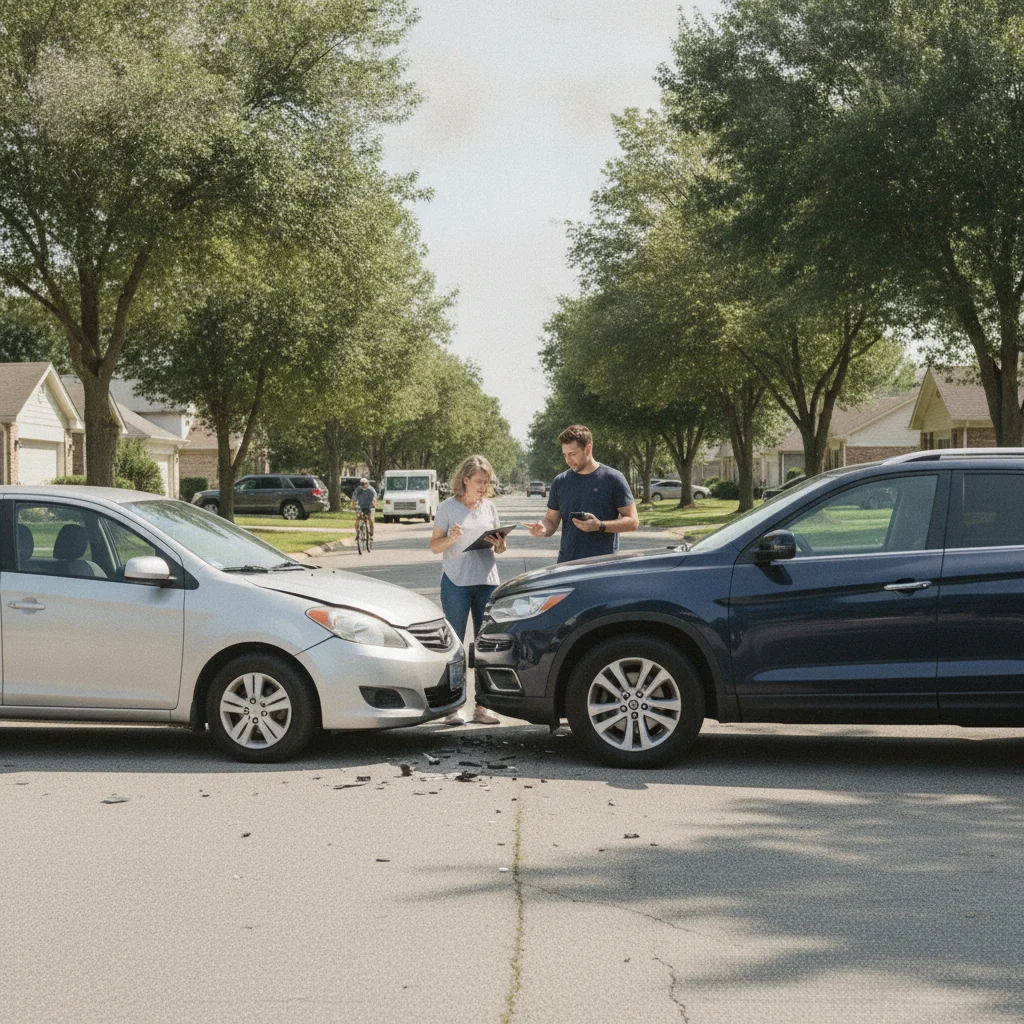
After safety is addressed, you are legally required to exchange specific information with any other driver involved in the crash. This isn't a courtesy; it's a statutory requirement in every state.
What you must provide:
- Your full name and current address
- Vehicle registration number (plate and VIN in some states)
- Driver's license number
- Insurance company name and policy number
What you are not legally required to provide:
- Your phone number (though giving it is practical)
- Your employer information
- Any statement about what happened or who was at fault
That last point matters. You have a legal right — and a strong practical reason — to limit what you say at the scene. Admissions of fault made at the scene can be used against you in both civil litigation and insurance proceedings. For a full breakdown of why this matters, see Why You Should Never Admit Fault at the Scene.
You must also provide your information to any law enforcement officer who arrives on scene. Refusing to provide identification to a police officer is a separate offense entirely.

If the other driver refuses to provide their information, document everything you can: their plate number, make and model of the vehicle, and if possible, a photo of the car. This is essential if you later need to pursue an uninsured motorist claim. The situation changes significantly when the other driver leaves — Hit-and-Run Accidents: Steps to Take When the Other Driver Flees covers your options in that scenario.
Obligation 4: Report the Accident — To Police and to the State
Reporting obligations come in two forms: reporting to law enforcement at the scene, and filing a formal report with your state's DMV or equivalent agency. These are separate requirements, and both can apply to the same crash.
When Police Must Be Called
In most states, you are legally required to contact law enforcement if the accident involves:
- Injury or death to any person
- Property damage above a certain dollar threshold (commonly $500–$2,500 depending on the state)
- An uninsured driver
- A hit-and-run situation
Some states require police notification for all accidents regardless of severity. Check your specific state's statute — ignorance of the threshold isn't a defense.
State DMV Reporting
Separate from calling 911, many states require drivers to file an SR-1 or equivalent accident report form with the state DMV within a specific timeframe — typically 10 days after the crash. This requirement usually triggers when injuries or damages exceed a threshold, and it applies even when a police report was already filed.
Failing to file a required state report can result in license suspension independent of any fault in the accident itself.
Reporting to Your Insurer
Beyond the legal reporting requirements, your insurance policy almost certainly includes a clause requiring "prompt notice" of any accident. This is a contractual obligation, not a legal one — but violating it can give your insurer grounds to deny coverage. How Long You Have to Report an Accident to Your Insurance Company explains what "prompt" means in practice and how to protect your claim.

Once you've met your scene obligations, the claims process begins. Filing a Liability Claim: What to Do from Accident Scene to Settlement walks through that process step by step.
Hit-and-Run: The Consequences of Leaving
Leaving the scene of an accident without fulfilling your legal obligations is a hit-and-run — even if you weren't at fault for the original crash. This point catches a lot of drivers off guard: your fault in causing the accident and your obligation to remain at the scene are legally separate questions.
Penalties for hit-and-run scale with the severity of the accident:
| Accident Severity | Typical Charge | Potential Penalties |
|---|---|---|
| Property damage only | Misdemeanor | Fines, license suspension, up to 1 year jail |
| Injury to another person | Felony (most states) | 2–15 years prison, major fines, civil liability |
| Death of another person | Felony | Up to life imprisonment in some states |
Beyond the criminal penalties, leaving the scene almost always voids any insurance protection you might otherwise have had. Insurers are not required to defend you against claims arising from criminal conduct in most policy language.
There's one narrow exception worth knowing: if you genuinely fear for your safety at the scene — for example, an aggressive other driver — you may in some states be permitted to drive to a safe location (a police station, a public business) and report from there. But you must report promptly, and you should document why you left. This is not a broad escape hatch; it's a narrow exception for genuine safety threats.
You Can Be Charged Even If You Weren't at Fault
Your legal obligation to stop, render aid, and exchange information is independent of who caused the accident. A driver who was rear-ended and then drives away without exchanging information can still face hit-and-run charges. Fault in causing the accident is a separate legal question from whether you fulfilled your post-accident duties.
Fear for Your Safety: A Narrow Exception
If you have a genuine, documented reason to fear for your safety at the scene — such as a threatening or violent other driver — some states permit you to leave and report from a nearby safe location like a police station. This is a narrow exception, not a general pass. You must report promptly, and you should document your reason for leaving. When in doubt, call 911 from the scene and stay on the line.
For a practical, printable reference to keep in your glove box, see the Post-Accident Scene Checklist. And if you want to understand what good documentation looks like before you need it, Documenting an Accident Scene is worth reading now, not after a crash.
Post-Accident Scene Checklist
A printable step-by-step checklist covering everything you need to do at an accident scene — from safety to documentation to information exchange. Keep it in your glove box before you need it.
State DMV Accident Reporting Finder
Most state DMV websites publish their specific accident reporting thresholds and SR-1 forms online. Search your state's DMV site for 'accident report' to find the exact forms and filing deadlines that apply to you.
Filing a Liability Claim Guide
Once your scene obligations are met, this step-by-step guide explains how to move a liability claim from initial report through to final settlement — including what documentation matters most.
Documenting an Accident Scene
Learn exactly what to photograph, what to write down, and in what order — so your documentation holds up for both insurers and courts if the claim becomes disputed.
Traffic Laws Hub
A reference hub covering key U.S. traffic regulations, how violations affect your driving record, and what you need to know about accident-related traffic law in your state.
Liability Coverage Explained
Understand what your liability insurance actually covers, why every state legally requires it, and how policy limits affect your exposure after an at-fault accident.

All claims are backed by peer-reviewed research. Sources on request.