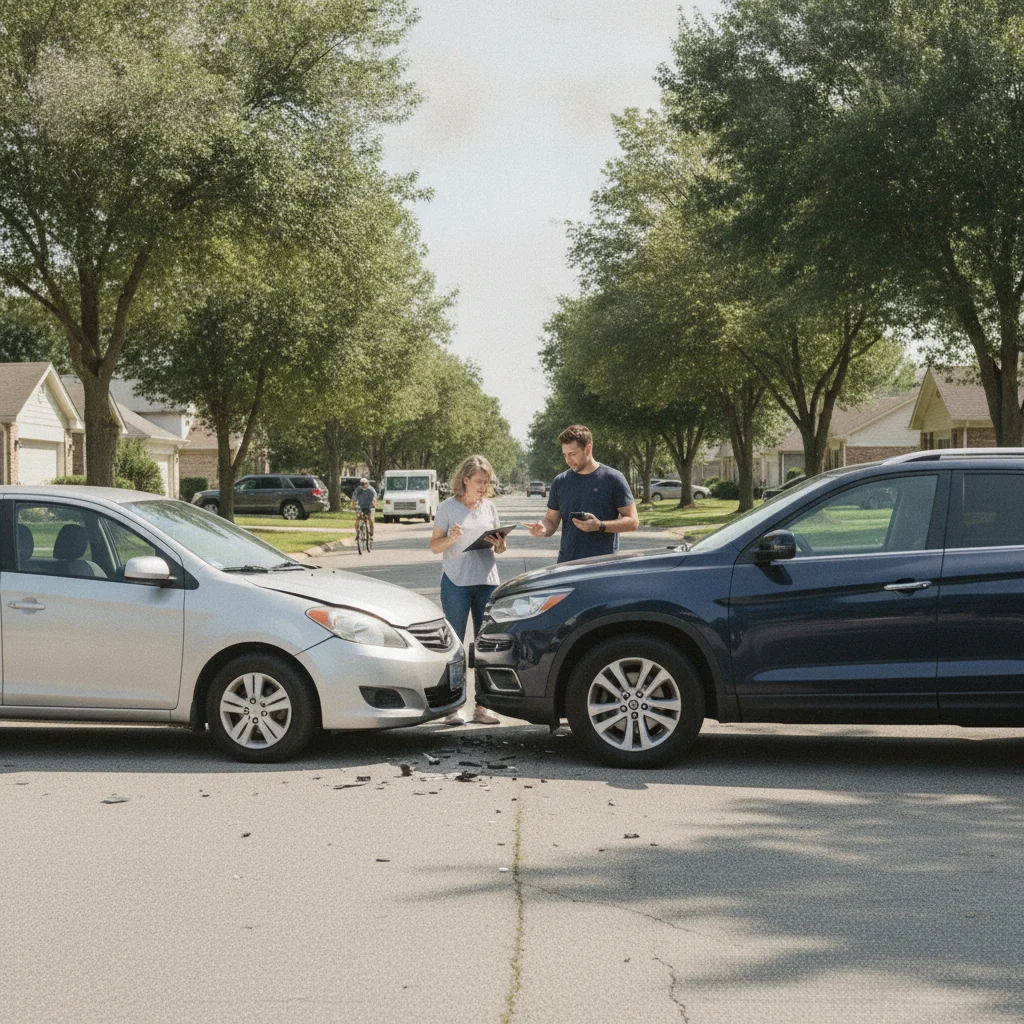
Key Takeaways
Accident Reporting Deadline
An accident reporting deadline is the window of time you have to notify your insurance company after a crash occurs. This deadline is set by your individual policy—not state law—and is typically described as 'prompt,' 'timely,' or 'immediate' notice. Missing this window can give your insurer legal grounds to deny your claim, even if the accident itself is clearly covered under your policy.
Insurance policies treat the duty to notify separately from the duty to cooperate in a claim investigation. Breaching either duty can independently affect coverage, though courts in many states require insurers to show actual prejudice before denying a claim on late-notice grounds.
Why the Reporting Clock Starts Immediately
Most drivers assume they have plenty of time to think things over before calling their insurer after an accident. That assumption is one of the most expensive mistakes you can make. The moment a collision happens, your policy's notice requirement activates—and the language insurers use to describe that requirement is deliberately vague.
Terms like "prompt," "immediate," or "timely" don't specify a number of hours or days. What they do is give your insurer discretion to evaluate whether you waited too long. In practice, most insurers expect contact within 24 to 72 hours for accidents involving injury or another vehicle. For minor incidents with no other party involved, some policies extend to 30 days—but don't count on that without reading your policy first.
The stakes here are real. If your insurer decides your notice was late, they can deny your claim outright. You'd be left covering repair costs, medical bills, and potential liability out of pocket. Even if the accident is unambiguously covered under your policy, a missed reporting window gives the insurer a procedural defense that courts often uphold.

See your full claims process overview for context on how reporting fits into the broader claim timeline.
What Your Policy Actually Says—and How to Read It
Your insurance policy is the controlling document here, not your state's DMV rules or anything a friend told you. Pull up your declarations page or the full policy document and search for the section titled "Duties After an Accident or Loss" or similar language. That section will describe your notification obligations.
Common policy language looks like this:
- "You must give us prompt notice of an accident or loss."
- "Notify us as soon as practicable after an accident."
- "We must be notified within days of any occurrence."
If your policy uses "as soon as practicable," courts generally interpret that to mean as soon as reasonably possible given your circumstances—not the literal first available moment. If you were hospitalized, that's a valid reason for delay. If you simply forgot, that's harder to defend.
Duty to Notify vs. Duty to Cooperate
Your policy contains two distinct post-accident obligations: notifying your insurer and cooperating with their investigation. Meeting one doesn't excuse failing the other. Even if you report within 24 hours, refusing to provide a recorded statement or withholding documentation can still give your insurer grounds to limit your coverage. Both duties run simultaneously from the moment of the accident.
Third-Party Claims Don't Reset Your Clock
If the other driver files a claim against you through their insurer, that doesn't substitute for you notifying your own insurer. Your obligation to your company is independent of what the other party does. Your insurer needs the opportunity to investigate on their own terms, and that window starts from the date of the accident—not from the date a third-party claim is filed.
Policies also typically require you to cooperate with the insurer's investigation, submit to recorded statements if requested, and provide documentation of the loss. Failing any of these obligations—even if you reported promptly—can separately jeopardize your claim.
Before you call your insurer, make sure you have all relevant details assembled. Our guide on what information to gather before calling your insurer walks through exactly what to have ready.
How State Law Affects Your Reporting Obligations
State law doesn't set your insurer's reporting deadline—your policy does. But state law does affect how much leverage your insurer has if you miss that deadline.
In many states, insurers cannot deny a claim based on late notice unless they can demonstrate they were actually prejudiced by the delay. This is called the "notice-prejudice rule," and it's a meaningful protection for drivers. If your insurer can't show that the late report harmed their ability to investigate the claim or defend against it, they generally can't use late notice as a coverage denial.
32
States with notice-prejudice rule protections
As of recent surveys, approximately 32 states apply some form of the notice-prejudice rule, requiring insurers to show actual harm before denying a claim on late-notice grounds.
24–72 hrs
Typical insurer notification window
Most major auto insurers expect first contact within 24 to 72 hours of an accident involving injury or another vehicle, based on standard policy language.
10 days
Common state DMV accident report deadline
Many states require drivers to submit an accident report to the DMV or state police within 10 days when damage or injuries exceed the reporting threshold.
1–6 years
Statute of limitations for accident lawsuits
State statutes of limitations for filing a personal injury or property damage lawsuit after an auto accident vary from one to six years depending on the state—far longer than policy notice windows.
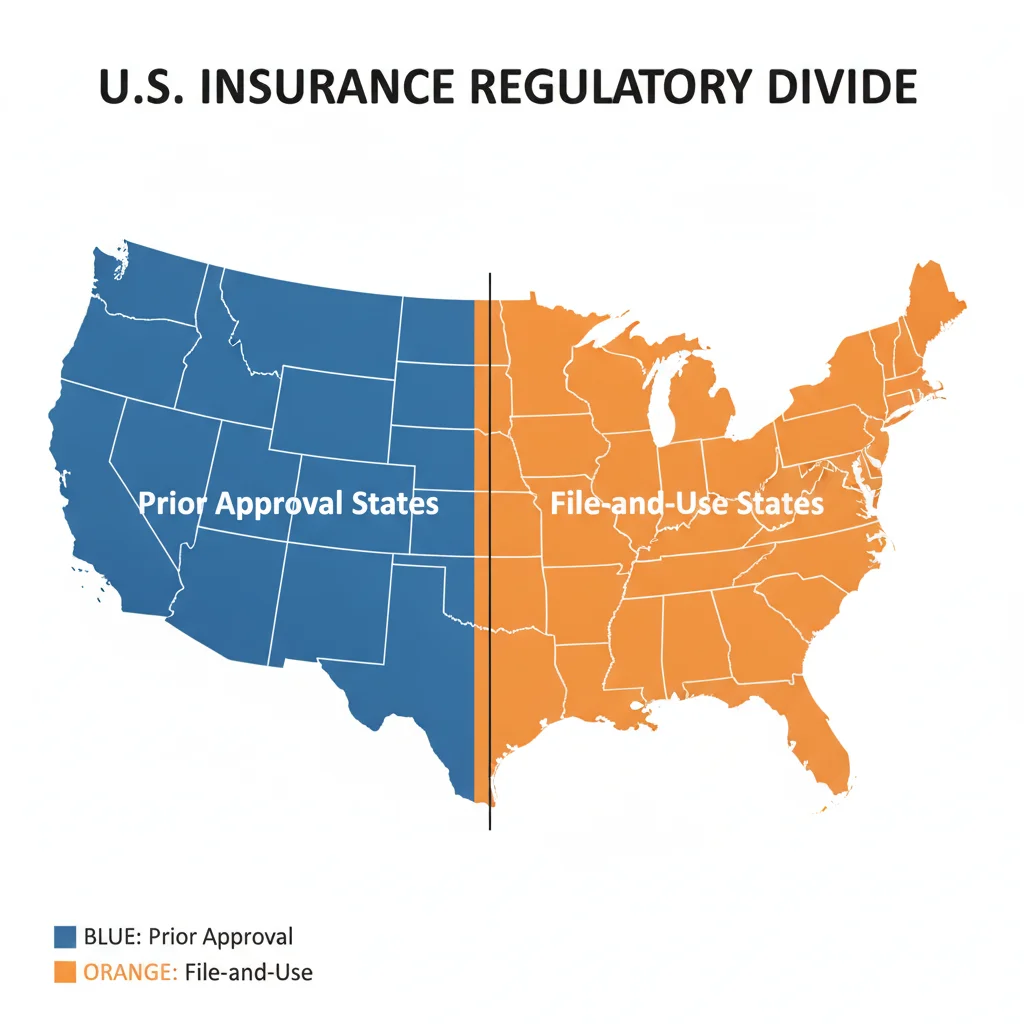
States that apply the notice-prejudice rule include California, New York, and Illinois, among others. States without this protection—sometimes called "strict notice" states—give insurers more latitude to deny claims on procedural grounds alone. Check your state's insurance commissioner website to confirm which rule applies where you live.
State law also sets separate deadlines for reporting accidents to the DMV or state police, which is a different obligation entirely. Many states require a driver-involved accident report within 10 days if injuries or property damage exceed a threshold (often $1,000–$2,500). See our article on when filing a police report is required for a breakdown of those rules.
Scenarios Where Delayed Reporting Is Most Dangerous
Not every delayed report is equally risky. Here are the situations where waiting creates the most serious exposure:
Accidents Involving Injuries
If anyone was hurt—including passengers in your vehicle—report immediately. Injury claims involve medical evidence, witness statements, and liability questions that become much harder to establish as time passes. If the injured party files a claim against you before you've notified your insurer, you may find your insurer unwilling to defend you.
Multi-Vehicle Accidents
When another driver is involved, they may report to their insurer the same day. If your insurer hears from the other party's company before you've notified them, that's a significant red flag and weakens your position considerably.
Hit-and-Run Incidents
Uninsured motorist and collision claims for hit-and-runs often require prompt reporting—sometimes within 24 hours. Your policy may even require a police report be filed within a specific window. Check your policy's uninsured motorist section specifically.
Minor Accidents You Think Won't Lead to a Claim
This is the most common trap. A driver taps another car in a parking lot, the other party says "no worries," and no report is filed. Two weeks later, the other driver files a claim for whiplash. Now you're unprotected because you never notified your insurer. Always report when another vehicle or person is involved.
Save Your Insurer's Claims Number Now
Store your insurer's 24-hour claims line in your phone before you ever need it. Most insurance cards include this number, but finding a card in a glove box after a stressful collision wastes time. Some insurers also have dedicated claims apps that let you start a report from the scene. Having this ready eliminates the most common excuse for delayed reporting.
Report Even If You're Unsure About Filing
Notifying your insurer costs you nothing and preserves all your options. You can always decide not to file a formal claim after you've reported. But you cannot go back and report on time once the window has passed. When in doubt, make the call—you can tell the agent you're reporting for informational purposes only and aren't ready to open a claim.
Know your legal obligations at the scene of an accident before you find yourself in this situation. The steps you take—or skip—in the first minutes shape everything that follows.
Reporting Without Filing: A Tool You Should Know
There's a distinction most drivers don't know exists: notifying your insurer and filing a formal claim are not the same thing. You can call your insurer, describe the incident, and put it on record without triggering a claim investigation or affecting your premium.
This matters when:
- You're not sure if the damage exceeds your deductible
- The other party initially said they wouldn't file but you want protection in case they change their mind
- You want to preserve your rights while you assess the situation
The key is to be transparent about what you're doing. Tell your insurer you're reporting an incident for the record and that you're not yet opening a claim. Get the representative's name and a reference number for the call.
Our detailed guide on reporting without triggering a formal claim explains exactly how to handle this correctly and what to say.
“The single biggest mistake drivers make after a minor accident is deciding to 'wait and see.' By the time they call us, the other party has already filed, and we're defending a claim without any of the early documentation that would have helped us protect our policyholder.”
— Robert Hensley, Senior Auto Claims Adjuster with 20+ years of industry experience
Step-by-Step: What to Do Immediately After an Accident
Knowing the rules is only useful if you act on them quickly. Here's the order of operations:
- Ensure safety first. Move vehicles out of traffic if possible. Check for injuries and call 911 if needed.
- Document the scene. Photograph all vehicles, damage, license plates, road conditions, and any visible injuries. Get the other driver's name, license number, insurance company, and policy number.
- File a police report if required. In accidents involving injuries, significant damage, or disputed fault, a police report protects you. See when a police report is required for guidance.
- Notify your insurer the same day. Even a brief call to the claims line satisfies most policy notice requirements. You don't need to have all answers—just establish contact and report the incident.
- Gather what you need before the full call. Review what information to have ready so you can provide accurate details.
- Decide on a formal claim later. Once you have repair estimates and know whether injuries are involved, you can make an informed decision about whether to file.
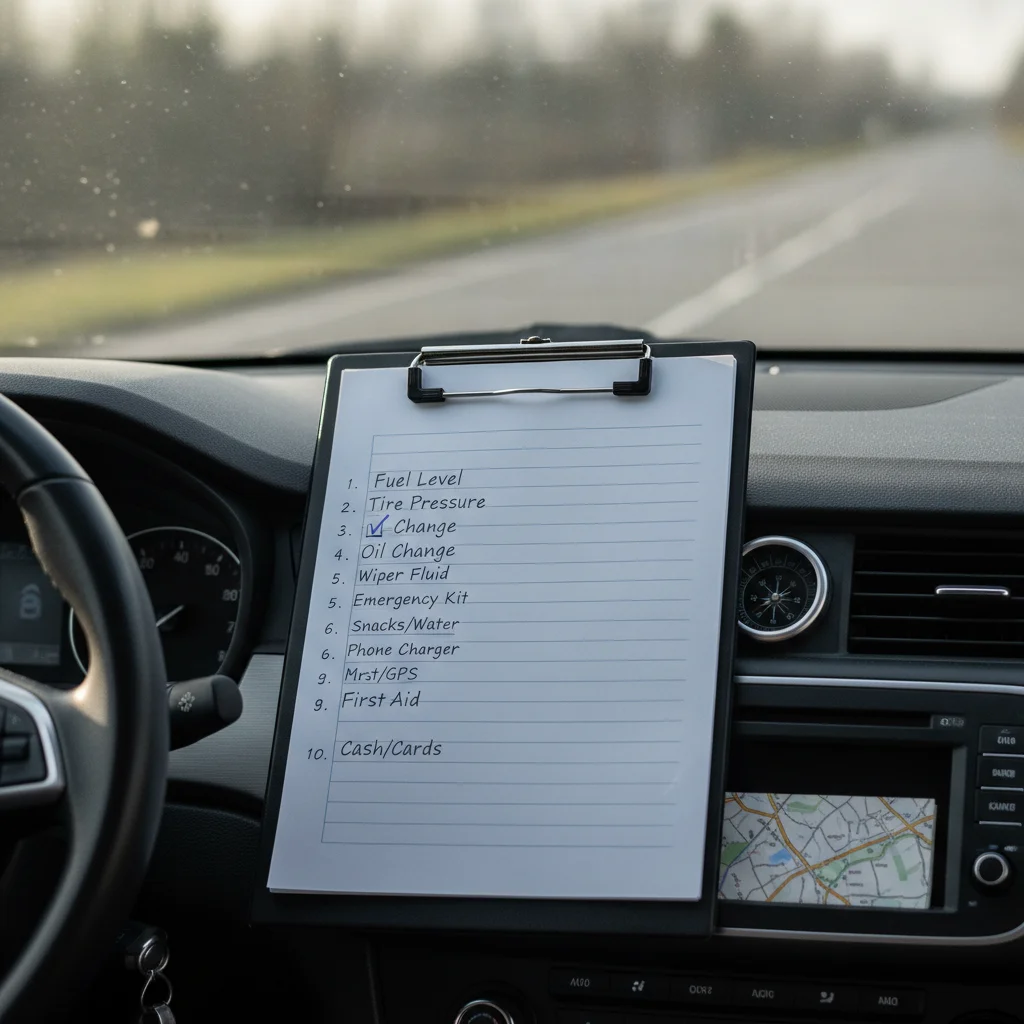
State-specific timelines for how long insurers have to respond to your claim are covered in our state-by-state claims timeline article.
What If You've Already Missed the Deadline?
If you've realized you're past your policy's reporting window, don't stay silent hoping the situation will resolve itself. Report immediately and document your reason for the delay.
Legitimate reasons courts and insurers have accepted for late notice include:
- Hospitalization or incapacitation following the accident
- Reasonable belief that you were not at fault and no claim would result
- The other party initially waived any claim and then reversed course
When you call, be straightforward. Explain the timeline and the reason for the delay without embellishment. Ask whether coverage is still available and request a formal acknowledgment of your notification in writing.
If your insurer denies coverage on late-notice grounds, you have options. In notice-prejudice states, you can challenge the denial if the insurer can't show actual harm from your delay. An insurance bad faith attorney can evaluate whether the denial was proper and help you appeal.
Save Your Insurer's Claims Number Now
Store your insurer's 24-hour claims line in your phone before you ever need it. Most insurance cards include this number, but finding a card in a glove box after a stressful collision wastes time. Some insurers also have dedicated claims apps that let you start a report from the scene. Having this ready eliminates the most common excuse for delayed reporting.
Report Even If You're Unsure About Filing
Notifying your insurer costs you nothing and preserves all your options. You can always decide not to file a formal claim after you've reported. But you cannot go back and report on time once the window has passed. When in doubt, make the call—you can tell the agent you're reporting for informational purposes only and aren't ready to open a claim.
Even if you suspect a claim may be denied, the act of reporting creates a paper trail. That matters both for any legal dispute with your insurer and for your own documentation if the other party pursues litigation.

All claims are backed by peer-reviewed research. Sources on request.