Key Takeaways
Why Registration Matters — and What It Actually Costs
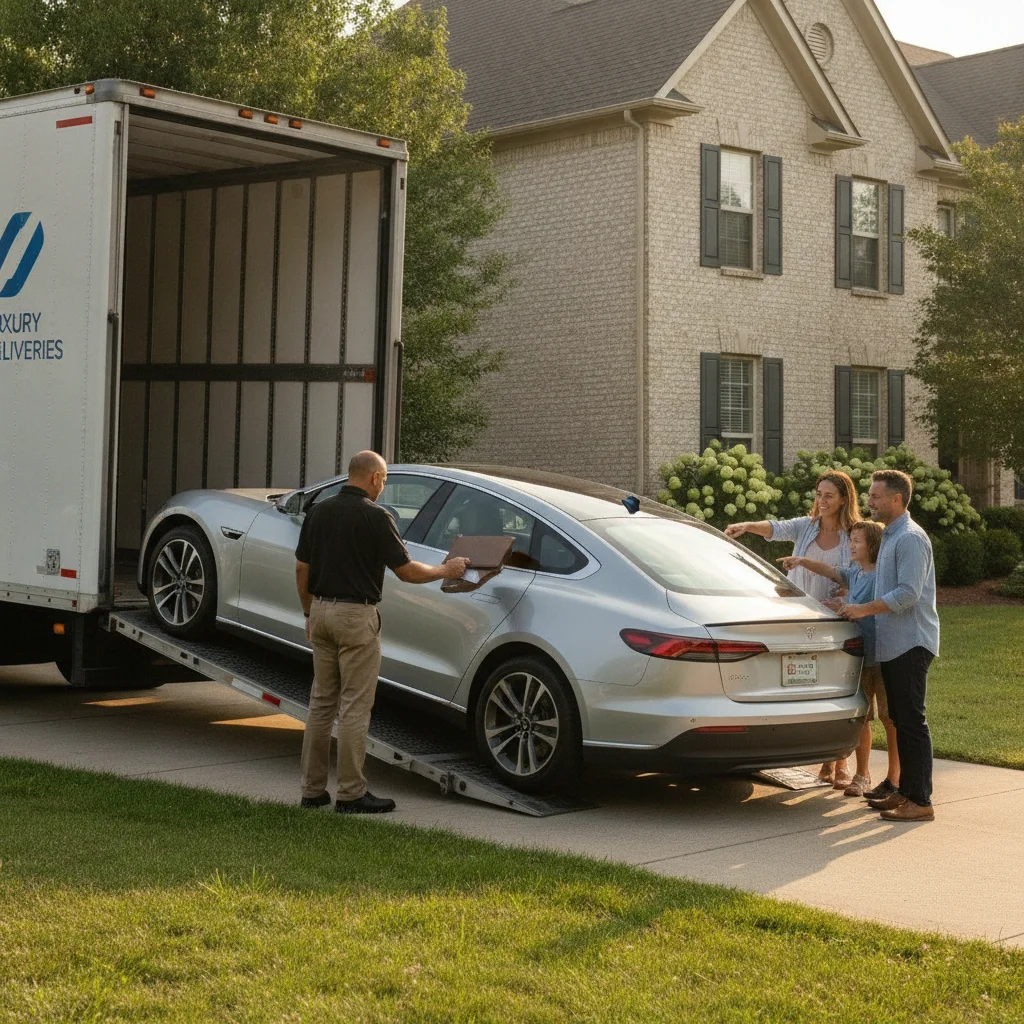
Buying a car feels complete the moment you take possession of the keys. In reality, that moment is only the halfway point. Until your vehicle is legally registered in your name, you don't have the right to drive it on public roads in most states, and your ownership isn't fully recognized by law. Registration is the government's official record that a specific vehicle belongs to a specific person — and it comes with a price tag that surprises many first-time buyers.
The costs involved aren't just a flat fee. They typically bundle together several distinct charges: a title transfer fee, a registration fee (sometimes calculated on vehicle weight or value), a state sales or use tax, and sometimes a local county or city surcharge. Depending on your state and the purchase price of the vehicle, these combined fees can range from under $200 in low-cost states to well over $1,000 in California, Florida, or Texas on a mid-priced new car.

Understanding the fee structure before you walk into the DMV — or before your dealer submits paperwork on your behalf — means you won't be caught off guard by a bill you didn't budget for. For a full picture of how these charges evolve over a vehicle's life, see the registration and tax timeline for a car purchase which maps every government fee from signing day through annual renewals.
It's also worth noting the distinction between titling and registering. The title is the legal proof of ownership document — essentially the car's deed. Registration is the annual (or biennial) permission to operate the vehicle on public roads. In most states, both happen at the same time when you first acquire a car, but they are separate transactions with separate fees.
What You'll Need Before You Start
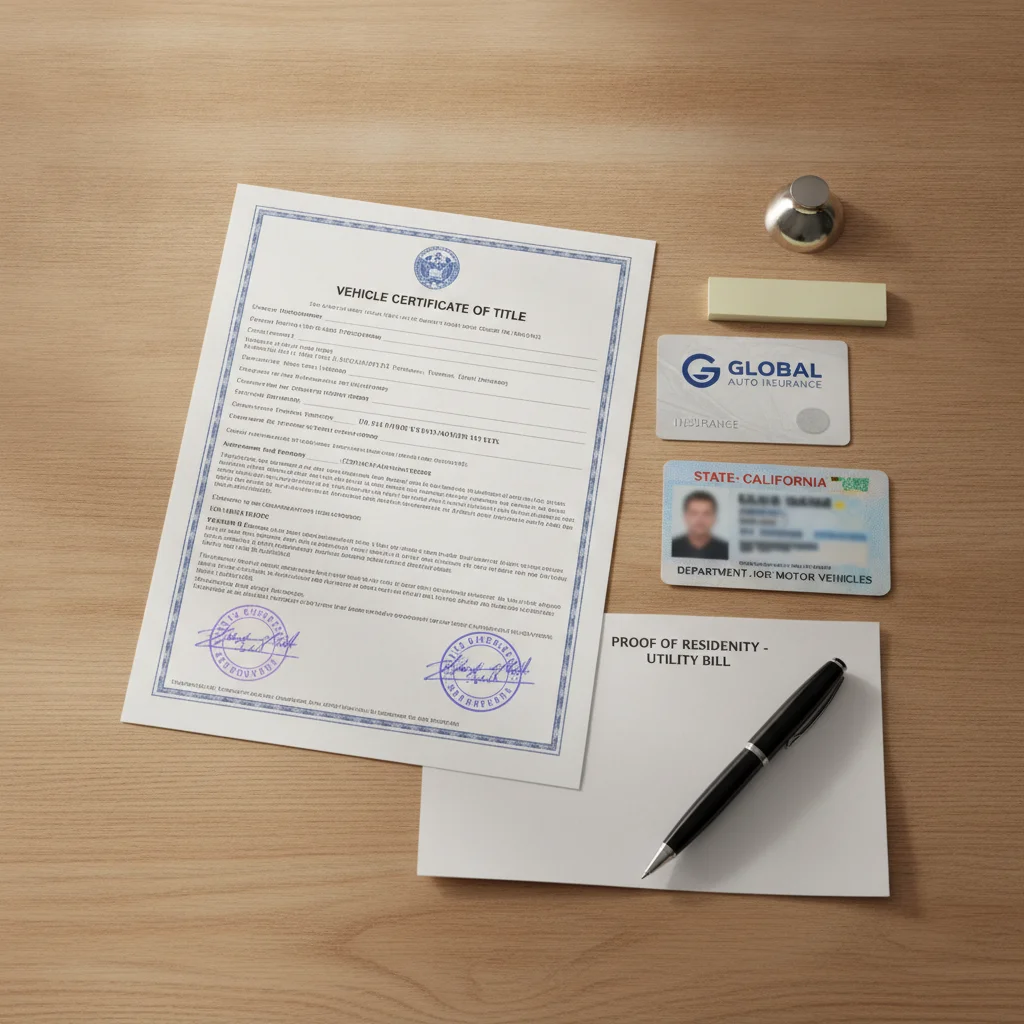
Walking into a DMV without the right documents is the single most common mistake new car owners make. The required paperwork varies slightly by state and by how you acquired the vehicle — dealer purchase, private party sale, or online transaction — but there is a core set of documents that nearly every state requires.
What you will need
If you purchased your car through a dealership, the dealer will typically prepare the title assignment and may submit initial registration paperwork on your behalf. However, you are still responsible for confirming what was filed, paying any remaining fees, and collecting your permanent plates. Buying from a private seller puts the full burden of documentation on you and the seller together.
For those who completed an online vehicle purchase, the process has additional moving parts. The post-purchase steps for online car buyers explains how title transfer and registration fit into the delivery timeline when the seller and buyer are in different states.
State DMV Fee Calculator
Estimates your total registration and title fees before your DMV visit so you arrive with the correct payment amount.
Bill of Sale Template
Documents the terms of a private-party sale including purchase price, VIN, and buyer/seller information required for title transfer.
Vehicle History Report (Carfax/AutoCheck)
Confirms the title is clean, lien-free, and matches the vehicle you're registering — critical for used car purchases.
Auto Insurance ID Card
Proof that the vehicle carries the state's minimum required liability coverage, which must be presented at registration.
Certified Check or Money Order
Many DMV offices do not accept personal checks or credit cards for registration fees; a certified check or money order ensures accepted payment.
One document people frequently overlook: if there is a lienholder (a lender who financed your purchase), their name will appear on the title, and in some states they hold the physical title until the loan is paid off. You'll still register the vehicle in your name, but the title itself may be mailed directly to your lender. Know this before you arrive at the DMV expecting to walk out with the full title document.
For a comprehensive, state-agnostic checklist of every document you may need, the documents required to register a car in any state is the most thorough reference available.
Step-by-Step: How to Register Your Newly Purchased Car
The steps below follow the standard registration process for a vehicle purchased from a dealership or private party. The sequence applies broadly across U.S. states, though specific form names and fee amounts will vary. Complete each step in order — skipping ahead often creates delays or requires you to start over.
Collect and verify all required documents
Before anything else, gather every document listed in the prerequisites above. For a dealership purchase, the dealer should provide you with a signed title (or MCO for a new vehicle), the bill of sale, and any temporary registration paperwork at delivery. For a private-party sale, the seller must sign over the title to you in the correct section — typically labeled "Assignment of Title" or "Transfer of Ownership."
Check the title carefully: the seller's name on the title must exactly match their ID, their signature must be in the correct field, and the odometer reading must be filled in accurately. An error here — even a small one — can delay registration by weeks.
Obtain proof of insurance before driving the vehicle
You cannot legally drive a newly purchased vehicle — even off the dealership lot — without proof of insurance in most states. Contact your insurer before or on the day of purchase to add the vehicle to your existing policy, or purchase a new policy if this is your first car. Your insurer will provide an insurance ID card, which you must present at registration.
Most states require at minimum: bodily injury liability, property damage liability, and (in no-fault states) personal injury protection. Verify your state's minimums, but keep in mind that minimum coverage is rarely sufficient to protect your finances in a serious accident.
Determine whether your dealer is handling initial registration
Licensed dealerships in most states are authorized to process title transfers and temporary operating permits on your behalf. Ask your dealer explicitly: "Are you submitting my title and registration paperwork to the DMV?" Get a clear answer, and if they are handling it, ask for the estimated processing timeline and what documents you'll receive and when.
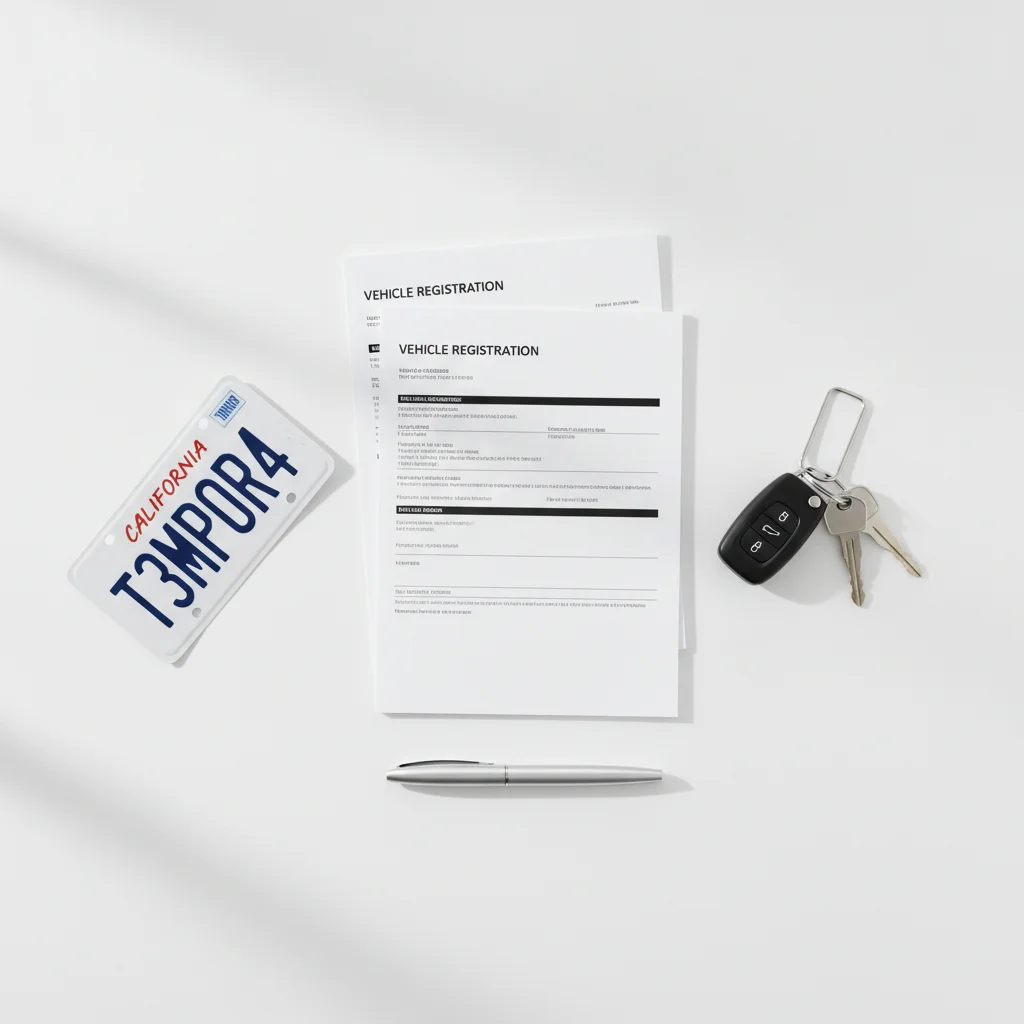
Even when a dealer files on your behalf, you'll typically need to complete a final visit to the DMV — or receive paperwork by mail — to pick up your permanent license plates. Temporary tags (paper plates) usually expire in 30 to 90 days, so know your deadline.
Confirm whether a vehicle inspection or emissions test is required
Roughly 30 states require some form of safety inspection, emissions test, or both before a vehicle can be registered. Requirements vary significantly: some states require inspection only for vehicles over a certain age, some waive it for brand-new cars, and others require it annually at renewal.
Check your state DMV's website for the specific requirements in your county or municipality — local rules sometimes differ from state-level rules. If an inspection is required, schedule it before your DMV appointment so you arrive with a valid inspection certificate in hand.
Calculate your fees and prepare payment
Visit your state DMV's official website and use its fee calculator, or call the DMV directly, to get an estimate of what you'll owe. Fees typically include: title transfer fee, registration fee, license plate fee, and sales or use tax calculated on the vehicle's purchase price.
Determine accepted payment methods before you go — many DMV offices accept only cash, money orders, or certified checks. Showing up with a personal check or credit card at an office that won't accept them means a wasted trip.
Visit the DMV and complete your application
Bring every document from your checklist to the DMV office. Most states require you to submit: the signed title or MCO, completed registration application form (available on the DMV website or at the office), proof of insurance, ID, and payment.
At the counter, a DMV clerk will review your documents, verify the VIN on the title matches the vehicle's records, assess fees, and process the title transfer. If everything is in order, you'll receive your registration certificate and permanent license plates — either on the spot or by mail within a few weeks, depending on the state.
Mount your plates and store your registration certificate
Once you have your permanent plates, mount them on the vehicle immediately — front and rear if your state requires two plates, rear only if your state requires one. Attach the registration sticker (if issued) to your license plate in the location specified by your state's instructions.
Place the registration certificate in your glove compartment. You are legally required to carry it in the vehicle at all times in most states. Store a photocopy at home along with your title, bill of sale, and any lienholder documents. The original title should be kept in a safe place — not in the car, where it could be stolen.
Once you've completed the registration process and received your permanent plates, file all documents — title, registration certificate, bill of sale, and insurance declarations — in a single, accessible folder. You'll need the registration card in your vehicle at all times, and you'll need the title if you ever sell, trade, or refinance the car.
Don't Drive on an Expired Temporary Tag
Temporary tags issued at the time of purchase expire — typically in 30 to 90 days depending on your state. Driving with an expired tag is a moving violation that can result in fines and, in some states, vehicle impoundment. If your permanent registration is delayed due to a processing issue, contact the DMV proactively to request a tag extension rather than continuing to drive illegally.
Verify Dealer-Filed Paperwork Didn't Get Lost
Dealers occasionally submit title and registration paperwork with errors, or the paperwork may be lost in transit to the DMV. Don't assume everything was handled correctly just because the dealer said it was. Check your state DMV's online title status tool — available in most states — about two to three weeks after purchase to confirm your transfer is being processed.
Understanding the Fees You're Paying
Registration isn't just a single fee — it's a bundle of government charges that often aren't itemized clearly on dealership paperwork. Breaking them down individually helps you verify you were charged correctly and plan for what renewal will cost each year.
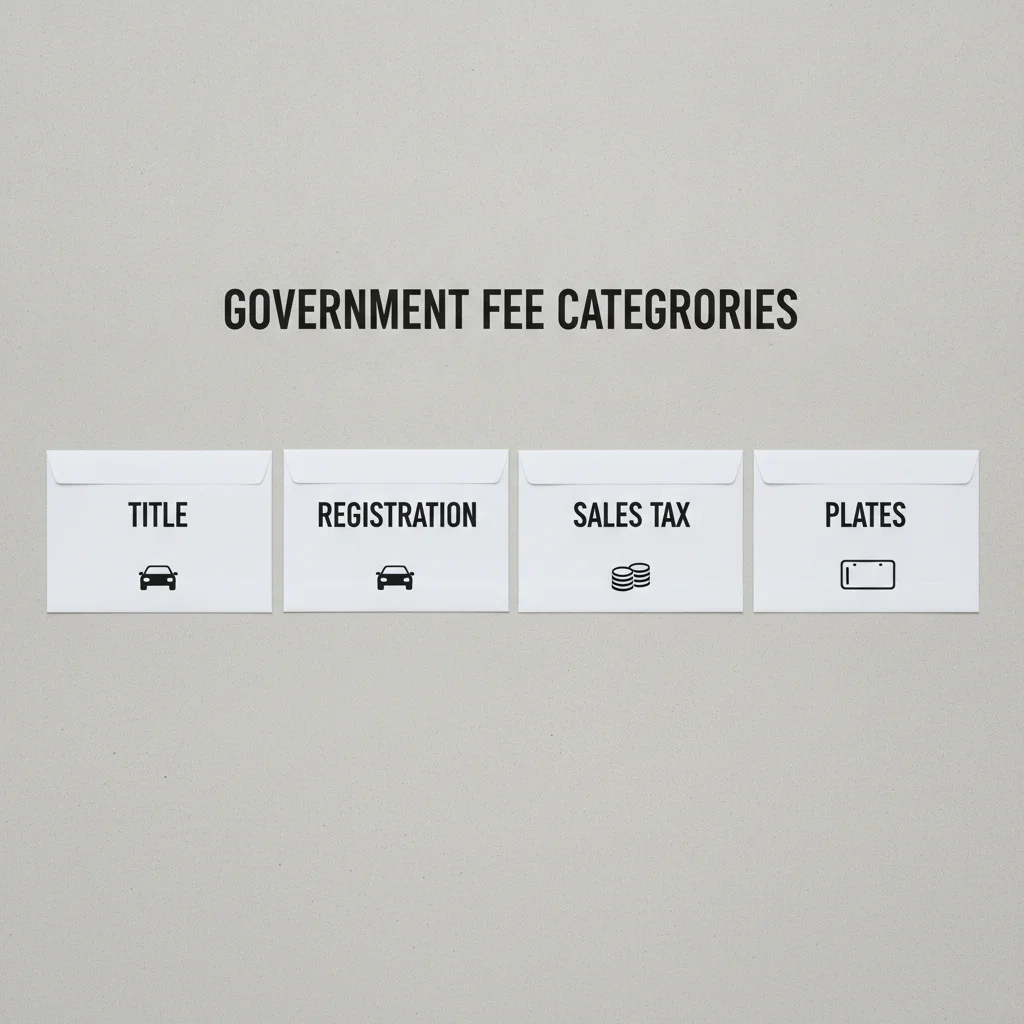
| Fee Type | What It Covers | Typical Range |
|---|---|---|
| Title Transfer Fee | Recording new ownership in the state's motor vehicle database | $10 – $100 |
| Registration Fee | Annual permission to operate vehicle on public roads; may scale with weight or value | $50 – $400+ |
| Sales / Use Tax | State (and sometimes local) tax on the purchase price | 0% – 10%+ of sale price |
| Plate Fee | Issuing new license plates; specialty plates cost more | $10 – $75 |
| County / City Surcharges | Local infrastructure or emissions program funding | $5 – $150 |
| Emissions / Inspection Fee | Required in states with mandatory vehicle testing programs | $10 – $60 |
Sales tax deserves special attention because it's calculated on the vehicle's purchase price, not the registration fee. On a $30,000 car in a state with a 7% sales tax rate, that's $2,100 due at registration time — a significant lump sum that many buyers don't factor into their financing. Some states allow you to roll this into a loan; others require it paid in full at the DMV. Ask your dealer or check your state DMV website before closing day.
Use Your State's Online Fee Estimator First
Nearly every state DMV now offers an online fee calculator where you enter the vehicle's purchase price, model year, and weight class to get a close estimate of total registration costs. Running these numbers before closing day lets you negotiate with full awareness of your true out-of-pocket costs. Some states also allow you to complete the entire registration process online after a dealership purchase — check your state's DMV website to see if that option is available to you.
Review the Title Before You Drive Away
The best time to catch a title error is while you're still at the point of sale — not three weeks later at the DMV. Check that the seller's name matches their ID, the VIN matches the vehicle's dashboard and door jamb stickers, and every required field is filled in correctly. A one-minute review at the seller's location can save you hours of corrective paperwork later.
Set Up Renewal Reminders Early
Registration renewal notices are mailed to the address on file with the DMV — if you've moved since registering, you may never receive it. Log your renewal date into your phone's calendar the day you register, and update your DMV address any time you move. Many states now offer text and email reminders as well, which you can opt into on your state's DMV website.
Dealers are legally required to provide you with an itemized breakdown of all government fees charged as part of your purchase. If you see a vague line item like "doc fee" or "government fees" without further detail, ask for clarification in writing. Some dealer doc fees are capped by state law; others are not. These are separate from registration fees and go to the dealer, not the DMV.
For buyers who completed their purchase entirely online, the fee structure is identical — but the mechanics of payment differ. See buying a car online from start to title for how taxes and fees are typically handled when there's no physical dealership visit.
Special Situations That Complicate Registration
Most registrations follow the standard path described above. But several common scenarios introduce additional requirements, different forms, or extended timelines. Knowing which category you fall into before you start saves significant frustration.
Out-of-State Purchases
If you bought a car from a dealer or private seller in a different state, the title will initially be issued in the seller's state. You'll need to bring that out-of-state title to your home state's DMV and apply for a new title and registration in your state. Your home state will assess its own sales or use tax — though many states offer a credit if you already paid tax in the seller's state.
Vehicles with Existing Liens
When you finance a purchase, the lender holds a lien on the vehicle. In most states, the lienholder's name appears on the title, and the physical title document is held by the lender (or recorded electronically). You can still register the vehicle and receive plates — you just won't hold the paper title until the loan is paid off and the lien is released.
A Lien Doesn't Prevent Registration — But Changes It
If your vehicle is financed, the lender holds a security interest (lien) in the vehicle and their name will appear on the title. In many states, the physical title is held by the lender or recorded electronically until the loan is fully paid off. You can still register the vehicle and receive plates in your name — but do not expect to walk out of the DMV with the complete paper title document if there is an outstanding loan. Contact your lender before your DMV visit to confirm how they handle title holding in your state.
Falsifying Purchase Price Is a Serious Crime
In private-party sales, it may be tempting for a buyer and seller to record a lower sale price on the bill of sale to reduce the buyer's sales tax burden. This constitutes tax fraud in every state and can result in fines, back taxes, and in egregious cases, criminal charges. DMV clerks in some states cross-reference declared values against published market data and may question a sale price that appears significantly below market value for the vehicle's year and condition.
Inherited or Gifted Vehicles
Vehicles received as gifts or through an estate have their own distinct title transfer rules and tax implications. In many states, gifted vehicles between immediate family members are exempt from sales tax — but the documentation requirements to prove the relationship and establish the gift are strict. The process for registering an inherited or gifted car covers these scenarios in detail.
Moving to a New State After Registration
If you register your car in one state and then relocate, you'll need to re-register in your new state — typically within 30 to 90 days of establishing residency. The moving to a new state with your car checklist walks through every step of that re-registration process so you don't miss a deadline or face a lapse in legal driving status.
New Car vs. Used Car Registration
Brand-new vehicles purchased from a franchised dealership are often handled more smoothly than used car transactions — dealers are licensed to process title and temp registration on your behalf, and the title chain is clean. Used car purchases, especially private-party sales, can involve unclear title history, missing odometer disclosures, or an out-of-state title that requires extra steps. Always run a title history check before buying used. For buyers navigating the new car purchase process from the beginning, the guide to buying new cars outlines what to expect from a dealership transaction.

Avoiding Common Registration Mistakes
Even straightforward registrations go sideways when buyers skip steps or make assumptions. Here are the most frequent mistakes I see — and how to sidestep each one.
Assuming the Dealer Filed Everything
Dealers in most states are authorized to file title and temporary registration paperwork, and many do so reliably. But "filed" doesn't mean "complete." Dealers can make errors, miss a signature, or fail to submit payment on time. Follow up with your state DMV roughly two to three weeks after purchase to confirm your title transfer is in process. Don't wait until your temporary tag expires to discover a problem.
Missing the Registration Deadline
States impose a window — commonly 30, 60, or 90 days — in which you must complete registration after purchase. Driving on an expired temporary tag is a moving violation in most states and can result in fines. Mark your calendar from day one.
Underestimating Total Fees
Sales tax on the vehicle purchase price is the most common budget shock. A buyer who finances $28,000 for the car itself but doesn't account for $1,800 in registration and taxes may face a cash shortfall at the DMV. Ask for a fee estimate from the dealership's finance office before signing, and verify it against your state DMV's fee calculator if one is available online.
Signing a Title Incorrectly
A seller's signature on the title that is smudged, placed in the wrong field, or uses a different name than what's on the title document can invalidate the entire document. Some states will not accept a corrected title — you may need to apply for a bonded title or go through a legal process to establish ownership. Inspect the title carefully at the point of sale before leaving the transaction.
Use Your State's Online Fee Estimator First
Nearly every state DMV now offers an online fee calculator where you enter the vehicle's purchase price, model year, and weight class to get a close estimate of total registration costs. Running these numbers before closing day lets you negotiate with full awareness of your true out-of-pocket costs. Some states also allow you to complete the entire registration process online after a dealership purchase — check your state's DMV website to see if that option is available to you.
Review the Title Before You Drive Away
The best time to catch a title error is while you're still at the point of sale — not three weeks later at the DMV. Check that the seller's name matches their ID, the VIN matches the vehicle's dashboard and door jamb stickers, and every required field is filled in correctly. A one-minute review at the seller's location can save you hours of corrective paperwork later.
Set Up Renewal Reminders Early
Registration renewal notices are mailed to the address on file with the DMV — if you've moved since registering, you may never receive it. Log your renewal date into your phone's calendar the day you register, and update your DMV address any time you move. Many states now offer text and email reminders as well, which you can opt into on your state's DMV website.
For buyers who want a full picture of how the paperwork and title transfer process works from the seller's side — which directly affects what you receive as the buyer — it's worth reviewing what a clean title handoff looks like before you complete a private-party purchase.
A Lien Doesn't Prevent Registration — But Changes It
If your vehicle is financed, the lender holds a security interest (lien) in the vehicle and their name will appear on the title. In many states, the physical title is held by the lender or recorded electronically until the loan is fully paid off. You can still register the vehicle and receive plates in your name — but do not expect to walk out of the DMV with the complete paper title document if there is an outstanding loan. Contact your lender before your DMV visit to confirm how they handle title holding in your state.
Falsifying Purchase Price Is a Serious Crime
In private-party sales, it may be tempting for a buyer and seller to record a lower sale price on the bill of sale to reduce the buyer's sales tax burden. This constitutes tax fraud in every state and can result in fines, back taxes, and in egregious cases, criminal charges. DMV clerks in some states cross-reference declared values against published market data and may question a sale price that appears significantly below market value for the vehicle's year and condition.

All claims are backed by peer-reviewed research. Sources on request.