
| Sales Tax Due | At point of sale (Day 0) |
| Title Processing Window | 10–30 business days (varies by state) |
| Temporary Tag Validity | 30–90 days depending on state |
| Permanent Plates Issued | Usually within 30–90 days of purchase |
| Vehicle Property Tax States | Approximately 27 states levy annual vehicle property tax (Varies by state legislation) |
| Annual Registration Renewal | Every 1–2 years (state-dependent) |
| New State Re-Registration Deadline | 30–90 days after establishing residency |
| Emissions Inspection Requirement | Required in roughly 30 states before renewal (EPA state program list) |
Why the Timeline Matters More Than You Think
Most car buyers focus entirely on the purchase price and monthly payment, then get blindsided by hundreds — sometimes thousands — of dollars in government fees that arrive on a rolling schedule for years after the sale. Sales tax is due at signing. Title fees hit within days. Registration renewals recur annually. Property taxes can resurface every January, depending on your state.
This isn't just an administrative nuisance. Missing a deadline can trigger late fees, registration holds, or even a vehicle being flagged as unregistered during a traffic stop. Understanding exactly when each fee is due — and what triggers it — lets you budget accurately and stay legally compliant from day one.
The timeline below follows a typical new or used car purchase through its first full year of ownership, month by month. Some steps vary by state, dealer type, or whether you bought privately or through a dealership. Where variation is significant, that's noted. For a deep dive into what specific states charge, see our state-by-state tax and fee reference.
| Sales Tax Due | At point of sale (Day 0) |
| Title Processing Window | 10–30 business days (varies by state) |
| Temporary Tag Validity | 30–90 days depending on state |
| Permanent Plates Issued | Usually within 30–90 days of purchase |
| Vehicle Property Tax States | Approximately 27 states levy annual vehicle property tax (Varies by state legislation) |
| Annual Registration Renewal | Every 1–2 years (state-dependent) |
| New State Re-Registration Deadline | 30–90 days after establishing residency |
| Emissions Inspection Requirement | Required in roughly 30 states before renewal (EPA state program list) |
Day 0: The Purchase — Fees You Pay at the Table
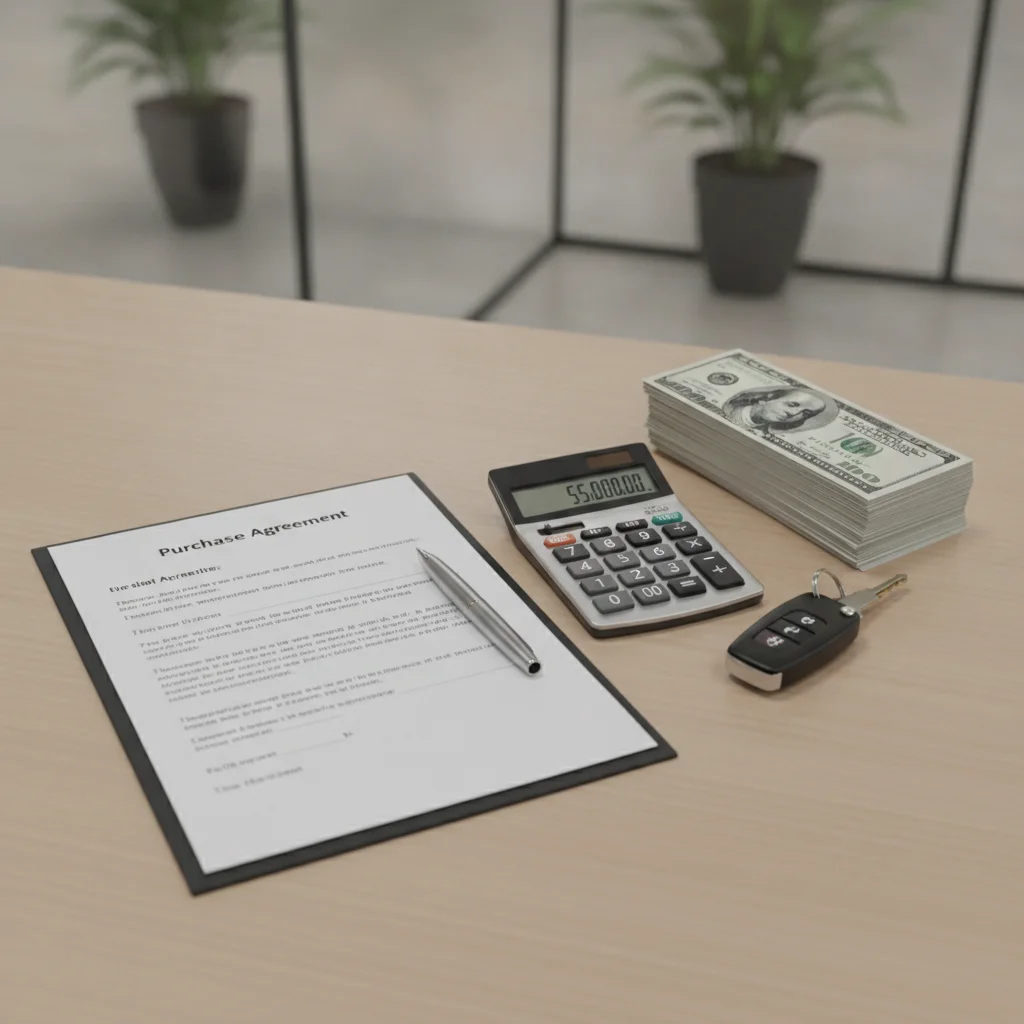
The moment you sign the purchase agreement and hand over payment, the government clock starts running. Several fees are collected right at the dealership, either rolled into your financing or paid out of pocket.
Sales Tax (Collected at Point of Sale)
In most states, sales tax on a vehicle is calculated on the purchase price — sometimes minus trade-in value — and collected by the dealer at signing. The dealer then remits it to the state. You don't write a separate check to the DMV later; this one is settled before you leave the lot.
Rates vary dramatically. Some states like Oregon, Montana, Alaska, New Hampshire, and Delaware charge no sales tax at all. Others like California and Tennessee apply rates well above 7%. Know your local rate before you negotiate — sales tax on a $35,000 vehicle at 8% is $2,800 you need to have ready or financed.
Documentation Fee ("Doc Fee")
Dealers charge a documentation or "doc" fee to cover the administrative cost of processing your paperwork. This is a dealer-set fee, not a government fee, but it's nearly universal. It typically ranges from $100 to $900 depending on state caps and dealer policy. It's collected at signing.
Title Application Fee
The state charges a fee to issue a new title in your name. This is usually between $10 and $100 and is paid at closing — either directly at the DMV if you're a private seller, or through the dealer who submits the paperwork on your behalf. See our guide to title and registration document transfers for more on what this paperwork actually involves.
Temporary Registration Fee
In most states, when you drive off the lot, you'll have a temporary paper plate or transit tag that's valid for 30 to 90 days. There's often a small fee for this — sometimes folded into the deal without much fanfare. It buys you time to get permanent registration processed.
Temporary Tags Have Hard Expiration Dates
If your temporary tag expires before your permanent plates arrive, you are technically driving an unregistered vehicle — which can result in a citation even if the delay isn't your fault. Keep a copy of your purchase agreement in the car as proof of pending registration. If the tag is expiring and you haven't heard anything, contact the dealer's title department immediately.
Prorated First Year Can Mislead Your Budget
Your first registration bill may be much lower than subsequent annual renewals because it covers only a partial year. If you pay $60 for a prorated 3-month registration, don't assume that's your ongoing cost — your full annual renewal the following year could be $180 or more. Budget for the full annual amount going forward.
Private Party Sales Have Different Timelines
When you buy from a private seller instead of a dealer, you are responsible for submitting title transfer and registration paperwork directly to the DMV — the seller does not handle it for you. Deadlines are the same, but the process is entirely in your hands. Missing the window can result in late fees and complications establishing clear ownership.
Days 1–30: Title Processing in the Background
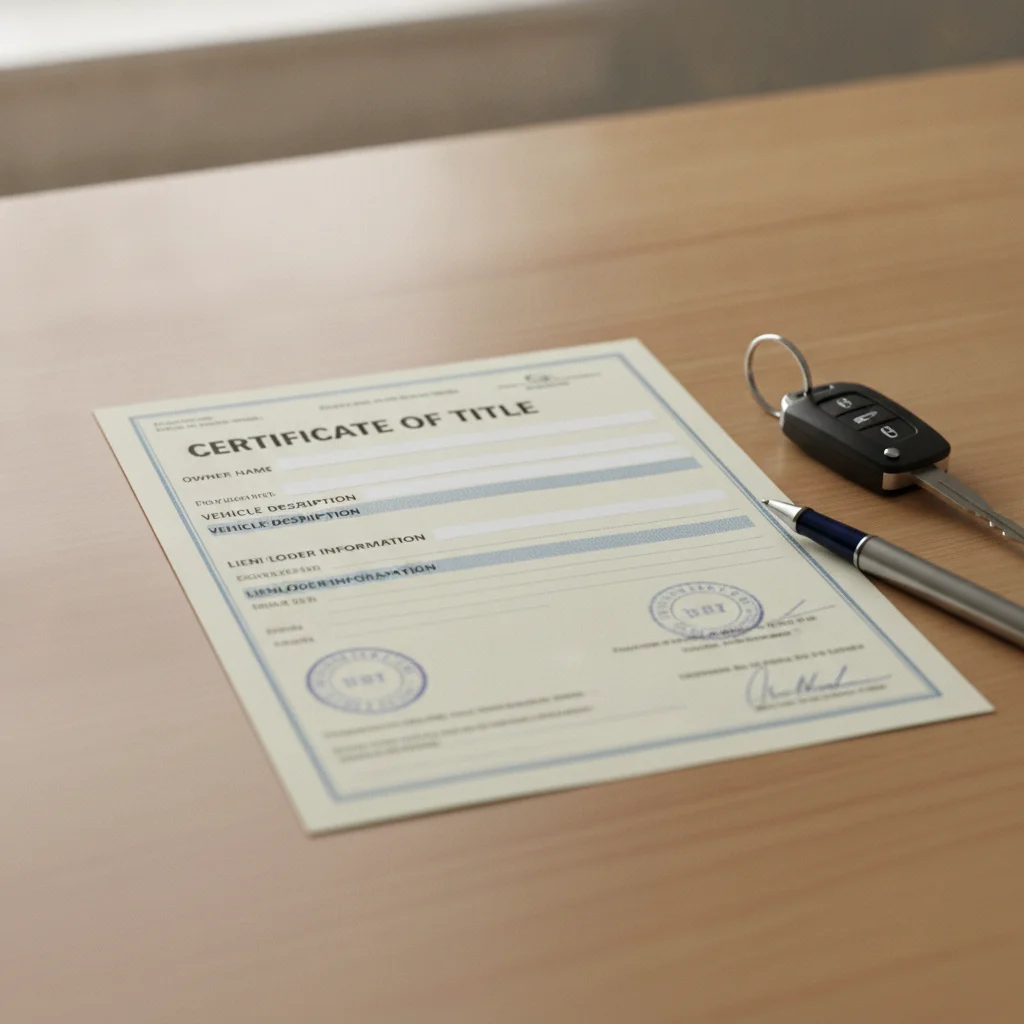
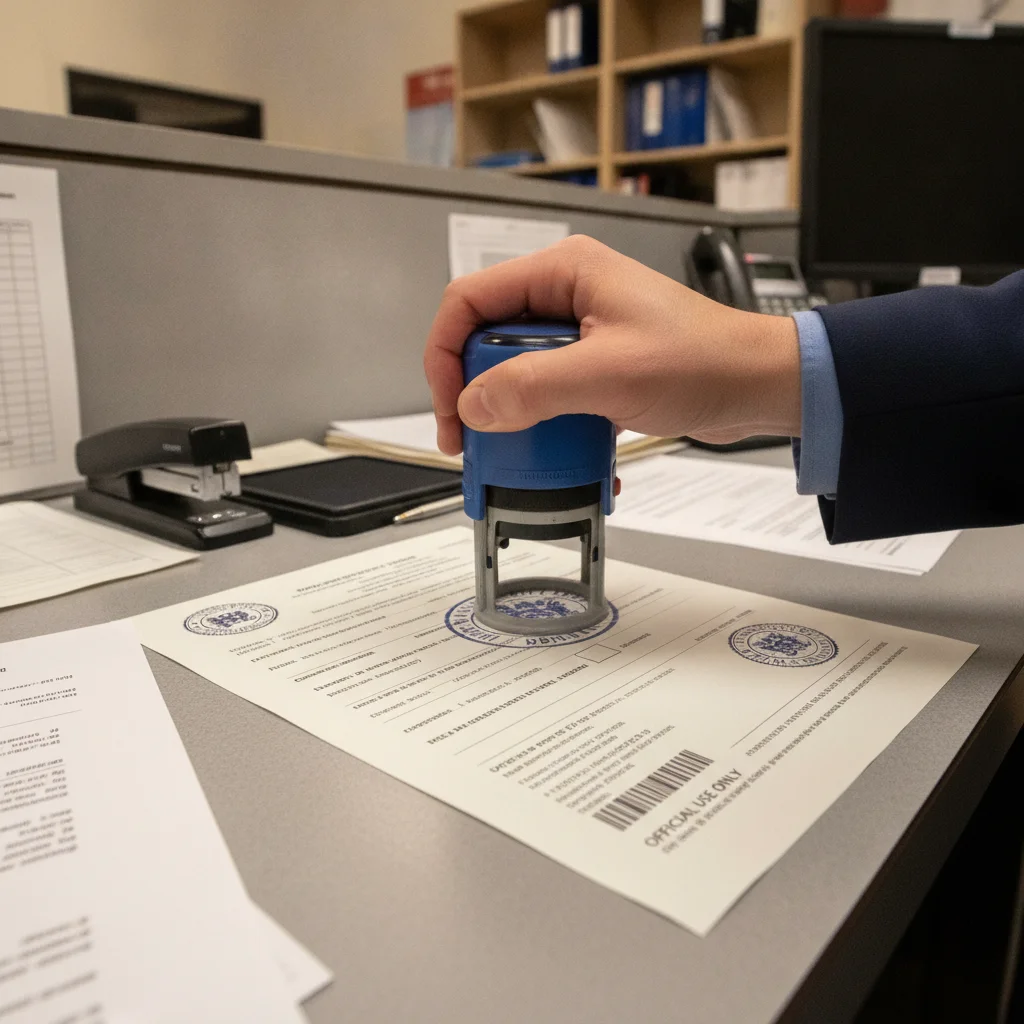
While you're driving your new car, paperwork is moving through a quiet chain of custody. If you bought from a dealer, they submit your title application to the state DMV within a legally required window — typically 10 to 30 business days, depending on the state.
If you financed the vehicle, the lender's name appears on the title as a lienholder. The title itself may go directly to the lender rather than to you — which is standard. You'll receive a copy or notice once it's processed.
What Can Go Wrong Here
Delays in title processing happen more often than dealers admit. Common causes include:
- Missing or incomplete odometer disclosure
- Name discrepancies between the purchase agreement and your ID
- Delays if the car was sold out-of-state and needs a title from another state first
- Backlog at the state DMV
If your temporary tag is about to expire and you haven't received permanent plates or a registration notice, call the dealer's title department — not the general sales line — immediately. They are responsible for this process, and in most states, if their late filing causes a gap in your registration, they bear liability for it.
For online car purchases, the timeline can stretch slightly longer because the car ships to you rather than being picked up at a local lot. Our article on what happens after buying a car online covers these extra steps in detail.
Days 30–90: Registration, Plates, and First-Year Fees
By the end of this window, your permanent registration should be issued and your plates should arrive — either mailed to you directly or made available for pickup at the DMV, depending on state.
Certificate of Title
The legal document that establishes ownership of a vehicle. When you buy a car, a new title must be issued in your name by the state DMV. If the car is financed, the lender is listed as a lienholder until the loan is paid off.
Registration
The annual government authorization that allows a vehicle to be legally operated on public roads. Registration is tied to a specific vehicle and owner and must be renewed — typically each year — for a fee.
Personal Property Tax
An annual tax levied by some states or counties on the assessed value of a privately owned vehicle. It is separate from registration fees and sales tax, and arrives as its own bill from the local tax authority.
Temporary Tag (Transit Plate)
A paper or cardboard license plate issued at purchase that allows you to drive the vehicle legally while permanent registration is being processed. Valid for a limited period, typically 30 to 90 days.
Documentation Fee
A dealer-charged administrative fee for processing the paperwork associated with a vehicle sale. It is not a government fee, though it is nearly universal and collected at signing.
Prorated Registration
A reduced first-year registration fee calculated based only on the months remaining in the registration cycle at time of purchase. It makes the first bill look lower than future annual renewals will be.
Use Tax
A tax applied to vehicles purchased out of state and brought into another state for use. It functions similarly to sales tax and is typically owed to the state where the vehicle will be registered, sometimes offset by taxes already paid elsewhere.
Lienholder
A financial institution or lender whose loan is secured by the vehicle. The lienholder's name appears on the title until the loan is fully repaid, at which point a lien release is issued.
Registration Fee Structure
Registration fees are set by the state and sometimes by the county or municipality. They're not flat fees everywhere — many states tie registration cost to one or more of the following variables:
- Vehicle weight or GVWR: Heavier vehicles often pay more.
- Vehicle age: Older vehicles may pay less as their assessed value drops.
- Vehicle value: Some states peg fees to the current market or original MSRP.
- Engine type or fuel: Electric vehicles in several states pay a flat surcharge in lieu of gas taxes.
Expect to pay anywhere from $30 to several hundred dollars for your first-year registration, depending on these factors and your state. For a complete step-by-step breakdown of this process, including the document checklist, refer to our guide on registering a newly purchased car.
Prorated Registration
In most states, your first registration is prorated — meaning you pay only for the months remaining in the registration year, not a full annual fee. If your state's registration year runs January through December and you buy in October, you might pay just two or three months' worth for year one. That can look surprisingly affordable, but don't mistake it for the ongoing annual cost.
$1,000–$3,000+
Typical first-year government fees beyond the sale price
Includes sales tax, title, registration, and property taxes where applicable — varies significantly by state and vehicle price.
~27
U.S. states with annual vehicle personal property tax
Roughly half of U.S. states assess some form of personal property tax on privately owned vehicles each year.
30–90 days
Typical window to register after purchasing
Most states require new owners to complete title transfer and registration within 30 to 90 days of purchase.
Up to $900
Maximum documentation fee charged by some dealers
Doc fees vary widely by state — some states cap them by law, others do not, leaving room for significant variation.
2–5 years
Time before total registration and tax costs rival original fees
Annual registration renewals and recurring property taxes can accumulate to rival first-year costs over a typical ownership period.
Month 3–6: Property Taxes (Where Applicable)
Here's the fee that catches the most car buyers completely off guard: the annual personal property tax on vehicles. Not every state has it, but roughly half do — including Virginia, North Carolina, Missouri, Connecticut, and several others.
In states with vehicle property tax, you receive a separate tax bill from your county or city assessor — not from the DMV — typically based on the assessed value of your vehicle. The bill often arrives months after purchase, which is why buyers who weren't warned feel ambushed.
How Vehicle Property Tax Is Calculated
Most states that levy vehicle property tax use a depreciation schedule tied to the car's original MSRP or purchase price. A new $45,000 vehicle might be assessed at 90% of value in year one, dropping each subsequent year as the car ages. The tax rate itself varies by locality — it's common to see effective rates between 1% and 4% of assessed value.
On a $40,000 vehicle assessed at 90% value with a 2.5% rate, that's a $900 annual property tax bill. It arrives as a separate statement. If you're financing, it is not included in your car payment — it's your responsibility to pay it directly or risk a tax lien on the vehicle.
When You Buy Mid-Year
In most property-tax states, your first bill will be prorated or assessed for the partial year remaining. Some states assess based on the vehicle's registration date; others assess on January 1st regardless of purchase date. Check with your county assessor early — don't wait for the bill to arrive to understand the amount.
Month 12 and Beyond: Annual Renewals and Recurring Fees
Once you've cleared the first-year setup costs, the recurring annual cycle kicks in. Most registration renewals happen once a year, with some states allowing two-year renewals. A notice — mailed or emailed — typically arrives 30 to 60 days before expiration.

What's Included in Annual Renewal
Your renewal notice will typically bundle:
- Base registration fee
- Any county or local add-on fees
- Emissions or safety inspection fees (in states that require testing)
- Vehicle property tax payment (in states where this is collected through the DMV)
In some states, emissions testing must be completed and passed before renewal is approved. That means scheduling an inspection a few weeks early to allow time if your vehicle fails and needs repairs before re-test.
Keeping Records as Fees Accumulate
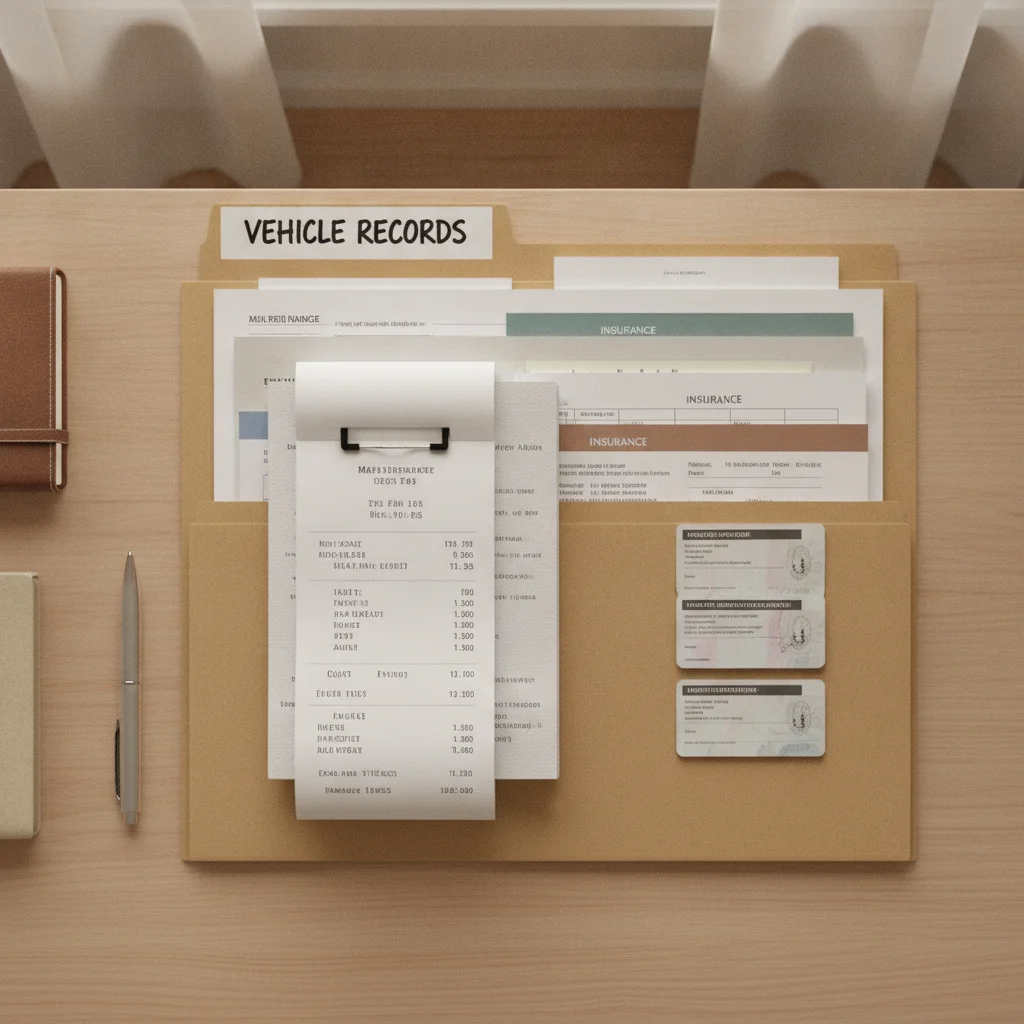
Over five to ten years of ownership, the cumulative cost of annual registration, property taxes, and renewal fees can run into the thousands. Good record-keeping habits protect you from missed deadlines and help you understand the true cost of ownership over time. Our guide on keeping registration and tax records organized gives you a practical system to follow.
Moving to a New State
If you relocate with your current vehicle, the clock resets — you'll need to re-register in your new state, typically within 30 to 90 days of establishing residency. This often means a new title, new plates, and potentially paying a new state's sales or use tax (though credits for taxes already paid are sometimes available). Our moving to a new state registration checklist walks you through exactly what's required.
Whether you're buying new, buying used, or received a vehicle as a gift or inheritance, the fee timeline is governed by the same general sequence — though the specific documents and tax implications differ. For gifted or inherited vehicles, see our article on registering an inherited or gifted car for the nuances involved.
State-by-State Tax and Fee Reference
A comprehensive lookup guide covering vehicle property taxes, registration fees, and title costs for all 50 states. Essential before budgeting any car purchase.
New Car Registration Step-by-Step Walkthrough
A complete walkthrough of the DMV registration process with a documents checklist — useful for first-time buyers or anyone navigating a new state's requirements.
Moving to a New State Registration Checklist
A printable checklist for re-registering your vehicle after relocating, with state-specific deadline guidance and the documents you'll need to gather.
Registration and Tax Records Organizer
A practical record-keeping template to track all fees, renewal dates, and title documents across the full lifetime of vehicle ownership.
DMV.org State Fee Estimator
An online tool for estimating registration fees and taxes by state before you commit to a purchase — useful for comparing total cost of ownership across states.

All claims are backed by peer-reviewed research. Sources on request.