Key Takeaways
Summary
22 items · 45 minutes to 2 hours (varies by state DMV wait times)
Why Re-Registering Your Car Isn't Optional
When you move across state lines, your car doesn't automatically come along in any legal sense. The plates on your bumper are linked to your old state's records, your insurance policy may not align with new minimum requirements, and the fees and taxes your new state expects — often calculated on your vehicle's current value — haven't been paid yet. Ignoring all of this doesn't make it go away; it makes it expensive.
Most states give you a window of 30 to 90 days after establishing residency to complete re-registration. That sounds like plenty of time, but the clock starts earlier than most people realize, and the list of things to accomplish inside that window is longer than a quick trip to the DMV. You'll likely need to pass inspections, update your insurance, coordinate with your lender if you have a car loan, and pay fees you may not have budgeted for.
Think of this checklist as your moving box for the car side of your relocation — something to pack before the chaos starts, not something to dig out when you're already late.
For context on how registration works from scratch, see our step-by-step new car registration walkthrough, which covers the full document and process flow from purchase to plates.
What You'll Need: Tools and Documents
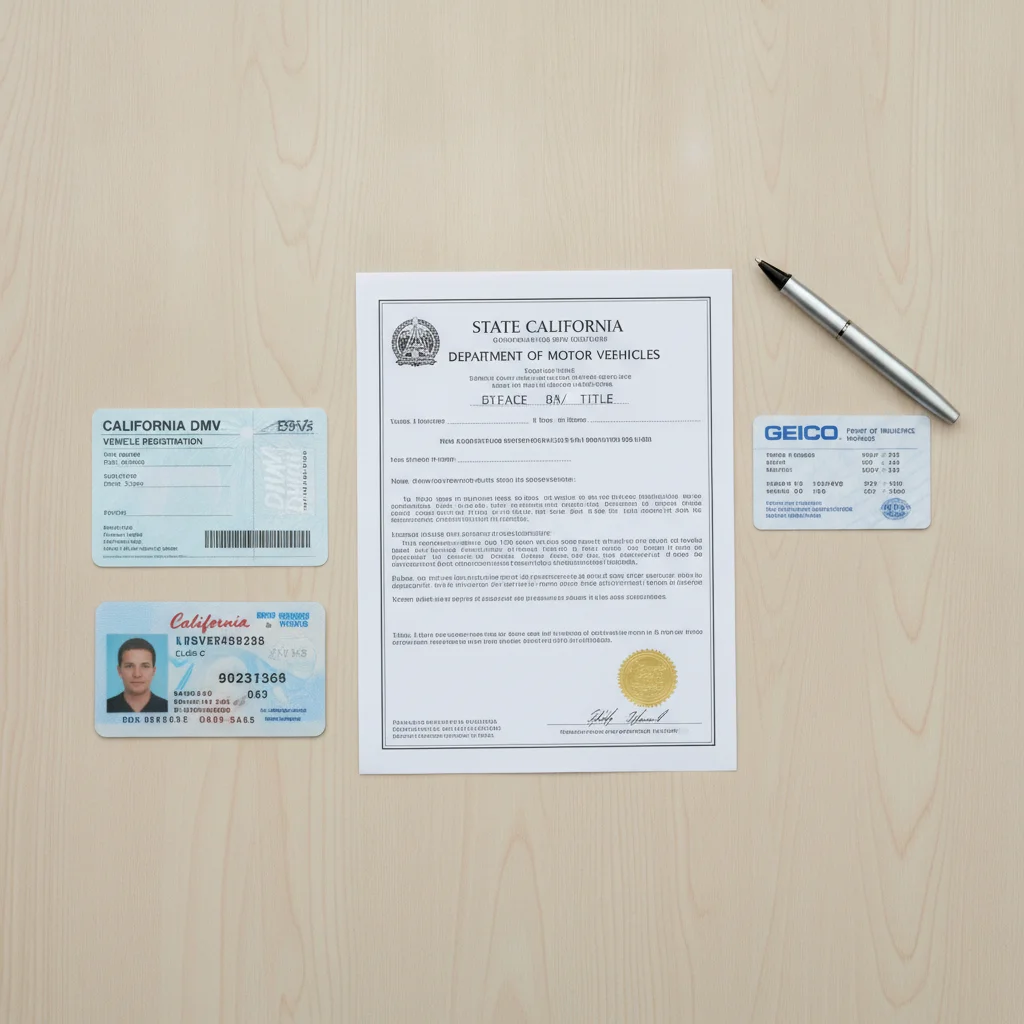
Before you start checking off items, make sure you have the right tools for the job. Re-registering in a new state typically requires more documentation than a simple renewal because your new state needs to establish ownership history, verify insurance compliance, and assess any taxes owed from scratch.
New State's DMV Website
Look up exact deadlines, fee schedules, required documents, and pre-fillable application forms specific to your destination state.
Vehicle Title (Original)
The primary legal proof of ownership required to complete a title transfer and registration in your new state.
Auto Insurance Policy Documents
Prove you carry at least your new state's minimum required liability coverage before registration will be issued.
Lender Authorization Letter
Required if your vehicle is financed — confirms the lienholder permits registration in a different state.
State-Approved Inspection Station
Performs safety and/or emissions testing required by many states before registration can proceed.
NADA or Kelley Blue Book
Estimate your vehicle's current market value to anticipate what use tax your new state may assess.
Document Checklist App or Folder
Keep all required paperwork organized and easily accessible so nothing is missing on DMV day.
The single most important item on this list is your original vehicle title. Unlike most paperwork in modern life, a title is a physical legal instrument — digital copies don't cut it at the DMV counter. If your title has been lost or damaged, review what's involved in title transfers and common delays before your move, because obtaining a replacement title from your old state after you've already relocated is a slower, costlier process. For a complete breakdown of what documents to bring, our vehicle registration document checklist covers every requirement you're likely to encounter.
Your Old Insurance May Not Be Enough
Auto insurance minimum requirements differ by state, sometimes dramatically. Moving from a state with low minimums — like Florida's 10/20 property-damage-only requirement — to one with higher bodily injury mandates means your current policy may technically lapse into non-compliance the moment you establish residency. Contact your insurer before moving day, not after. See <a href="/car-insurance/claims-and-policies/policy-management/moving-to-a-new-state-heres-how-to-update-your-auto-insurance">how to update your auto insurance when moving</a> for a step-by-step guide.
Establishing Residency Starts the Clock
The registration deadline timer doesn't start when you physically move your boxes — it starts the moment your new state considers you a resident. Getting a job, enrolling children in school, signing a lease, or obtaining a new driver's license can each independently trigger residency under state law. If you do any of these things before your furniture arrives, your deadline may already be running. Check your new state's legal definition of residency before making any of these moves.
The Full Registration Checklist
Work through these items in order — the groups are sequenced so that earlier steps (like confirming your insurance and locating your title) don't become last-minute scrambles. Items marked must are non-negotiable requirements in virtually every state. Items marked should are strongly recommended to avoid delays or secondary costs. Items marked nice to have will save you time and friction but won't block your registration if skipped.
Missing the Registration Deadline Has Real Costs
Driving on out-of-state plates past your new state's grace period can result in fines ranging from $50 to several hundred dollars, depending on how long you're overdue. In some states, law enforcement can cite you at a traffic stop even if you've been in-state only slightly over the deadline. Don't rely on enforcement being lax — budget registration into your first month of relocation costs.
Use Tax Can Catch You Off Guard
Many newcomers are surprised to discover their new state levies a use tax on vehicles brought in from out of state, even if sales tax was paid at the time of purchase. The rate and whether you get credit for taxes already paid varies significantly by state. California, for instance, assesses use tax on fair market value if you've owned the vehicle less than 12 months before moving there. Check your new state's tax authority website — not just the DMV — to understand what you'll owe.
Financed Vehicles Add Extra Steps
If a lender holds your title, you cannot simply show up at the DMV with a copy — the lender must cooperate. Some out-of-state lenders require advance written notice and a processing period before they release authorization. Start this conversation with your lender at least two to three weeks before you plan to visit the DMV.
Before You Move
Documents to Gather
Inspections and Compliance
At the DMV
After Registration
The Hidden Costs: Fees and Taxes to Expect
New residents routinely underestimate what re-registration actually costs because they're thinking about the simple renewal fee from their old state. The reality is more complicated, and for a reasonably valued vehicle, the total can run into hundreds of dollars.
Title Transfer Fee
Every state charges a fee to issue a new title in your name under that state's records. These fees range from around $15 in some states to over $100 in others. It's a one-time charge, but it's separate from registration.
Registration Fee
Your annual registration fee is recalculated under your new state's formula, which may be based on vehicle weight, age, value, or a flat rate. If your new state uses a value-based formula (as many do), you could pay significantly more per year than you did previously — or significantly less.
Use Tax
This is the one that surprises most people. If you've owned your vehicle for less than a year before moving, many states will assess a use tax on the vehicle's current market value. Even if you paid full sales tax in your previous state, your new state may not give you full credit for it. A vehicle with a market value of $25,000 moving into a state with a 6% use tax rate and no credit for taxes already paid represents a $1,500 bill you weren't expecting. Use a resource like NADA or Kelley Blue Book to estimate your vehicle's current value, then check your new state's revenue department — not just its DMV — for use tax rules.
For a month-by-month view of how these taxes and fees land over time, see the registration and tax timeline for a car purchase.
Inspection Fees
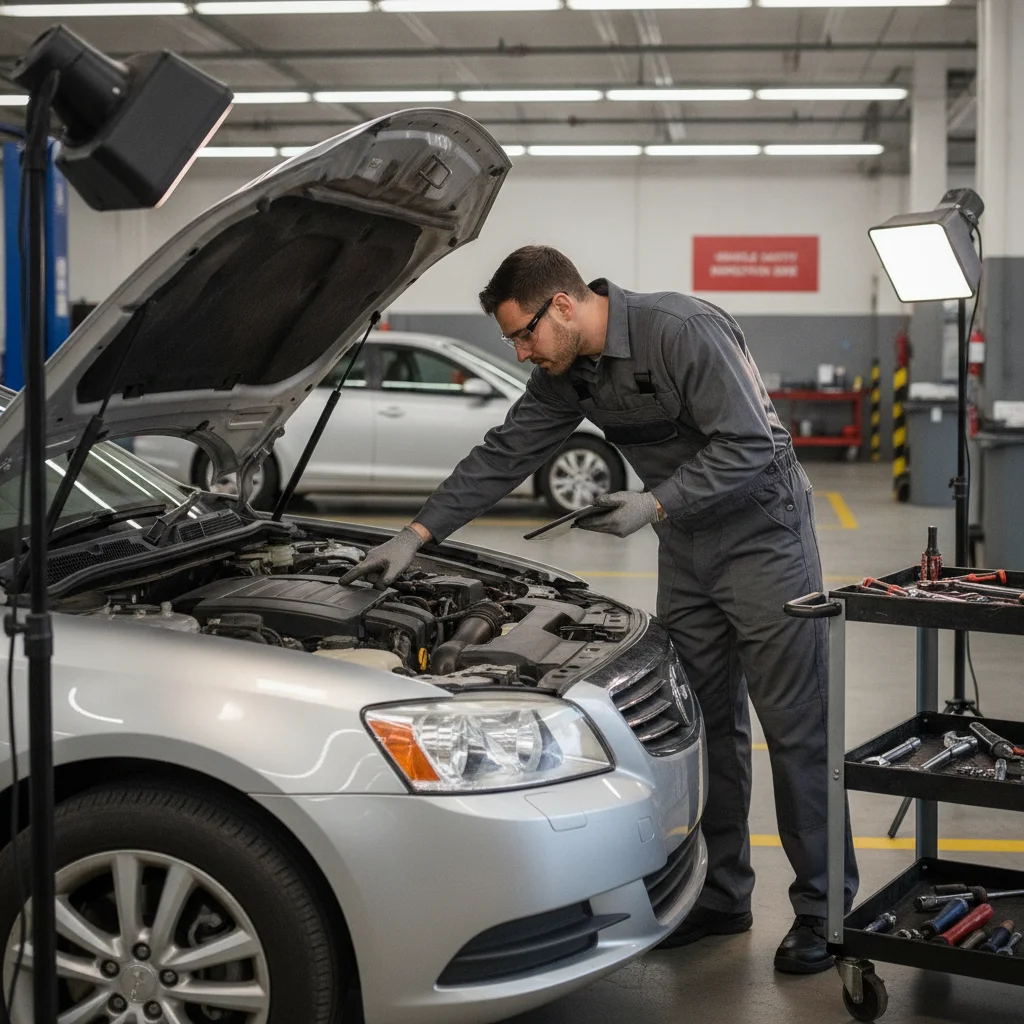
Safety and emissions inspection fees vary by station and state, typically ranging from $10 to $75 per test. If your vehicle fails and requires repairs before it can pass, those costs are on top. States that require emissions testing often have county-level or metro-area variations — a vehicle that passes county-wide standards may still need additional testing in a high-population air quality zone. Learn more about how emissions testing connects to your registration renewal to understand what a failure means for your timeline and costs.
Special Situations That Add Steps
You Have an Active Car Loan
When a lender holds a lien on your vehicle, the physical title is usually held by the lender, not you. To re-register in a new state, you'll need your lender to either send the title to the new state's DMV or provide a letter authorizing the registration change. This process can take two to four weeks depending on your lender's procedures. Call your lender's title department — not general customer service — as soon as you know your move date.
Your Vehicle Was Registered Under an LLC or Business
Vehicles titled to a business entity require additional documentation, including proof of the business's authorization to operate in the new state in some cases. The registered agent and business address on file may need to be updated as well.
You're Moving to or From a Non-Emissions State
If you're relocating from a state that doesn't require emissions testing to one that does, your vehicle might not have had a test in years — and there's no guarantee it will pass. Before moving day, consider having your emissions system checked by a mechanic so you're not surprised during the required test.
Your Vehicle Has Out-of-State Plates With Time Remaining
Some states require you to return your old plates before your registration is cancelled there — others don't care. Check your old state's DMV rules on plate return. Leaving plates on a vehicle you've de-registered in the old state can lead to confusion if the vehicle is involved in any incident.
If you're also navigating a title transfer — particularly on a recently purchased used car — see our guide on transferring a used car title across state lines for the specific pitfalls that delay the process.
After You're Registered: Don't Stop There
The moment you walk out of the DMV with new plates and a registration card, a few more steps remain to close the loop completely.
- Update your insurer with your new address and the new plate number so your policy reflects accurate information — an outdated policy address can complicate a claim.
- Notify your lender of the completed registration and your new address so the title and loan records stay current.
- Update your auto insurance policy to confirm coverage levels now match your new state's requirements and reflect any premium changes due to your new location. Our guide on updating your auto insurance when moving to a new state walks through the full process.
- Log your new renewal date — your registration cycle in the new state may not align with when you're used to renewing, so a reminder set now prevents a lapse later.
- Return your old plates if your previous state requires it, and keep a copy of any return confirmation in case a billing dispute arises.
Re-registering your car after a move is genuinely bureaucratic work — there's no shortcut around it. But it's also predictable, sequential work. Every state has a defined process, and the drivers who complete it smoothly are the ones who gather their documents early, confirm their insurance before they need it, and treat the DMV visit as a planned appointment rather than a rushed afterthought. Work through this checklist before your move date, not after, and you'll arrive in your new state with one less thing to worry about.

All claims are backed by peer-reviewed research. Sources on request.