Key Takeaways
Online Car Buying Post-Purchase Process
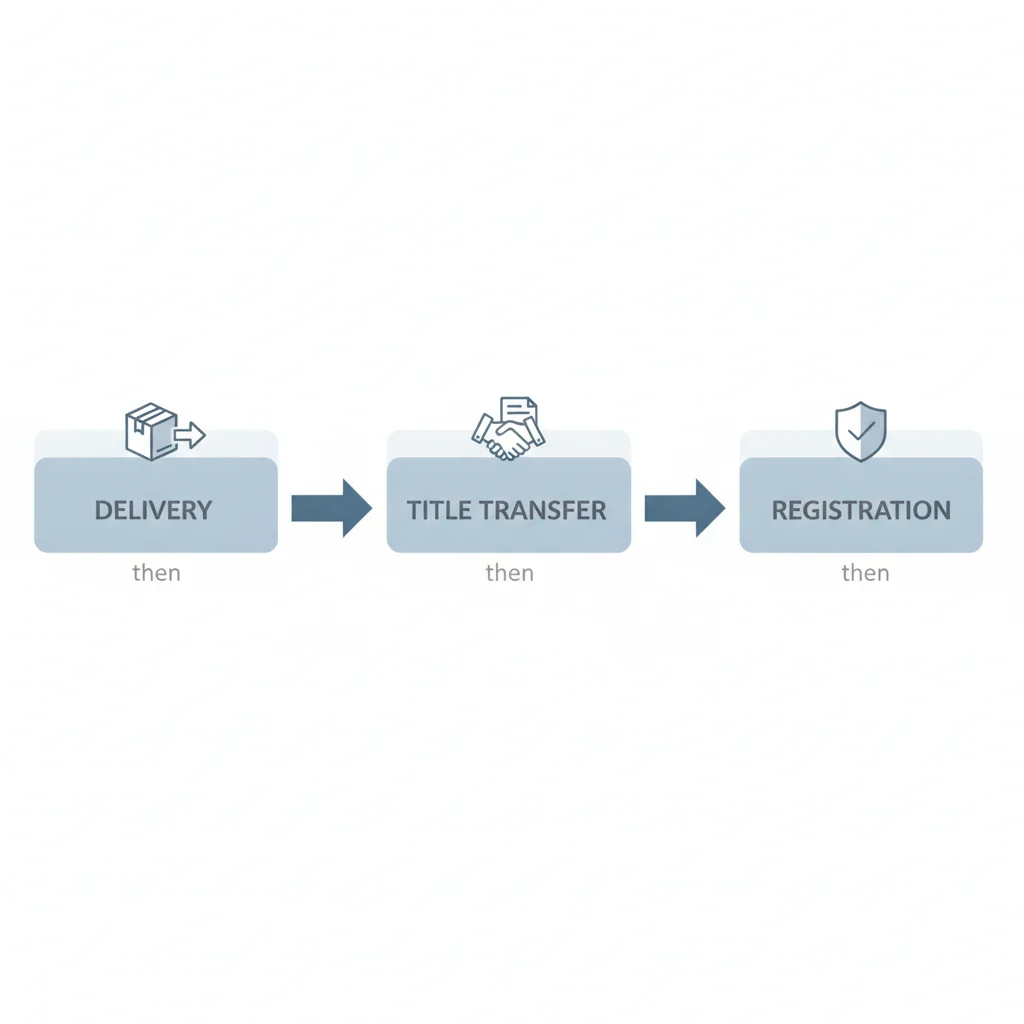
After you finalize an online vehicle purchase, three distinct processes must occur before you legally own and can drive the car: physical delivery of the vehicle, transfer of the title into your name, and registration with your state DMV. Each step involves different parties — the seller, lender, and government agency — and operates on its own timeline. Understanding what happens and when prevents costly surprises, missed deadlines, and legal gaps in ownership.
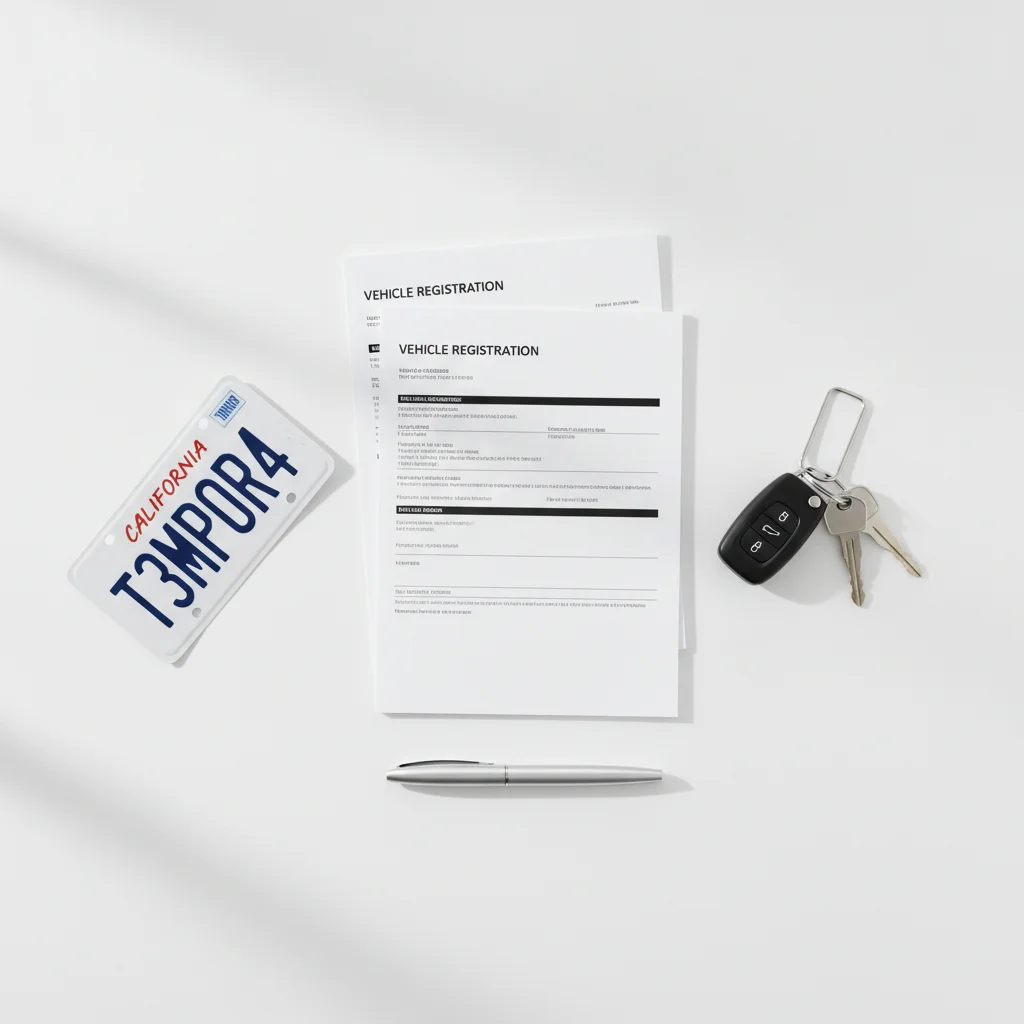
Title transfer laws and registration deadlines vary by state; some states require registration within 10 days of purchase while others allow up to 90 days. Failing to meet these deadlines can result in fines or void temporary registration.
The Three Stages Nobody Tells You About
Most online car-buying guides stop at the exciting part — clicking "buy" and getting approved. What they skip is the unglamorous stretch between that confirmation email and actually having a legally registered vehicle in your driveway. That stretch involves three separate processes, each with its own players, timelines, and failure points.
Stage one is delivery — the physical transport of the car to your location. Stage two is the title transfer — the legal handoff of ownership from seller to buyer. Stage three is registration — the state government acknowledging you as the owner and issuing plates. These stages can overlap, but they cannot be skipped, and delays in one often cascade into the next.
Before you even get to this point, make sure you've done your homework. Our pre-purchase checklist for buying a car online covers what to verify before you click confirm — including title status, delivery logistics, and return policies. If you've already bought, keep reading. If you're still deciding, start there first.
Delivery: What to Expect and What to Inspect
Online retailers and private sellers handle delivery differently, and the timeline you're quoted isn't always the one you get. Here's a realistic breakdown:
- Local inventory (within 100 miles): Often delivered within 2–5 business days via the dealer's own transport team.
- Regional inventory (100–500 miles): Typically 5–10 business days using third-party auto transport carriers.
- Cross-country or specialty vehicles: 10–14 business days is common; enclosed transport for premium vehicles can take longer and cost more.
The delivery window matters for insurance. Most lenders require proof of coverage before they release a vehicle, and most states require you to insure the car before registration. Don't wait until the car is parked in your driveway to call your insurer.
Insure Before the Car Arrives
Contact your insurance company the moment you have a confirmed delivery date — ideally a day or two before arrival. Most policies can be activated for a specific vehicle immediately over the phone or through an app. Your lender may require proof of coverage before the car is released for transport, and driving without insurance even on a temp tag exposes you to significant liability.
Keep a Post-Purchase Paper Trail
Create a single folder — physical or digital — for every document related to your purchase: the bill of lading, purchase agreement, title copy, insurance binder, temp tag, and any correspondence with the seller. If a dispute arises over delivery damage, a title issue, or a registration rejection, having everything organized and timestamped dramatically accelerates resolution.
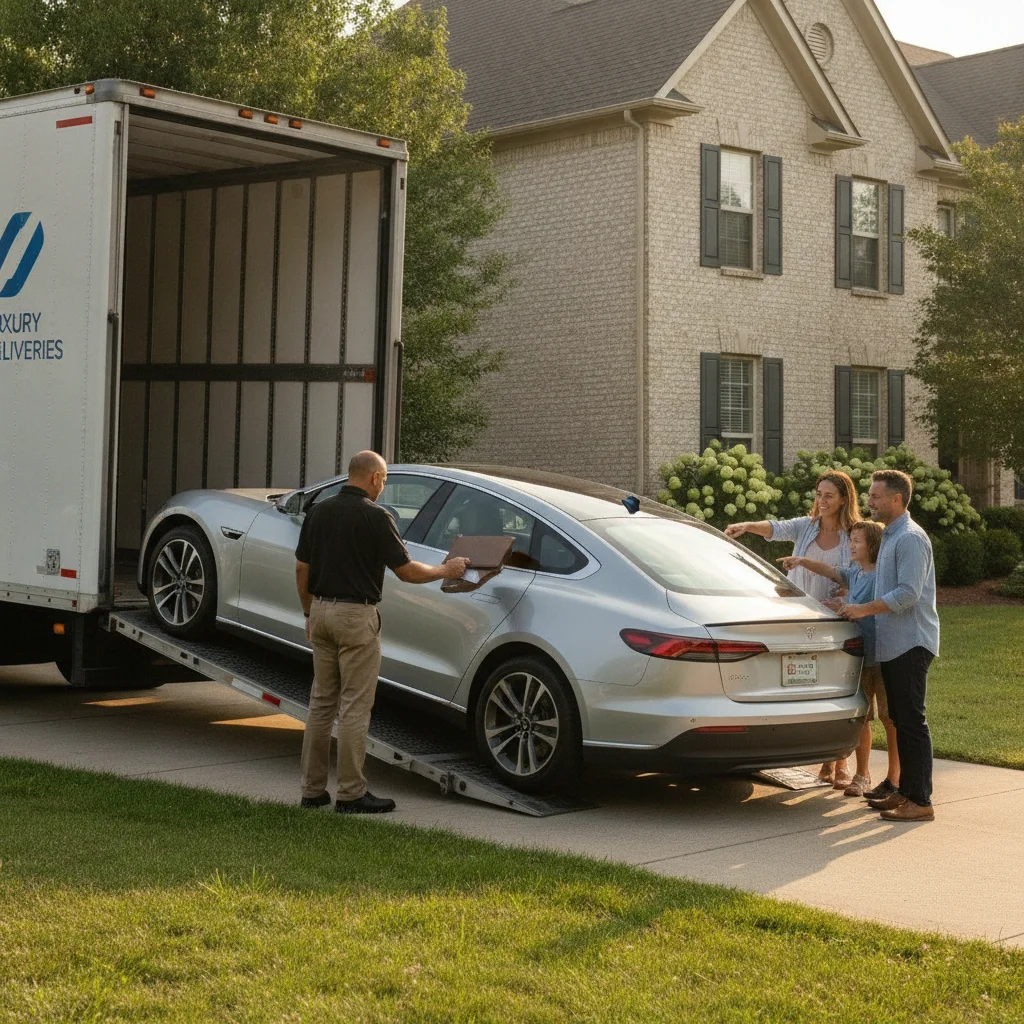
When the car arrives, you'll be presented with a bill of lading — a transport document that serves as proof of what condition the vehicle was in when the carrier accepted it and when you received it. This document is your legal record. Inspect the car against it carefully before signing.
Walk around the entire car. Check for:
- Paint scratches, chips, or dents not noted at purchase
- Cracked or broken glass
- Tire condition and pressure
- Interior condition versus photos from the listing
- All keys, manuals, and accessories that were promised
If anything is wrong, do not sign acceptance unconditionally. Note every discrepancy on the bill of lading in writing, photograph everything, and contact the seller before the transport driver leaves if at all possible. Signing a clean delivery receipt essentially tells everyone involved the car arrived in perfect condition — and that's a very hard position to walk back from.
Temporary Tags Are State-Specific
The format, duration, and display requirements for temporary registration vary by state. Some states issue paper tags valid for 30 days; others use dealer-printed tags valid for up to 90 days. A few states require you to obtain the temp tag from the DMV yourself, not the dealer. When buying across state lines, your home state's temp tag rules apply once you register, but the selling dealer's state rules govern the initial transit permit.
eTitles Are Faster — But Not Universal
Electronic titles (eTitles) skip the physical mail process entirely and transfer ownership through a secure state database. About 30 states currently support eTitles, and major online retailers increasingly use them to speed up the transfer process. If your state supports eTitles, ask the seller to initiate an electronic transfer rather than mailing a paper title — it can cut weeks off your wait time.
Out-of-State Purchases May Require Extra Steps
Buying from a seller in a different state can trigger additional requirements at your home DMV, including a vehicle identification number (VIN) inspection, proof of out-of-state sale, and potentially an emissions test if your county requires it. Some states also require a lien search certificate for out-of-state vehicles. Check your state DMV's website for a specific out-of-state purchase checklist before your vehicle arrives.
The Title Transfer: Your Legal Proof of Ownership
A vehicle title is a state-issued document that names the legal owner of a vehicle. When you buy a car, the title must be transferred from the seller's name into yours — even if you paid cash, even if the car is already in your driveway. Without a title in your name, you don't legally own the car and cannot register it.

Here's how the process typically works in an online purchase scenario:
- Seller initiates the transfer: The dealer or private seller signs over the title and submits transfer paperwork (and fees) to their state's DMV or directly to your state.
- Lender involvement (if financed): If you took out a loan, the lender is listed as a lienholder on the title. The physical title goes to the lender — not you — until the loan is fully paid off.
- You receive a copy or notification: In cash purchase scenarios, you'll eventually receive the title by mail. In financed scenarios, you'll receive a copy showing the lienholder, and the original stays with the lender.
Electronic titles (eTitles) are increasingly common and can speed up this process significantly. States like Florida, California, and Texas have robust eTitling systems. Ask the seller whether the title is physical or electronic — it affects your timeline.
“The title is the most important piece of paper in any vehicle transaction. Everything else — the purchase agreement, the loan docs, the insurance binder — is secondary. If the title isn't clean and in the right name, nothing else matters.”
— Desmond Kimathi, Former Dealership Finance Manager and Auto Buying Advocate
One thing buyers miss: if the seller still had an outstanding loan on the vehicle when they sold it, their lender holds the existing title and must formally release the lien before a clean title can be issued to you. Reputable online retailers handle this internally before listing vehicles, but always confirm. A title search — which most retailers provide — will show any existing liens. If you're buying from a private seller online, understanding all purchase paperwork and contracts is critical to protecting yourself here.
For a detailed look at what documents are involved in a title transfer — whether you're buying or selling — the paperwork and title requirements hub explains exactly what you need on hand.
30–90 days
Typical state window to register a newly purchased car
State DMV requirements vary significantly — California allows 10 days while other states allow up to 90; always verify your state's deadline immediately after purchase.
4–8 weeks
Average wait time for title after cash purchase
Based on typical dealer and state DMV processing times; lien payoff situations or out-of-state sales can extend this timeline further.
27%
Of U.S. car buyers now complete major purchase steps online
According to a 2023 Cox Automotive Car Buyer Journey study, more than one in four buyers completed significant portions of the purchase digitally, up from 15% pre-pandemic.
2–14 days
Range for online vehicle delivery timelines
Local inventory typically arrives in under 5 business days; cross-country transport can take up to two weeks depending on the carrier and route.
Registration: Getting Your Plates and Making It Legal
Registration is the state government's process of formally recording your ownership, collecting taxes and fees, and issuing license plates. When you buy from a dealership — online or in person — the dealer typically handles registration on your behalf and collects the fees at closing. You'll either receive plates by mail or pick them up from the DMV.
When buying from a private seller online, you usually handle your own registration directly with the DMV. You'll need:
- The signed-over title
- Proof of insurance meeting your state's minimums
- A completed registration application (form varies by state)
- Payment for registration fees and applicable taxes
- An odometer disclosure statement (for vehicles under 10 years old)
- In some states: a vehicle inspection certificate or emissions test result
Registration deadlines are real deadlines, not suggestions. Most states require you to register a newly purchased vehicle within 15 to 90 days. Miss that window and you're looking at penalties — sometimes significant ones. Check your state's specific timeline the day you take delivery.
Temporary Tags Are State-Specific
The format, duration, and display requirements for temporary registration vary by state. Some states issue paper tags valid for 30 days; others use dealer-printed tags valid for up to 90 days. A few states require you to obtain the temp tag from the DMV yourself, not the dealer. When buying across state lines, your home state's temp tag rules apply once you register, but the selling dealer's state rules govern the initial transit permit.
eTitles Are Faster — But Not Universal
Electronic titles (eTitles) skip the physical mail process entirely and transfer ownership through a secure state database. About 30 states currently support eTitles, and major online retailers increasingly use them to speed up the transfer process. If your state supports eTitles, ask the seller to initiate an electronic transfer rather than mailing a paper title — it can cut weeks off your wait time.
Out-of-State Purchases May Require Extra Steps
Buying from a seller in a different state can trigger additional requirements at your home DMV, including a vehicle identification number (VIN) inspection, proof of out-of-state sale, and potentially an emissions test if your county requires it. Some states also require a lien search certificate for out-of-state vehicles. Check your state DMV's website for a specific out-of-state purchase checklist before your vehicle arrives.
In the interim, the temporary tag your seller provides is your legal permission to drive. Keep it displayed as required by your state (usually in the rear window) and keep any supporting paperwork in the vehicle. Law enforcement can run a temp tag and verify it's valid, but they need the documentation if the system can't immediately confirm it.
For a month-by-month breakdown of exactly what happens with taxes and registration from the day you sign to the day your permanent plates arrive, see our guide on the registration and tax timeline for a car purchase. And if you want the full step-by-step DMV walkthrough, registering a newly purchased car has the complete document checklist and process flow.
When Things Go Wrong — and How to Respond
The post-purchase process has predictable failure points. Knowing them in advance keeps a bad situation from becoming an expensive one.
Delayed or Lost Title
If you haven't received your title within 8–10 weeks of purchase, contact the seller first, then the DMV in the seller's state. Title delays are common when there's a lien payoff involved. A dealer who sold a trade-in may need their floor plan lender to release the title before it can be re-titled in your name — that process can take weeks.
Title Mismatch
The name on the title must match your legal name exactly. If there's a typo, or if the seller signed incorrectly, the title must be corrected before transfer can proceed. This is not a minor issue — a flawed title can freeze the entire registration process.
Out-of-State Tax Complications
When you buy from a seller in a different state, taxes can get complicated fast. Most states require you to pay your home state's sales tax on the vehicle at registration. If the seller collected sales tax, you may be double-taxed unless you file for a credit. This is especially common with large online retailers. Ask your seller exactly what taxes they collected and get it in writing.
Registration Rejection
Your state's DMV may reject a registration application if the title has errors, if the vehicle has an open recall that requires completion before registration (some states), or if insurance minimums aren't met. Address rejections immediately — every day without plates is another day toward a deadline penalty.

Transport Damage Disputes
If you documented damage on the bill of lading and the seller or transport carrier disputes responsibility, your legal leverage depends on what you signed and when. Always get claim numbers in writing from the transport carrier and seller, and follow up in writing (email) so you have a paper trail. Most reputable retailers have a dedicated post-delivery support team — use them immediately rather than waiting.
Insure Before the Car Arrives
Contact your insurance company the moment you have a confirmed delivery date — ideally a day or two before arrival. Most policies can be activated for a specific vehicle immediately over the phone or through an app. Your lender may require proof of coverage before the car is released for transport, and driving without insurance even on a temp tag exposes you to significant liability.
Keep a Post-Purchase Paper Trail
Create a single folder — physical or digital — for every document related to your purchase: the bill of lading, purchase agreement, title copy, insurance binder, temp tag, and any correspondence with the seller. If a dispute arises over delivery damage, a title issue, or a registration rejection, having everything organized and timestamped dramatically accelerates resolution.
Financing Adds a Layer: What Lender-Held Titles Mean for You
If you financed your online car purchase — whether through the dealer, a bank, or a credit union — the lender holds legal title to the vehicle until you pay off the loan. This is standard practice and not a red flag, but it does have practical implications you should understand.
- You cannot sell or transfer the car without first paying off the lender and obtaining a lien release.
- Your registration will show the lienholder's name alongside yours. This is normal.
- If you refinance, the new lender takes over the title — the process repeats with the new institution.
- When you pay off the loan, the lender is required to release the title to you within a specific window (varies by state, typically 30–45 days). Follow up if they don't.
Some buyers are surprised to find out they've "owned" a car for five years and never actually seen the physical title. That's how auto financing works — your equity in the vehicle grows, but the paper title follows the debt. Once you pay off the balance, request the lien release in writing and store that document with the title permanently.

If you're still in the research phase of your online purchase and want to understand the full process from the very beginning, our guide on online car buying for first-timers walks through everything from search to the moment keys hit your hand.

All claims are backed by peer-reviewed research. Sources on request.