Key Takeaways
Option A
Premium Gasoline (91–93 octane)
The higher-performance fuel with a price to match.
Best for: Engines specifically designed or turbocharged to require high-octane fuel for proper performance and protection.
Option B
Regular Gasoline (87 octane)
The everyday, cost-effective choice for most drivers.
Best for: The vast majority of non-turbocharged engines that are engineered to run efficiently on standard 87-octane fuel.
If your owner's manual says premium is required
Premium Gasoline (91–93 octane)
This is non-negotiable. Using regular fuel risks engine knock, reduced power, and potential long-term damage to components.
If you drive a standard naturally aspirated engine on regular commutes
Regular Gasoline (87 octane)
Your engine is tuned for 87 octane. Premium delivers no extra performance or economy benefit and costs significantly more per fill-up.
If your manual says premium is recommended (not required) and you drive a turbocharged engine
Premium Gasoline (91–93 octane)
Turbo engines extract meaningful performance and efficiency gains from premium, often enough to offset the price difference at the pump.
If you're towing, hauling, or driving aggressively in hot weather
Premium Gasoline (91–93 octane)
High-stress conditions increase the risk of engine knock even in engines that normally run fine on regular. Premium provides a useful buffer.
If you're trying to stretch your fuel budget on a tight income
Regular Gasoline (87 octane)
Unless your vehicle requires premium, regular is the smarter financial choice. Pair it with a rewards program to save even more per gallon.
What Octane Actually Means (and What It Doesn't)
Octane rating is one of the most misunderstood numbers in automotive life. It's stamped on every pump in big yellow numbers — 87, 89, 91, 93 — and many drivers assume a higher number simply means better fuel. That's not quite right.
Octane measures a fuel's resistance to pre-ignition, also called engine knock or detonation. In a gasoline engine, the fuel-air mixture is supposed to ignite only when the spark plug fires. If the mixture ignites prematurely from heat and compression alone, you get a knocking or pinging sound — and that uncontrolled combustion puts stress on pistons, rods, and cylinder walls.
High-performance and turbocharged engines compress the fuel-air mixture much more aggressively than standard engines. That compression generates more heat, which raises the risk of premature ignition. Higher-octane fuel resists that ignition better, keeping combustion controlled and efficient.
What octane does not do is make your engine produce more energy per gallon in a vacuum. A standard 87-octane engine running premium is not getting extra horsepower or economy from the higher octane — it's just burning a fuel it didn't need. The only real winners in that scenario are the oil companies.
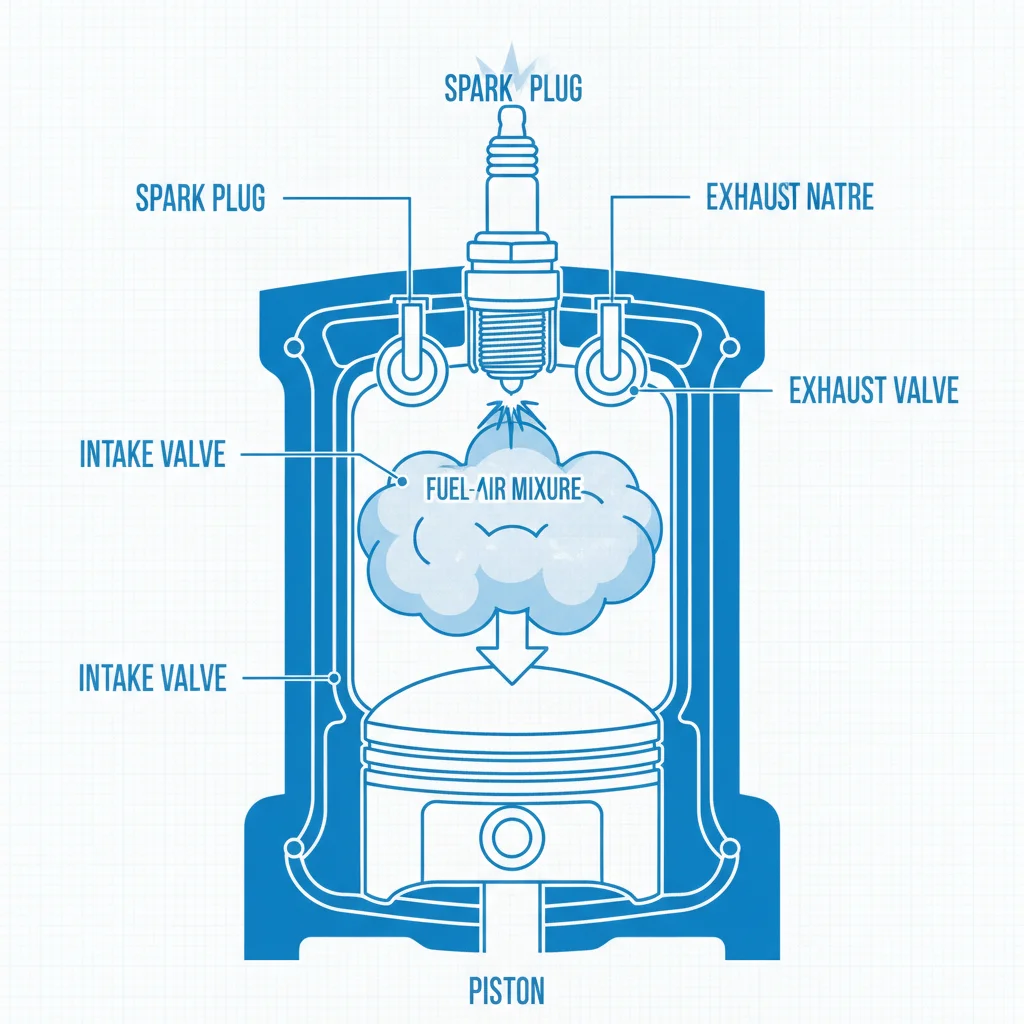
Modern engines have knock sensors that can detect early detonation and adjust ignition timing on the fly. This is why using regular in a car that recommends premium usually won't cause an immediate disaster — the engine compensates. But that compensation typically comes at the cost of reduced power output and fuel efficiency, which is worth factoring into any cost calculation.
Required vs. Recommended: The Distinction That Matters Most
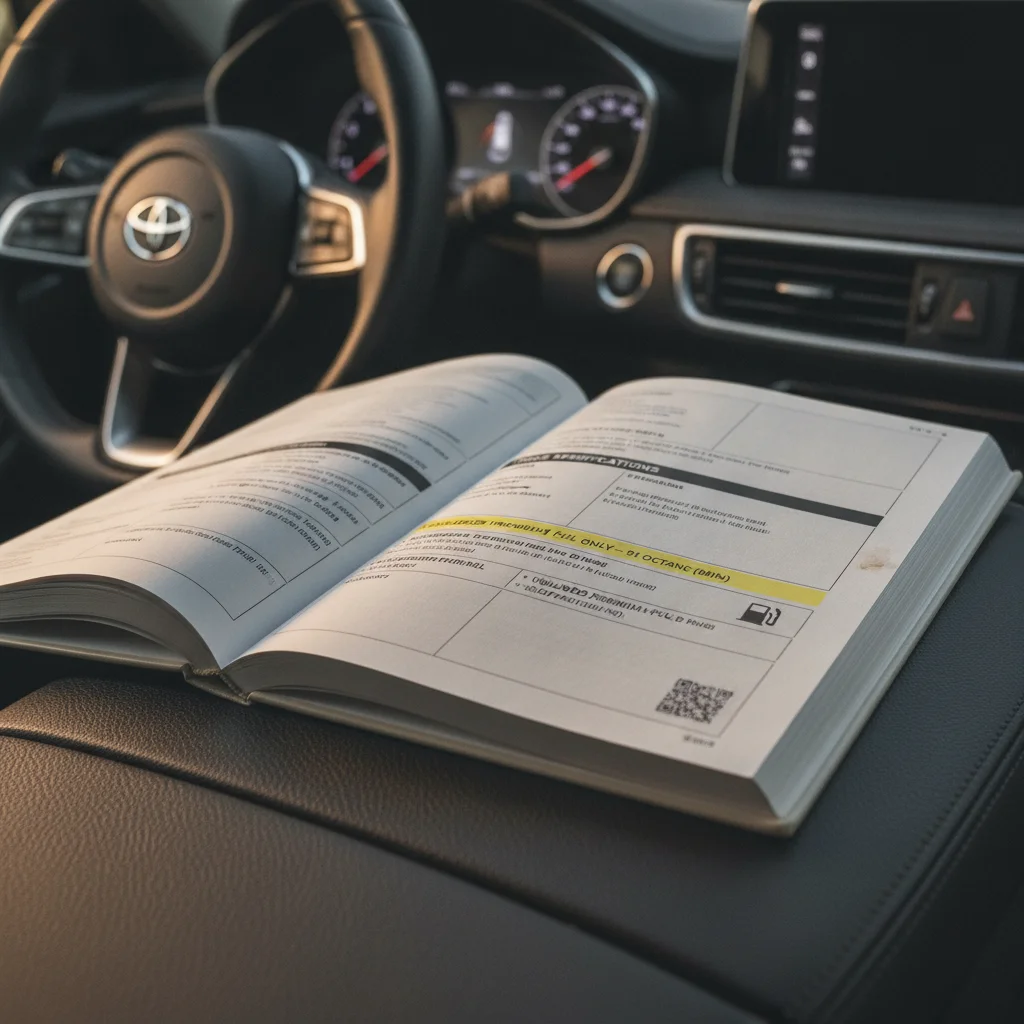
Open your glove box and pull out your owner's manual. Somewhere in the fuel or engine section, you'll find one of three designations: regular recommended, premium recommended, or premium required. These words aren't interchangeable, and treating them as such is where many drivers go wrong.
Premium Required
If your manual says premium is required, that's a firm engineering specification — not a suggestion. High-compression engines (typically 11:1 compression ratio or higher) and forced-induction engines in performance vehicles are often in this category. Running regular fuel consistently in these engines can cause persistent knock, accelerated wear, and over time, real mechanical damage. The extra cost at the pump is genuinely part of owning that vehicle.
Premium Recommended
This is where the decision gets nuanced. "Recommended" means the engine is designed to run on regular but will perform noticeably better on premium. Many turbocharged engines — including popular ones in mainstream crossovers and sedans — carry this designation. In these vehicles, the knock sensor will retard timing when using regular, which can reduce horsepower by 5–15% and decrease fuel economy enough to partially or fully close the price gap between grades.
Regular Recommended
For most cars on American roads, this is what you'll find. The engine is optimized for 87 octane. Putting in 91 or 93 provides no benefit. The combustion chemistry isn't improved, the engine doesn't produce more power, and the fuel economy stays the same. You're simply paying more for nothing.
| Criterion | Premium (91–93 Octane) | Regular (87 Octane) |
|---|---|---|
| Octane Level | 91–93 | 87 |
| Knock Resistance | High — resists pre-ignition well | Standard — adequate for most engines |
| Average Price Premium | 20–60 cents more per gallon | Baseline price |
| Annual Extra Cost (15-gal tank, weekly) | $156–$468 more per year | Baseline cost |
| Best Engine Type | High-compression or turbocharged engines | Standard naturally aspirated engines |
| Performance Benefit | Meaningful in required/turbo applications | No benefit in regular-rated engines |
| Fuel Economy Benefit | Measurable in turbo "recommended" vehicles | None in regular-rated vehicles |
| Risk of Using Wrong Grade | No risk — premium in regular engine wastes money only | Knock and wear risk in premium-required engines |
| Detergent / Additive Content | Varies by station, not by grade | Varies by station, not by grade |
If you're unsure which category your car falls into, the fuel door often has a sticker that will settle it quickly. When in doubt, the manual is the definitive source.
The Real Cost Math: Is Premium Ever Worth It?
Let's run some honest numbers. The national average price spread between regular and premium gasoline typically sits between 20 and 60 cents per gallon, though it fluctuates with crude oil prices and regional refinery capacity. For a car with a 15-gallon tank filling up once a week, that difference works out to roughly $156–$468 per year.
$0.20–$0.60
Typical price gap per gallon, premium vs. regular
According to the U.S. Energy Information Administration, the average premium-regular spread has historically ranged from about 20 to 60 cents depending on region and market conditions.
~$312/yr
Average extra annual cost of always buying premium
Based on a 15-gallon tank filled weekly at a $0.40 average price spread — a realistic mid-range estimate for many U.S. markets.
5–15%
Horsepower reduction from using regular in turbo engines
AAA and independent dyno testing have shown turbocharged engines with a premium recommendation lose meaningful output when the knock sensor retards ignition timing on regular fuel.
2 in 3
Cars on U.S. roads rated for regular fuel
Industry data from the U.S. Department of Energy suggests that the majority of passenger vehicles sold in the U.S. are designed to run on standard 87-octane gasoline.
For a vehicle that requires premium, this cost is simply the cost of ownership — no different from a higher insurance rate on a sports car. But for vehicles where premium is only recommended, you need to ask: do the performance and efficiency gains actually offset the price difference?
Research and real-world testing suggest the answer is sometimes yes, for turbocharged engines. A 2013 study by AAA found that vehicles with premium-recommended turbocharged engines showed measurable fuel economy improvements on premium fuel — enough to recover a portion of the additional cost. However, for naturally aspirated engines with a premium-recommended rating, the gains were minimal and rarely justified the expense.
The calculation also shifts depending on how you drive. If you're doing mostly highway miles at steady speeds, the risk of knock is lower and the knock sensor has less work to do on regular fuel. If you're accelerating frequently, climbing grades, or driving in summer heat, the engine is working harder and the case for premium strengthens even in "recommended" vehicles.
For those looking to stretch every dollar at the pump, pairing the right fuel grade with a good rewards program can add up. See our breakdown of gas rewards programs and what they actually save you for a practical look at stacking those savings.

Which Engines Actually Need Premium — A Practical Guide
Rather than trying to decode octane chemistry, most drivers just need a simple framework for their specific situation. Here's a straightforward breakdown by engine type.
High-Compression Naturally Aspirated Engines
Found in many luxury sedans, sports cars, and performance-oriented coupes. These engines squeeze the fuel-air mix tightly before ignition, generating more power but also more heat. Premium is usually required. Examples include many V8 and V6 engines in Lexus, Infiniti, and performance BMW models.
Turbocharged and Supercharged Engines
Forced induction adds a compressor that forces more air into the cylinder, multiplying power but also raising combustion temperatures significantly. Many modern turbocharged engines across brands from Audi to Buick to Ford EcoBoost carry a premium-recommended designation. These are the engines where opting for premium delivers the clearest real-world benefit — you get the power output the engine was engineered for, and the fuel economy often improves enough to narrow the cost gap meaningfully.
Standard Naturally Aspirated Engines
This covers the vast majority of four-cylinder and six-cylinder engines in everyday sedans, SUVs, and trucks. These engines are designed and tuned for 87 octane. Putting premium in them is a pure expense with no return. Save your money.
Older or High-Mileage Engines
As engines age, carbon deposits can build up on intake valves and cylinder walls. This carbon can glow hot and cause pre-ignition, effectively raising the engine's sensitivity to knock even if it originally ran on regular. Some owners of high-mileage vehicles find that stepping up to mid-grade (89 octane) reduces knocking — though addressing the carbon buildup directly is the more complete solution. If you're curious about other maintenance decisions with similar cost-benefit trade-offs, our guide on when synthetic oil is worth the upgrade walks through the same kind of practical thinking.
A Note on Mid-Grade Ethanol Blends
Some stations sell fuel blended with higher ethanol concentrations (such as E15 or E85) at competitive prices. These are not the same as mid-grade octane and require a flex-fuel compatible vehicle. Using E85 in a non-flex-fuel car can cause fuel system damage and void warranties. Always confirm your vehicle's compatibility before using ethanol-blended fuels above E10.
What to Do in an Emergency Fill-Up
If you drive a premium-required vehicle and the only available grade is regular — say, at a remote station — it is generally safe to fill up once with regular and drive normally. Modern knock sensors will compensate. Just switch back to premium at your next fill-up. This is very different from making a habit of running regular in a premium-required engine over thousands of miles.
It's also worth remembering that fuel grade is just one dimension of fuel quality. Where you buy your gas matters too. Top Tier certified stations use enhanced detergent additives that help keep fuel injectors and intake valves cleaner regardless of octane grade — a factor that often matters more than the grade difference for everyday drivers.
Common Myths About Premium Fuel, Cleared Up
There's a lot of folklore around premium gasoline, and some of it genuinely costs drivers money. Here are the myths worth putting to rest.
Myth: Premium burns cleaner and is better for your engine
Octane rating has nothing to do with detergent content or fuel cleanliness. A premium-grade fuel from a low-quality station may actually have fewer beneficial additives than a regular-grade fuel from a Top Tier certified retailer. If engine cleanliness is your concern, the station you choose matters more than the grade you pump. Our article on gas station choices that affect fuel quality and economy explains why.
Myth: Premium gives every car better fuel economy
Fuel economy improvements from premium are engine-dependent. In a car designed for regular fuel, the combustion calibration is already optimized for 87 octane. There is no additional efficiency to unlock. Studies consistently show no measurable MPG improvement when using premium in regular-fuel vehicles.
Myth: Using regular occasionally won't hurt a car that requires premium
Modern knock sensors will protect the engine in the short term by retarding ignition timing. But consistent use of regular in a premium-required vehicle keeps the engine operating below its design parameters and, over many miles, can contribute to carbon buildup and wear patterns the engine wasn't engineered to tolerate. Occasional use in an emergency is fine — habitual use is not.
Myth: Mid-grade is always a smart compromise
Mid-grade (89 octane) is rarely the right answer. Most engines are calibrated either for 87 or for 91+. An engine designed for 87 gains nothing from 89. An engine designed for 91 is still being shortchanged by 89. Mid-grade primarily exists as a pricing tier that benefits fuel retailers.
If you're making other "is the premium worth it?" decisions about your vehicle, the same clear-eyed approach applies. Our piece on whether the CPO premium is worth paying uses similar cost-benefit thinking that may be useful context.
Making the Right Call for Your Specific Vehicle
The good news is that this decision doesn't require guesswork. Here's a simple decision process that works for virtually any vehicle.
- Check the fuel door sticker first. Most modern vehicles have a label inside the fuel door that either says "Unleaded Gasoline Only" (regular), "Premium Fuel Recommended," or "Premium Fuel Required." This alone resolves most situations.
- Confirm in the owner's manual. The manual will give the specific octane number and clarify whether the designation is a requirement or a recommendation.
- Identify your engine type. If your vehicle has a turbocharged or supercharged engine and the manual says premium is recommended, the cost-benefit case for premium is significantly stronger than it would be for a naturally aspirated engine with the same designation.
- Factor in your driving patterns. Frequent hard acceleration, towing, summer heat, and mountainous terrain all increase the likelihood that your engine will benefit from premium even when it isn't strictly required.
- Run the math. Calculate the annual extra cost of premium (price difference × gallons per fill-up × fill-ups per year). Then honestly assess whether the performance or efficiency gains justify that number for your situation.
One more practical note: if you've been using regular in a car that recommends premium and want to see whether the upgrade makes a difference, try two or three full tanks of premium and track your fuel economy carefully. Your own real-world data from your specific driving conditions is more useful than any generalized study.
And if you're interested in other ways to stretch fuel further without changing grades, exploring which fuel-saving accessories are actually worth it can help you prioritize where your money goes.
A Note on Mid-Grade Ethanol Blends
Some stations sell fuel blended with higher ethanol concentrations (such as E15 or E85) at competitive prices. These are not the same as mid-grade octane and require a flex-fuel compatible vehicle. Using E85 in a non-flex-fuel car can cause fuel system damage and void warranties. Always confirm your vehicle's compatibility before using ethanol-blended fuels above E10.
What to Do in an Emergency Fill-Up
If you drive a premium-required vehicle and the only available grade is regular — say, at a remote station — it is generally safe to fill up once with regular and drive normally. Modern knock sensors will compensate. Just switch back to premium at your next fill-up. This is very different from making a habit of running regular in a premium-required engine over thousands of miles.

All claims are backed by peer-reviewed research. Sources on request.