Key Takeaways
Top Tier Gasoline
Top Tier gasoline is fuel that meets a higher detergent additive standard than what the EPA requires. Gasoline retailers who earn the Top Tier designation agree to include elevated levels of engine-cleaning additives in every grade of fuel they sell — regular, mid-grade, and premium. These additives help prevent carbon deposits from building up on intake valves and fuel injectors over time.
The Top Tier standard was established in 2004 by a coalition of automakers including BMW, GM, Honda, and Toyota. It requires a minimum detergent concentration roughly three to five times higher than the EPA baseline, depending on the engine type.
Why Fuel Quality Is More Than Just Octane
Most drivers think about two things when pulling into a gas station: price and octane grade. But there's a third factor that quietly affects how your engine performs over tens of thousands of miles — the quality and concentration of detergent additives in the fuel itself.
Gasoline is not a perfectly uniform product. While the base fuel in your region likely comes from the same pipelines and refineries regardless of brand, what happens after that base fuel leaves the pipeline terminal makes a real difference. Fuel distributors inject their own proprietary additive packages at the terminal before the fuel goes into delivery trucks. Those additive packages determine whether your fuel will actively clean your engine or simply burn without much benefit beyond combustion.
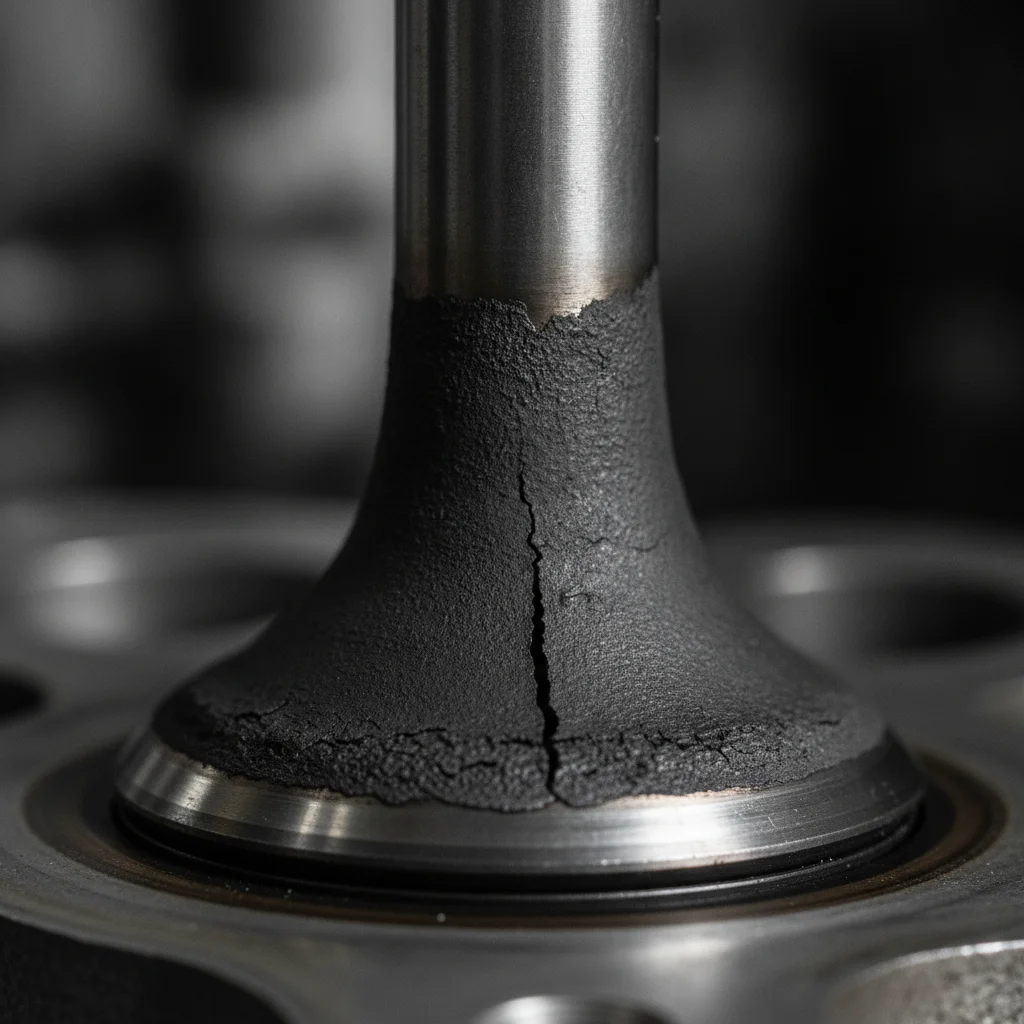
The federal government, through the EPA, sets a minimum detergent standard that all gasoline sold in the U.S. must meet. That floor is low enough, however, that fuel meeting only the minimum can still allow significant carbon buildup in modern engines — especially those with direct injection systems, which are now standard in a huge share of new vehicles.
This is where the Top Tier standard comes in, and why it matters far more than most drivers realize. Understanding the distinction between minimum-compliant fuel and Top Tier fuel is arguably more useful for your engine's long-term health than chasing the cheapest price per gallon. For a broader look at how your driving environment affects what gets burned and when, see how city vs. highway driving affects fuel consumption.
What Top Tier Certification Actually Means
Top Tier is a voluntary certification program that a group of major automakers — including BMW, General Motors, Honda, Toyota, Mercedes-Benz, and others — established in 2004. They created it because they were seeing real engine problems tied to low-detergent fuel, and the EPA's minimum standard wasn't protecting engines well enough.
To earn and maintain Top Tier certification, a fuel retailer must meet specific requirements:
- All grades of fuel sold (regular, mid-grade, premium) must contain the required detergent package — not just premium.
- Detergent concentration must meet the Top Tier minimum, which is substantially higher than the EPA baseline.
- No metallic additives (like MMT, a manganese-based octane booster) that can damage catalytic converters are permitted.
- The retailer must submit to periodic auditing to confirm compliance.
The result is fuel that doesn't just burn — it actively cleans intake valves and fuel injectors as it passes through your engine. Over time, that difference adds up.
“Top Tier detergent gasoline helps keep your engine clean and operating at peak efficiency. The small price premium is far outweighed by the long-term protection it provides against carbon buildup and the maintenance costs that come with it.”
— AAA Automotive Research, Published findings from AAA's independent fuel quality study
It's worth emphasizing that Top Tier is about the detergent additive package, not the octane rating. A station selling Top Tier regular (87 octane) is providing better additive protection than a non-Top Tier premium (93 octane). These are two completely separate dimensions of fuel quality. If you're unsure whether your car actually benefits from premium fuel, our guide on premium vs. regular gas breaks that down clearly.
19x
More carbon deposits from non-Top Tier fuel
According to AAA independent testing, non-Top Tier fuel produced 19 times more intake valve deposits than Top Tier fuel over 4,000 simulated miles.
~$0.03
Average price difference per gallon
AAA's testing found the average cost difference between Top Tier and non-Top Tier fuel was approximately three cents per gallon — a fraction of the potential repair costs.
$300–$600
Typical GDI intake valve cleaning cost
Professional carbon cleaning for gasoline direct injection engines at an independent shop typically runs between $300 and $600 depending on engine complexity and labor rates.
3–5x
Higher detergent level than EPA minimum
Top Tier certification requires detergent additive concentrations roughly three to five times higher than the EPA's baseline minimum standard for gasoline sold in the U.S.
The Real Cost of Low-Detergent Fuel
Here's what actually happens when you regularly fill up with fuel that only meets the EPA minimum. Carbon deposits — the byproduct of combustion — accumulate on intake valves, fuel injectors, and combustion chamber surfaces. In older port-injected engines, fuel spray would help wash the valves clean. In modern gasoline direct injection (GDI) engines, fuel goes directly into the cylinder, so intake valves never get that fuel wash. Carbon builds up faster.
Those deposits cause real problems:
- Reduced fuel economy: Rough airflow from dirty intake valves makes combustion less efficient.
- Rough idling and hesitation: Partially clogged injectors deliver uneven fuel spray patterns.
- Misfires: Severe deposits can cause combustion irregularities that trigger check-engine lights.
- Costly cleaning services: Professional intake valve cleaning for a GDI engine can run $300–$600 or more.
Make Top Tier Your Default, Not a Special Choice
Once you identify the Top Tier stations on your regular routes, choosing better fuel stops requiring active thought. Bookmark toptiergas.com and spend a few minutes mapping your options — it's a one-time effort that pays off at every fill-up going forward. Most drivers find a Top Tier station is already part of their routine without realizing it.
Rewards Programs Can Make Top Tier Even Cheaper
Many Top Tier stations — including Costco, Shell, and Chevron — participate in fuel rewards programs tied to credit cards, grocery chains, or dedicated apps. Combining Top Tier fuel with a good rewards program means you're protecting your engine and potentially paying less per gallon than you would at a cheaper non-certified station. It's one of the easier wins in fuel economy management.
AAA conducted an independent study comparing Top Tier and non-Top Tier fuels over 4,000 miles of simulated driving. The results were stark: non-Top Tier fuel produced 19 times more carbon deposits on intake valves than Top Tier fuel. The cost difference between the two at the pump averaged just three cents per gallon in their testing — a trivial amount compared to the potential repair bill.
This doesn't mean a single tank of non-Top Tier fuel will harm your engine. One fill-up at an unfamiliar station on a road trip won't undo years of clean driving. But consistent, habitual use of low-detergent fuel over years of ownership is a different story.
Fuel economy is also tied to maintenance habits beyond fuel choice. Routine maintenance tasks that protect fuel economy cover the other side of this equation.
Station Quality Beyond the Fuel Brand
Brand matters, but it's not the whole picture. Even within a named fuel brand, individual station quality can vary. Here are the station-level factors worth paying attention to:
Underground Storage Tank Condition
Every gas station stores fuel in underground tanks. When those tanks are old, corroded, or improperly maintained, they can introduce water, sediment, or microbial contamination into the fuel. Look for stations that appear well-maintained overall — that usually correlates with good equipment upkeep underneath the surface too. Stations with newer infrastructure, visible equipment upgrades, and active filtration systems are generally lower risk.
Fuel Turnover Rate
Gasoline doesn't last forever. While it's stable for months under proper storage, very low-volume stations may have fuel sitting in tanks for extended periods, especially for higher octane grades that sell more slowly. High-volume stations — particularly those near busy highways or with a large customer base — cycle through their fuel supply more frequently, which means fresher product in your tank.

Pump Maintenance
Pumps and dispensing equipment need regular servicing. A pump that's calibrated properly ensures you're getting the volume of fuel you're paying for. While mismeasurement at pumps is relatively rare (state weights-and-measures inspectors check them), it does happen. Busy corporate-owned stations tend to have more rigorous maintenance schedules than some independent operators.
Avoiding Stations During or After Deliveries
When a fuel delivery truck is actively pumping fuel into underground tanks, it can stir up sediment that has settled. Filling up during or immediately after a delivery increases the slim chance of getting sediment in your fuel. If you see a tanker truck at the station, it's worth waiting or going elsewhere — a simple precaution that costs you nothing.
Top Tier Applies to All Grades, Not Just Premium
A common misconception is that Top Tier certification only applies to premium fuel. In fact, a Top Tier-licensed retailer is required to meet the detergent standard across every grade they sell — regular, mid-grade, and premium. So if you drive a car that runs on regular 87 octane, you still get the full detergent benefit when buying regular at a Top Tier station.
Low-Volume Stations Carry Higher Contamination Risk
Gasoline quality isn't just about additives — storage conditions matter too. Stations in rural areas or with very low customer volume may have fuel sitting in underground tanks for weeks or months. While modern tanks and filtration systems reduce contamination risk significantly, high-volume stations with rapid turnover are a safer choice for routine fill-ups, particularly in areas where station maintenance standards are harder to verify.
Aftermarket Additives Aren't a Substitute for Quality Fuel
A bottle of fuel system cleaner added occasionally has legitimate uses, particularly for engines that have accumulated deposits from years of low-detergent fuel. However, relying on aftermarket additives as a substitute for consistently buying quality fuel is a false economy. The most effective — and cost-efficient — approach is using Top Tier fuel as your baseline and reserving additives for periodic supplemental cleaning.
Practical Ways to Choose Better Fuel Without Overthinking It
You don't need to obsess over every fill-up. The goal is to build a few sensible defaults that serve your engine well over time without becoming a research project every time your fuel light comes on.
Find Your Nearest Top Tier Stations
Spend five minutes on toptiergas.com and identify the Top Tier-licensed retailers near your home, workplace, and regular routes. Once you know which nearby stations qualify, choosing one becomes automatic. Many common brands — including Costco, Shell, Chevron, and 76 — are on the list, so there's a good chance a convenient option already exists in your routine.
Prioritize Volume, Not Just Brand
A busy Top Tier station is generally better than a slow one, even of the same brand. High turnover means fresher fuel and better-maintained equipment. When traveling, highway-adjacent stations with high traffic are usually a safer bet than small-town independent stations, particularly for longer-haul fueling stops.
Don't Chase the Absolute Lowest Price
The cheapest station in town is often cheap for a reason — lower-cost, minimum-compliant fuel with no Top Tier designation. The fuel economy and engine health cost of saving two cents per gallon can easily exceed the savings over time. That said, plenty of competitive-priced stations do carry Top Tier fuel, so price and quality aren't always in conflict. Gas rewards programs can help close the gap — here's an honest look at what fuel rewards actually save you.
Make Top Tier Your Default, Not a Special Choice
Once you identify the Top Tier stations on your regular routes, choosing better fuel stops requiring active thought. Bookmark toptiergas.com and spend a few minutes mapping your options — it's a one-time effort that pays off at every fill-up going forward. Most drivers find a Top Tier station is already part of their routine without realizing it.
Rewards Programs Can Make Top Tier Even Cheaper
Many Top Tier stations — including Costco, Shell, and Chevron — participate in fuel rewards programs tied to credit cards, grocery chains, or dedicated apps. Combining Top Tier fuel with a good rewards program means you're protecting your engine and potentially paying less per gallon than you would at a cheaper non-certified station. It's one of the easier wins in fuel economy management.
Use the Right Grade for Your Car
This is a separate question from Top Tier, but it belongs in any honest conversation about fuel choices. Your owner's manual specifies whether your engine requires, recommends, or simply allows premium fuel. Using regular in an engine that requires premium can cause knock and long-term damage. Using premium in an engine designed for regular typically just wastes money. When paying more for premium actually pays off is worth reading if you're unsure where your vehicle falls.
Fuel Additives: Are Aftermarket Products Worth Adding?
Walk down any auto parts store aisle and you'll find a shelf full of fuel system cleaners, injector cleaners, and octane boosters promising dramatic improvements. It's worth being clear-eyed about what these products actually do — and when, if ever, they make sense.
Fuel Injector Cleaners
Products like Chevron Techron and similar polyetheramine (PEA)-based cleaners have legitimate evidence behind them. Used periodically — say, once every 10,000–15,000 miles — they can help dissolve light deposits on fuel injectors and intake valves. If you've been running non-Top Tier fuel for years, a quality PEA-based cleaner added to your tank is a reasonable corrective step. They won't replace professional cleaning for severe buildup, but they're a sensible maintenance addition.
Octane Boosters
Most aftermarket octane boosters raise the effective octane rating by one to two points at best — far less than the marketing suggests. If your car genuinely requires premium fuel and you're in a pinch, a quality octane booster might help bridge the gap. But they're not a substitute for consistently using the correct grade, and they don't improve fuel quality in any other meaningful way.
Other Additives
Water removers, fuel stabilizers, and various proprietary blends have more limited and specific use cases. Fuel stabilizer is genuinely useful if you're storing a vehicle for several months. Water-removing additives have merit in regions or seasons where moisture contamination is more likely. Beyond those scenarios, most additional products offer marginal benefit for everyday drivers. For a fuller look at the evidence on fuel-related aftermarket products, see what the evidence actually says about fuel-saving accessories.
Top Tier Applies to All Grades, Not Just Premium
A common misconception is that Top Tier certification only applies to premium fuel. In fact, a Top Tier-licensed retailer is required to meet the detergent standard across every grade they sell — regular, mid-grade, and premium. So if you drive a car that runs on regular 87 octane, you still get the full detergent benefit when buying regular at a Top Tier station.
Low-Volume Stations Carry Higher Contamination Risk
Gasoline quality isn't just about additives — storage conditions matter too. Stations in rural areas or with very low customer volume may have fuel sitting in underground tanks for weeks or months. While modern tanks and filtration systems reduce contamination risk significantly, high-volume stations with rapid turnover are a safer choice for routine fill-ups, particularly in areas where station maintenance standards are harder to verify.
Aftermarket Additives Aren't a Substitute for Quality Fuel
A bottle of fuel system cleaner added occasionally has legitimate uses, particularly for engines that have accumulated deposits from years of low-detergent fuel. However, relying on aftermarket additives as a substitute for consistently buying quality fuel is a false economy. The most effective — and cost-efficient — approach is using Top Tier fuel as your baseline and reserving additives for periodic supplemental cleaning.
Putting It All Together
The core insight here is simple: gasoline isn't a commodity where all options are equal. The base fuel in your region is largely the same regardless of brand, but the additive package injected at the terminal — and the physical condition of the station storing and dispensing that fuel — creates real differences in what goes into your engine.
Choosing Top Tier-certified fuel consistently is the single highest-leverage gas station decision most drivers can make. It's not about brand loyalty or premium pricing — it's about getting fuel with enough detergent to protect modern engines from the carbon buildup that quietly erodes performance and fuel economy over time.
Beyond that, a few practical habits — favoring busy, well-maintained stations, avoiding fill-ups during deliveries, and using the correct octane grade for your engine — give you a solid foundation. None of this requires significant effort once it becomes routine. And when you combine smarter fuel choices with good maintenance habits, the cumulative effect on your engine's health and your fuel economy is real and meaningful over years of ownership.
For everything else that affects how far your gallon takes you, routine maintenance tasks with the biggest fuel economy impact is a natural next step.

All claims are backed by peer-reviewed research. Sources on request.