Key Takeaways
Why Fuel-Saving Products Are So Hard to Evaluate
Walk into any auto parts store and you'll find an entire aisle dedicated to fuel economy. Additives, performance chips, air intake systems, and aerodynamic kits all promise meaningful MPG gains. The packaging is convincing. The claims sound scientific. And gas prices being what they are, it's tempting to try something — anything — that might help.
Here's the honest reality: the aftermarket fuel-economy product category is one of the most difficult spaces for consumers to navigate. Some products offer genuine, if modest, benefits. Many deliver nothing measurable. A few can actually cause harm. The challenge is that anecdotal testimonials are everywhere, independent test data is scarce, and manufacturers rarely face serious consequences for overstating their claims.
The Federal Trade Commission has issued warnings and taken action against fuel-economy device sellers repeatedly over the decades. The EPA has also tested dozens of aftermarket "gas-saving" devices and found that the overwhelming majority fail to improve fuel economy and some actually worsen it.

That doesn't mean the category is a total wasteland. There are legitimate products worth your money — but they tend to be the unglamorous ones. Understanding what actually moves the needle requires knowing a little about how fuel economy works at the mechanical level. For a solid foundation, see our guide on how your car's core fuel systems work.
Let's work through the most common categories, and separate the genuine gains from the wishful thinking.
The Myth vs. Fact Breakdown
The products below represent the categories you're most likely to encounter — and most likely to be misled by. Each myth reflects a real belief held by many well-meaning drivers. The facts reflect what controlled testing and engineering principles actually show.
Myth
Fuel additives with "fuel system cleaners" will noticeably improve my MPG.
Fact
Most fuel additives provide no measurable MPG improvement in modern vehicles, though some detergent-based cleaners do protect injectors over time.
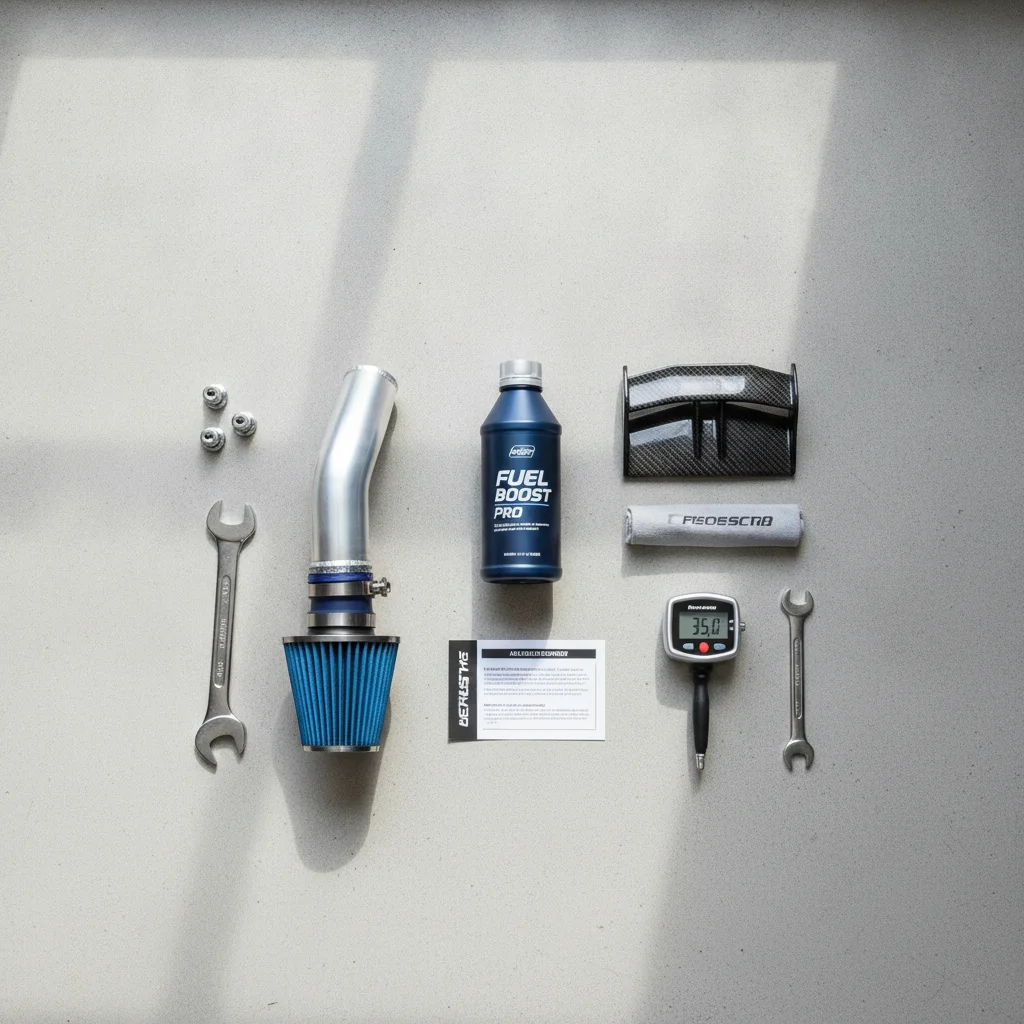
The fuel additive category covers a wide range of products — injector cleaners, octane boosters, combustion chamber treatments, and more. Their efficiency claims range from modest to outrageous. The important distinction is between what additives can do for engine health versus what they can do for fuel economy.
Detergent-based fuel system cleaners (like Techron or Lucas Fuel Treatment) can dissolve mild injector deposits over time. That maintenance benefit is real. But if your injectors were already functioning properly, the cleaner won't produce a noticeable MPG improvement — you're maintaining, not improving. The EPA has found no additive that delivers the dramatic efficiency gains their marketing often implies.
Octane boosters are a separate case: they only help if your engine genuinely requires or prefers higher octane, and even then the effect is modest. Using one in an engine designed for regular fuel is essentially spending money on a property your engine can't use. For a clear breakdown of when fuel grade actually matters, see our guide on when premium fuel pays off.
Myth
Performance air intakes (cold air intakes) significantly boost fuel economy.
Fact
Cold air intakes may improve throttle response and modest power gains, but real-world fuel economy improvements are typically negligible to zero.
Cold air intake systems are among the most popular aftermarket purchases. The theory is sound: cooler, denser air improves combustion efficiency. And in a controlled dyno environment, some intakes do show small power increases at wide-open throttle.
The problem is the gap between dyno conditions and everyday driving. Modern fuel-injected engines use an oxygen sensor and engine control unit (ECU) to continuously adjust the air-fuel mixture. When you add more airflow, the ECU compensates — which tends to preserve the factory tuning rather than extract extra efficiency. Real-world MPG tests on cold air intakes consistently show gains of 0–1 MPG, which often falls within the margin of normal driving variation.
The exception might be a vehicle with a genuinely restrictive factory intake in a high-mileage, high-load application — but that's rare. For most drivers, the $200–$400 intake purchase won't pay back in fuel savings within the realistic ownership period of the vehicle.
Myth
Aerodynamic body kits and spoilers improve fuel economy for everyday driving.
Fact
Aerodynamic accessories only meaningfully reduce drag — and thus fuel consumption — at sustained highway speeds above 50 mph, and only if designed and fitted correctly.
Aerodynamic drag becomes a significant fuel economy factor above about 45–50 mph, and grows exponentially with speed. At highway cruising speeds, it's one of the largest forces your engine fights. So the concept behind aerodynamic accessories is valid — but the execution is where most aftermarket products fall apart.
The aerodynamic improvements that matter at the vehicle level are precisely engineered: front air dams that manage airflow under the car, underbody panels that reduce turbulence, and rear diffusers that manage wake. These are tuned to the specific body shape of a vehicle in wind tunnels. Bolt-on aftermarket spoilers and body kits are rarely designed with the same rigor, and some actually increase drag by disrupting laminar airflow.
If you drive primarily in city conditions or mixed suburban traffic, aerodynamic accessories will provide essentially no fuel benefit — speeds are too low for drag to dominate. At true highway speeds, a properly fitted front air dam or underbody panel might yield 1–3% improvements. The roof rack point is more actionable: an empty rack creates real, measurable drag that removing it immediately eliminates. See also our breakdown of the A/C vs. open windows aerodynamic tradeoff for how speed interacts with other aerodynamic decisions.
Myth
Aftermarket "performance chips" and ECU tuners reliably improve fuel economy in stock vehicles.
Fact
For unmodified, stock vehicles, aftermarket ECU tuners rarely produce real-world fuel economy gains and can void warranties or cause engine issues.
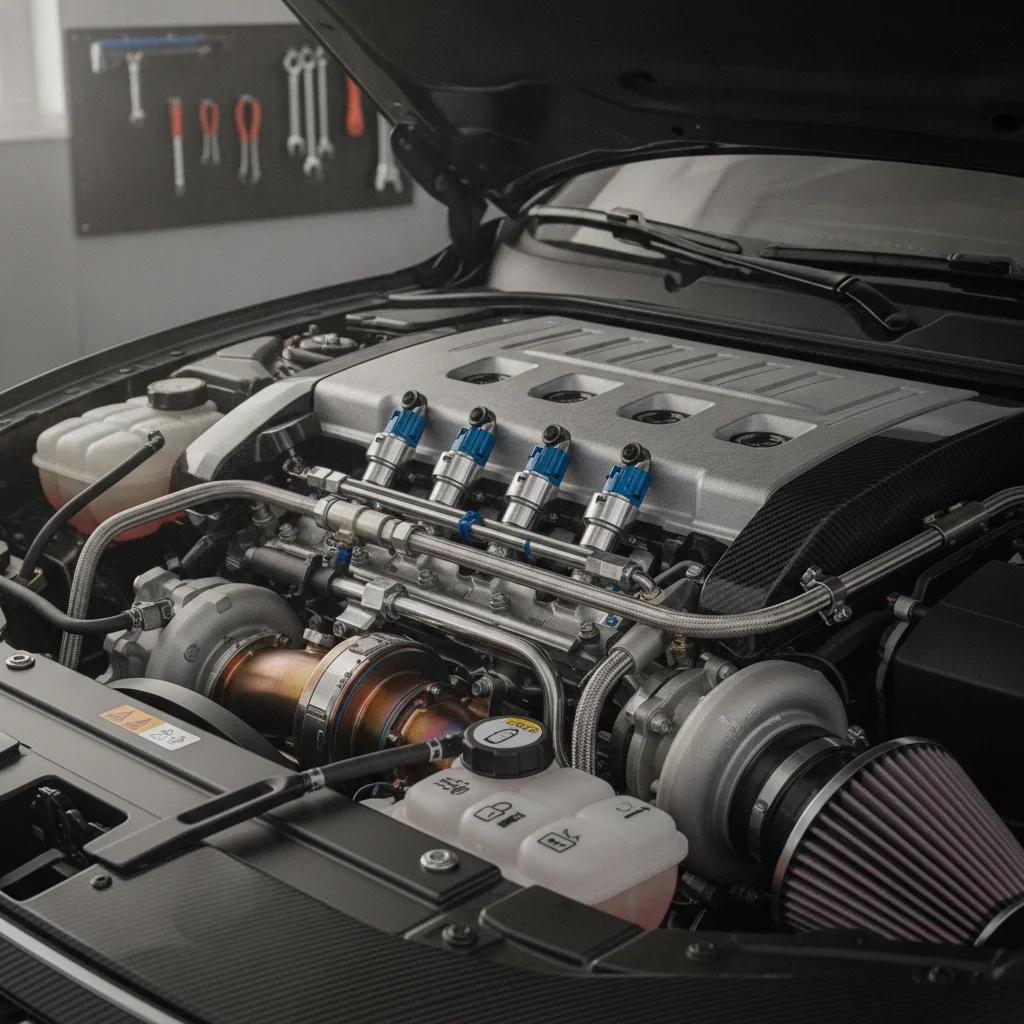
ECU tuning — remapping how your engine's computer manages fuel injection, ignition timing, and air-fuel ratios — is a legitimate tool in performance builds. When paired with supporting hardware modifications (upgraded turbos, exhaust systems, intercoolers), a custom tune can meaningfully change how an engine behaves. That context is important, because plug-in "performance chips" sold for stock vehicles are almost never operating in that environment.
Factory ECU calibrations on modern vehicles are already highly optimized. Manufacturers spend enormous resources refining them to balance power, efficiency, emissions compliance, and engine longevity. A generic tune sold for a broad range of vehicles cannot improve on factory calibration in all those dimensions simultaneously. It typically trades one variable for another — and in doing so, it may void your powertrain warranty and create emissions test compliance issues.
The FTC has taken action against numerous plug-in chip sellers that made unsubstantiated efficiency claims. Independent dyno and MPG tests have consistently failed to confirm the advertised benefits on stock engines. If you're considering this category, the honest answer is: the money is better spent on a proper tune by a reputable shop paired with actual supporting hardware, not a plug-and-play device.
[in_content_images:2]Myth
Synthetic oil provides such dramatically better lubrication that it noticeably improves fuel economy.
Fact
Synthetic oil does reduce engine friction versus conventional oil, but the real-world fuel economy benefit is modest — typically 0.5–2% — not the dramatic gain some marketing implies.
Synthetic motor oil is a genuinely superior product in several meaningful ways: it withstands higher temperatures, resists breakdown longer, flows better in cold starts, and reduces engine wear. For the right application, it's worth the price premium. But "better" doesn't automatically mean "dramatically more efficient at the pump."
The friction reduction benefit of synthetic oil does translate to a small fuel economy improvement — particularly in cold weather, when conventional oil is thicker and creates more initial resistance. Studies place this improvement in the 0.5–2% range under realistic conditions. That's real, but it's not the game-changer some product descriptions imply.
The more important consideration is whether your engine genuinely benefits from the upgrade — which depends on your vehicle's age, the manufacturer's specification, your typical driving conditions, and how you feel about extended drain intervals. Our companion guide on when synthetic oil is worth it works through those variables honestly, so you can make a cost-effective decision rather than a marketing-driven one.
Myth
Fuel economy myths are mostly harmless — trying a product won't hurt anything.
Fact
Some fuel-saving products can cause real harm: incompatible additives can damage fuel system components, and improper modifications can trigger engine error codes or void warranties.
The assumption that "it probably won't work, but at least it won't hurt" is worth examining carefully. Most products are indeed inert — they do nothing, positive or negative. But some cause genuine problems.
Certain fuel additives contain solvents that are too aggressive for modern fuel system seals and rubber components, particularly in older vehicles. Alcohol-based octane boosters used above recommended concentrations can degrade fuel line materials. Some "miracle" treatments introduced into the oil system have caused accelerated wear in documented cases.
On the modification side, plug-in ECU tuners that alter fuel mapping can confuse emissions sensors and generate fault codes that trigger your check engine light — creating a diagnostic hassle that costs more to resolve than the product cost. More seriously, some modifications affect emissions test compliance in states with strict inspection programs.
And across almost all categories: unauthorized modifications to fuel, ignition, or engine management systems can void powertrain warranty coverage. That's a risk worth weighing carefully before adding anything to your engine that your manufacturer didn't specify. The broader pattern of which "extras" tend to pay off and which create hidden costs is also relevant to how you think about optional add-ons across vehicle ownership.
The Products That Actually Earn Their Price Tag
After clearing away the noise, a shorter list of genuinely useful accessories emerges. None of them are glamorous. Most don't involve a dramatic before-and-after story. But each addresses a real, documented source of fuel waste.
Quality Tire Pressure Gauges and Inflators
Underinflated tires are one of the most consistent and underappreciated causes of reduced fuel economy. The EPA estimates that every 1 PSI drop below the recommended pressure reduces fuel economy by about 0.2%. That sounds small, but most drivers are running 5–7 PSI low without knowing it. A reliable digital tire gauge costs under $15 and pays for itself in weeks. A portable inflator for around $30–$60 removes every excuse not to check. These aren't exciting, but they work — and the data is solid.
0.2%
MPG lost per 1 PSI underinflation
According to the U.S. Department of Energy, keeping tires properly inflated can improve gas mileage by up to 3% over consistently underinflated tires.
15–30%
Fuel economy reduction from aggressive driving
The EPA estimates that aggressive acceleration and hard braking reduces highway fuel economy by 15–30% and city economy by up to 40%.
10–25%
Highway MPG penalty from an empty roof rack
According to the U.S. Department of Energy's fueleconomy.gov, an empty cargo carrier on a roof rack increases aerodynamic drag significantly at highway speeds.
~0%
Average MPG gain from tested aftermarket 'gas savers'
The EPA tested more than 100 aftermarket fuel-economy devices over several decades and found that none reliably improved fuel economy by a meaningful margin.
0.5–2%
Realistic fuel economy gain from synthetic oil
Independent studies including SAE research suggest synthetic motor oil reduces engine friction enough to improve real-world fuel economy by approximately 0.5–2% versus conventional oil.
Air Filter Replacement (The Right Kind)
A clogged engine air filter forces your engine to work harder to draw in combustion air, which hurts both power and efficiency. Replacing a genuinely dirty filter with a quality OEM-equivalent restores performance. High-flow aftermarket filters like K&N claim to improve airflow and, in turn, fuel economy — but the independent evidence for significant MPG gains in modern fuel-injected vehicles is mixed at best. The bigger truth: a clean filter of any type is far better than a dirty one. Keep it maintained, and you've solved most of what an expensive upgrade claims to fix.
For context on which maintenance steps actually move the needle at the pump, our breakdown of maintenance tasks with the biggest fuel economy impact is worth reading alongside this article.
Roof Rack Removal (or Aerodynamic Covers)
This one surprises people. An empty roof rack — one you're not actively using — can reduce highway fuel economy by 10–25% depending on vehicle shape and speed. That's a bigger drag than most "performance" accessories claim to add. Removing it when not needed costs nothing. If you need to keep one on, an aerodynamic fairing cover for the front bar genuinely reduces drag and pays back at highway speeds. This is one of the few aerodynamic modifications with a clear, measurable return.

TPMS Monitoring Systems
Modern cars come with tire pressure monitoring, but the factory systems often only alert you when pressure is dangerously low — sometimes 25% below recommended. An aftermarket TPMS display that gives you real-time PSI readings for all four tires keeps you in the ideal range consistently, not just at crisis level. For drivers who cover high highway mileage, it's a worthwhile investment in both efficiency and tire longevity.
Don't Trust Vague Percentage Claims
Many fuel-saving products advertise gains of "up to 15%" or "up to 30%" without disclosing what baseline conditions produced that number. "Up to" figures are almost always derived from best-case lab scenarios that don't reflect real driving. Ask specifically for independent, third-party test data — not the manufacturer's own figures. If it doesn't exist, that tells you everything you need to know.
Modifications May Affect Your Warranty
Certain aftermarket modifications — particularly ECU tuners, performance chips, and some intake systems — can void your powertrain warranty if a dealer determines they contributed to an engine problem. Before adding anything to your vehicle, check your warranty terms and consider whether the claimed efficiency gain is worth the coverage risk. For new or recently purchased vehicles, this is especially important.
When Driving Habits Outperform Any Accessory
Here's what rarely appears in an auto parts catalog but consistently shows up in fuel economy data: behavior changes outperform almost every aftermarket product by a wide margin. The EPA's own research confirms that aggressive driving — hard acceleration and heavy braking — can lower fuel economy by 15–30% on highways and up to 40% in stop-and-go traffic.
Smooth, anticipatory driving isn't a gimmick. Maintaining a consistent highway speed, coasting toward stops rather than braking hard, and avoiding jack-rabbit starts from traffic lights are all habits that compound across every tank of gas. No $60 additive comes close to matching those returns.
If you want to go deeper on behavior-based efficiency — including some extreme techniques and their risks — our guide to safe hypermiling techniques covers the full picture.
And if you're curious about related decisions that affect your overall fuel costs — like choosing where to buy gas and whether loyalty programs are worth it — our articles on gas station quality and fuel economy and gas rewards programs offer grounded, practical guidance.
The Best Fuel-Saving "Product" Is Free
No accessory on the market consistently outperforms smooth, anticipatory driving in improving real-world fuel economy. Gradual acceleration, maintaining steady speeds, and coasting to stops can improve your MPG by 15–40% compared to aggressive driving — with zero purchase cost. Before spending anything on efficiency products, evaluate whether changing how you drive would deliver more value than changing what's on your car.
The most effective "fuel-saving accessory" you'll ever use is your right foot — applied with patience and consistency. Combine that with proper tire inflation and a clean air filter, and you've captured the vast majority of what legitimate fuel economy improvements have to offer. Everything else on the shelf is, at best, a modest supplement to those fundamentals.
How to Evaluate Any Fuel-Saving Product Before You Buy
Before you spend money on any efficiency accessory, run it through this short filter:
- Look for EPA or SAE testing data. The EPA's Fuel Economy Guide and the Society of Automotive Engineers publish independent data on tested products. If a product hasn't been independently tested, treat the manufacturer's claims with skepticism.
- Search for controlled comparison reviews. Consumer Reports, Car and Driver, and similar publications occasionally run structured tests on fuel economy products. Look for reviews that use baseline comparisons, not just before-and-after anecdotes from the seller's own testimonials.
- Do the math on payback time. If a product costs $80 and claims to improve MPG by 2%, calculate how many miles you'd need to drive — at current gas prices — before you recovered the cost. Many products require tens of thousands of miles of perfect use to break even, which is rarely how real-world ownership works.
- Ask whether the problem already has a free solution. Tire pressure? Check it weekly. Air filter? Replace it on schedule. Roof rack drag? Take it off. Many expensive accessories are solutions to problems that proper maintenance and habits already address at no cost.
It's also worth noting that some fuel-saving claims intersect with your overall vehicle costs in ways that aren't immediately obvious. If you're weighing modifications for a car you're planning to sell, the detailing and repairs preparation guide can help you think about which investments actually add value versus which ones you won't recover at resale.
The bottom line: be a patient skeptic. The fuel economy products that work tend to be quiet, boring, and cheap. The ones that make the loudest promises tend to deliver the least. Trust the physics, not the packaging.

All claims are backed by peer-reviewed research. Sources on request.