Key Takeaways
Check Engine Light (MIL)
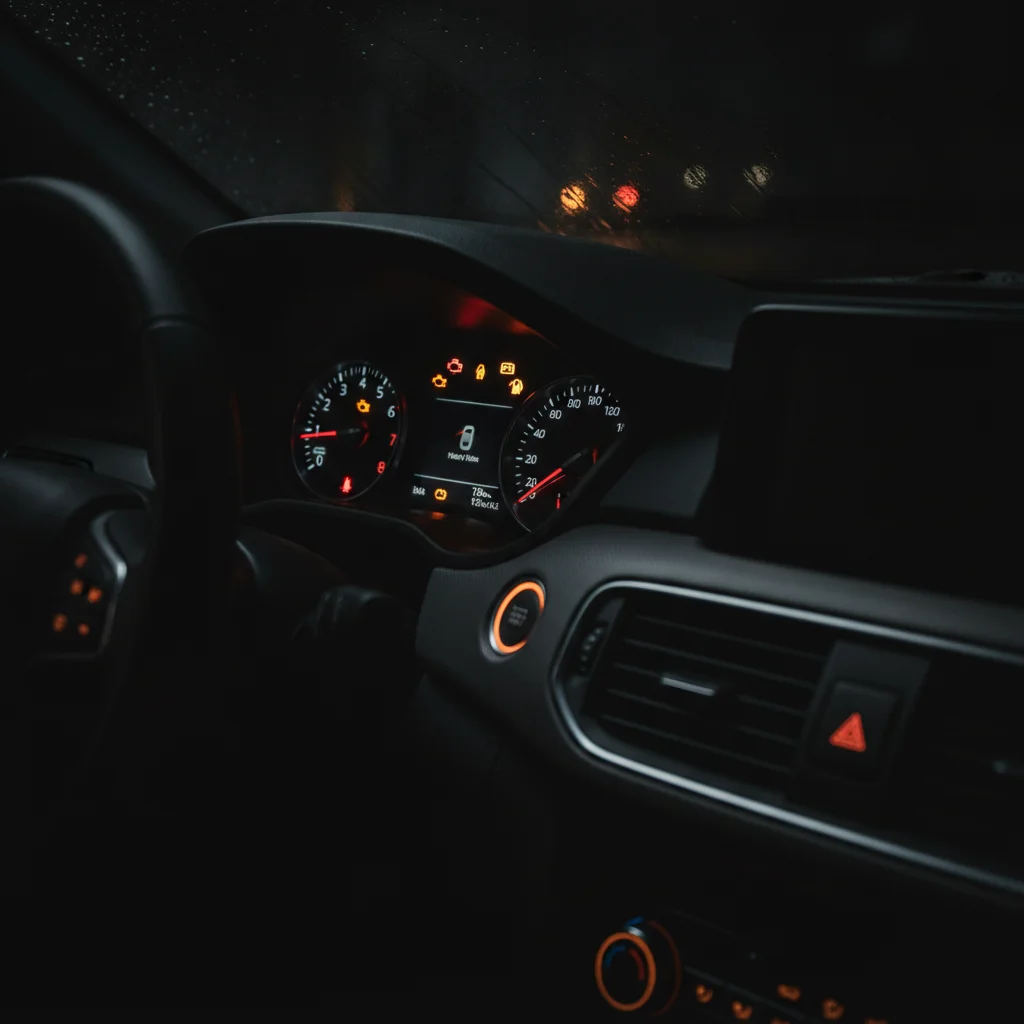
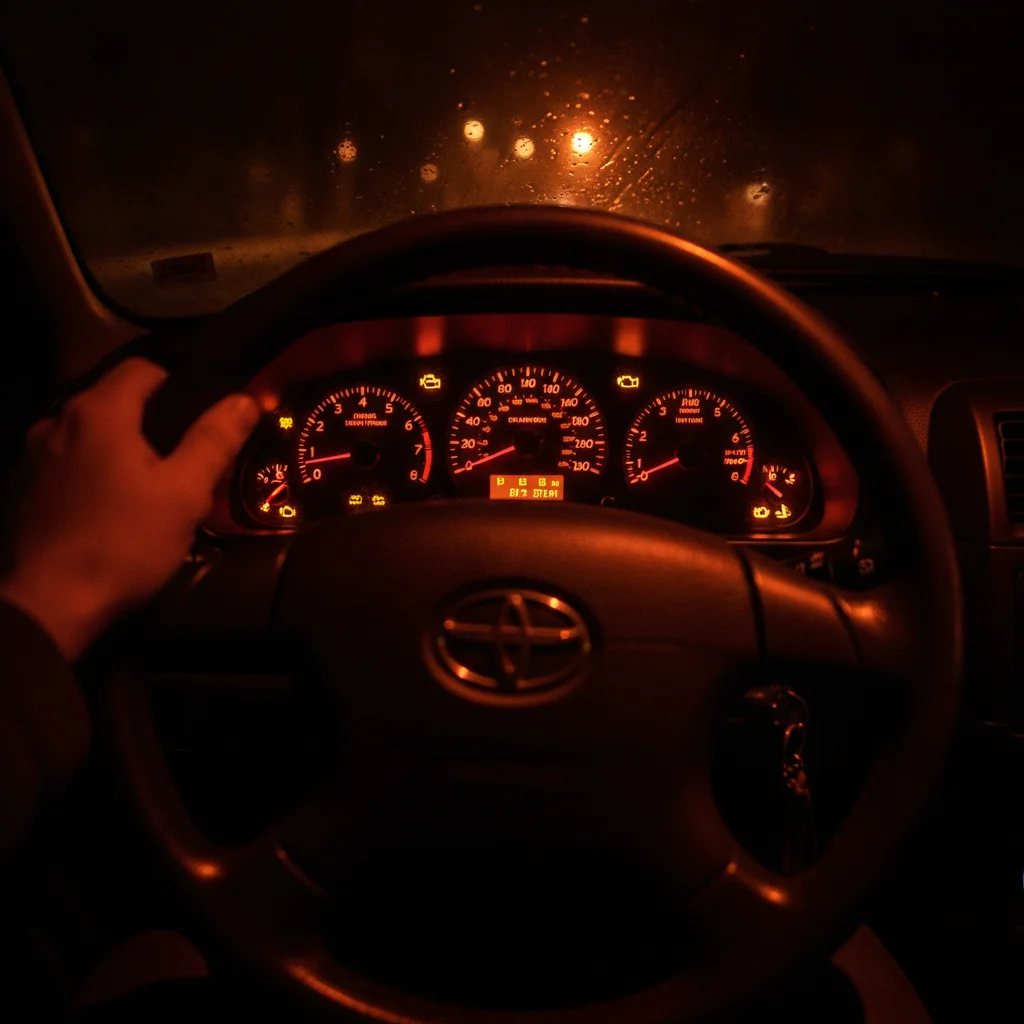
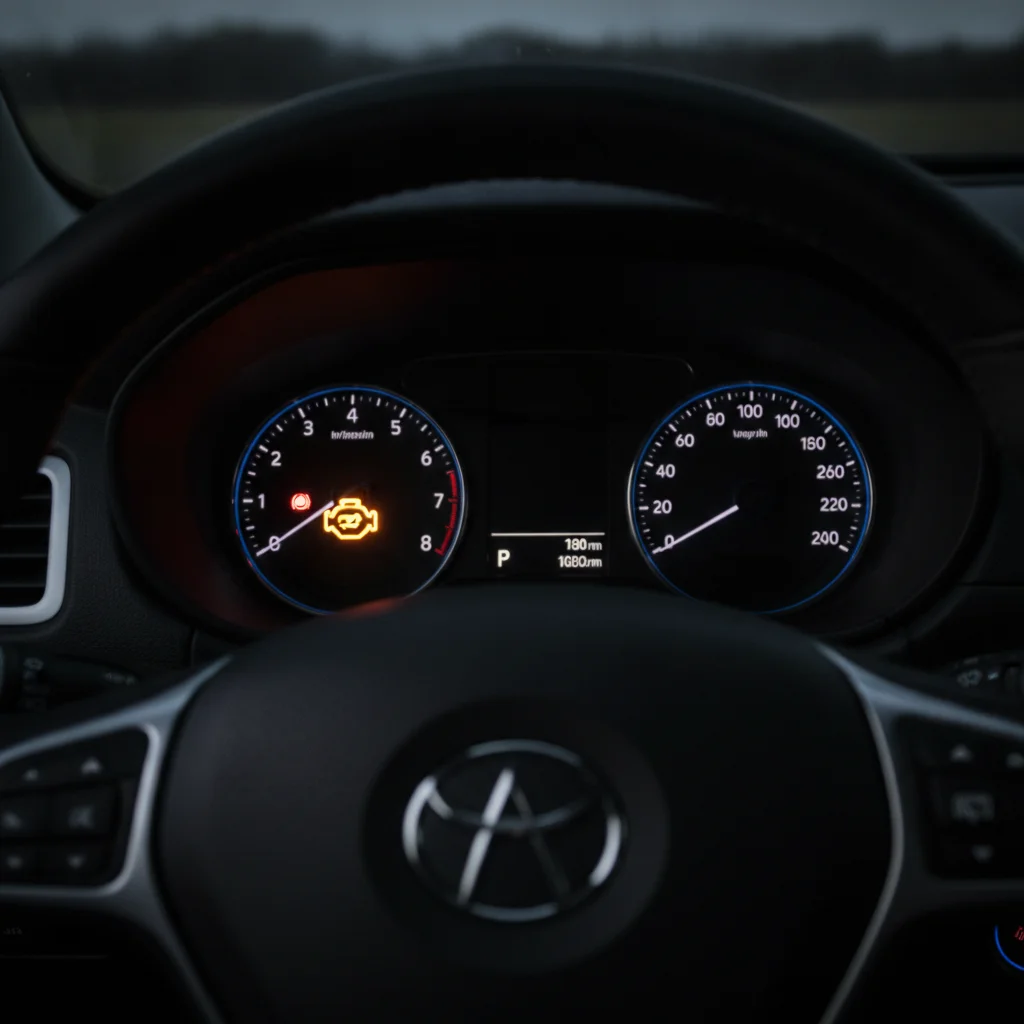
The check engine light — officially called the Malfunction Indicator Lamp (MIL) — is a dashboard warning triggered by your car's onboard diagnostic system (OBD-II) when it detects a problem with the engine, transmission, or emissions system. It can signal anything from a loose gas cap to a failing catalytic converter. The light itself doesn't tell you what's wrong — it just tells you something has been flagged.
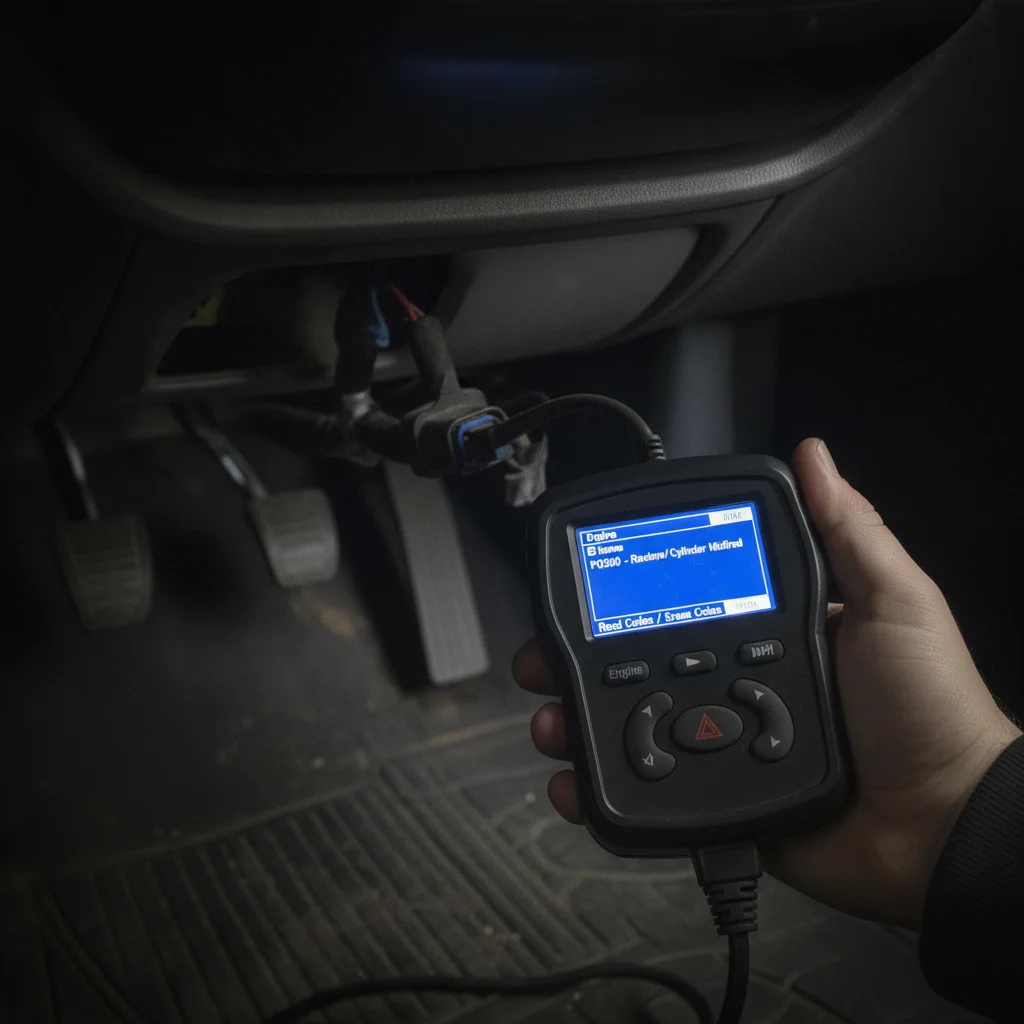
When the MIL activates, the OBD-II system stores a Diagnostic Trouble Code (DTC) in the vehicle's ECU. A scan tool connected to the OBD-II port under the dashboard can retrieve that code and point toward the specific system or sensor that triggered the fault.
What the Check Engine Light Actually Is
Think of your car's OBD-II system as a network of sensors constantly reporting back to a central computer — the Engine Control Unit (ECU). That computer monitors hundreds of parameters: fuel mixture, ignition timing, exhaust composition, transmission behavior, and more. The moment a reading falls outside an acceptable range and stays there, the ECU logs a Diagnostic Trouble Code and switches on the Malfunction Indicator Lamp on your dashboard.
The check engine light is not an alarm that tells you what is wrong. It's more like a voicemail notification — it tells you a message is waiting. You need a scan tool to actually listen to that message.
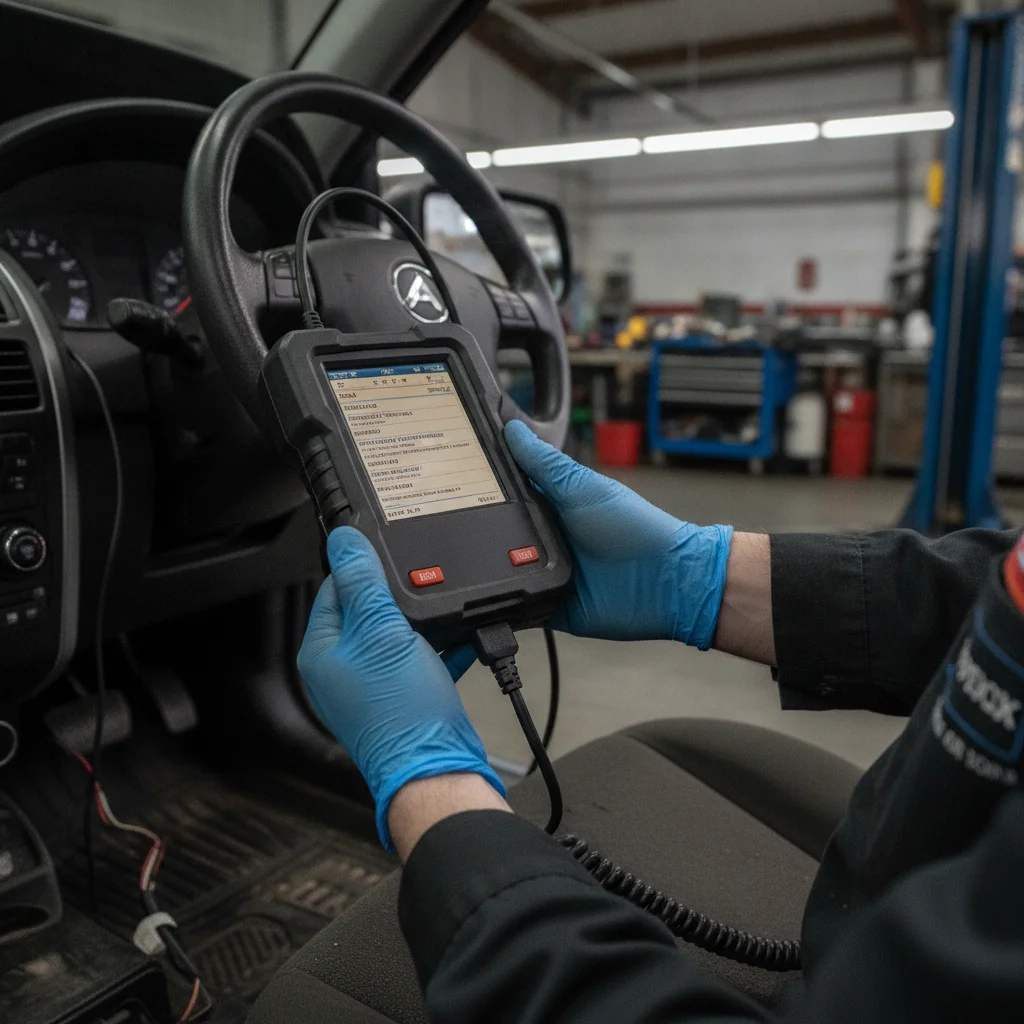
This is a critical distinction that trips up a lot of drivers. The light doesn't distinguish between a $3 gas cap and a $3,000 head gasket repair. Both will trigger the same amber icon. That's why your first move after seeing the light should never be panic — it should be diagnosis. For a broader look at every warning symbol on your cluster, see Dashboard Warning Lights: What Every Symbol Actually Means.
The Check Engine Light Has Limits
The OBD-II system is designed to monitor emissions-related systems, not every mechanical component in the vehicle. Problems like low tire pressure (unless your car has TPMS), worn brake pads, or a failing alternator may not trigger the check engine light at all — they have their own dedicated warning lights or no light at all. Don't assume that the absence of a check engine light means your car is problem-free.
Emissions Testing and the Check Engine Light
In states with mandatory vehicle emissions testing (including California, New York, Texas, and many others), an active check engine light is an automatic failure — period. Even if your actual emissions are within legal limits, inspectors are required to fail any vehicle with the MIL illuminated. Clearing the code and immediately taking the test won't work either, because the OBD-II readiness monitors need several drive cycles to reset. Fix the fault first, drive normally for a few days, then test.
One Light, Multiple Possible Causes
A single Diagnostic Trouble Code points to a system or circuit — not always a specific failed part. For example, a P0171 (System Too Lean) code could indicate a faulty MAF sensor, a vacuum leak, a failing fuel pump, or a clogged fuel injector. This is why a code reading is a starting point for diagnosis, not the end of it. A good technician uses the code as a clue and tests further before recommending a repair.
Steady Light vs. Flashing Light: A Critical Difference
Before you worry about the specific fault code, pay close attention to how the light is behaving. This one observation can change your response dramatically.
Steady Check Engine Light
A solid, non-blinking amber light means the ECU has detected a problem but considers it non-catastrophic in the immediate term. The engine is still running, emissions may be affected, and something needs attention — but you're not in danger of destroying the engine in the next five minutes. Plan to get the car diagnosed within the next day or two.
Flashing or Blinking Check Engine Light
A flashing check engine light is a different animal entirely. It almost always indicates an active engine misfire — meaning one or more cylinders are failing to combust fuel properly. Raw, unburned fuel is passing into the exhaust stream, and the catalytic converter is being hit with heat it was never designed to handle. Converters can be damaged or destroyed in as little as a few miles of misfire driving. A new catalytic converter can cost $800–$2,500 or more, depending on the vehicle.
If your check engine light is flashing: reduce your speed, avoid hard acceleration, and get to a shop or safe parking location as soon as possible. Do not continue driving normally. For help deciding when a warning light means pull over immediately versus drive to a shop, see Responding to Dashboard Alerts: When to Pull Over vs. When to Drive to a Shop.
Buy a Scanner Before You Need One
A basic Bluetooth OBD-II adapter costs $20–$40 and pairs with free apps like Torque or OBD Fusion on your smartphone. Having one in the glovebox means you can pull a fault code anywhere — before you even call a shop. Knowing the code puts you in a far stronger position to understand the repair estimate you receive.
Never Clear a Code Without Fixing the Problem
Some drivers reset codes with a scanner to turn off the light without fixing anything. This removes the code from the ECU's memory but not the underlying fault — which will simply trigger the light again. Worse, resetting codes also clears the OBD-II readiness monitors, which means the car will fail an emissions inspection until those monitors complete their drive cycles.
The Most Common Check Engine Light Causes
Repair data from millions of vehicles consistently shows a handful of causes responsible for the vast majority of check engine lights. Here's what you're most likely dealing with, roughly ordered from cheapest to most expensive:
~40%
Fuel economy loss from a bad O2 sensor
The U.S. Department of Energy estimates a faulty oxygen sensor can reduce fuel efficiency by up to 40%, making it one of the costliest unfixed check engine faults.
$0–$25
Cost to fix a loose or faulty gas cap
The gas cap is consistently cited by repair databases such as CarMD as the single most common check engine light trigger in the United States.
$2,500+
Potential catalytic converter replacement cost
According to RepairPal and industry repair estimates, catalytic converter replacement on many vehicles — particularly trucks and SUVs — can exceed $2,500 in parts and labor.
1996+
Vehicles with OBD-II diagnostic access
All passenger vehicles sold in the United States from the 1996 model year onward are required by federal law to include OBD-II ports, making self-diagnosis accessible to any owner.
$20–$40
Cost of a personal OBD-II scanner
Basic Bluetooth OBD-II adapters paired with free smartphone apps give any driver access to the same fault codes a shop retrieves during a paid diagnostic scan.
1. Loose or Faulty Gas Cap
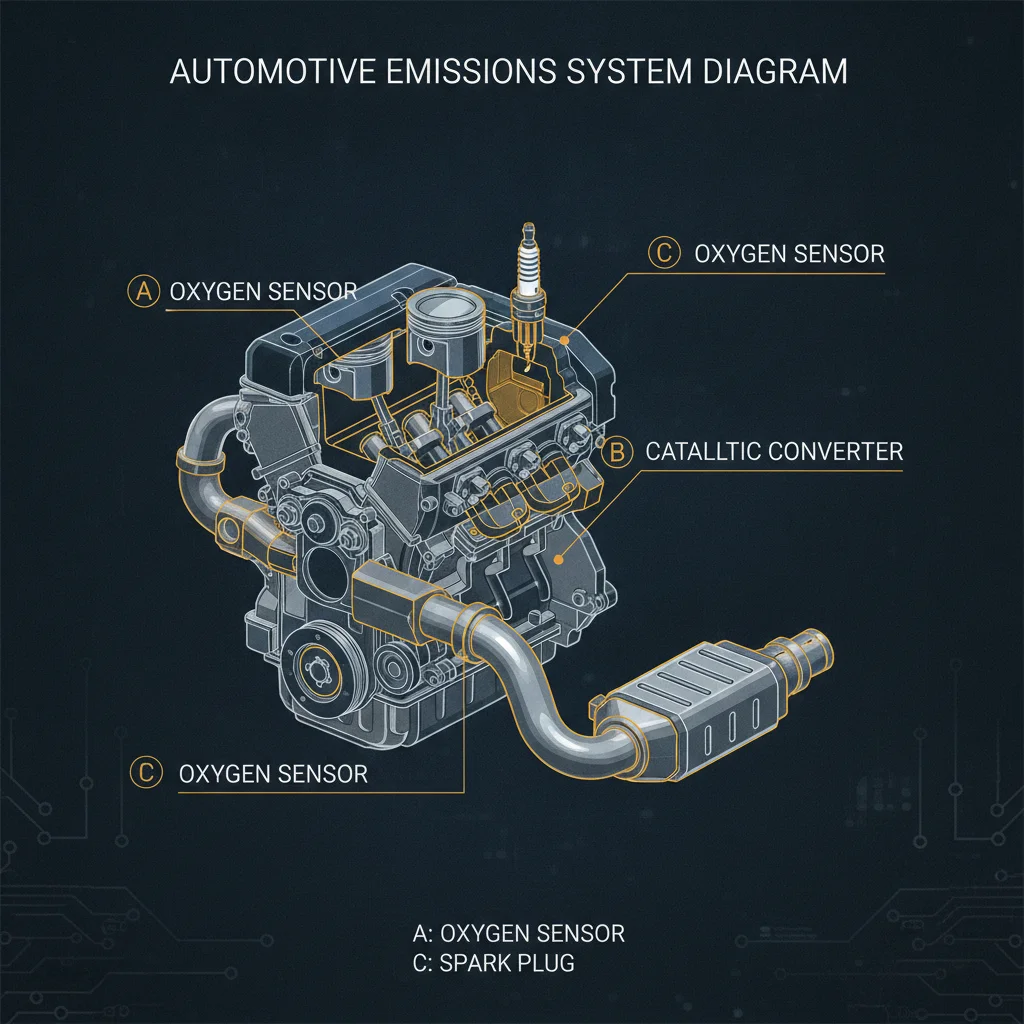
The evaporative emission control (EVAP) system seals fuel vapors inside the tank. A loose, missing, or cracked gas cap breaks that seal. The ECU detects the pressure loss and flags it. Cost to fix: $0 (tighten it) to $25 (replace it).
2. Oxygen Sensor Failure
Your car typically has two to four oxygen sensors measuring exhaust gases upstream and downstream of the catalytic converter. A failed O2 sensor causes the ECU to miscalculate fuel delivery, which hurts fuel economy by as much as 40% and — if ignored long enough — can damage the catalytic converter. Cost to fix: $150–$500 depending on sensor location and labor rates.
3. Catalytic Converter Degradation
Often caused by delayed O2 sensor or misfire repairs, a failing catalytic converter is one of the more expensive outcomes of ignoring earlier check engine lights. The converter's ceramic substrate breaks down over time and stops reducing harmful exhaust emissions efficiently. Cost to fix: $800–$2,500+.
4. Mass Airflow (MAF) Sensor Failure
The MAF sensor measures how much air enters the engine so the ECU can add the right amount of fuel. A dirty or failing MAF causes rough idle, poor acceleration, and increased fuel consumption. Cleaning a dirty MAF with specific sensor-safe spray sometimes resolves the issue. Cost to fix: $20 (DIY cleaning) to $300 (replacement).
5. Spark Plugs or Ignition Coils
Worn spark plugs or a failed ignition coil cause the cylinder misfires that trigger flashing check engine lights. This is one of the most important causes to address promptly, both for drivability and to protect the catalytic converter. Cost to fix: $50–$400 depending on vehicle and access complexity.
6. Thermostat or Coolant Temperature Sensor
A stuck-open thermostat or a failed coolant temp sensor can trigger the check engine light while simultaneously causing the engine to run too cold or preventing the ECU from optimizing fuel delivery. Cost to fix: $150–$350.
For a deeper look at reading these fault codes yourself before writing a check to the shop, see Reading Your Own OBD-II Codes Without Paying a Shop.
How to Get a Diagnosis (Without Always Paying for One)
The single best thing you can do after the check engine light appears is retrieve the specific Diagnostic Trouble Code. Here are your options:
- Use a personal OBD-II scanner. Plug a Bluetooth or USB scanner into the OBD-II port (located under the dashboard, driver's side, usually near the steering column) and read codes via a free smartphone app. Basic scanners cost $20–$40 and work on virtually any vehicle built after 1996. This is the option I recommend to every car owner.
- Visit a free code-read retailer. Major auto parts chains — AutoZone, O'Reilly, Advance Auto Parts — offer free OBD-II scans. You'll get the code and a general description. The staff may also suggest parts, so go in knowing that their recommendations aren't the same as a professional diagnosis.
- Go to a shop for a paid diagnostic. A certified technician doesn't just read the code — they use the code as a starting point, then perform additional tests to confirm the actual root cause. A code that says "oxygen sensor circuit malfunction" might mean a bad sensor, a wiring issue, or an exhaust leak. A thorough diagnostic costs $75–$150 but can save you from replacing parts that aren't actually the problem.
Buy a Scanner Before You Need One
A basic Bluetooth OBD-II adapter costs $20–$40 and pairs with free apps like Torque or OBD Fusion on your smartphone. Having one in the glovebox means you can pull a fault code anywhere — before you even call a shop. Knowing the code puts you in a far stronger position to understand the repair estimate you receive.
Never Clear a Code Without Fixing the Problem
Some drivers reset codes with a scanner to turn off the light without fixing anything. This removes the code from the ECU's memory but not the underlying fault — which will simply trigger the light again. Worse, resetting codes also clears the OBD-II readiness monitors, which means the car will fail an emissions inspection until those monitors complete their drive cycles.
Once you have the code, you can research it — codes follow a standardized format. The letter indicates the system (P = powertrain, B = body, C = chassis, U = network) and the numbers identify the specific fault. For example, P0420 indicates catalyst efficiency below threshold, P0300 indicates a random/multiple cylinder misfire.
The Real Cost of Waiting
Here's the financial reality most drivers don't fully appreciate: in automotive repair, many problems are progressive. A small, contained fault left unaddressed creates additional stress on related components until those fail too — and now you're paying for two repairs instead of one.
The math on early intervention is almost always in your favor. A failed oxygen sensor caught early: $200 repair. The same sensor ignored for six months: $200 sensor + $1,200 catalytic converter = $1,400. A minor engine misfire addressed immediately: $120 ignition coil. The same misfire driven on for two weeks: $120 coil + $900 converter + $450 diagnostic for secondary codes = $1,470.
“The check engine light is one of the most misunderstood signals in automotive maintenance. Drivers either panic unnecessarily or ignore it entirely — and both reactions cost them money. The right response is neither. It's diagnosis.”
— Dave Cappert, Technical Training Expert, National Institute for Automotive Service Excellence (ASE)
Beyond repair costs, there's also the fuel economy impact. A failing O2 sensor or misfiring cylinder can reduce your gas mileage by 20–40%. At current fuel prices, that's a real dollar amount leaving your wallet every fill-up while the problem goes unfixed. The check engine light isn't just a maintenance signal — it's a cost-of-ownership signal.
It's also worth knowing that the check engine system isn't the only way your car communicates trouble. Many mechanical problems announce themselves through sounds, smells, and changes in how the car feels long before a sensor catches them. See Why Your Check Engine Light Isn't the Only Warning Sign Worth Watching for the full picture.
Special Situations: When the Check Engine Light Behaves Differently
Check Engine Light On During a Test Drive
If you're buying a used car and the check engine light is on — or worse, if you notice it was recently cleared (the OBD-II system will show zero stored drive cycles on a freshly reset ECU) — treat this as a significant red flag. A seller who clears codes right before a sale is hiding something. Always have a pre-purchase inspection performed by an independent mechanic before buying any used vehicle. For guidance on what to watch for during test drives, see Dashboard Warning Lights: A Buyer's Reference Guide.
Light Comes On After Refueling
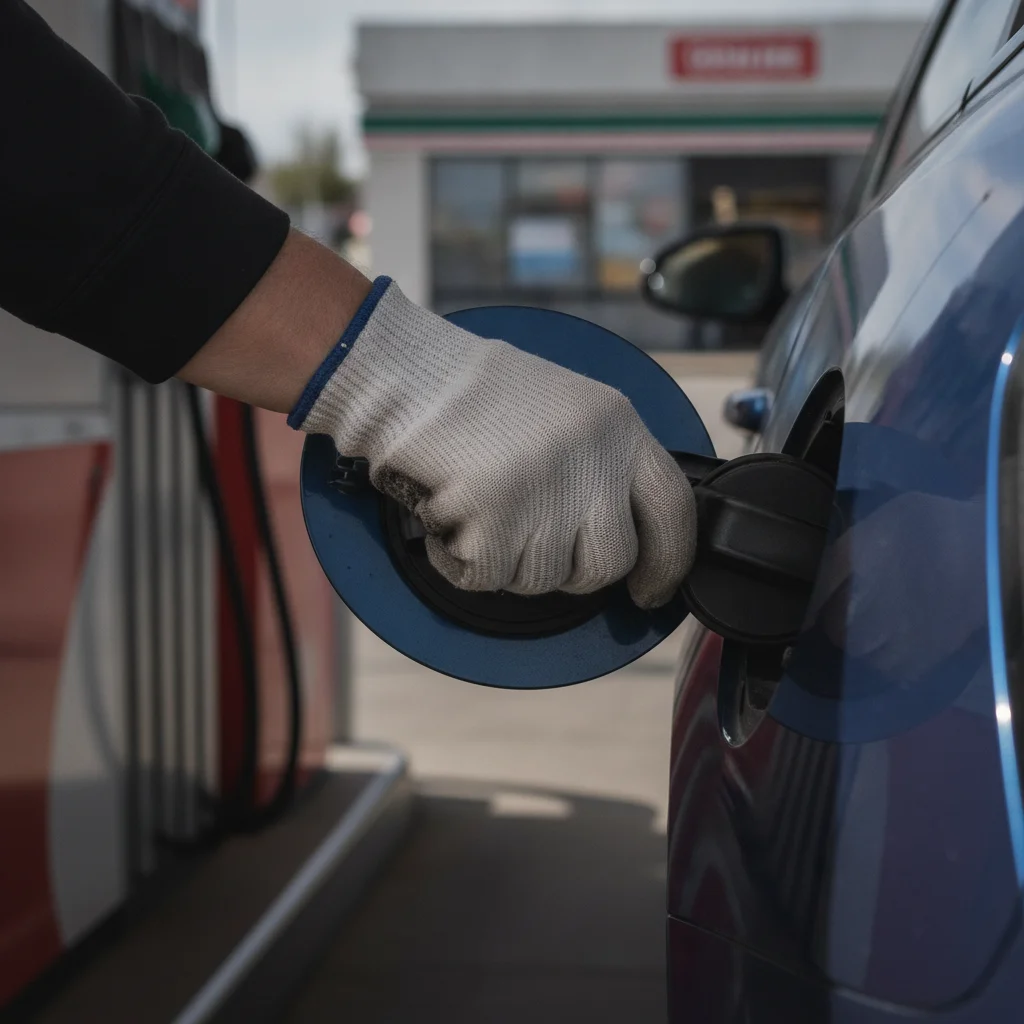
If the light appears immediately after you fill the tank, the most likely cause is an EVAP system issue — often nothing more than a loose gas cap. Pull over safely, remove the cap completely, and reinstall it firmly until it clicks. Drive normally and monitor. If the light clears within a day or two, you've likely solved it for free.
Light Comes On in Cold Weather
Cold temperatures can cause certain sensors to read outside their normal parameters temporarily, triggering codes that resolve once the engine warms up. These are typically intermittent codes and may clear on their own. However, if the light stays on after the engine is fully warm, pursue a diagnosis.
Check Engine vs. Oil Pressure Warning
These two lights are sometimes confused, but they require very different responses. The oil pressure warning light — usually a red oil can icon — indicates a potential lack of oil pressure reaching critical engine components and can cause irreversible damage within seconds of continued operation. It demands immediate shutdown. The check engine light is rarely that urgent. If you're unsure about the oil pressure light, see What the Oil Pressure Warning Light Is Actually Telling You.
The Check Engine Light Has Limits
The OBD-II system is designed to monitor emissions-related systems, not every mechanical component in the vehicle. Problems like low tire pressure (unless your car has TPMS), worn brake pads, or a failing alternator may not trigger the check engine light at all — they have their own dedicated warning lights or no light at all. Don't assume that the absence of a check engine light means your car is problem-free.
Emissions Testing and the Check Engine Light
In states with mandatory vehicle emissions testing (including California, New York, Texas, and many others), an active check engine light is an automatic failure — period. Even if your actual emissions are within legal limits, inspectors are required to fail any vehicle with the MIL illuminated. Clearing the code and immediately taking the test won't work either, because the OBD-II readiness monitors need several drive cycles to reset. Fix the fault first, drive normally for a few days, then test.
One Light, Multiple Possible Causes
A single Diagnostic Trouble Code points to a system or circuit — not always a specific failed part. For example, a P0171 (System Too Lean) code could indicate a faulty MAF sensor, a vacuum leak, a failing fuel pump, or a clogged fuel injector. This is why a code reading is a starting point for diagnosis, not the end of it. A good technician uses the code as a clue and tests further before recommending a repair.
Your Step-by-Step Response Plan
When that amber light appears, here's exactly what to do — in order:
- Note whether it's steady or flashing. Flashing = reduce speed, get off the road soon. Steady = proceed normally but plan for diagnosis.
- Check for other warning lights or symptoms. If the temperature gauge is climbing, the oil pressure light is on, or the car is running rough, treat this as more urgent.
- Check your gas cap. Remove it, inspect it for cracks or damage, reinstall firmly. Simple and free.
- Retrieve the OBD-II fault code. Use your own scanner, visit a parts store, or schedule a shop appointment.
- Research the code. Understand whether it's emissions-related, a sensor issue, or a misfire before deciding on next steps.
- Get the repair done promptly. Even if the car feels fine, don't defer beyond a week or two. Progressive damage is real.
If you want to understand whether a specific fault is one you can address yourself versus one that needs professional hands, the article Why Your Check Engine Light Doesn't Always Mean Catastrophe walks through DIY-safe repairs and when to step back and call a pro.
The Check Engine Light Has Limits
The OBD-II system is designed to monitor emissions-related systems, not every mechanical component in the vehicle. Problems like low tire pressure (unless your car has TPMS), worn brake pads, or a failing alternator may not trigger the check engine light at all — they have their own dedicated warning lights or no light at all. Don't assume that the absence of a check engine light means your car is problem-free.
Emissions Testing and the Check Engine Light
In states with mandatory vehicle emissions testing (including California, New York, Texas, and many others), an active check engine light is an automatic failure — period. Even if your actual emissions are within legal limits, inspectors are required to fail any vehicle with the MIL illuminated. Clearing the code and immediately taking the test won't work either, because the OBD-II readiness monitors need several drive cycles to reset. Fix the fault first, drive normally for a few days, then test.
One Light, Multiple Possible Causes
A single Diagnostic Trouble Code points to a system or circuit — not always a specific failed part. For example, a P0171 (System Too Lean) code could indicate a faulty MAF sensor, a vacuum leak, a failing fuel pump, or a clogged fuel injector. This is why a code reading is a starting point for diagnosis, not the end of it. A good technician uses the code as a clue and tests further before recommending a repair.

All claims are backed by peer-reviewed research. Sources on request.