| Most common active warning light in used cars | Check Engine (MIL) (NHTSA complaint data and OBD-II scan aggregates, 2023) |
| Cost to read OBD-II codes (DIY) | $0–$30 (Bluetooth OBD-II reader retail pricing, 2024) |
| Check engine light repair cost range | $20–$2,500+ (RepairPal average repair estimates, 2024) |
| Airbag / SRS repair cost range | $500–$1,500+ (Industry repair estimates, varies by make and model) |
| TPMS sensor replacement cost | $25–$80 per sensor (Parts and labor, national average 2024) |
| Oil pressure warning response time | Stop immediately (Engine damage begins within seconds of low oil pressure) |
| Battery / alternator test cost | Often free at auto parts stores (AutoZone, O'Reilly, and Advance Auto offer free battery testing) |
| Catalytic converter replacement (common CEL cause) | $800–$2,500 installed (RepairPal, 2024 — varies by vehicle and region) |
Why Warning Lights Matter When Buying a Used Car
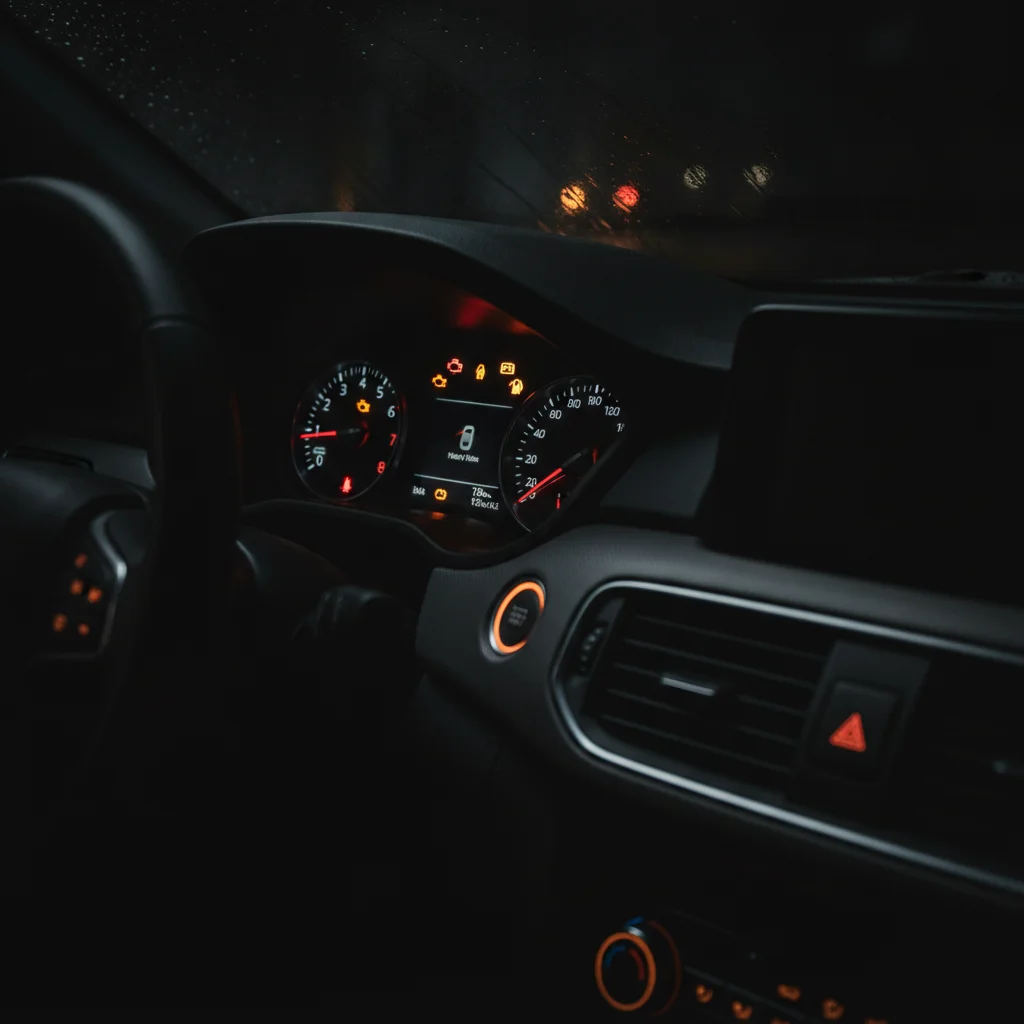
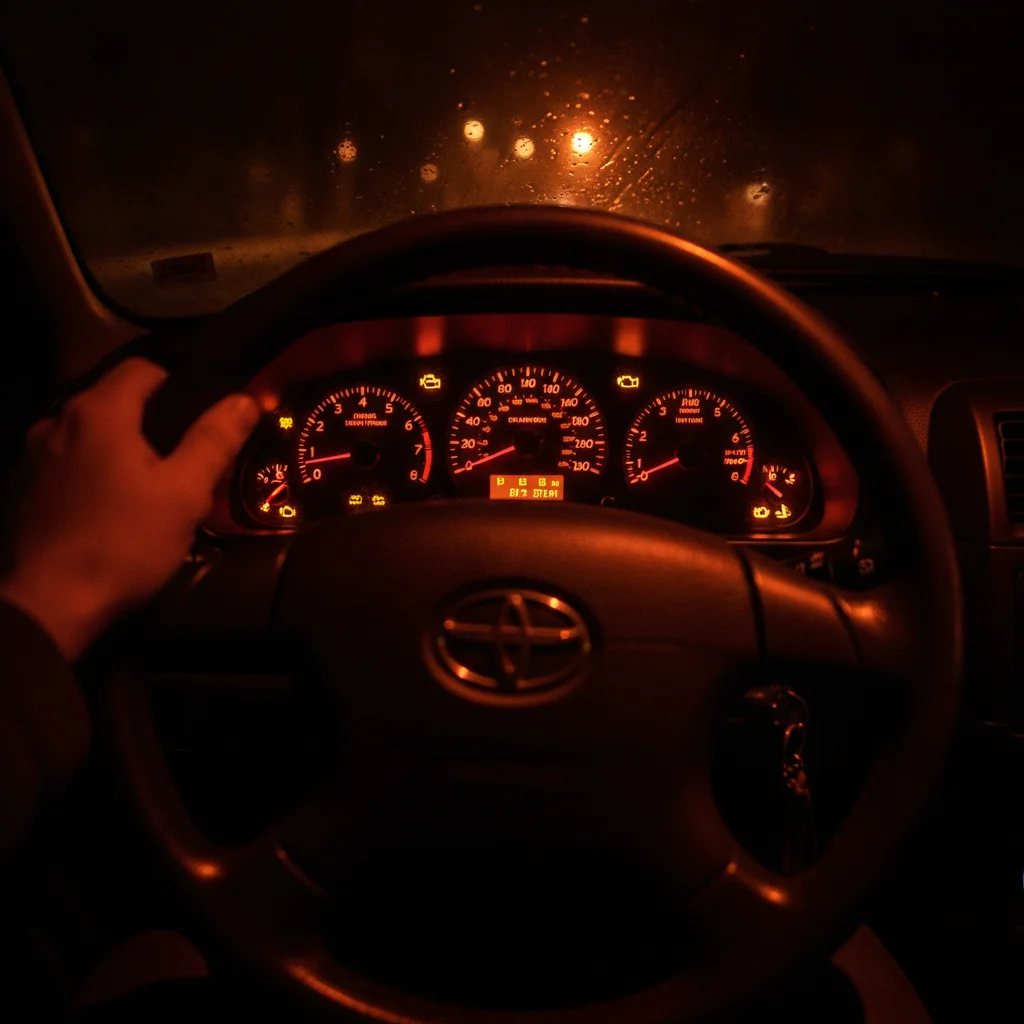
When you sit down in a used car for a test drive, the first thing you should do — before you touch the ignition — is look at the dashboard. What lights come on during the key-on, engine-off self-test? More importantly, which ones stay on after you start the engine?
Sellers who know about a problem will sometimes clear codes just before showing the car. That buys them a few drive cycles before the light returns. If a dashboard looks suspiciously clean on a high-mileage vehicle, ask when the battery was last disconnected or whether any codes were recently cleared. A scan tool will show you if there are pending codes that haven't triggered a warning light yet.
This guide gives you a plain-English breakdown of the warning lights you're most likely to encounter, what causes them, and how seriously each one should affect your buying decision. For a broader look at every symbol your dash can display, see our full dashboard symbol reference.
| Most common active warning light in used cars | Check Engine (MIL) (NHTSA complaint data and OBD-II scan aggregates, 2023) |
| Cost to read OBD-II codes (DIY) | $0–$30 (Bluetooth OBD-II reader retail pricing, 2024) |
| Check engine light repair cost range | $20–$2,500+ (RepairPal average repair estimates, 2024) |
| Airbag / SRS repair cost range | $500–$1,500+ (Industry repair estimates, varies by make and model) |
| TPMS sensor replacement cost | $25–$80 per sensor (Parts and labor, national average 2024) |
| Oil pressure warning response time | Stop immediately (Engine damage begins within seconds of low oil pressure) |
| Battery / alternator test cost | Often free at auto parts stores (AutoZone, O'Reilly, and Advance Auto offer free battery testing) |
| Catalytic converter replacement (common CEL cause) | $800–$2,500 installed (RepairPal, 2024 — varies by vehicle and region) |
The Warning Light Triage System: Red, Amber, and Everything Else
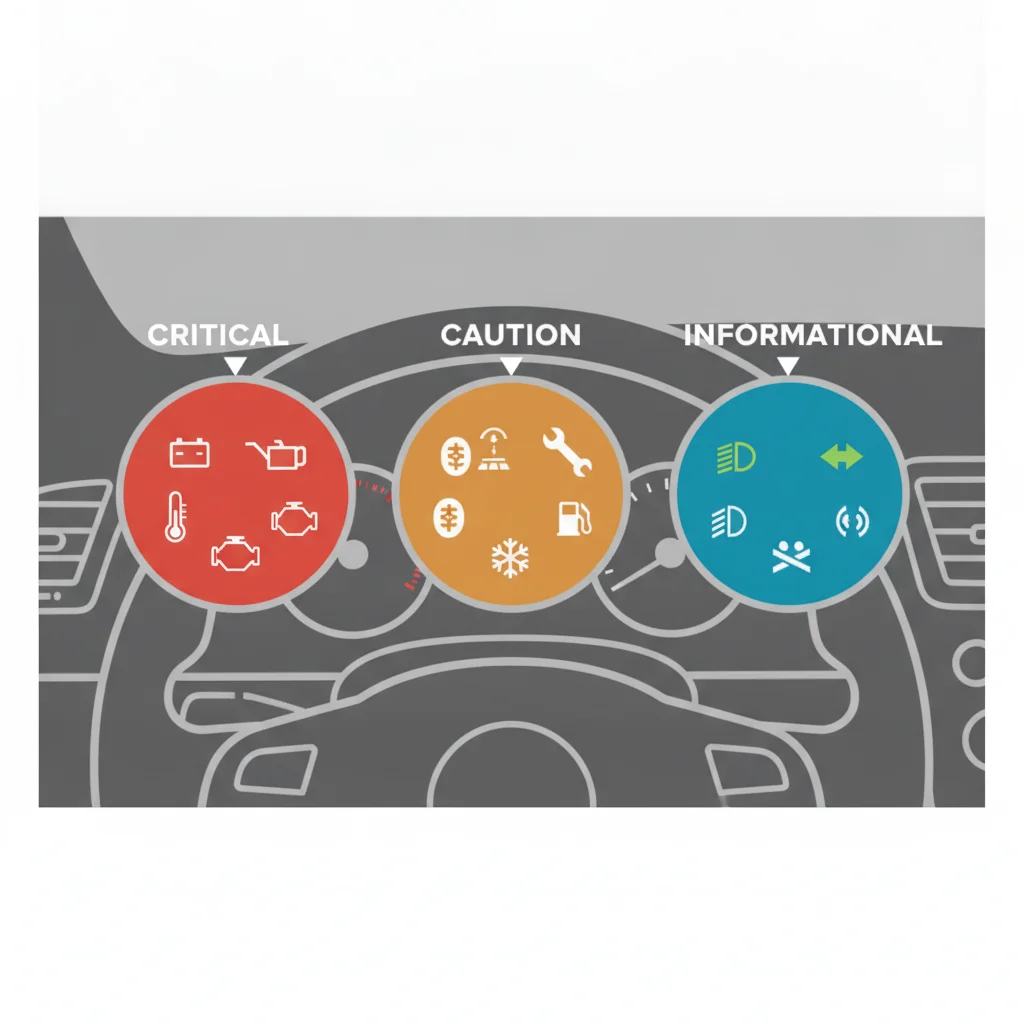
Automakers use a rough color-coding system across most makes and models. Understanding what each color tier means helps you quickly sort cosmetic issues from deal-breakers.
Red Lights
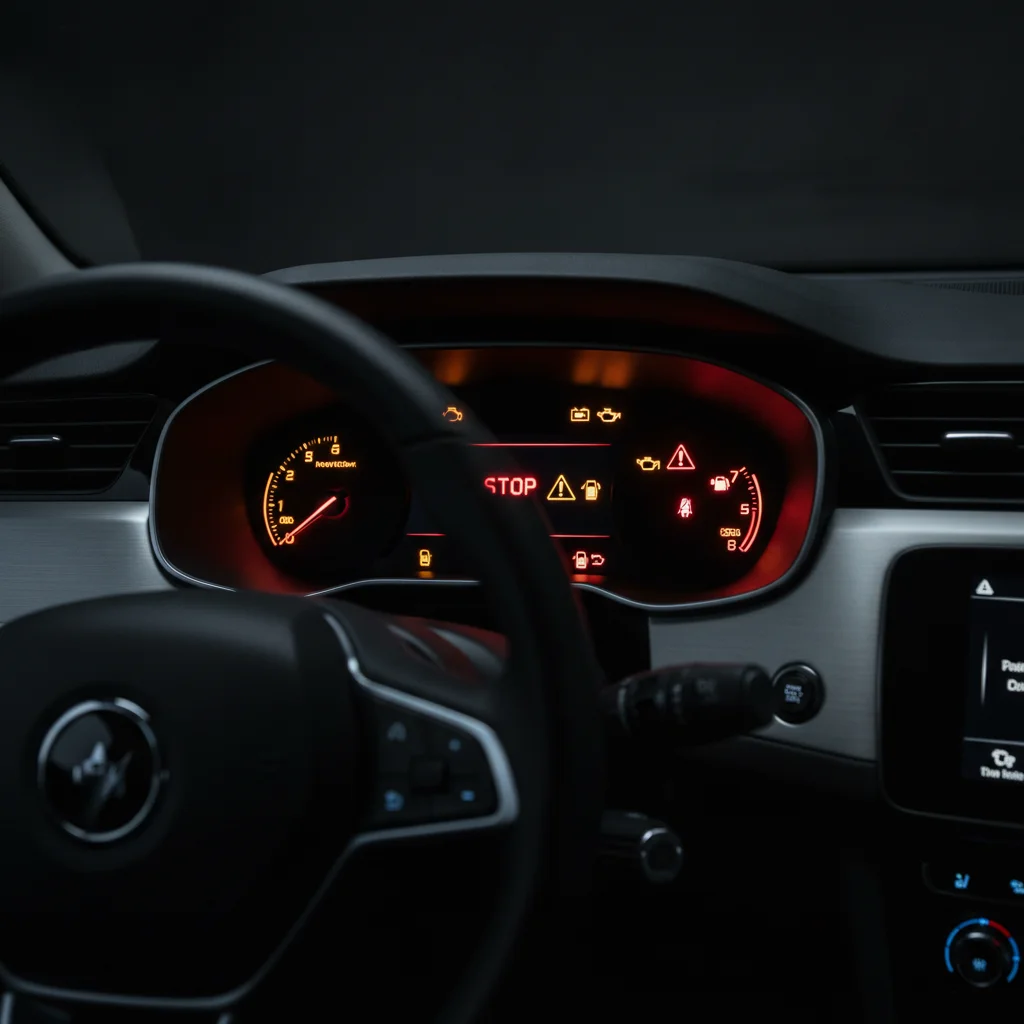
Red indicates an active, serious condition — often one that can cause immediate engine damage or a safety hazard if ignored. A red light on during a test drive is a strong signal to walk away unless you have a repair estimate and the price reflects it.
Amber or Yellow Lights
Amber means something is out of spec but not necessarily catastrophic right now. These are your negotiating lights. They tell you there's a known problem the seller either can't or won't fix. Get a code read before making any offer.
Blue and Green Lights
These are informational — headlights on, high beams active, turn signals functioning. They should not factor into your evaluation unless one fails to illuminate when expected, which can point to a wiring problem.
1 in 4
Used cars with an active DTC at point of sale
A 2019 CarMD analysis found roughly 25% of used vehicles had at least one active or pending fault code at the time of listing.
$387
Average check engine light repair cost
According to CarMD's Vehicle Health Index, the average repair triggered by a check engine light costs approximately $387 in parts and labor.
~10 seconds
Time until oil pressure destroys a running engine
Engine bearing failure from critically low oil pressure can occur within seconds to minutes of the warning light activating — immediate shutdown is essential.
1 PSI per 10°F
Tire pressure drop in cold weather
The Rubber Manufacturers Association notes that tire pressure decreases approximately 1 PSI for every 10°F drop in ambient temperature, commonly triggering TPMS alerts in winter.
$20–$30
Cost of a DIY OBD-II Bluetooth scanner
Entry-level OBD-II Bluetooth adapters paired with free smartphone apps can read and clear most fault codes, making them an essential tool for any used-car shopper.
For context on how to prioritize your response to any active warning, see the pull-over-vs.-drive-to-a-shop guide — the same urgency tiers apply when you're evaluating a car you haven't bought yet.
Warning Light Glossary: What Each One Actually Means for Buyers
Below is a buyer-focused breakdown of the most common warning lights, what triggers them, and what they mean for your purchase decision. Use this as your checklist on any test drive.
MIL (Malfunction Indicator Lamp)
The technical name for the check engine light. It illuminates when the vehicle's onboard diagnostic system (OBD-II) detects a sensor reading or system behavior outside acceptable parameters. A single MIL can represent dozens of different fault codes.
OBD-II (On-Board Diagnostics II)
A standardized vehicle self-diagnostic system required on all US cars and light trucks sold after 1996. It monitors emissions-related systems and many drivetrain components, storing fault codes that can be read with an inexpensive scanner via the OBD-II port, typically located under the dashboard near the steering column.
DTC (Diagnostic Trouble Code)
A standardized alphanumeric code stored by the OBD-II system when a fault is detected. Codes beginning with P refer to powertrain, B to body, C to chassis, and U to network/communication. Reading DTCs is the first step in diagnosing any check engine light.
Pending Code
A fault detected by the OBD-II system that has not yet triggered a warning light because it hasn't failed consistently enough times to set a confirmed code. Pending codes are invisible to a casual inspection but visible to a scanner — critical to check when evaluating a recently cleared vehicle.
SRS (Supplemental Restraint System)
The collective term for airbags, seat belt pretensioners, and related crash-protection components. An illuminated SRS warning light means the system has a fault and may not function correctly in a collision.
TPMS (Tire Pressure Monitoring System)
A federally mandated system (required on all US vehicles since 2008) that monitors tire pressure and alerts the driver when one or more tires fall significantly below the recommended pressure. TPMS warnings can indicate actual low pressure, a dead sensor battery, or a faulty sensor.
ABS (Anti-lock Braking System)
A safety system that prevents wheel lock-up during hard braking, allowing the driver to maintain steering control. An ABS warning light means the system is disabled — normal braking still functions, but the anti-lock protection does not.
ESC / Stability Control Warning
The electronic stability control system detects and corrects understeer or oversteer. A solid ESC warning light indicates the system is faulted and not active. A flashing light during driving means the system is actively intervening — normal. A car sold with ESC disabled is a safety concern.
Oil Pressure Warning
A red warning that indicates the engine oil pressure has dropped below safe operating levels. This is not an oil-level warning — it signals pressure, and driving with this light active can destroy an engine in minutes. It requires immediate shutdown and diagnosis.
Coolant Temperature Warning
A red indicator that the engine coolant has reached dangerously high temperatures, signaling imminent or active overheating. Continued driving risks warped cylinder heads and blown head gaskets — some of the most expensive engine repairs possible.
Battery / Charging System Warning
Indicates the vehicle's electrical charging system is not functioning correctly. Common causes include a failing alternator, a weak battery, a broken drive belt, or corroded connections. Unlike some warnings, this one will leave you stranded if ignored long enough.
Code Clear / Code Reset
The act of erasing stored DTCs and warning lights using a scan tool or by disconnecting the battery. Sellers sometimes clear codes before a sale to temporarily hide active issues. Codes typically return within a few drive cycles if the underlying problem isn't fixed.
For lights that fall outside this list — particularly manufacturer-specific indicators — consult the complete vehicle warning signs guide, which covers the full spectrum of alerts across multiple systems.
Never Skip the Self-Test Check
Before starting any used car during a test drive, turn the ignition to 'on' without cranking the engine. Every warning light should briefly illuminate as a bulb test. If a light that should come on doesn't — particularly the check engine or airbag light — the bulb may have been removed or the cluster tampered with. This is a common low-tech trick to hide active problems.
Cleared Codes Come Back Fast
If a seller recently reset the OBD-II system to hide warning lights, the car's 'readiness monitors' will show as 'incomplete' on a scan tool. Most states require these monitors to be complete for an emissions test, and many code readers will flag this status. Incomplete monitors on a high-mileage car are a reliable sign that codes were cleared recently — ask for an explanation.
Warning Lights Aren't the Whole Picture
OBD-II only monitors emissions-related and select drivetrain systems. Mechanical problems — worn struts, a slipping clutch, a failing wheel bearing — won't trigger any dashboard light at all. Warning lights are a useful filter, but they don't replace a proper pre-purchase inspection by a trusted independent mechanic, which typically costs $100–$200 and can save you thousands.
Lights That Are Deal-Breakers vs. Lights That Are Just Leverage
Not every warning light means you should walk away. Some are straightforward fixes worth $50–$200. Others signal chronic neglect or impending failure that could cost you thousands. Here's how to sort them:
Likely Deal-Breakers
- Oil pressure warning (red): If it comes on during the test drive, stop immediately. Driving with low oil pressure destroys engines fast.
- Temperature warning (red): Active overheating during a short test drive indicates a serious cooling system failure — head gasket, water pump, or thermostat at minimum.
- Transmission temperature warning: High transmission temps on a cold test drive suggest internal slippage or a failing cooler.
- Airbag/SRS light (amber or red): The safety system is compromised. In a crash, the airbags may not deploy — or worse, may deploy unexpectedly. Repairs often run $500–$1,500 or more.
- Brake system warning (red, not the parking brake): Could be low fluid, a failing master cylinder, or ABS issues. Any of these demand professional diagnosis before purchase.
Negotiating Leverage — Not Necessarily Walk-Aways
- Check engine light (amber): Could be a $15 gas cap or a failing catalytic converter ($800–$2,500). Get the code read first — here's a full breakdown of what the check engine light means. Adjust your offer by the cost of repair.
- TPMS (tire pressure monitoring): Often just under-inflated tires or a dead sensor ($25–$80 each). Check the tires yourself.
- Service due / maintenance reminder: Tells you the car is overdue for an oil change or scheduled service. Factor in the cost and use it to push the price down.
- Battery / charging system warning: Could be the alternator, the battery itself, or corroded terminals. Have it tested — a new battery runs $100–$200; an alternator is $200–$600 installed.
Keep in mind that warning lights aren't the only signals a car sends. Unusual sounds during the test drive can be equally revealing — learn which car noises should stop you from buying.
Your Pre-Purchase Inspection Protocol for Warning Lights
Follow this sequence on every used car test drive, regardless of how clean the car looks or how trustworthy the seller seems.
- Key-on, engine-off self-test: Turn the ignition to the "on" position without starting the engine. Most warning lights should illuminate briefly, then go out. If a light doesn't come on during this self-test, the bulb may have been removed to hide an active warning.
- Note what stays lit before start: Write down any lights still glowing.
- Start the engine: Most lights should extinguish within 5–10 seconds. Oil pressure, battery, and similar lights go out quickly once the engine is running.
- Note what stays on after start: These are your active warnings. Each one requires a code read and an explanation.
- Drive at varying speeds and conditions: Some lights only trigger under load or at operating temperature. A short highway stretch will surface issues a parking-lot test won't reveal.
- Return and re-check: After the drive, look again. Did any new lights appear? Did a light that was on go out (could indicate a clearing attempt)?
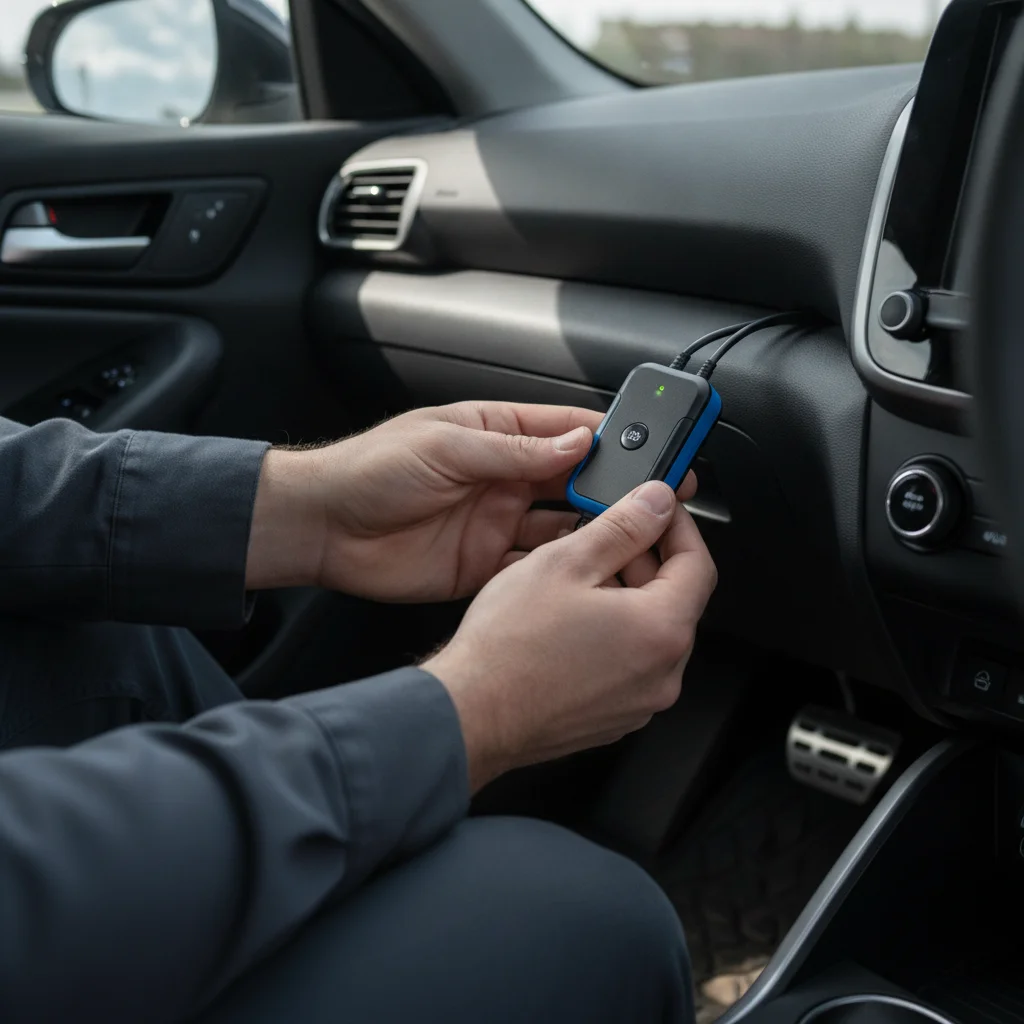
- Request an OBD-II code scan: Even if no lights are on, pull codes before you commit. Pending codes show up here. A basic Bluetooth OBD reader costs $20–$30 and pays for itself on the first car you evaluate.
If you want to go deeper before visiting a mechanic, this self-diagnosis guide walks you through how to document and describe symptoms accurately — useful both before and after a purchase.
OBD Auto Doctor (Free OBD-II App)
A free smartphone app compatible with Bluetooth OBD-II adapters that reads fault codes, displays live sensor data, and checks monitor readiness status — essential for evaluating a used car before purchase.
CarMD Vehicle Health Index
Annual report tracking the most common check engine light causes and their average repair costs by make, model, and year — useful for estimating repair risk on a specific vehicle you're considering.
NHTSA Complaints Database
Search any vehicle's make, model, and year to see real owner-reported complaints, including recurring warning light issues and safety defects that might not show up on a single test drive.
RepairPal Estimator
Enter a specific repair type and your zip code to get a fair-price range for parts and labor in your area — helps you negotiate accurately when a warning light requires a known repair.
Pre-Purchase Inspection Checklist Template
A printable checklist covering dashboard warning lights, fluid levels, tire condition, brake inspection, and test drive observations — bring it to every used car evaluation.
r/MechanicAdvice (Reddit Community)
A large, active community where you can post photos of dashboard warning lights or describe symptoms and get informed responses from experienced DIYers and professional mechanics.
Never Skip the Self-Test Check
Before starting any used car during a test drive, turn the ignition to 'on' without cranking the engine. Every warning light should briefly illuminate as a bulb test. If a light that should come on doesn't — particularly the check engine or airbag light — the bulb may have been removed or the cluster tampered with. This is a common low-tech trick to hide active problems.
Cleared Codes Come Back Fast
If a seller recently reset the OBD-II system to hide warning lights, the car's 'readiness monitors' will show as 'incomplete' on a scan tool. Most states require these monitors to be complete for an emissions test, and many code readers will flag this status. Incomplete monitors on a high-mileage car are a reliable sign that codes were cleared recently — ask for an explanation.
Warning Lights Aren't the Whole Picture
OBD-II only monitors emissions-related and select drivetrain systems. Mechanical problems — worn struts, a slipping clutch, a failing wheel bearing — won't trigger any dashboard light at all. Warning lights are a useful filter, but they don't replace a proper pre-purchase inspection by a trusted independent mechanic, which typically costs $100–$200 and can save you thousands.
Cold Weather, Electrical Gremlins, and False Positives
Some warning lights are context-dependent. A TPMS light on a 20°F morning might just reflect normal pressure drop from cold air — tire pressure drops roughly 1 PSI for every 10°F decrease in temperature. That same light on a 70°F day with a visibly low tire tells a different story.
Similarly, a battery warning right after a cold start on an older vehicle isn't automatically a sign of imminent failure — but it warrants a load test. This guide to cold-weather warning lights helps you distinguish genuine alerts from temperature-induced false positives.
Electrical gremlins are another category worth watching. A car with multiple intermittent warning lights — lights that flicker on and off without a consistent pattern — often has wiring issues, a failing body control module, or corroded connectors. These problems can be maddeningly difficult to diagnose and expensive to fix. If a seller can't explain why multiple unrelated lights come and go, treat it as a serious red flag. Diagnosing blown fuses and bad relays yourself is a good starting point, but chronic multi-system electrical issues usually need a professional.
The bottom line: warning lights are data. Use them as objective leverage, not emotional triggers. A car with a $50 TPMS sensor fault isn't a bad car — it's a car you should pay $50–$100 less for. A car with an active oil pressure warning during a test drive is a car you should not buy at any price without a full teardown inspection. Know the difference, and you'll negotiate smarter every time.
Never Skip the Self-Test Check
Before starting any used car during a test drive, turn the ignition to 'on' without cranking the engine. Every warning light should briefly illuminate as a bulb test. If a light that should come on doesn't — particularly the check engine or airbag light — the bulb may have been removed or the cluster tampered with. This is a common low-tech trick to hide active problems.
Cleared Codes Come Back Fast
If a seller recently reset the OBD-II system to hide warning lights, the car's 'readiness monitors' will show as 'incomplete' on a scan tool. Most states require these monitors to be complete for an emissions test, and many code readers will flag this status. Incomplete monitors on a high-mileage car are a reliable sign that codes were cleared recently — ask for an explanation.
Warning Lights Aren't the Whole Picture
OBD-II only monitors emissions-related and select drivetrain systems. Mechanical problems — worn struts, a slipping clutch, a failing wheel bearing — won't trigger any dashboard light at all. Warning lights are a useful filter, but they don't replace a proper pre-purchase inspection by a trusted independent mechanic, which typically costs $100–$200 and can save you thousands.

All claims are backed by peer-reviewed research. Sources on request.