
Key Takeaways
Your Car Talks. Most Drivers Aren't Listening.
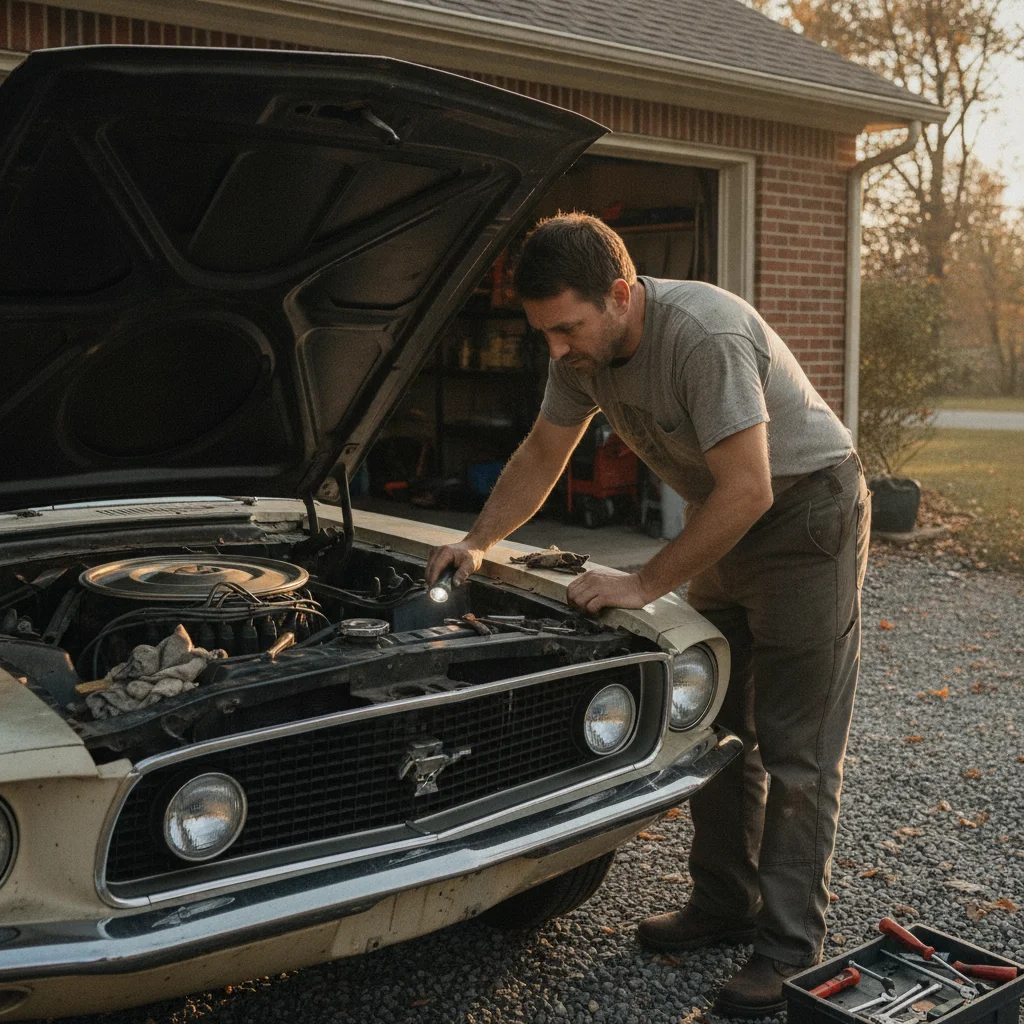
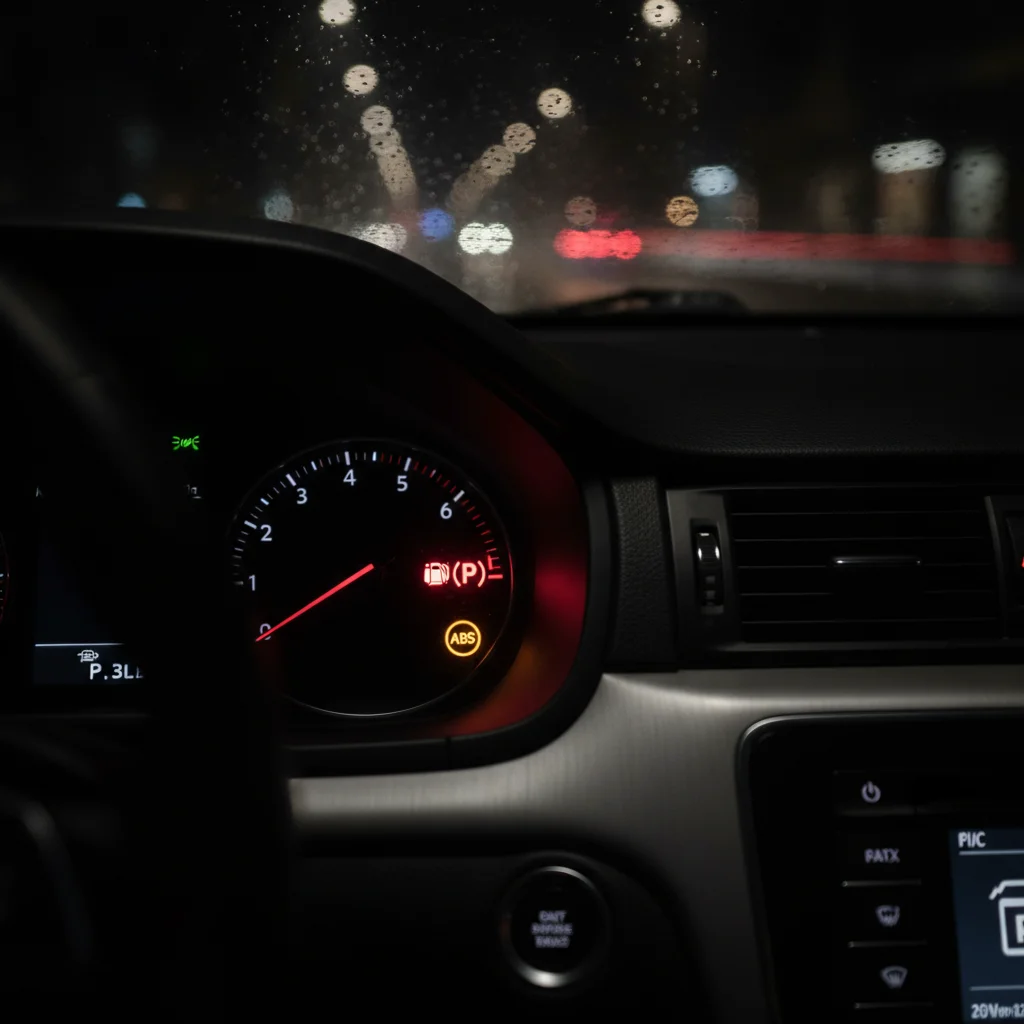
The check engine light has a reputation problem. When it illuminates, drivers either panic and pull over or — far more commonly — slap a piece of black tape over it and hope for the best. Neither response reflects how car maintenance actually works.
The truth is that the check engine light is just one channel in a much richer diagnostic conversation your vehicle is constantly having with you. Modern cars are sophisticated enough to flag emissions sensors and fuel-cap issues through their onboard systems, but many of the most consequential mechanical problems don't trigger a light at all — at least not at first. They announce themselves through a squeal when you brake, a faint burning smell after a long drive, or a steering wheel that pulls subtly to the left.
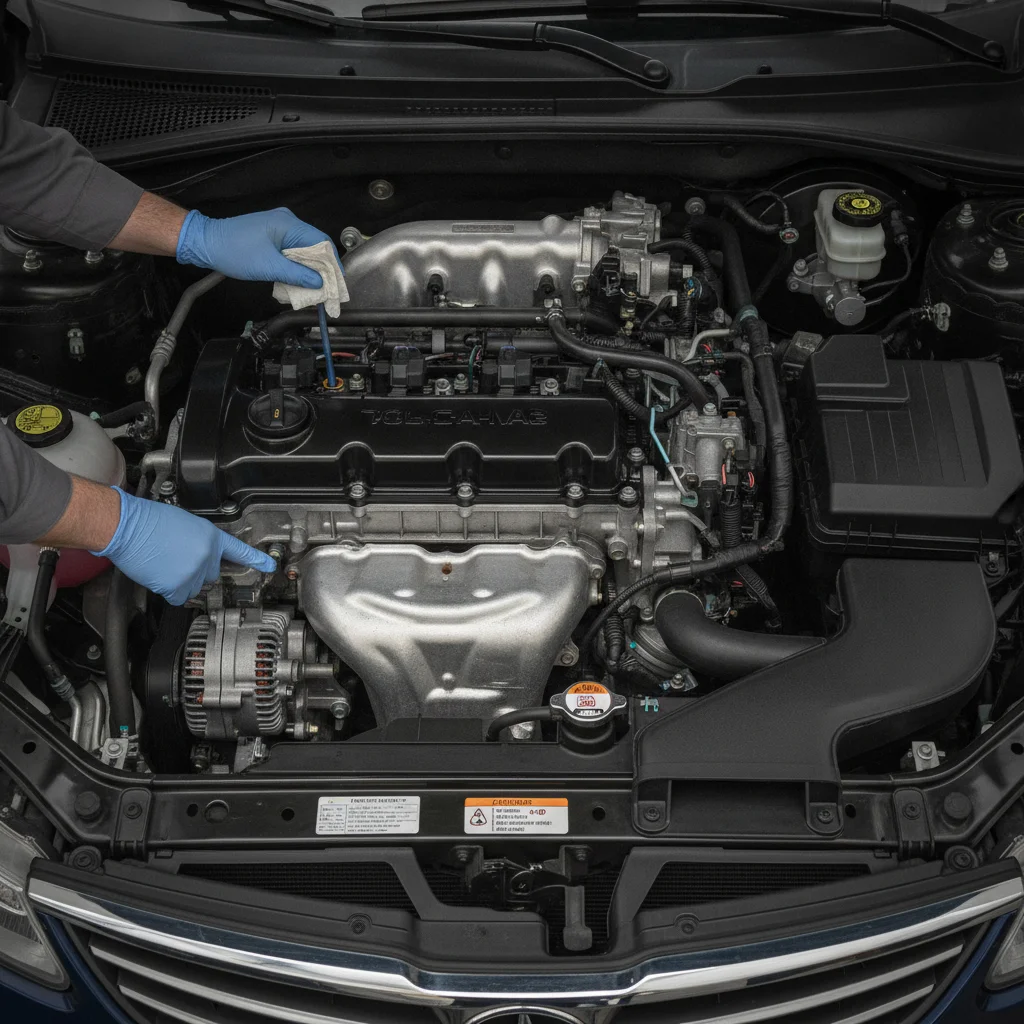
Vehicle warning signs span far more than dashboard indicators — they include what you hear, smell, feel, and even see under the hood or beneath the car. The drivers who catch problems early are typically the ones who have trained themselves to notice these secondary signals.
This guide breaks down the maintenance milestones and sensory warning signs most drivers miss — and explains why tuning into your car's full range of communication can save you thousands of dollars and keep you safer on the road.
Below are the critical warning signs worth watching, organized by the type of signal and the systems they represent.
Brake feel changes — the pedal tells you more than the warning light does
Your brake pedal is one of the most direct feedback mechanisms in your car, and most drivers stop paying attention to it the moment driving becomes routine. That's a mistake. Changes in pedal feel — how far it travels, how much resistance it offers, whether it pulses under your foot — often precede brake system failures by weeks or months before any dashboard alert appears.
A soft or spongy pedal that travels further than usual before the brakes engage typically indicates air in the brake lines or a fluid leak in the hydraulic system. Brake fluid absorbs moisture over time, which lowers its boiling point and can cause partial vaporization under hard braking — a condition called brake fade. The brake warning light and ABS light signal very different problems, but neither one will reliably alert you to gradual fluid degradation.
A pulsating or vibrating pedal under normal braking usually points to warped rotors — a common result of repeated hard stops or driving through deep water while brakes are hot. You may also feel this as a shimmy in the steering wheel during braking.
A high, firm pedal that requires unusual force suggests a failing brake booster, which uses engine vacuum (or an electric pump in some vehicles) to amplify your braking effort. This symptom tends to be subtle early on and pronounced later.
[in_content_images:1]The maintenance milestone to know: brake fluid should be inspected annually and replaced every two to three years in most vehicles, regardless of mileage. Brake pads have wear indicators that produce an intentional squeal when they approach minimum thickness — but rotors, calipers, and fluid don't offer the same audible warning. Pedal feel is your early indicator.
A spongy or pulsating brake pedal often signals a hydraulic issue weeks before any dashboard light appears.
Smells that mean something is burning — and which system to suspect
Smell is an underrated diagnostic tool. The human nose can detect certain compounds at parts-per-million concentrations, which is why a faint burning odor in a car's cabin is often the earliest possible indication of a developing problem. The challenge is that different smells point to completely different systems.
- Burning rubber: Usually indicates a slipping drive belt, a coolant hose that has contacted a hot engine component, or a tire that's been rubbing against the wheel well. Check belt condition at every oil change.
- Acrid, chemical burn (like burning plastic): Often points to an electrical short, overheating wiring insulation, or a failing motor (window regulator, blower fan, power seat). Do not ignore this one — electrical fires are fast-moving.
- Sweet, syrupy smell: The classic signature of coolant (ethylene glycol). A sweet smell from the vents or under the hood after driving suggests a cooling system leak. Check your coolant reservoir level and look for wet spots under the car after it's been parked.
- Sulfur or rotten eggs: In a gasoline vehicle, this points to a failing catalytic converter or a fuel mixture running too rich. In some cases, a battery that's been overcharged can also produce hydrogen sulfide. If you drive an EV, consult our guide on EV battery warning signs that don't trigger dashboard alerts.
- Hot oil or burning oil: Indicates oil dripping onto hot exhaust components — often from a valve cover gasket leak. Look for blue-gray smoke from the engine bay and check for oil residue on engine surfaces.
The critical maintenance milestone here is the cooling system service interval — typically a full flush every 30,000 to 50,000 miles depending on the coolant type. Neglected coolant becomes acidic and corrodes hoses and the radiator from the inside, creating leak conditions that smell long before they show up as an overheating warning light.
A sweet syrupy smell after driving almost always means a coolant leak — check your reservoir before the engine overheats.
Sounds under braking, turning, or acceleration — the specific context matters
Not all car noises are created equal, and the conditions under which a sound appears are often as diagnostic as the sound itself. A squeal that only happens on the first brake application of the morning is different from one that persists throughout a drive. A knock that appears only under acceleration is different from one that's constant. Context is everything.
Common car sounds map to specific systems and urgency levels — here's how to read the most important ones:
- Squealing during braking
- Wear indicator on brake pads reaching minimum thickness. Schedule service within the week. If it progresses to grinding metal-on-metal, the rotor is now being damaged — act immediately.
- Grinding or groaning during turns
- Likely a worn CV joint or wheel bearing. CV joint noise typically worsens when turning in one direction; bearing noise is often constant but gets louder with speed.
- Clunking over bumps
- Sway bar end links, strut mounts, or worn control arm bushings. The suspension symptoms most drivers dismiss as normal wear are among the most commonly ignored.
- Knocking or pinging under acceleration
- Engine knock — the sound of fuel igniting prematurely in the cylinder. Can indicate low octane fuel, carbon buildup, or a more serious engine management problem. Persistent knock causes real engine damage.
- Hissing at idle
- Vacuum leak — a cracked or disconnected vacuum hose. These are often cheap to fix but cause rough idling, poor fuel economy, and can trigger a check engine light if ignored.
The maintenance connection: many of these sounds are direct consequences of missed service intervals. CV boots that split and dry out from age allow grease to escape and dirt to enter. Strut mounts wear predictably with mileage. Staying current on inspections — especially at 30,000, 60,000, and 90,000-mile intervals — is when these components typically get evaluated.
The conditions surrounding a car noise — turning, braking, or accelerating — are as diagnostic as the sound itself.
Vibration through the wheel, seat, or pedals — location tells you a lot
Vibration is your car transmitting mechanical information directly through your body. Most drivers experience it as annoyance; skilled drivers treat it as data. Where you feel it matters: the steering wheel, the seat, the brake pedal, and the floorboard each implicate different systems.
Steering wheel vibration at highway speeds that wasn't there before almost always points to a wheel balance or alignment issue, or a tire that's lost a wheel weight or developed a flat spot. Tires develop flat spots from long-term storage or from hitting a significant pothole. The TPMS light and tire pressure issues are closely related — but vibration from a tire problem often shows up before the sensor threshold is triggered.
Vibration felt through the seat at highway speeds that isn't in the steering wheel may indicate a driveshaft imbalance, a worn universal joint, or a rear tire issue. In front-wheel-drive vehicles, this symptom pattern often suggests a failing rear wheel bearing.
Vibration specifically during acceleration from a stop is a classic sign of a worn CV axle in a front-wheel-drive or all-wheel-drive vehicle. The sensation is often described as a juddering or shuddering rather than a smooth vibration.
Vibration in the brake pedal during braking, as noted earlier, usually means warped rotors.
[in_content_images:2]The maintenance milestone most relevant here is tire rotation and wheel balancing — typically every 5,000 to 7,500 miles, or with every other oil change. Uneven tire wear from skipped rotations creates the conditions for vibration, and by the time vibration appears, some wear is already irreversible. Alignment should be checked annually and any time you've had a significant impact — a hard curb hit or a severe pothole.
Where you feel a vibration — steering wheel, seat, or pedals — directly implicates which system is failing.
Fluid leaks under the car — color and location are the diagnostic code
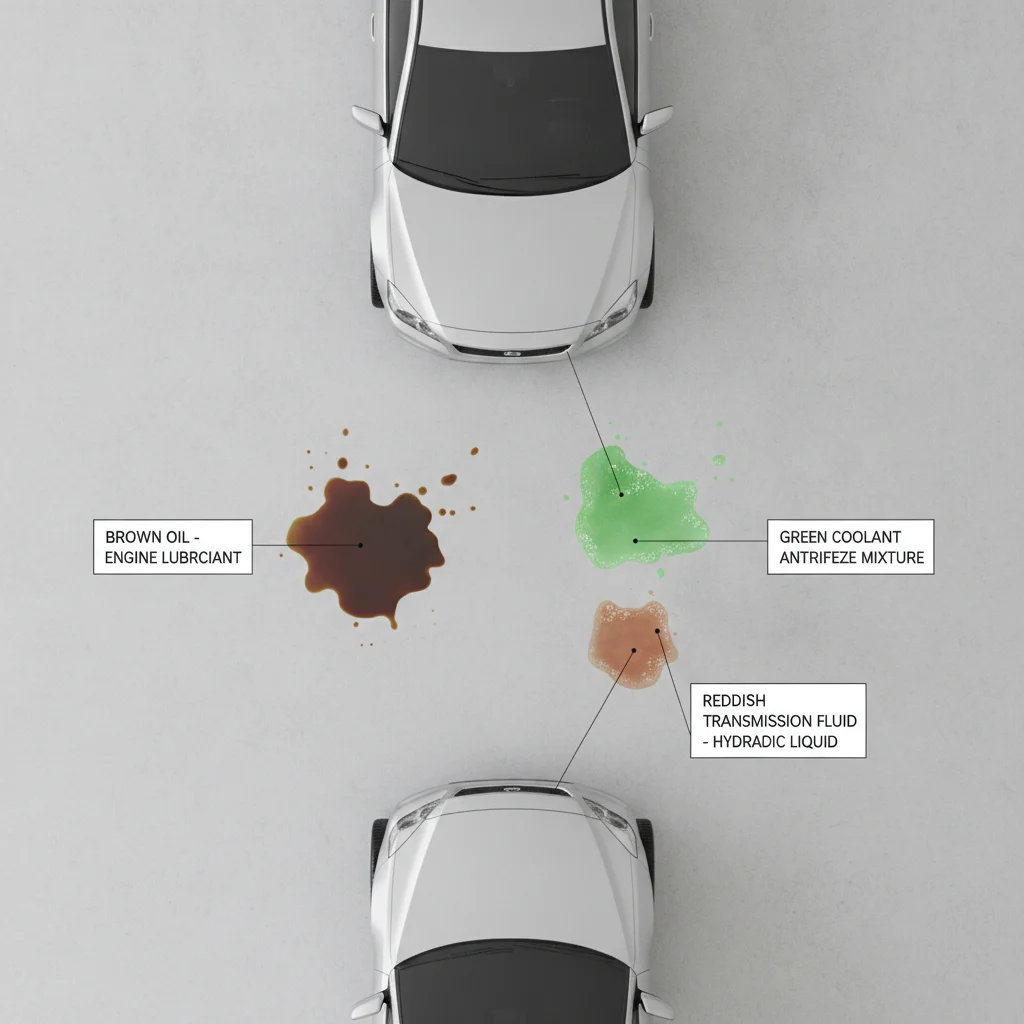
A puddle or stain under your parked car isn't automatically cause for alarm — but it's always worth a few seconds of investigation. Some leaks are harmless; others are urgent. The color, consistency, and location of the fluid narrow down the source considerably.
| Color / Appearance | Likely Fluid | Urgency |
|---|---|---|
| Clear water, under front or rear | A/C condensate or exhaust condensation | Normal — no action needed |
| Light brown to dark brown, oily | Engine oil | Check level immediately; monitor for source |
| Bright orange or pink, slippery | Transmission fluid or power steering fluid | Schedule service promptly |
| Green, orange, or yellow, sweet smell | Coolant (antifreeze) | Do not drive if overheating; repair soon |
| Clear to light yellow, near wheels | Brake fluid | Do not drive — inspect immediately |
| Dark brown/black, near differential or axle | Gear oil | Schedule service; monitor level |
Brake fluid leaking near any wheel is the highest-priority item on this list. Even a small hydraulic leak can cause catastrophic brake failure under hard braking conditions. If you see clear fluid pooling near a wheel — especially combined with a soft pedal — treat it as a safety emergency.
From a service standpoint, most leak conditions are preventable. Gaskets, seals, and hoses have predictable lifespans. A cooling system hose that's never been replaced at 100,000 miles is a leak waiting to happen. Transmission pan gaskets, valve cover gaskets, and differential seals are standard inspection items at major service intervals — which is exactly why those intervals exist.
Clear fluid near a wheel could be brake fluid — a safety emergency that demands immediate inspection before driving.
Handling changes — when the car drifts, pulls, or feels vague
Handling changes are among the most gradual and therefore most overlooked warning signs in automotive maintenance. Because they develop slowly over thousands of miles, drivers often adapt to them rather than recognizing them as symptoms. That adaptation can be dangerous.
Pulling to one side during normal highway driving — where you need to apply constant steering input to maintain a straight line — is the most common handling complaint. The cause is usually misalignment, uneven tire pressure, or uneven tire wear. Less commonly, it can indicate a seized brake caliper that's dragging on one side, or a significant difference in tire condition between left and right.
Vague or loose steering — where the wheel requires more input than it used to, or where there's a dead zone of play before the wheels respond — typically indicates worn steering rack components, tie rod ends, or steering column joints. This symptom is easy to habituate to and dangerous to ignore: worn steering components can fail without further warning.
Body roll that feels excessive during lane changes or cornering, especially compared to how the car handled when newer, points to worn shock absorbers or struts. Shocks degrade gradually and don't announce their failure dramatically — they just make the vehicle progressively less stable.
Worth noting: if you're evaluating a used car and want a baseline for these handling characteristics, our resource on what to assess during a test drive and vehicle inspection covers how to detect these issues before you buy.
The service milestone most relevant to handling: shocks and struts are typically inspected at 50,000-mile intervals and often replaced between 50,000 and 100,000 miles depending on driving conditions. Alignment should be checked whenever new tires are installed.
Gradual handling changes are easy to adapt to — and that's exactly what makes them dangerous to ignore.
Starting and idling behavior — the cold-start window reveals the most
The few seconds after you turn the key (or press the start button) represent a concentrated diagnostic window. Engine oil hasn't fully circulated. Components are at ambient temperature. The battery, starter motor, alternator, and fuel system are all being exercised simultaneously. What happens in that window tells you a lot about the health of several critical systems.
A slow, labored crank before the engine catches — especially in mild temperatures — is a classic early indicator of a weakening battery or a corroding battery terminal. Batteries fail gradually, and a battery that's borderline in summer often can't handle the increased power demand of cold winter starts. Most auto parts stores will test your battery for free. If it's reading below 12.4 volts at rest, start planning for replacement.
Distinguishing a bad battery from a failing alternator is important because the fixes are completely different. A battery issue is typically solved at the parts counter; an alternator failure requires shop time.
Rough idle that smooths out after a minute or two can indicate a fuel delivery issue, a sticking idle air control valve, or a partially clogged fuel injector. If the roughness persists past warm-up, it warrants attention sooner.
A brief ticking sound at cold start that disappears within the first 30 seconds is usually lifter or valve train noise as oil pressure builds — often normal in higher-mileage engines. If the ticking persists past warm-up or occurs under load, that's a different matter, and understanding what oil pressure symptoms mean becomes important context.
Key maintenance milestone: most manufacturers recommend replacing spark plugs between 30,000 and 100,000 miles depending on plug type (copper vs. platinum vs. iridium). Degraded spark plugs cause hard starts, rough idle, and misfires — and they won't always trigger a check engine light early in their decline.
The cold-start window is your best daily diagnostic opportunity — what happens in those first seconds reveals a lot.
What your fuel economy is quietly telling you
A gradual decline in fuel economy is one of the most information-rich and least-noticed warning signs in car ownership. Most drivers don't track their miles per gallon closely enough to detect a 10–15% decline — which is exactly the range where many fixable problems operate before they become serious.
Fuel economy drops have legitimate mechanical explanations across multiple systems:
- Dirty air filter: A severely clogged air filter restricts airflow to the engine and forces it to run richer. This is one of the cheapest fixes in auto maintenance — typically $20–$40 in parts — and it's often neglected well past the 12,000–15,000 mile replacement interval.
- Underinflated tires: Every 1 PSI drop in tire pressure across all four tires reduces fuel economy by approximately 0.2%, according to U.S. Department of Energy data. Four tires each down 5 PSI from spec represents a measurable real-world efficiency loss.
- Oxygen sensor failure: O2 sensors tell the engine computer how to adjust the fuel mixture. A failing sensor causes the engine to run inefficiently. This will often (but not always) trigger a check engine light — for more on that, see what actually triggers the check engine light.
- Degraded spark plugs: Misfires from worn plugs waste fuel and reduce efficiency. You may feel the misfire as a slight hesitation under acceleration.
- Brake caliper dragging: A partially seized caliper creates rolling resistance on one wheel and burns fuel. You may also notice uneven tire wear or a burning smell from that wheel area.
The practical approach: use your trip computer's average MPG readout (or a fuel-tracking app) as a baseline, and pay attention when that number drops without an obvious explanation like a change in driving conditions or season. A sudden 15% drop in fuel economy is data worth acting on.
A 10–15% drop in fuel economy often signals a fixable problem — most drivers miss it because they never track the baseline.
Putting It All Together: A Smarter Maintenance Mindset
Most vehicle failures don't happen without warning — they happen without noticed warning. The difference is attentiveness. A five-minute walk-around before a long trip, a moment of listening when you start the engine on a cold morning, or a quick check of your brake feel during a slow-speed stop in an empty parking lot: these habits cost nothing and routinely catch problems before they become emergencies.
Standard manufacturer service schedules — typically outlined in your owner's manual — are built around the average degradation rates of fluids, filters, belts, and components. Following them isn't about dealer revenue; it's about eliminating the conditions under which small failures compound into large ones. An oil change interval isn't arbitrary. A timing belt replacement window isn't a suggestion. These milestones exist because real-world failure data shows what happens when they're ignored.
Build a simple symptom log
Keep a note on your phone or a small notebook in the glovebox. When you notice an unusual sound, smell, or handling change, write down exactly when it happened, what conditions triggered it, and whether it's recurring. Mechanics consistently say that a clear symptom description from the driver cuts diagnostic time significantly — which reduces your labor bill. It's also the foundation of <a href="/maintenance-and-ownership/vehicle-maintenance/warning-signs/diagnosing-a-warning-sign-yourself-before-visiting-a-mechanic">arriving at the shop prepared</a>.
Know which symptoms require immediate action
Some warning signs allow you a window to schedule service; others mean pull over now. Brake pedal going to the floor, any smoke from under the hood, a sudden loss of power steering, or a severe pull to one side under braking all fall into the immediate-stop category. Our guide on <a href="/maintenance-and-ownership/vehicle-maintenance/warning-signs/warning-signs-you-should-never-ignore-while-driving">warning signs you should never ignore while driving</a> covers the full triage framework.
If you notice any of the symptoms described in this article, your first step should be documentation. Note when the symptom occurs (cold start vs. warm engine, highway vs. city, turning vs. straight), how frequently, and whether it's getting worse. That information is exactly what a diagnostic technician needs — and it's the subject of our guide on diagnosing a warning sign yourself before visiting a mechanic.
The check engine light will always get attention. Make sure everything else does too.

All claims are backed by peer-reviewed research. Sources on request.