Key Takeaways
Why Tax-Free EV Incentives Matter More Than You Think
Most EV buyers fixate on the federal $7,500 clean vehicle credit when they start calculating their savings. That's understandable — it's the biggest single number in the room. But it comes with a long list of conditions: income limits, vehicle price caps, battery sourcing requirements, and the requirement that you actually owe enough federal tax for the credit to do anything useful. For a meaningful slice of buyers, the federal credit ends up being worth far less than advertised — or nothing at all.
What often goes unmentioned is the parallel universe of EV incentives that don't touch your tax return at all. Utility companies, state agencies, regional air quality districts, and even dealers themselves offer money that comes off the purchase price directly or arrives as a check in the mail — no Schedule A, no Form 8936, no year-end waiting game. If you want to understand the full federal credit landscape, the complete EV tax credit walkthrough covers it in detail. But this article is about the incentives that work regardless of your tax situation.
Below are eight categories of EV savings that don't require filing a tax return — what they are, where to find them, and how to stack them effectively.
Utility Company Rebates on Vehicle Purchases
Dozens of investor-owned and public utilities across the country offer direct rebates when customers purchase or lease an EV. These programs vary widely in size — from $250 to over $4,000 depending on the utility — but they share a common trait: the money comes back to you as a check or bill credit, not a tax offset.
Pacific Gas & Electric, Southern California Edison, Eversource, Xcel Energy, and many others have active EV purchase rebate programs. Some target specific income tiers and offer enhanced amounts for lower-income customers. Others are open to any residential customer regardless of income.
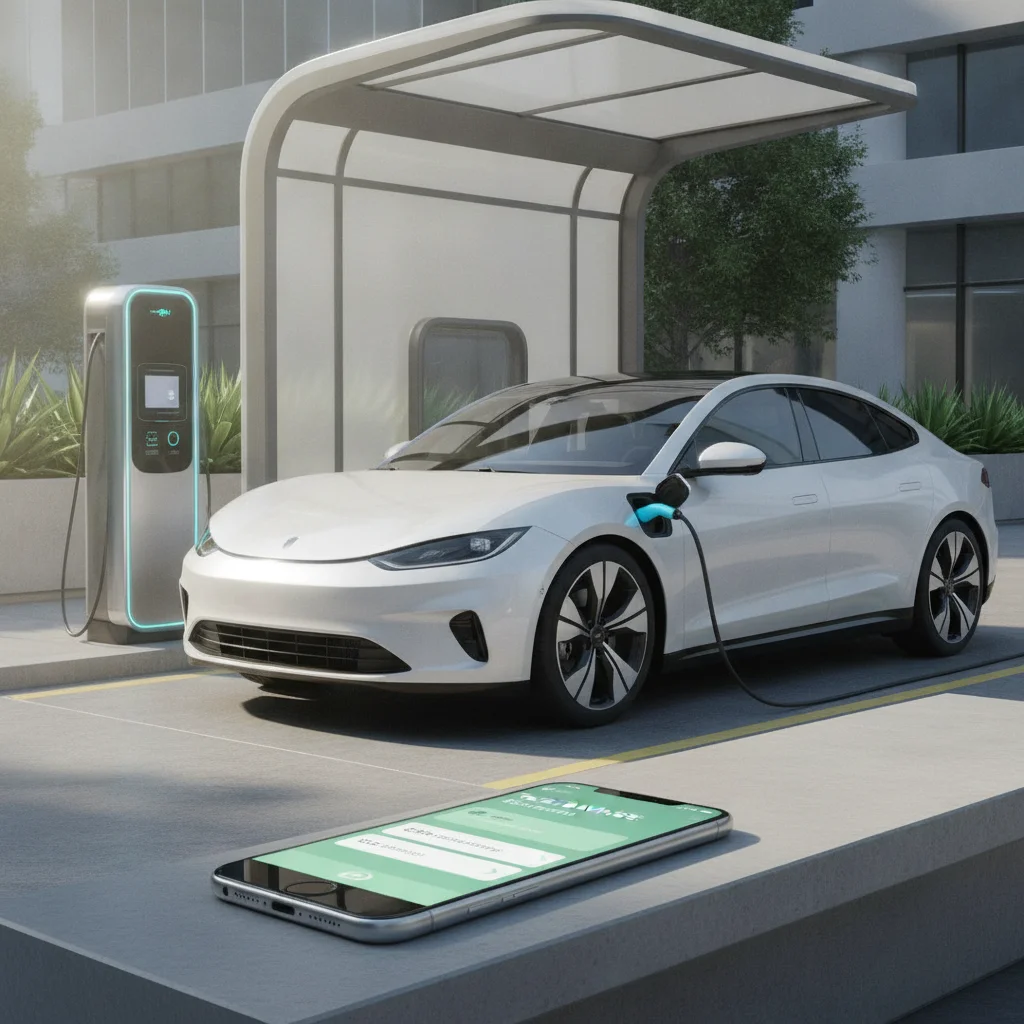
[in_content_images:0]To find what your utility offers, go directly to your utility's website and search for "EV rebate" or "electric vehicle incentive." The DSIRE database (dsireusa.org) also indexes utility programs by state. Key things to check: whether the rebate applies to used EVs, whether there's a per-household cap, and the documentation required — usually a copy of your purchase agreement and registration.
Utility EV rebates require no tax filing — just a purchase receipt and some patience.
State and Regional Grants Paid Directly to Buyers
Several states run grant programs that function more like direct payments than tax credits. Unlike the federal credit — which reduces what you owe after the fact — these grants are awarded based on application and paid directly to the buyer or applied at the point of sale.
California's Clean Vehicle Rebate Project (CVRP) was the most prominent example before it closed to new applicants; its successor programs continue through the California Air Resources Board and regional air quality management districts. Colorado, New York, Massachusetts, and Vermont have similar structures. New York's Drive Clean Rebate, for instance, has been paid as an instant discount at the dealer — no tax return involved.
These programs typically have income limits, but the income thresholds are sometimes set higher than the federal credit limits, or the income qualification works differently. Notably, some state programs prioritize applicants who don't qualify for the federal credit, effectively filling the gap for buyers left out of the IRS system.
[note_callout]Some state grant programs specifically target buyers who don't qualify for the federal credit.
Dealer-Applied Manufacturer Incentives
Starting in January 2024, the Inflation Reduction Act allowed eligible buyers to transfer the federal clean vehicle credit to the dealer at point of sale — meaning the dealer applies it as a discount and gets reimbursed by the IRS. This is technically a tax credit mechanism, but from the buyer's perspective, it functions identically to a dealer incentive: the purchase price drops at signing, and you never interact with a tax form.
Separately, manufacturers run their own non-federal incentives that appear as cash allowances, loyalty bonuses, or conquest offers. These are pure manufacturer-funded price reductions — no tax nexus whatsoever. Ford, GM, Hyundai, Kia, and Stellantis brands have all run EV-specific cash incentives at various points that were available to any buyer, regardless of tax situation.
When negotiating, ask the finance manager specifically: "What manufacturer incentives are currently available on this vehicle?" They don't always volunteer the full list. Also ask whether the point-of-sale federal credit transfer is available — if you're eligible, taking it at the dealer instead of waiting for your tax refund is almost always the better move.
Ask dealers specifically what manufacturer cash incentives exist — they don't always volunteer the full list.
Air Quality District and Regional Clean Air Programs
Air quality management districts — particularly in California, Texas, and the Mid-Atlantic states — run incentive programs funded by cap-and-trade revenue or emissions fees. These are separate from state DMV or tax agency programs and are often overlooked because they operate under obscure agency names.
In California, the Bay Area Air Quality Management District (BAAQMD) and South Coast AQMD offer grants ranging from $1,000 to $9,500 depending on income and the vehicle scrapped (if any). The Enhanced Fleet Modernization Program (EFMP) combines vehicle retirement with EV purchase grants — again, paid as a check, not a credit.
Similar programs exist through the Texas Commission on Environmental Quality and the Mid-Atlantic Regional Air Management Association (MARAMA) states. These programs often target residents of non-attainment zones — areas where air quality doesn't meet federal standards — so eligibility is geographic as much as financial.
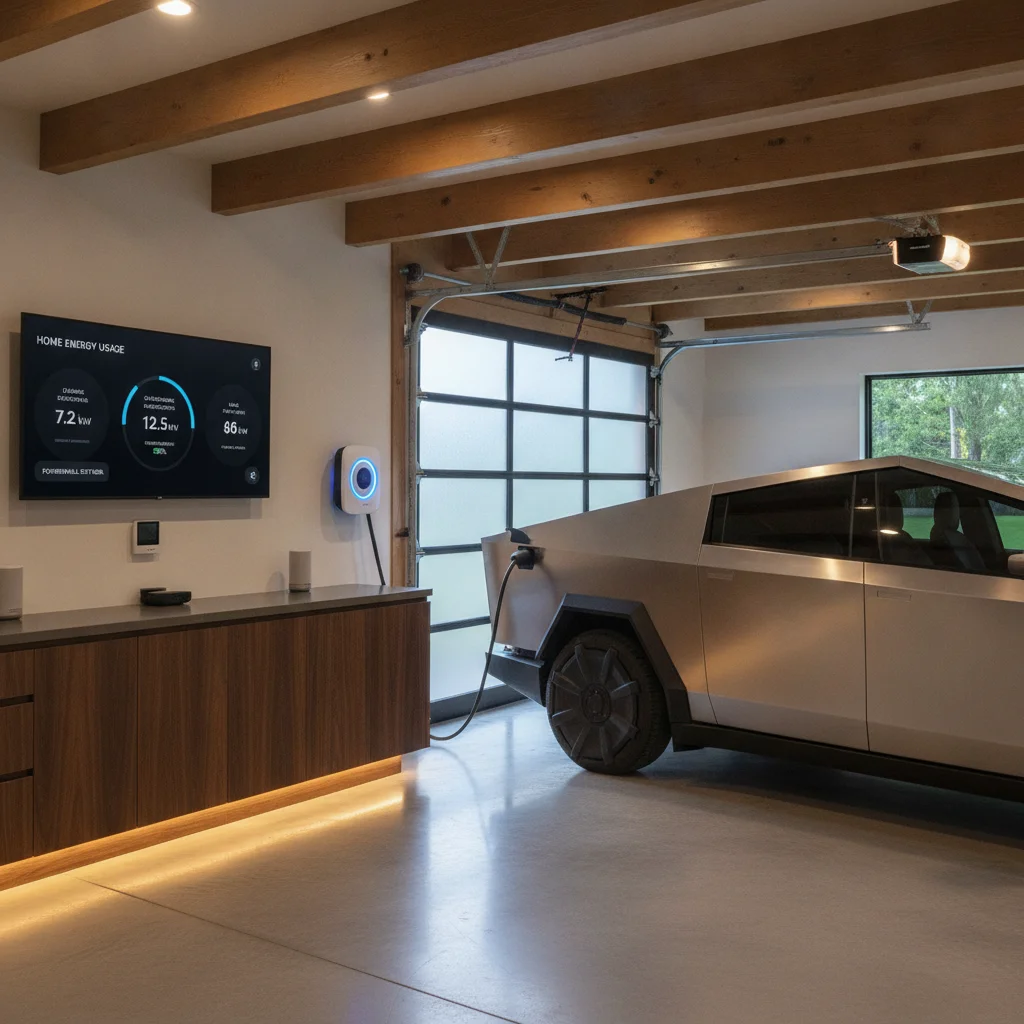
[in_content_images:1]Look up your regional air quality district and check their transportation programs page. These grants can be surprisingly generous and frequently go unclaimed simply because buyers don't know to look for them.
Regional air quality grants are frequently unclaimed — buyers in non-attainment zones should always check.
Utility Rebates on Home Charger Installation
The cost of installing a Level 2 home charger — typically $500 to $1,500 all-in for equipment and electrician labor — is another area where utility programs frequently step in without requiring a tax return. These rebates are distinct from vehicle purchase rebates and are sometimes even more widely available.
Programs from utilities like Duke Energy, Consumers Energy, and Puget Sound Energy cover portions of the charger hardware and installation costs. Some programs go further, offering free or subsidized charger equipment as part of EV rate plan enrollment.
There is a federal tax credit for EV charger installation (the Alternative Fuel Vehicle Refueling Property Credit), but you don't need to pursue it to access utility rebates — they're entirely parallel programs. If you want to understand both tracks, the full guide to EV charging incentives breaks down the interaction. For this article, the key point is that the utility rebate path requires nothing more than an application and proof of installation.
Utility charger rebates and the federal tax credit are parallel programs — you can pursue both independently.
Low-Income and Equity-Focused EV Programs
A growing category of EV incentives is specifically designed for buyers who face the biggest barriers to EV adoption — lower-income households that may have little or no tax liability and can't benefit from a nonrefundable federal credit. These programs skip the tax system entirely by design.
California's Clean Vehicle Assistance Program (CVAP) offers grants and low-interest loans to income-qualified buyers — not credits, actual grants that don't depend on tax liability. The federal government's Justice40 initiative is funding similar programs through state agencies in high-pollution communities. Some municipal utilities in low-income areas offer enhanced rebates of $2,000 to $6,000 that are paid directly to the buyer or applied at the dealer.
For a deeper look at this category, the article on EV incentives for low-income buyers catalogs programs across multiple states. The core takeaway here: if your household income disqualifies you from benefiting from the federal credit, there are targeted programs that can actually deliver more total savings.
[tip_callout]Low-income EV grant programs deliver real money without any tax liability — often more than the federal credit.
EV-Specific Rate Plans and Ongoing Utility Savings
This one is less a one-time incentive and more an ongoing structural saving — but it's worth including because it requires no tax interaction and is available to virtually every EV owner who enrolls. Most major utilities offer time-of-use (TOU) EV rate plans that dramatically reduce the cost of overnight charging.
Under these plans, electricity rates drop significantly during off-peak hours — typically midnight to 6 a.m. — making home charging cost roughly $0.06 to $0.10 per kWh in many markets versus $0.15 to $0.25 during peak hours. For a driver adding 1,000 miles per month, the difference can be $20 to $40 monthly, or $240 to $480 per year — every year you own the vehicle.
Enrollment is typically handled online through your utility account. Some utilities go further, offering bill credits just for enrolling in the EV rate program or for agreeing to managed charging (letting the utility control when your car charges during grid stress events). The Charging Costs & Savings hub covers how to calculate your personal charging economics in detail.
EV time-of-use rate plans can save $300–$480 annually with nothing more than an online enrollment.
Used EV Rebates From States and Utilities
The federal used clean vehicle credit (up to $4,000) does require a tax return, but a number of state and utility programs offer used EV rebates that don't. This is a meaningful distinction because the used EV market is where affordability-focused buyers increasingly shop, and some of the best non-tax incentives are now targeting that segment.
California, Colorado, New York, and several other states have expanded rebate programs to cover used EVs. Some utility programs also cover certified pre-owned or private-party used EV purchases — typically requiring the vehicle to be less than a certain age (often five to seven years) and purchased from within the service territory.
If you're weighing new versus used, note that the non-tax incentive stack for a used EV can be surprisingly competitive. A used EV buyer in California might access a CVRP-successor rebate, a utility purchase rebate, and an income-based grant — all without touching a tax form. For a full comparison of how different EV types are treated under incentive programs, see the overview of which EV types qualify for federal tax credits — useful context even when you're specifically avoiding the tax credit path.
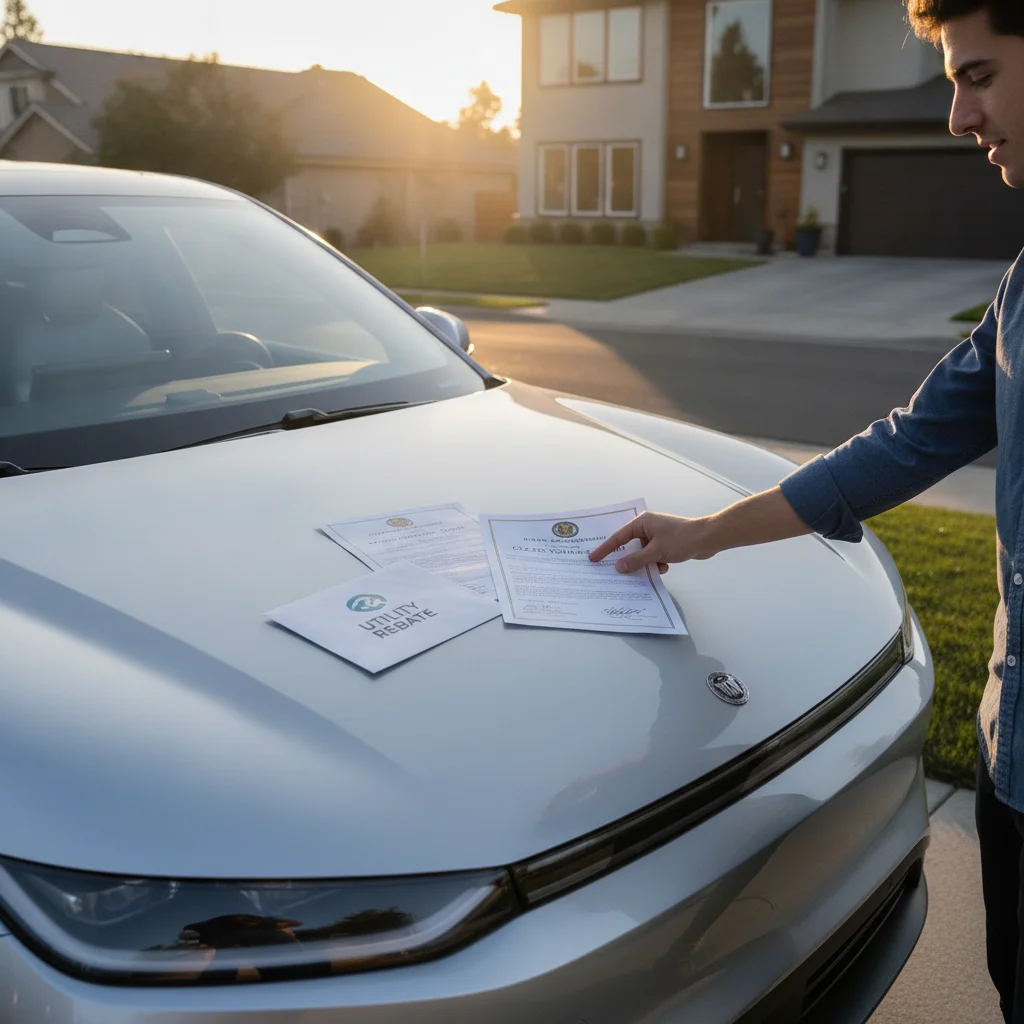
[in_content_images:2]Used EV buyers can stack state and utility rebates without touching a federal tax form.
Point-of-Sale Credit Transfer Is Not Universal
The IRA's point-of-sale credit transfer option is only available for vehicles and buyers that meet the full federal eligibility criteria — including battery sourcing rules, price caps, and income limits. If you don't qualify for the federal credit at all, this mechanism doesn't help. The incentives listed in this article are the ones that work independently of federal credit eligibility. For details on how the federal credit rules work, see the <a href="/electric-vehicles/ev-ownership-costs/ev-tax-credits/irs-form-8936-what-it-is-and-how-ev-buyers-use-it">IRS Form 8936 explainer</a>.
State Grant Availability Changes Frequently
State EV grant programs are funded by annual legislative appropriations or cap-and-trade auctions, which means they can be modified, paused, or discontinued without much notice. Always verify current program status directly with the administering agency before making a purchase decision based on a specific grant amount. Program details sourced from third-party aggregators can lag behind real-time changes.
Non-Tax Incentives and the Battery Sourcing Rules
One significant advantage of utility rebates, state grants, and regional air district programs is that they set their own eligibility criteria — they are not bound by the Inflation Reduction Act's battery sourcing and assembly requirements. A vehicle that fails to qualify for the federal credit due to battery mineral sourcing may still be fully eligible for state and utility incentives. For context on why those federal rules exist, see the overview of <a href="/electric-vehicles/ev-ownership-costs/ev-tax-credits/ev-battery-sourcing-requirements-under-the-inflation-reduction-act">EV battery sourcing requirements under the IRA</a>.
How to Stack These Incentives Without Leaving Money on the Table
The single biggest mistake EV buyers make with non-tax incentives is treating them as mutually exclusive. They're usually not. A buyer in California, for example, could potentially layer a utility rebate, a AQMD district grant, a Clean Vehicle Assistance Program benefit, and a dealer incentive — all on the same vehicle, all without a tax return. The savings can easily exceed $10,000 and in some cases rival or beat the federal credit entirely.
Research Before You Visit the Dealership
The best time to research non-tax EV incentives is before you walk into any dealership. Compile your utility rebate eligibility, any regional air district grants you qualify for, and available manufacturer cash offers ahead of time. Dealers rarely volunteer the complete picture, and arriving informed protects you from leaving savings unclaimed.
Income-Qualified Buyers: Apply Early
Many low-income EV grant programs operate on a first-come, first-served basis and have annual funding caps. In California, some programs exhaust their funds within weeks of the fiscal year opening. If you qualify for income-based EV programs, submit your application as soon as the program cycle opens — don't wait until you've found your exact vehicle.
The sequencing matters. Dealer incentives typically apply at signing. Utility rebates may require proof of purchase and can take 6–12 weeks to arrive. State grants sometimes have waitlists. Start researching before you step into the dealership, not after.
For buyers who are also eligible for the federal credit — or who want to understand how the non-tax programs interact with it — the primer on getting started with EV incentives is a good companion read. And if you're specifically looking to reduce what you spend on charging rather than the upfront price, see the guide to federal and state incentives that reduce EV charging costs.

The bottom line: don't let the complexity of the federal tax credit system convince you that EV savings are out of reach. For many buyers — especially those with lower tax liability, retirees on fixed income, or buyers in states with aggressive clean air programs — the non-tax path to EV savings is actually the easier and more rewarding one.

All claims are backed by peer-reviewed research. Sources on request.