Key Takeaways
Liability Coverage Transfer to Rentals
When you rent a car for personal use, your existing auto insurance liability coverage typically follows you — meaning it applies to damage or injuries you cause to others while driving the rental. This transfer happens automatically under most standard personal auto policies, without any additional steps on your part. However, coverage for damage to the rental vehicle itself is a separate matter entirely.
The transfer of liability is governed by your policy's "owned auto" versus "non-owned auto" provisions. Most personal auto policies extend the same liability limits to non-owned vehicles — including rentals — used with the owner's permission.
How Liability Coverage Works When You Rent a Car
If you already have a personal auto insurance policy, there's a good chance you're more covered at the rental counter than you realize. Most standard personal auto policies include what's called "non-owned auto" coverage — language that extends your liability protection to vehicles you drive but don't own, including rental cars.
This means that if you cause an accident while driving a rental, your liability coverage steps in to pay for the other driver's medical bills, their vehicle repairs, and any property you've damaged. From a liability standpoint, it works almost identically to driving your own car.
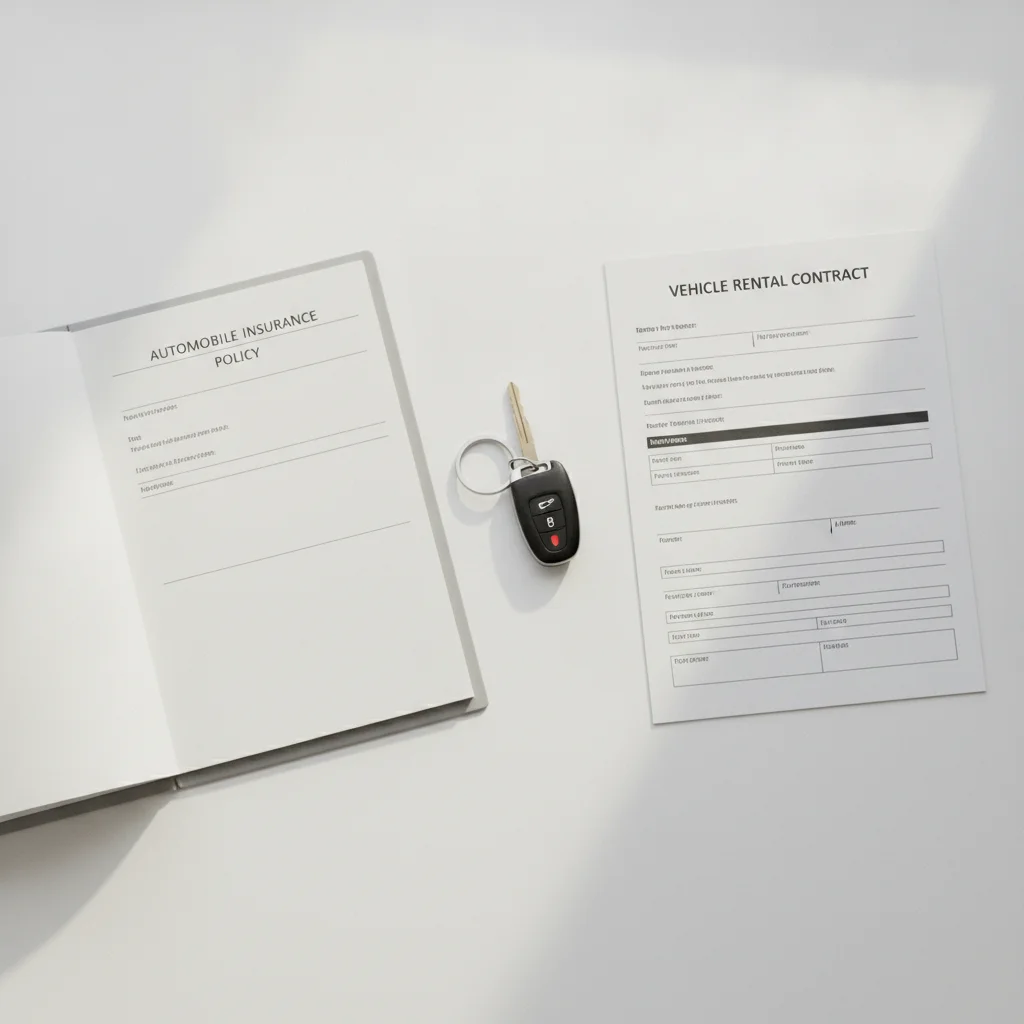
That said, there are real limits to what transfers — and understanding those limits is the difference between feeling genuinely protected and discovering a gap at the worst possible moment. Let's walk through exactly what carries over, what doesn't, and what you might want to add.
Rental Reimbursement Is a Different Coverage
It's easy to confuse liability transfer with rental reimbursement coverage. Rental reimbursement is a separate add-on that pays for a rental car while your own vehicle is being repaired after a covered claim — it has nothing to do with protecting you while you're driving the rental. If you're renting because your car is in the shop, see our article on <a href="/car-insurance/coverage-types/optional-add-ons/rental-reimbursement-coverage-how-it-works-and-what-it-pays">how rental reimbursement coverage works</a> for details on what that benefit actually provides.
State Minimum Limits May Not Be Enough
Even when your liability coverage transfers correctly to a rental car, carrying only state minimum liability limits can leave you seriously exposed. A single serious accident can generate damages that far exceed minimums — which would mean paying the difference out of pocket. If your current limits feel low, a rental trip is a good occasion to revisit whether they're adequate.
What Actually Transfers: The Good News
Here's where you can breathe a little easier. The core of your liability coverage — the part that pays for harm you cause to other people — generally does follow you into a rental car. Specifically, that includes:
- Bodily injury liability: Covers medical costs, lost wages, and pain and suffering for people you injure in an at-fault accident.
- Property damage liability: Pays for damage to other vehicles, structures, or objects you hit.
These protections transfer at the same coverage limits shown on your own policy's declarations page. If you carry $100,000/$300,000 in bodily injury liability, that's what's available for a rental car accident too — no more, no less.
~85%
U.S. drivers with personal auto policies extending to rentals
Most standard personal auto policies include non-owned vehicle liability provisions, according to Insurance Information Institute guidance.
$300–$500
Typical rental company loss-of-use charge per incident
Rental companies often charge for lost rental revenue during repairs — a cost many personal auto policies do not fully cover.
29%
Travelers who don't check their insurance before renting
A 2022 NerdWallet survey found nearly 3 in 10 car renters skip verifying their existing coverage before deciding on rental add-ons.
0
Liability dollars covered by most credit card rental benefits
Credit card rental protection almost universally covers only physical damage to the rental vehicle, not third-party liability claims.
If you're not sure whether your policy is strong enough to begin with, it's worth reviewing the fundamentals. Our overview of how liability coverage works walks through what those numbers really mean and why the limits you carry matter more than most people think.
What Doesn't Transfer: The Critical Gaps
Here's where many drivers run into trouble — and where the rental counter's insurance pitch starts to make more sense.
Damage to the Rental Vehicle Itself
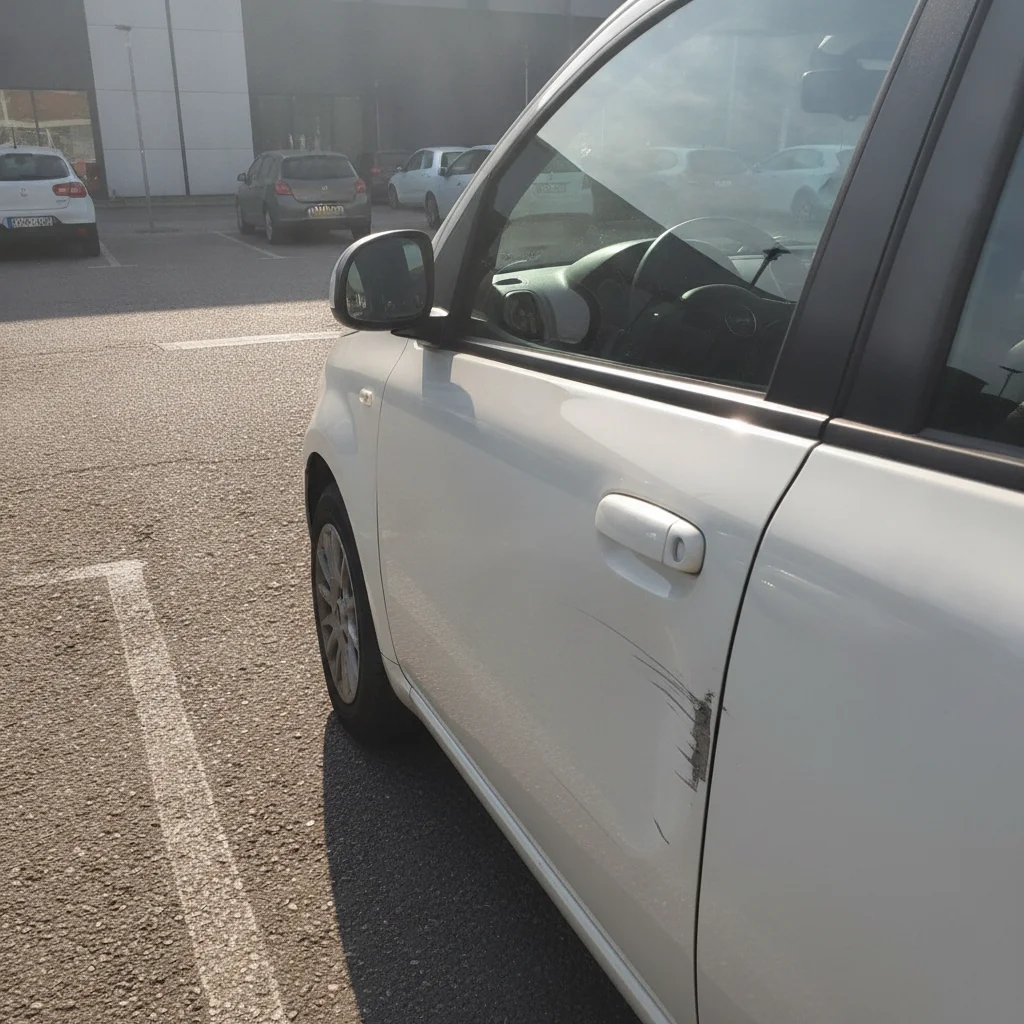
Your liability coverage protects others, not the property you're responsible for. If you scrape the rental car in a parking lot or get rear-ended and the bumper needs replacement, liability coverage won't pay a dime toward repairing the rental. For that, you'd need:
- Collision coverage on your personal policy (if you carry it)
- The rental company's Collision Damage Waiver (CDW) or Loss Damage Waiver (LDW)
- Your credit card's rental vehicle protection benefit
If you're only carrying liability on your personal policy — no collision, no comprehensive — you have no coverage for the rental vehicle's physical damage. That's a meaningful exposure, since rental companies can charge you for repairs, diminished value, and even their lost rental income during the repair period.
To understand when adding collision and comprehensive makes sense for your situation, see our guide on collision and comprehensive coverage.
Loss of Use and Administrative Fees
Even if your collision coverage pays for physical repairs to the rental, your insurer may not cover the rental company's "loss of use" charges — fees for the revenue they lose while the car is being fixed. These can be surprisingly large. Check with your insurer specifically about this, because it varies by policy and company.
Supplemental Liability Insurance (SLI)
Rental companies often offer a Supplemental Liability Insurance add-on, which extends the liability limits available if you cause a serious accident. Most drivers skip it — but if your personal liability limits are on the lower end (say, state minimums), SLI can provide a cushion worth considering. A major at-fault accident can generate damages well beyond basic limits.
Ask Your Insurer One Specific Question
Before your next rental, call your insurance company and ask: "Does my policy cover loss-of-use charges if I damage a rental vehicle?" Many drivers assume the answer is yes, but it often isn't — and rental companies can charge hundreds of dollars per day while a car is being repaired. Knowing ahead of time lets you decide whether a CDW makes financial sense.
Keep a Record of Your Pre-Trip Confirmation
When you call your insurer to verify rental coverage, write down the date, the representative's name, and what they confirmed. If a coverage dispute arises later, this documentation can be valuable. Some insurers will also send a confirmation email — it's worth asking.
Situations Where the Transfer May Not Apply
Your personal policy's non-owned auto clause isn't unlimited. Several common situations can interrupt or eliminate the coverage transfer entirely.
Business or Commercial Use
If you rent a car for a work trip — attending a conference, visiting a client, making deliveries — your personal auto policy may exclude the rental entirely. Business use often falls outside the scope of personal coverage. In these cases, your employer's commercial auto policy or a corporate travel insurance plan should be your first call, not your personal insurer.
International Rentals
Most U.S. personal auto policies stop at the border. Canada is sometimes an exception, but Mexico and virtually all other international destinations are not. If you're renting abroad, purchasing local liability coverage through the rental company isn't optional — it's necessary. Don't assume your domestic policy travels with you.
Renting a Car Outside Your Policy Type
Exotic vehicles, cargo vans, trucks over a certain weight, and motorcycles can all fall outside what your insurer defines as a covered "private passenger auto." If the rental is unusual in any way, verify with your insurer before you pick up the keys.
Named Driver Restrictions
If your policy has unusual exclusions — for example, an excluded driver in your household who happens to be traveling with you — those restrictions may complicate coverage. Policies vary. If anything about your household situation is atypical, a quick call to your insurer is always time well spent.
Credit Cards: Helpful but Misunderstood
A lot of drivers decline the rental company's damage waiver because they believe their credit card covers everything. In one narrow sense, they're right — many premium credit cards do offer solid rental vehicle damage protection. But it's critical to understand what that coverage actually does.
Credit card rental benefits cover damage to the rental vehicle. They do not provide liability coverage. If you cause an accident that injures another driver or damages their property, the credit card benefit does nothing. You're relying entirely on your personal auto policy's liability coverage for that.
“Credit card rental coverage is narrower than most cardholders assume. It's designed to protect the rental company's asset — the car — not to protect you from the financial consequences of injuring someone else. Those are two very different risks.”
— J. Robert Hunter, Former Director of Insurance, Consumer Federation of America
It's also worth noting that credit card rental coverage usually works as secondary coverage — meaning your personal auto insurance pays first, and the credit card covers any remaining gap. If you want the card to act as primary coverage (which avoids filing a claim with your personal insurer), you'll often need to explicitly opt into that through the card's benefit portal, and some cards only offer primary coverage on certain rental types.
For a broader comparison of where liability-only coverage ends and fuller protection begins, see our breakdown of liability vs. full coverage — it's one of the most useful decisions to make before your next rental.
How to Confirm Your Coverage Before You Rent
You don't need to spend a lot of time on this — but a few minutes of preparation before you pick up a rental car can save you significant stress and money.
- Pull out your declarations page. Look at your liability limits. Also check whether you have collision and comprehensive. This tells you immediately what kind of coverage you'd be bringing to the rental.
- Call your insurer. Ask them directly: "Does my policy extend liability coverage to rental cars? Does it cover vehicle damage? Are there any exclusions I should know about?" It takes about five minutes and gives you a definitive answer specific to your policy.
- Check your credit card benefits. Log into your card's benefit portal or call the number on the back. Find out whether rental coverage is primary or secondary, and what types of vehicles are excluded.
- Evaluate the rental company's options. Once you know what you already have, you can make a genuinely informed decision about which add-ons — if any — you actually need.

If you don't currently carry collision or comprehensive on your personal policy, the rental company's CDW/LDW is worth taking seriously. It's not always a rip-off — it's filling a real gap. The math changes if you do carry collision coverage on a comprehensive personal policy.
And if you're renting while your own car is in the shop after a claim, that's a different scenario covered by rental reimbursement coverage — not your liability policy. See our guide on what rental reimbursement covers during a claim if that's the situation you're navigating.
Ask Your Insurer One Specific Question
Before your next rental, call your insurance company and ask: "Does my policy cover loss-of-use charges if I damage a rental vehicle?" Many drivers assume the answer is yes, but it often isn't — and rental companies can charge hundreds of dollars per day while a car is being repaired. Knowing ahead of time lets you decide whether a CDW makes financial sense.
Keep a Record of Your Pre-Trip Confirmation
When you call your insurer to verify rental coverage, write down the date, the representative's name, and what they confirmed. If a coverage dispute arises later, this documentation can be valuable. Some insurers will also send a confirmation email — it's worth asking.
Making the Right Call at the Rental Counter
The rental counter is not the right place to figure all of this out for the first time. The agent will offer you coverage quickly, quote you a daily rate, and move on to the next customer. Knowing what you already have — and what you genuinely lack — is what lets you make a clear decision under pressure.
As a general framework:
- If you carry liability, collision, and comprehensive on your personal policy, and your limits are reasonable, you likely need very little from the rental company — though verifying loss-of-use coverage is still worth doing.
- If you carry liability only, you're covered for harm you cause to others, but you have no protection for the rental vehicle itself. The CDW/LDW makes sense.
- If you're renting internationally, assume your personal policy doesn't apply and purchase local coverage.
- If you're renting for business, confirm with your employer before assuming your personal policy applies.
For those still deciding between coverage levels on their own policy, comparing liability limits vs. full coverage is a good next step. And if you're exploring optional add-ons that could improve your rental coverage situation, our overview of optional policy add-ons covers what's typically available and worth considering.
The bottom line: your personal auto liability coverage is probably doing more work for you at the rental counter than you thought — but it has real limits, and knowing exactly where those limits fall is how you stay genuinely protected.

All claims are backed by peer-reviewed research. Sources on request.