Key Takeaways
Pet Injury Coverage
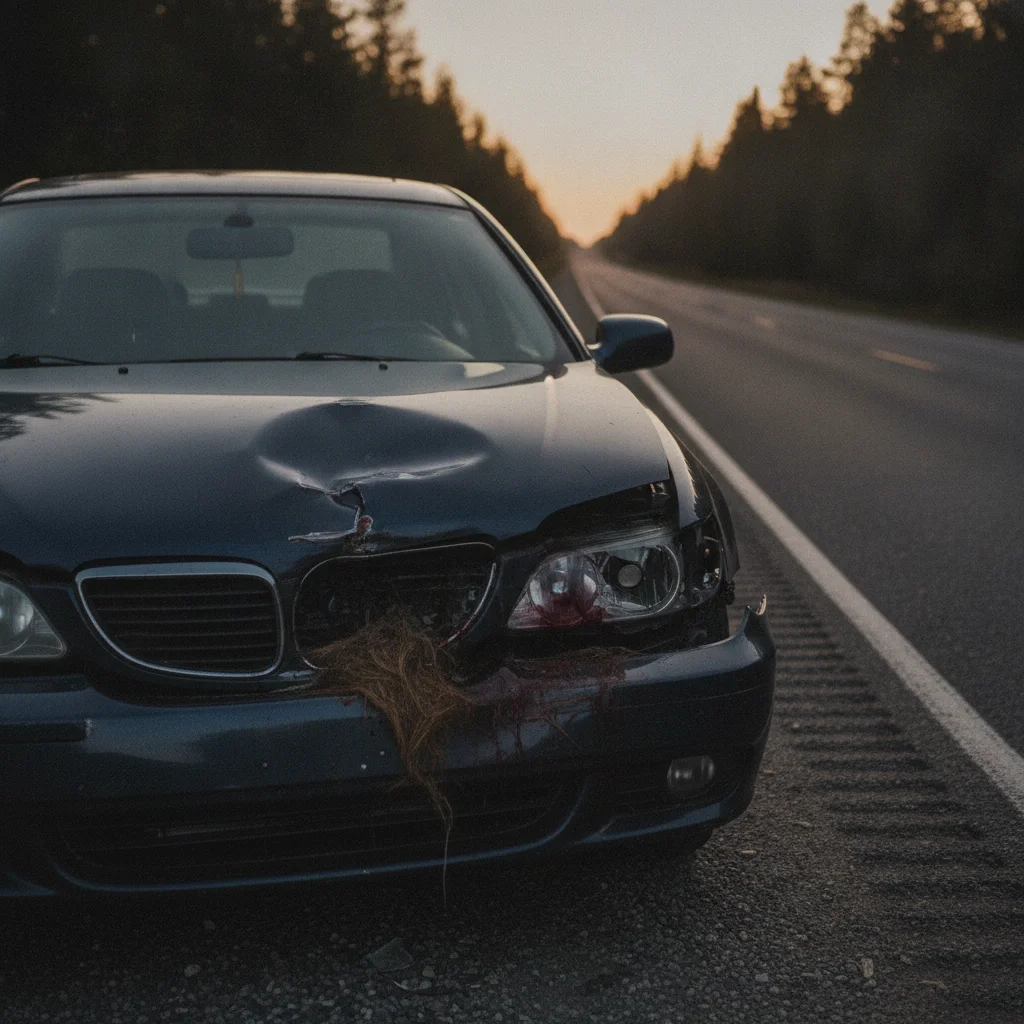
Pet injury coverage is an optional add-on to an auto insurance policy that pays for veterinary expenses if your dog or cat is injured in a covered car accident. It is distinct from pet health insurance — this coverage only applies to injuries sustained while your pet is inside your vehicle. A handful of major insurers and some regional carriers offer it, typically as a rider attached to collision or comprehensive coverage.
Coverage limits are usually low — commonly $500 to $1,000 per incident — and the benefit is generally triggered by the same event that activates your collision or comprehensive claim, meaning your auto deductible typically does not apply separately to the pet injury portion.
What Pet Injury Coverage Actually Pays For
Most drivers assume their auto policy is a blank check for anything that happens inside their car. It isn't — and your pet is one of the clearest examples of that gap. Pet injury coverage fills a very specific hole: veterinary costs resulting from a covered auto accident. That's it. The scope is narrow by design.
Here's what a typical pet injury endorsement covers:
- Emergency vet visits following a collision or comprehensive event (fire, theft, vandalism, weather)
- Diagnostic imaging, surgery, and hospitalization resulting from accident-related trauma
- Treatment for dogs and cats — almost universally, these are the only species covered
Here's what it does not cover:
- Routine vet care, vaccinations, or pre-existing conditions
- Injuries that happen outside the vehicle (your dog gets hit by another car while loose — not covered here)
- Death benefits or emotional distress — this is a reimbursement product, not a life policy
- Injuries to someone else's pet riding in your car (liability coverage doesn't extend to animals either)
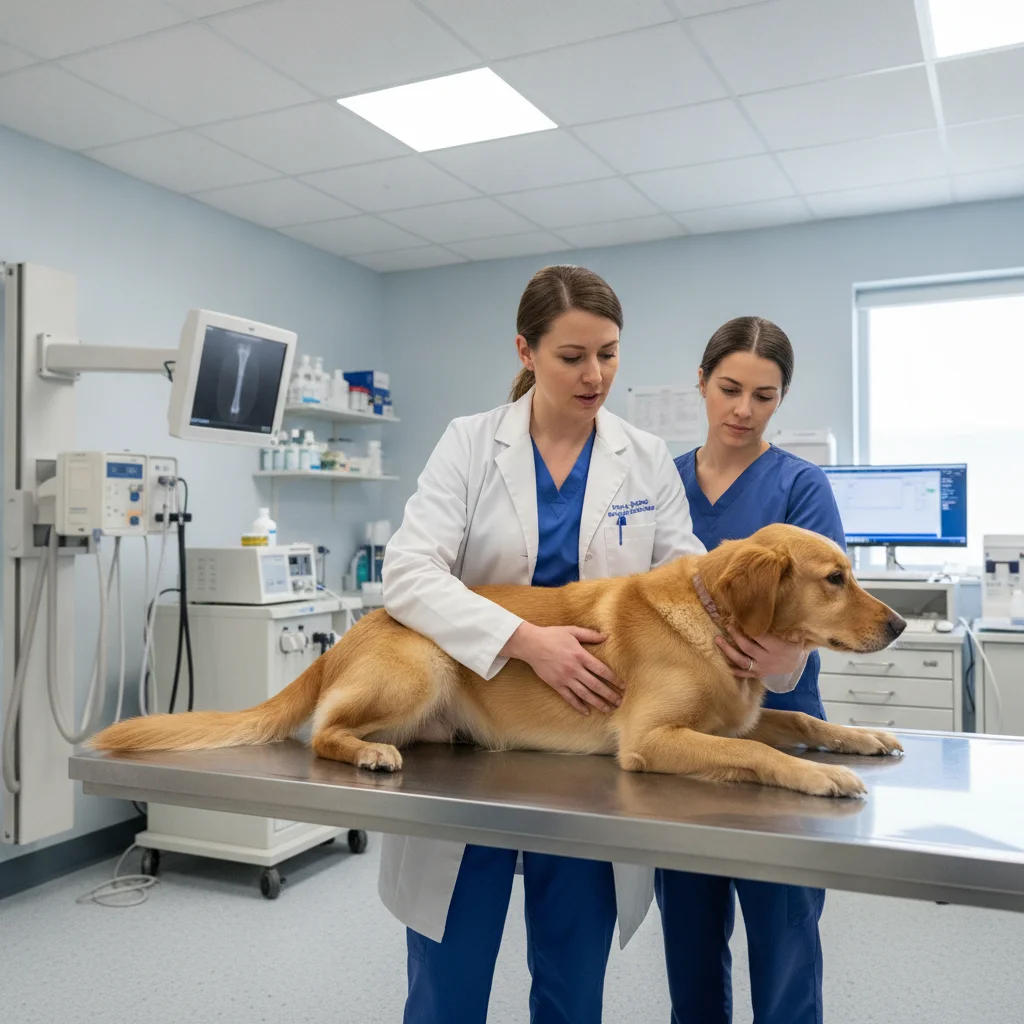
The coverage limit is where many drivers get surprised. Most policies cap the pet injury benefit at $500 to $1,000 per incident. For context, emergency veterinary care after a serious accident — spinal trauma, internal bleeding, orthopedic surgery — can run $3,000 to $10,000 or more at a specialty vet hospital. This add-on won't make you whole in a worst-case scenario. What it does is absorb the initial diagnostic and stabilization costs, which matter when you're already dealing with a totaled car and a stressed-out family.
Pets as 'Personal Property' — A Legal Gray Area
In most U.S. states, animals are legally classified as personal property. This means that without a specific pet injury endorsement, your insurer might theoretically value your dog as 'property' — but don't expect meaningful compensation through that channel. The fair market value of a mixed-breed rescue dog is essentially zero in insurance terms, even though the cost of treating that dog after an accident is very real. A dedicated pet injury rider is the only reliable mechanism for getting vet bills reimbursed.
How Pet Injury Coverage Is Structured Inside Your Policy
Understanding where this coverage sits within your policy is important because it affects how claims are processed. Pet injury coverage is almost always attached to either your collision coverage or your comprehensive coverage — sometimes both. That means the triggering event determines which coverage responds.
If you rear-end another vehicle and your dog is injured, collision coverage is the underlying claim — and the pet injury benefit activates alongside it. If a tree falls on your car while your cat is inside, comprehensive responds. See our overview of collision and comprehensive coverage for a deeper explanation of how these two coverages differ and what each one protects against.
The deductible situation is policy-specific. Some insurers waive a separate deductible for the pet injury portion, meaning if you have a $500 collision deductible and your vet bill comes to $800, the insurer may pay the full $800 (up to the sublimit) without applying that deductible again. Others apply the same deductible to the pet benefit. This distinction matters and is worth clarifying before you add the rider.
Ask About Bundled Benefits Before Shopping
Some insurers include pet injury coverage automatically at certain coverage tiers — you may already have it and not know it. Before you go shopping for a new policy, pull out your current declarations page and look for any pet or animal injury endorsement. Call your insurer and ask directly; this benefit often isn't listed prominently in marketing materials.
Use a Pet Carrier to Reduce Injury Risk
Coverage aside, crash-tested pet carriers and vehicle harnesses significantly reduce the risk of injury to your pet in an accident. An unrestrained 60-pound dog becomes a dangerous projectile in even a moderate collision. Reducing injury severity also means a lower vet bill — which matters when your coverage sublimit is only $1,000.
One more structural nuance: pet injury coverage is an endorsement (also called a rider), not a standalone policy. It cannot exist without an underlying auto policy. If you cancel your auto policy or remove collision/comprehensive, the pet rider typically falls away with it. For a broader view of how this fits alongside other optional protections, see the full glossary of car insurance add-ons.
Which Insurers Offer It — and What It Costs
This is where the market gets thin. Pet injury coverage is far from universal. The insurers who have historically offered it include:
- Nationwide: Has offered pet injury coverage as part of its Vanishing Deductible program and as a standalone option in some states.
- Farmers: Includes pet coverage on select policy tiers, particularly in states with higher pet ownership rates.
- 21st Century: Offered pet injury protection bundled with collision coverage in California.
- Some regional and specialty carriers in states like Texas, Florida, and Ohio include it automatically at higher coverage tiers.
78%
Pet owners who travel with pets in cars
According to a AAA and Kurgo survey, approximately 78% of dog owners reported driving with their dogs in the past year.
$1,500+
Average emergency vet visit cost after trauma
The American Veterinary Medical Association estimates serious trauma care for dogs and cats frequently exceeds $1,500 for initial stabilization alone.
$0–$30
Typical annual cost of pet injury rider
Insurers who offer pet injury coverage generally price the endorsement at under $30 per year, with some including it at no additional premium on select policy tiers.
$500–$1,000
Standard per-incident sublimit
Most auto policy pet injury endorsements cap reimbursement at $500 to $1,000 per accident, regardless of actual veterinary expenses incurred.
The cost is the most surprising part of this coverage: most insurers offering it charge between $0 and $30 per year. A handful include it for free as a policy perk. The premium is low because the claims frequency is low and the sublimit caps insurer exposure. From a pure cost-benefit standpoint, if your current insurer offers it for under $20 annually and you drive with a pet even occasionally, it's difficult to argue against adding it.
The harder problem is availability. Many major carriers — GEICO, Progressive, State Farm, Allstate — do not prominently offer a pet injury endorsement as a standard product. Progressive does provide up to $1,000 for vet bills for pets injured in a crash as part of its collision coverage in some states, but the specifics vary. Always call your insurer directly and ask; this benefit sometimes exists quietly without being marketed.

Pet Injury Coverage vs. Standalone Pet Insurance
These two products often get conflated, and that confusion leads to gaps. They operate in completely different contexts.
| Feature | Auto Policy Pet Rider | Standalone Pet Insurance |
|---|---|---|
| Trigger | Car accident only | Illness, injury (any cause), preventive care |
| Coverage limit | $500–$1,000 typically | $5,000–$20,000+ annually |
| Deductible | Tied to auto claim or waived | Separate annual or per-incident deductible |
| Annual cost | $0–$30 | $300–$900+ depending on breed and age |
| Pre-existing conditions | N/A (accident only) | Typically excluded |
The conclusion here is straightforward: these products are not substitutes for each other. A pet owner who wants comprehensive protection for their dog's health should carry standalone pet insurance. The auto rider is a narrow supplement — it catches one specific accident scenario that pet health insurance would also cover, but at a fraction of the premium cost. If you already have a robust pet health insurance policy, the auto rider's value is mostly in its convenience (no separate claims process for a crash-related vet bill).
For budget-conscious drivers already stretched thin on premium, the guide to choosing optional add-ons on a tight budget lays out a prioritization framework for optional coverage decisions.
“People spend hundreds of dollars a year on pet food and grooming but then have no financial plan for a $2,000 emergency vet bill after a fender-bender. Pet injury coverage on an auto policy is one of the cheapest, most underused tools available to pet owners who drive.”
— Kara Lennox, Consumer insurance analyst and automotive coverage specialist
When Pet Injury Coverage Makes Financial Sense
Not every driver needs this add-on, but there are specific profiles where it provides genuine value with very little downside.
Add it if:
- You regularly drive with a dog or cat in the vehicle — daily commuters, road-trippers, and rural drivers who bring pets along frequently face higher exposure.
- Your insurer offers it for free or under $20/year — the cost-benefit math is easy at that price point.
- You don't have standalone pet insurance — this rider becomes more meaningful when it's your only financial backstop for accident-related vet costs.
- You own a large breed dog — larger dogs face higher injury severity risk in crashes and higher treatment costs when injured.
Skip it (or deprioritize it) if:
- You already carry comprehensive pet health insurance — the auto rider duplicates coverage you're already paying for.
- Your pet rarely travels in your car — the exposure is low enough that even a $15 annual premium may not be worthwhile.
- The premium is more than $30/year with a low sublimit — at that price point, the expected value of the coverage doesn't hold up.
It's also worth knowing how this interacts with animal collision claims more broadly. Hitting a deer or other wildlife is a comprehensive claim — not a collision claim — and it has no bearing on pet injury coverage. If you're unclear on how animal strikes are categorized, animal collisions and how insurance handles them clears up a misunderstanding that trips up a lot of drivers.
How to Add Pet Injury Coverage to Your Existing Policy
The process is simpler than most drivers expect. Here's how to pursue it without wasting time:
- Call your current insurer first. Ask specifically: "Do you offer pet injury coverage or a pet rider on auto policies in my state?" Front-line agents sometimes don't volunteer this information. Push the question directly.
- Confirm the sublimit and trigger event. Ask: What's the maximum payout per incident? Does it apply to both collision and comprehensive claims? Is there a separate deductible?
- Check the pet definition. Confirm your specific pet species is covered — almost every policy limits coverage to dogs and cats.
- Get it added mid-term if needed. Most insurers allow mid-policy endorsement additions without waiting for renewal.
- Compare across carriers if your insurer doesn't offer it. If pet coverage matters to you and your current insurer doesn't offer it, factor that into your next renewal shopping. The full landscape of optional auto insurance coverages gives you a framework for comparing the full menu of riders when you shop.
Ask About Bundled Benefits Before Shopping
Some insurers include pet injury coverage automatically at certain coverage tiers — you may already have it and not know it. Before you go shopping for a new policy, pull out your current declarations page and look for any pet or animal injury endorsement. Call your insurer and ask directly; this benefit often isn't listed prominently in marketing materials.
Use a Pet Carrier to Reduce Injury Risk
Coverage aside, crash-tested pet carriers and vehicle harnesses significantly reduce the risk of injury to your pet in an accident. An unrestrained 60-pound dog becomes a dangerous projectile in even a moderate collision. Reducing injury severity also means a lower vet bill — which matters when your coverage sublimit is only $1,000.
One final note: some travel-heavy pet owners who use their vehicles for pet transport businesses or dog sitting should be aware that commercial or business use exclusions in personal auto policies can affect coverage broadly — including any pet injury rider. If your vehicle serves a business function, disclose that to your insurer and ask how it affects the endorsement.

All claims are backed by peer-reviewed research. Sources on request.